Best Neighbourhoods and Islands for Luxury Suites in the Bahamas
Nassau and Paradise Island
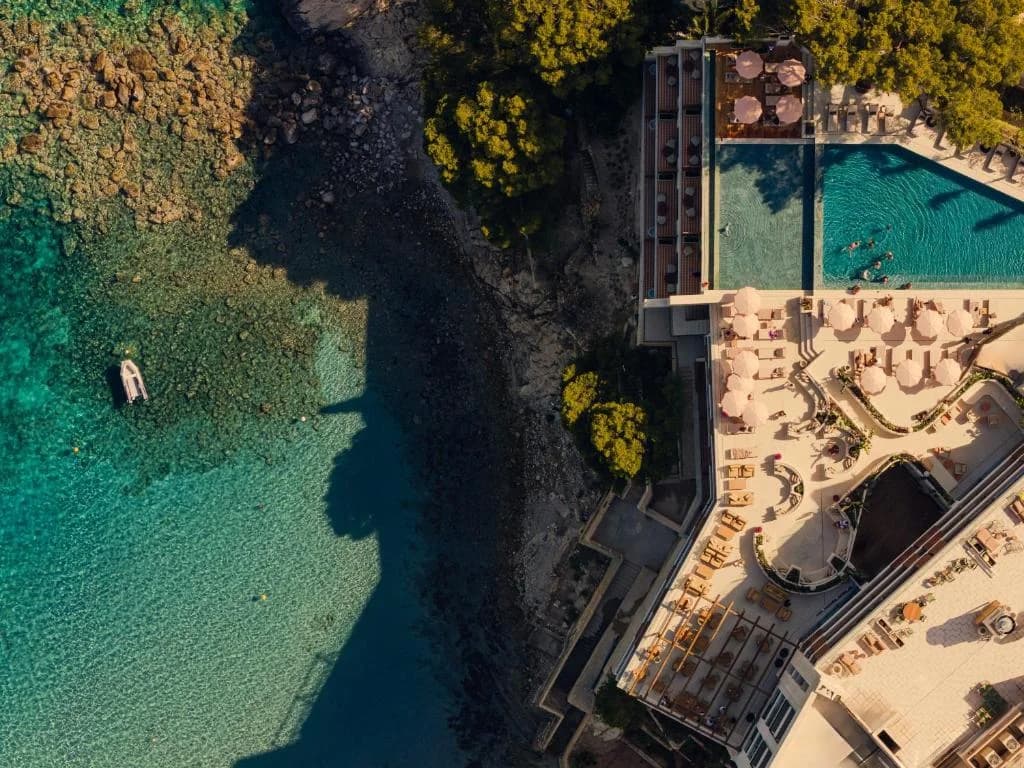
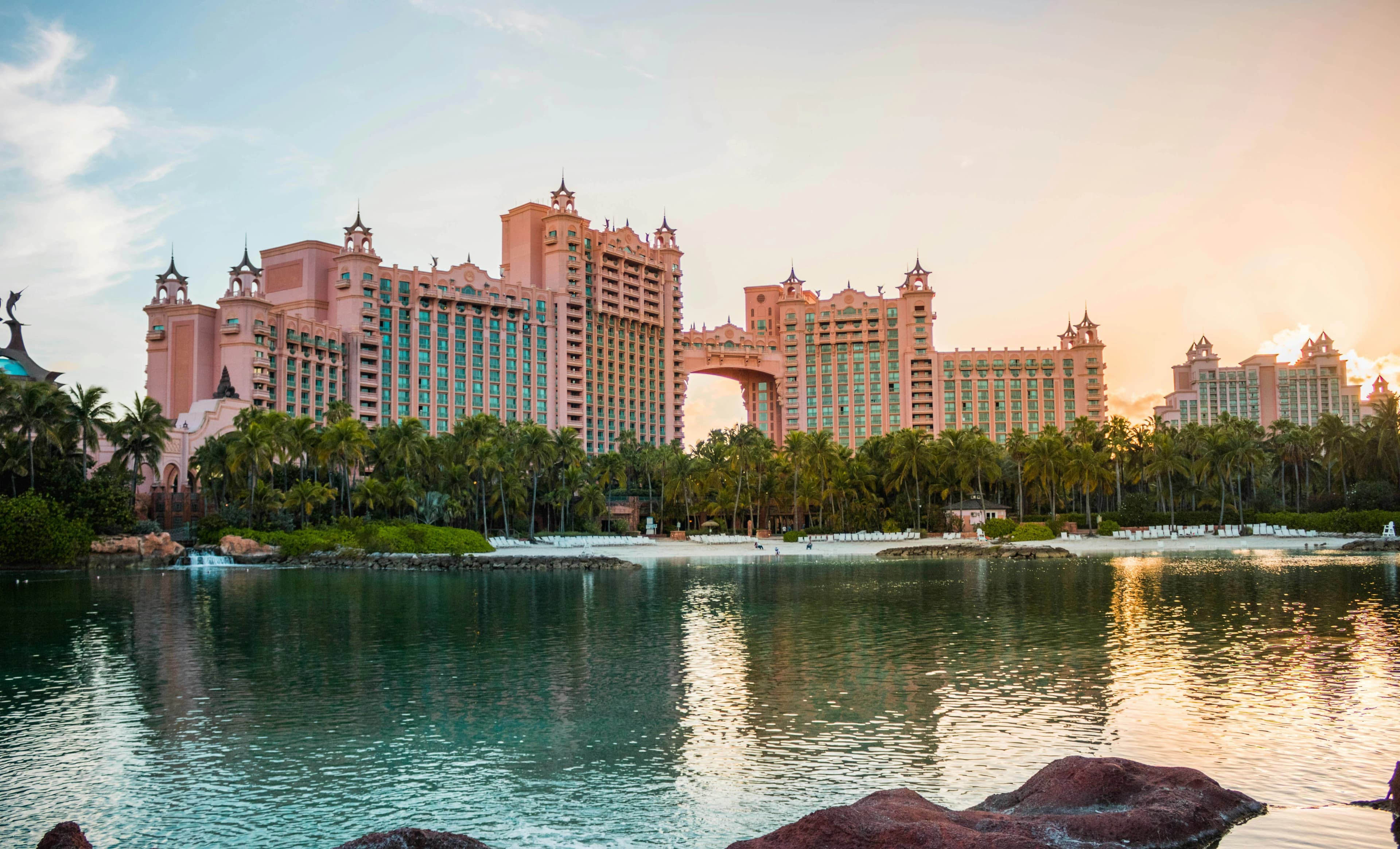
Nassau, the capital, operates as the commercial and cultural centre of the Bahamas. Paradise Island (connected by bridge) has historically anchored the country's most high-profile resort infrastructure. The corridor between these two landmasses concentrates the largest suite inventories, the most structured amenity ecosystems, and the highest density of international-brand properties. For travelers who want proximity to the airport, access to colonial-era architecture, and a legible urban rhythm alongside resort amenities, this pairing remains the functional entry point into Bahamian luxury.
Harbour Island
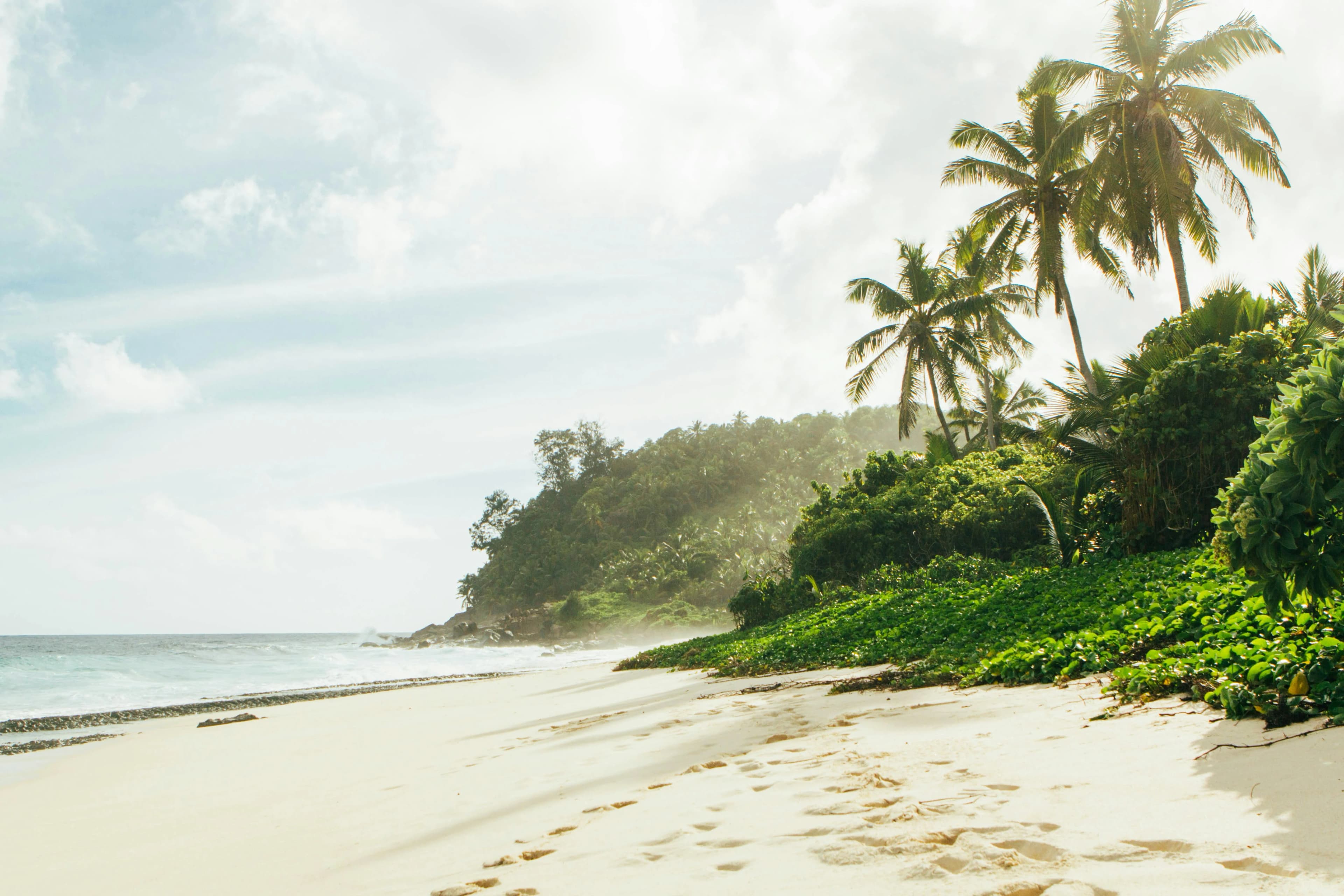
Harbour Island, located off the northeast coast of Eleuthera, is perhaps the most design-referenced address in the entire archipelago. Its pink-sand beaches (a product of crushed coral mixed with fine white sand) have been aestheticized extensively in editorial travel media. The town of Dunmore Town retains a cluster of colonial cottages and a pedestrian-scale that makes it unusual in the Caribbean context. Properties here are predominantly small and independently operated, attracting a clientele for whom scale and anonymity are both desirable.
Exumas
The Exuma Cays stretch over 100 miles of shallow, luminescent water and constitute one of the most photographically documented marine environments on the planet. The region is defined by its access to private islands and its proximity to the Exuma Cays Land and Sea Park, a protected marine zone. Luxury here is measured in nautical access, private moorings, and the capacity for a property to function as a self-contained ecosystem. George Town on Great Exuma provides a logistical base; the smaller cays around it are where the most architecturally resolved private retreats are found.
Eleuthera
A long, narrow island running north to south, Eleuthera occupies a distinct position in the Bahamian luxury spectrum. Its Atlantic-facing coastline is more exposed, generating a different sensory register than the calm leeward waters of the Exumas. The island's interior is agricultural and underdeveloped, which contributes to an atmosphere of genuine remoteness. Cape Eleuthera and the area around Gregory Town have attracted a cohort of design-forward properties that prioritize architectural restraint over amenity excess.
Abaco Islands
The Abacos, particularly the area around Marsh Harbour and the ferry-accessible communities of Hope Town and Green Turtle Cay, appeal to nautically oriented travelers. The architecture here is historically rooted in Loyalist colonial traditions, and the cay communities maintain a social fabric that is identifiably local rather than resort-fabricated. Properties in this region tend to be smaller and more discreet.
When to Visit the Bahamas for a Luxury Stay
The Bahamas operates within a tropical climate that divides broadly into two seasons, each carrying distinct implications for the luxury traveler.
The high season runs from mid-November through April. Temperatures are moderate (typically between 70°F and 80°F) humidity is lower, and the risk of tropical storm activity is negligible. This is when the Out Islands are at their most navigable, and when Harbour Island and the Exumas reach peak occupancy among design-conscious travelers. Advance booking during this period, particularly for private villa suites and boutique properties, is essential.
The summer months (June through October) constitute hurricane season. The risk is statistically highest between August and October. However, many properties remain open during this period, and the financial proposition is materially different: rates drop significantly, crowds recede, and the quality of light over the water during these months is architecturally distinct. Travelers with schedule flexibility who can monitor meteorological developments find this period operationally viable, particularly in the southern Bahamas which sees less hurricane exposure than the northern islands.
The Bahamas Junkanoo festival (held on Boxing Day (December 26) and New Year's Day) represents the country's most significant cultural event. Nassau is the primary venue, with parades, costumed processions, and percussion-driven performances that have deep historical roots in West African tradition. For travelers based in Nassau during this period, the experience is spatially and sonically immersive in a manner that no resort amenity can replicate.
Local Luxury Standards: How the Bahamas Classifies Its Hotels
The Bahamas does not operate under a formal luxury designation system equivalent to France's Palace label or the UK's Forbes Five-Star infrastructure. The Ministry of Tourism and the Bahamas Hotel and Tourism Association oversee licensing and general classification, but the granular distinctions that matter to discerning travelers are largely self-assigned by properties and validated through third-party critical frameworks.
The most operationally relevant indicators of genuine luxury in the Bahamian context are: island exclusivity (properties occupying their own private cay or operating with a controlled guest count); water access infrastructure (private docks, seaplane landing rights, dedicated snorkeling or diving programs); and staff-to-guest ratios. In a country where labor must often be imported and logistics are inherently complex, service consistency is a meaningful differentiator.
The small-island boutique category (properties with under 20 keys, often family-operated or independently managed) functions as its own prestige tier in the Bahamas. These properties are typically not rated by conventional star systems but carry significant weight in the editorial luxury market and among repeat visitors to the archipelago.
How to Choose the Best Suite in the Bahamas
The suite category in the Bahamas is heterogeneous. A penthouse suite in a Nassau resort and an overwater bungalow in the Exumas are structurally incomparable products, they serve different purposes and respond to different desires.
The first decision point is water orientation: Atlantic-facing properties offer stronger swell, deeper tones, and a more austere sensory environment; Caribbean-facing and leeward properties offer calmer, visually saturated shallow water. Neither is objectively superior, they are experientially distinct.
The second consideration is accessibility. The Out Islands require inter-island flight connections, typically via Lynx Air, Southern Air Charter, or private aviation from Nassau or Fort Lauderdale. This logistical layer adds planning complexity but also functions as a self-selecting filter that reduces foot traffic significantly.
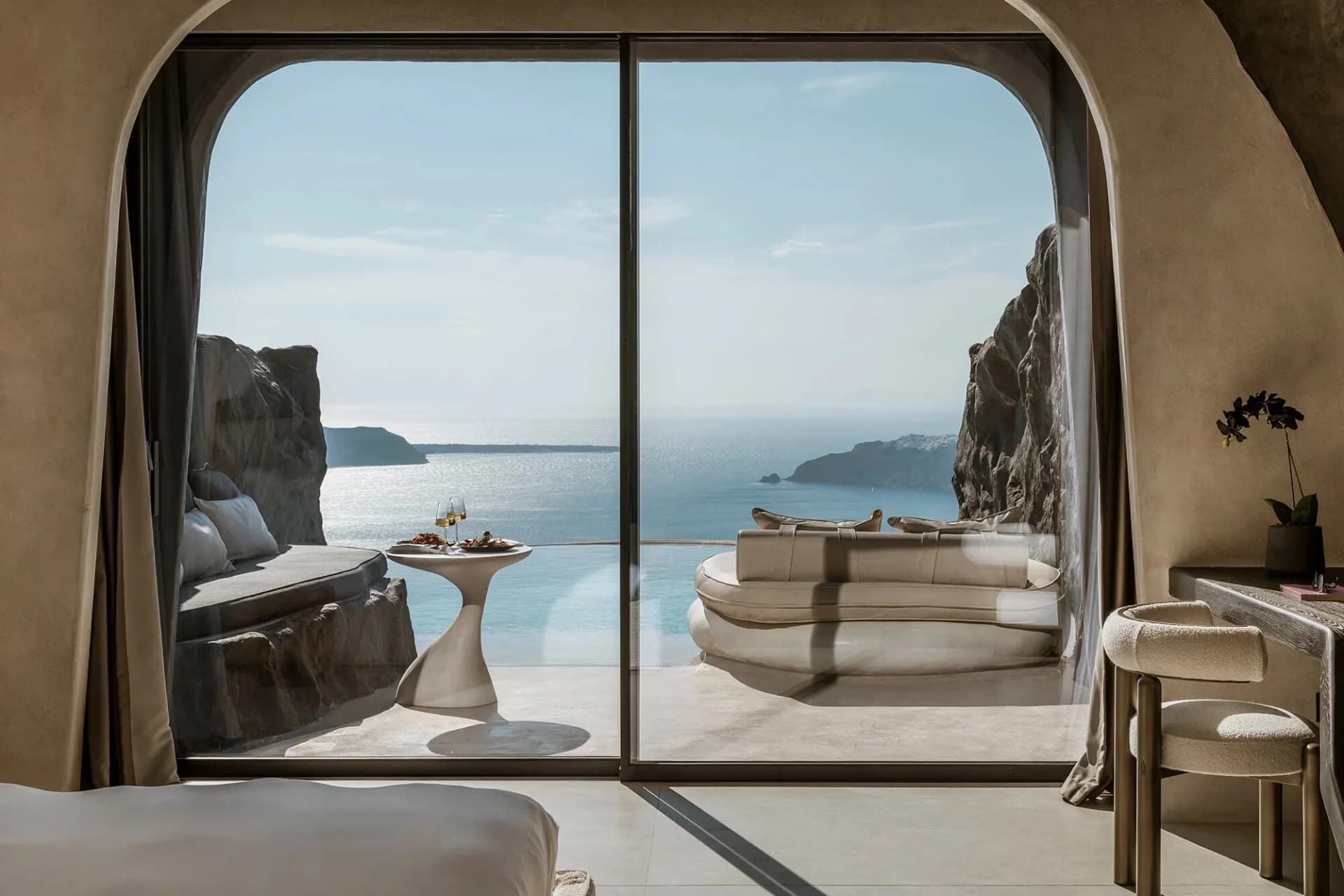
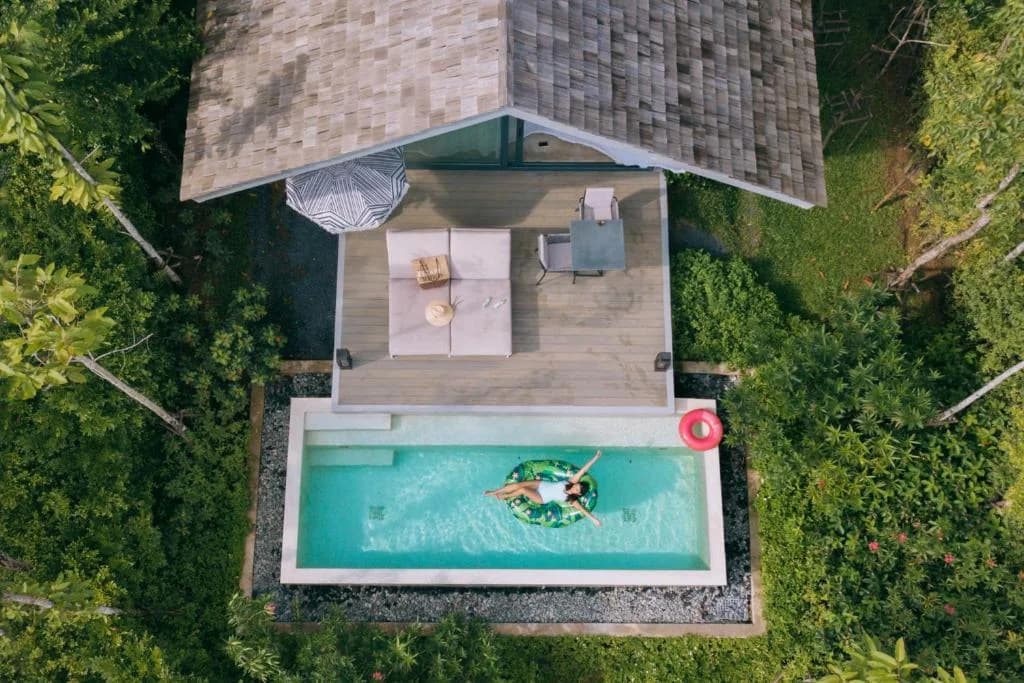
Privacy architecture matters in this market: whether a suite has direct beach access without crossing public resort space, whether plunge pools are genuinely private or visually exposed to adjacent units, and whether the property operates a controlled check-in rhythm that prevents corridor congestion, these are measurable variables that separate elite suites from expensive ones.
For families, the structural question is whether the suite can accommodate additional sleeping configurations without compromising the spatial logic of the primary suite. Many Bahamian boutique properties are designed with adults as the primary user, and the category of genuinely family-suitable luxury suites is narrower than the marketing suggests.
The Value of Curation in the Bahamian Market
The Bahamas hosts hundreds of properties across its islands, from international resort chains to private villa rentals with minimal quality control. The density of marketing language in this market is significant, and the gap between photographic representation and on-ground experience is frequently wide. Properties that perform well under photographic compression do not always translate into spatially coherent luxury experiences, particularly in a market where renovations are uneven and remote logistics affect maintenance standards.
A curated selection operates on a different epistemological basis: it filters for documented consistency, architectural coherence, and service verifiability, not for promotional partnerships or commission structures. For a first-time visitor to the Bahamas, this distinction is practically important. The archipelago's geography means that a poor choice cannot be easily remedied by checking out and relocating; the logistics of inter-island movement are real constraints.
La Suite's editorial approach to the Bahamas applies the same criteria used across all destination markets: spatial design, service infrastructure, and the capacity of a property to deliver an experience that is meaningfully differentiated from its category peers. The curated selection represents properties that have passed this filter.