Best areas in Rome for a luxury suite stay
The historic centre and Campo de' Fiori
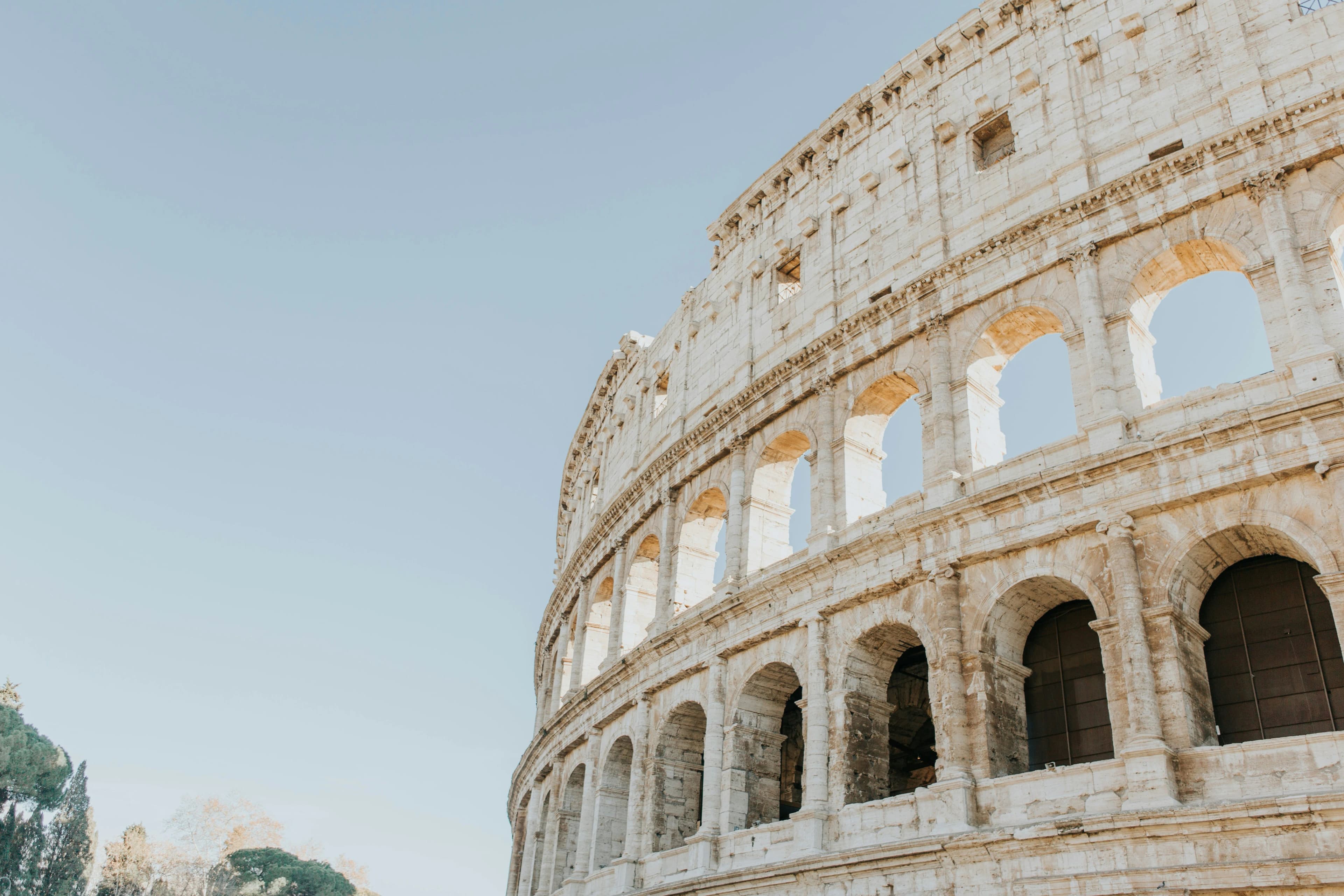
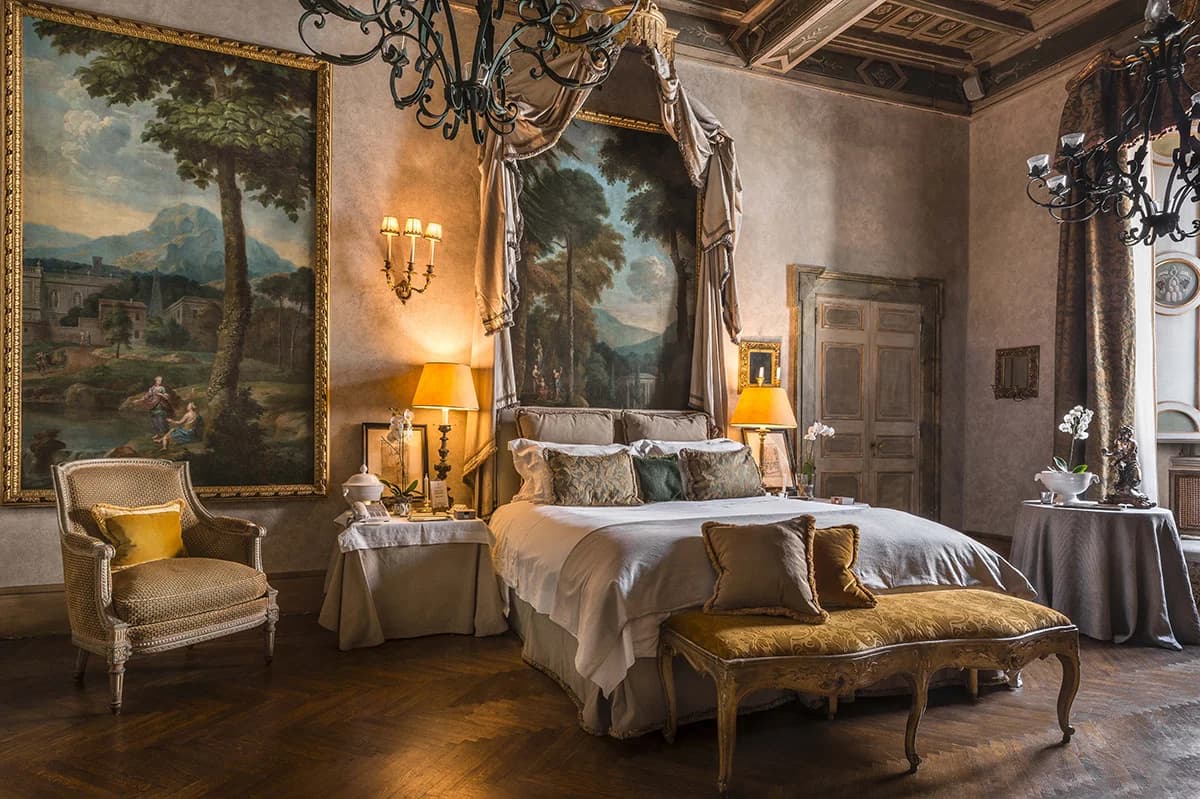
The historic centre, broadly the area enclosed by the bend of the Tiber, concentrates the highest density of converted palazzi and grand hotels. Properties here occupy buildings that have functioned as cardinals' residences, noble family seats, and aristocratic townhouses. The street-level experience is almost cinematic: cobblestone lanes, flower markets at dawn, and the constant presence of stone dating back centuries. Suites in this zone tend to prioritise interior grandeur over exterior views, with frescoed ceilings, antique furniture, and double-height rooms that reflect the original architectural intent of their buildings.
Prati and the Vatican surrounds
Across the Tiber from the historic centre, the Prati district offers a quieter residential cadence. The streets follow a 19th-century grid, and the area draws visitors seeking proximity to the Vatican Museums and Castel Sant'Angelo without the full density of central Rome. Suites here tend to occupy purpose-built grand hotels rather than converted historic structures, offering a more contemporary interpretation of Roman comfort.
Aventine, Trastevere, and the southern hill districts
The Aventine Hill and the adjacent Trastevere quarter offer a more intimate scale. Properties in this zone are fewer but highly considered. Trastevere's narrow lanes and medieval fabric give a sense of the city that predates the grand urban interventions of later centuries. The Aventine itself, one of the original seven hills, provides elevated positions and a residential atmosphere rarely found closer to the tourist core. Suites here appeal to travellers who prioritise quietude and spatial separation from the city's central noise.
When to visit Rome for a luxury suite stay
Rome has no single optimal season. Each period of the year carries a distinct quality that affects both the city's atmosphere and the suite experience itself.
Spring, from late March through May, is widely considered the most balanced period. Temperatures are moderate, the light is clear without the intensity of summer, and the major archaeological sites are accessible without the compression of peak tourist months. Many properties release their most sought-after suites during this window, making early reservation essential.
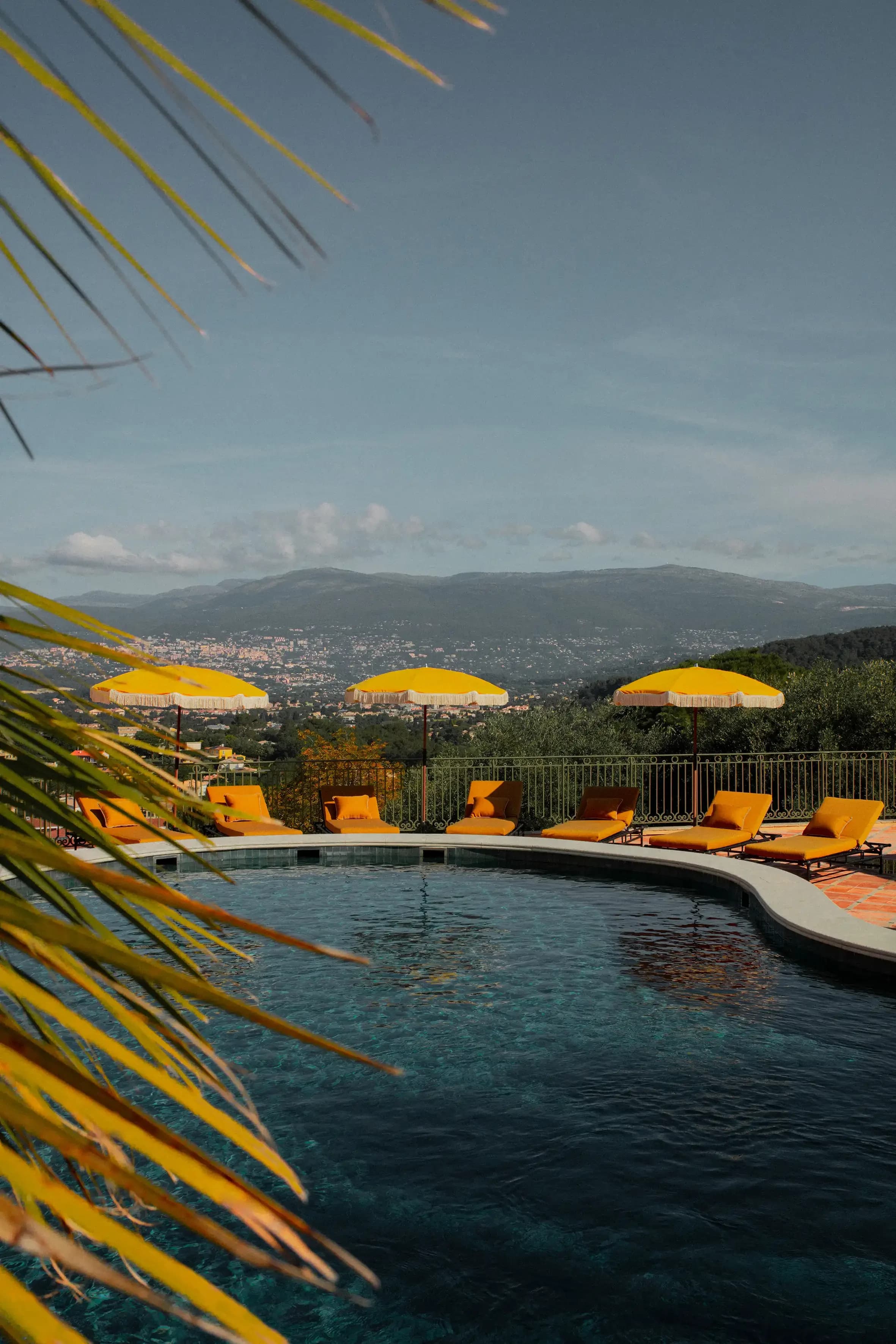
June through August brings concentrated heat, particularly in July and August, when temperatures regularly exceed 35 degrees Celsius. The city's own residents often leave during this period, which creates a quieter urban fabric in residential neighbourhoods. Rooftop suites and properties with private terraces are especially well-suited to summer visits, providing evening airflow above the street level. The Ferragosto period in mid-August sees some local restaurants and services reduce their hours.
September and October represent a secondary high season. The heat softens, the light takes on a warmer, lower angle, and the city returns to full operational rhythm. This is arguably the most atmospheric period for cultural visits. Many design-conscious travellers specifically target early October for this reason.
Winter, from November through February, is Rome's quietest tourist season. The city receives very few days of genuine cold, and the major monuments are largely crowd-free. Rates at top-tier properties frequently reflect this reduced demand, making winter a structurally sound time for travellers whose schedules allow flexibility.
Understanding luxury hotel standards in Rome
Italy does not use the Palace designation that France applies through an official government classification. Rome's top-tier properties are instead categorised under the standard five-star system, though a small number carry the informal designation of five-star superior, sometimes expressed as five-star deluxe or gran lusso. These labels signal that the property exceeds standard five-star criteria in terms of service ratios, architectural heritage, and suite dimensions.
What distinguishes Rome's finest properties is frequently the building itself. Many of the most respected hotels occupy structures of genuine historical significance: former papal palaces, aristocratic residences, and grand 19th-century hotels that were themselves designed as statements of civic prestige. The suite experience in these buildings is inseparable from the architectural context. High-vaulted corridors, original frescoes preserved under glass, and proportions that reflect pre-industrial construction methods define the spatial experience in ways that no new-build property can replicate.
Service standards at Rome's top properties follow the European grand hotel tradition: a high staff-to-guest ratio, a concierge team with genuine institutional knowledge of the city, and a culture of discretion that attracts guests who require both privacy and operational efficiency.
How to choose the best suite in Rome
Several factors are specific to Rome and worth considering before selecting a property.
Architectural type matters significantly. A suite inside a converted palazzo will offer original features (frescoed ceilings, irregular floor plans, thick stone walls that regulate temperature) but may also come with limitations: lifts that were retrofitted into narrow spaces, varying room proportions from floor to floor, and street-facing rooms that carry ambient noise from the city below. Purpose-built grand hotels, by contrast, offer more standardised suite layouts and engineered acoustic separation, but at some cost to historical atmosphere.
View type is a consequential choice in Rome. Courtyard-facing suites offer silence and a sense of enclosed private space. Street-facing suites on upper floors provide the experience of looking across Roman rooftops, with terracotta domes, campanili, and the occasional ancient monument in the sightline. Rooftop suites or those with private terraces are in the highest demand and should be reserved well in advance of peak periods.
Floor level and suite orientation shift materially depending on the property's location relative to the major monuments. A suite in Prati facing west toward the Vatican reads differently at dusk than a suite near the Pantheon that faces a medieval lane. These are decisions worth taking with specific knowledge of the building's position, not simply the neighbourhood name.
Why curated selection matters in Rome
Rome has a large volume of hotels operating at a self-described luxury tier. The gap between a genuinely exceptional suite and a competently run five-star room is not always visible from a property's own marketing materials. La Suite exists to close that gap. The curated selection on this platform reflects properties evaluated on architectural integrity, suite-specific quality (not just overall hotel rating), service culture, and the particular experience of staying in Rome as a city with unusual spatial and historical demands. For a traveller making a considered decision about where to spend several nights in one of Europe's most layered cities, the distinction between a good hotel and the right suite is not a minor one.
To learn more about Rome, check out our Romans guide to discover more about the city, its history, and its architecture, and find out how to choose the right hotel suite.
Also check out our selection of the most beautiful luxury hotel suites in Rome.