
Portugal
Luxury Hotel Suites in Portugal
Portugal's geography divides into distinct residential and cultural territories, each with its own prestige logic and architectural character. Understanding the difference between these regions is essential to choosing the right suite.
Our latest articles about Portugal
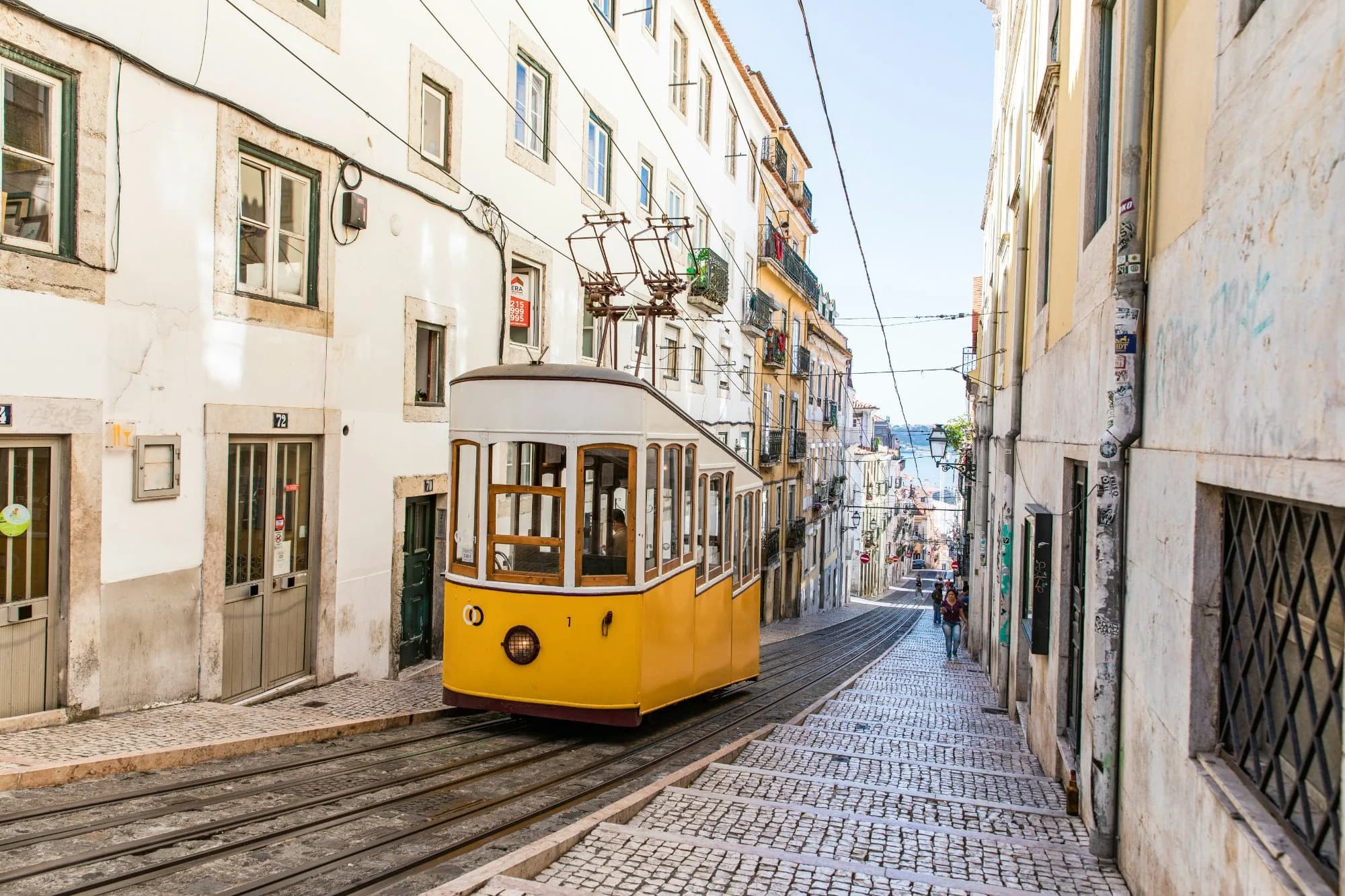
Lisbon: The Finest Suites in Portugal's Capital
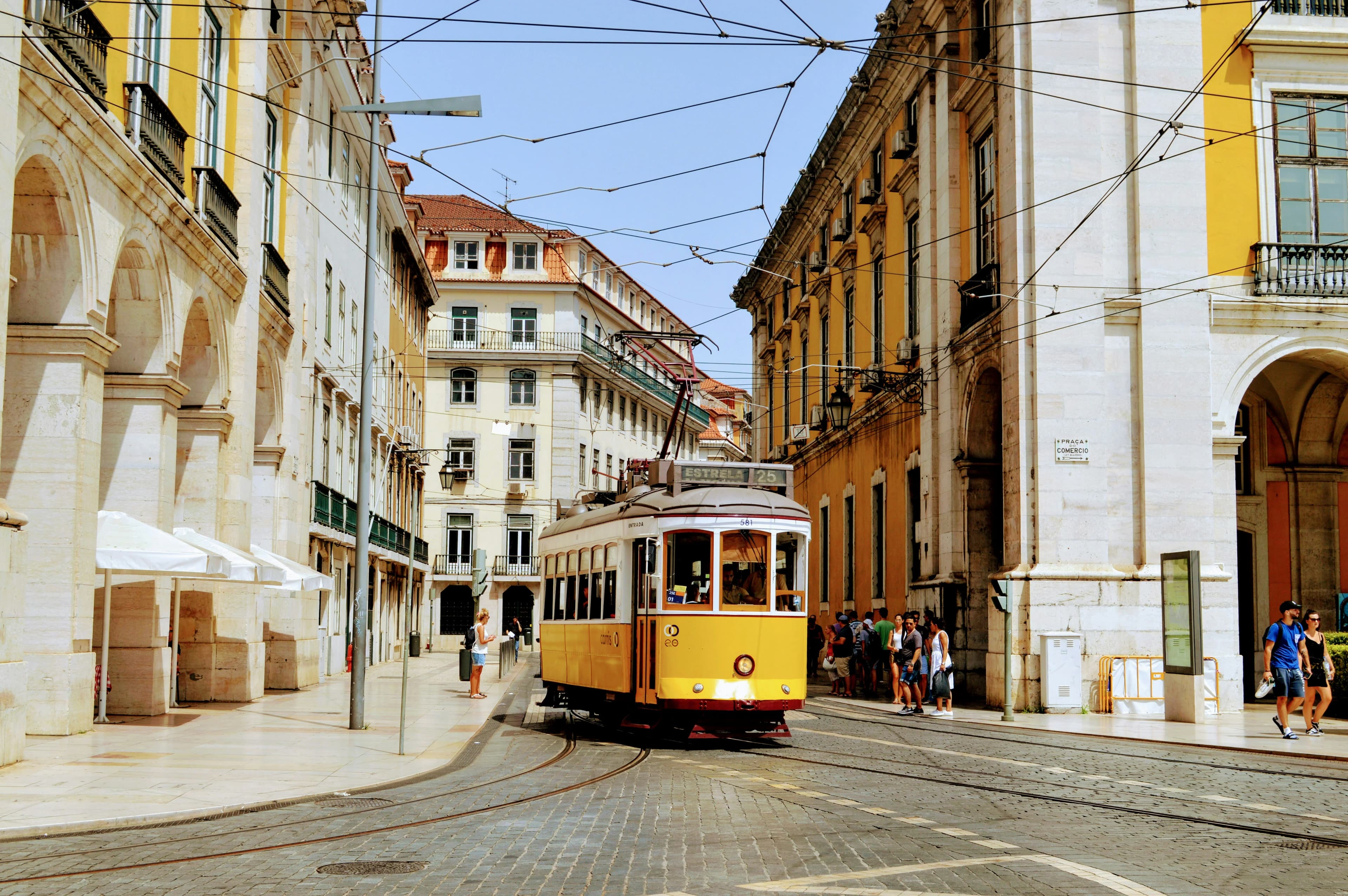
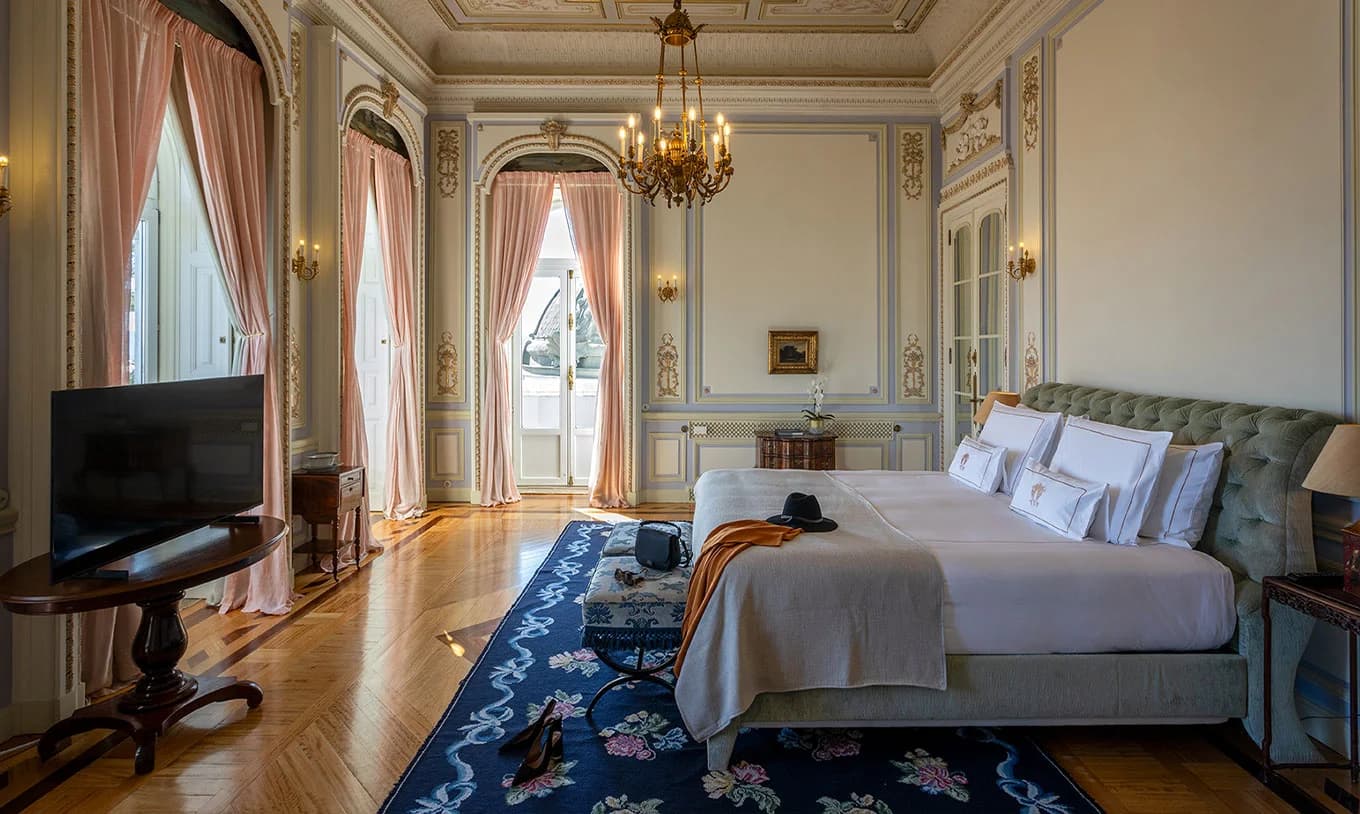
Lisbon possesses a light found nowhere else. Portugal's capital, nestled against seven hills and overlooking the majestic Tagus River, is a city where the melancholy of the past mingles with vibrant contemporary energy. Long considered a sleeping beauty, Lisbon has awakened to become one of Europe's most coveted and elegant destinations. From the bustling energy of Chiado to the majestic tranquility of Avenida da Liberdade, choosing the right retreat is essential to capturing the soul of this fascinating metropolis. At "La Suite", we believe luxury resides in visual experience, the refinement of materials, and the exclusivity of space. We have walked the cobbled streets and opened the doors of the finest establishments to offer you a discerning selection. From cozy hideaways under the rooftops to 19th-century palaces, here is our curation of the most beautiful hotel suites to experience Lisbon at its finest.
BY Jules Peulet
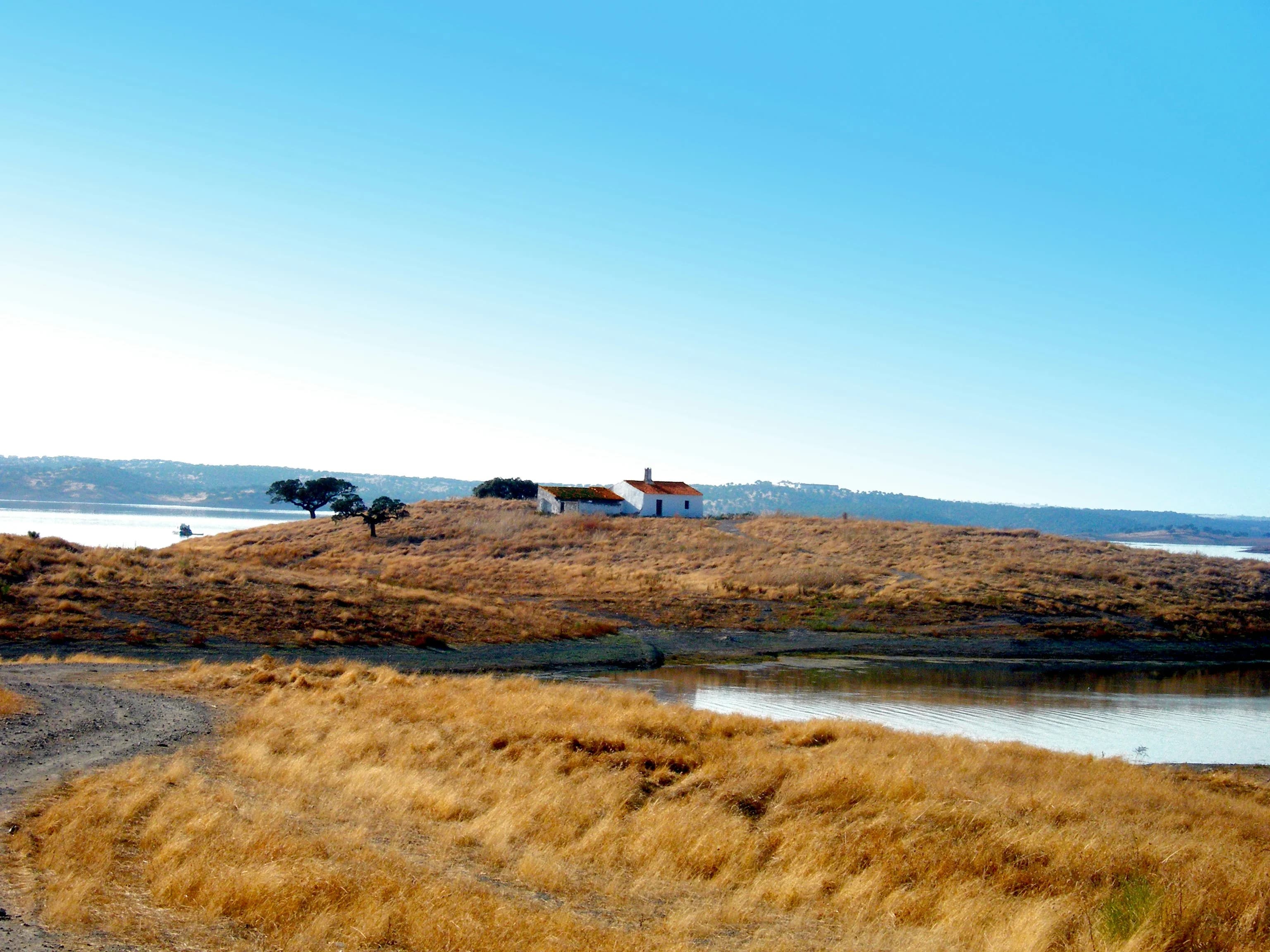
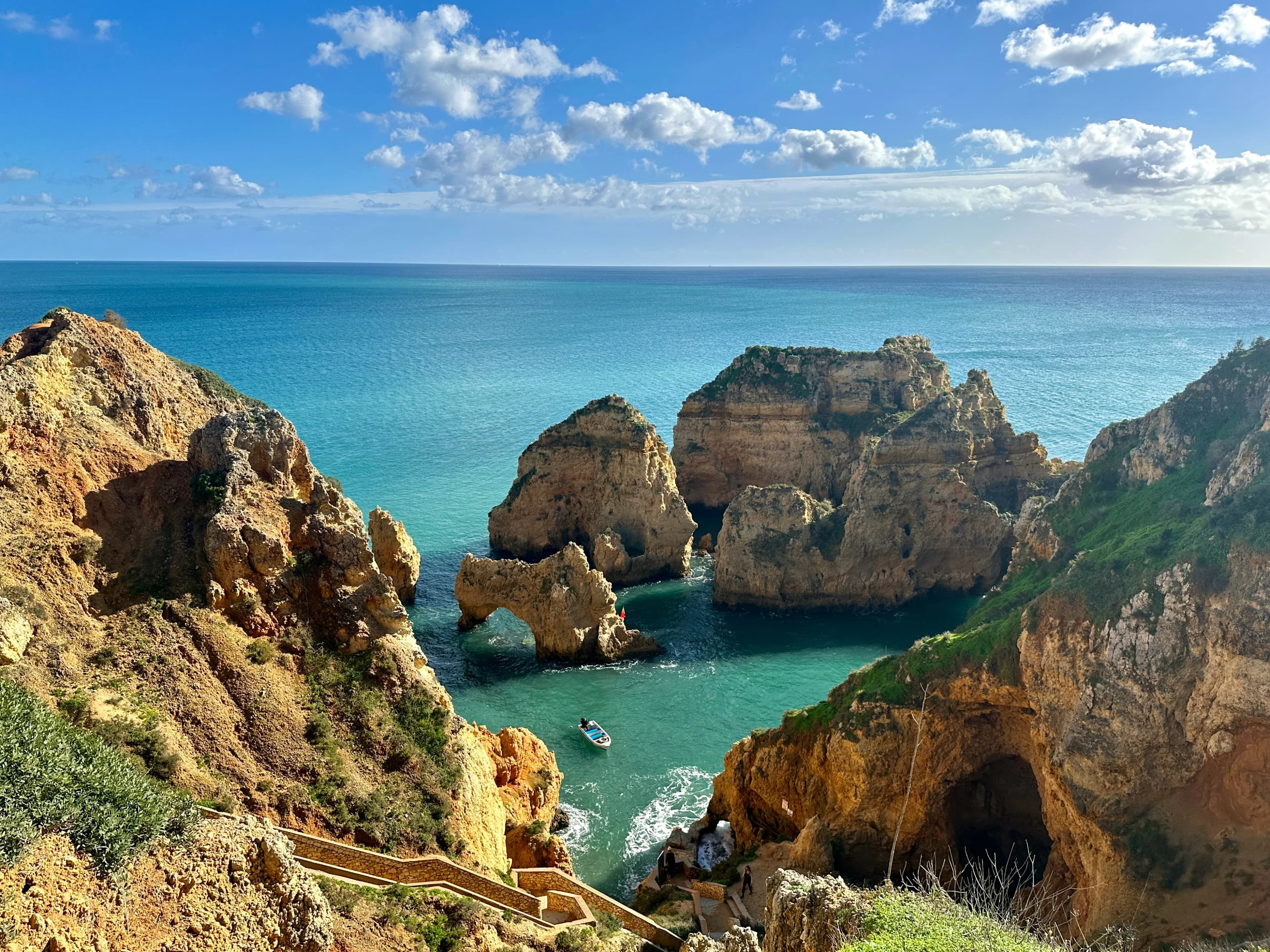
Where to Travel in October 2026: The Art of Off-Season Travel and the Finest Shoulder Seasons
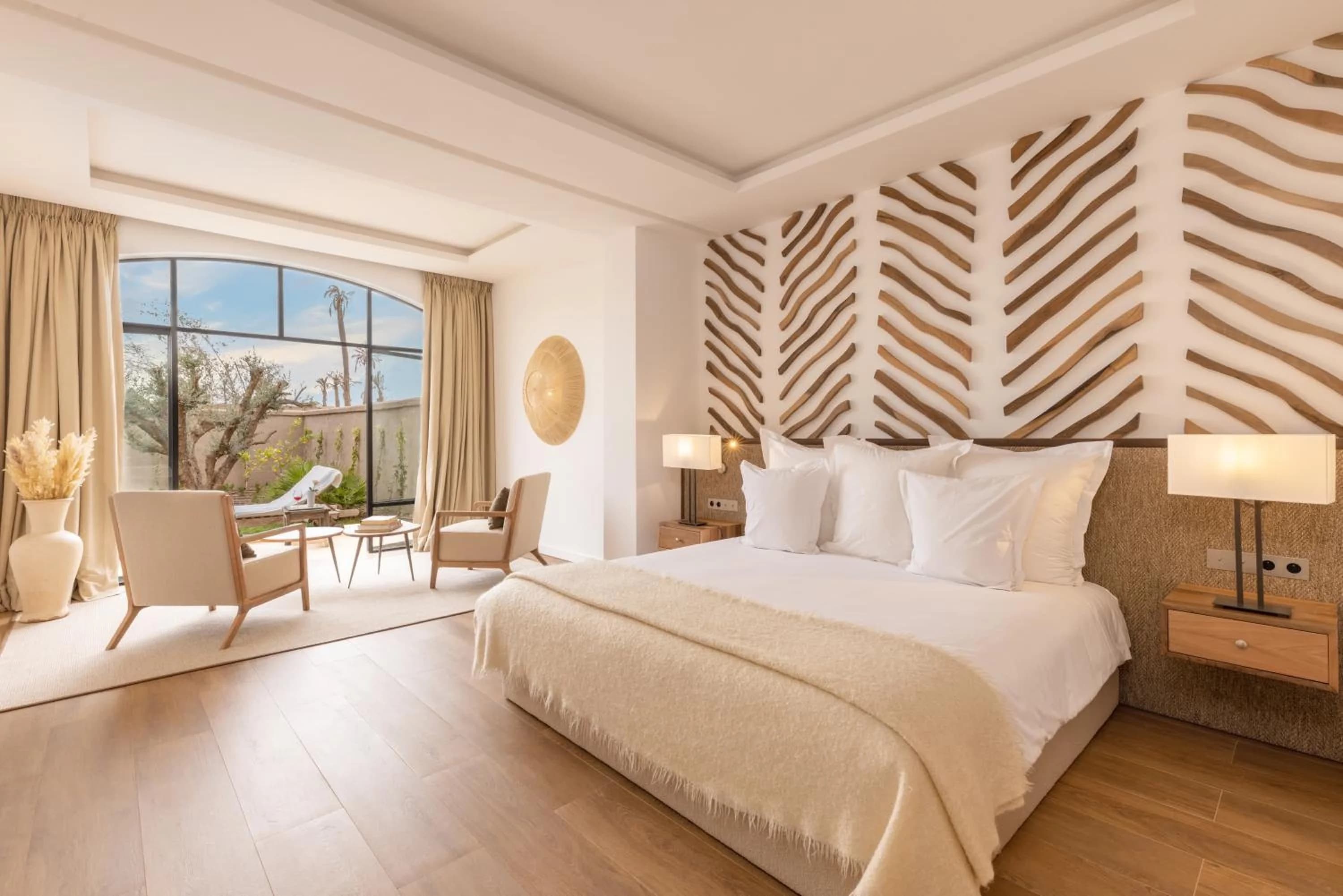
When summer crowds disperse and August's frantic pace fades away, an enchanted respite opens for discerning travelers. October is, without question, the best-kept secret of luxury hospitality. It's the time when Mediterranean light turns golden, when the sea retains the warmth accumulated all summer long, and when service in exceptional establishments returns to its most attentive fluidity. Traveling in the shoulder season is no compromise, but rather a quest for elegance, space, and intimacy. From Andalusia to the foothills of the Atlas, through the wild coasts of the Algarve, we have selected five sumptuous retreats to celebrate the return of tranquility. Here is our guide to extending summer with mastery.
BY Jules Peulet
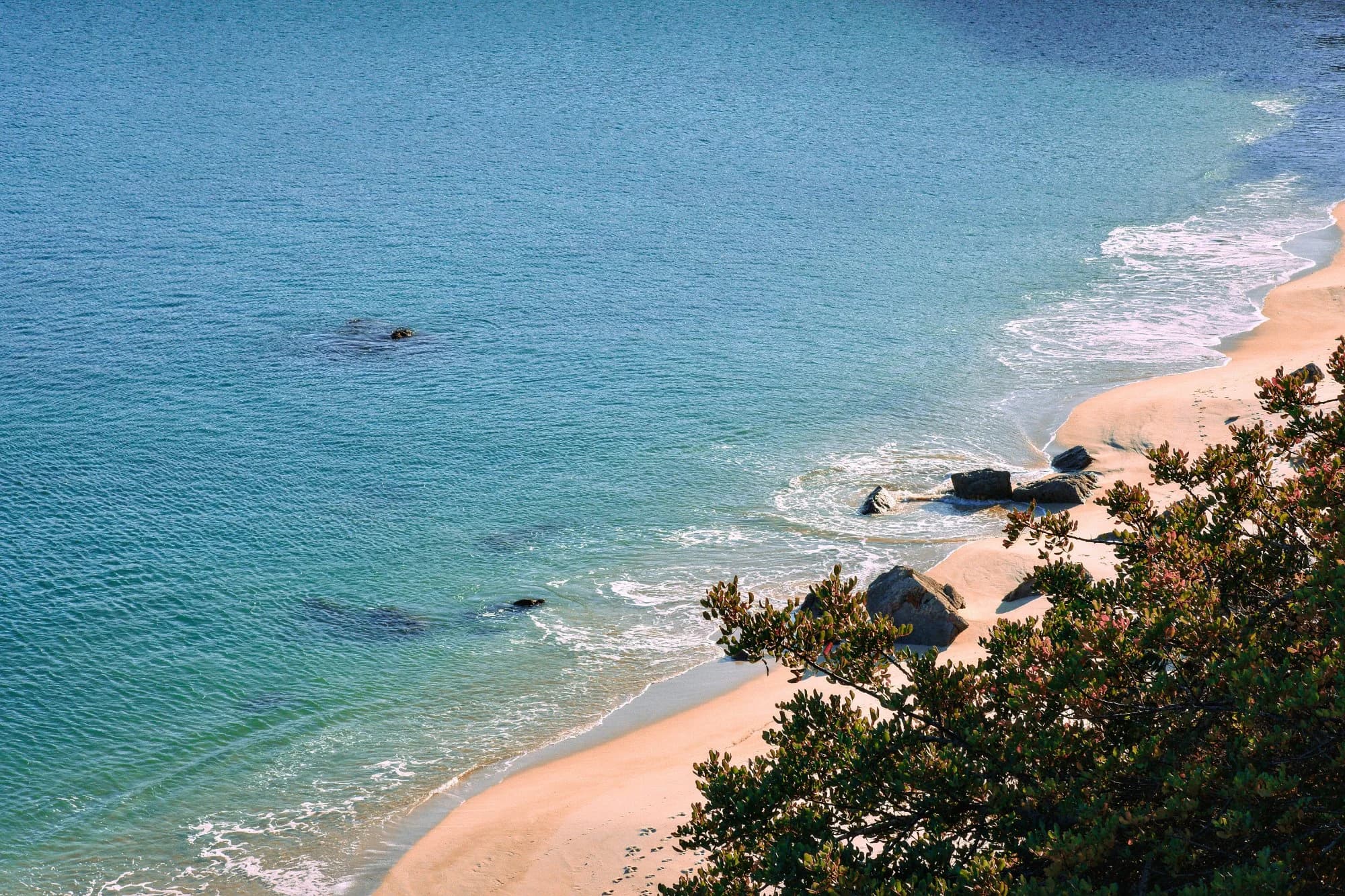
The Best Suites with Private Pools in Europe
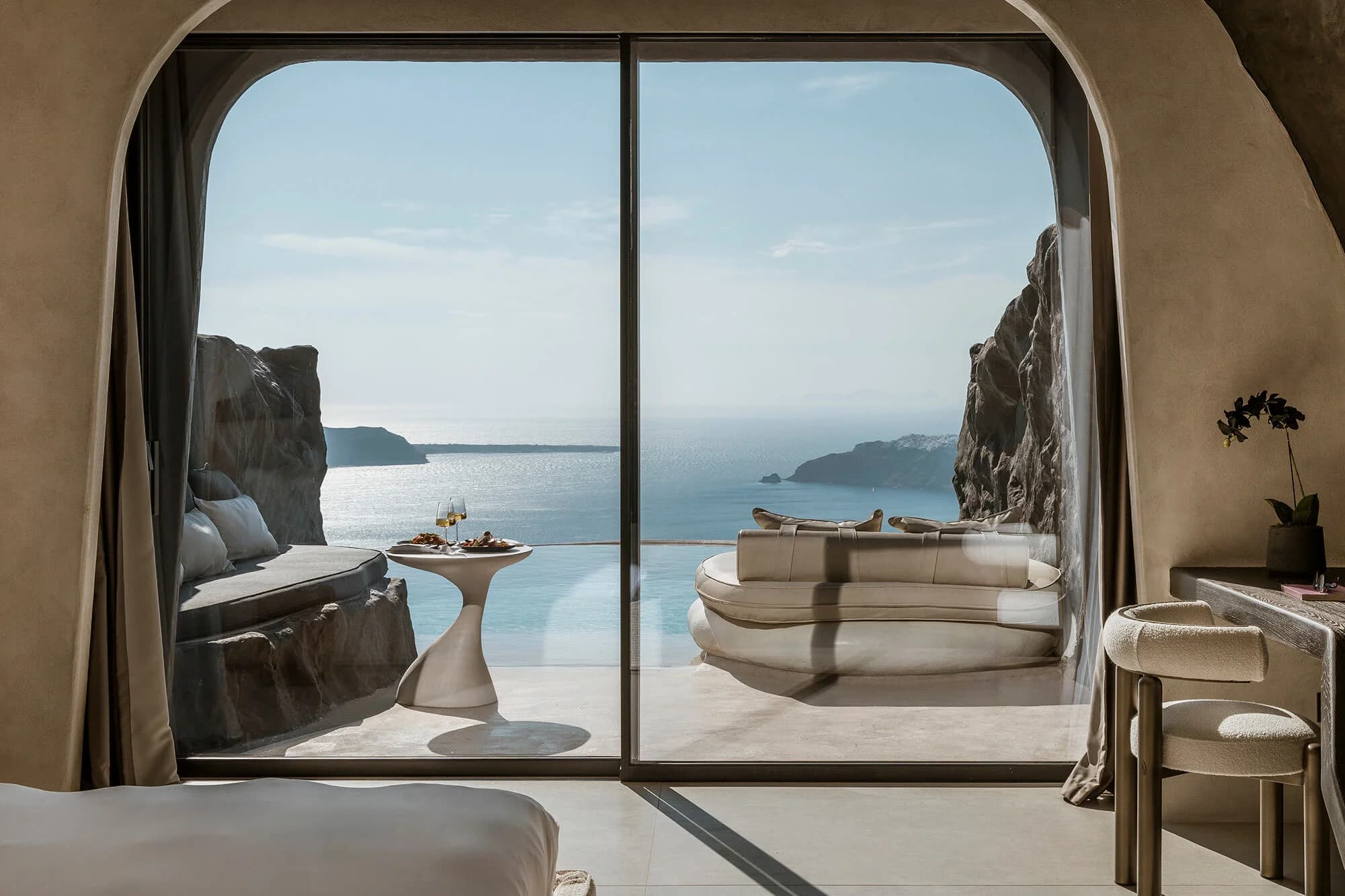
For the modern traveler, the definition of exclusivity has evolved. A sweeping sea view or a beautifully decorated room is no longer enough; the true pinnacle of a European summer getaway lies in absolute, uninterrupted intimacy. In a world where the Mediterranean's finest destinations are increasingly crowded, the ability to dive directly from your bed into crystalline waters, without ever sharing the space or adhering to any schedule, represents the most refined form of luxury. We have scoured the continent to uncover these perfect sanctuaries. Forget overcrowded hotels and uninspired pools; here is our definitive selection of the most extraordinary spaces. From a hidden cottage in the Majorcan mountains to a brutalist retreat nestled in Portuguese pine groves, these suites offer far more than a place to swim, they offer a private world to inhabit.
BY Jules Peulet
Best Neighbourhoods and Regions for Luxury Suites in Portugal
Lisbon: Chiado, Príncipe Real, and the Historic Centre
Lisbon's upper city (particularly Chiado and Príncipe Real) functions as the country's most concentrated luxury corridor. These districts are defined by 18th and 19th-century Pombaline architecture, wide stone pavements, and a density of independent atelier boutiques, serious restaurants, and cultural institutions. Príncipe Real in particular has consolidated a reputation as Lisbon's design quarter: restored palace buildings, shaded gardens, and a local population that prizes quietude over footfall. Suites in this zone tend to occupy converted historic structures, often retaining original plasterwork, herringbone timber floors, and interior courtyards. The Baixa and Castelo districts offer historical proximity but carry more commercial pressure; they suit travelers who prioritize landmark proximity over atmospheric coherence.
Porto: Foz do Douro and the Ribeira
Porto's luxury geography is more compressed than Lisbon's. The Foz do Douro district (where the river meets the Atlantic) operates as the city's quietest and most residential luxury zone, with neoclassical villas and lower ambient noise than the historic centre. The Ribeira, Porto's UNESCO-listed riverside quarter, provides unmatched visual drama: granite facades, terraced wine lodges across the water in Vila Nova de Gaia, and a street-level energy that rewards those who want immersion over insulation. Suites in Porto's better properties are typically characterized by raw stone, exposed timber beams, and views oriented toward the Douro.
Alentejo: Plains, Cork Oaks, and Agro-Tourism
The Alentejo plateau represents a different register entirely. This interior region (stretching east from Évora toward the Spanish border) is defined by agricultural silence, sparse population, and an architectural vernacular of whitewashed farmhouses and Roman ruins. Luxury here takes the form of herdades: large rural estates converted into high-standard retreats, typically with organic farming operations, private pools, and a deliberate absence of urban stimulation. For travelers seeking spatial and sensory withdrawal, the Alentejo delivers a quality of stillness that coastal properties structurally cannot replicate.
Algarve: Coastline, Cliffs, and Resort Architecture
The Algarve's southern coastline stretches approximately 155 kilometres and encompasses dramatically varied terrain, from the eroded limestone formations of the western Sotavento to the calmer, more resort-oriented Barlavento east of Faro. Premium suite properties here tend to cluster around Quinta do Lago, Vale do Lobo, and the Vilamoura marina, areas that have attracted sustained institutional investment and maintain infrastructure standards closer to international resort benchmarks. The western Algarve, around Sagres and Vila do Bispo, offers a more austere coastal character, lower density, stronger Atlantic exposure, and a landscape that has resisted large-scale development.
When to Visit Portugal for a Luxury Suite Stay
Portugal's climate varies considerably by region, and the optimal travel window shifts accordingly.
For Lisbon and Porto, the shoulder seasons (April through June and September through October) represent the clearest alignment of weather quality, manageable visitor volumes, and full cultural programming. July and August bring reliable heat to Lisbon but also significant tourist density in the historic districts; Porto in August is noticeably quieter, as the local population migrates to the coast. The literary and design festival circuit peaks in spring: Lisbon hosts Alkantara Festival (performing arts) in late spring, and the São João festival in Porto (June 23-24) is one of southern Europe's most architecturally atmospheric public celebrations.
The Alentejo is best visited from March to May, when the plains are green and the temperature sits between 18°C and 26°C. Summer heat in the interior regularly exceeds 40°C, which compresses outdoor activity significantly. Autumn (October, November) offers a secondary window with harvest activity on the estates and lower room rates.
The Algarve operates on a conventional resort calendar: peak season runs from late June through August, with the highest rates and lowest availability in premium properties. May and September, October offer the most favorable suite pricing against still-serviceable beach conditions.
Local Luxury Standards: How Portugal Classifies Its Top Hotels
Portugal does not operate a formal designation equivalent to France's Palace classification or the UK's AA Five-Star rating. The national classification system, managed by Turismo de Portugal, runs on a standard 1-to-5 star scale applied across all accommodation categories. A five-star designation confirms compliance with a defined infrastructure checklist but does not independently signal design ambition or suite-level quality.
Within the luxury segment, two informal but institutionally recognized categories carry meaningful weight. The first is the Pousadas de Portugal network: a state-originated collection of properties housed in converted historic structures (monasteries, castles, and manor houses) operating under regulated heritage preservation standards. A suite in a Pousada carries a specific architectural guarantee that standard five-star hotels do not. The second is the Leading Hotels of the World and Relais & Châteaux affiliations, both of which maintain independent inspection regimes and whose presence on a property's credentials is a reliable quality signal in the Portuguese context. The Alentejo herdade category (while not formally classified) has emerged as a de facto luxury designation understood within the high-end travel trade.
How to Choose the Best Suite in Portugal: Practical Criteria
Several structural factors consistently differentiate a memorable suite stay in Portugal from a merely comfortable one.
First, consider orientation and light. Lisbon suites facing west toward the Tagus or the Atlantic capture the city's characteristically golden late-afternoon light, a detail with outsized impact on the sensory quality of the space. In Porto, Douro-facing rooms command a premium that is architecturally justified. In the Alentejo, ground-floor suites with direct terrace access to the estate grounds are preferable to elevated rooms, which lose the immediacy of the landscape.
Second, evaluate the age and authenticity of the building fabric. Portugal's best suite properties are almost uniformly housed in historic structures, the material character of azulejo panels, limestone flooring, and painted timber ceilings is not reproducible in new construction. Properties that have preserved rather than replicated these elements carry a spatial quality that more recently built hotels in the same price tier cannot match.
Third, assess service scale relative to room count. Portugal's finest small-scale properties (particularly in the Alentejo) operate with staff-to-guest ratios that allow for genuinely attentive service. Larger resort complexes in the Algarve offer reliable infrastructure but necessarily more transactional interaction.
Finally, consider proximity to the specific activities that define the destination. Alentejo properties vary significantly in their distance from Évora, wine estates, and equestrian facilities; Algarve suites differ meaningfully in their orientation toward golf courses versus beach access. Matching the suite's location to the actual pattern of a stay prevents the common error of paying for amenities that go unused.
The Value of a Curated Selection in Portugal's Hotel Market
Portugal's hospitality market has expanded rapidly since 2015, and the volume of properties marketing themselves as luxury has outpaced the growth in genuine quality. The country now hosts hundreds of five-star-designated hotels, a significant proportion of which were reclassified upward during periods of high inbound investment. Within this expanded field, the signal-to-noise ratio for suite travelers is poor without a reliable filtering mechanism.
A curated selection applies criteria that the standard classification system does not: spatial coherence, material quality, the consistency of the guest experience across different suite categories, and the property's demonstrated ability to maintain standards across seasons. La Suite's selection of four properties in Portugal reflects the application of these criteria across a national market, each property included on the basis of verified quality rather than marketing spend or category adjacency. For travelers allocating meaningful resources to a Portuguese stay, this filtering function reduces the risk of misalignment between expectation and experience.
Frequently Asked Questions: Luxury Suites in Portugal
What is the best time of year to book a luxury suite in Lisbon?
April through June and September through October offer the most favorable combination of weather, reduced tourist density, and full cultural programming. Peak summer months bring reliable warmth but significantly higher occupancy across the city's premium properties.
Are there historic palace hotels in Portugal with exceptional suites?
Yes. Several Lisbon and Sintra properties occupy 18th and 19th-century palace structures with suites retaining original architectural detail, painted ceilings, azulejo panels, and formal gardens. The Pousadas de Portugal network specifically manages heritage conversions under regulated preservation standards.
What distinguishes an Alentejo herdade from a standard luxury hotel?
A herdade is a large agricultural estate (typically cork oak or olive) converted into a private retreat. The distinction is one of scale, isolation, and land access: guests experience the property as a working landscape, not merely as accommodation within a building.
Frequently asked questions
Which regions of Portugal offer the most refined suite experiences for discerning travellers?
Portugal's luxury suite landscape is anchored by three distinct poles: Lisbon's Chiado and Príncipe Real districts, Porto's Foz do Douro and Ribeira neighbourhoods, and the Alentejo and Algarve regions. Each offers a fundamentally different character, from urban palace conversions to rural wine estate retreats and clifftop coastal properties. Choosing the right region depends on whether your preference leans toward cultural immersion, gastronomic exploration, or landscape-driven seclusion.
What is the best time of year to book a luxury suite in Portugal?
Late spring, specifically May and June, and early autumn from September through October represent the most balanced windows for a luxury stay. Temperatures are comfortable, cultural institutions and restaurants operate at full capacity, and demand from mass tourism is notably lower than in July and August. The Algarve coast peaks sharply in summer, so those seeking exclusivity there are better served by shoulder-season visits. The Douro Valley is particularly spectacular during the September harvest period.
What suite categories can travellers expect to find across Portugal's finest properties?
Portugal's top-tier properties offer a spectrum of suite categories ranging from junior suites with curated historic interiors to grand suites occupying entire floors of converted palaces. Many Lisbon properties feature suites that retain original Pombaline architectural details such as herringbone timber floors and ornate plasterwork. Coastal and rural estates tend toward more contemporary interpretations, with private terraces, plunge pools, and panoramic views forming the centrepiece of the suite experience rather than heritage detailing.
Which Lisbon neighbourhoods are best suited for a luxury suite stay?
Chiado and Príncipe Real consistently represent Lisbon's most coherent luxury residential corridors. Príncipe Real in particular functions as the city's design and gastronomy quarter, offering quietude, shaded gardens, and a concentration of independent ateliers and serious restaurants within walking distance. Suites here often occupy sensitively restored historic buildings with interior courtyards. The Baixa and Castelo areas offer strong landmark proximity but carry greater commercial footfall, which can compromise the sense of privacy.
How does Porto compare to Lisbon for a high-end suite experience?
Porto offers a more compact and intimate luxury geography than Lisbon. The Foz do Douro district, where the Douro River meets the Atlantic, is the city's quietest residential luxury zone, home to neoclassical villas and considerably lower ambient noise than the historic centre. The Ribeira waterfront provides dramatic views and cultural density. For travellers combining a city stay with wine country exploration, Porto serves as an ideal base for day journeys into the Douro Valley.
Is Portugal a suitable destination for families travelling in luxury suites?
Portugal is exceptionally well suited to affluent families. Many properties in the Algarve and Alentejo offer interconnecting suites or private villa configurations that preserve the suite-level service standard while accommodating children comfortably. The country's culture is notably welcoming toward families, and a number of estates provide curated children's programmes alongside adult-focused spa and gastronomic offerings. Lisbon's flat riverside areas and Porto's walkable districts also make urban stays manageable and engaging for younger travellers.
What makes Portugal an appealing destination for a romantic luxury stay?
Portugal combines architectural grandeur, exceptional cuisine, and remarkably varied landscapes within a compact geography, making it an inherently romantic destination. A converted Alentejo estate surrounded by cork oak forests and vineyards offers profound seclusion and privacy. Sintra's forested hills and historic palaces provide a more theatrical setting. Lisbon's fado culture and candlelit tascas add an emotional register that few European capitals can match. Suite selections in these contexts often include private terraces with sunset views and personalised in-suite dining.
What services should travellers expect from a truly luxury suite in Portugal?
Portugal's finest suites typically offer dedicated concierge assistance, turndown service with locally sourced amenities, curated minibar selections featuring Portuguese wines and regional products, and access to private dining arrangements. Many properties provide bespoke excursion planning, including private winery visits, guided cultural tours, and yacht or helicopter transfers. Butler service is increasingly standard at the highest category, and spa access with personalised treatment scheduling is common across properties of genuine luxury standing.
How should affluent travellers approach the booking process for luxury suites in Portugal?
Booking directly through a curated platform or a specialist luxury travel advisor is strongly recommended, particularly for high-demand periods. Direct relationships with properties often unlock suite upgrades, early check-in, late check-out, and complimentary enhancements that are not available through standard channels. For stays during the harvest season in the Douro Valley or summer in the Algarve, lead times of three to six months are advisable. Flexibility on exact dates can also meaningfully expand suite availability at preferred properties.
How should travellers think about budget when planning a luxury suite stay in Portugal?
Portugal continues to offer strong relative value compared to equivalent suite experiences in Paris, London, or the Italian Riviera, though positioning at the very top of the market has become increasingly sophisticated. Budget guidance should account for the suite category, property type, season, and included services rather than room rate alone. All-inclusive or half-board arrangements at rural estates often represent better overall value than itemised urban stays. Allocating additional budget toward private transfers and exclusive dining experiences meaningfully elevates the overall stay.