Aethos Hotel Mallorca, Paguera
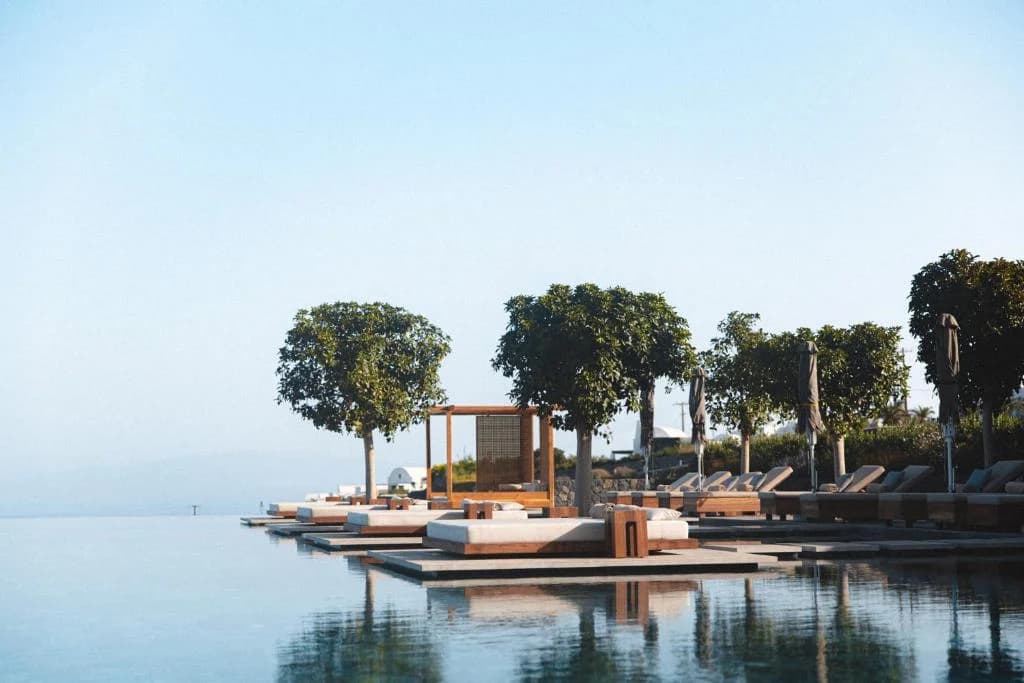
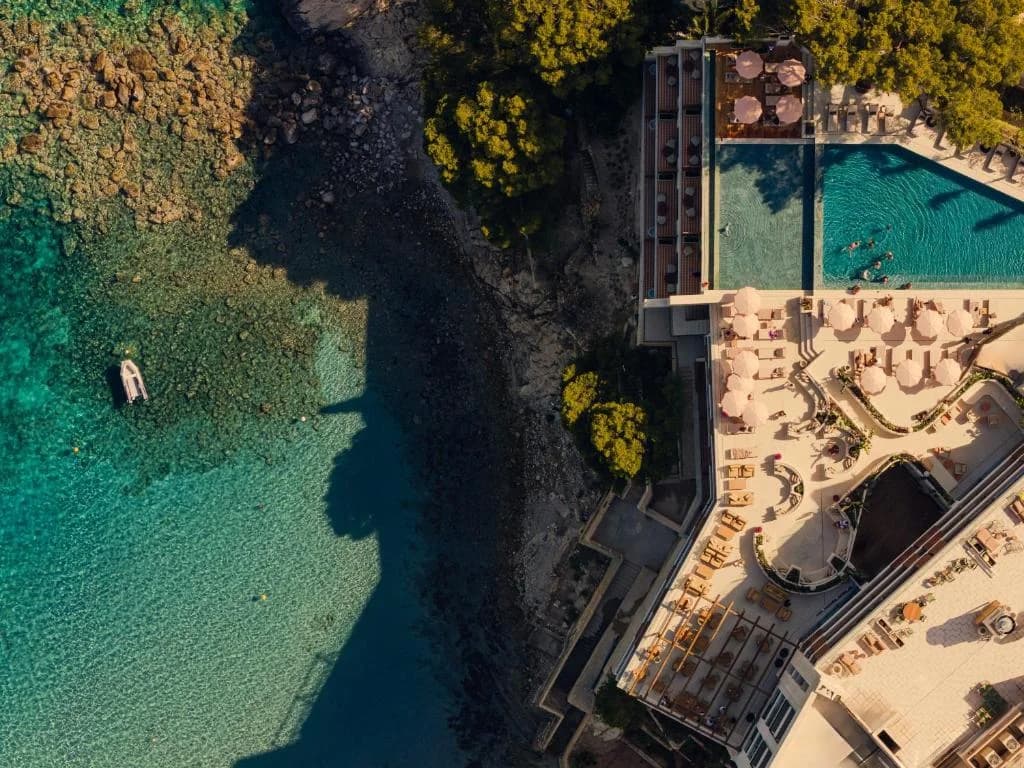
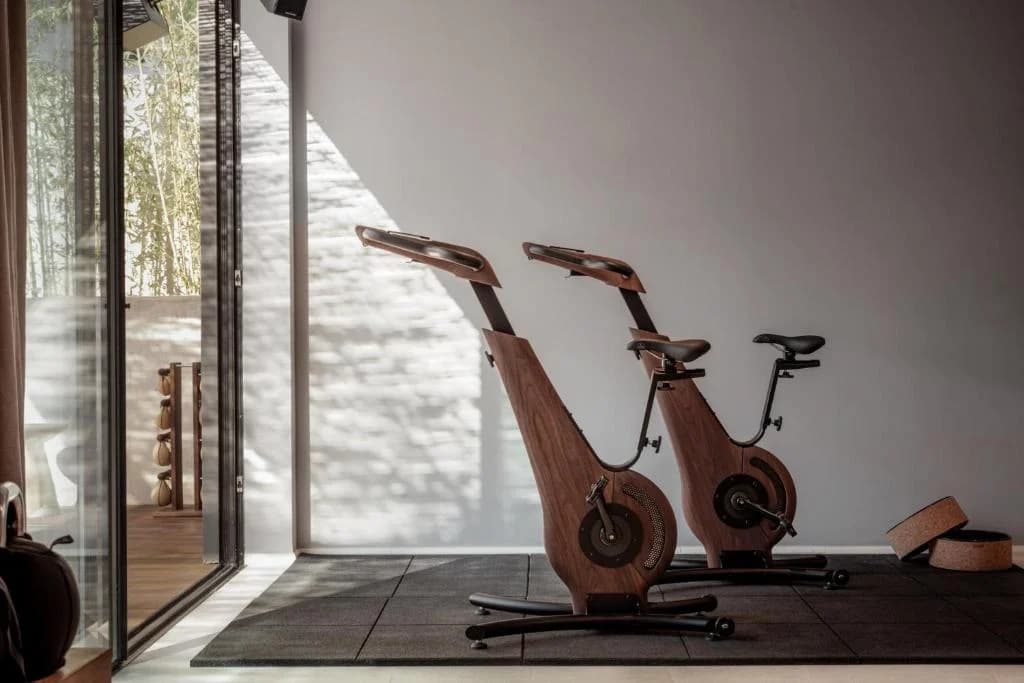
Facing the beachfront, Aethos Hotel Mallorca offers 5-star accommodations in Paguera and has a seasonal outdoor swimming pool, fitness center and terrace. A few steps from Playa Palmira and 5.9 miles

Mallorca is not a single landscape. Its geography divides into territories with radically different characters, each suited to a particular kind of stay.
27 hotels available

Facing the beachfront, Aethos Hotel Mallorca offers 5-star accommodations in Paguera and has a seasonal outdoor swimming pool, fitness center and terrace. A few steps from Playa Palmira and 5.9 miles

Can Aulí Luxury Retreat features an outdoor swimming pool, garden, a terrace and restaurant in Pollença. This 5-star hotel offers room service, a 24-hour front desk and free WiFi. The hotel has a hamm

Can Bordoy Grand House Hotel GL Preferred Hotel is in the Old Town of Palma de Mallorca and features pools at their large garden and rooftop, within a 4-minute walk of Palma Port. The luxurious suites

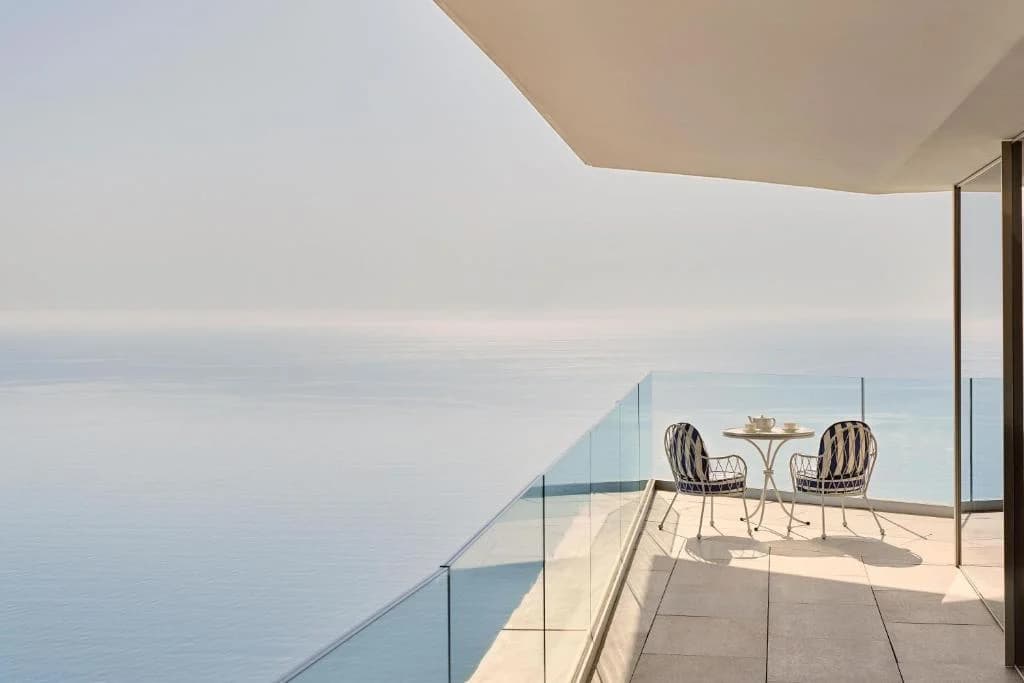
Cap Rocat, a Small Luxury Hotel of the World is a former military fortress, carefully restored to offer 5-star luxury accommodations. The hotel offers wonderful views of the Mediterranean Sea and the

Nestled in the tranquil Valley of Canyamel, Mallorca, and surrounded by natural beauty, Cap Vermell Grand Hotel is itself a haven of calm and a truly sanctuary of well-being. Only 15-minute walk from

Castell Son Claret - The Leading Hotels of the World has a fitness center, a garden and a sun terrace with swimming pool and buffet breakfast in Es Capdella. Offering a restaurant, the property also f

El Llorenc Parc de la Mar - Adults Only (+16) is located in the center of Palma de Mallorca, an 11-minute walk of Palma Port. Guests have free access to the fitness center and to the spa, which includ

20 miles from Natural Park S'Albufera de Mallorca in Artá, Es Raco d'Arta, Mallorca, a Member of Design Hotels offers accommodations with access to beauty services, fitness room, and steam room. There

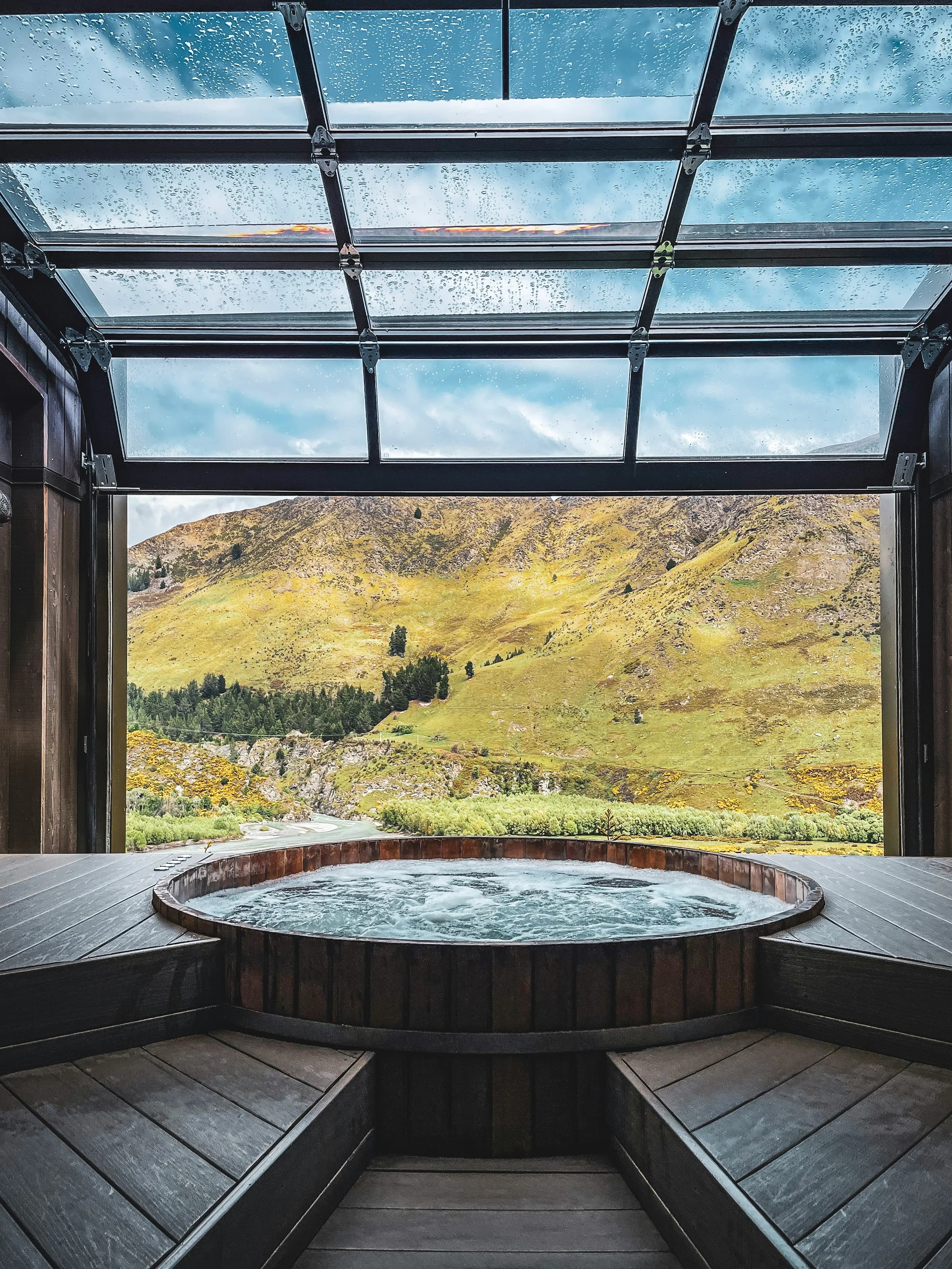
Located in Mallorca’s Puig de Galatzó Mountains, this hotel offers spectacular views from its terrace, infinity pool and hot tub. The rooms at the Finca Ratxo Hotel, member of Melia Collection featur

Located in Montuiri, 18 miles from Palma Yacht Club, Finca Serena Mallorca, Small Luxury Hotels has accommodations with a seasonal outdoor swimming pool, free private parking, a fitness center and a g

Beachfront Location Four Seasons Resort Mallorca at Formentor in Port de Pollensa offers direct beachfront access with stunning sea views. Guests can relax on the terrace or enjoy the outdoor swim

Elegant Accommodations Gran Hotel Margalida by Annua Signature in Banyalbufar offers adults-only rooms with sea or mountain views. Each room includes air-conditioning, a private bathroom, and mode

This magnificent old country house has been lovingly restored to create a stunning 5-star hotel with luxurious modern accommodations, contrasting beautifully with the historic building with its origin

Located in Islas Baleares, 20 miles from Palma Yacht Club, Hotel Son Xotano by Annua Signature provides accommodations with an outdoor swimming pool, free private parking, a garden and a terrace. Prov

Located on Mallorca’s north-west coast, this modern hotel overlooks the Port de Sóller Bay. It offers an impressive infinity pool, a fitness center and a spa, all with fantastic views. The stylish, a

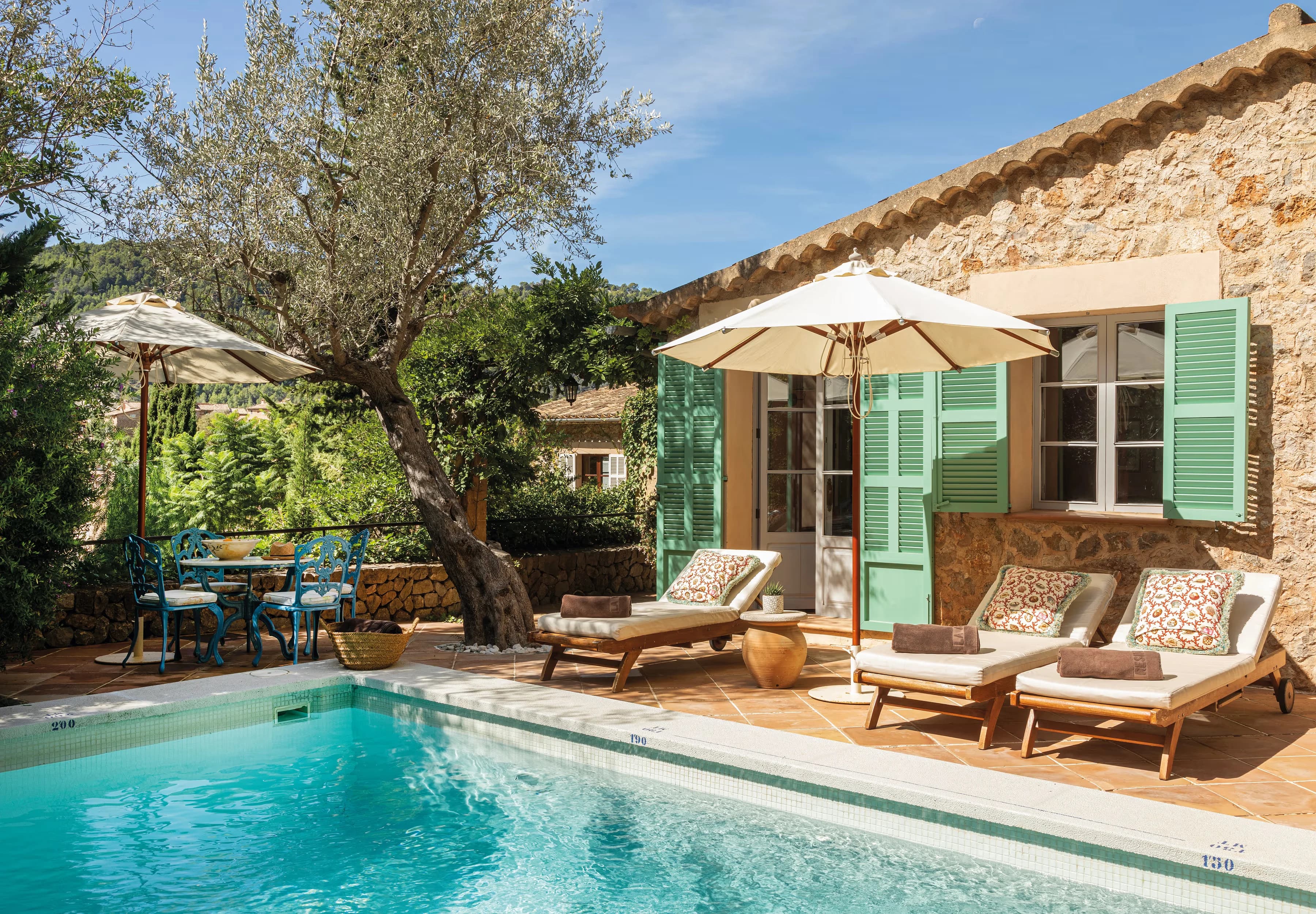
La Residencia, A Belmond Hotel, Mallorca is located in the charming artist village of Deià, Mallorca. With its building dating back to the 16th century, the hotel features 2 outdoor pools, an award-wi

Located in Palmanova, a 8-minute walk from Punta Negra Beach, Mandarin Oriental Punta Negra, Mallorca has accommodations with free bikes, private parking, a seasonal outdoor swimming pool and a fitnes

Nobis Hotel Palma, a Member of Design Hotels has a fitness center, terrace, a restaurant and bar in Palma de Mallorca. This 5-star hotel offers room service, a 24-hour front desk and free WiFi. The pr

Located 5 minutes walk from the port of Palma, is the Palacio Can Marqués by Puro de Palma de Mallorca, which is an architectural jewel from the 18th century located in the Lonja neighborhood in the o

Featuring a garden, a terrace as well as a bar, Palma Riad - Adults Only is located in the center of Palma de Mallorca, a 18-minute walk from Playa Ca'n Pere Antoni. This 5-star hotel offers a concier
The northwest of the island is dominated by the Tramuntana mountain range, a UNESCO World Heritage site. The villages here, Deià, Valldemossa, Sóller, have long attracted artists, writers, and a certain category of European intellectual. Properties in this area tend to occupy converted stone manor houses with terraced gardens and direct access to mountain walking paths. The architecture is austere and honest. Suites in this zone prioritise views over the valley or the sea cliffs, not beach proximity.
The area stretching from Palma westward toward Andratx concentrates a high density of contemporary luxury. Palma itself functions as a small capital city with a serious gastronomic culture, independent design galleries, and a historic centre dense enough to reward sustained exploration. Properties near the city centre occupy Gothic palaces and 18th-century merchant townhouses, while those along the southwest coast offer cliff-edge positions above protected coves.
The eastern and northeastern coastline remains less densely developed. The Parc Natural de Llevant and the coves around Artà and Capdepera attract travelers seeking lower density. Luxury hotel suites in this corridor tend toward the agricultural estate model, with olive groves, dry stone walls, and a calibrated distance from the island's more trafficked routes.
The central plain is Mallorca's least discussed luxury zone, and perhaps its most honest one. Almond and apricot orchards, wine estates, and working fincas define the landscape. Suites here are embedded in rural architecture and the offering is experiential rather than scenic in the coastal sense.
The island's climate is Mediterranean with dry summers and mild, occasionally wet winters. The peak luxury travel window runs from late April through June, and from September through mid-October. These shoulder months offer lower ambient temperatures, reduced crowds at sites like the Lluc monastery or the Palma cathedral, and a more genuine sense of the island's daily rhythms.
July and August are high season: the island's population multiplies, sea temperatures are at their warmest, and suite availability at leading properties tightens considerably. Travelers booking summer stays should plan well in advance, particularly for estates in the Tramuntana where inventory is structurally limited.
Winter and early spring have their own logic. The almond blossom season, typically late January into February, transforms the interior plain into something close to the Japanese sakura experience. Some properties close seasonally, but those that remain open offer exceptional rates and an almost private relationship with the island.
Spain does not operate a formal national palace designation equivalent to France's Palace label. However, the Balearic Islands have developed their own hospitality grammar over decades of high-end tourism.
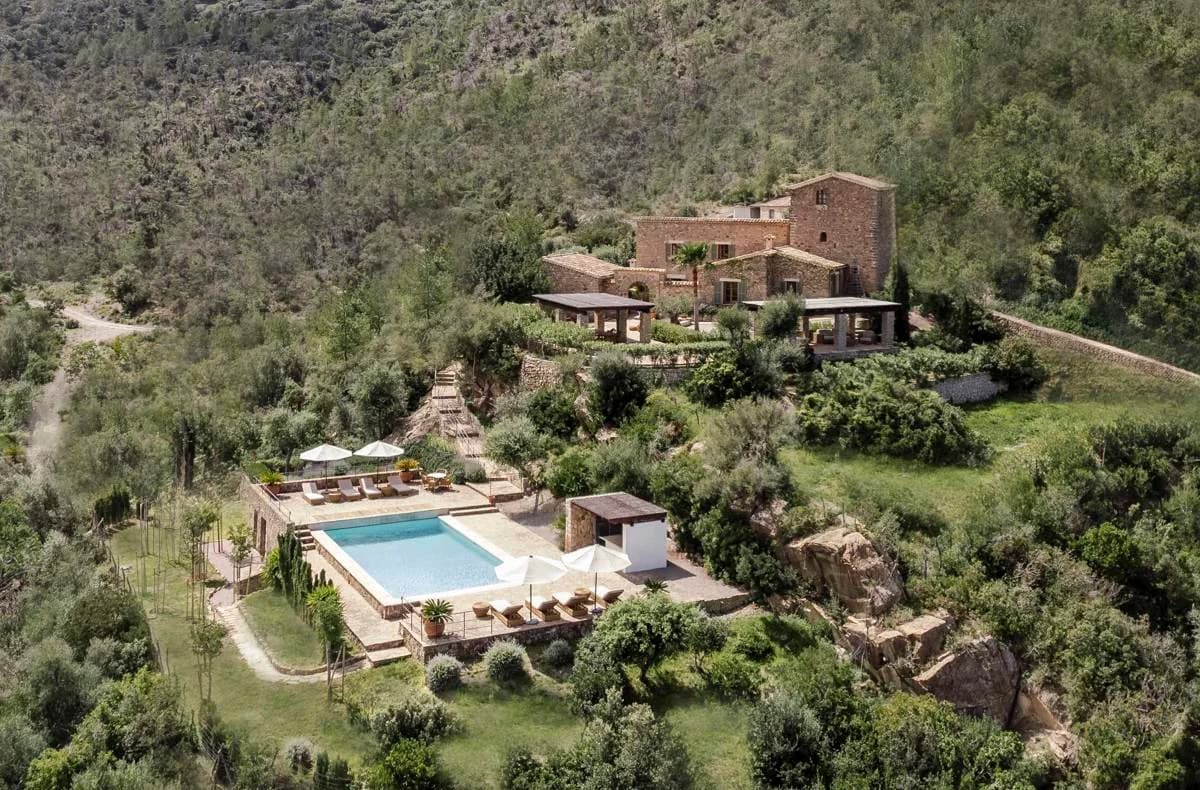
The finca hotel is the dominant format for rural luxury on the island. These are converted agricultural estates, often dating from the 16th to 18th centuries, where original stone architecture has been preserved and interiors designed with restraint. The best finca hotels maintain working orchards or vineyards and offer a relationship with the land that a coastal resort cannot replicate.
Urban luxury in Palma operates through the converted palace model, known locally as a palau or possessió. These properties sit within the historic centre and are regulated by strict conservation requirements, which in practice means that architectural integrity is maintained at a higher standard than in purpose-built hotels.
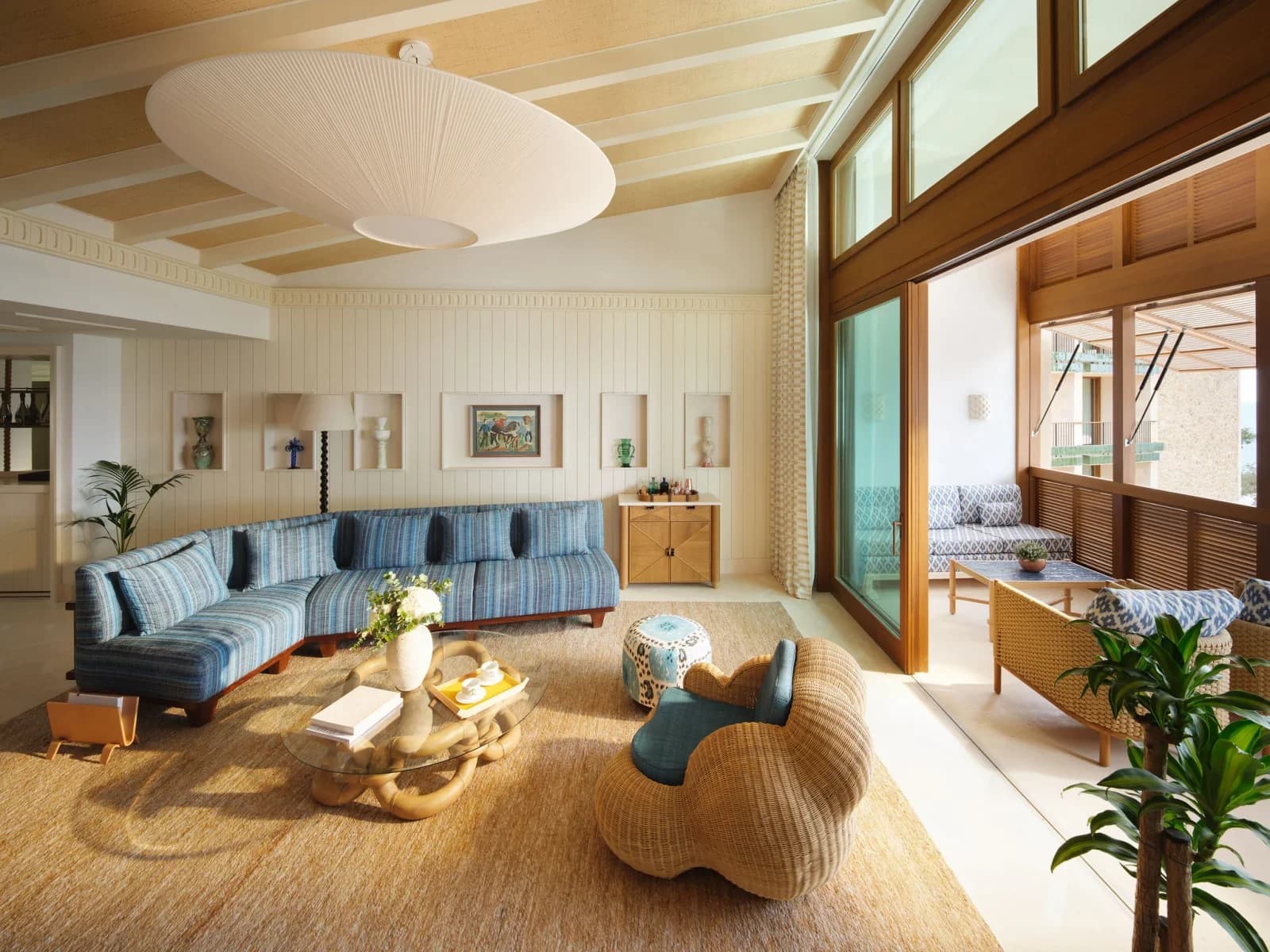
Top-tier suites across the island are increasingly defined by terrace space, private pool access, and deliberate acoustic separation from other guests. The standard of interior design has risen sharply over the past decade, with a notable shift toward locally sourced materials: Mallorcan sandstone, hand-woven textiles from the island's traditional craft centres, and ceramics produced by artisans in towns like Pòrtol.
The first decision is geographic: coastal or inland. Both offer entirely different sensory experiences and neither is objectively superior. Coastal suites in the Tramuntana or along the southwest deliver the Mediterranean framing that most travelers anticipate. Rural suites in the interior offer silence, agricultural scale, and a form of privacy that proximity to the sea cannot guarantee.
The second consideration is architectural period. Mallorca's luxury hotel stock divides between historic conversions and contemporary new builds. The former carry weight, texture, and irregularity. The latter offer precision engineering, controlled acoustics, and designed-to-specification outdoor spaces. The choice is temperamental as much as practical.
Third, assess the suite's relationship to its outdoor space. On an island with 300 days of annual sunshine, the terrace or private pool is not an amenity. It is the primary living space. Suites where the outdoor area is proportional to the interior, or larger, consistently outperform those where it is treated as an afterthought.
Finally, consider service model. Mallorca's leading properties range from full-service luxury hotels with structured dining and concierge infrastructure, to smaller estates that operate on a more intimate, semi-private basis. Travelers who value discretion and minimal guest contact often prefer the latter category.
Mallorca receives millions of visitors annually. The sheer volume of accommodation options, ranging from mass-market coastal resorts to genuinely exceptional private estates, makes filtering a functional necessity rather than a luxury preference.
La Suite applies a consistent editorial standard to every property in its selection: architectural integrity, suite spatial quality, service calibration, and a genuine sense of place. On an island where the distance between a mediocre property and an exceptional one can be a matter of two kilometres or a single booking platform, that curation has direct practical value.
The curated selection by La Suite on this island is built for travelers who have already decided that Mallorca is worth their time. The question is not whether to come. The question is where, specifically, to stay.
To learn more about Mallorca, check out our guide to Mallorca to discover more about the island, its history, and its architecture, and find out how to choose the right hotel suite.
Also check out our selection of the most beautiful luxury hotel suites in Mallorca.
The Serra de Tramuntana in the northwest offers the most architecturally distinctive properties, set in converted stone manor houses above sea cliffs or valley terraces. For urban luxury, Palma's historic centre concentrates a number of converted Gothic palaces with suite-level accommodation. The choice depends on whether you prioritise landscape isolation or cultural access.
Late April through June and September through mid-October represent the optimal windows: temperatures are moderate, crowds are reduced, and suite availability at top properties is more flexible than in high summer. If you intend to travel in July or August, book several months in advance, particularly for estate properties in the Tramuntana where room counts are inherently limited.
A finca hotel is a converted agricultural estate, typically dating from the 16th to 18th centuries, where original stone architecture has been preserved and adapted for hospitality use. Unlike purpose-built luxury hotels, finca properties are defined by their land, their architectural irregularity, and an intimate scale that rarely exceeds 20 to 30 rooms. The best examples maintain working orchards or vineyards as part of the guest experience.
Spain does not operate a formal Palace designation equivalent to France's national label. In Mallorca, the highest tier of luxury is represented through a combination of heritage conversion quality, suite spatial standards, and service calibration rather than an official state classification. Some properties voluntarily align with the criteria used by Leading Hotels of the World or similar private membership organisations.
Prioritise the suite's relationship to outdoor space: on this island, the terrace or private pool functions as the primary living area for most of the year. Beyond that, consider whether you prefer the tactile quality of a historic stone conversion or the engineered precision of a contemporary build, and whether you want full concierge infrastructure or a more private, lower-density estate format.
Mallorca offers considerably greater geographic and architectural diversity than either neighbour. Ibiza concentrates its luxury offer along a narrower coastal and nightlife corridor. Menorca operates at a smaller scale with a more protected landscape and fewer large-format luxury properties. Mallorca is the island for travelers who want both cultural depth and coastal access within a single destination.
The most considered properties on the island use locally sourced Mallorcan sandstone, hand-woven textiles produced in traditional craft centres, and ceramics from artisans based in towns like Pòrtol. Interior design increasingly favours a restrained palette that responds to the island's light quality: warm stone, white lime plaster, and dark wood or iron accents.
Yes, particularly in the larger finca estates and coastal properties that offer multi-room suite configurations or private villa annexes. The island's combination of safe swimming coves, accessible cultural sites, and working agricultural estates makes it structurally well suited to extended family stays. Suite formats with separate living areas and private pool access are the functional preference for families traveling with children.
The Palma Cathedral, a Gothic structure begun in the 14th century with later interventions by Antoni Gaudí, warrants serious attention. The Fundació Pilar i Joan Miró outside Palma holds one of the most important collections of Miró's work in a purpose-designed complex. The weekly markets in towns like Sineu and Pollença provide access to the island's agricultural and artisan production at a human scale.
La Suite applies a consistent editorial framework focused on architectural quality, suite spatial standards, service calibration, and a genuine sense of place specific to the destination. On an island with a wide spectrum of accommodation quality, this filtering is practically useful: it removes properties that use luxury branding without the spatial or experiential substance to support it, and surfaces those that meet an exacting standard across all criteria.