






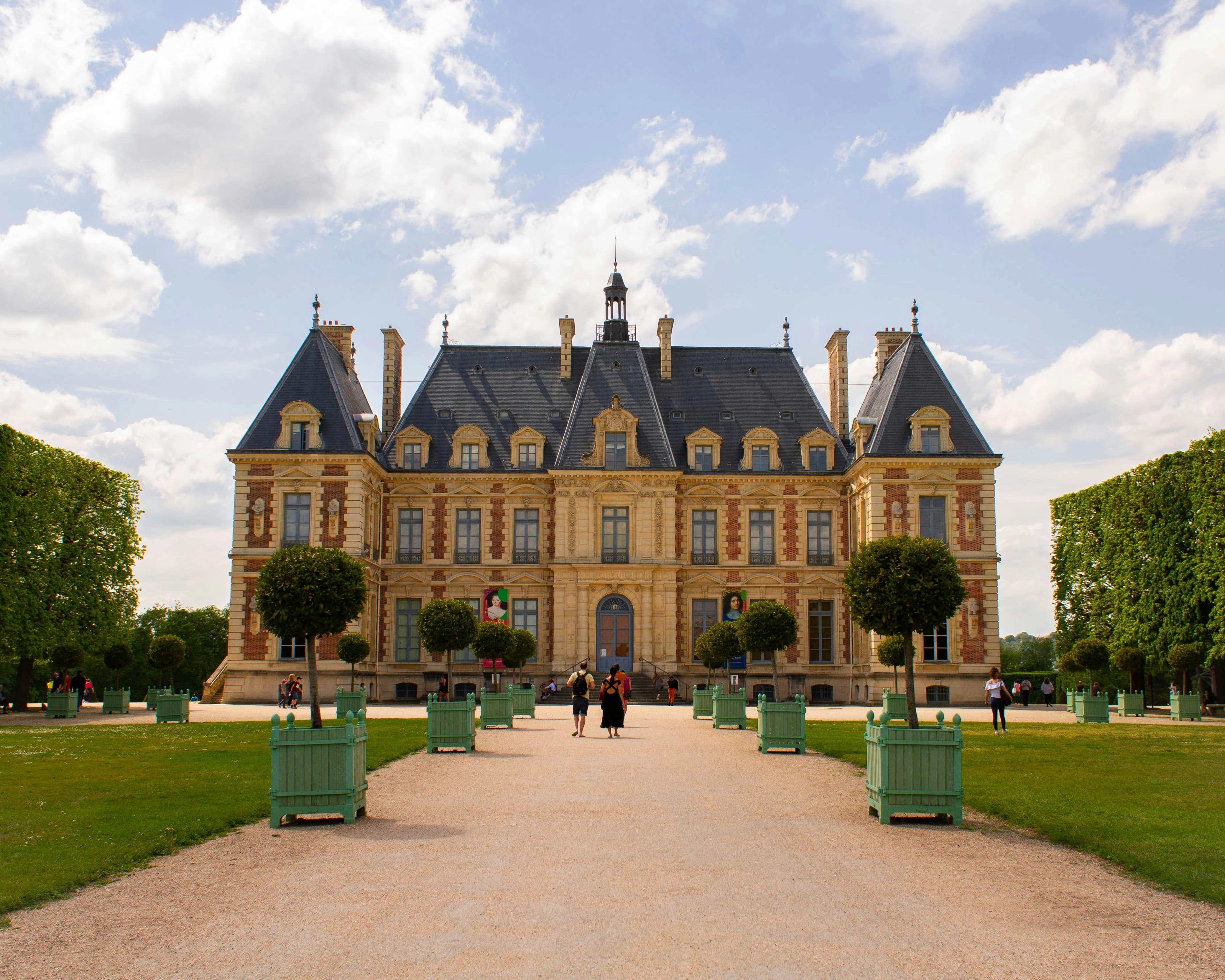
France
Hotels with Luxury Suites in France
France is not a monolithic destination. Its regions carry fundamentally different personalities, and the luxury experience shifts accordingly. Understanding where to position yourself is the first editorial decision of any serious trip.
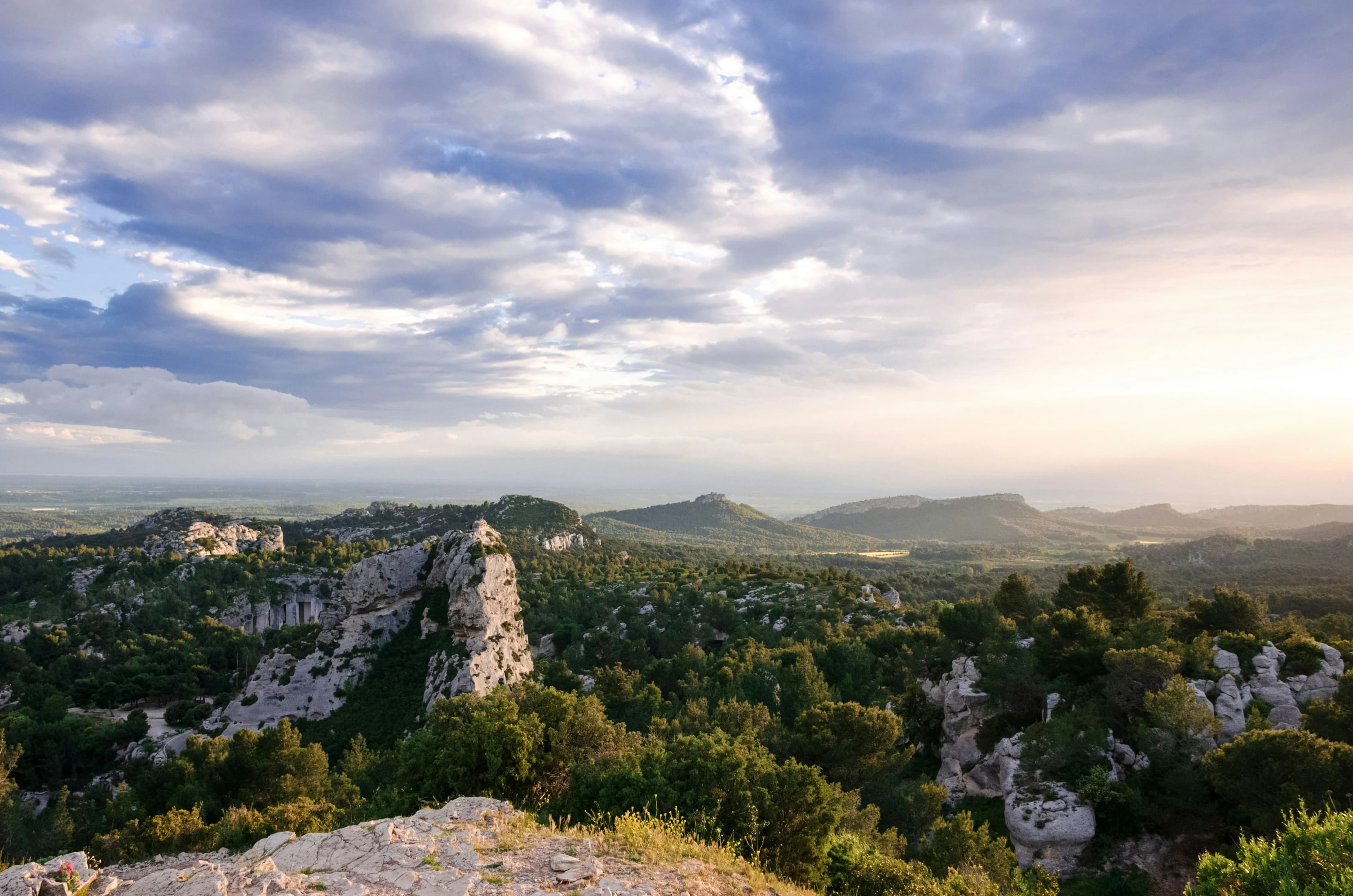
Alpilles, France
10 hotels
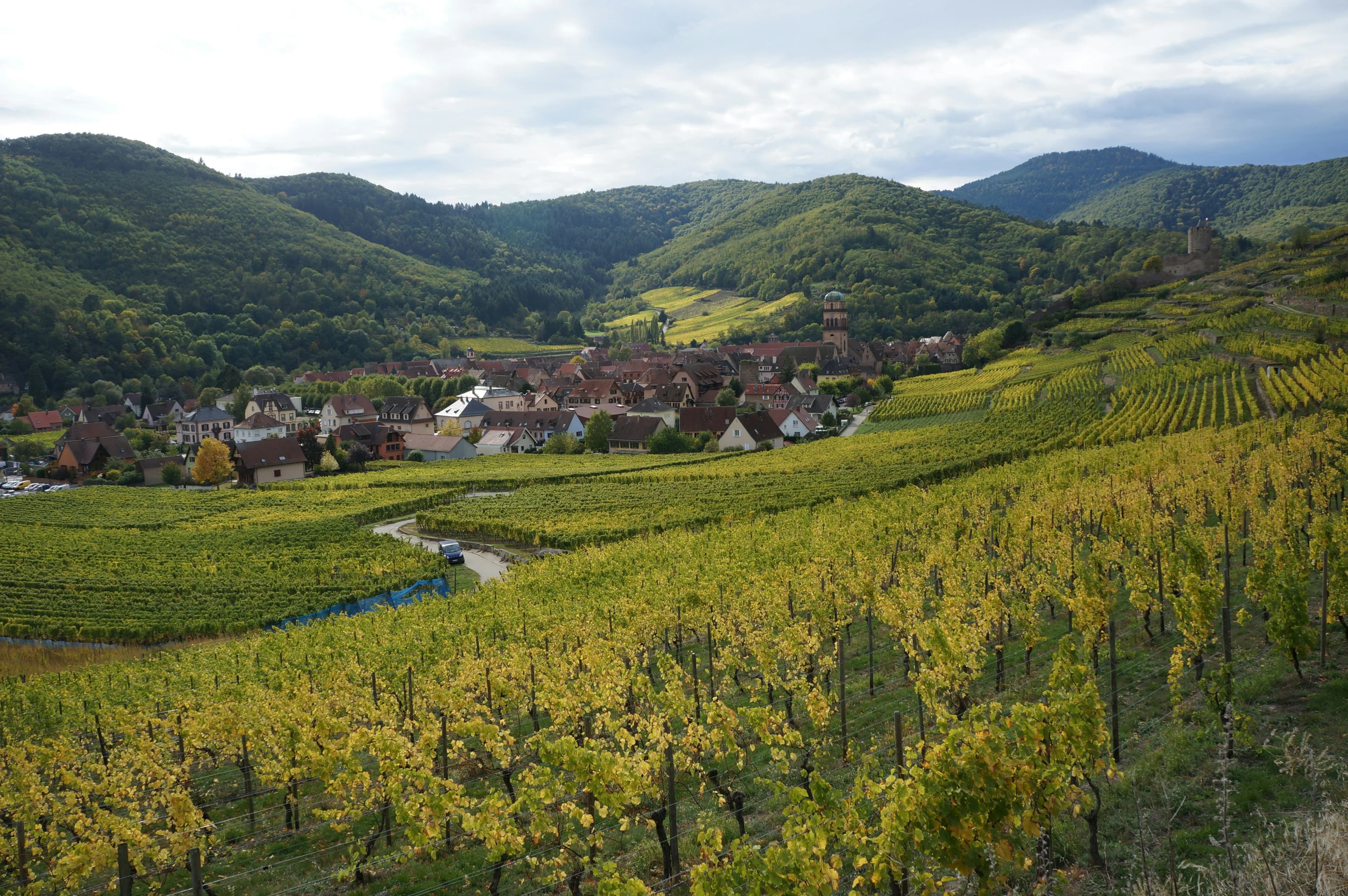
Alsace wine route, France
2 hotels
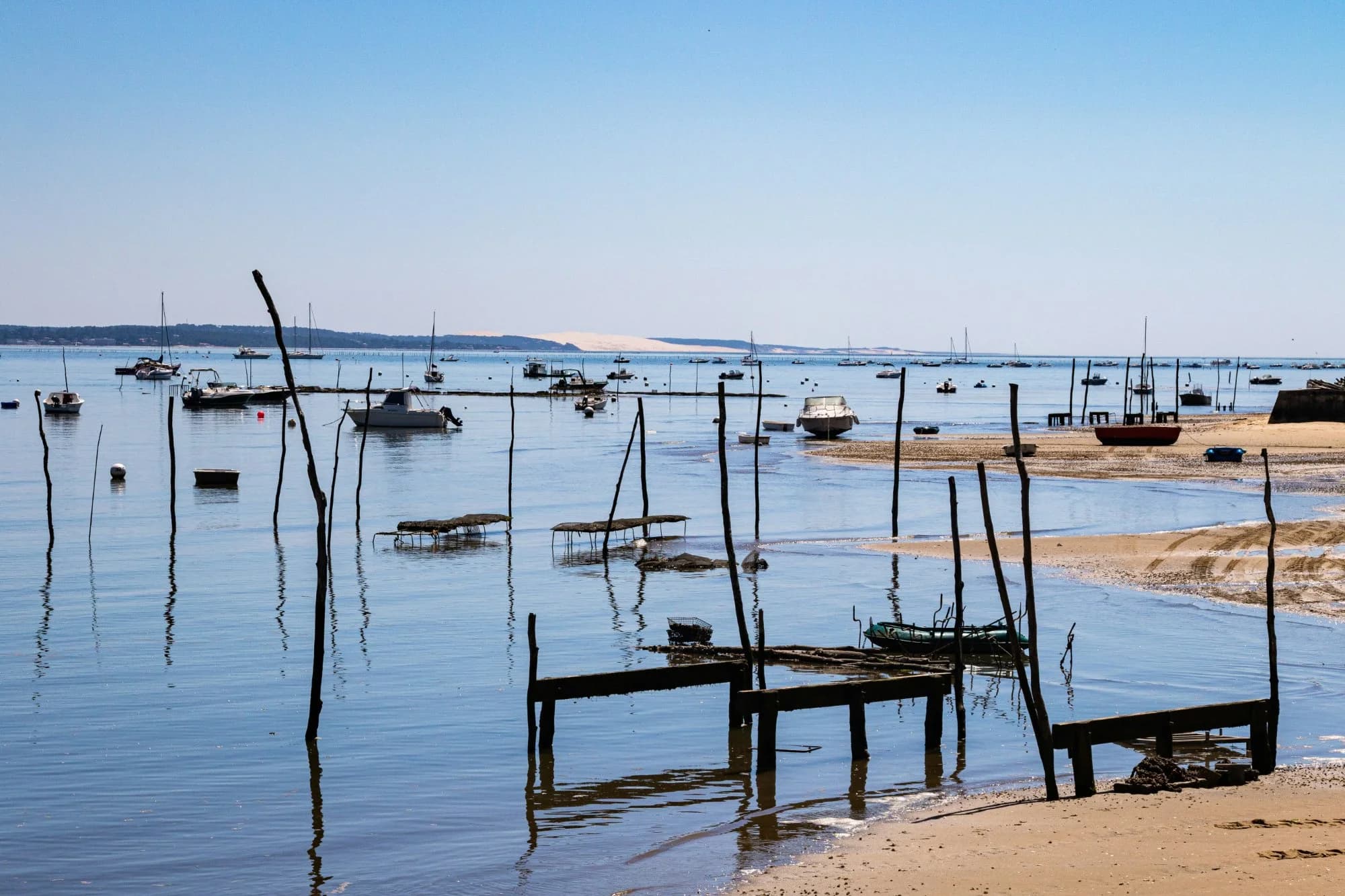
Arcachon Bay, France
13 hotels
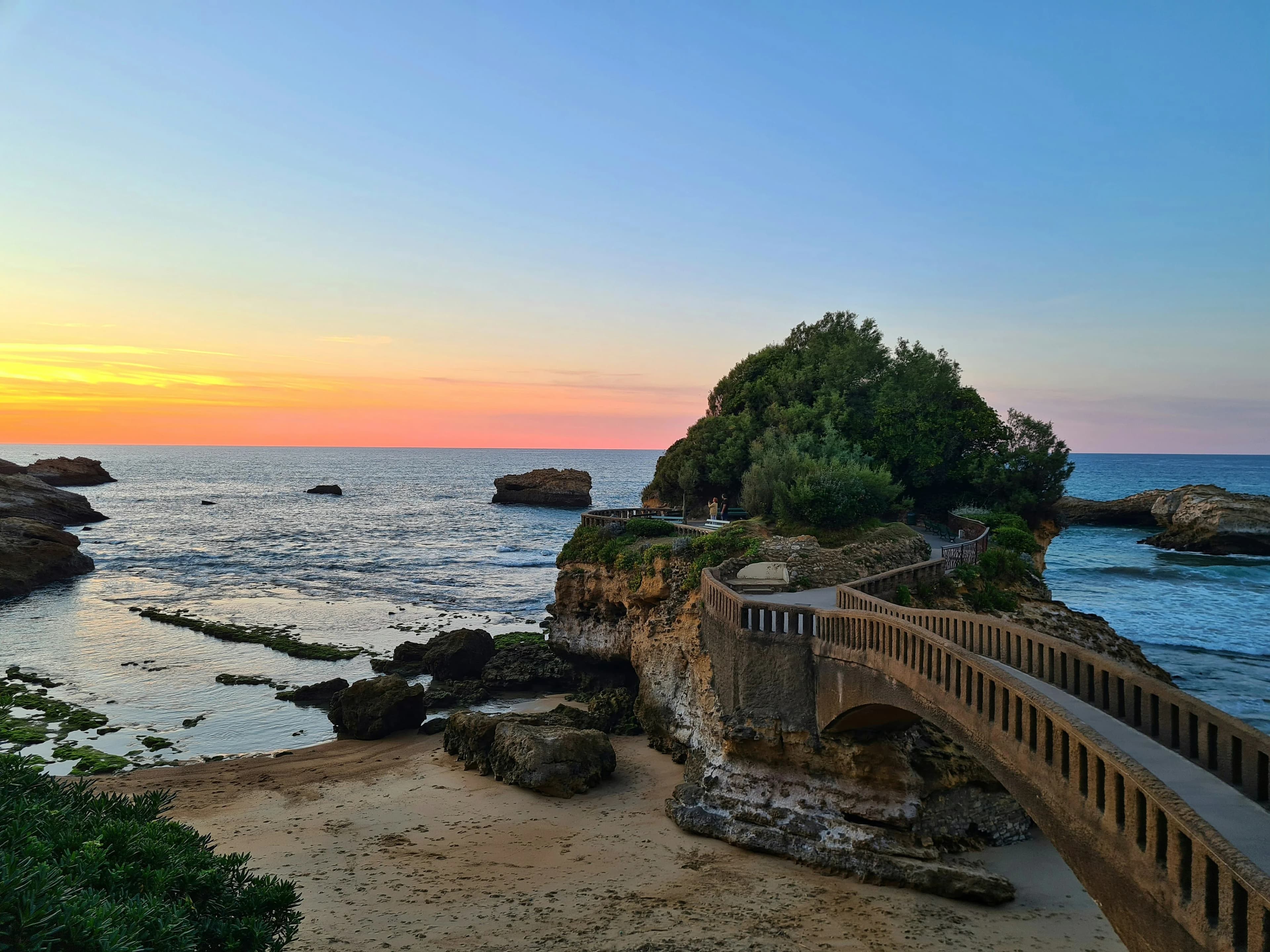
Basque Coast
10 hotels
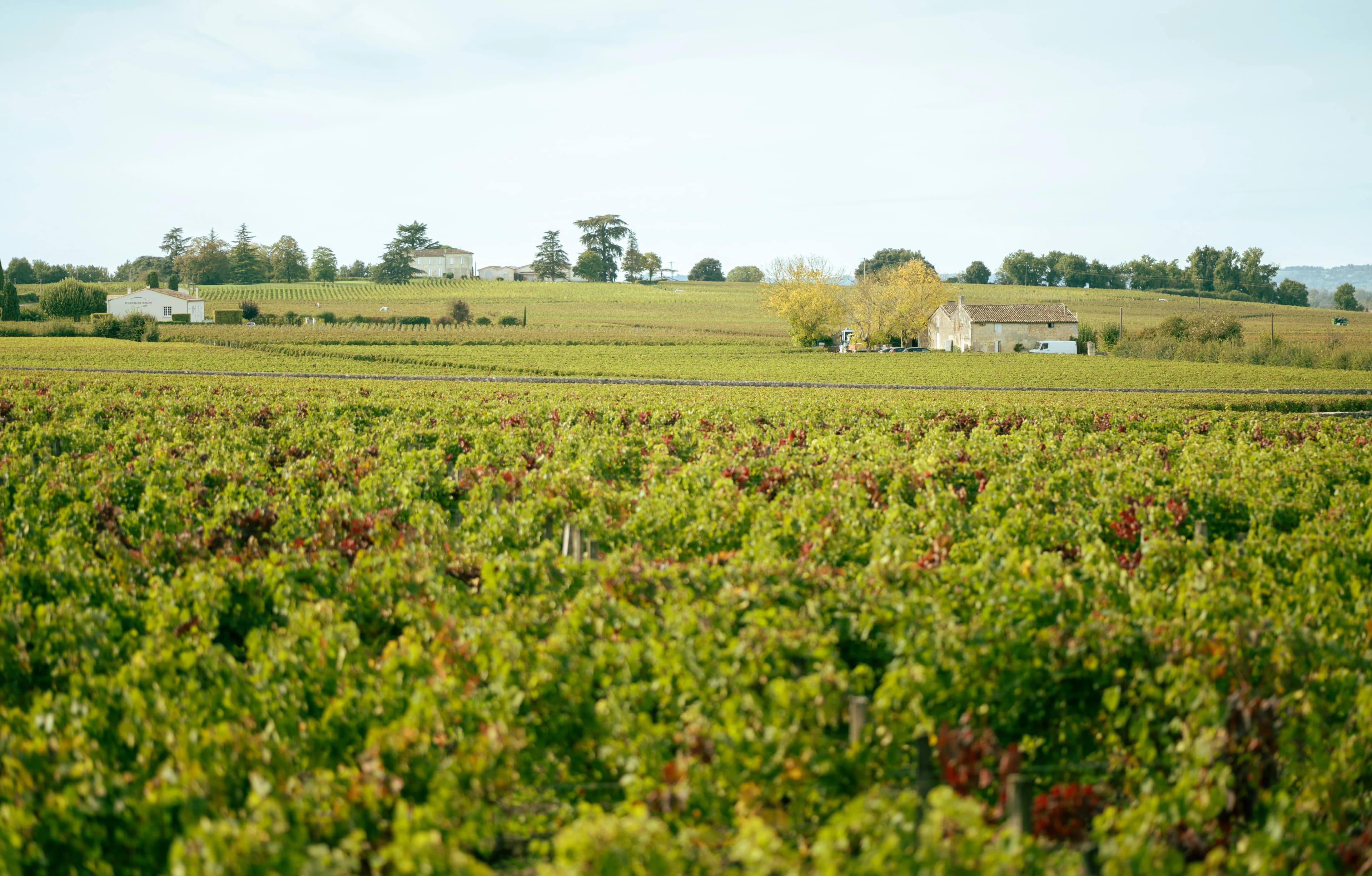
Bordeaux wine country, France
22 hotels
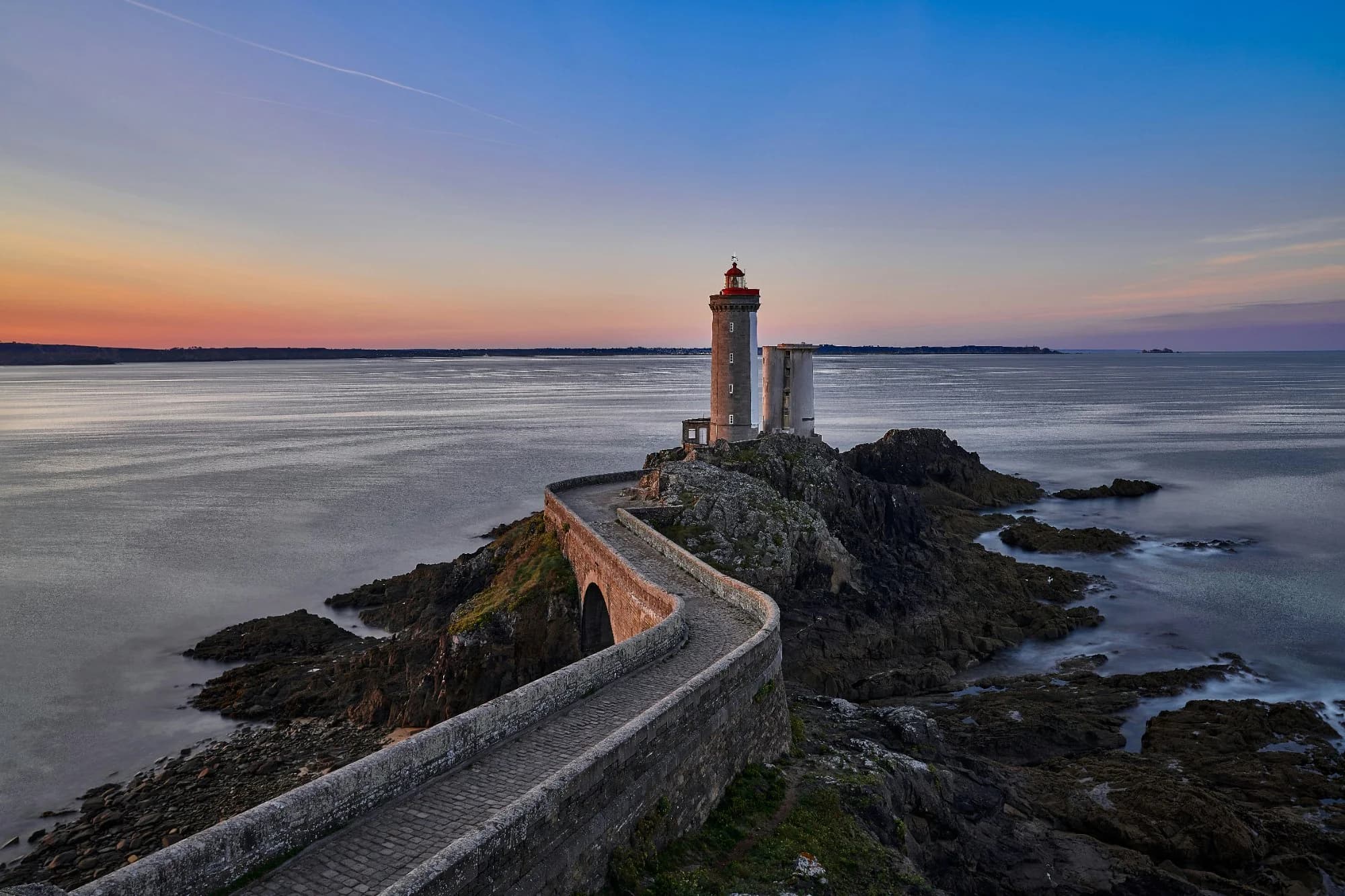
Brittany
36 hotels
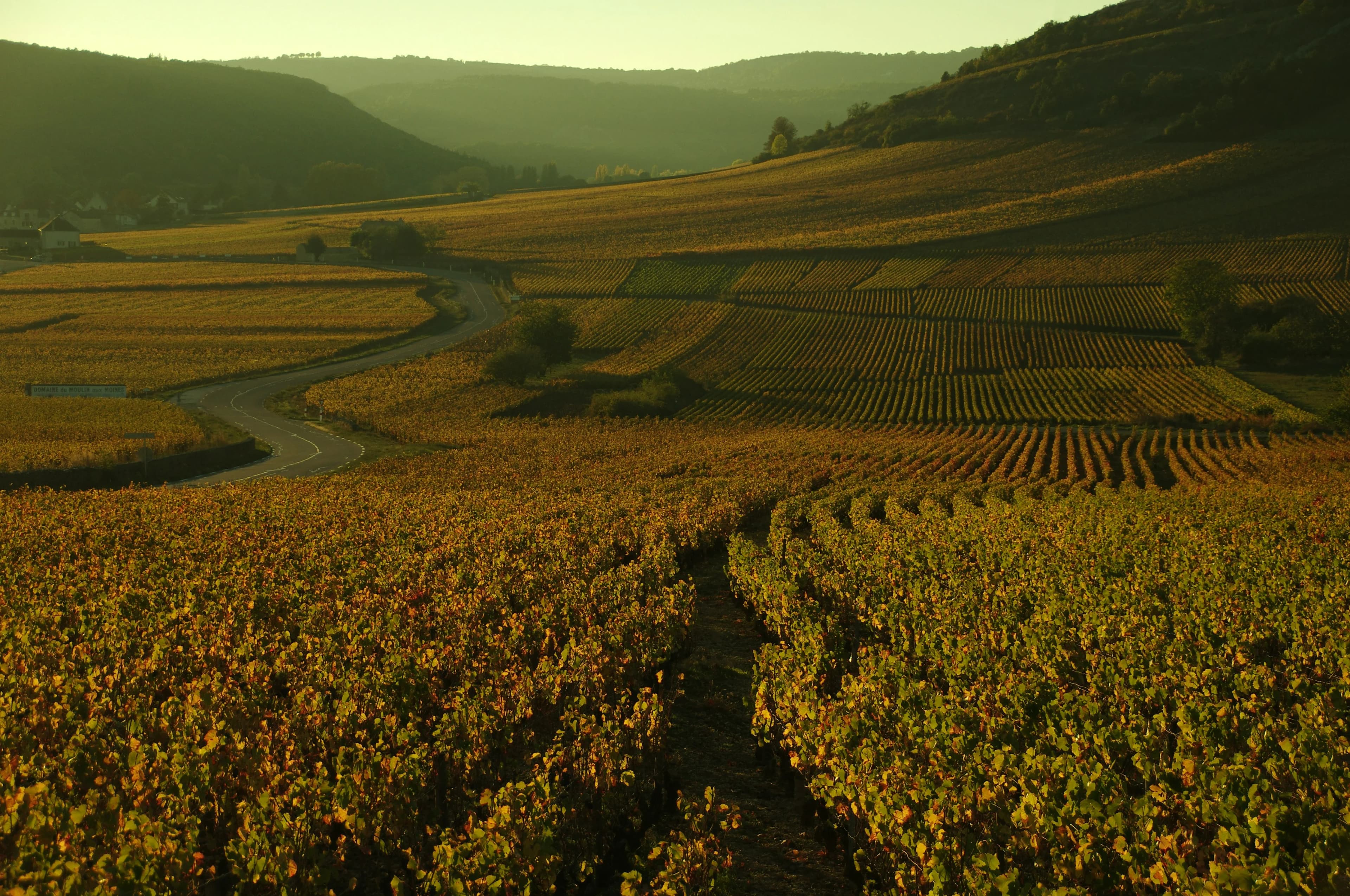
Burgundy
59 hotels
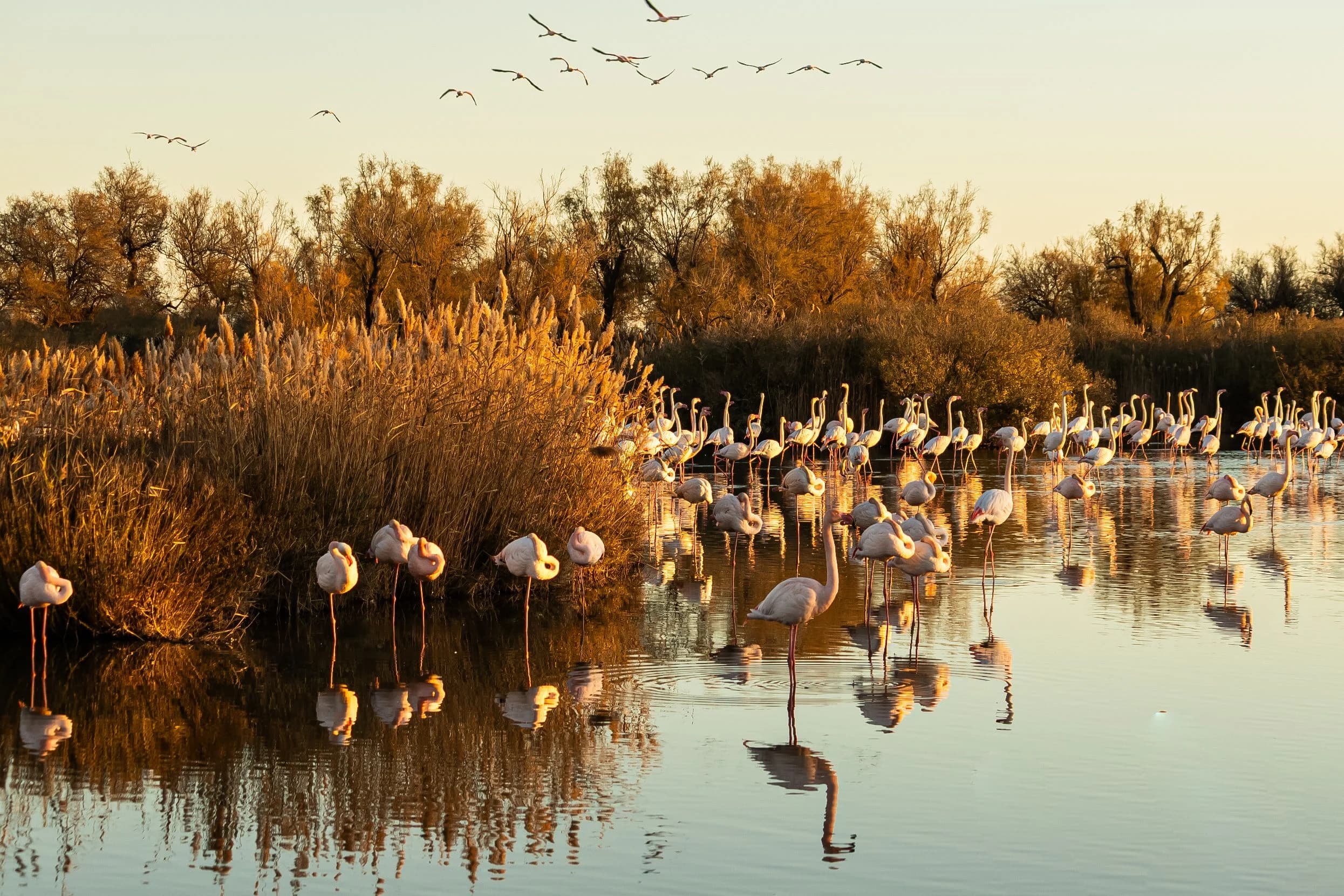
Camargue, France
13 hotels
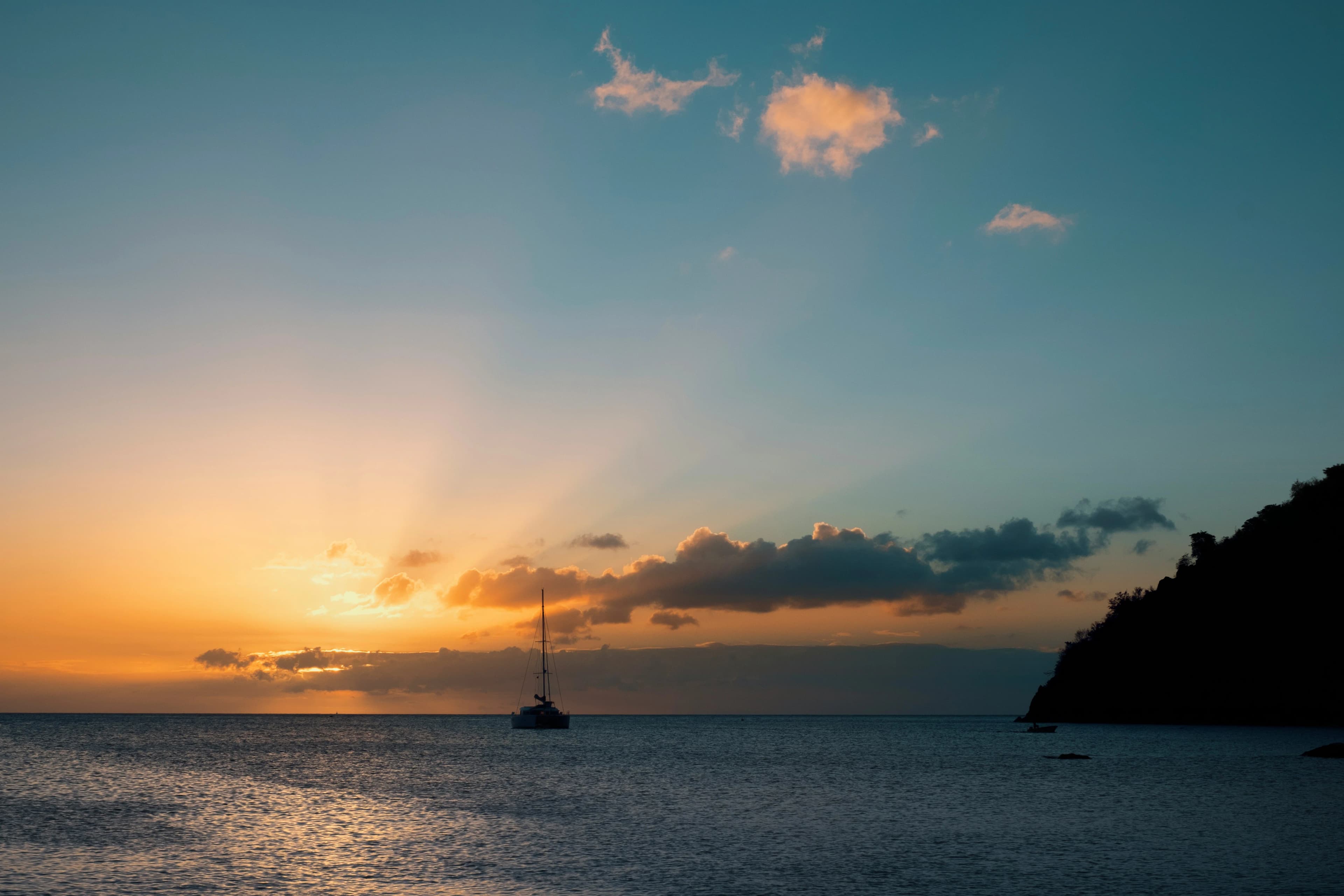
Cap Corse, France
4 hotels
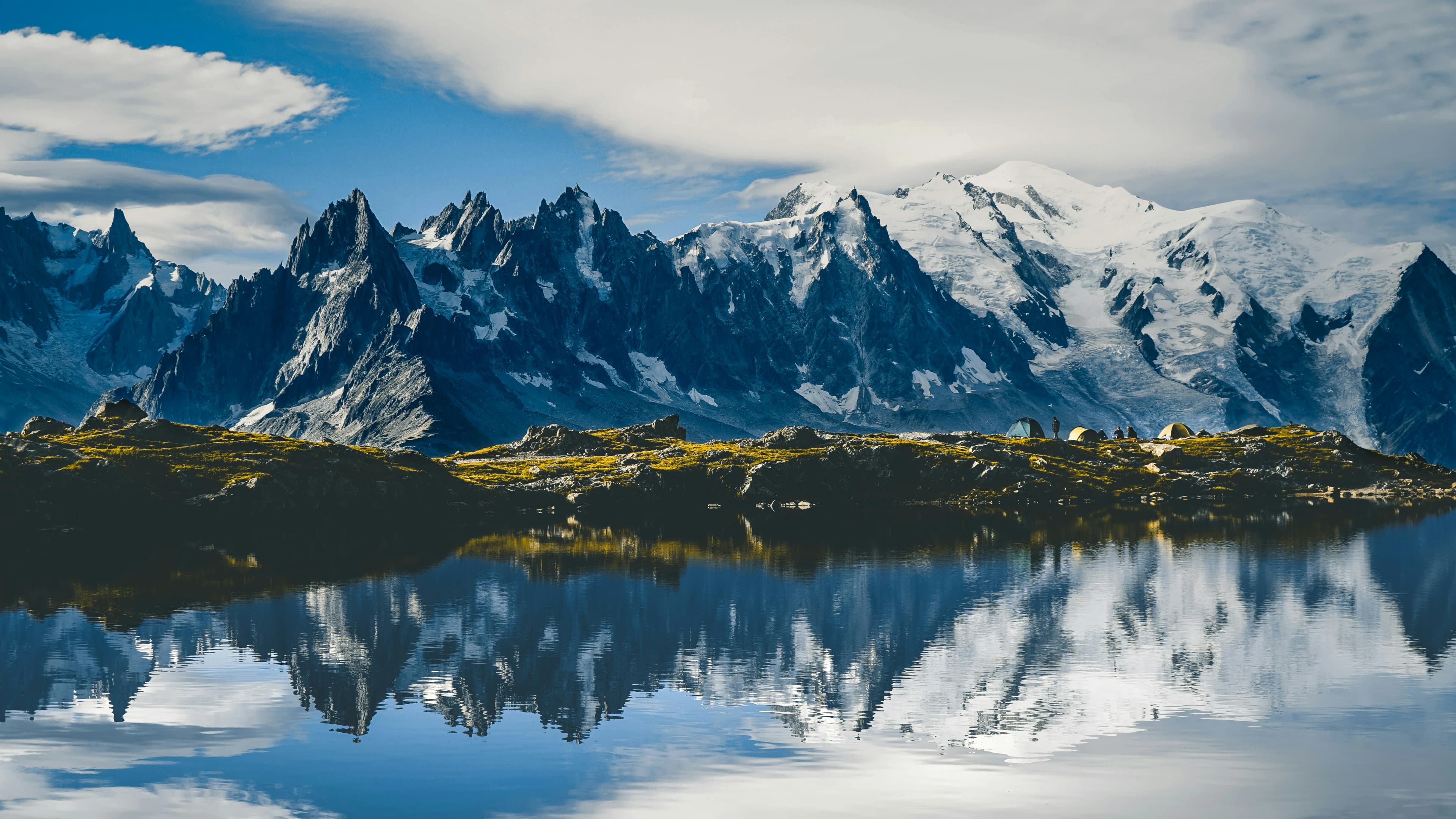
Chamonix & Mont-Blanc, France
8 hotels
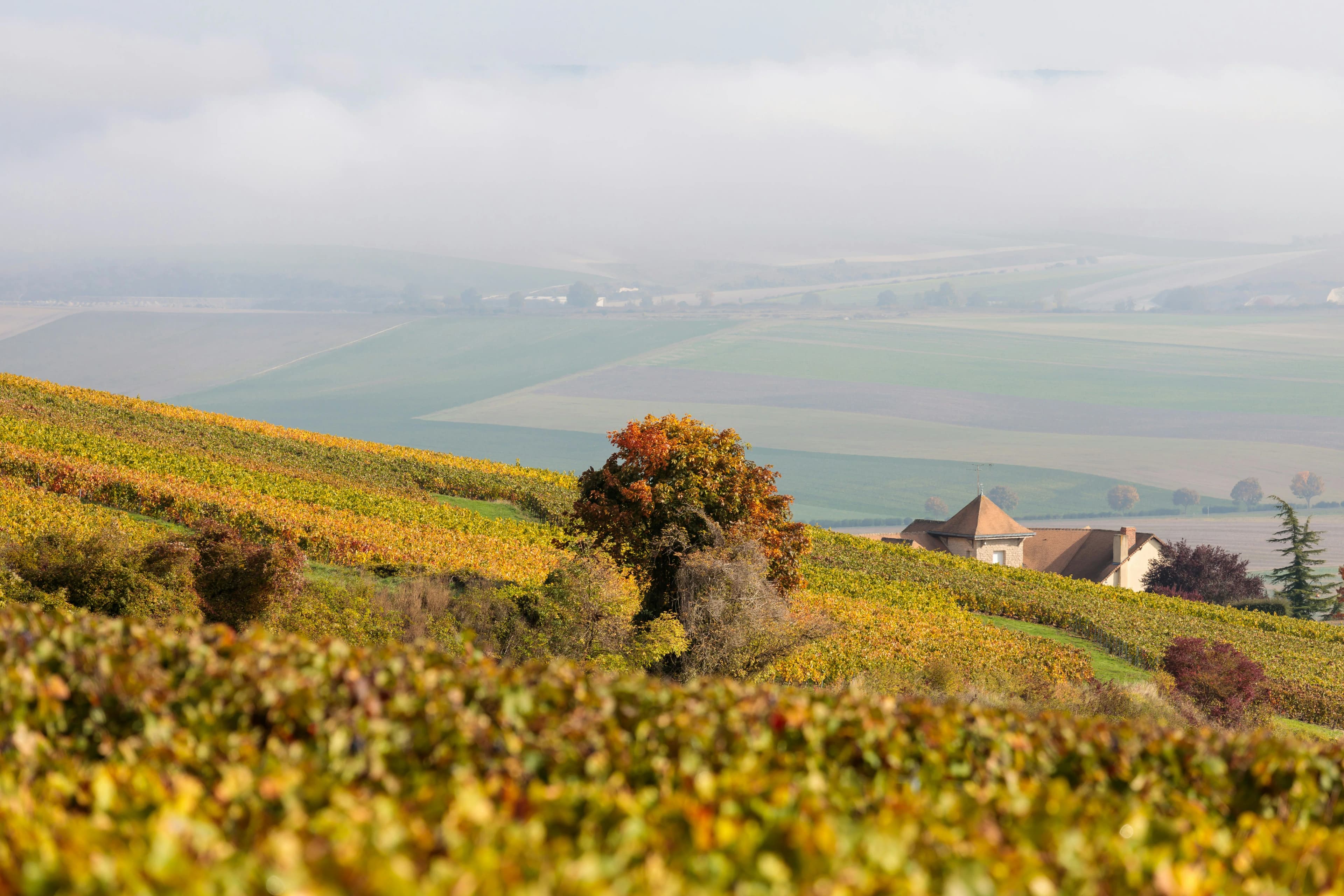
Champagne
12 hotels
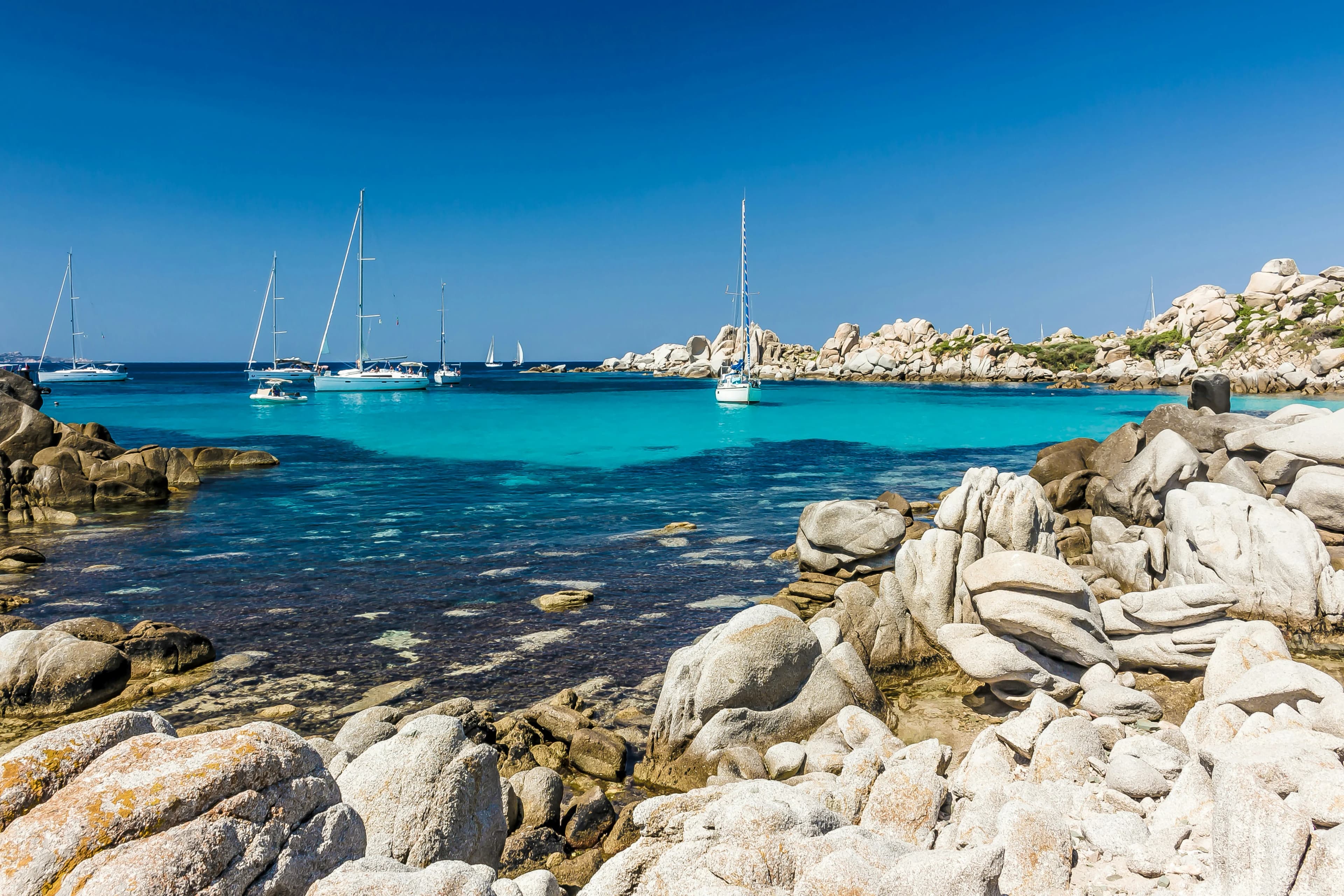
Corsica
24 hotels
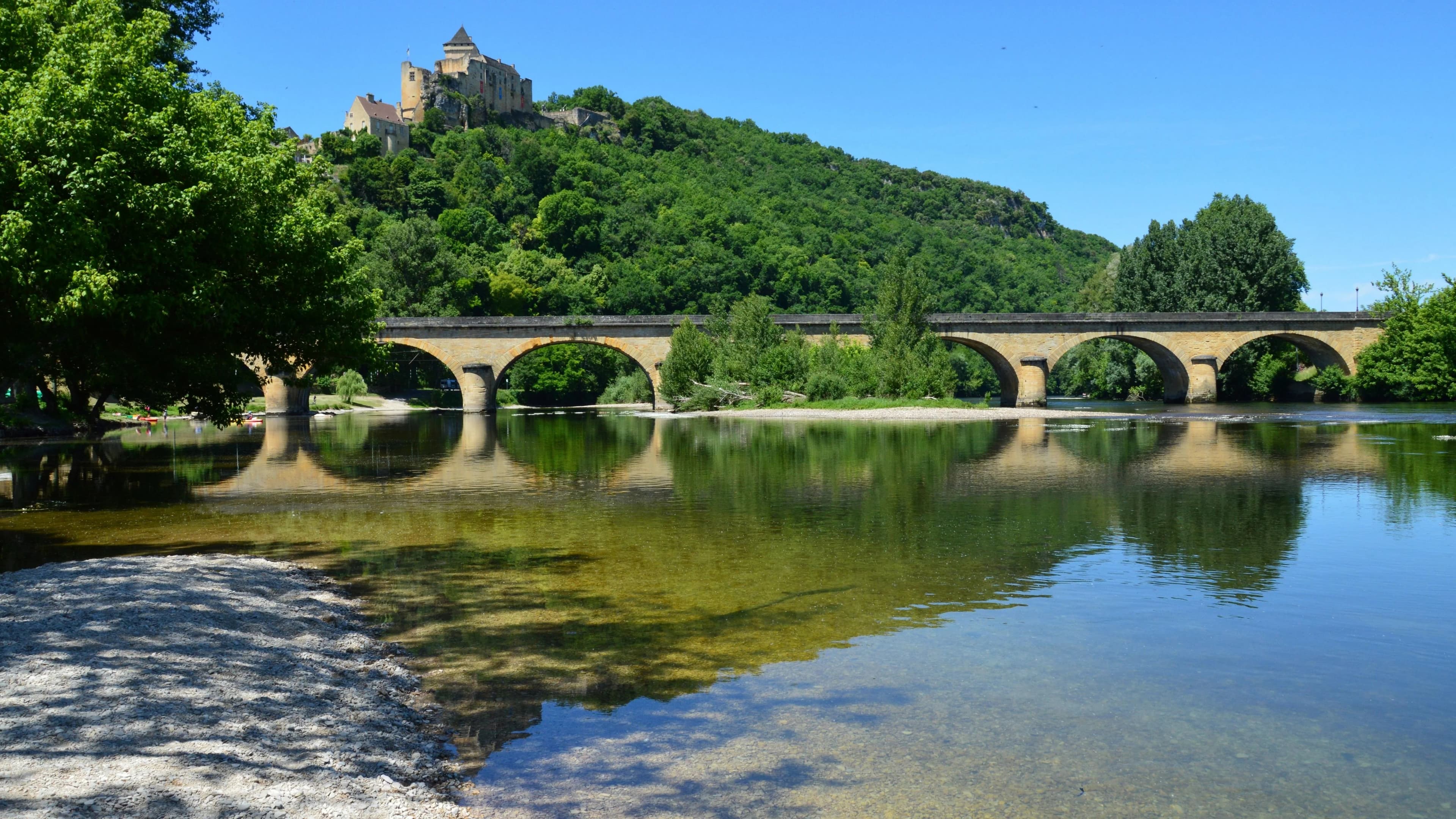
Dordogne, France
6 hotels
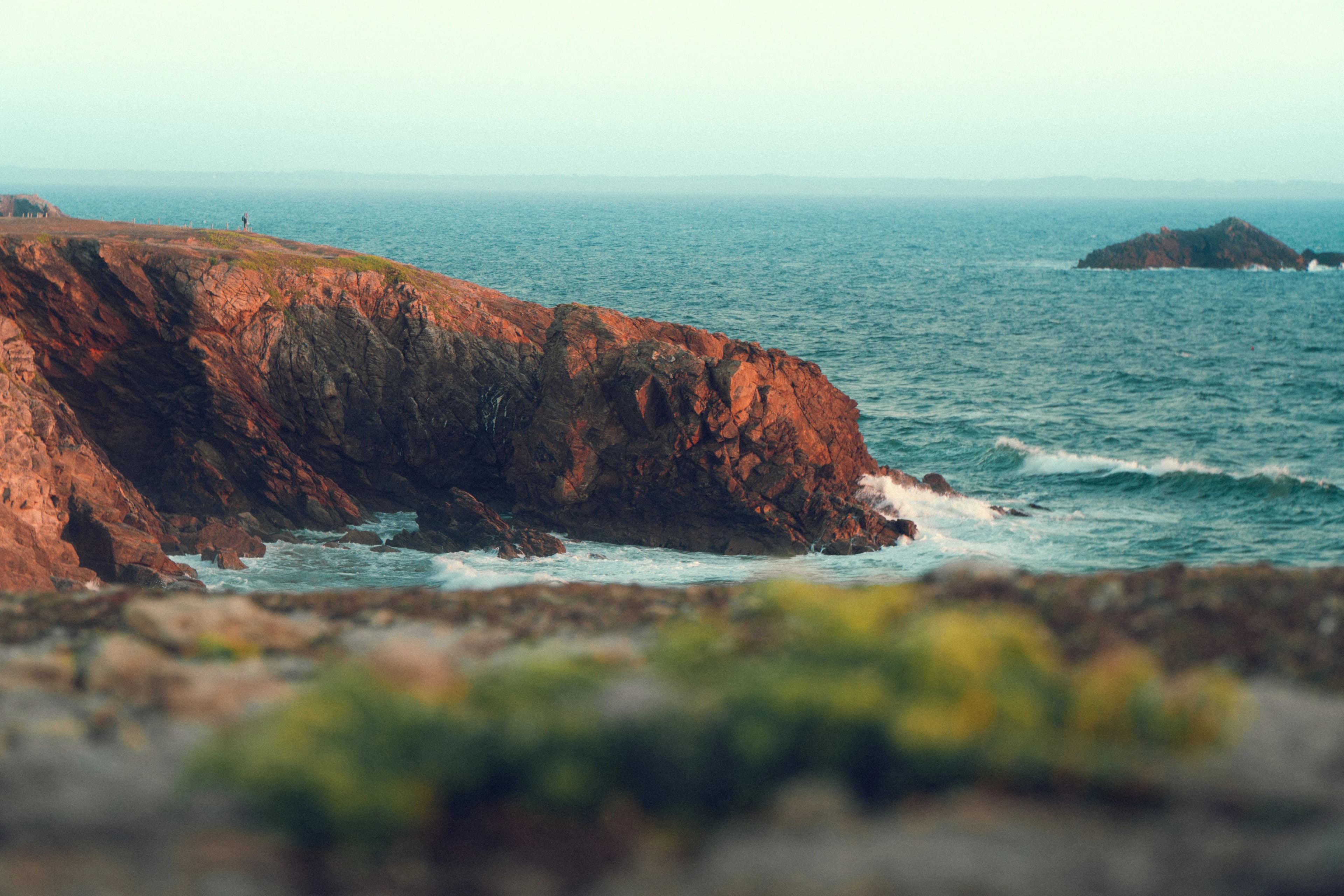
Emerald coast, Brittany, France
9 hotels
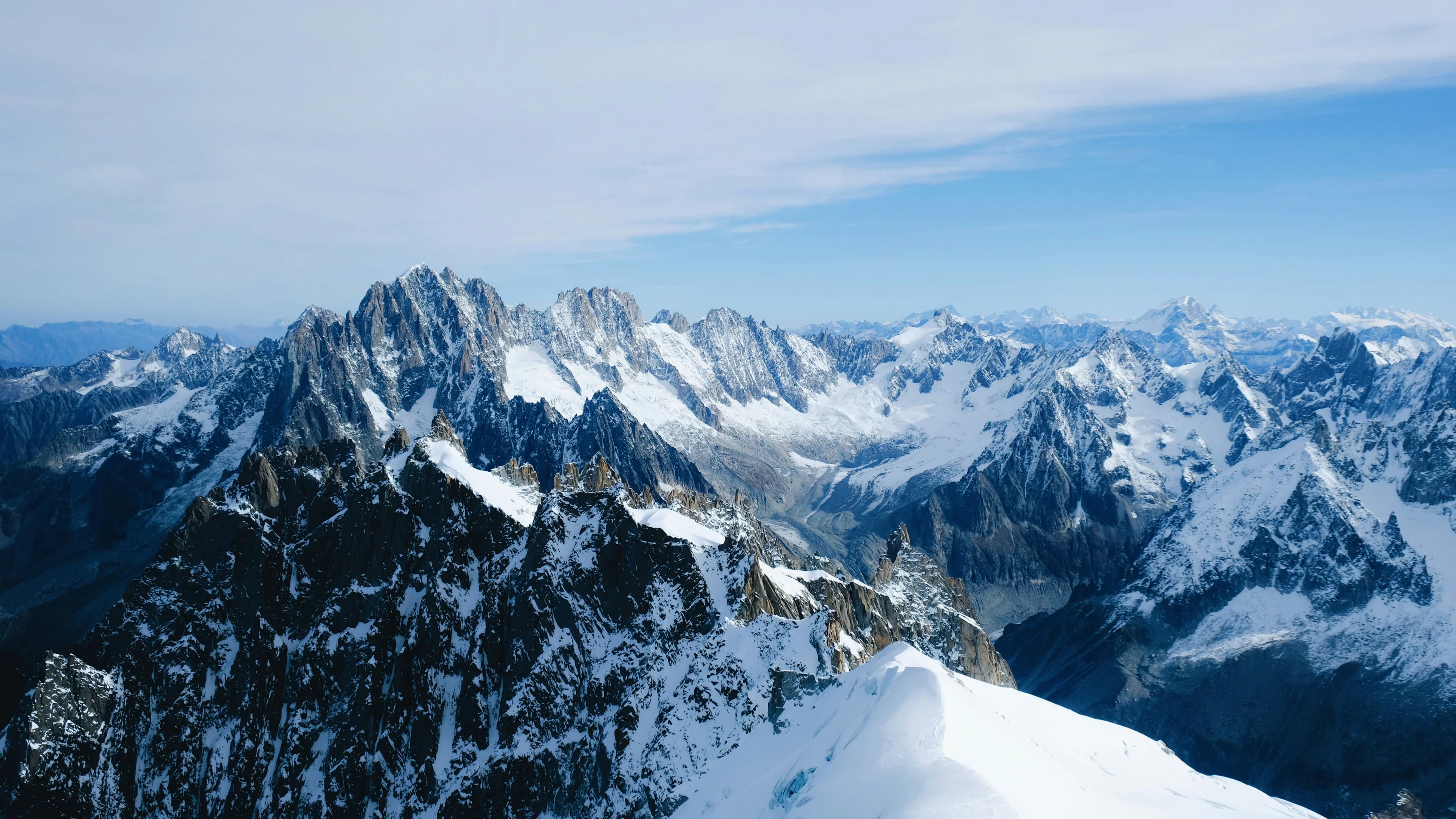
French Alps, France
53 hotels
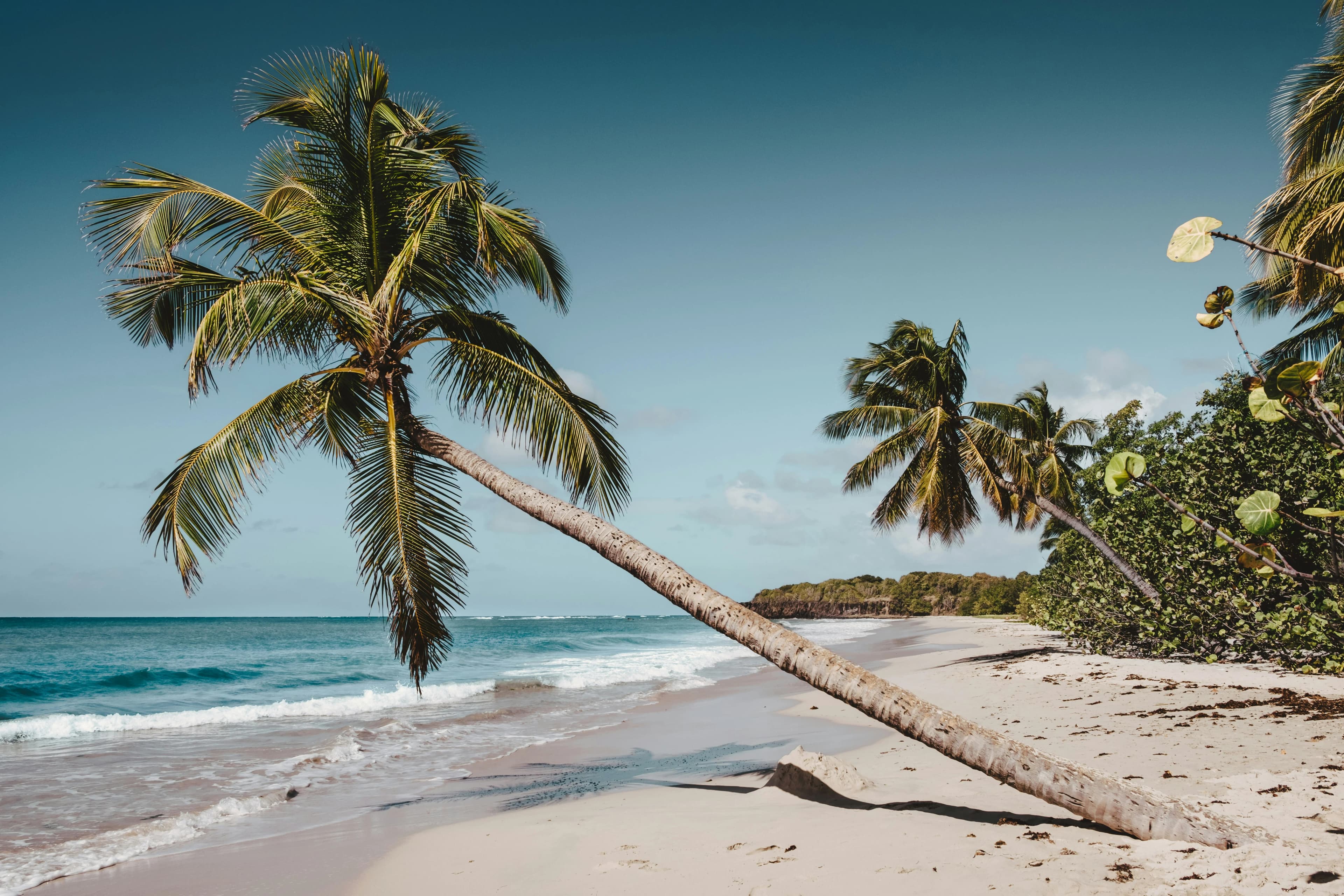
French Caribbean, Caribbean
10 hotels
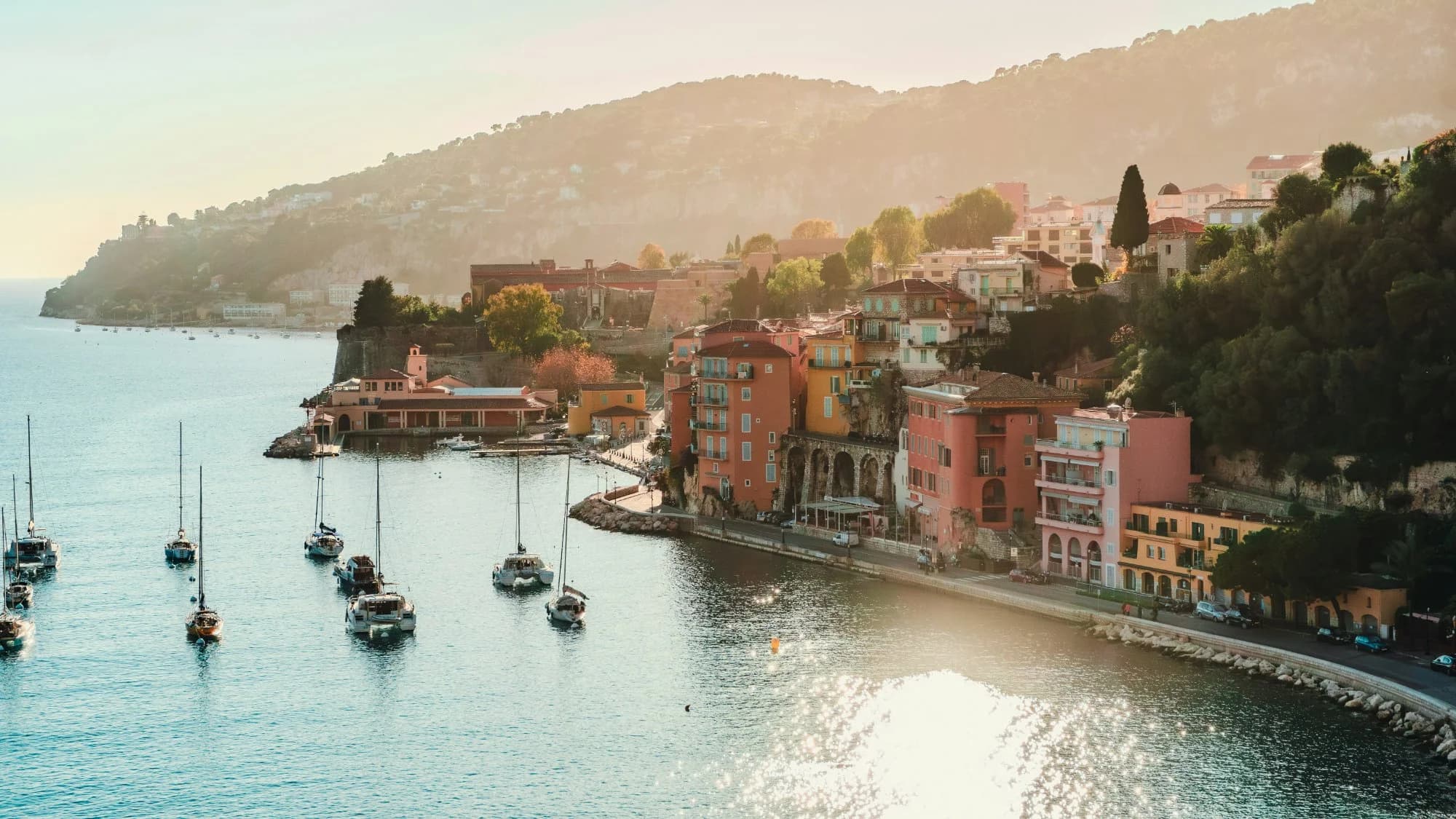
French Riviera (Côte d'Azur), France
43 hotels
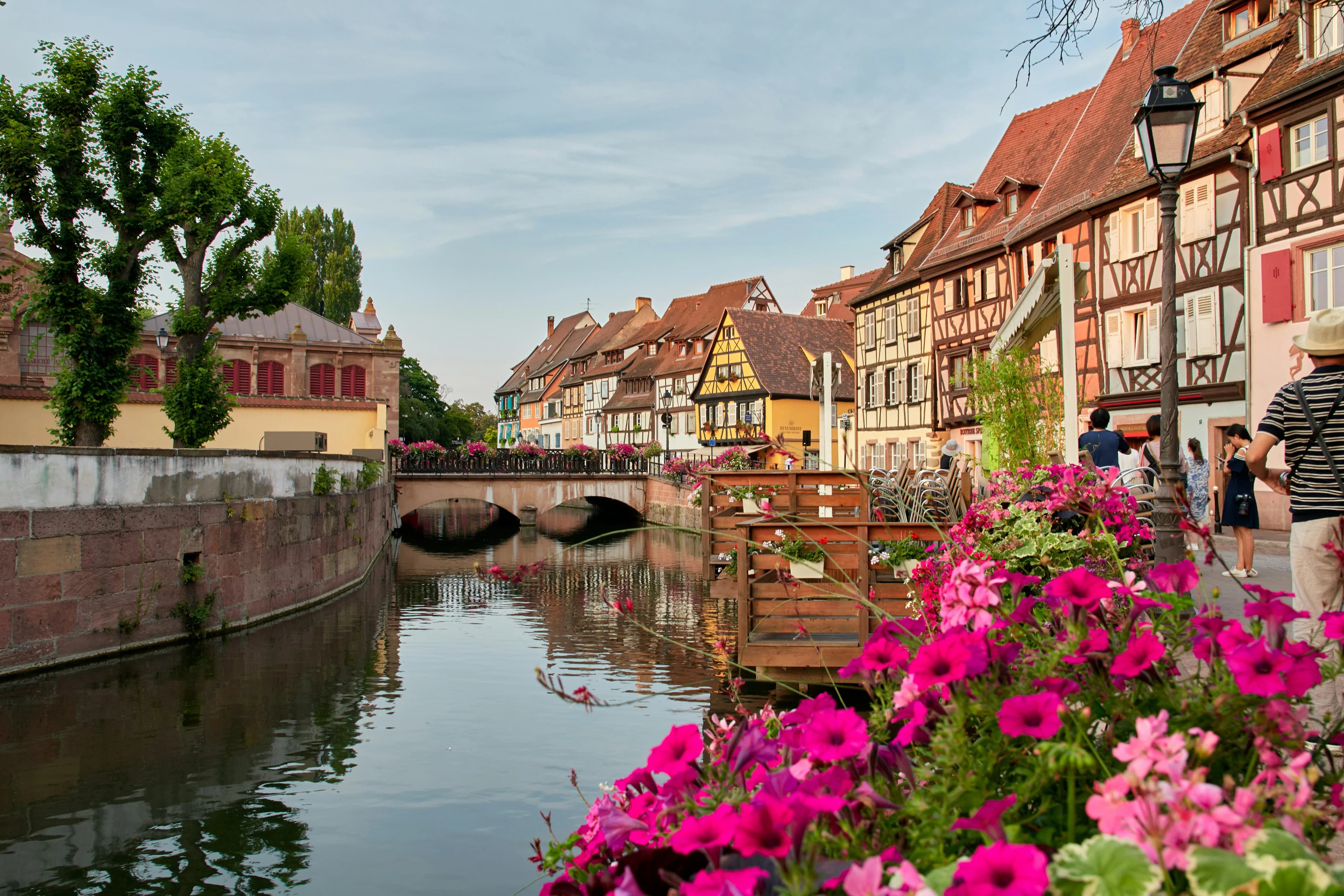
Grand Est
26 hotels
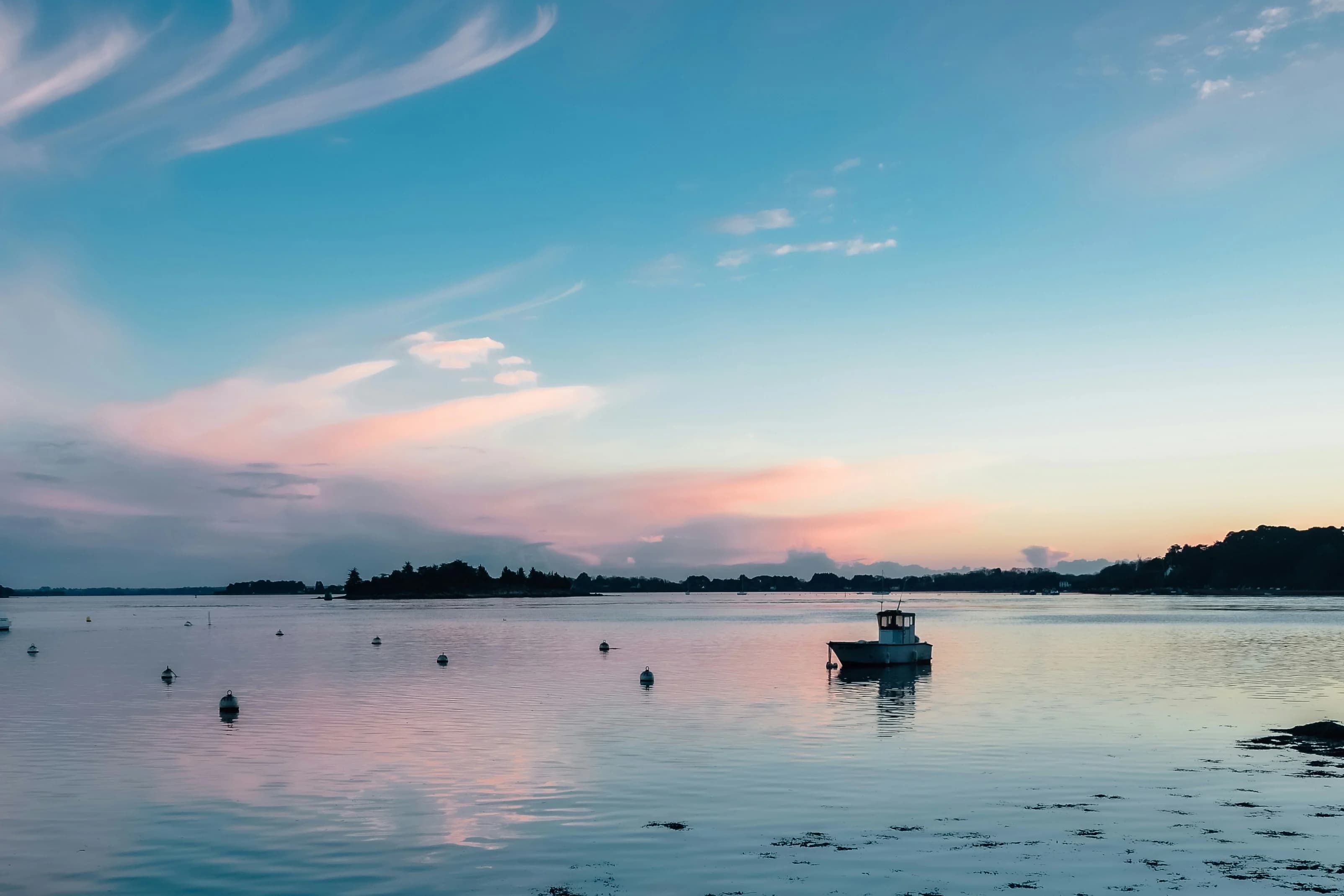
Gulf of Morbihan, France
6 hotels
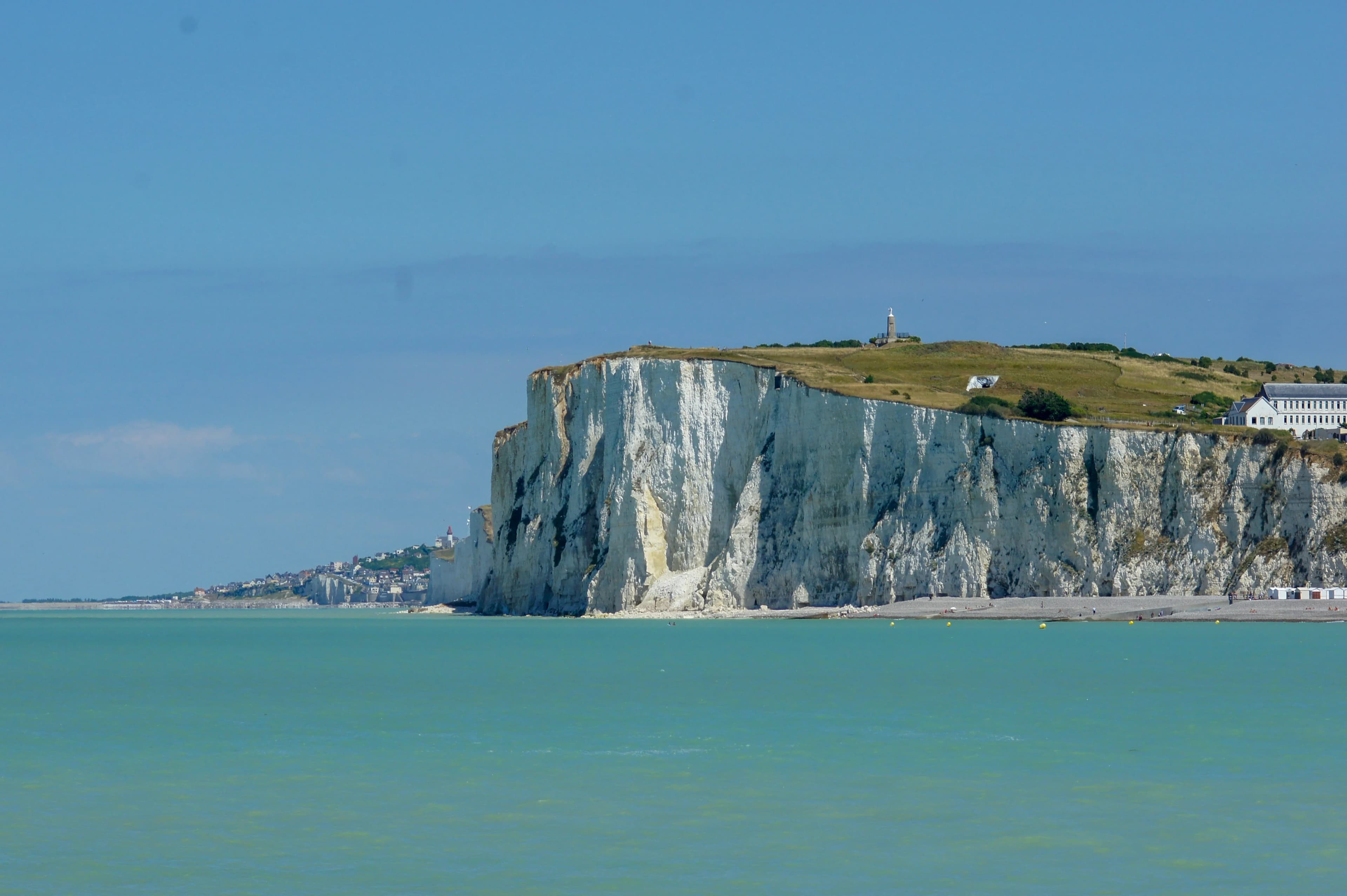
Hauts-de-France
9 hotels
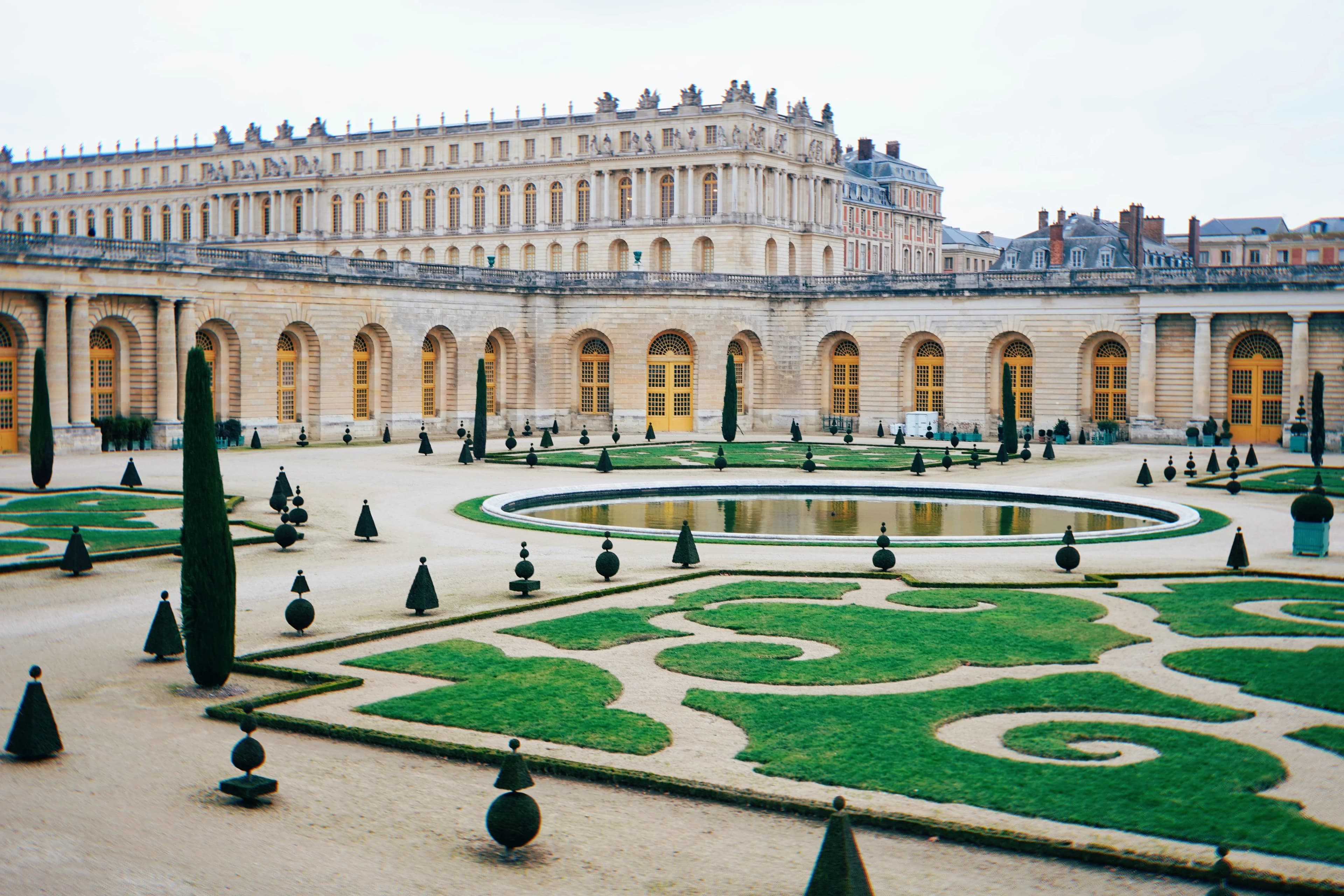
Île-de-France
142 hotels
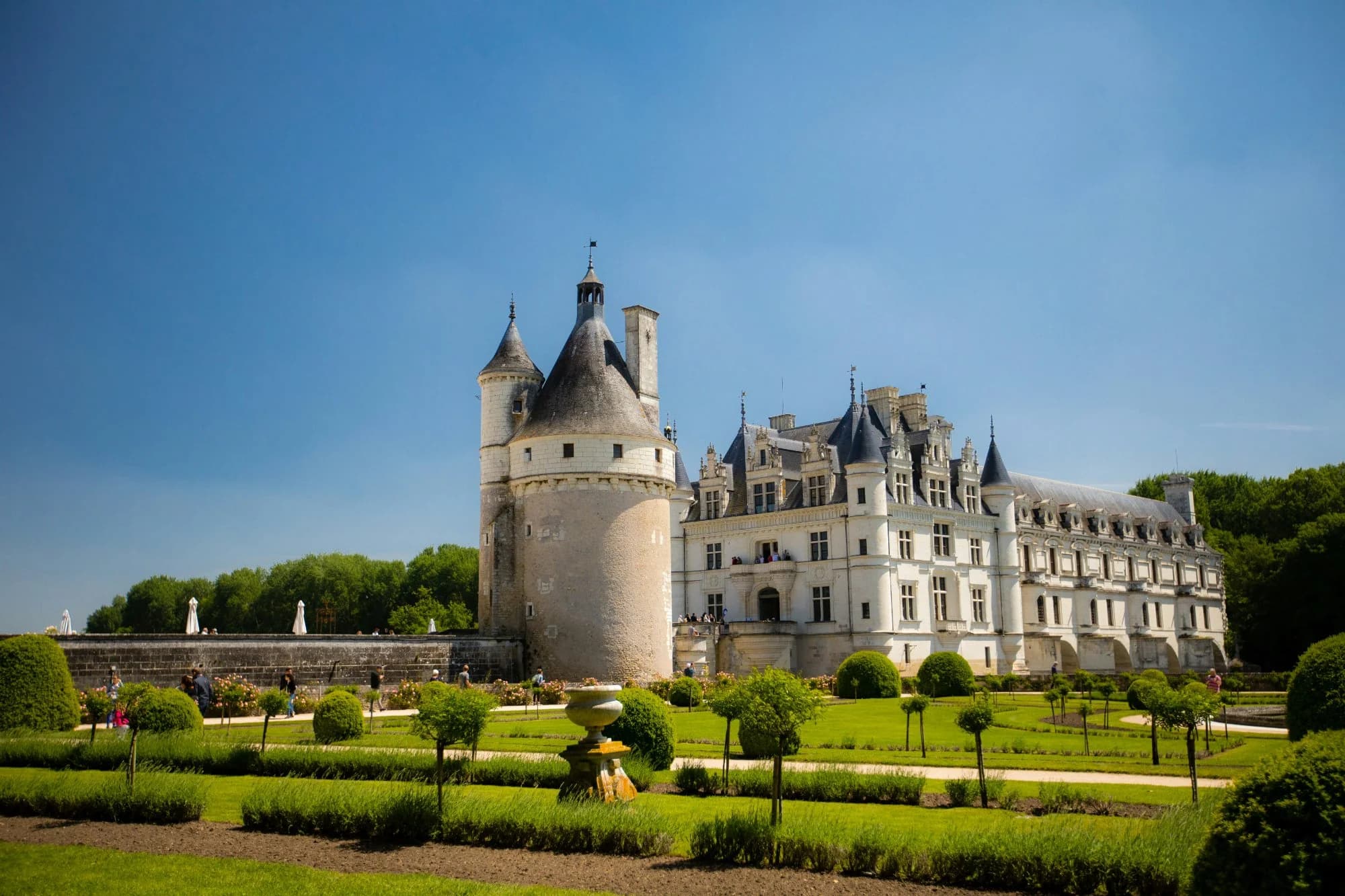
Loire Castles, France
7 hotels
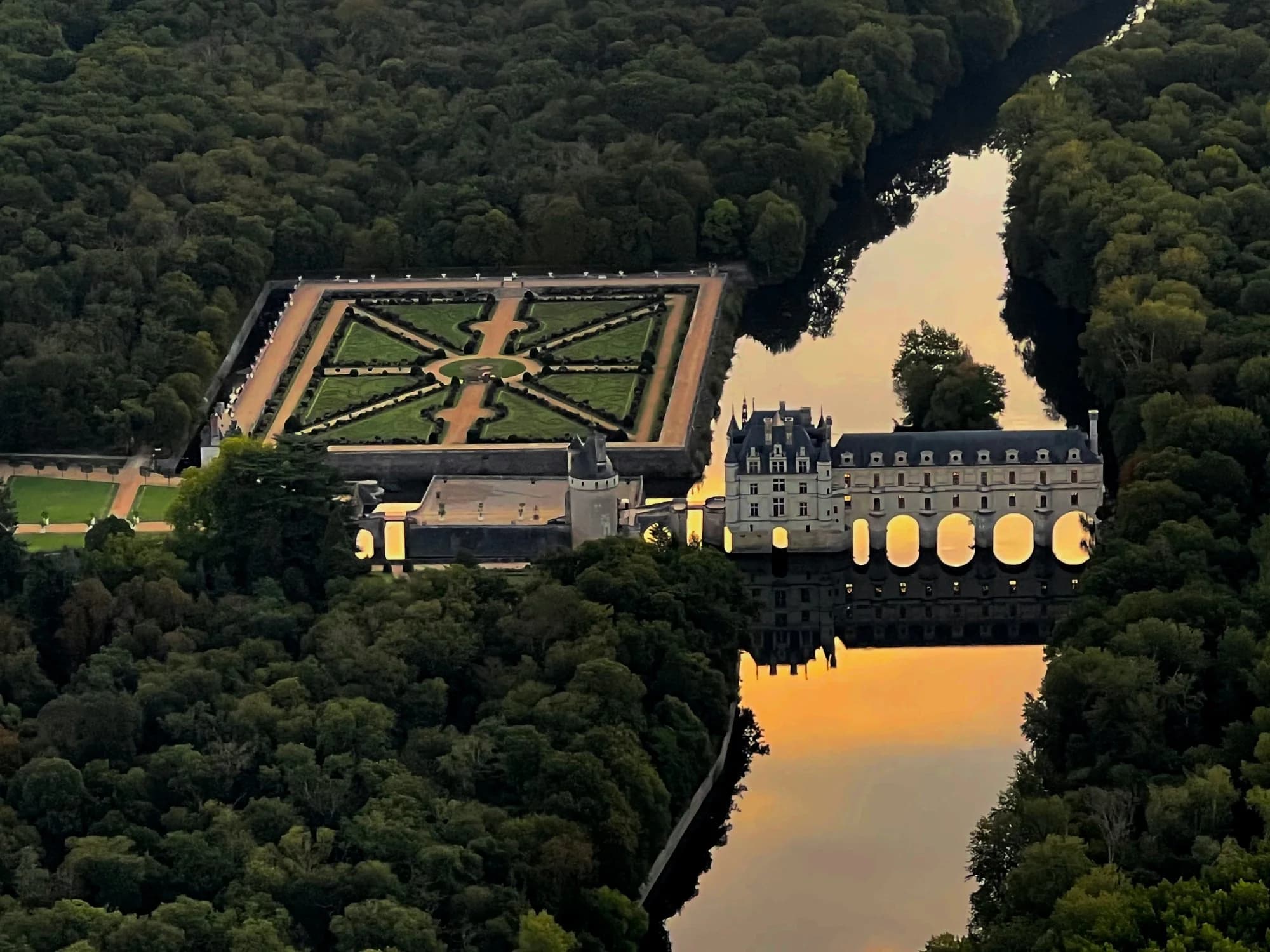
Loire Valley Region
8 hotels
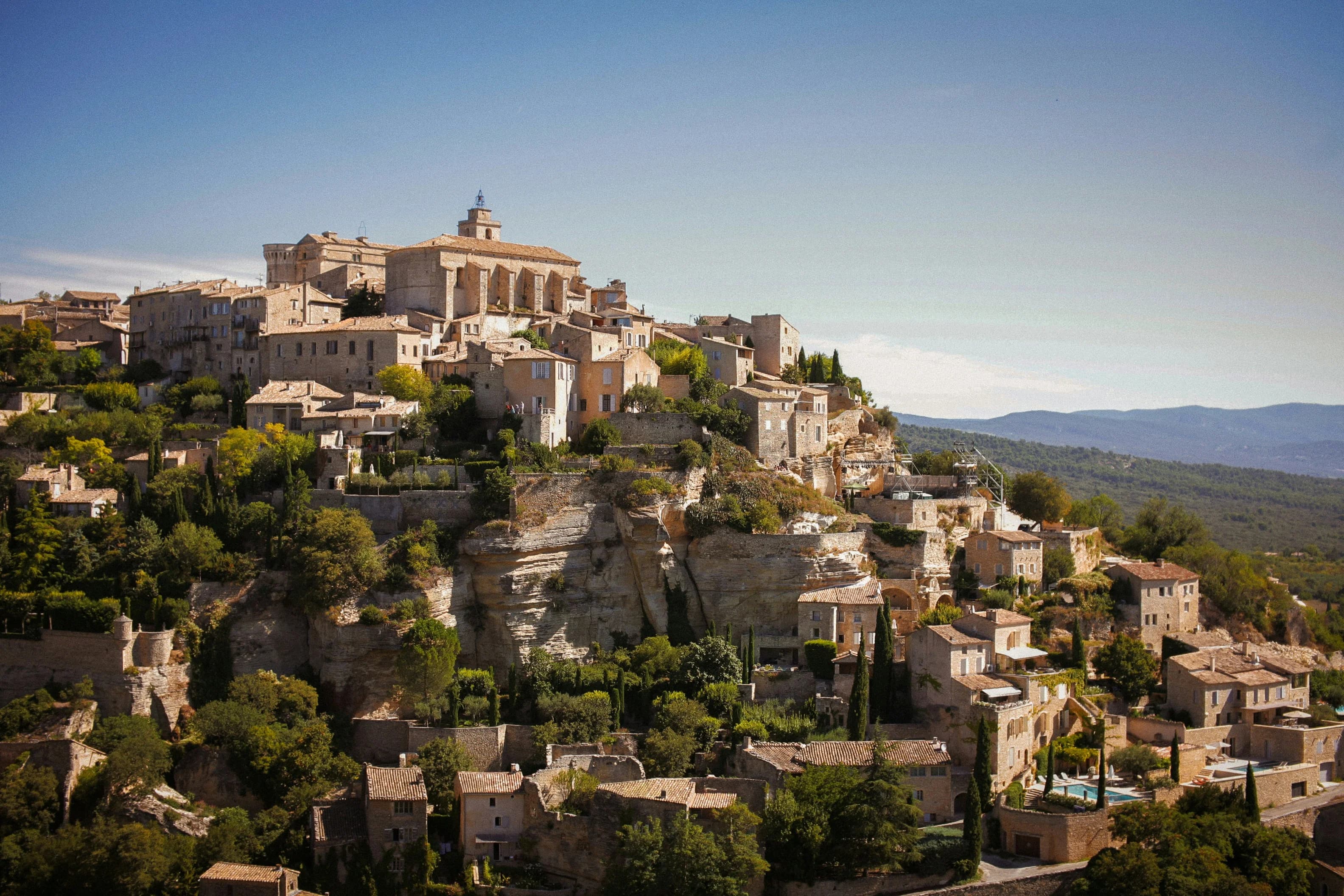
Luberon, Provence, France
13 hotels
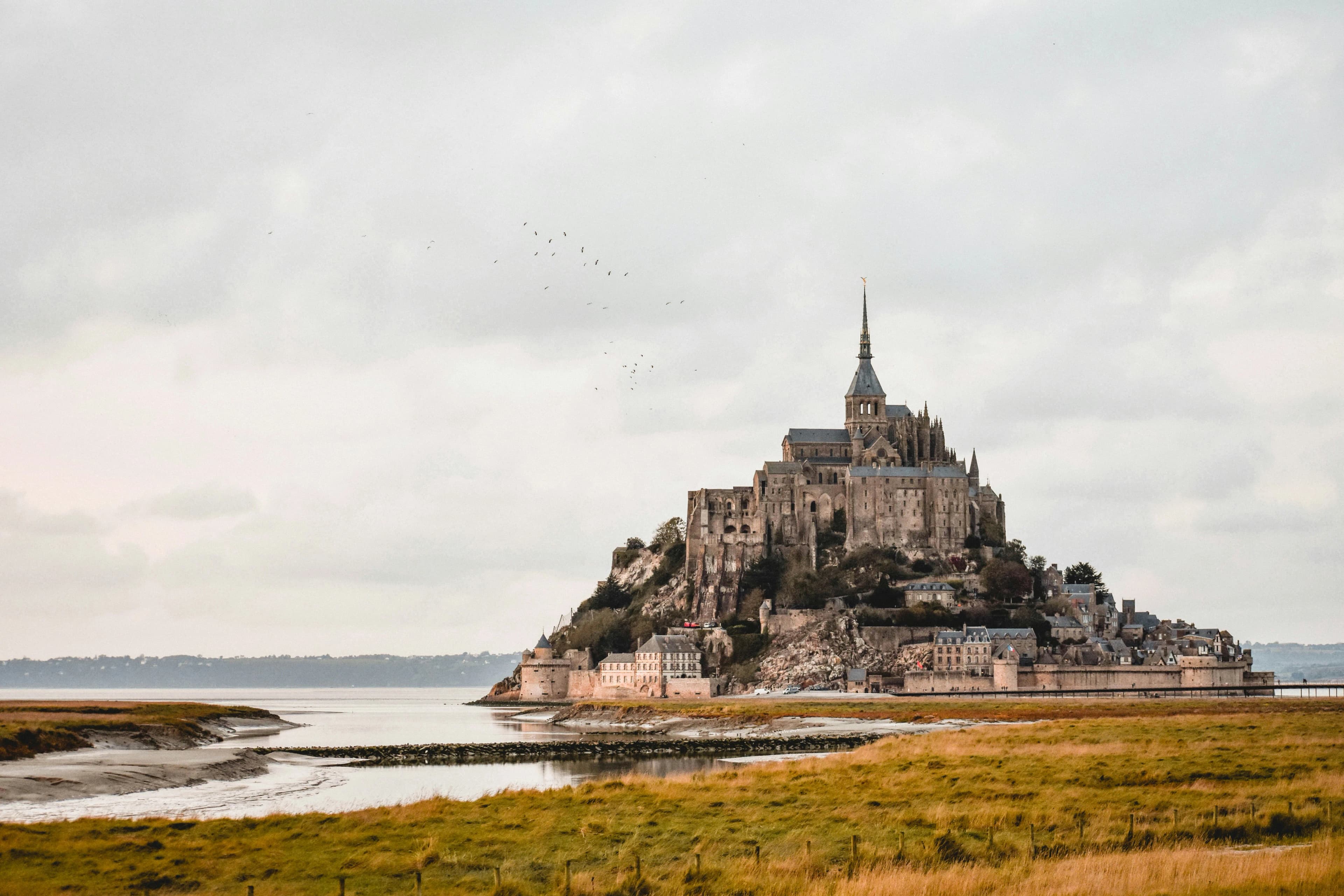
Mont Saint Michel, France
3 hotels
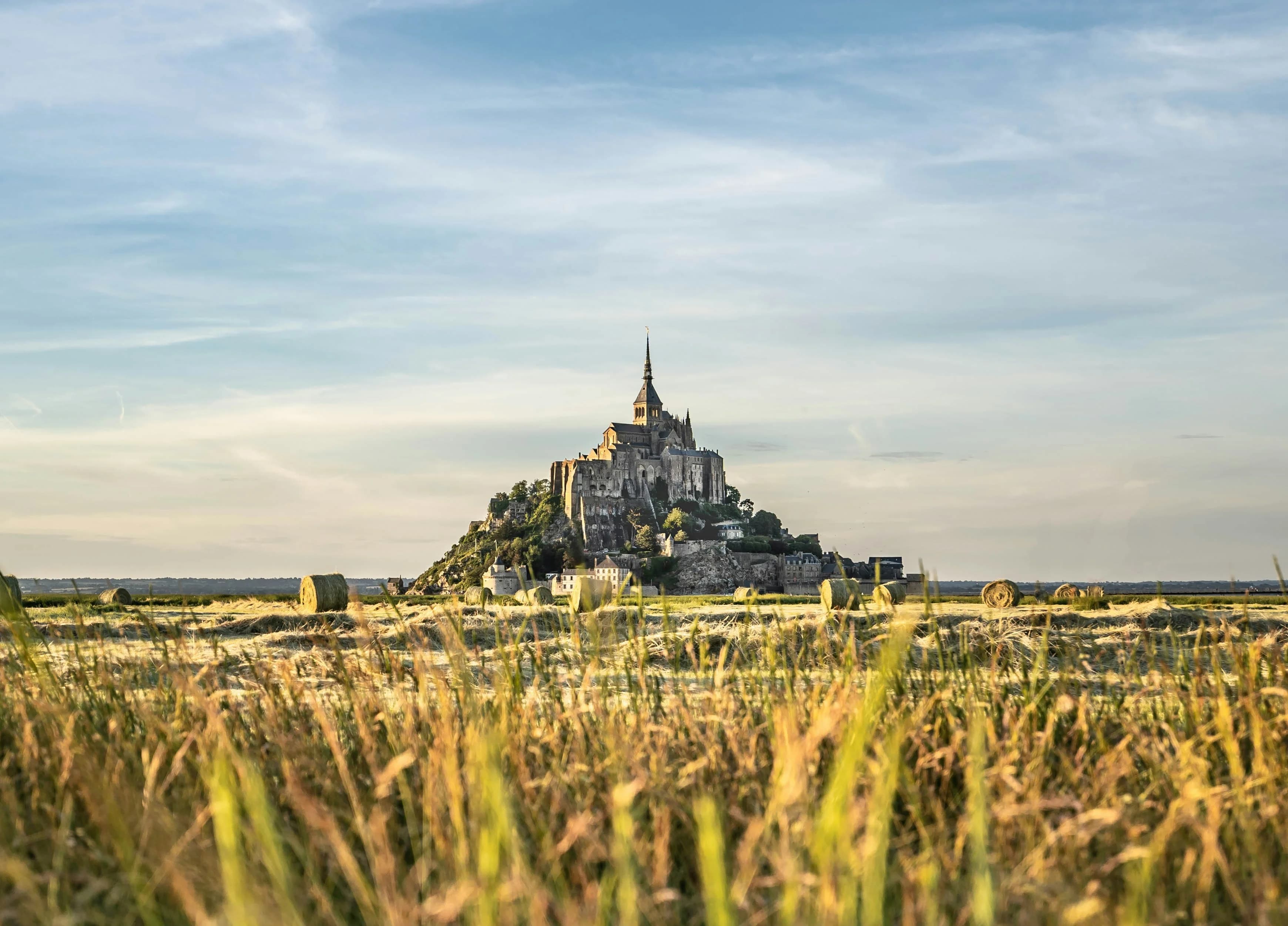
Normandy
31 hotels
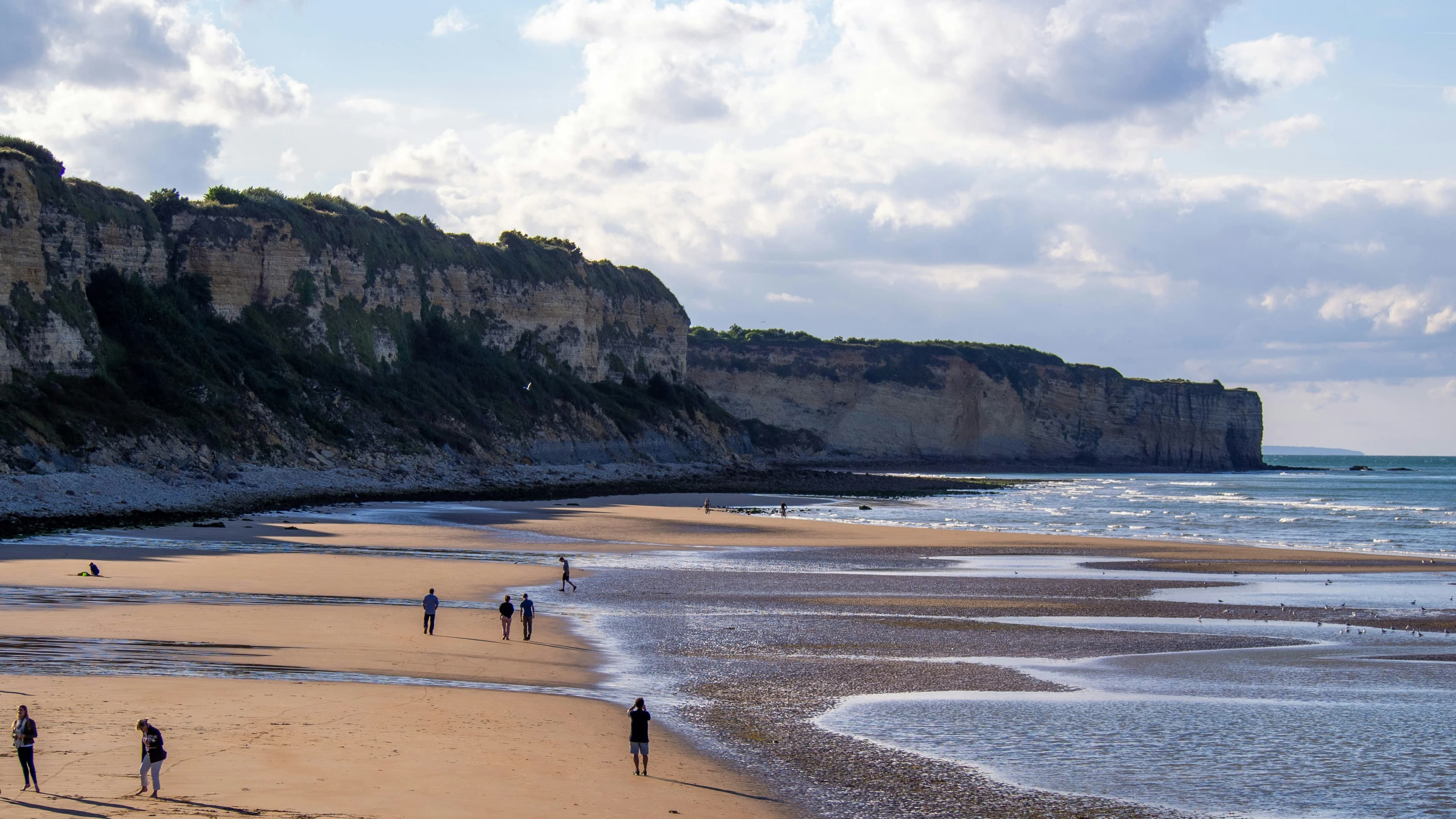
Normandy D-Day Beaches, France
16 hotels
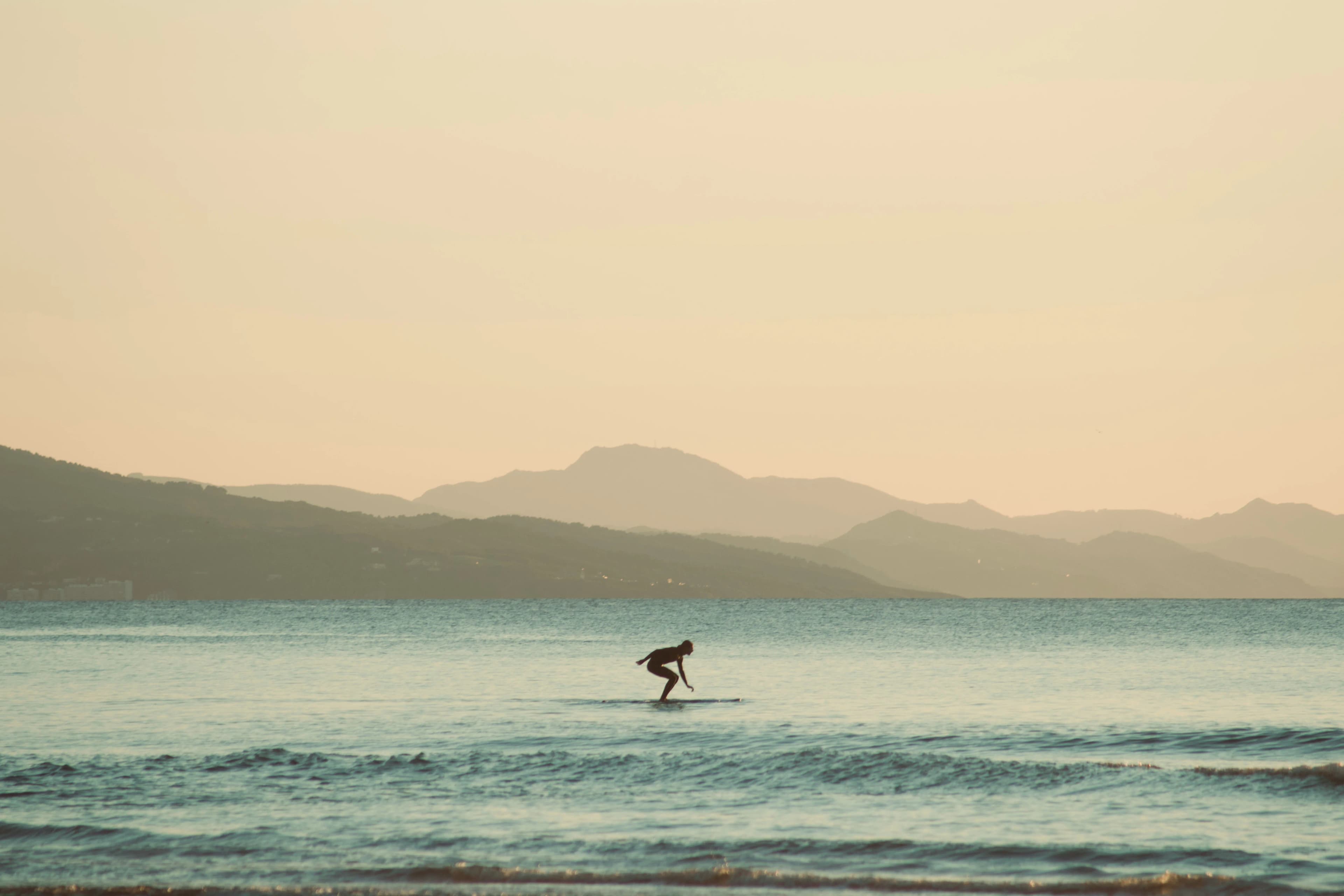
Nouvelle Aquitaine
59 hotels
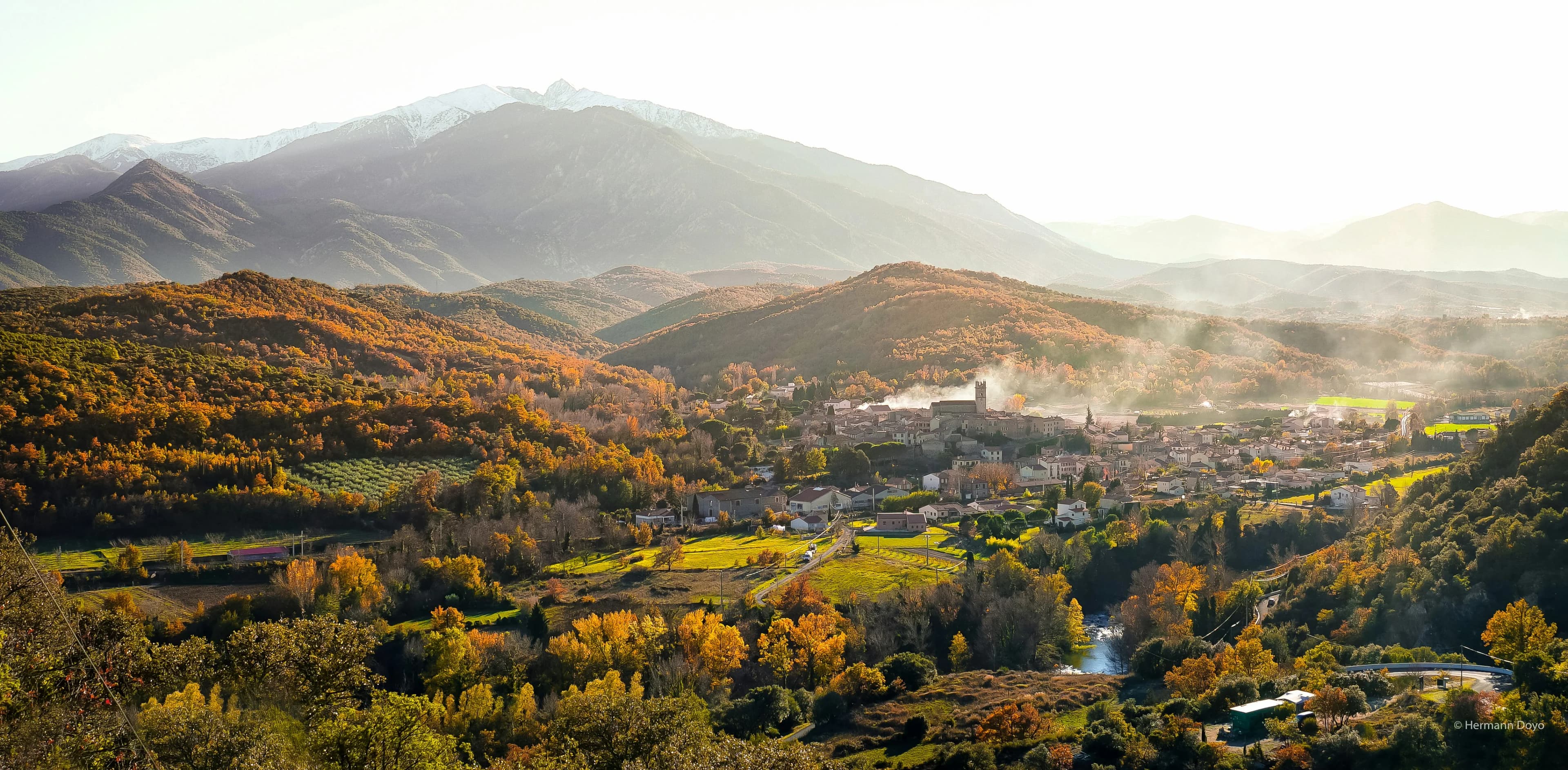
Occitania
27 hotels
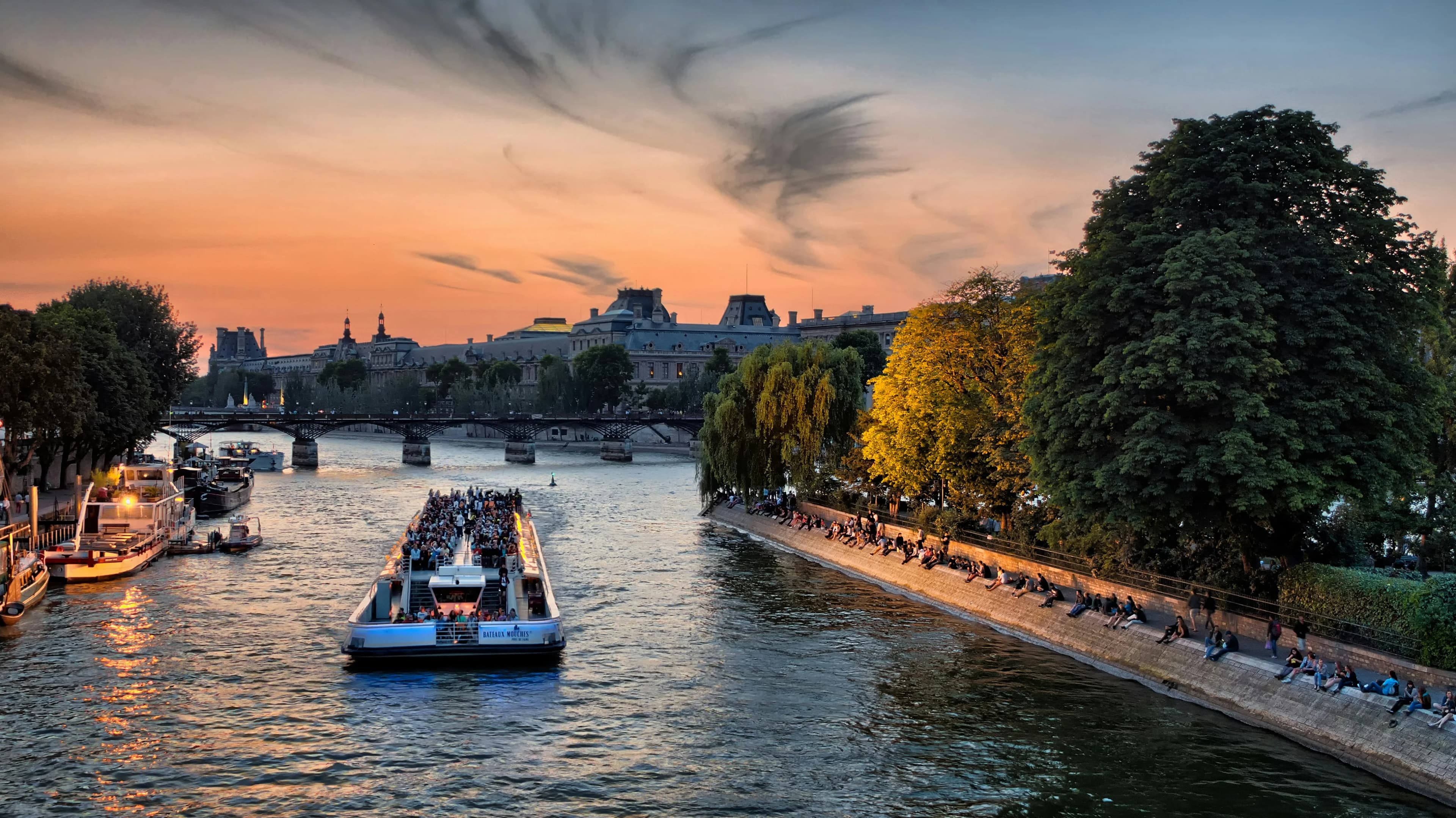
Paris
10 destinations / 135 hotels
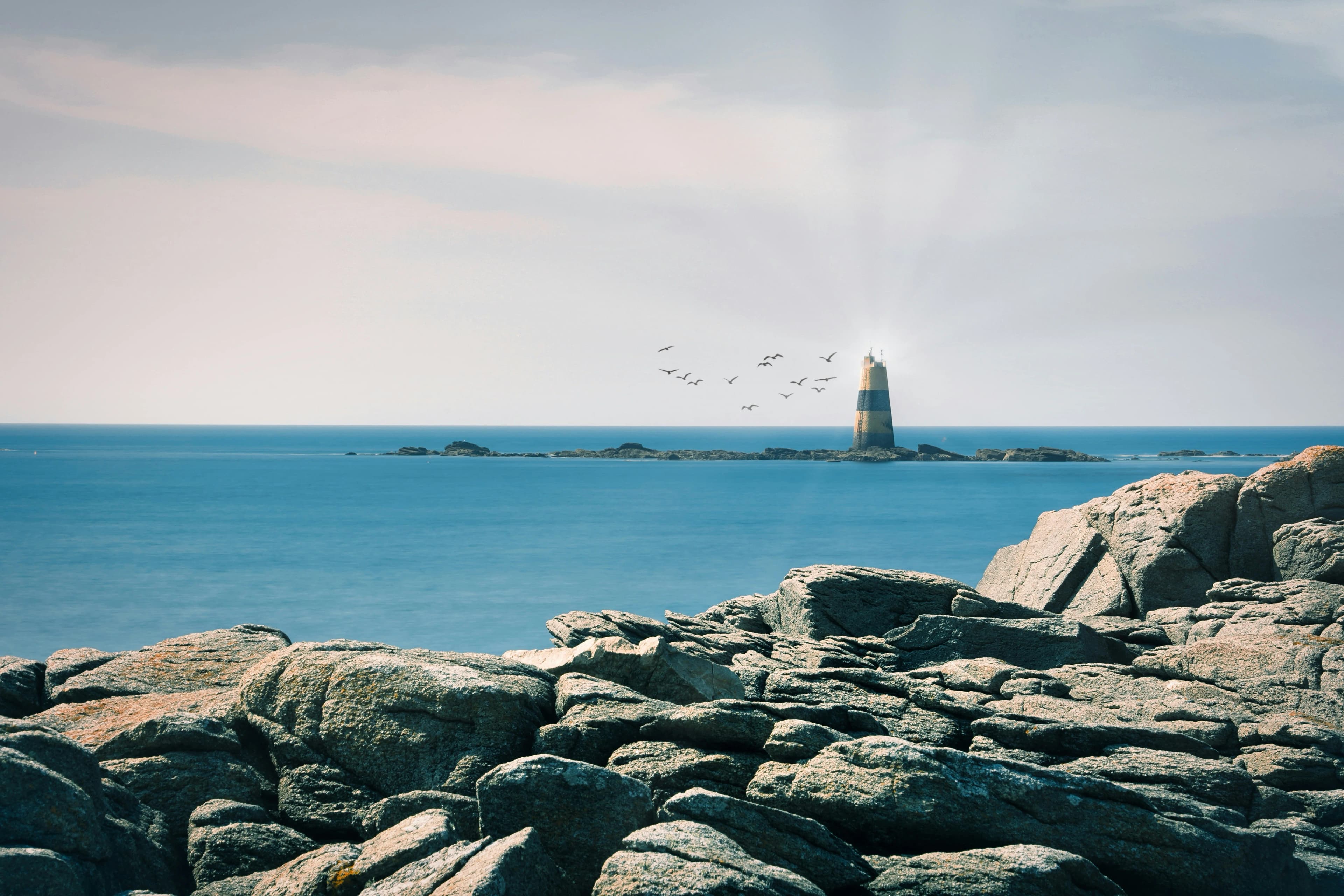
Pays de la Loire
16 hotels
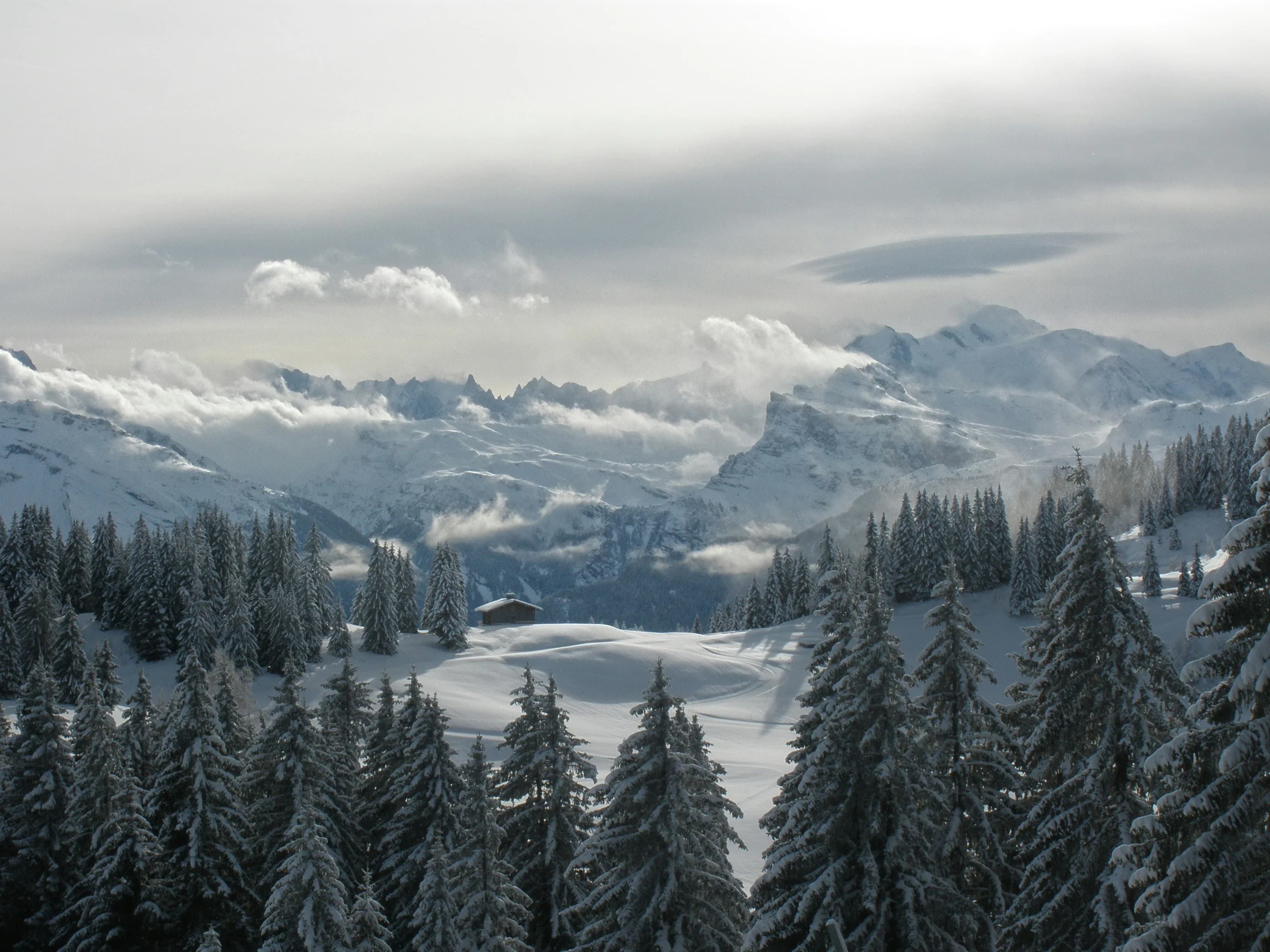
Portes du Soleil, France
9 hotels
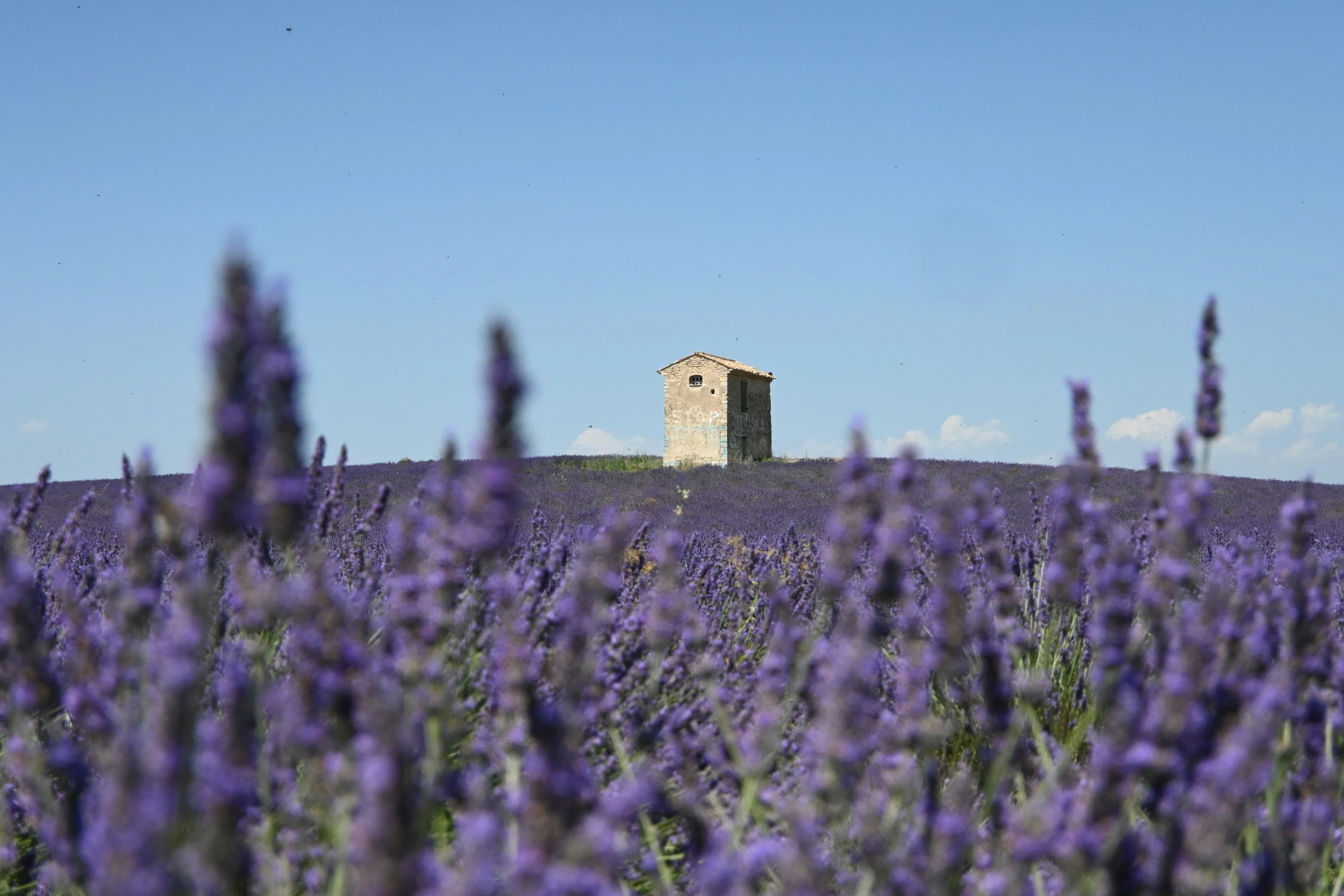
Provence
133 hotels
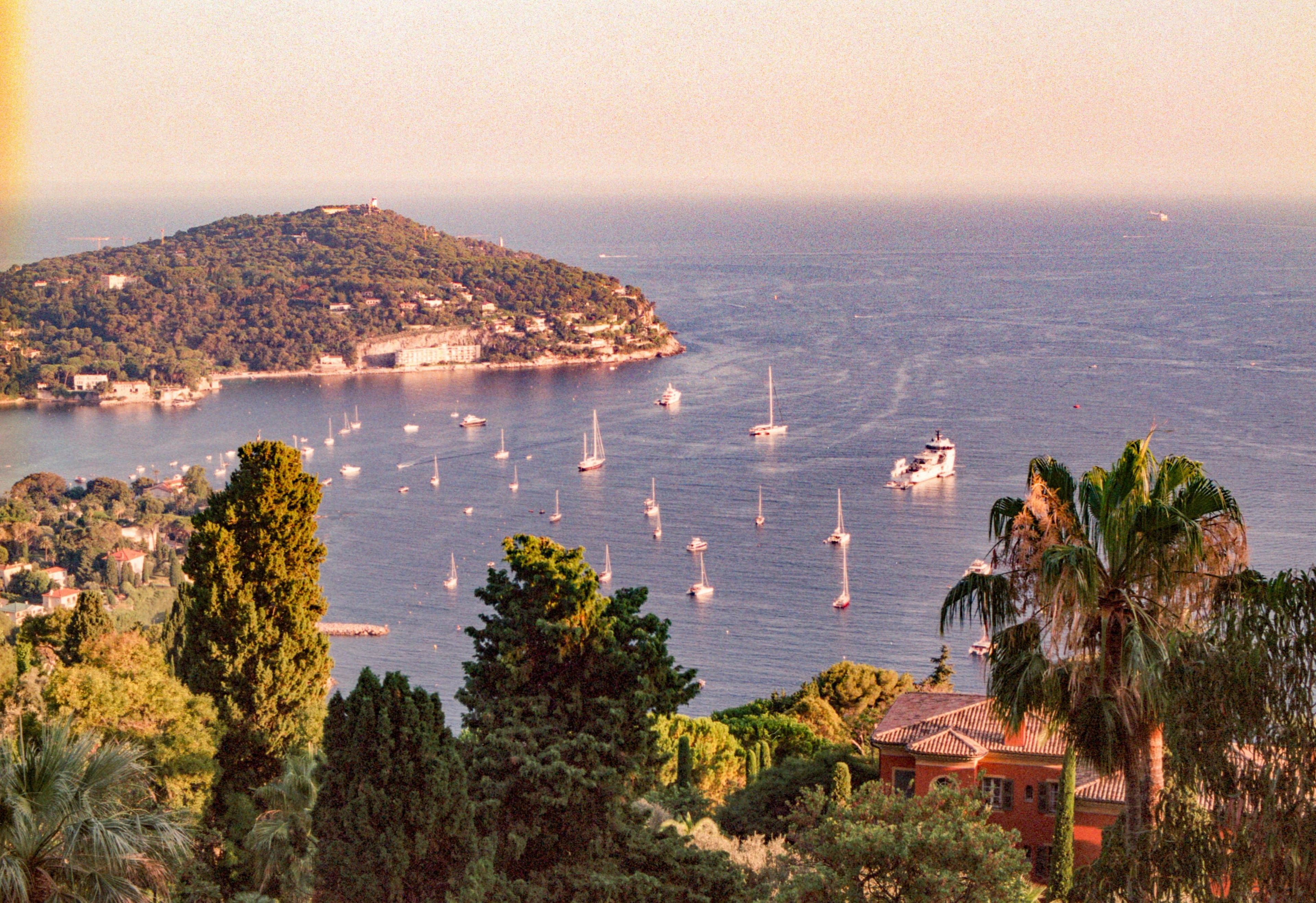
Provence-Alpes-Côte d'Azur
146 hotels
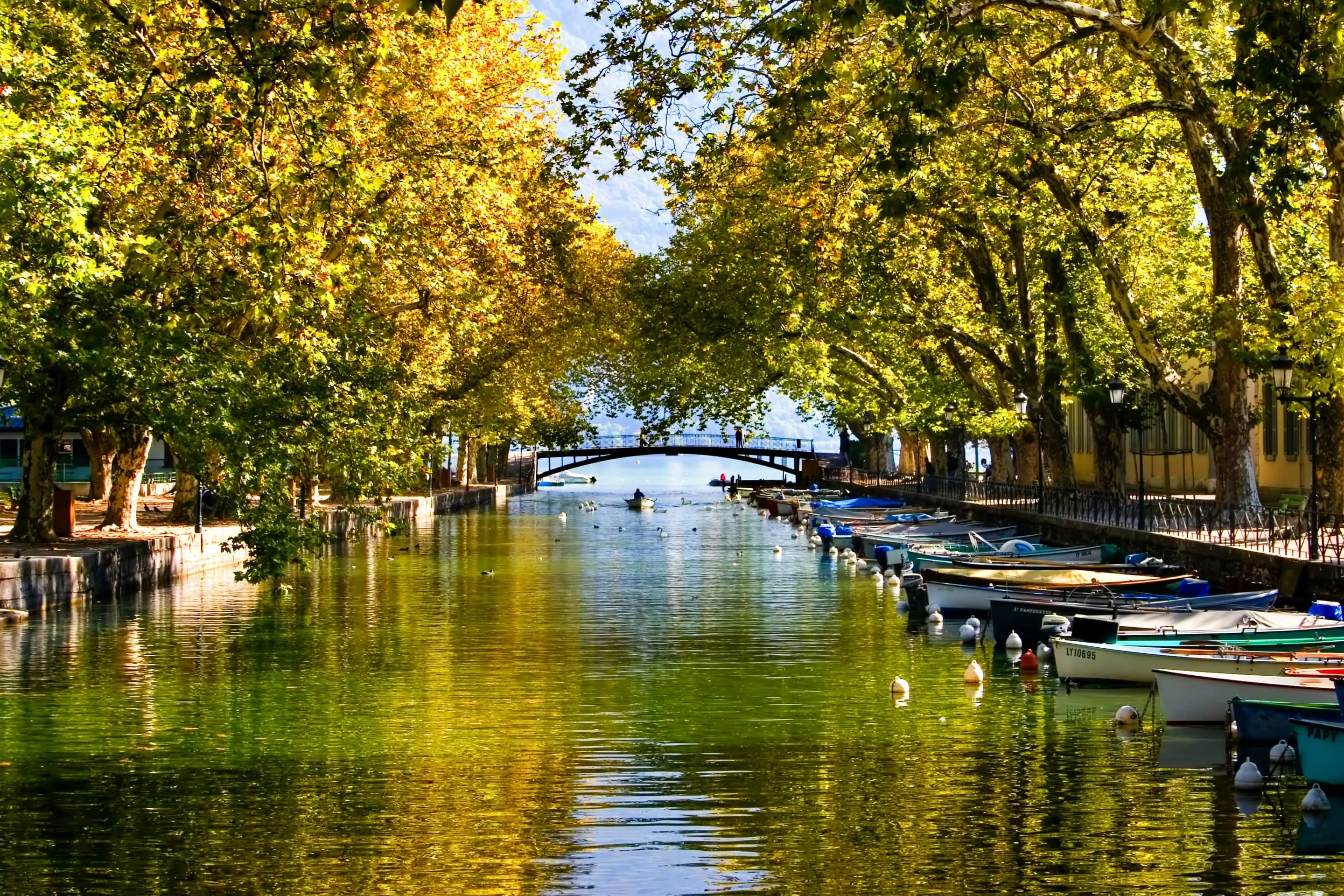
Rhône-Alpes
53 hotels
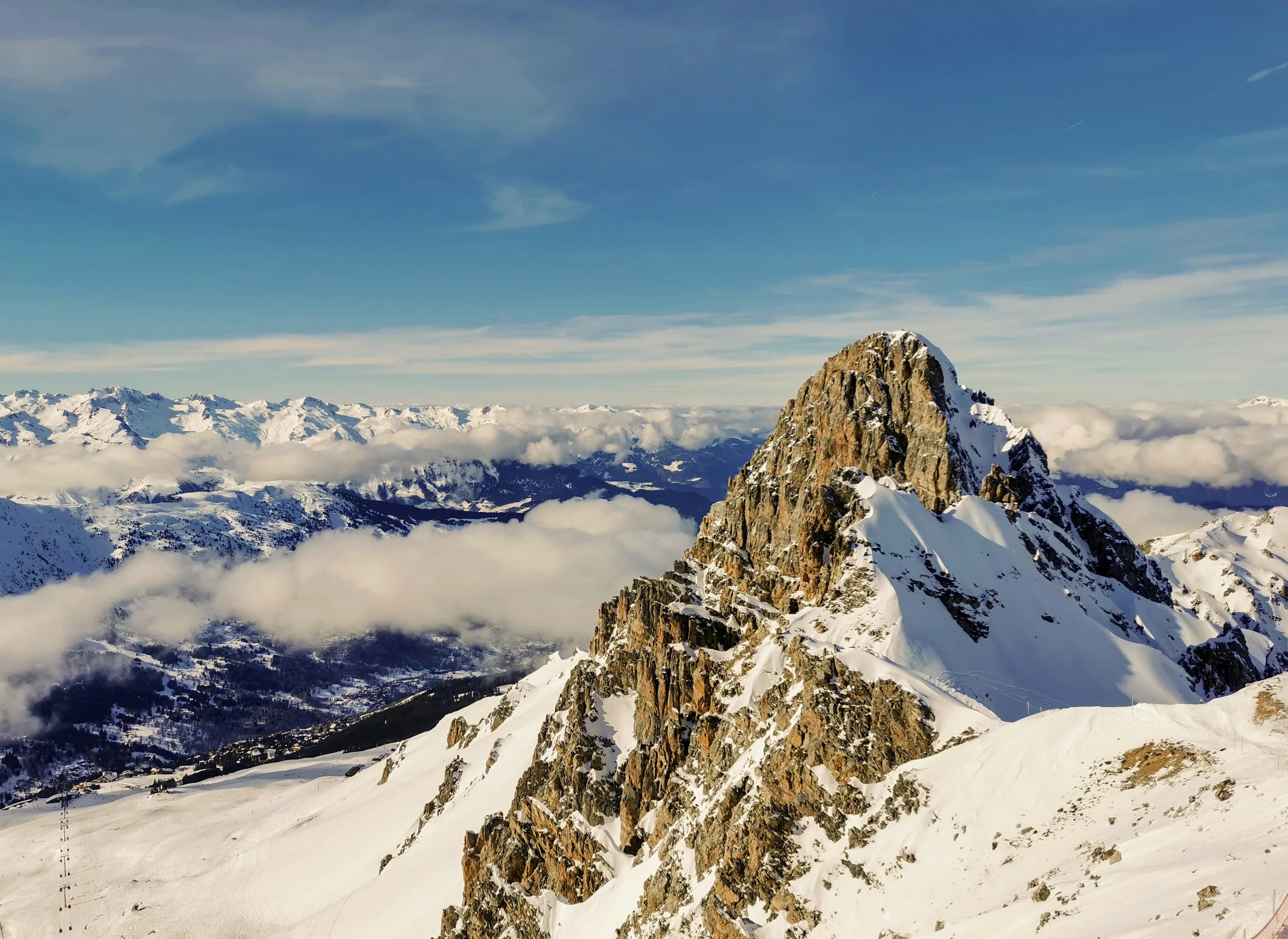
The 3 Valleys, France
15 hotels
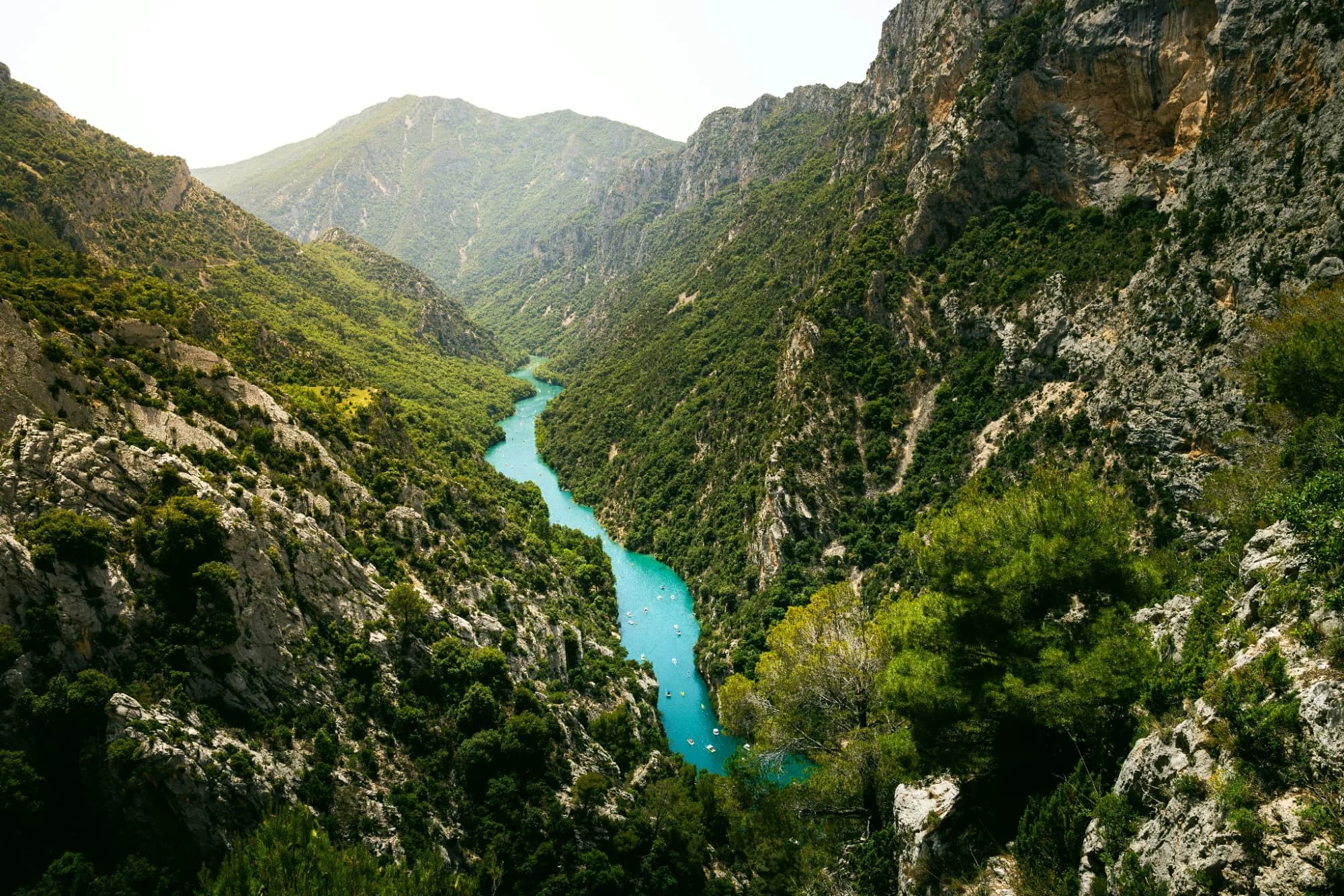
Verdon Gorge, France
2 hotels
Our latest articles about France

Suites at Fermes de Marie in Megève: The Savoyard Icon between Absolute Luxury and Authenticity
At the heart of Megève, Fermes de Marie embodies a singular vision of the Savoyard chalet: that of artisanal, discreet luxury, built on matter and craft. Patined wood, raw stone, hand-woven textiles: each suite is a setting designed for slowness. An immersive report on interior architecture that has redefined the exceptional Alpine stay.
BY Jules Peulet

Luxury suite with private jacuzzi near Paris: comparative guide for Île-de-France
Comparative guide to luxury suites with private jacuzzi in Paris and Île-de-France: objective criteria, neighborhoods to favor, comparative table, stay formats, occasions and budget.
BY Jules Peulet

Chamonix: Hotel Le Morgane Reopens Its Alpine Haven for Winter
Just steps from the Aiguille du Midi cable car, Hotel Le Morgane reclaims its place as a discreet benchmark in the heart of Chamonix each winter. Refined materials, direct views of Mont-Blanc and alpine atmosphere: this is what awaits the season's earliest arrivals.
BY Jules Peulet
Where to stay in France: distinct territories for suite travel
Paris and the Île-de-France
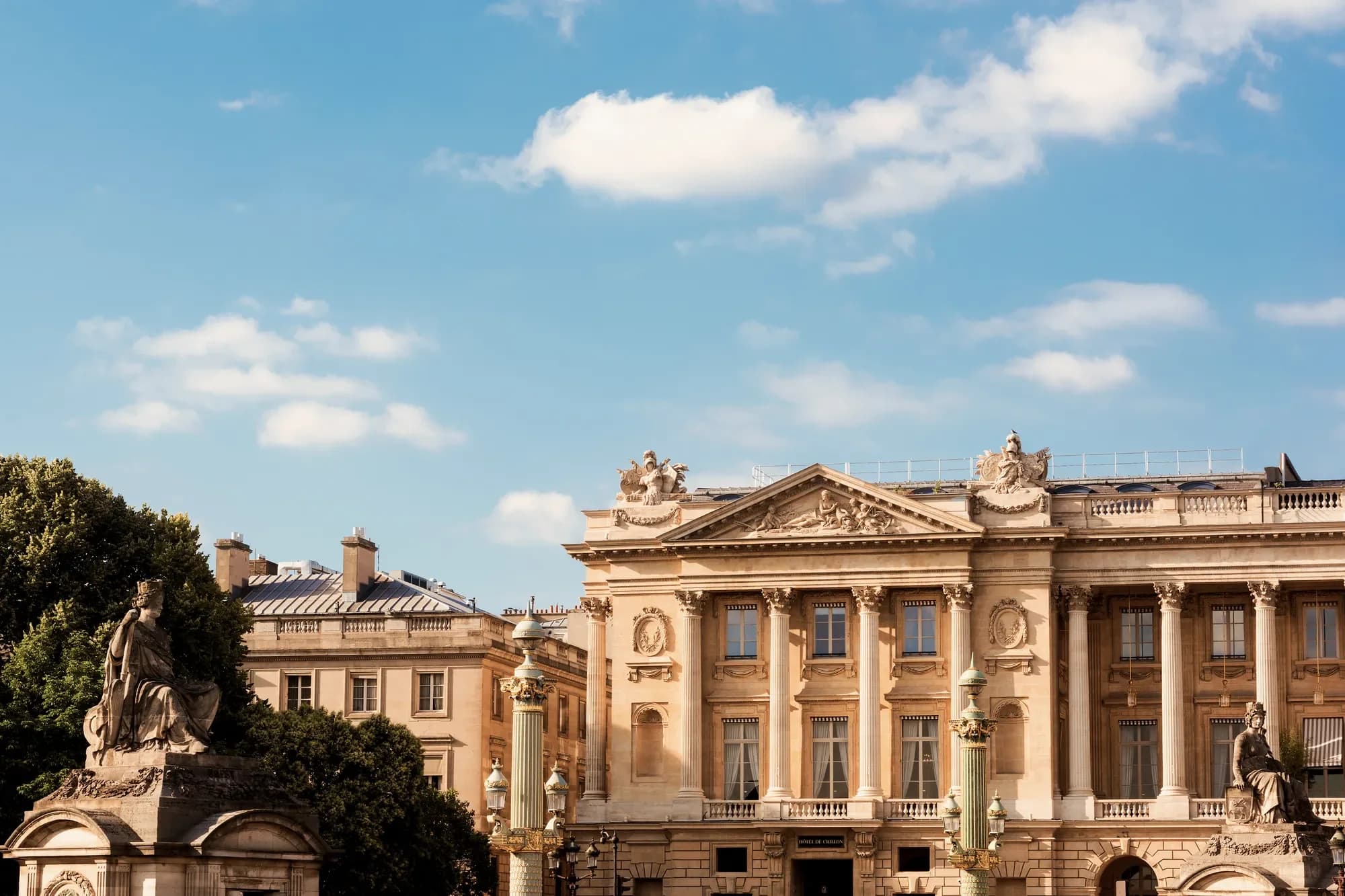
The capital concentrates the highest density of Palace-classified hotels in the world. Suites here tend toward the monumental: high ceilings, layered textiles, views framing either the Seine or the city's roofline geometry. The 1st, 7th, and 8th arrondissements anchor the traditional luxury circuit, though more architecturally considered addresses have emerged in less obvious neighborhoods. Paris rewards guests who treat the suite as a base for cultural consumption rather than a destination in itself.
Provence and the Côte d'Azur
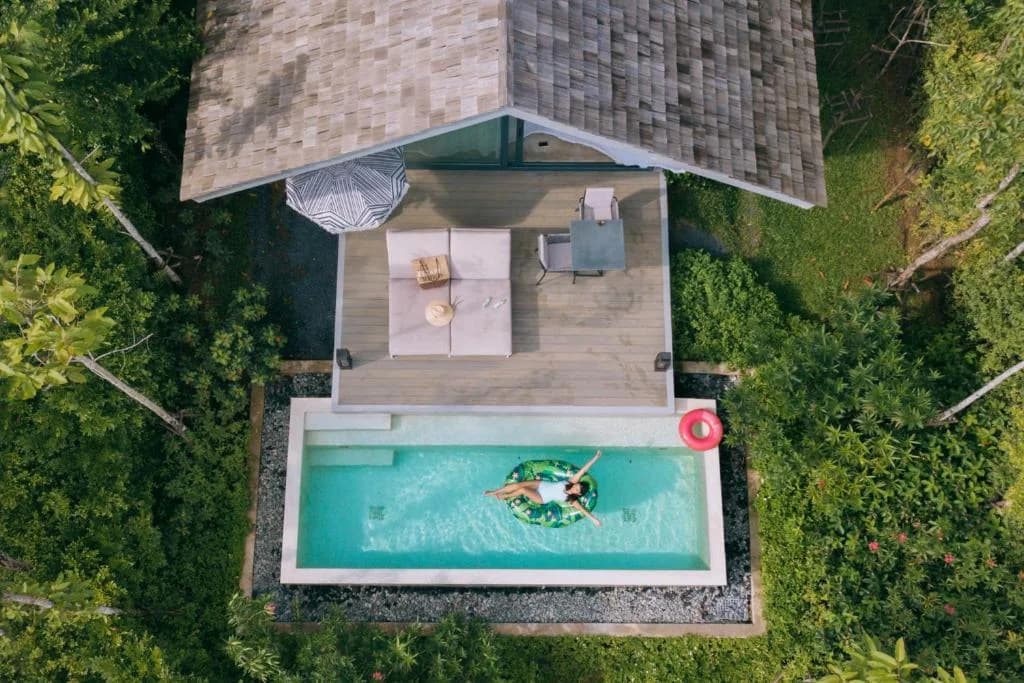
The south operates at a different register. Heat, light, and landscape take precedence. Suites in this corridor often occupy converted bastides or mas, with rooms oriented toward lavender fields, olive groves, or the Mediterranean coastline. The Luberon and Alpilles offer a more introverted luxury, centered on restraint and terrain. The Côte d'Azur, by contrast, carries an architectural legacy of Belle Époque grandeur, with properties that have been defining the French Riviera aesthetic since the nineteenth century.
The Loire Valley
This is France at its most formally beautiful. The Loire Valley's châteaux are not merely historic monuments but functioning luxury hotels of exceptional caliber. Staying within a classified château changes the spatial logic of a visit: the gardens, the cellars, the proportions of the rooms all operate as part of a continuous experience. For travelers interested in French Renaissance architecture and the country's wine heritage, this territory is without parallel.
Bordeaux and the Atlantic southwest
The Gironde and its surrounding wine appellations attract a quieter, more deliberate traveler. Suites here are frequently found within wine estates or converted merchant houses in the city's UNESCO-listed center. The region rewards those who understand that luxury in France is often expressed through restraint: a single exceptional product, a precisely calibrated space, a view that asks nothing of you.
The French Alps
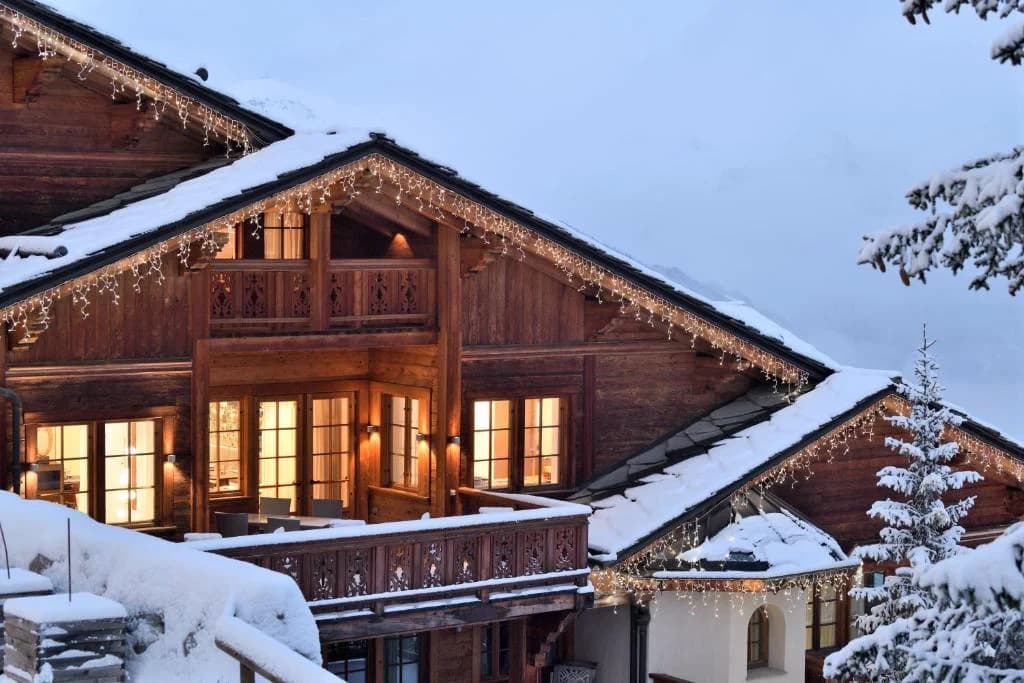
Mountain luxury in France is seasonal and specific. The highest-altitude resorts, particularly in the Savoie and Haute-Savoie, offer suites that combine chalet materiality (stone, timber, natural wool) with a level of service more commonly associated with urban palaces. The experience is architecturally coherent and physically demanding in the best sense: the landscape is the amenity.
When to visit France for a suite stay
France does not have a single correct season. The decision depends entirely on the region and the nature of the experience sought.
Paris is a year-round destination for suite travelers. January and February offer the city at its least crowded and most atmospheric. September and October bring fashion weeks, art fairs (FIAC, Paris+ par Art Basel), and a return to cultural rhythm after the summer pause. Spring, particularly April and May, remains the most consistently pleasant for outdoor movement between the city's arrondissements.
Provence is best approached between late May and early July, when lavender is in early bloom and the crowds of high summer have not yet arrived. August compresses the region and elevates rates significantly. September recovers much of the season's quality without the density.
The Loire Valley peaks in spring and early autumn. Summer heat can be oppressive in the valley, while October brings harvest season to the appellation vineyards, adding a specific texture to the experience.
The Alps divide cleanly between winter (December through March, centered on snow seasons) and summer (July through August, for hiking and altitude). Shoulder seasons offer lower occupancy and the opportunity to experience mountain properties in their most private state.
Understanding French luxury standards: the Palace label and beyond
France operates a formal classification system for its highest-tier hotels. The Palace distinction, awarded by Atout France (the national tourism development agency), sits above the five-star category and is granted to properties that meet criteria across heritage, service quality, architectural character, and the presence of exceptional spaces. As of the most recent review cycles, France counts fewer than thirty Palace-classified establishments, concentrated primarily in Paris, with a smaller number in the south and along the Atlantic coast.
This classification matters to suite travelers for a specific reason: it signals consistent service architecture. A Palace-level suite in France comes with an expectation of dedicated concierge support, gastronomic programming (frequently attached to Michelin-recognized restaurants within the property), and a level of spatial consideration that extends to the suite's layout, materials, and orientation.
Beyond the Palace category, France also produces a distinct typology of domain hotels: converted abbeys, wine estates, and historic maisons that carry no official Palace status but operate at an equivalent or superior level of singularity. These are the addresses that La Suite's curation is designed to surface.
How to choose the right suite in France
Several variables determine the quality of a suite stay in France, and they are not always legible from a property's marketing materials.
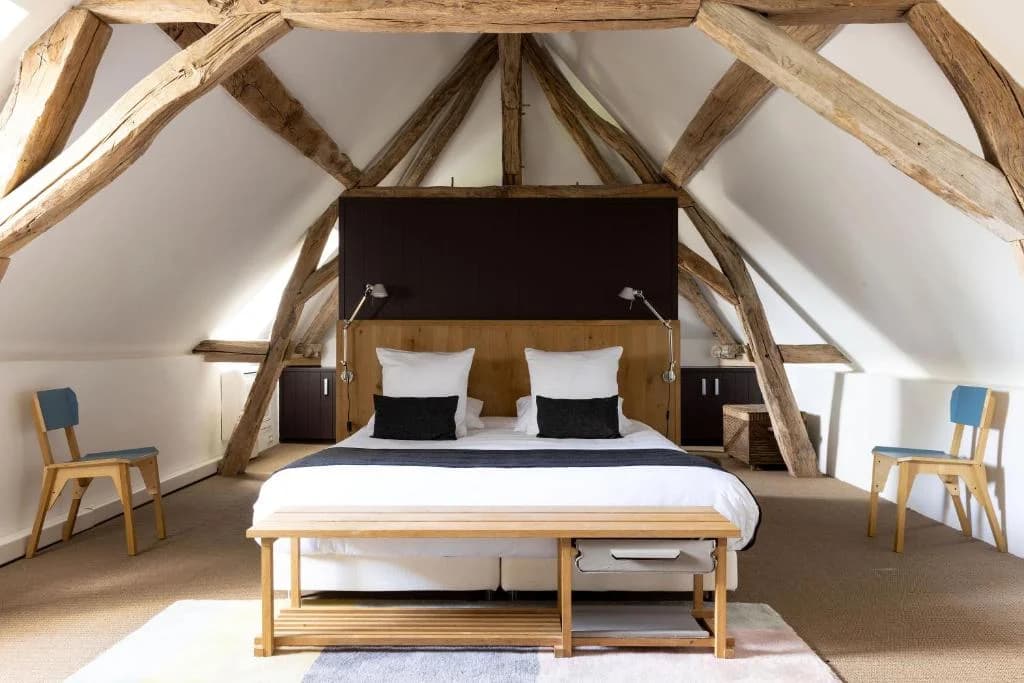
Architectural period matters. A suite in a nineteenth-century Haussmann building carries different spatial logic from one in a twentieth-century modernist conversion. Stone walls, original parquet, and period joinery are not merely aesthetic details. They affect the acoustic quality of the space, the quality of morning light, and the way the room ages within the building.
Orientation is equally decisive. In Paris, suites facing internal courtyards often offer more silence than those with street-facing views. In Provence, southern exposure is critical for light quality in winter but can produce uncomfortable heat in July. In mountain properties, east-facing rooms capture alpenglow at dawn rather than direct afternoon sun.
Service model deserves scrutiny. Some properties offer fully staffed suite-level concierge floors. Others integrate suite services within the general hotel operation. Neither model is inherently superior, but the distinction affects how requests are handled and how consistently the experience holds across multiple days.
Finally, proximity to the property's gastronomic programming is a practical consideration. In France, where the chef's table and the wine cellar are frequently as architecturally significant as the suite itself, the relationship between the two should be part of the selection logic.
Why curation matters in France specifically
France presents a paradox for the high-end traveler. It is simultaneously the most documented luxury destination on the planet and one of the most difficult to navigate with precision. The volume of properties claiming premium positioning, the complexity of the Palace classification system, and the significant variance in quality within any single category make independent research an inefficient process.
La Suite's selection of nine properties in France is not a directory. It is an editorial position. Each address has been assessed against criteria of spatial quality, architectural character, and the specificity of the experience it delivers. The curation is designed to remove the cost of a misjudged booking and to place the traveler immediately at the level of the destination's best expression.
For a country where the difference between an exceptional suite and a merely expensive room can be invisible on paper, a curated selection by La Suite is the most reliable entry point.
Frequently asked questions
What is the Palace classification for luxury hotels in France?
The Palace distinction is an official label awarded by Atout France, the national tourism agency, to hotels that exceed the five-star standard across criteria including architectural heritage, service quality, and the presence of exceptional spaces such as suites and restaurants. Fewer than thirty properties in France currently hold this classification. It is the most reliable formal indicator of top-tier suite quality in the country.
Which regions of France offer the best luxury hotel suites?
Paris concentrates the highest number of Palace-classified properties and offers suites of exceptional architectural weight. Provence and the Côte d'Azur provide a contrasting register, with converted bastides and Belle Époque coastal properties. The Loire Valley offers château stays of rare historic depth, while Bordeaux and the French Alps each present distinct luxury typologies suited to wine-focused and mountain-oriented travel respectively.
When is the best time to book a luxury suite in France?
The answer depends on the region. Paris performs consistently year-round, with September through October particularly strong for cultural programming. Provence is best approached in late May through June or in September. The Loire Valley peaks in spring and early autumn, and Alpine properties divide between winter ski season and the July to August summer season.
What should I look for when choosing a luxury suite in France?
Architectural period, room orientation, and service model are the three most decisive variables. Period joinery, original parquet, and stone construction affect acoustics and light quality in ways that modern finishes do not replicate. Orientation determines both light quality and noise levels. The service model, whether dedicated suite-floor concierge or integrated hotel service, determines the consistency of the experience across a multi-night stay.
How does a luxury suite stay in Paris differ from one in Provence?
Paris suites operate within an urban architectural logic: high ceilings, formal proportions, and proximity to cultural institutions define the experience. Provence inverts these priorities. Space opens outward to landscape, pace slows, and the suite functions as a point of retreat rather than a base for movement. The two experiences are complementary rather than comparable, and the choice should be made based on the type of engagement the traveler is seeking.
Are there luxury hotel suites in France that are not in Palace-classified properties?
Yes, and they frequently represent the most singular experiences available. Converted abbeys, wine domain estates, historic maisons, and classified châteaux often operate at a level of architectural character and personal service that rivals or exceeds Palace properties, without carrying the formal designation. La Suite's curation is specifically designed to identify these addresses alongside the recognized Palace-tier options.
What is the average stay length for luxury suite travelers in France?
Most high-end travelers staying in suites in France book between three and seven nights per property, often combining two distinct regions in a single trip. Paris typically anchors a stay of three to four nights, with a secondary destination such as Provence or the Loire Valley adding two to four additional nights. Longer stays of seven nights or more are more common in domain or château properties where the estate itself is the primary experience.
Do luxury suites in France typically include access to fine dining on-site?
At the Palace level and within the highest-tier domain properties, gastronomic programming is generally integral to the property's identity. Many of France's top-tier hotel suites are connected to restaurants holding one or more Michelin stars. This relationship between suite accommodation and culinary experience is a specific feature of the French luxury hotel model and is worth factoring into the selection process.
How far in advance should I book a luxury suite in France?
For Palace-classified properties in Paris during high-demand periods (fashion weeks, major art fairs, summer), three to six months in advance is a practical minimum for the best suite categories. Château and domain properties in the Loire Valley or Provence, which operate with smaller room counts, are often fully reserved four to eight months ahead for peak summer weeks. Shoulder-season availability is generally more accessible, though the most architecturally significant suites book quickly regardless of timing.
Why use La Suite to find luxury hotel suites in France rather than a general booking platform?
General booking platforms aggregate volume without editorial discrimination. In France, where the difference between an exceptional suite and an overpriced standard room can be invisible in a listing, curation is a functional advantage rather than a luxury in itself. La Suite selects properties based on spatial quality, architectural character, and experiential specificity, removing the research cost and the risk of a misjudged booking in one of the world's most densely marketed luxury destinations.