

United States
Hotels with luxury suites in the United States
The United States is continental in scale, and its luxury hotel geography reflects that range. Each region operates according to its own aesthetic codes and hospitality traditions, making the choice of location as deliberate as the choice of property.

Alabama
27 hotels
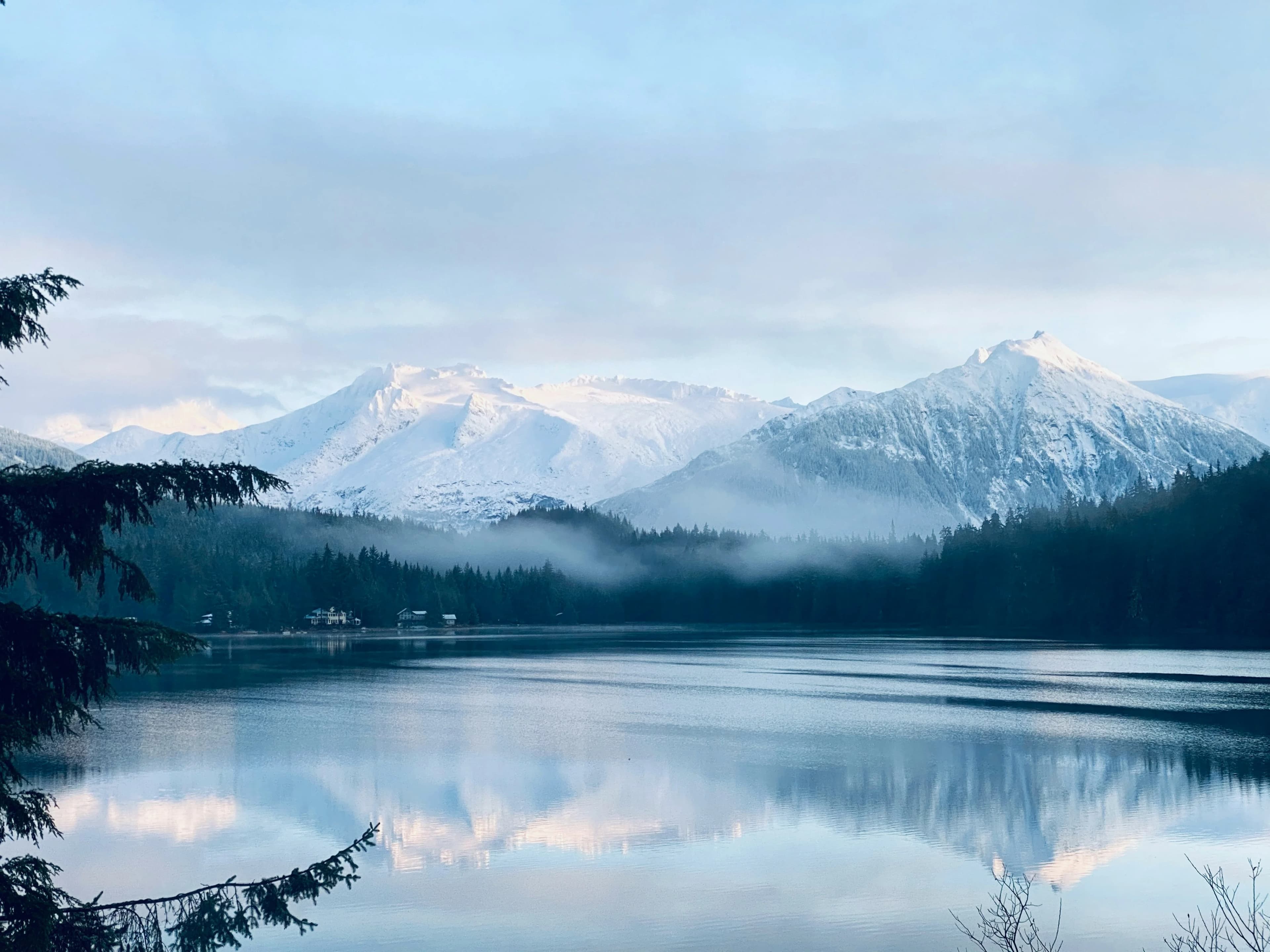
Alaska
7 hotels
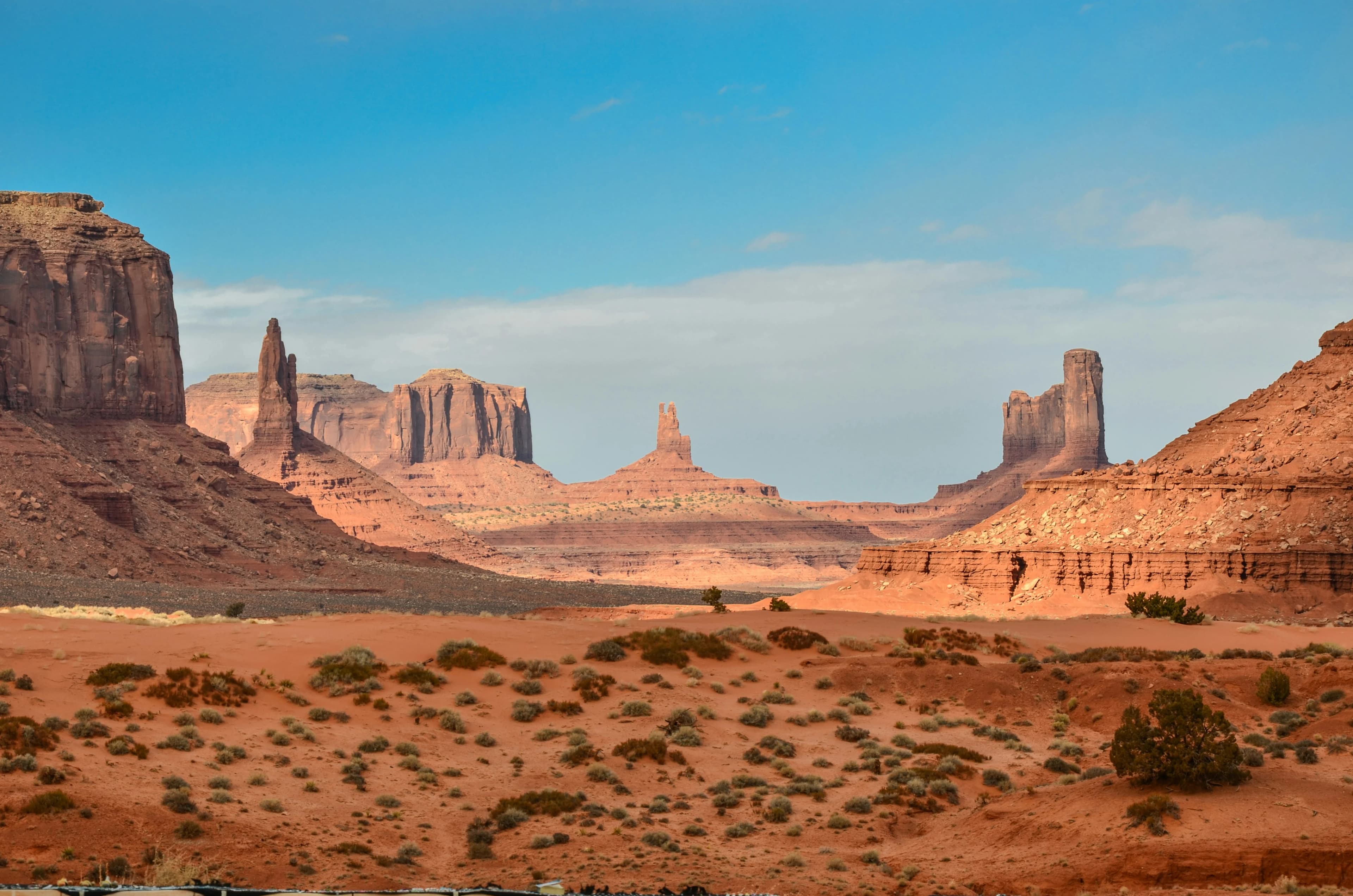
Arizona
54 hotels
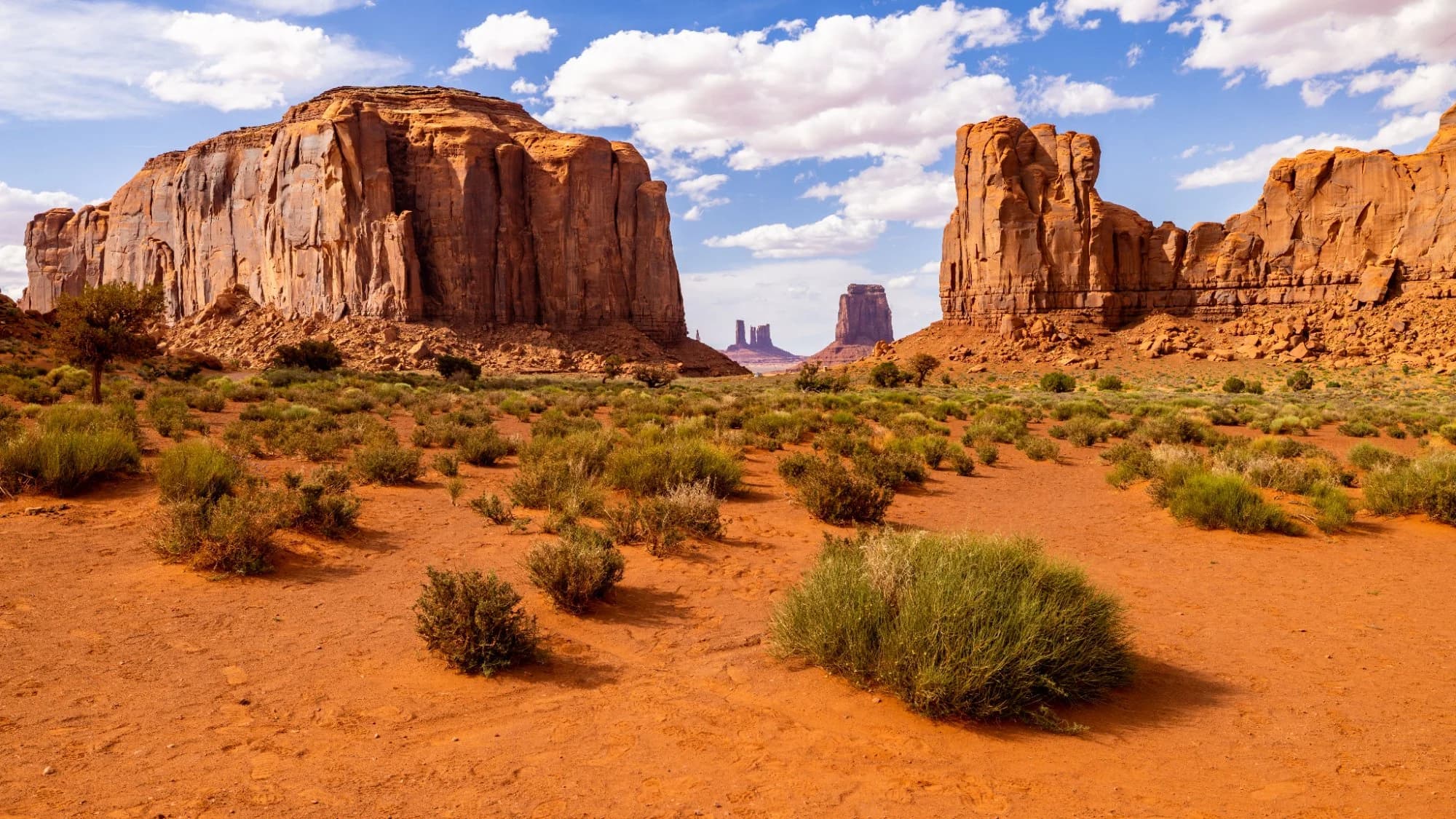
Arizona desert, United States
43 hotels
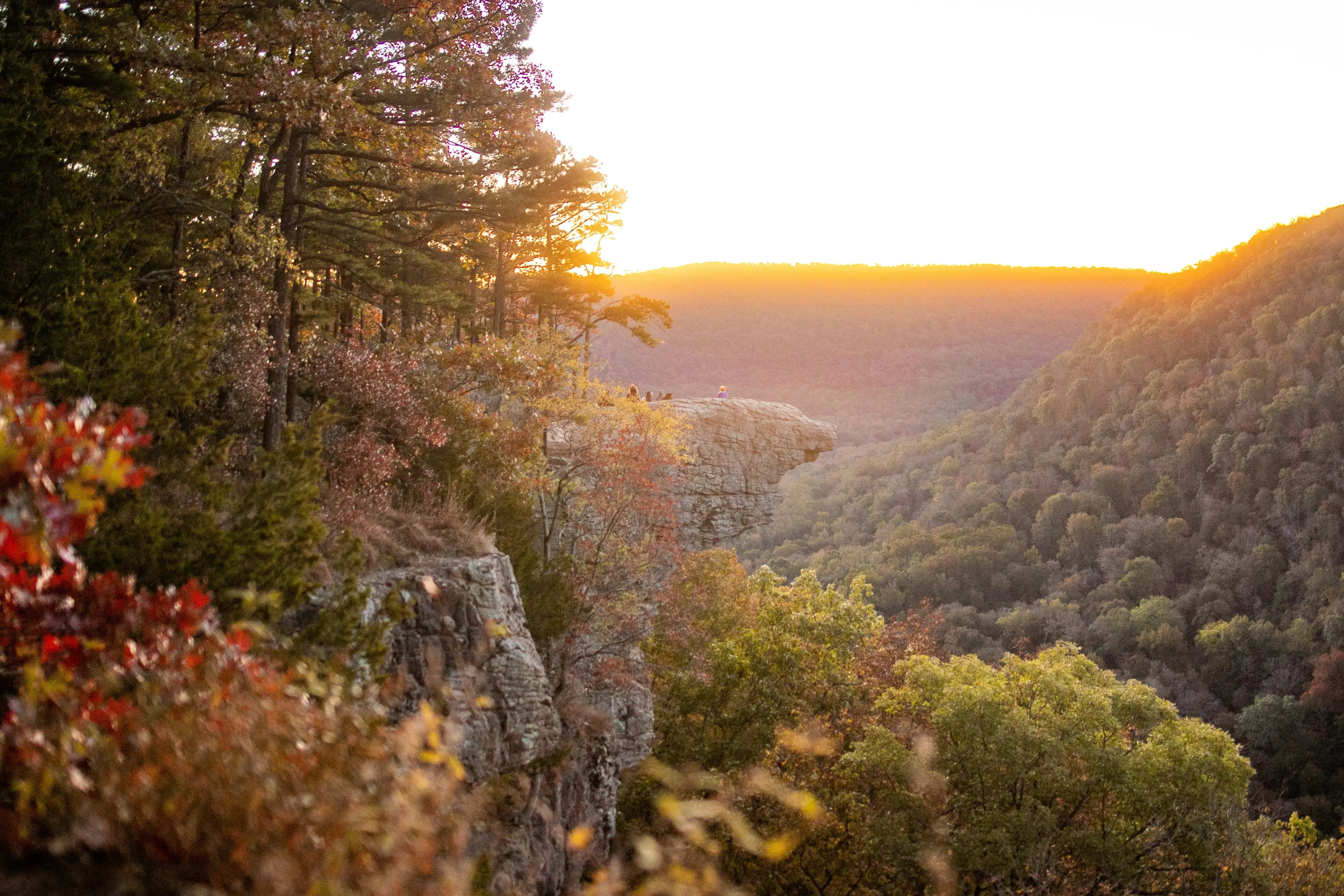
Arkansas
9 hotels

Big Sur & Monterey Peninsula, United States
11 hotels

California
279 hotels
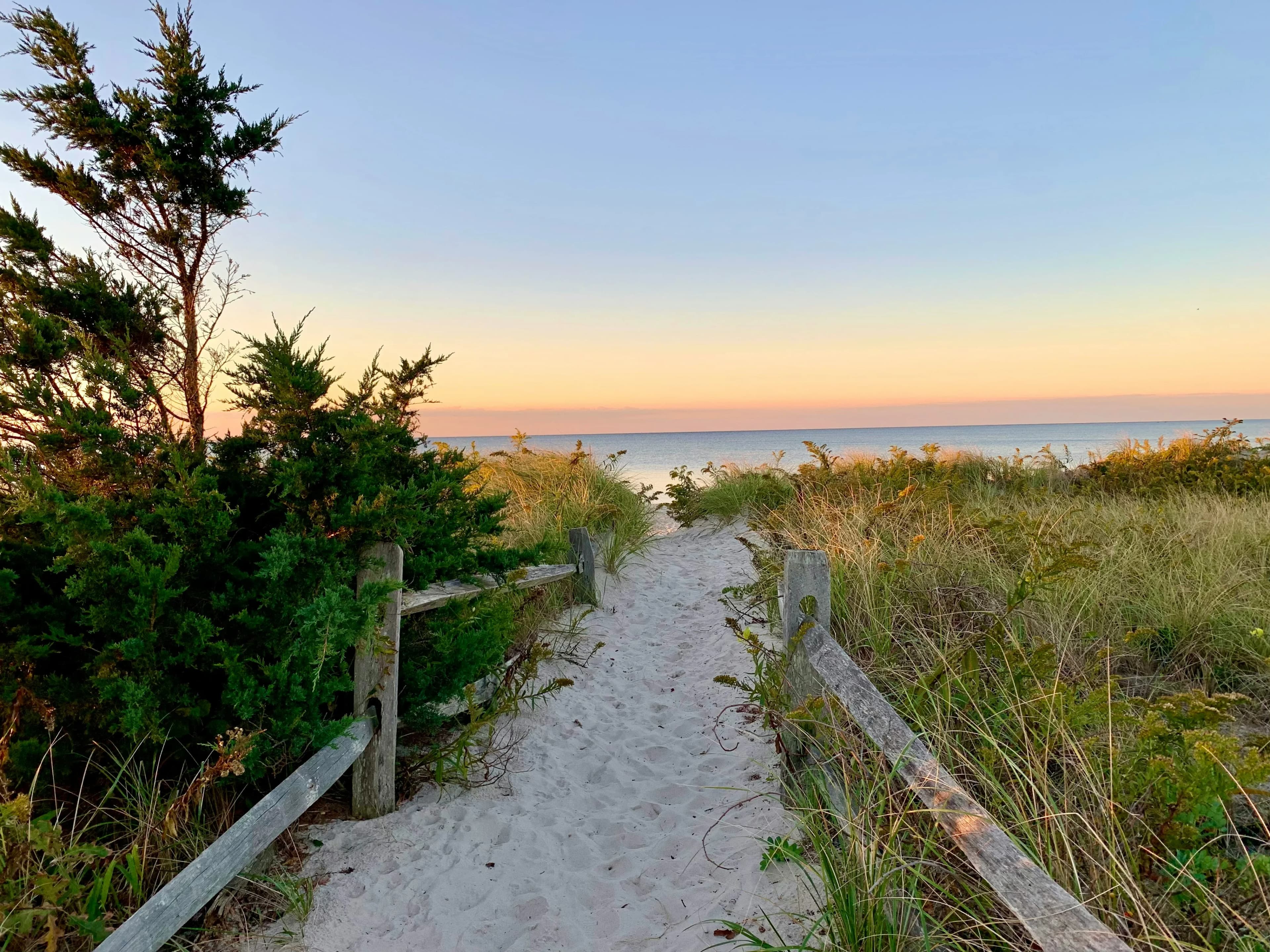
Cape Cod
5 hotels
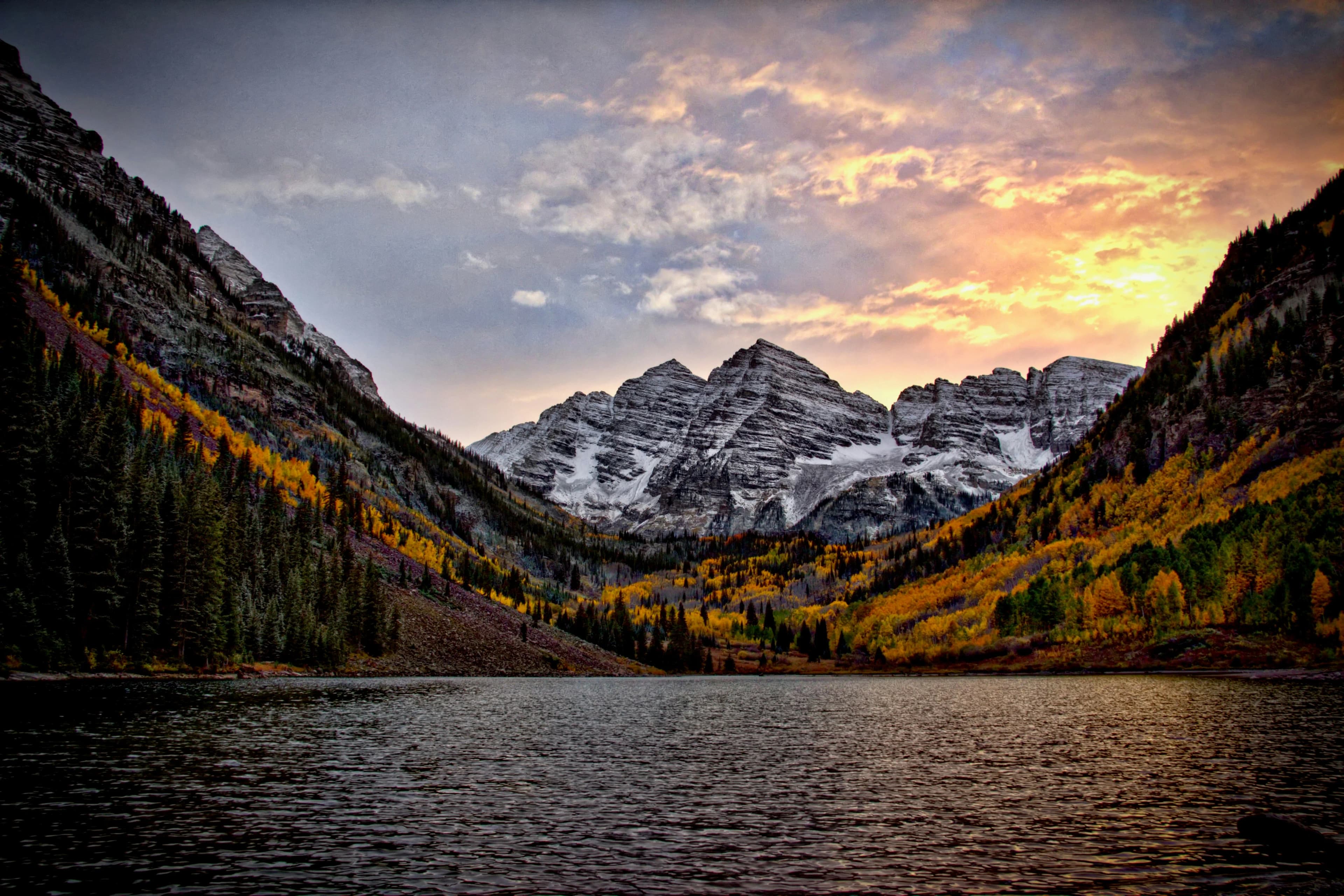
Colorado
42 hotels
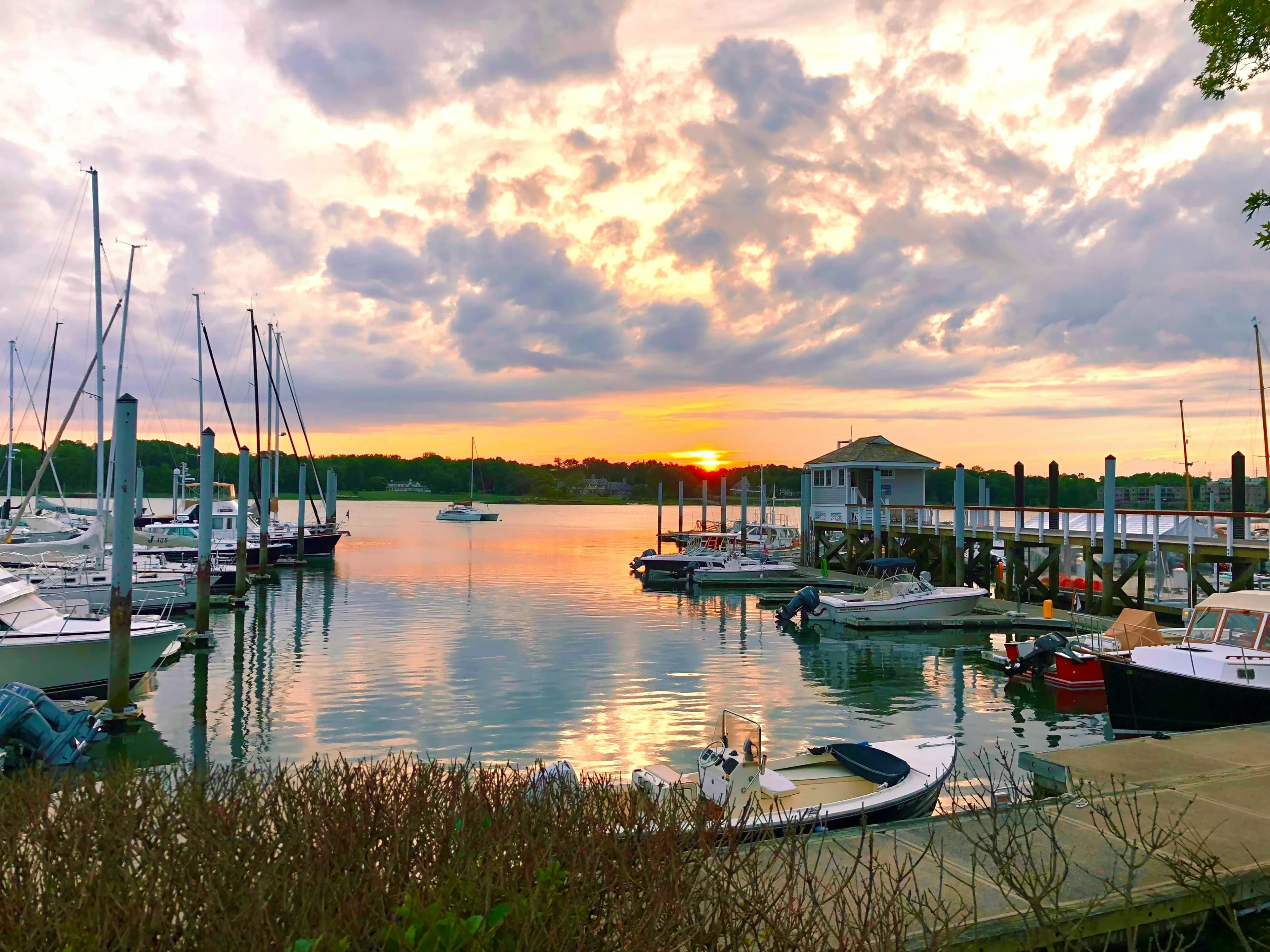
Connecticut
14 hotels

Delaware
6 hotels
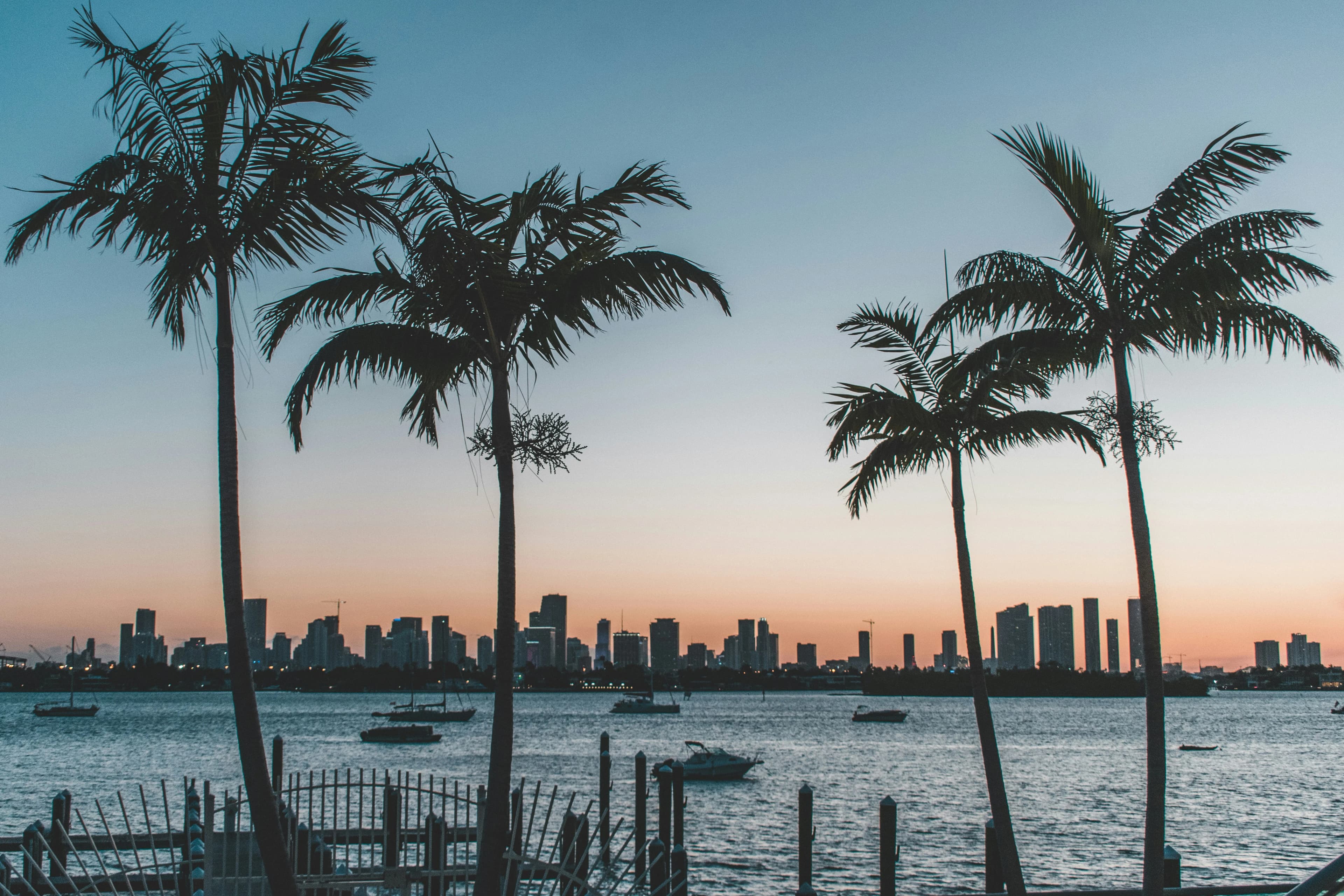
Florida
1 destination / 109 hotels
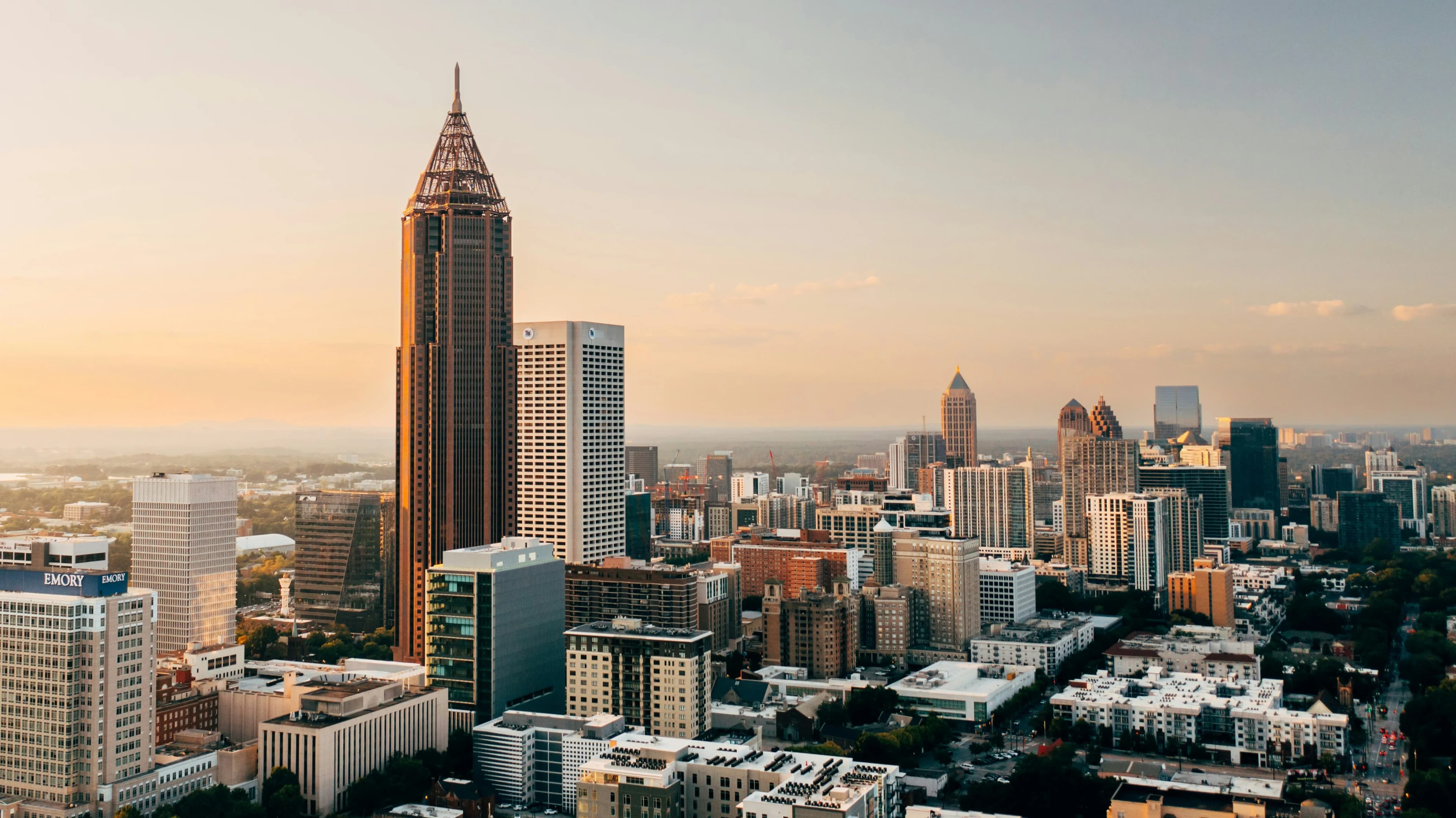
Géorgia
56 hotels
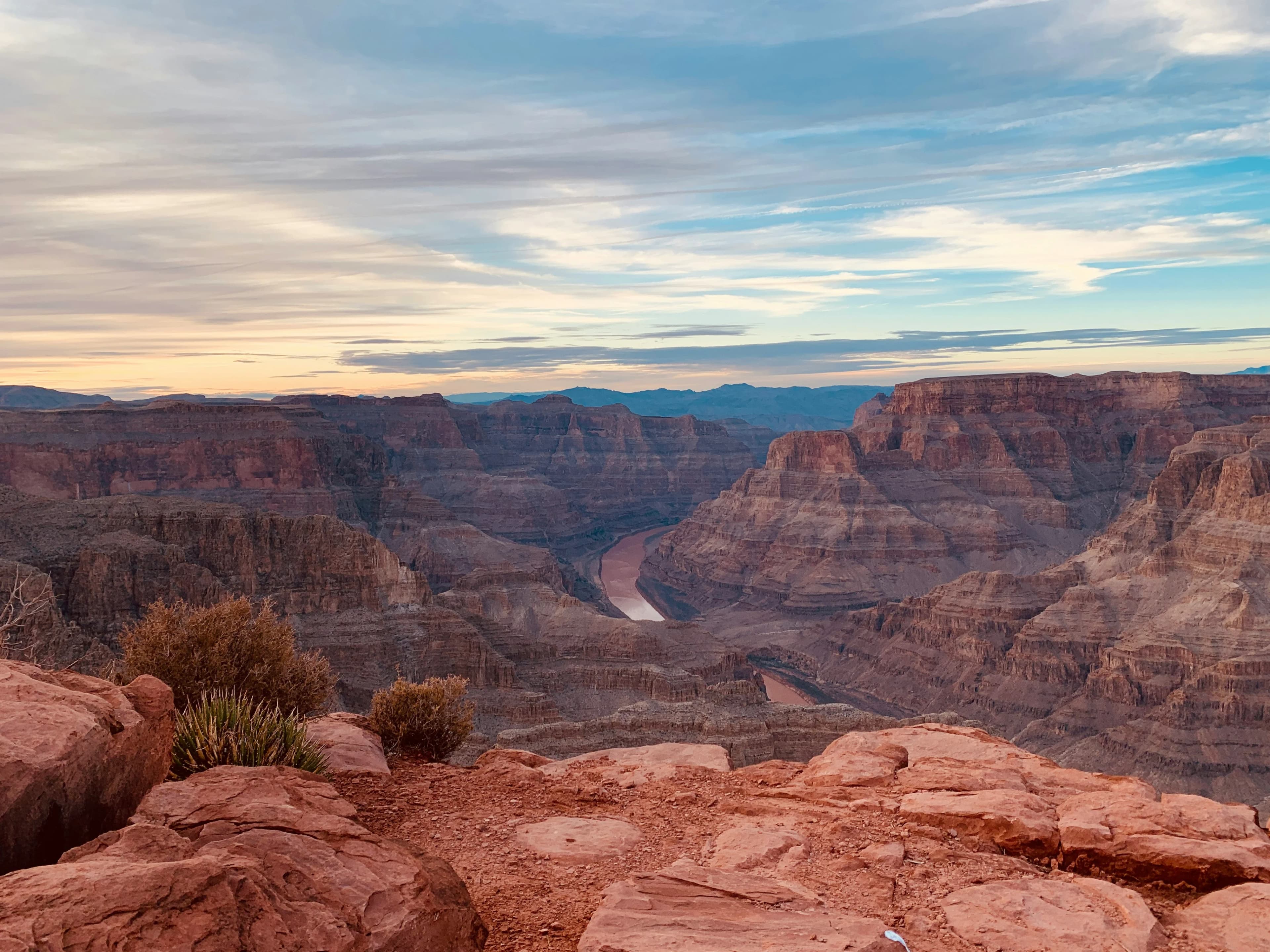
Grand Canyon
1 hotel

Hawaiian islands, United States
42 hotels
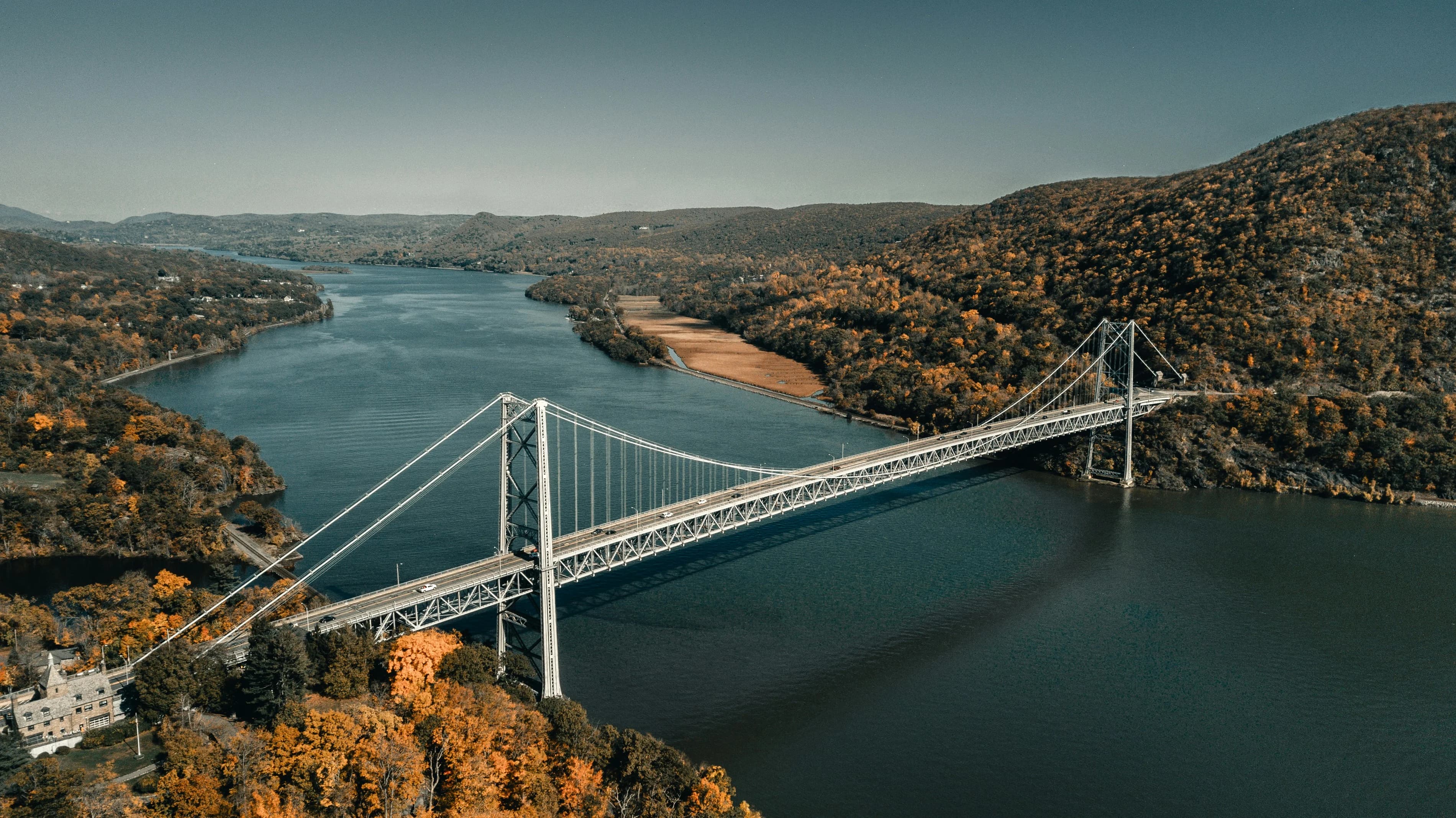
Hudson Valley
4 hotels
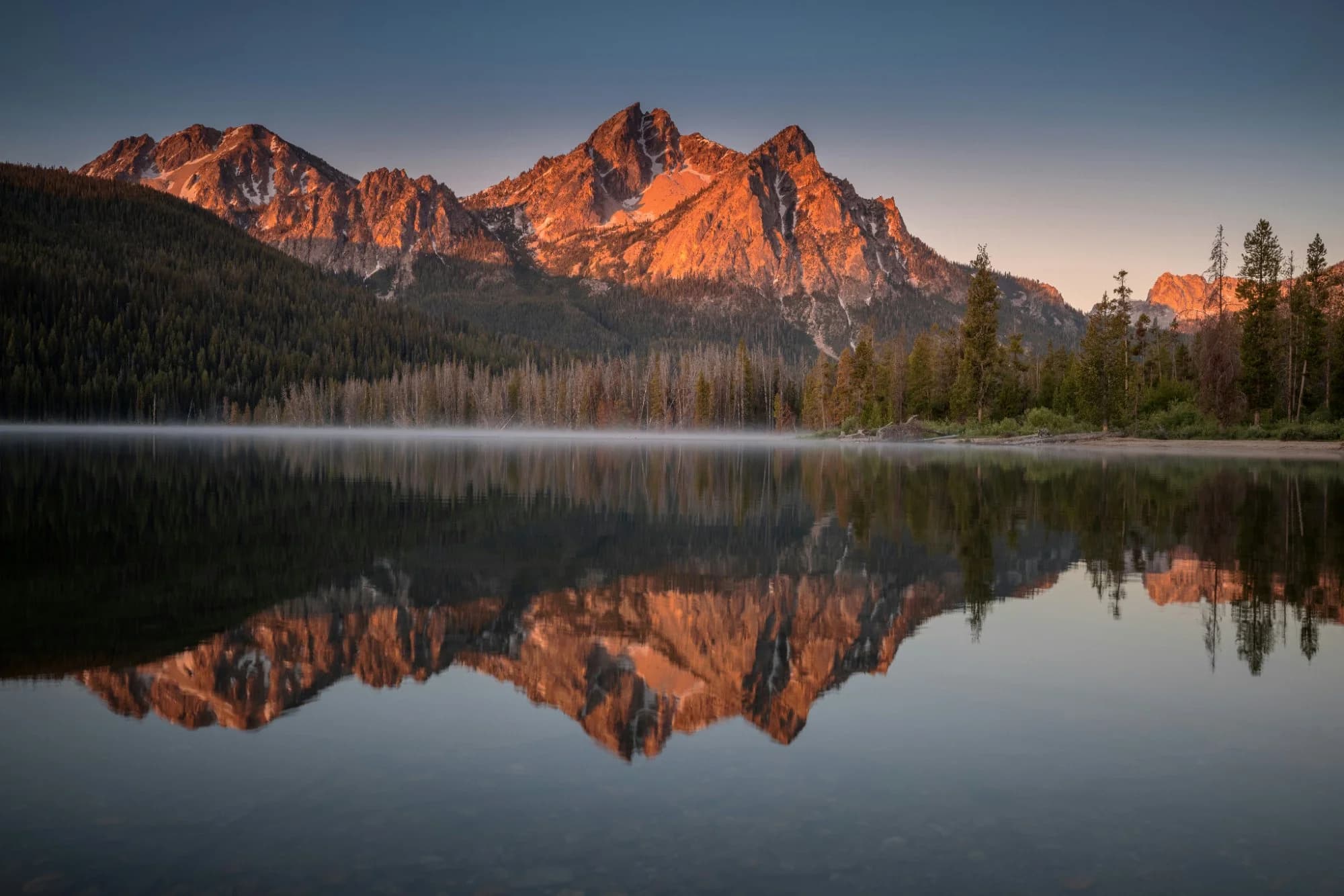
Idaho
13 hotels
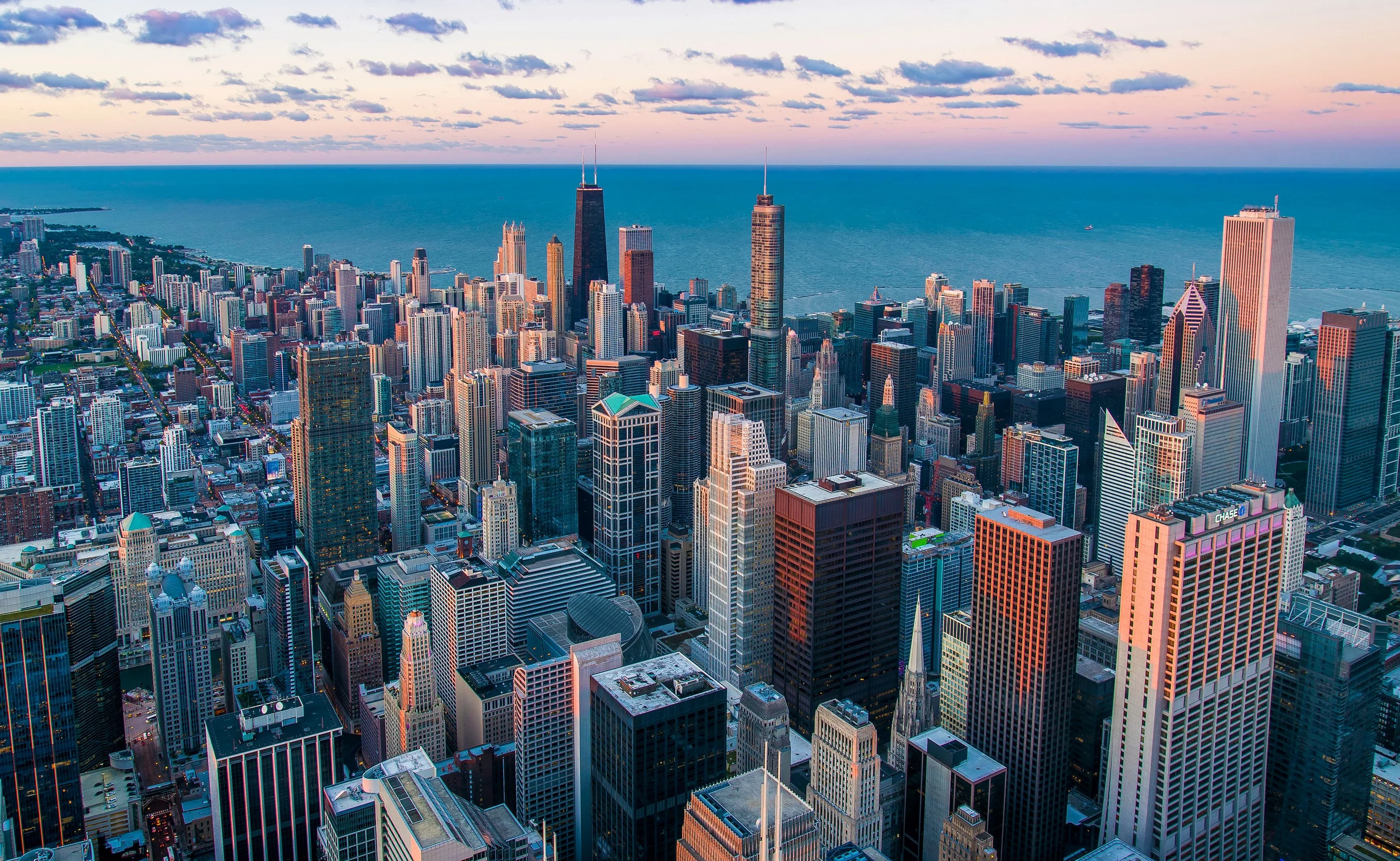
Illinois
35 hotels

Indiana
41 hotels
Iowa
14 hotels

Kansas
5 hotels
Kentucky
17 hotels
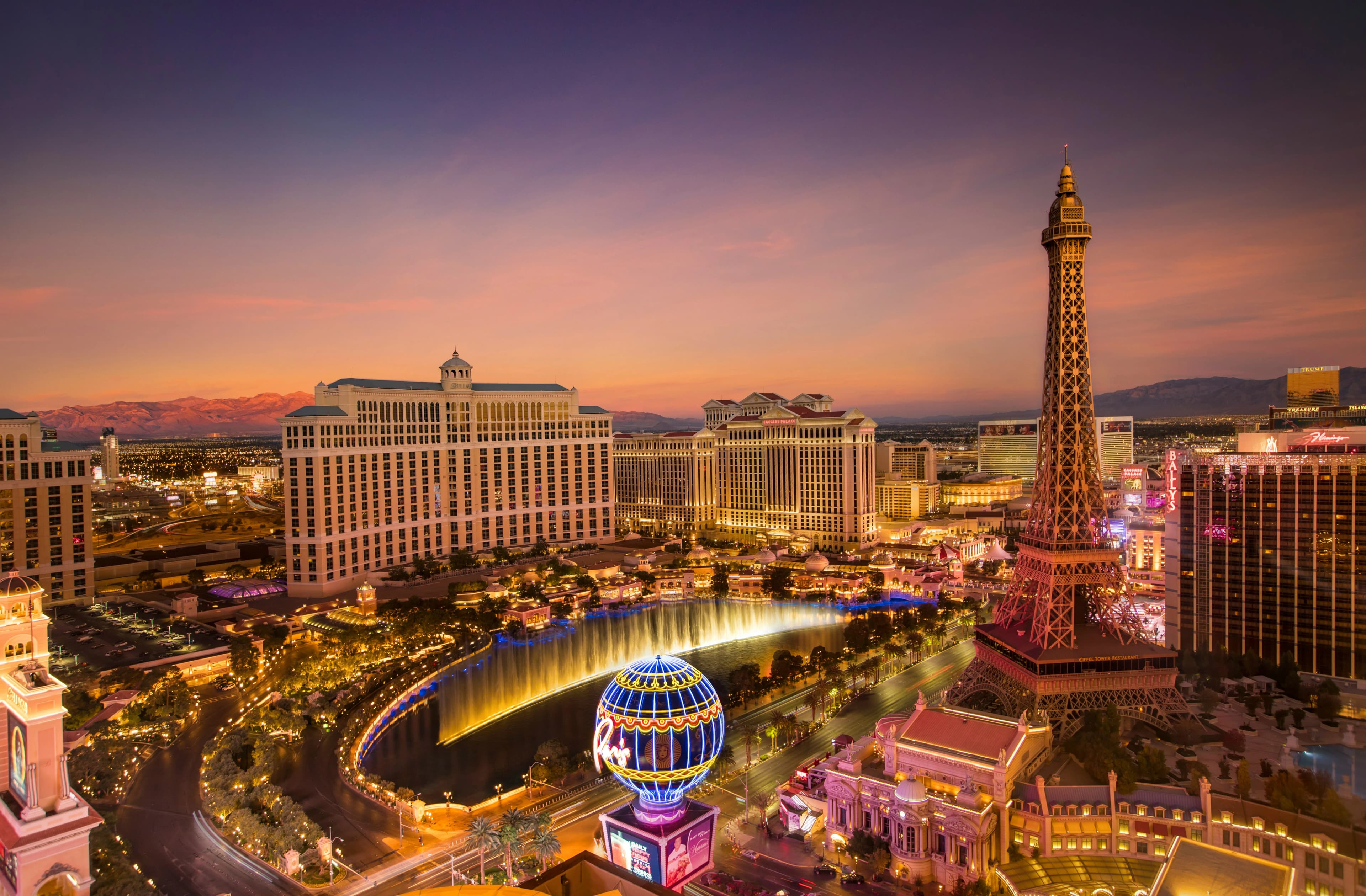
Las Vegas
28 hotels
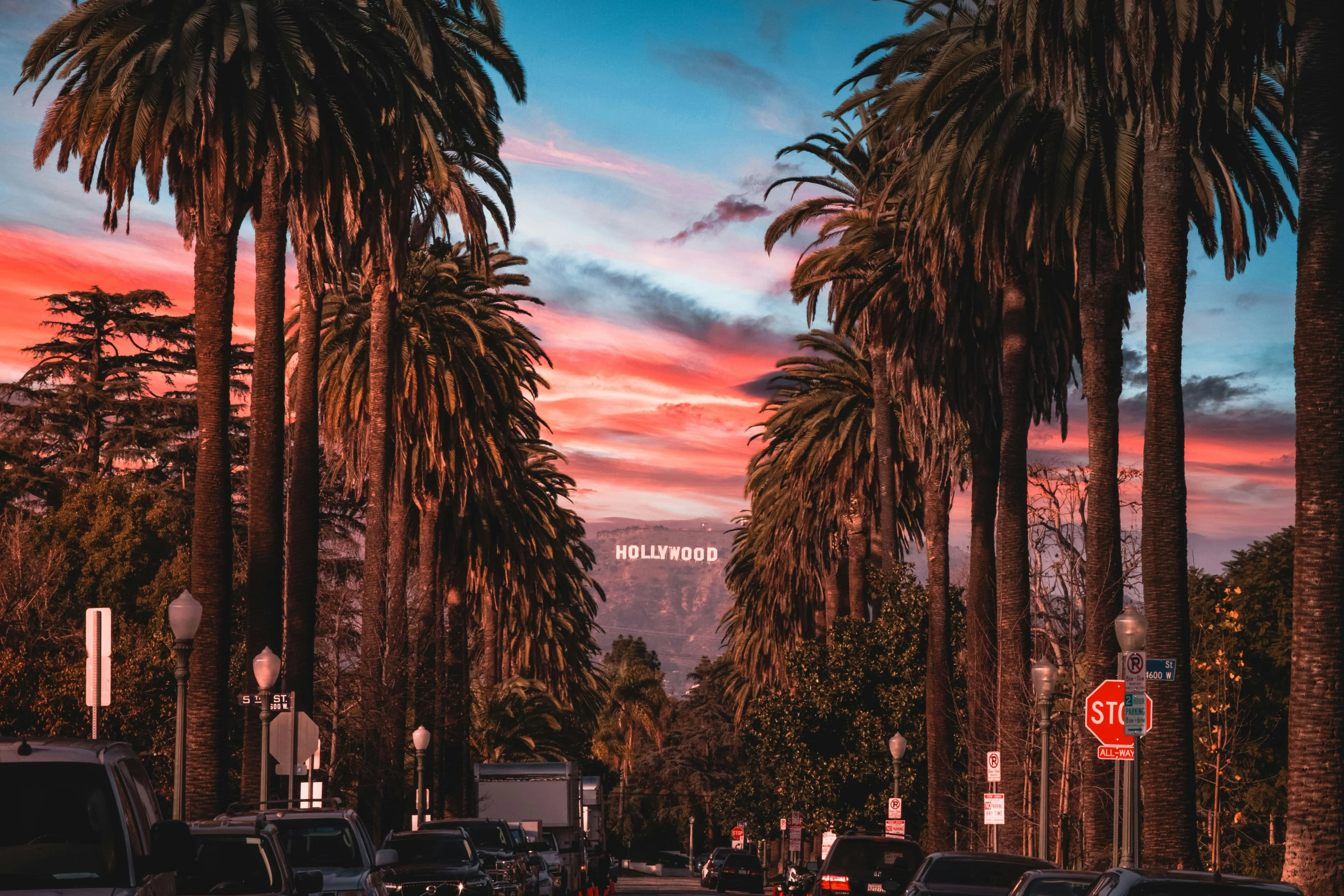
Los Angeles
69 hotels
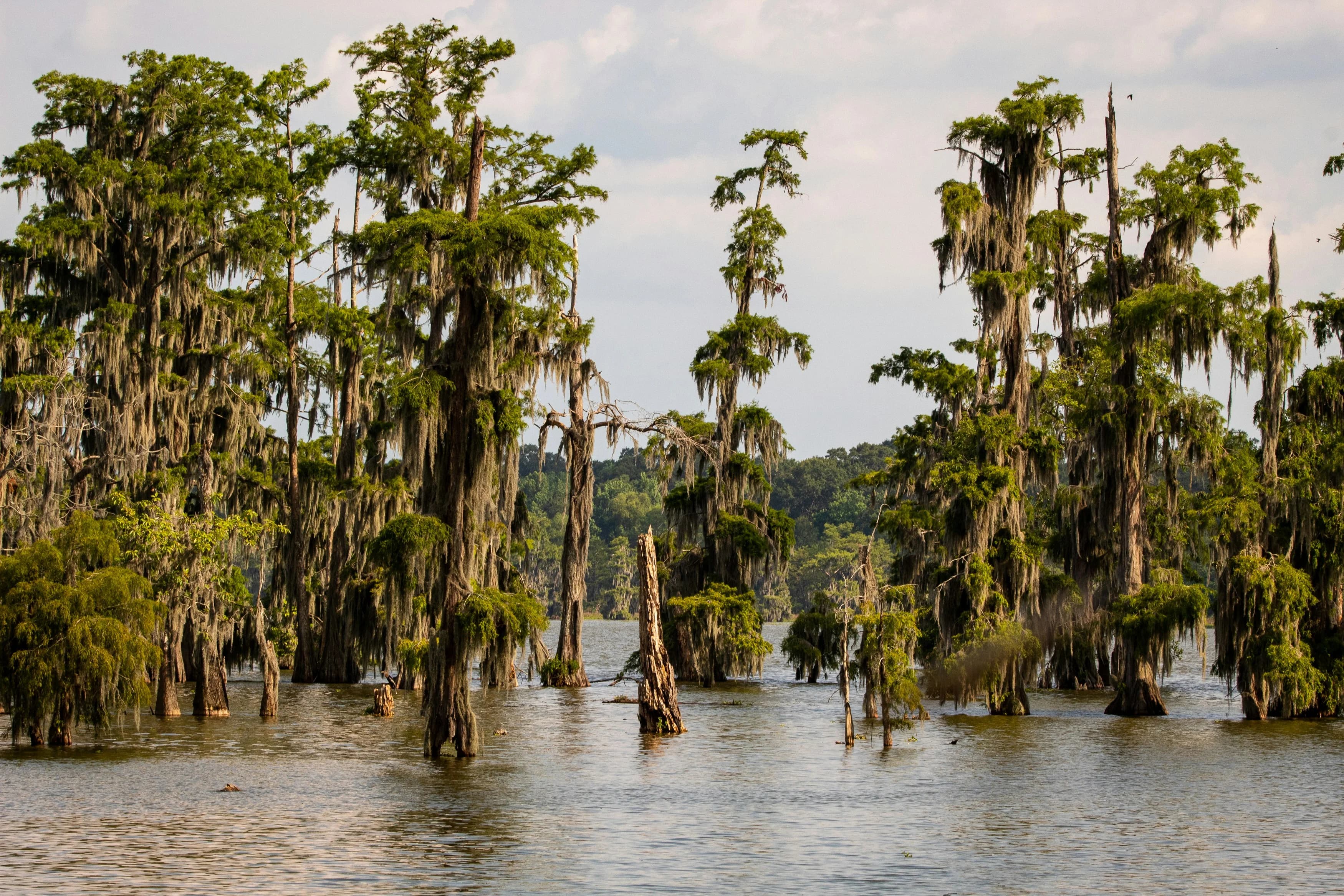
Louisiana
25 hotels
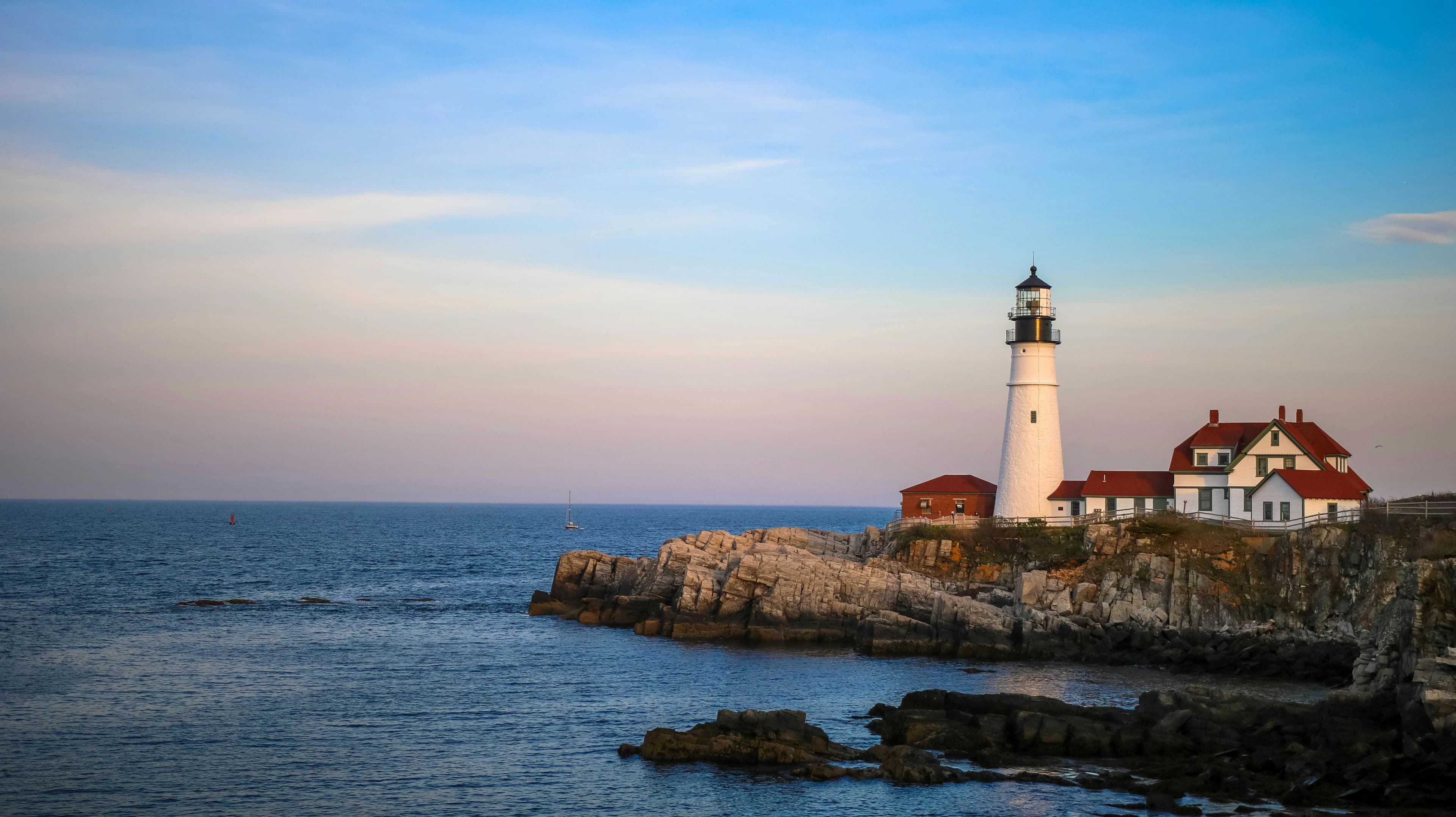
Maine
16 hotels
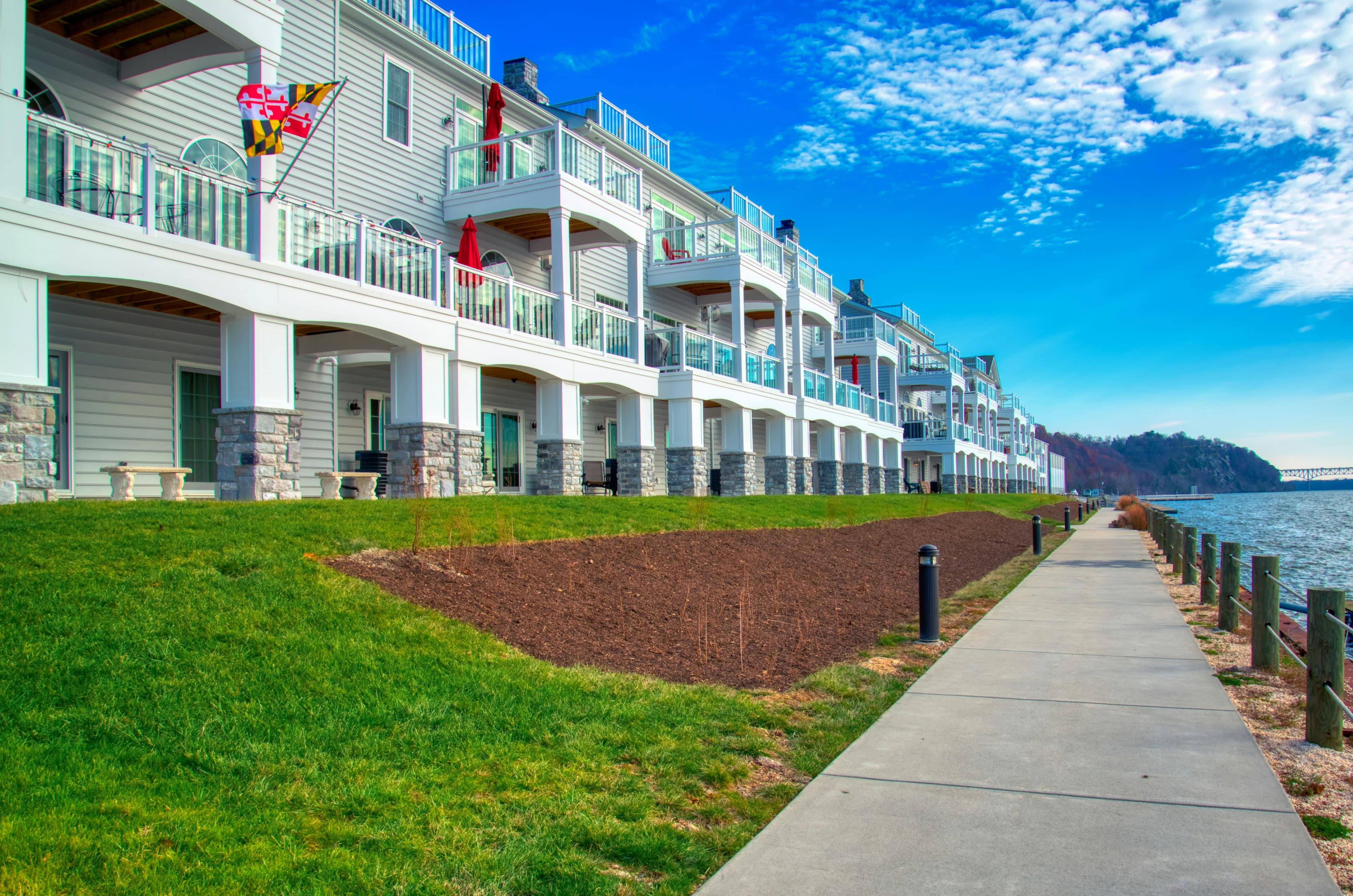
Maryland
39 hotels
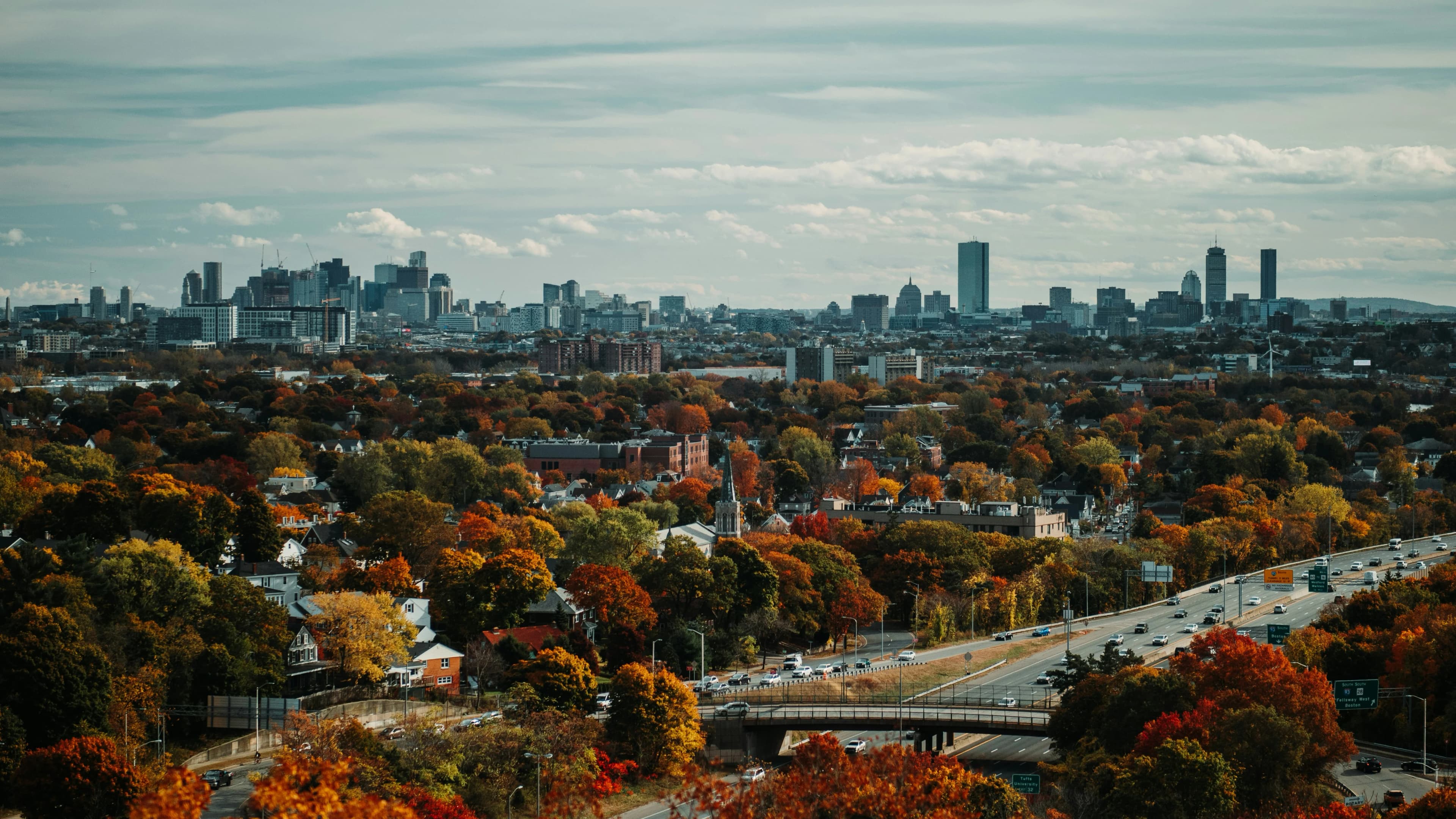
Massachusetts
50 hotels
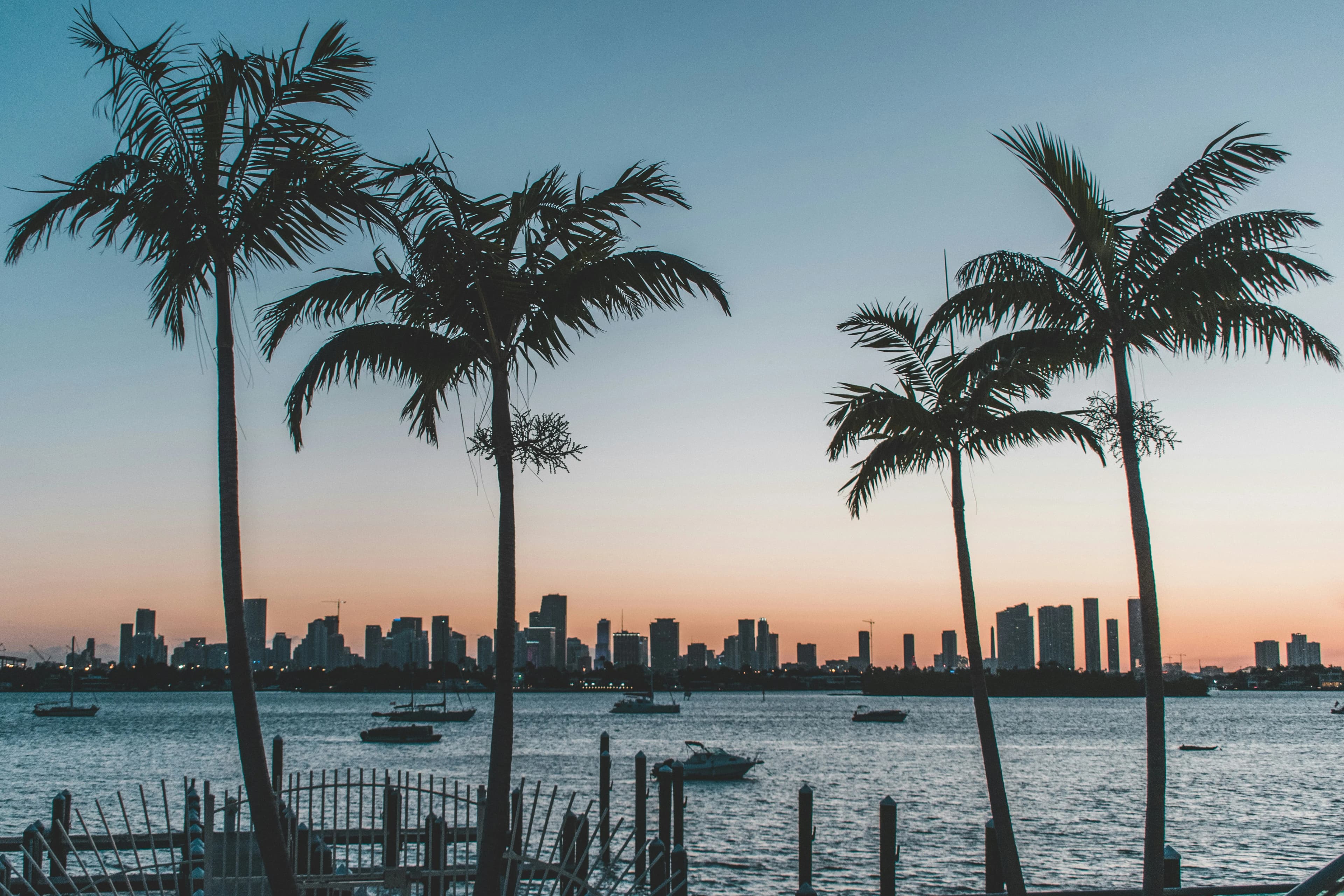
Miami Beach
23 hotels

Michigan
35 hotels
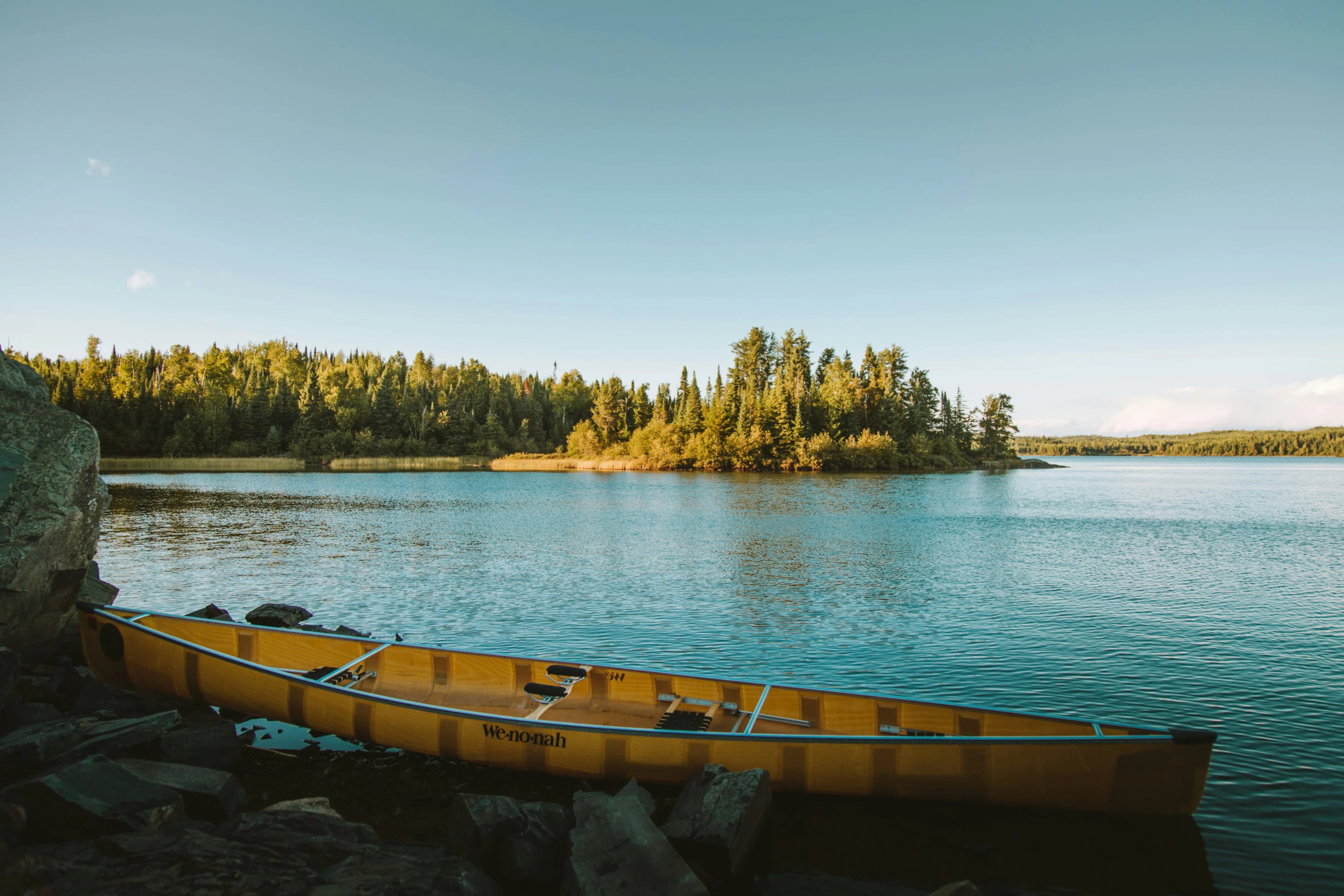
Minnesota
23 hotels
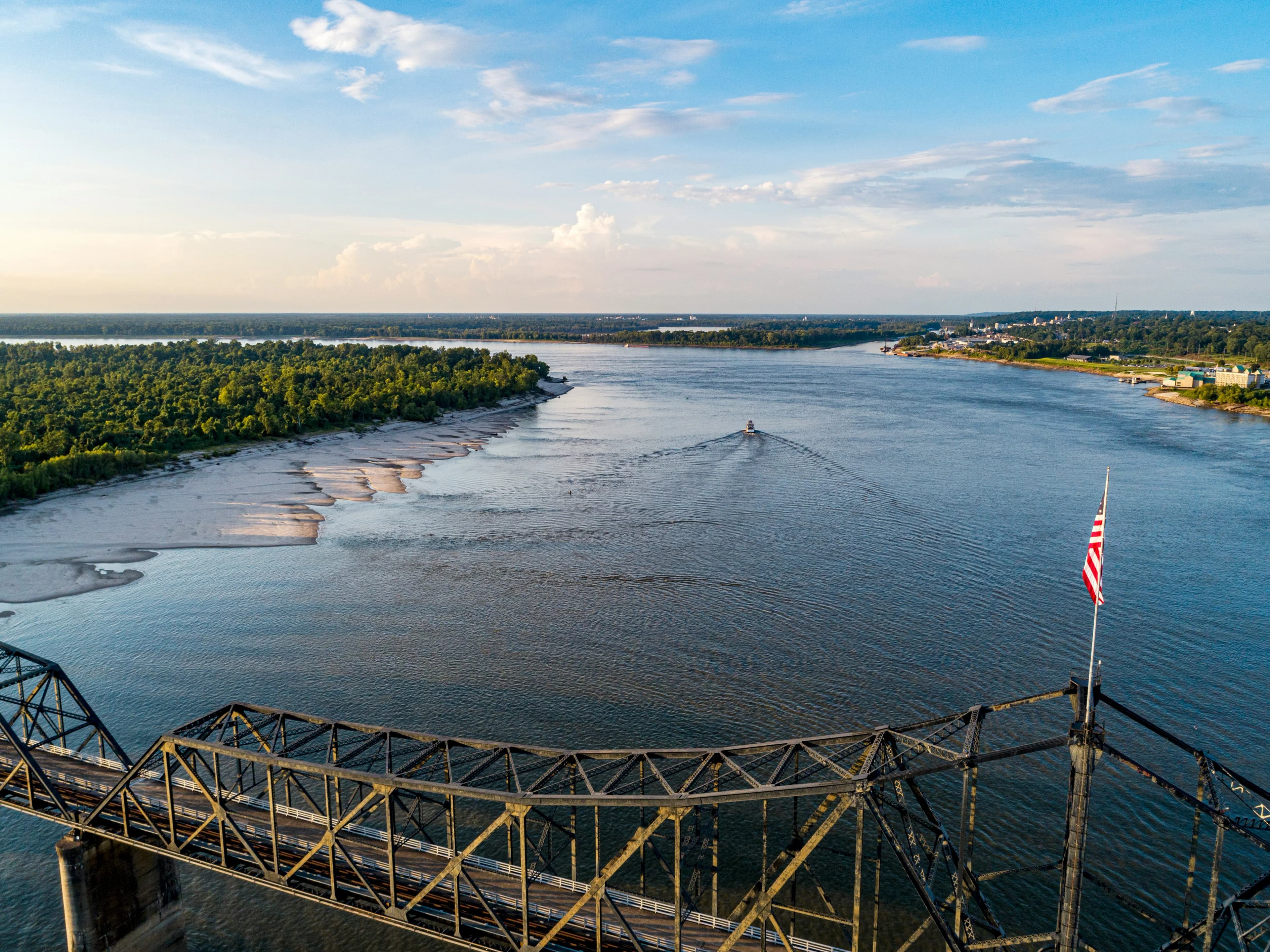
Mississippi
5 hotels
Missouri
15 hotels
Montana
11 hotels
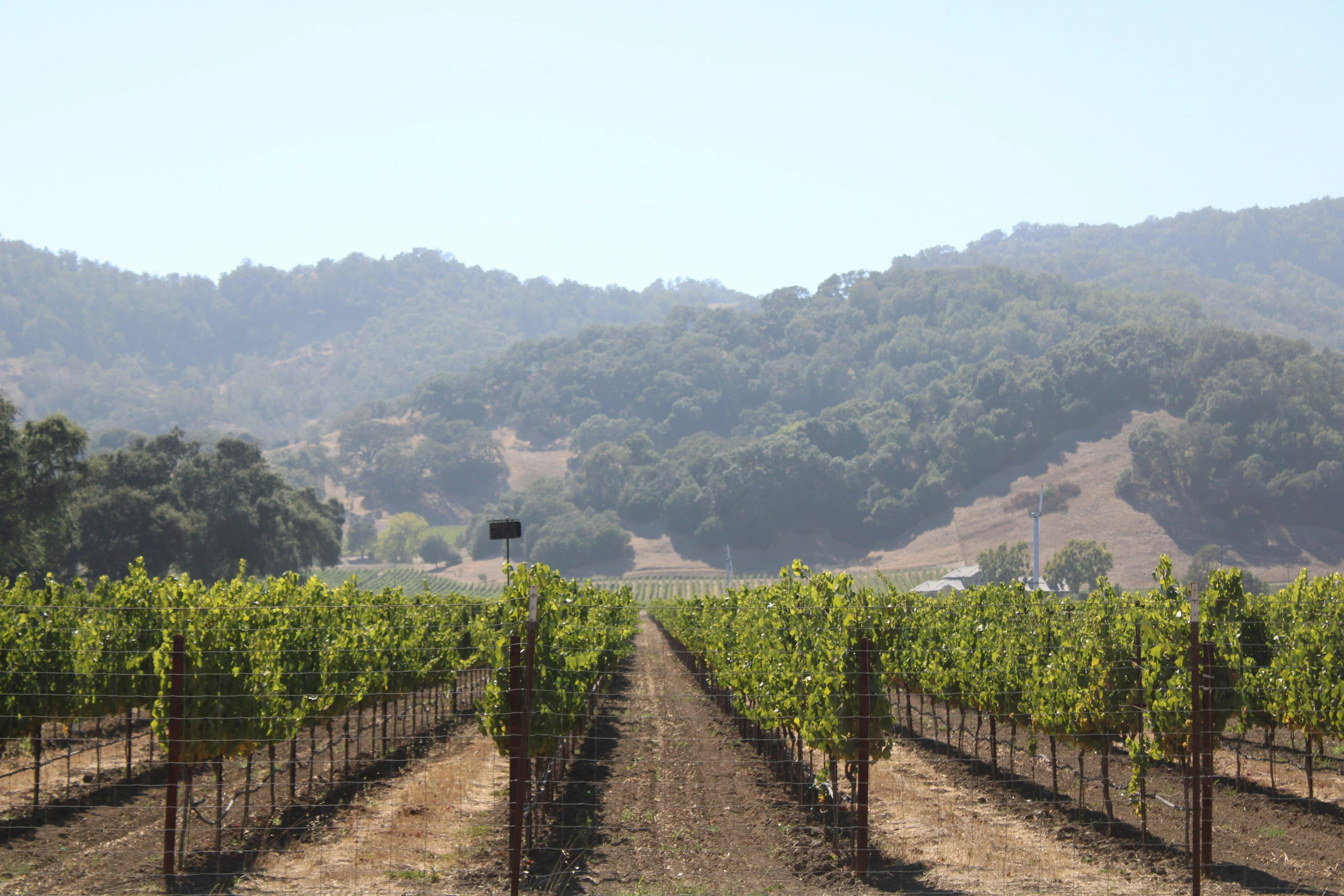
Napa Valley
25 hotels

Nebraska
6 hotels
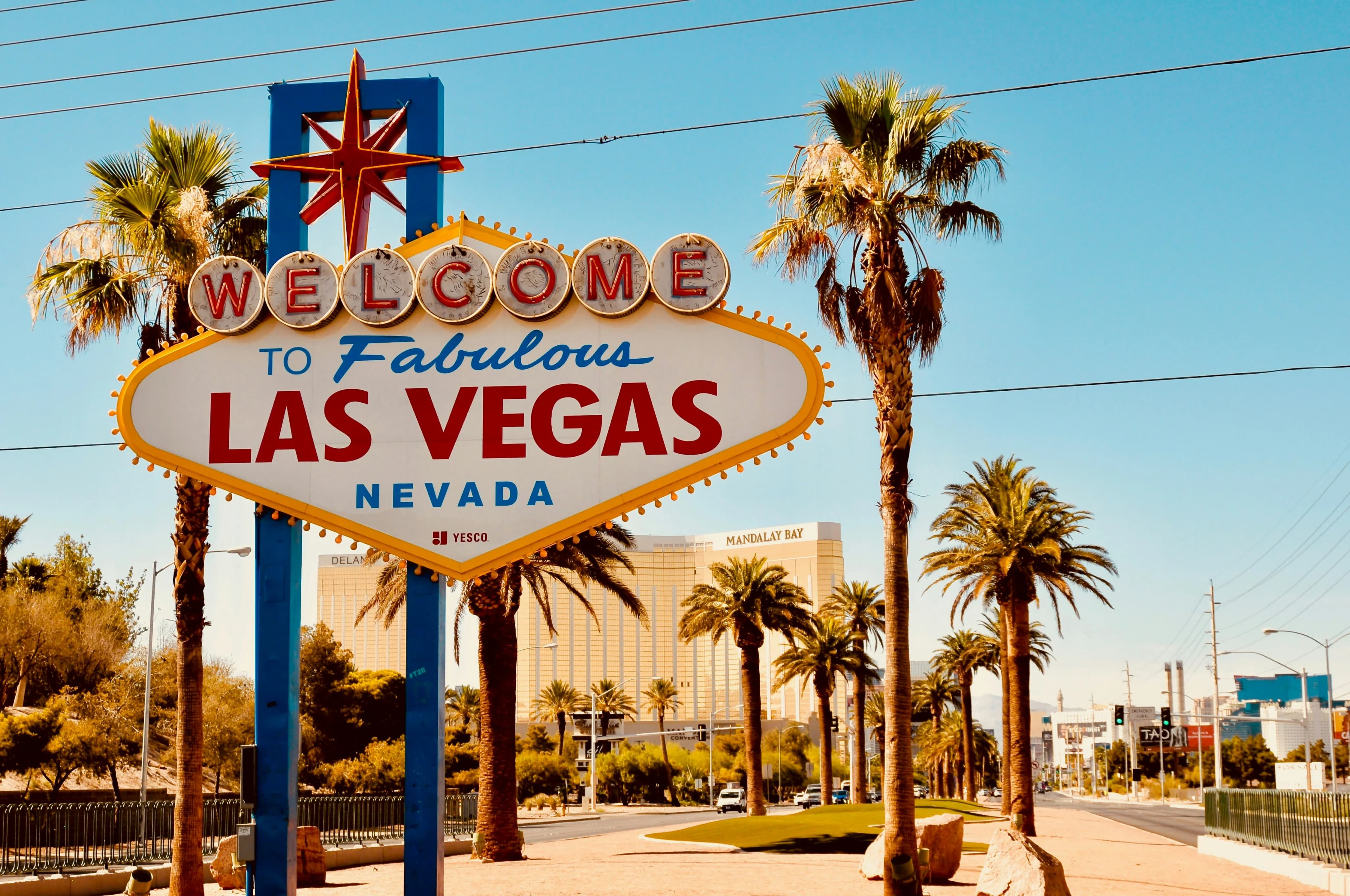
Nevada
33 hotels
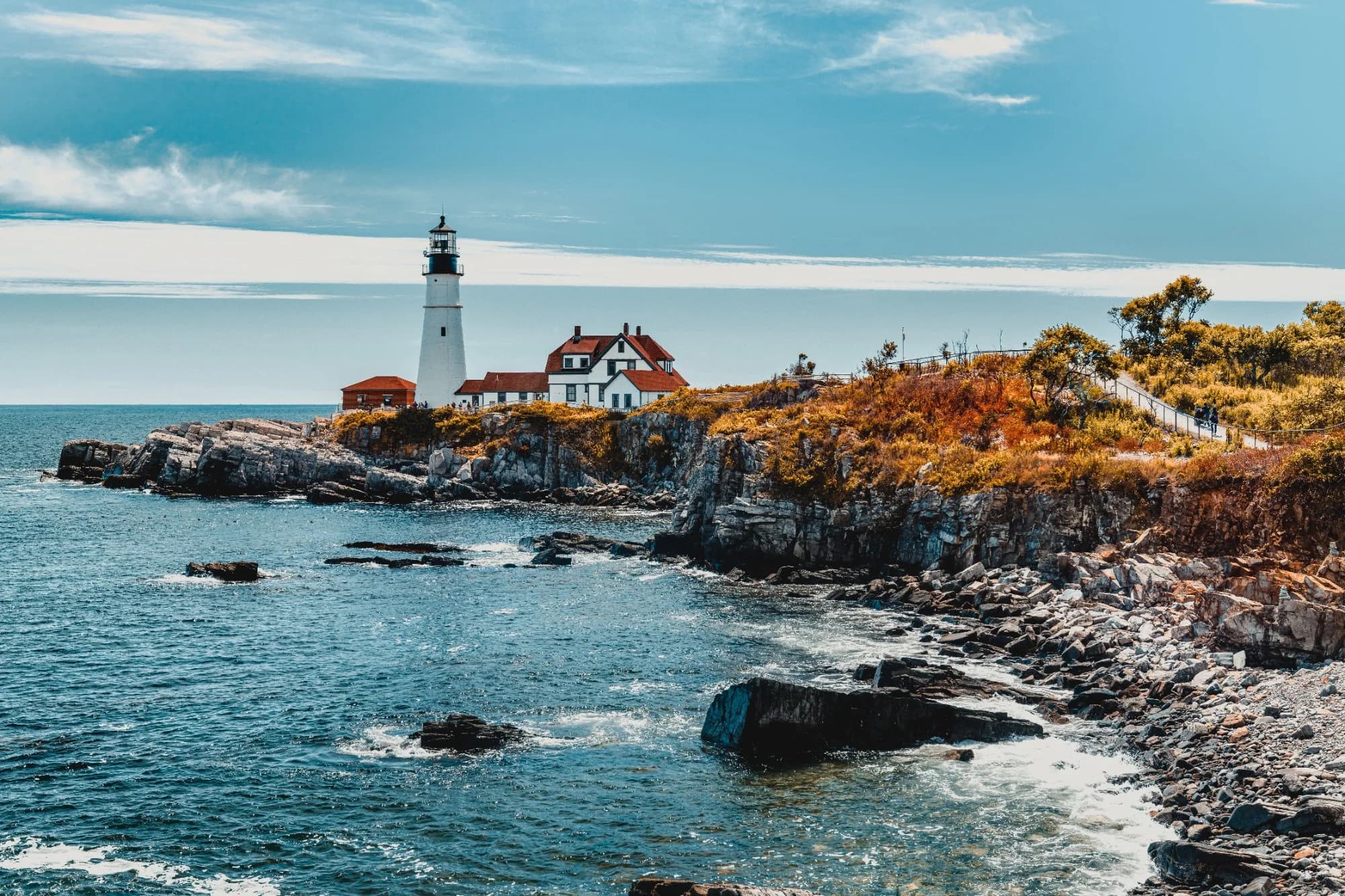
New England Coast, United States
89 hotels
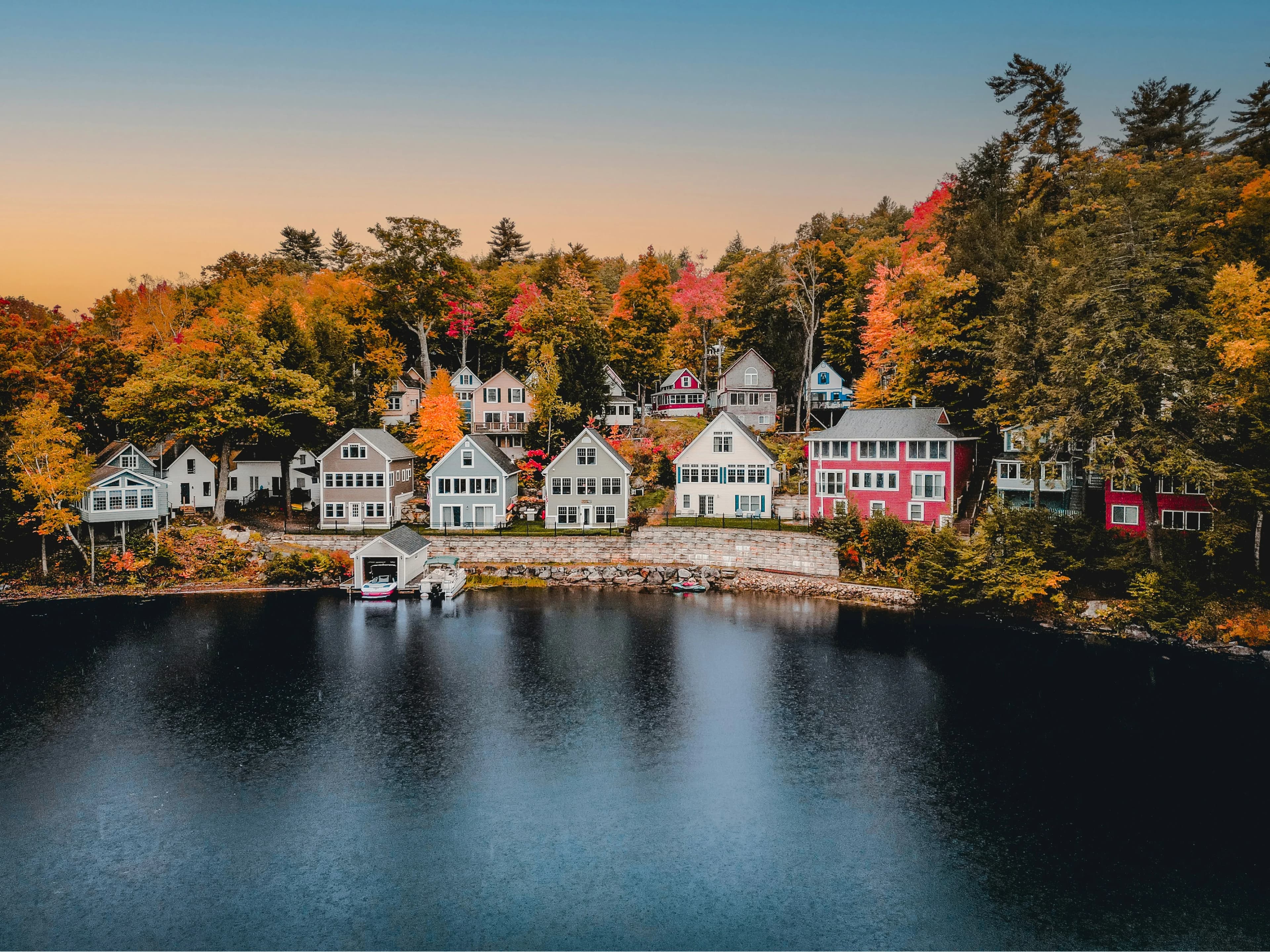
New Hampshire
13 hotels
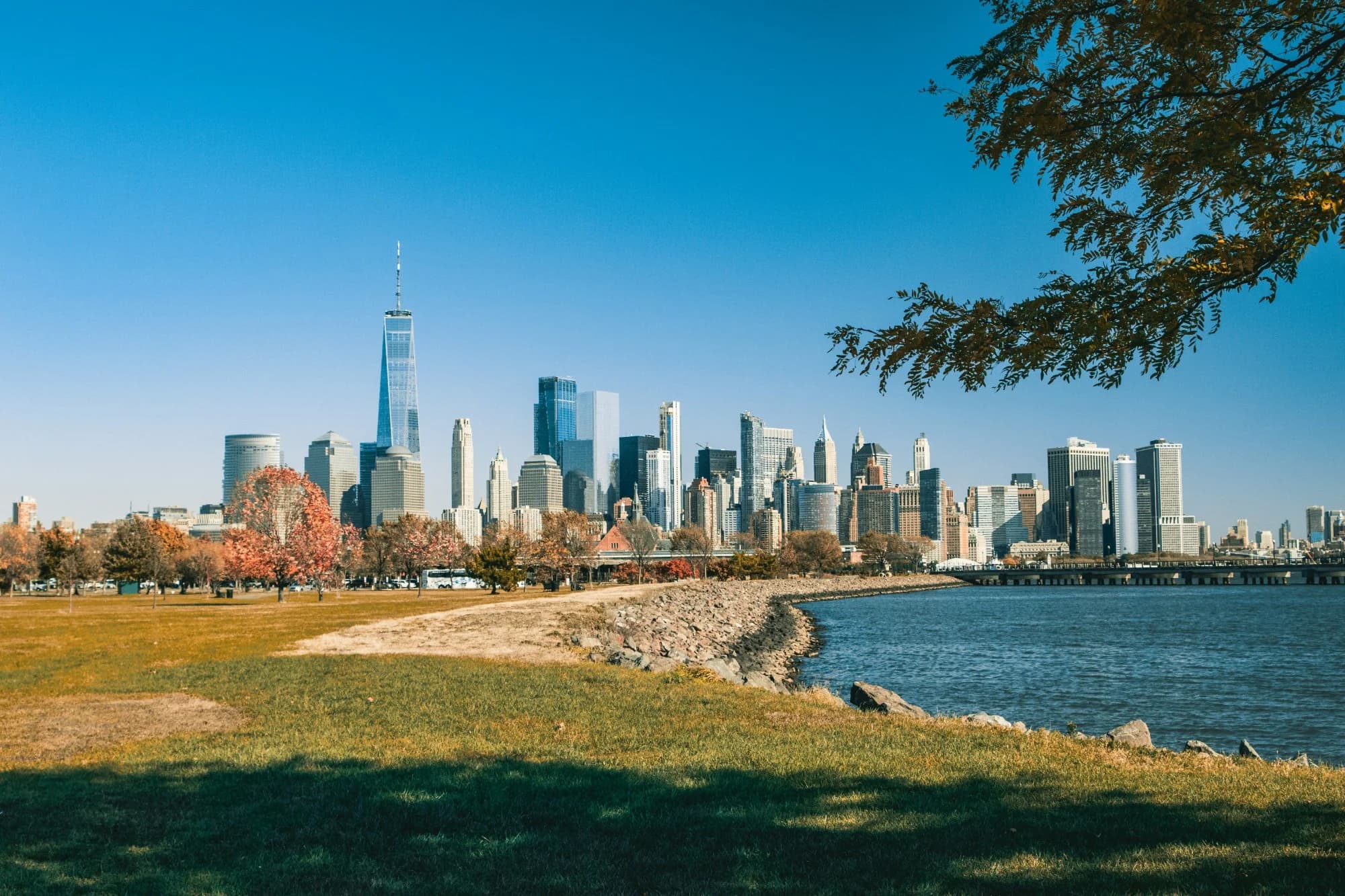
New Jersey
90 hotels
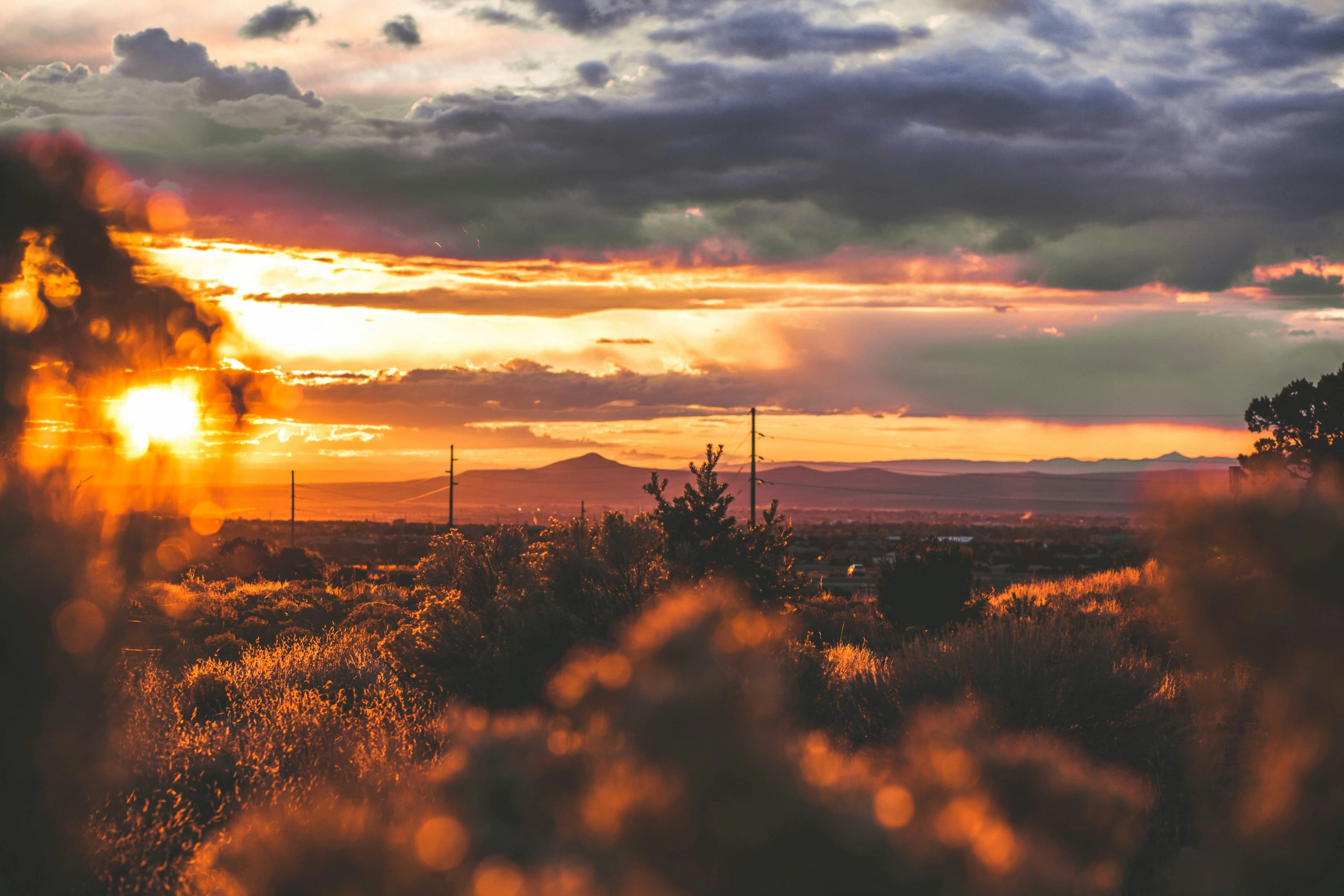
New Mexico
12 hotels
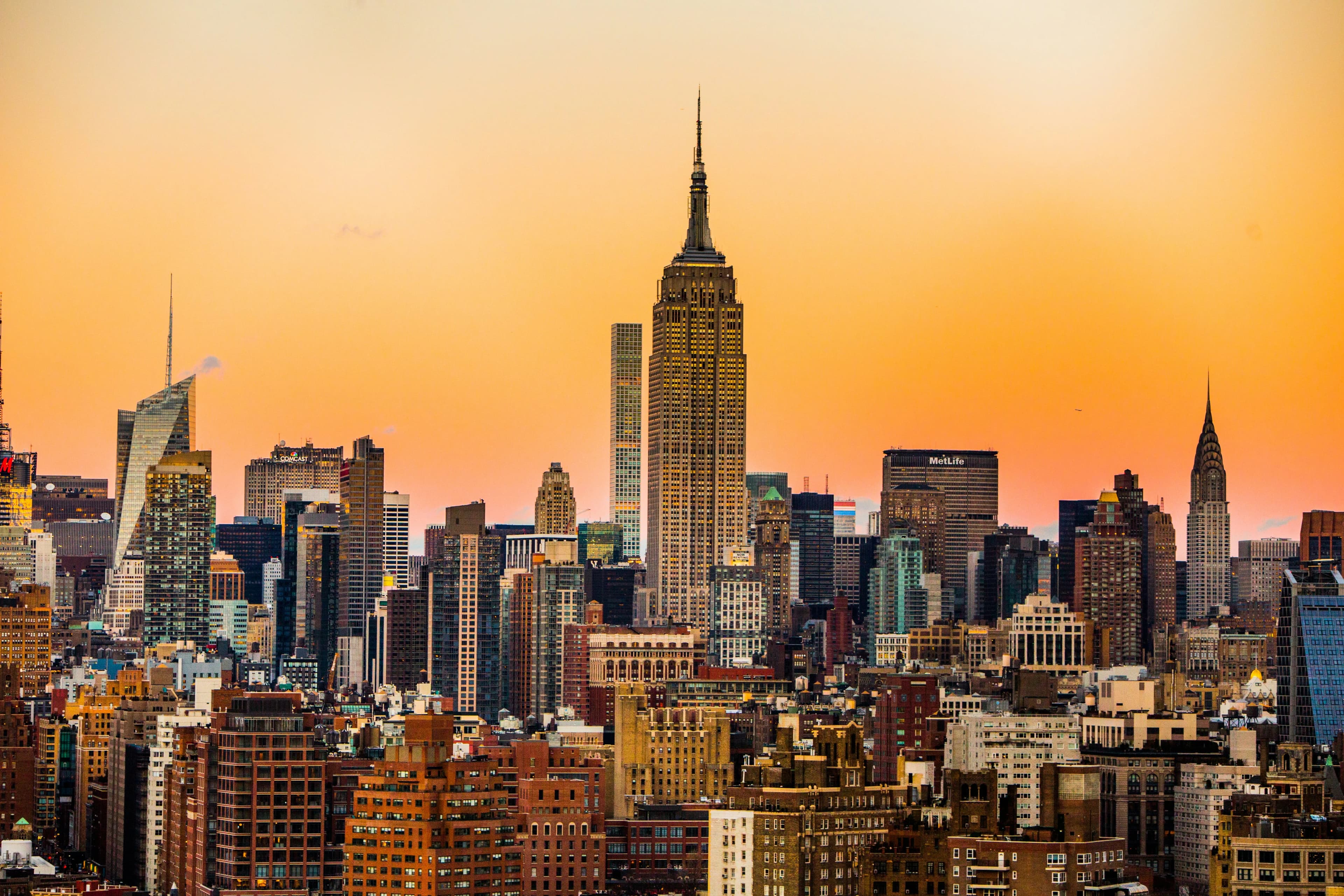
New York (City)
65 hotels

New York (State)
124 hotels
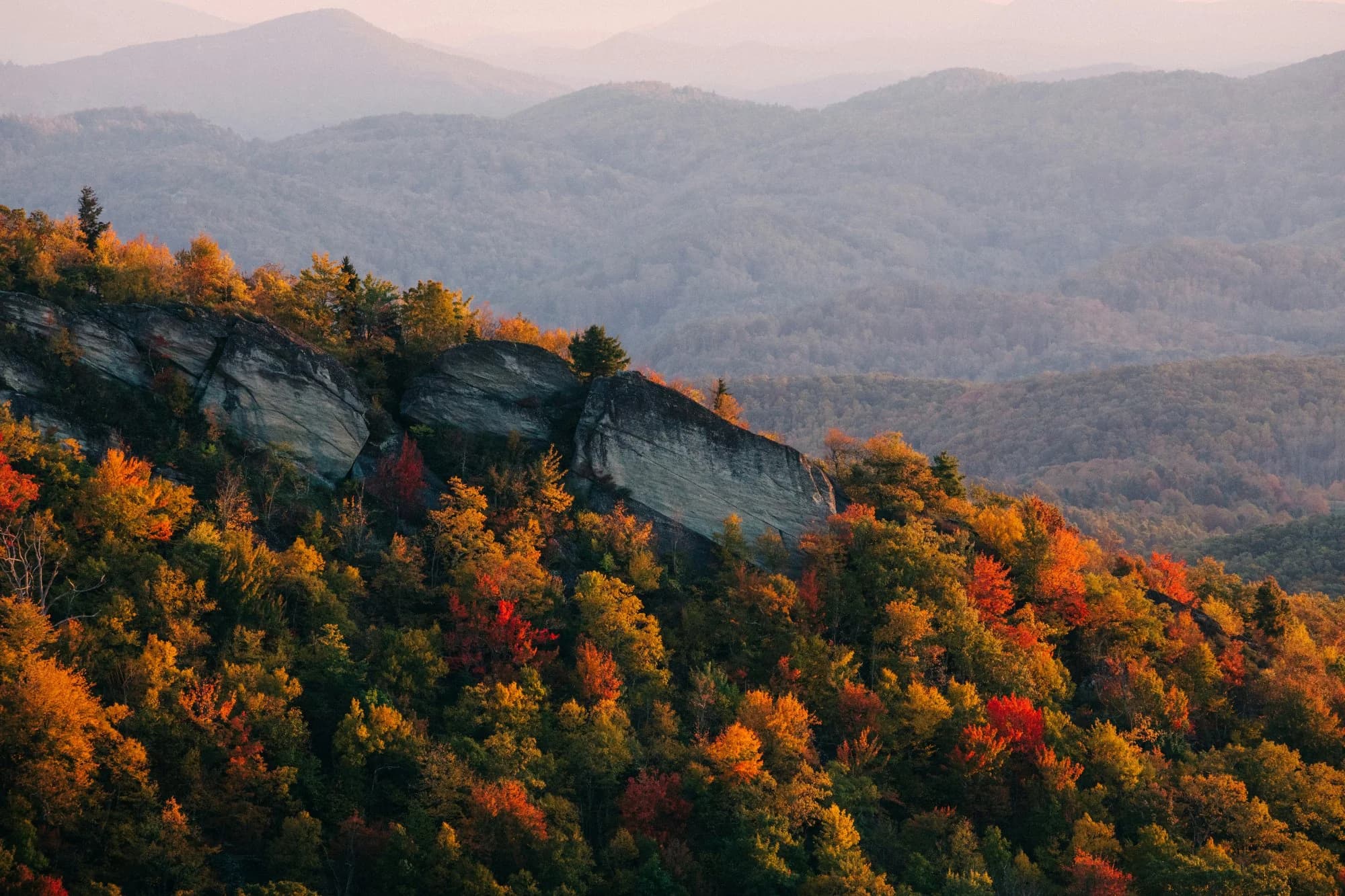
North Carolina
46 hotels
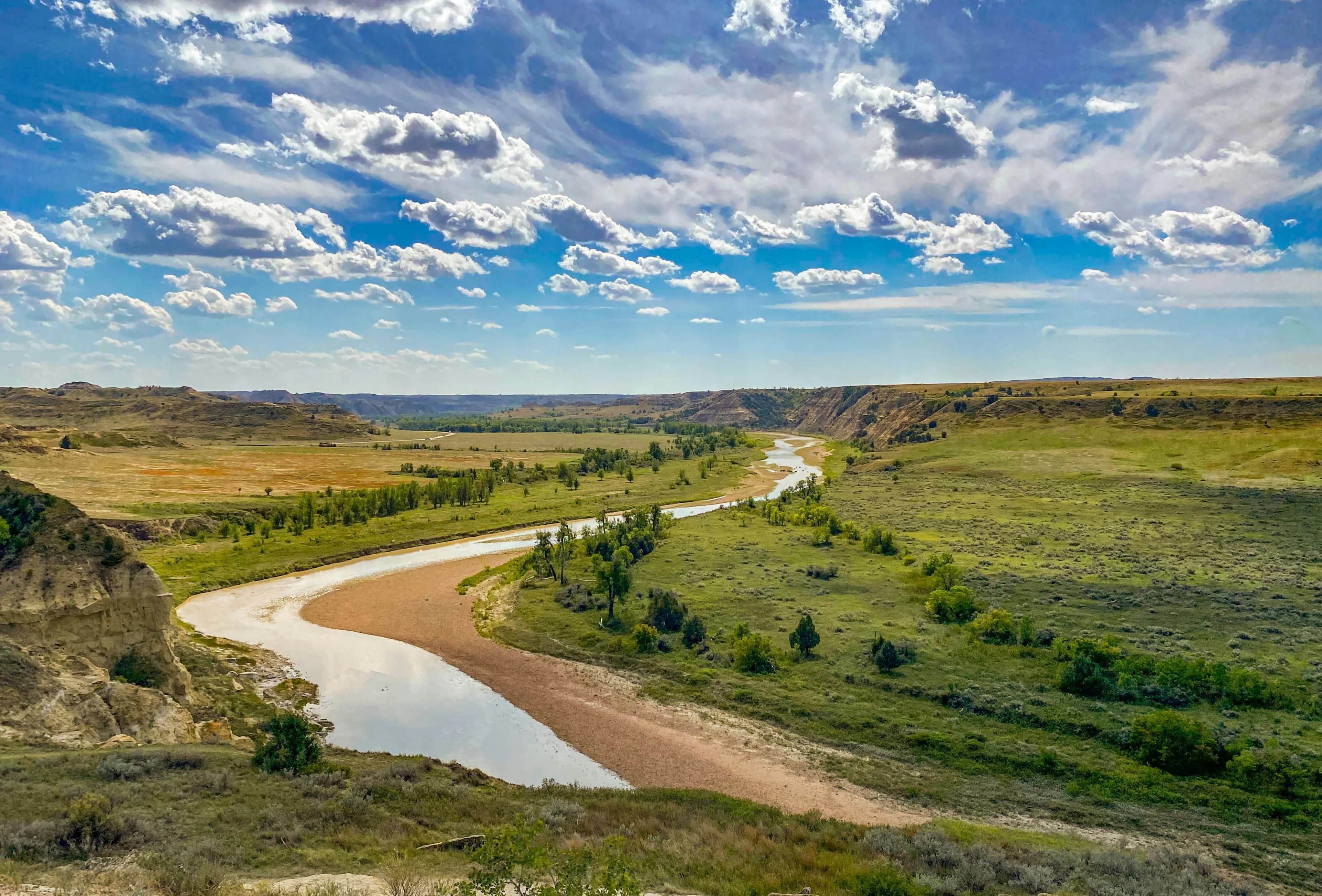
North Dakota
3 hotels

Ohio
18 hotels

Oklahoma
7 hotels
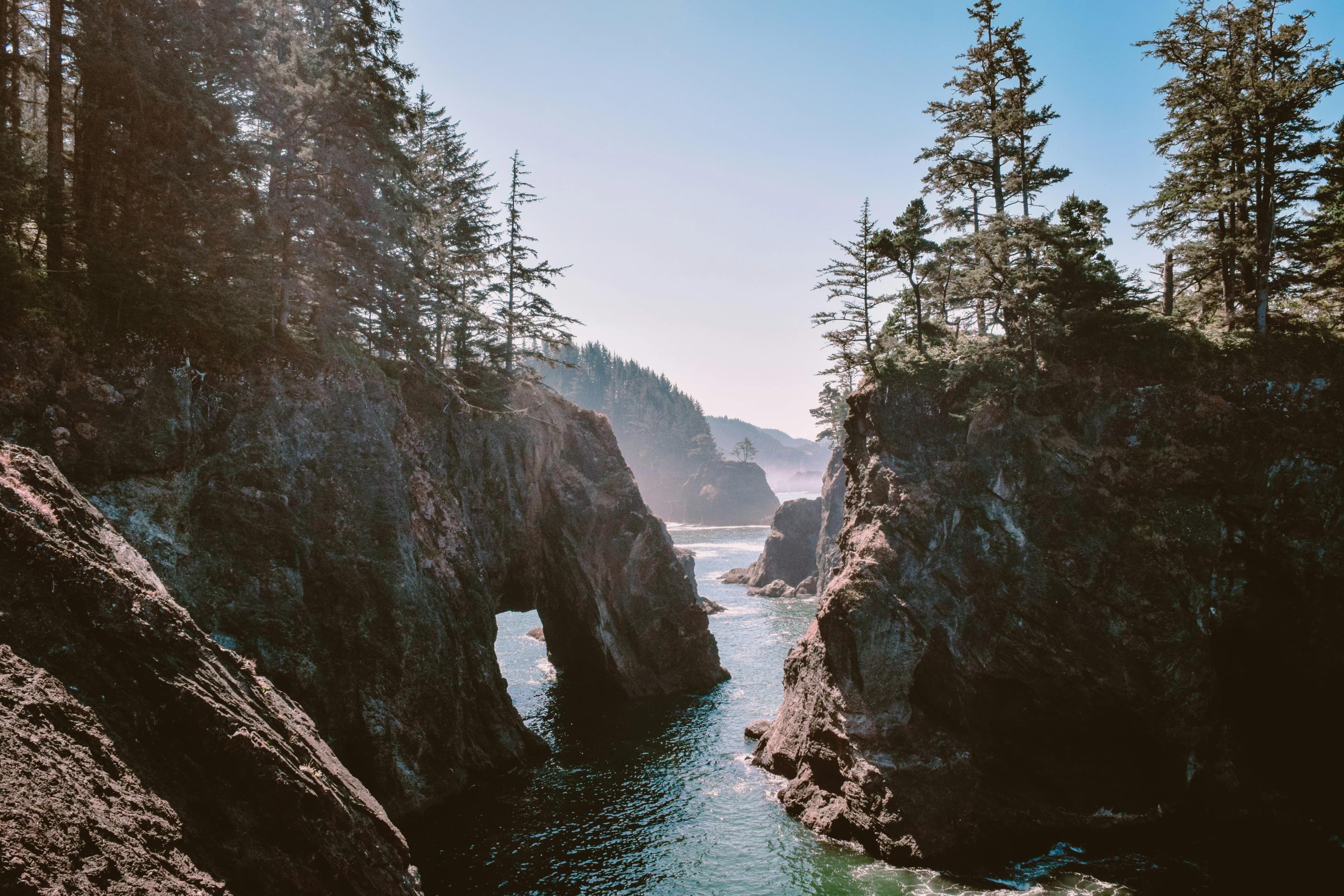
Oregon
22 hotels
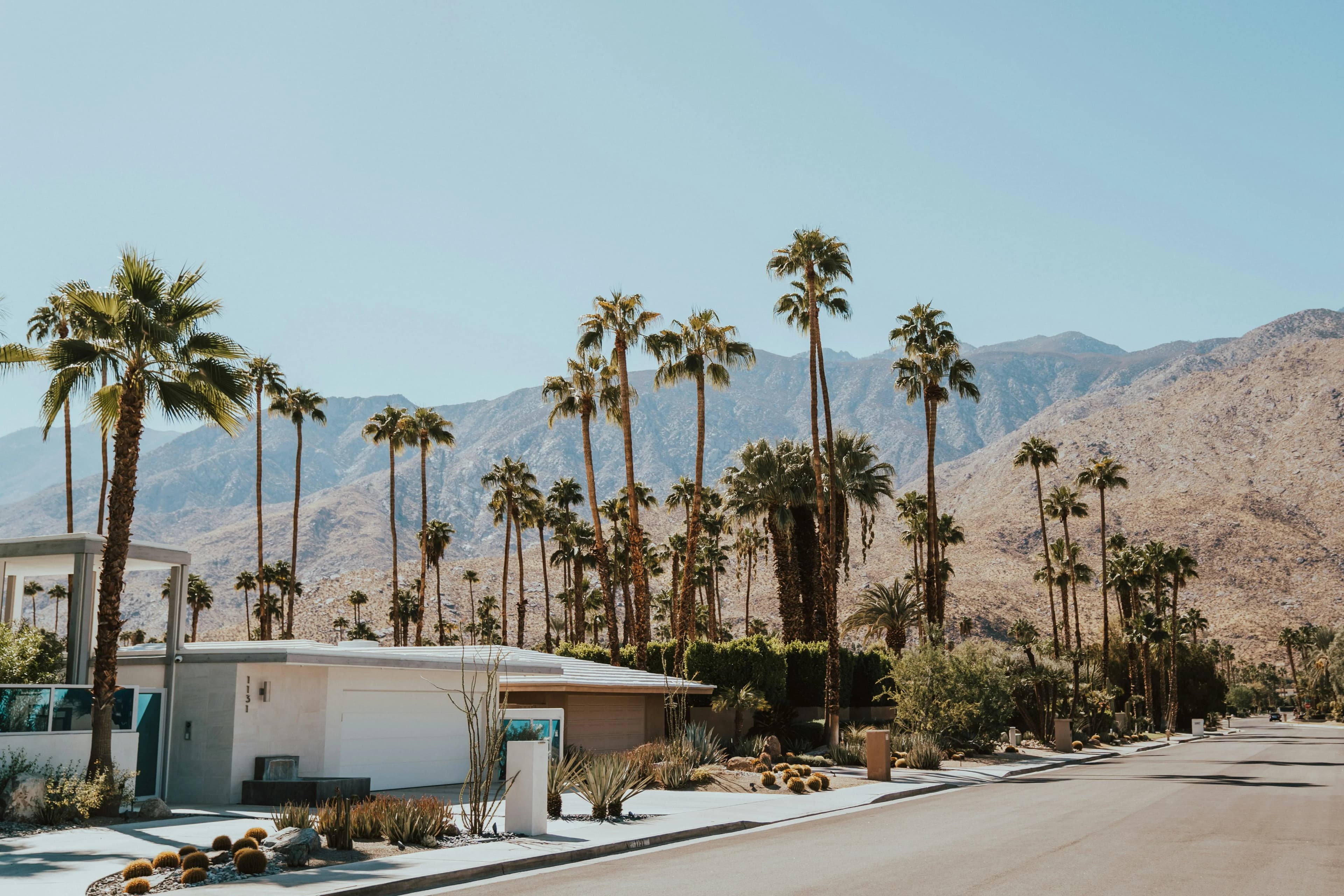
Palm Springs & Coachella valley, United States
23 hotels
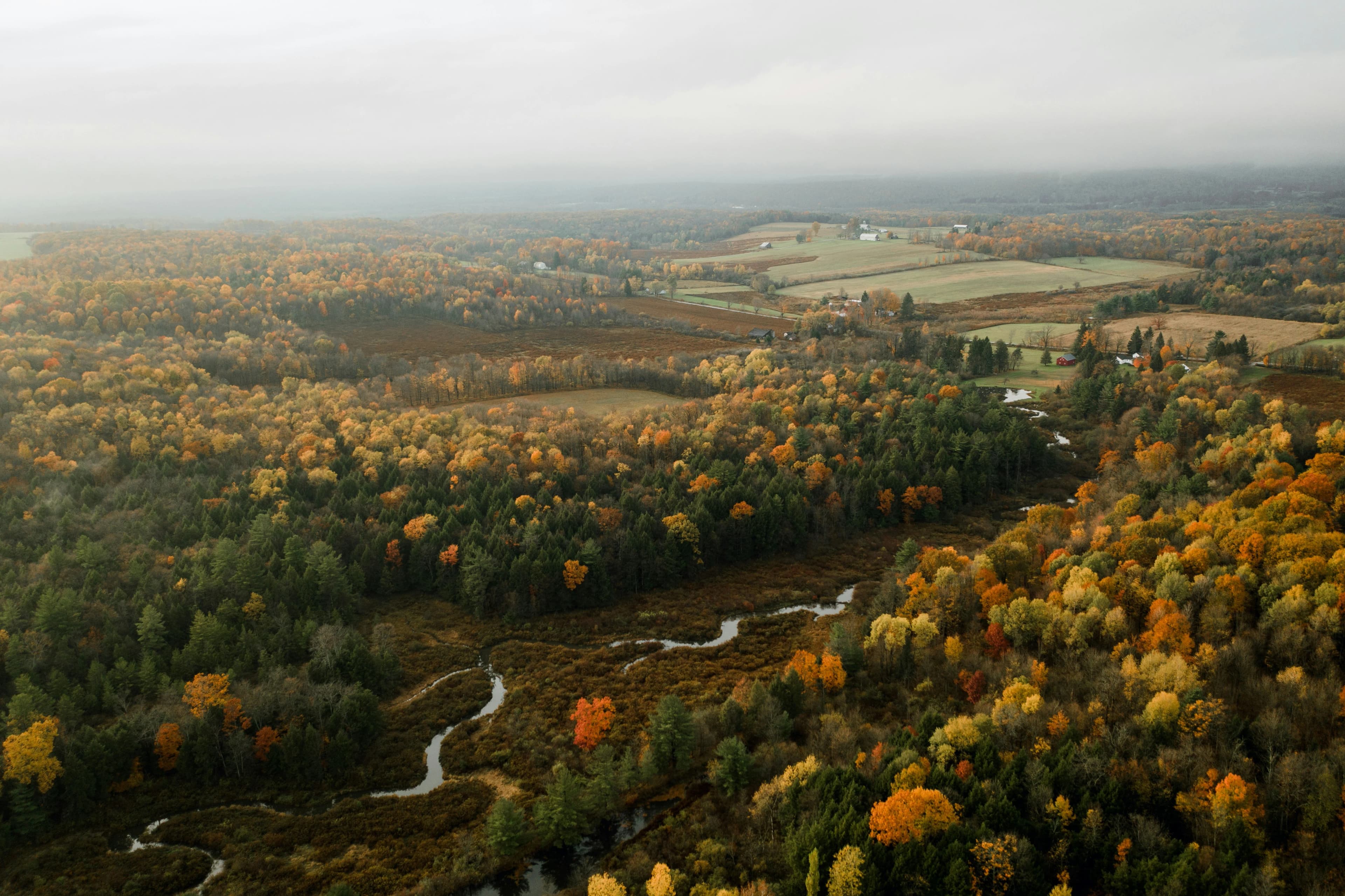
Pennsylvania
30 hotels

Rhode Island
7 hotels
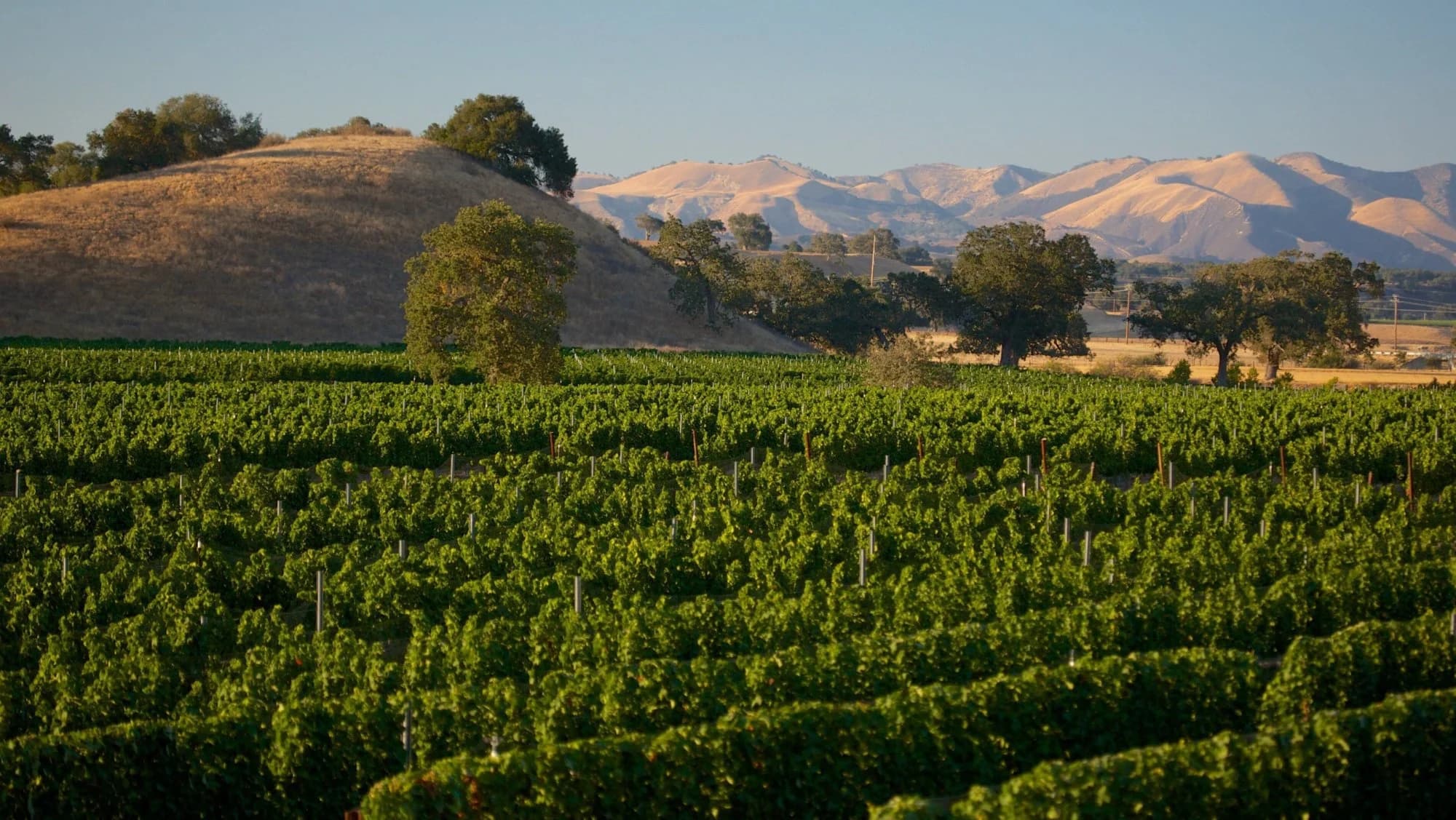
Santa Barbara wine country, United States
2 hotels
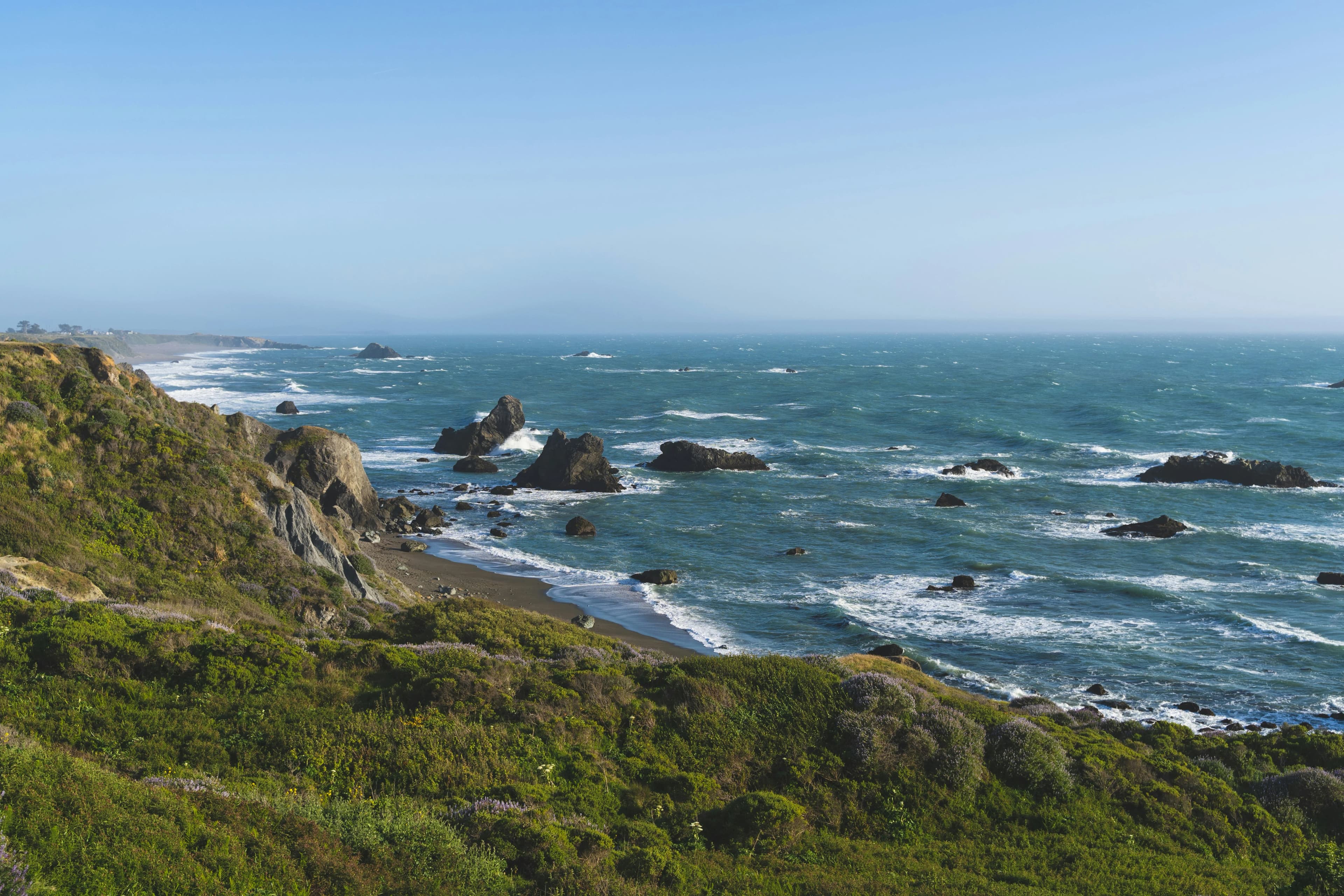
Sonoma wine country, United States
11 hotels
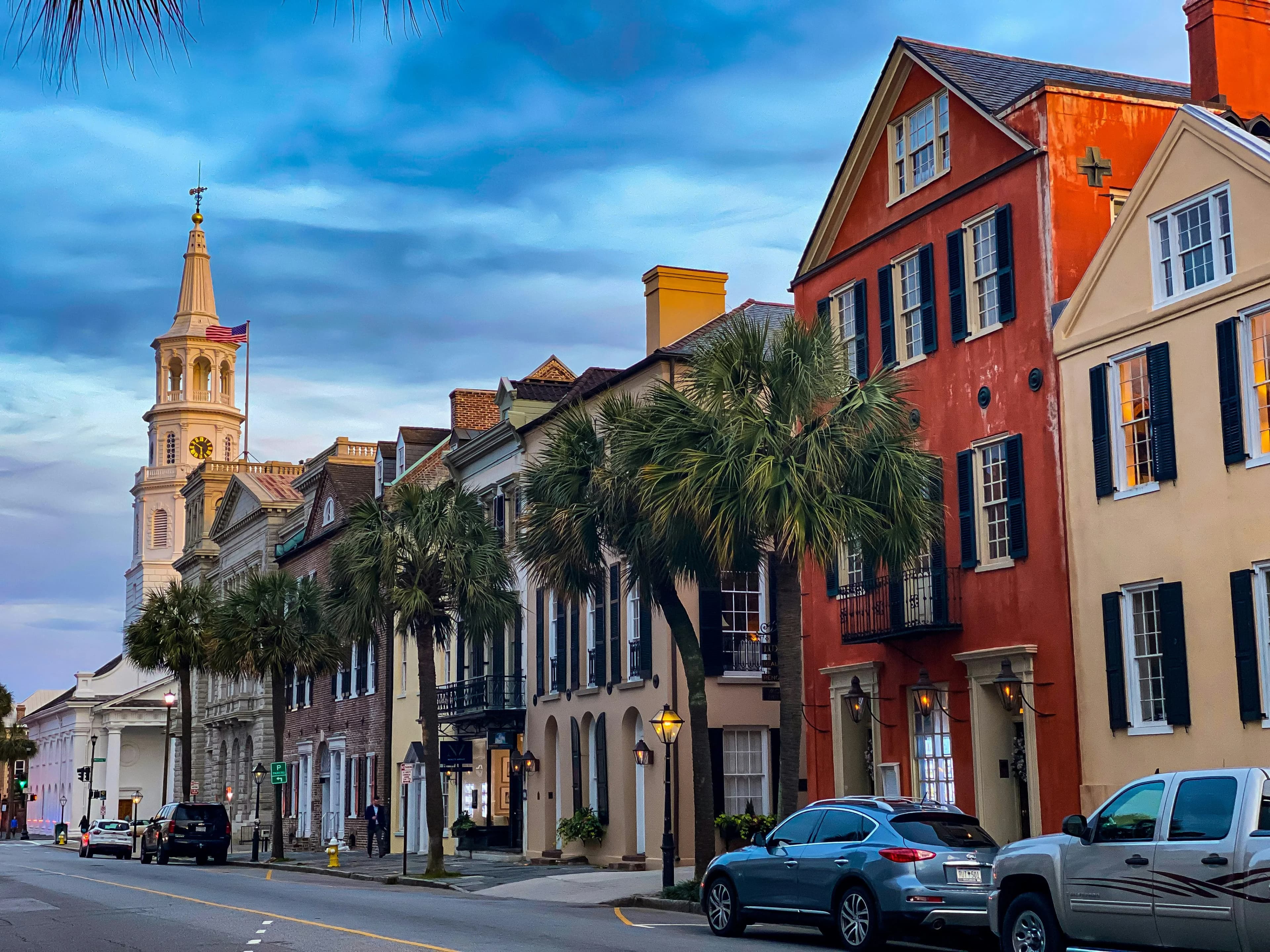
South Carolina
48 hotels
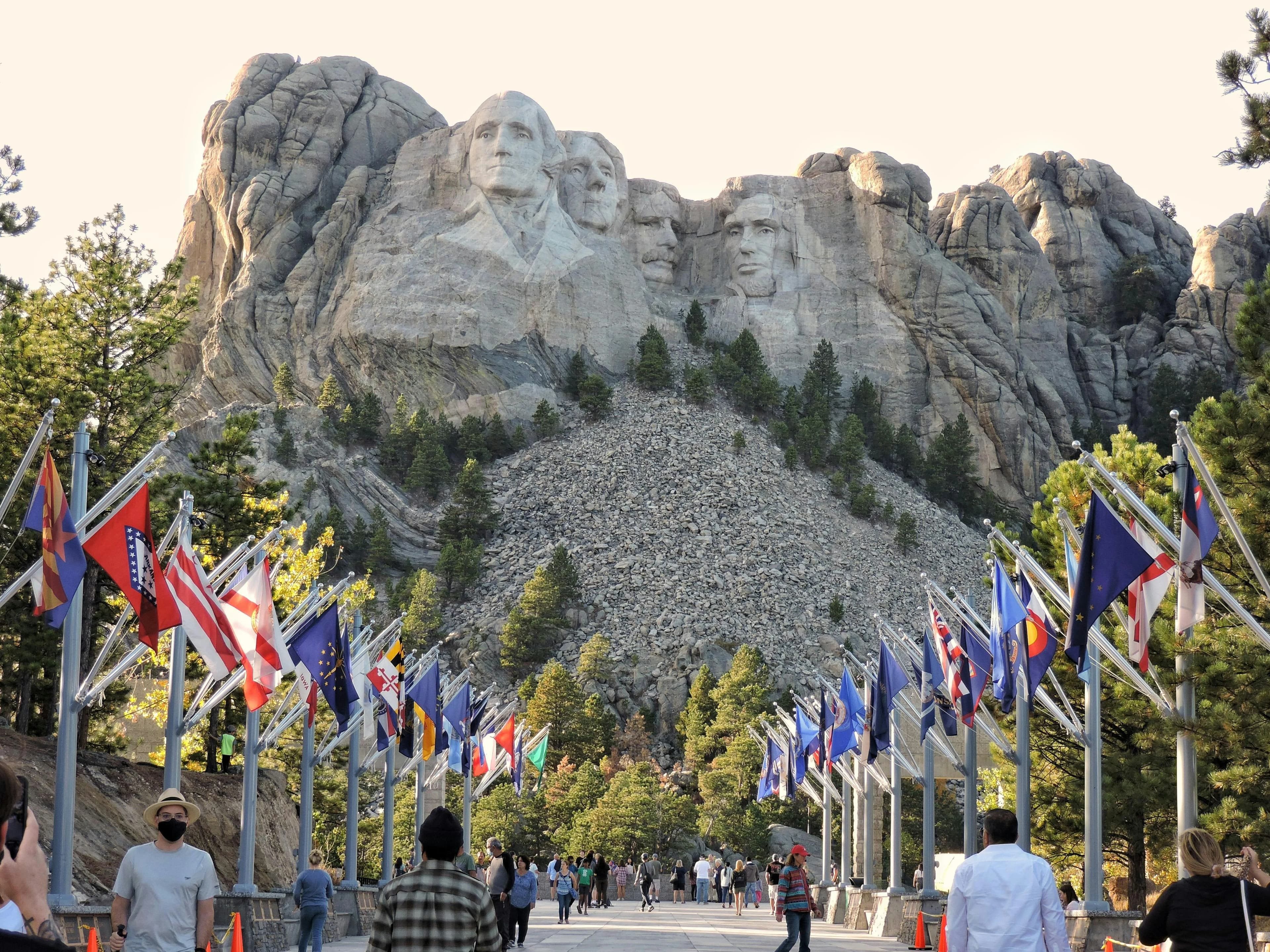
South Dakota
4 hotels

Tennessee
42 hotels
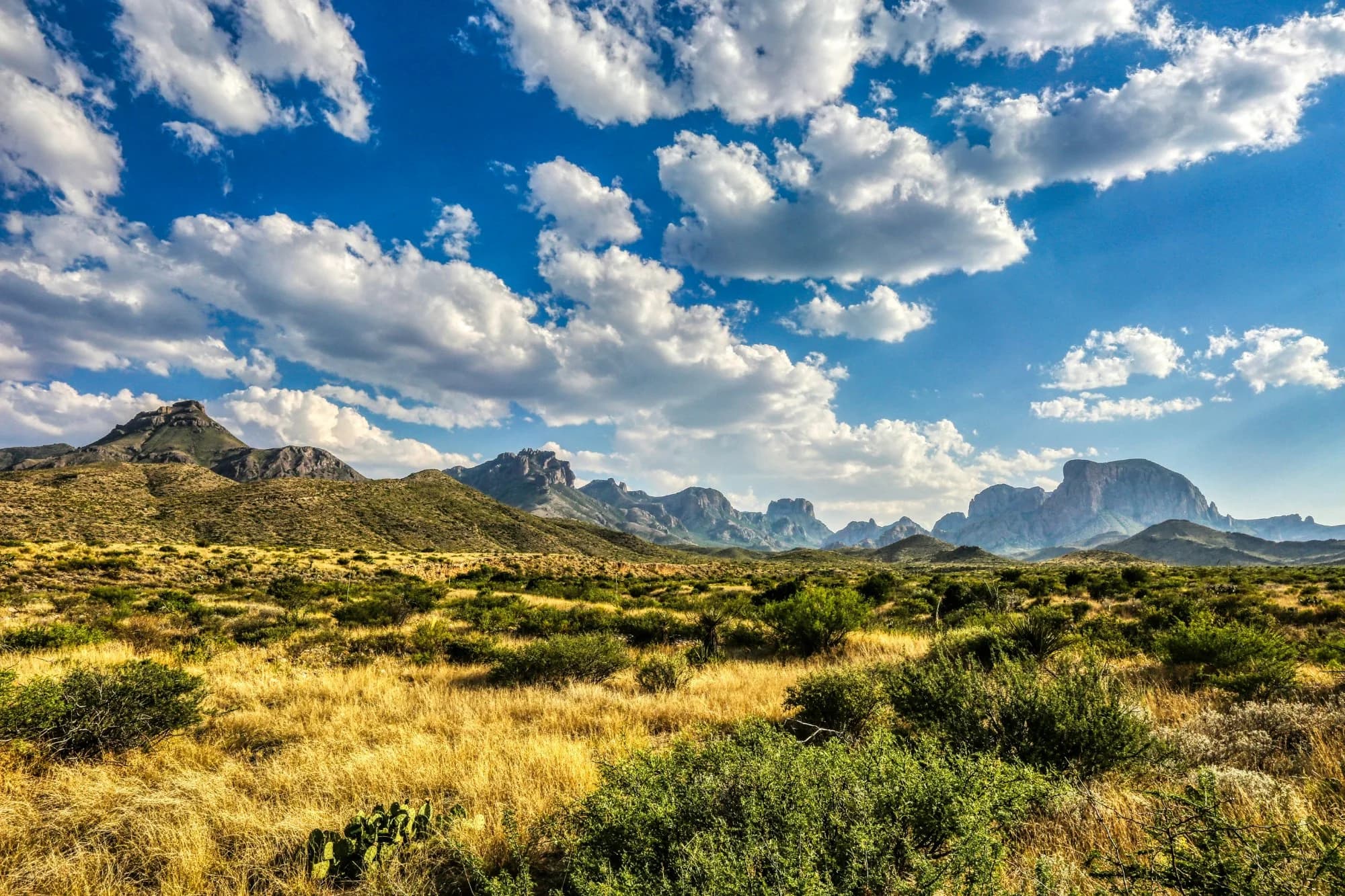
Texas
120 hotels
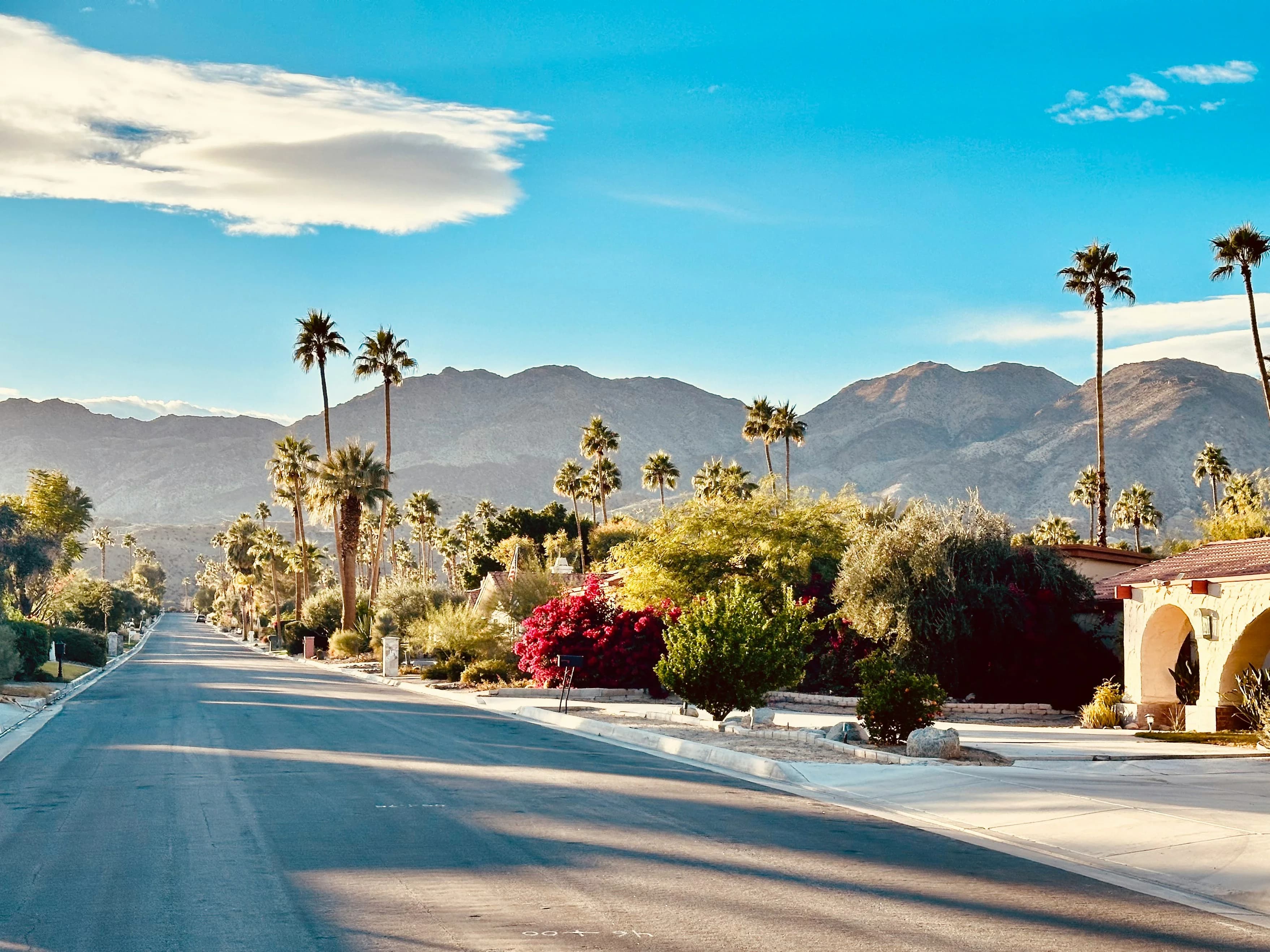
The Coachella Valley
23 hotels

The Hamptons
9 hotels
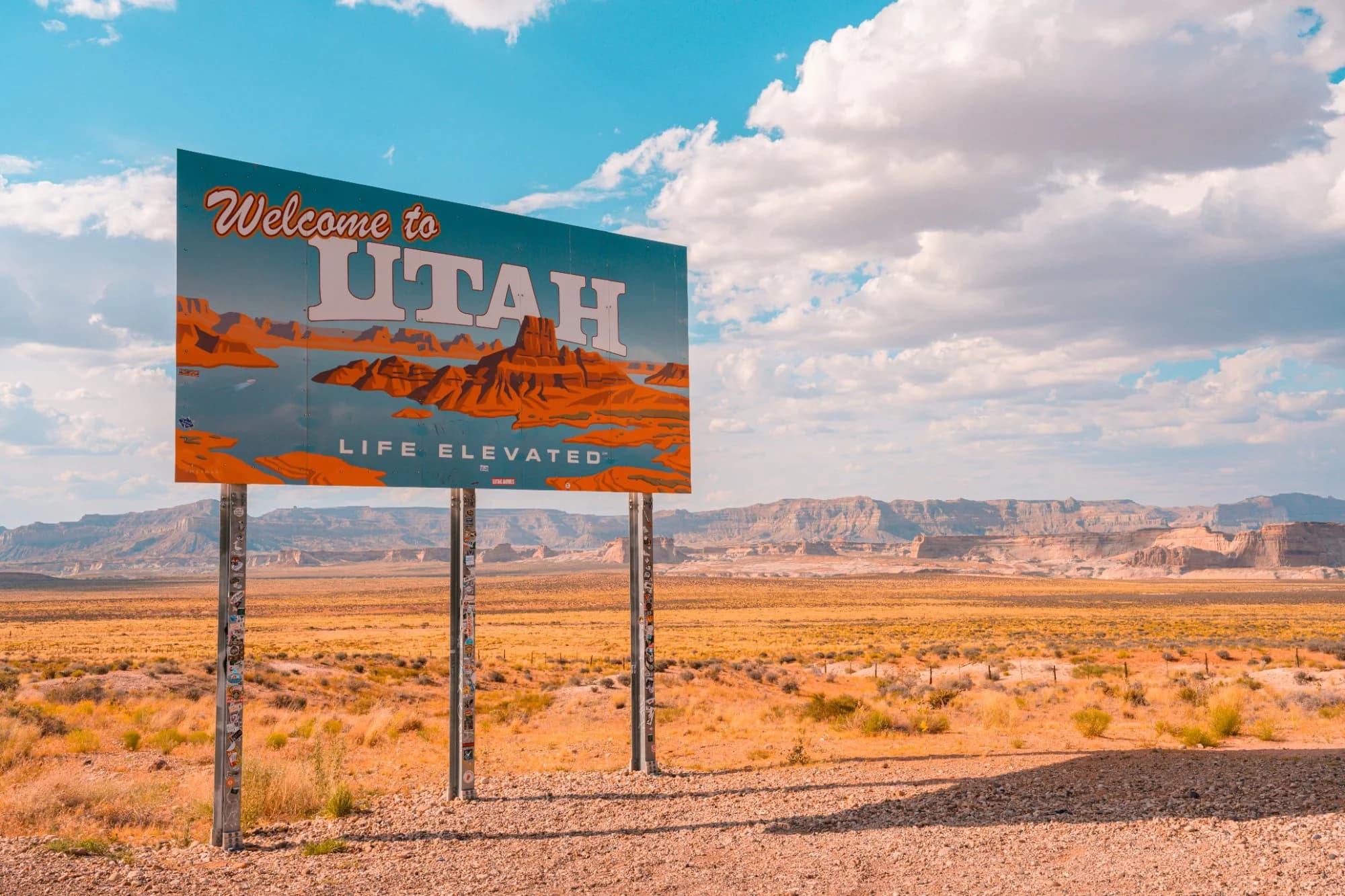
Utah
24 hotels
Vermont
12 hotels
Virginia
37 hotels

Washington
33 hotels
Washington
32 hotels
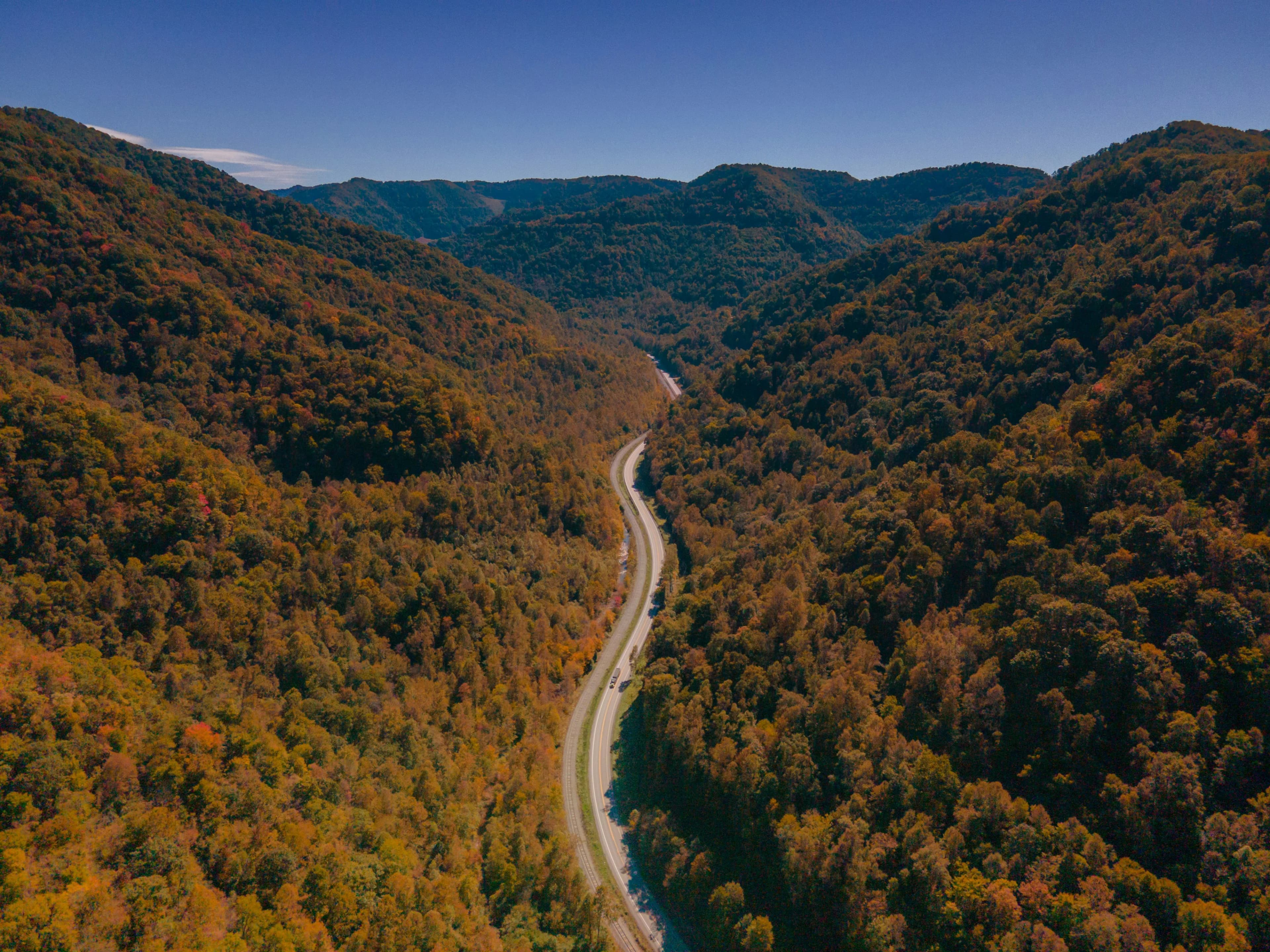
West Virginia
8 hotels
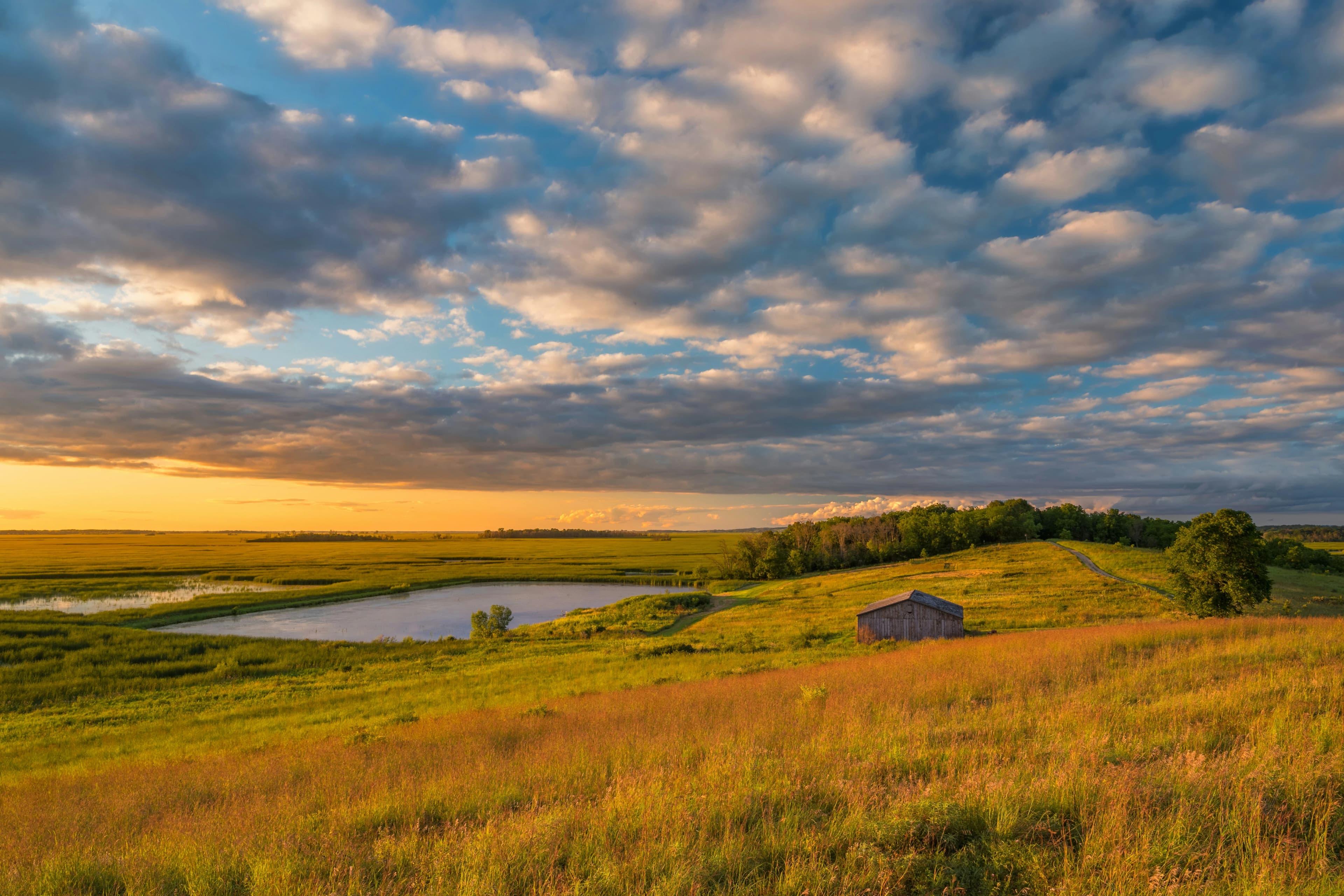
Wisconsin
13 hotels
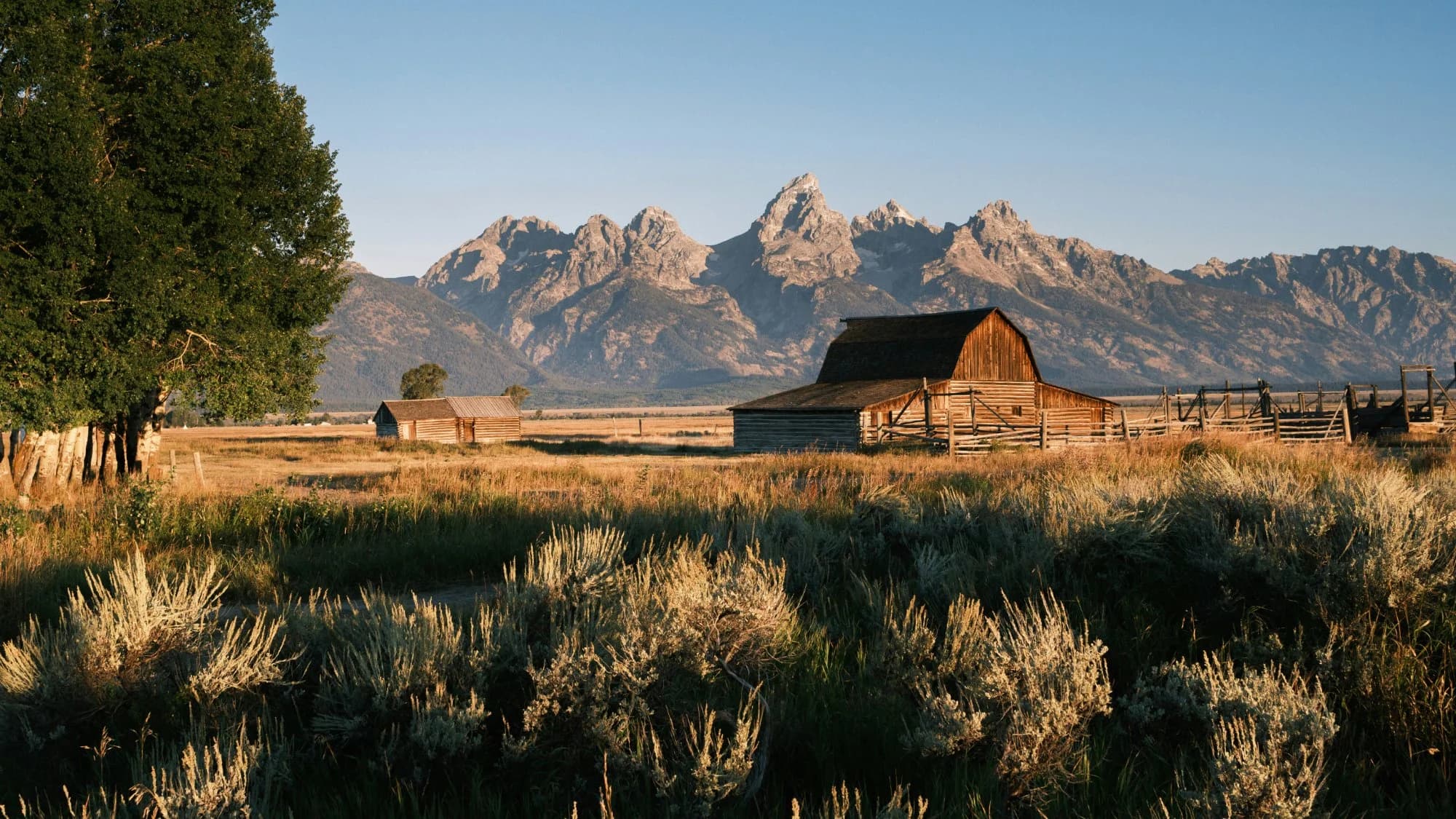
Wyoming
4 hotels
Our latest articles about United States

Suites at The Plaza New York: The timeless elegance of Manhattan's most iconic address
At the intersection of Fifth Avenue and Central Park, The Plaza has embodied since 1907 the purest expression of New York hospitality. Its signature suites, from the Pulitzer to the Grand Penthouse, tell a story of prestigious architecture where each space, each material and each view compose an intimate narrative. The Suite deciphers this art of hospitality that continues to define hotel excellence in Manhattan.
BY Jules Peulet

New York / Christmas: Suites with Central Park Views for an Exceptional Stay
Central Park blanketed in snow, illuminated by year-end festivities, offers an unparalleled spectacle from the upper floors of New York's most prestigious addresses. Between winter luxury and hushed intimacy, discover the signature suites that transform Christmas in Manhattan into an exceptional moment.
BY Jules Peulet

New York / December: Inside the Most Coveted Suites
December transforms Manhattan into a competitive arena for access to the most exclusive suites. Between structural scarcity and exponential demand, luxury hotels reveal the mechanisms governing seasonal luxury.
BY Jules Peulet
Where to stay: key regions for luxury hotel suites in the United States
California: from coastal restraint to desert precision
California accounts for some of the most architecturally considered luxury hotels in the country. Beverly Hills and West Hollywood anchor the southern end of California's prestige corridor, where suites tend toward old-Hollywood grandeur or contemporary minimalism depending on the property's era. Moving north, Santa Barbara offers a quieter, Spanish Colonial register. Big Sur and the Monterey Peninsula, including Monterey, provide some of the most dramatically sited suites on the continent, where the Pacific sets the visual tempo. The wine country around Napa, Healdsburg, Saint Helena, and Glen Ellen yields a particular style of rural luxury: estate-scale properties where the suite experience is structured around the agricultural calendar, private tastings, and considered stillness. In the desert interior, La Quinta and the broader Palm Springs area bring mid-century geometry and warm-season light into suite design.
The Southwest: landscape as primary material
Arizona and New Mexico produce a form of luxury hospitality that is inseparable from the land. Sedona and Scottsdale lead this register in Arizona, with suites oriented toward red rock formations or Sonoran desert panoramas. The best properties here use local stone, indigenous craft, and biophilic design to create an immersive spatial experience that cannot be replicated elsewhere. In New Mexico, Taos offers adobe architecture and high-altitude light within a deeply rooted cultural context. Utah brings its own logic: Park City, Springdale near Zion, and Sundance each present suites positioned within landscapes of extraordinary geological scale.
Hawaii: the Pacific luxury standard
Hawaii operates as a distinct luxury ecosystem. Wailea on Maui and Kailua-Kona and Ka'upulehu on the Big Island are among the reference points for Pacific-facing suite travel, where open-air architecture, lava-field terrain, and a slower sensory rhythm define the experience. Properties here are measured in part by the quality of their ocean access and the integrity of their indoor-outdoor suite design.
The South and Gulf Coast
New Orleans is architecturally singular: Creole townhouses, plantation-era proportions, and cast-iron detailing create a suite environment found nowhere else in the country. The Gulf Coast, represented by destinations such as Gulf Shores, adds a quieter coastal counterpoint. Austin and Dallas in Texas represent the new generation of American luxury hospitality, where independent and boutique properties are increasingly setting the design agenda alongside established hotel groups.
The Northeast and Mid-Atlantic
The Northeast corridor, from Cambridge to Sag Harbor on Long Island's East End, carries a different kind of prestige: older money, architectural restraint, and an expectation of privacy over display. Chicago in the Midwest anchors the country's strongest urban luxury hotel market outside New York, with a skyline and architectural heritage that inform some of the most spatially intelligent suites in the country.
When to visit: seasonality and suite availability
The United States spans multiple climate zones, which means timing is highly destination-specific. Hawaii and the Southwest desert regions are most comfortable between October and April, when temperatures moderate and visitor volumes remain manageable at the upper tier. California wine country peaks between late August and November, coinciding with harvest season and the highest demand for estate-linked suites. The Northeast and Pacific Northwest offer their most temperate conditions from June through September, with suite availability tightening in July and August. For travelers drawn to mountain destinations such as Park City or Sundance, both ski season (December to March) and summer yield distinct suite experiences at contrasting price points. Booking three to six months in advance is standard practice for the best-positioned suites in high-demand periods.
Understanding luxury hotel standards in the United States
The American luxury hotel market does not operate under a single national prestige classification equivalent to France's Palace designation. Instead, quality is signaled through a combination of brand affiliation (Aman, Four Seasons, Rosewood, Auberge, and similar independent or collection operators), design pedigree, and reputation within the high-net-worth travel community. Independent boutique properties, particularly in wine country and coastal destinations, often deliver a more considered suite experience than their larger branded counterparts, with a stronger emphasis on site-specific design and personalised service ratios. When evaluating a luxury hotel suite in the United States, the relevant criteria include suite footprint and layout, the quality of outdoor or terrace space, the caliber of in-suite amenities, and the property's relationship to its surrounding landscape or urban context.
How to choose the right luxury suite in the United States
The scale of the country makes destination selection the primary decision. Once a region is identified, the architectural register becomes the next filter: historic properties adapted from industrial or institutional buildings (warehouses, banks, courthouses) offer a different spatial experience from purpose-built resort suites or mid-century desert properties. Consider whether the suite is designed for urban engagement or deliberate withdrawal. Coastal suites in California or Hawaii are typically oriented around exterior views and access, while mountain or desert suites prioritise enclosure, warmth, and material texture. For families or extended-stay travelers, suite floor plans with distinct living and sleeping zones are a practical requirement rather than a luxury add-on. Service philosophy also varies significantly: some of the most highly regarded properties in the American luxury market operate with a minimalist service model that values discretion and autonomy over formal attention.
Why a curated selection by La Suite matters here
The American luxury hotel market is large, marketed aggressively, and difficult to navigate without a reliable editorial filter. Pricing, positioning, and photography do not always correspond to actual suite quality or spatial integrity. La Suite applies a consistent curatorial logic across all listed properties in the North American market, selecting only those where the suite experience itself justifies the stay. This means evaluating not just the room, but the property's design coherence, its service architecture, its relationship to location, and the degree of genuine privacy it affords. For a country where the difference between a well-marketed average suite and a genuinely exceptional one can be considerable, curation is the most practical tool a discerning traveler has.
Frequently asked questions
What are the best regions in the United States for luxury hotel suites?
California, Hawaii, the American Southwest, and the Northeast all offer distinct luxury hotel suite experiences. California ranges from coastal properties in Big Sur and Santa Barbara to wine country estates in Napa and Healdsburg. Hawaii, particularly Maui and the Big Island, is notable for Pacific-facing suites with open-air architecture. The Southwest, including Sedona and Scottsdale, offers suites defined by desert landscape and indigenous design references.
When is the best time to book a luxury suite in the United States?
Timing depends heavily on the region. Hawaii and the Southwest are most comfortable from October through April. California wine country peaks during harvest season, from late August to November. The Northeast and Pacific Northwest are best from June through September. Booking three to six months in advance is advisable for premium suites during high-demand periods.
How do American luxury hotels compare to European Palace-standard properties?
The United States does not use a formal Palace classification as France does. Quality is instead signaled through brand affiliation (Aman, Four Seasons, Rosewood, Auberge), design pedigree, and reputation. Independent boutique properties, especially in wine country and coastal destinations, frequently match or exceed the suite experience of larger branded hotels, often with stronger site-specific design and higher service-to-guest ratios.
What should I look for when choosing a luxury hotel suite in the United States?
The primary filters are location, architectural register, and suite floor plan. Consider whether the property is designed for urban engagement or landscape immersion, and whether the suite layout offers distinct living and sleeping zones. The quality of outdoor or terrace space, the caliber of in-suite amenities, and the property's design coherence relative to its setting are all reliable indicators of genuine suite quality.
Are there luxury hotel suites in the United States designed for extended stays?
Yes, a number of properties across California, Hawaii, and the Southwest are specifically configured for extended stays, with suites offering full kitchen facilities, separate living areas, and dedicated workspace. Wine country estates and desert resort properties in particular tend to attract guests staying four nights or more, and their suite programming reflects that expectation.
What is the difference between a resort suite and an urban luxury suite in the United States?
Resort suites, typically found in Hawaii, coastal California, or desert destinations, prioritise outdoor space, landscape orientation, and physical separation from other guests. Urban suites in cities such as Chicago, San Francisco, or Los Angeles tend to emphasise architectural design, skyline or cityscape views, and proximity to cultural and gastronomic resources. The service model also differs: resort properties often offer more immersive on-site programming, while urban properties facilitate external cultural engagement.
Which United States destinations are best for a luxury suite focused on privacy?
Big Sur, Rancho Santa Fe, Sedona, and the more remote wine country addresses such as Glen Ellen or Kenwood offer the highest degree of physical privacy, with properties set on significant land holdings and limited guest counts. Hawaii's west-facing resort clusters, including Ka'upulehu and Wailea, also provide strong privacy through suite positioning and site layout.
Do luxury hotels in the United States offer suites with private pools?
Private plunge pools and splash pools are a standard feature at the top tier of resort suite offerings in Hawaii and the American Southwest. Some California coastal and wine country properties also include private outdoor soaking facilities. In urban markets, private terrace or rooftop access is the more common equivalent. Availability varies by property and suite category, and should be confirmed at the point of selection.
Is it worth booking a penthouse suite versus a standard luxury suite in the United States?
Penthouse suites in the United States typically offer substantially more floor area, dedicated upper-floor positioning, expanded terrace access, and in many cases a separate service entrance. In urban properties, the difference in view quality and light is often significant. For resort properties, the distinction may be less about elevation and more about suite footprint, private pool access, and the degree of separation from the main building's circulation.
How does La Suite curate luxury hotel suites in the United States?
La Suite applies a consistent editorial framework to every property it lists, evaluating suite quality on the basis of spatial design, service architecture, privacy, material quality, and the property's relationship to its location. The United States market is large and heavily marketed, which makes independent curation especially valuable. La Suite's selection process filters out properties where the suite experience does not match the positioning, giving travelers a reliable starting point for high-stakes booking decisions.