Barcelona's distinct areas for luxury suite stays
Immerse yourself in our exclusive selection of Barcelona’s most beautiful suites.
Eixample and Passeig de Gràcia
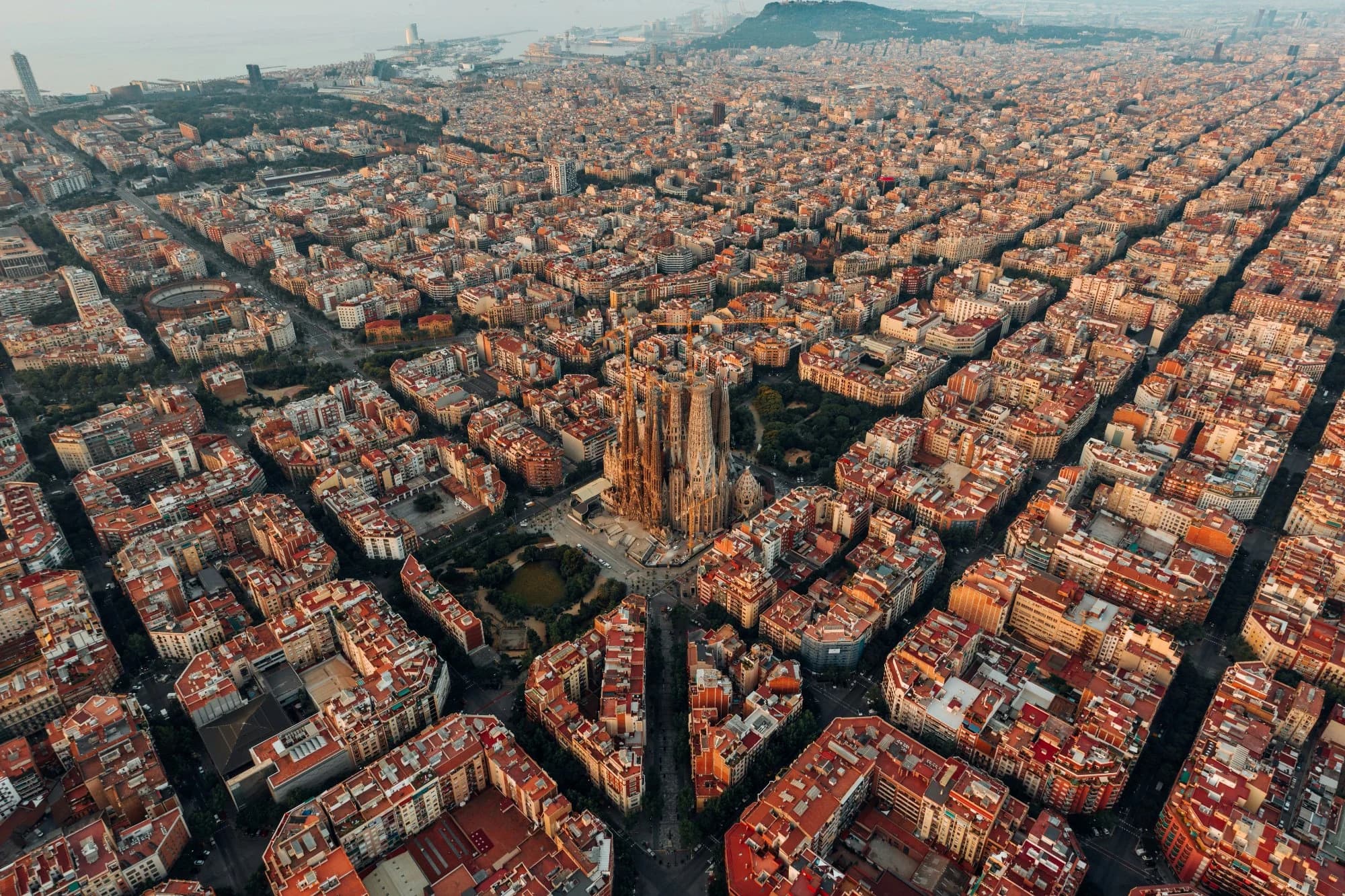
The Eixample district is the structural heart of Barcelona's luxury accommodation offer. Its 19th-century grid, designed by Ildefons Cerdà, houses some of the city's most prestigious hotel addresses along and around Passeig de Gràcia. The broad, tree-lined avenue serves as the city's primary axis for high-end retail, modernist landmarks, and five-star properties. Suites in this district tend to occupy the upper floors of Catalan modernisme buildings, offering direct sightlines over the octagonal street intersections that are particular to this urban plan.
Gothic Quarter and El Born
The older city fabric around the Gothic Quarter and the adjacent El Born neighbourhood offers a contrasting proposition. Roman walls, medieval lanes, and repurposed palaces define the streetscape. Luxury properties here are typically smaller in scale, more architectural in their conversion, and oriented toward travellers who prioritise historic depth over boulevard presence. El Born specifically has developed a dense concentration of design-led businesses and cultural venues, making it a natural base for the culturally motivated visitor.
Barceloneta and the waterfront
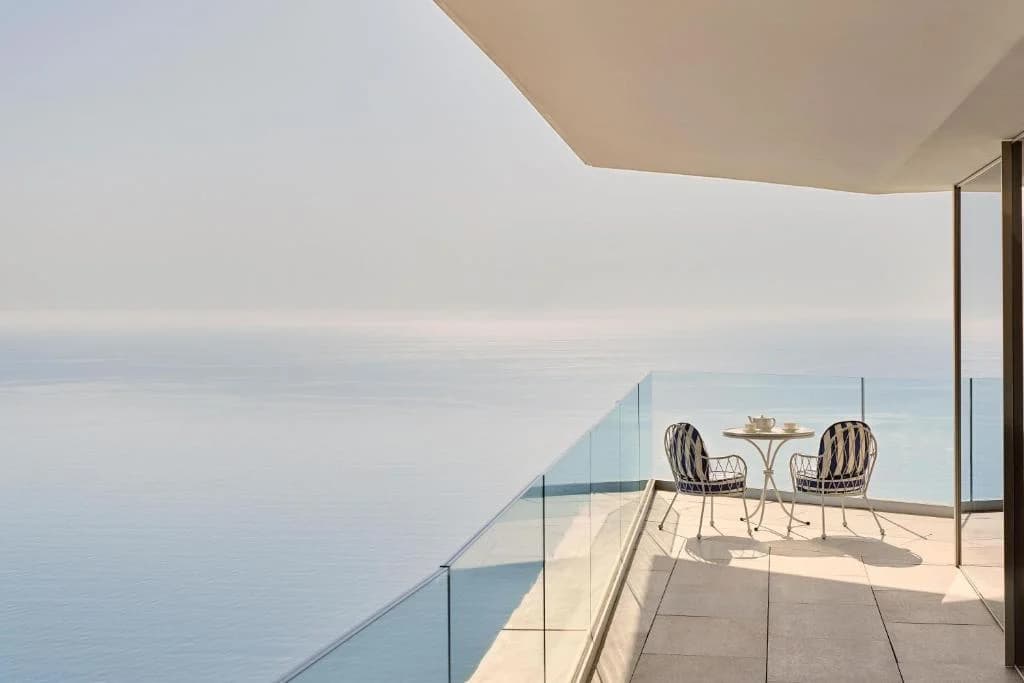
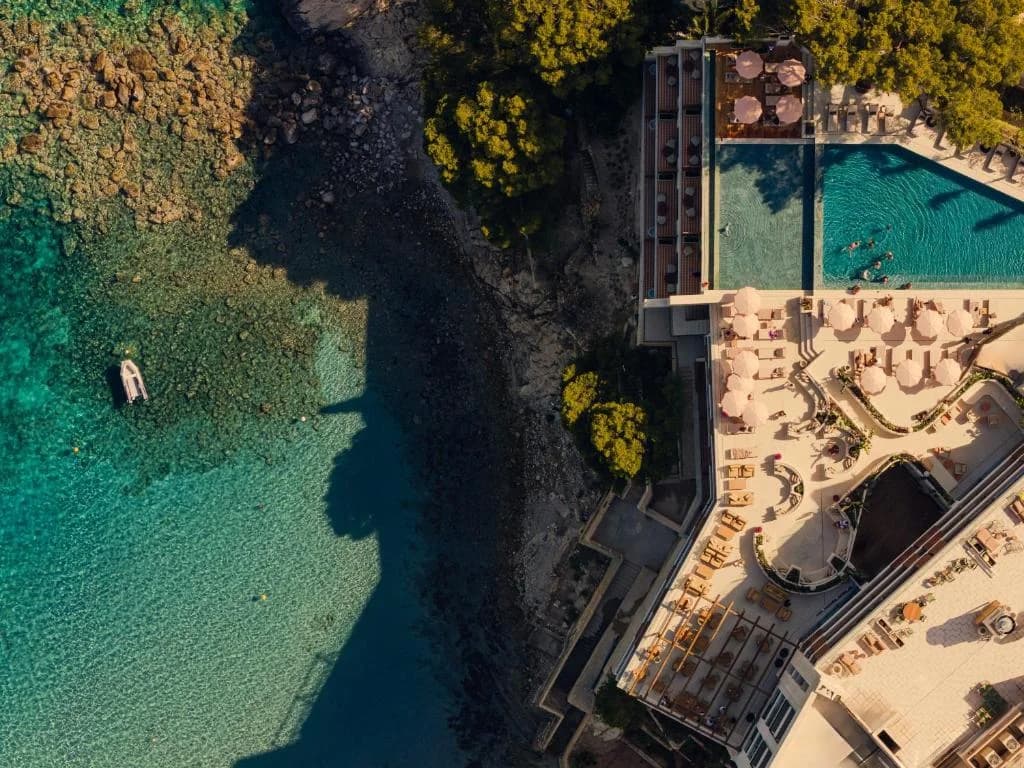
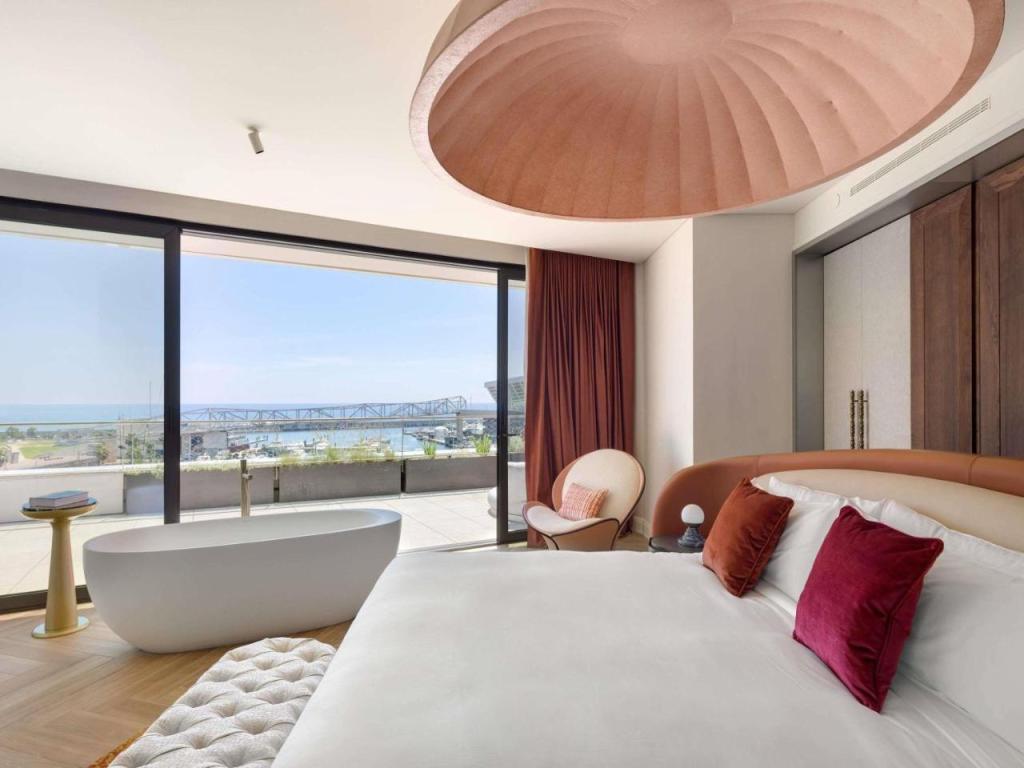
The coastal edge of the city, from the regenerated Port Olímpic to the Barceloneta beach district, offers a third typology. Properties here trade on Mediterranean light and sea proximity. Suites with direct sea views occupy a specific category of the market, appealing to travellers who want Barcelona's urban offer alongside immediate access to the water. The architecture is predominantly contemporary, a result of the substantial urban renewal that accompanied the 1992 Olympic Games.
Diagonal and upper Barcelona
The upper reaches of the city, along Avinguda Diagonal and toward the residential districts of Sant Gervasi and Pedralbes, host properties that appeal to a quieter, more residential experience. Away from the tourist density of the old city, suites in this zone offer a more private, less conspicuous base, with rapid access to the airport and Barcelona's principal business venues.
When to visit Barcelona for a luxury suite stay
Barcelona operates across a long tourist season, but the calendar has meaningful distinctions for the luxury traveller seeking both comfort and cultural access.
Spring, specifically April through June, represents the most balanced period. Temperatures are moderate, averaging between 15 and 22 degrees Celsius, the city is active without the compression of peak summer, and key cultural institutions operate full programmes. The Primavera Sound festival, held in late May or early June, draws a design and music-literate international audience and coincides with high suite demand.
July and August bring intense heat, with temperatures regularly exceeding 30 degrees Celsius, and the city reaches its maximum visitor density. Suites with private terraces and climate control become functional necessities rather than optional upgrades. Rates peak during this period, and availability at the most sought-after properties tightens considerably.
September and early October offer conditions that many seasoned travellers consider optimal. The summer crowds thin, sea temperatures remain warm, and the city returns to its working rhythm. The Mercè festival in late September marks a significant cultural moment in the civic calendar.
November through March is Barcelona's quietest luxury season. Rates are structurally lower, and the city's museums, galleries, and restaurants are more accessible. For travellers focused on architecture, gastronomy, and cultural programming rather than beach access, this period has a compelling logic.
Local luxury standards: what defines a top-tier suite in Barcelona
Spain does not operate a formal Palace designation equivalent to France's classification system. The Spanish hotel market uses the standard star rating framework, with five stars and five-star gran lujo (grand luxury) as the upper categories. In practice, the properties that constitute the genuine upper tier in Barcelona are distinguished by factors beyond their official rating.
Architectural provenance carries significant weight in Barcelona specifically. A suite occupying a restored moderniste building by architects associated with the Catalan movement, or a property with documented historical connection to the city's cultural life, commands a different status from a purpose-built contemporary tower, regardless of their respective room counts or amenity lists.
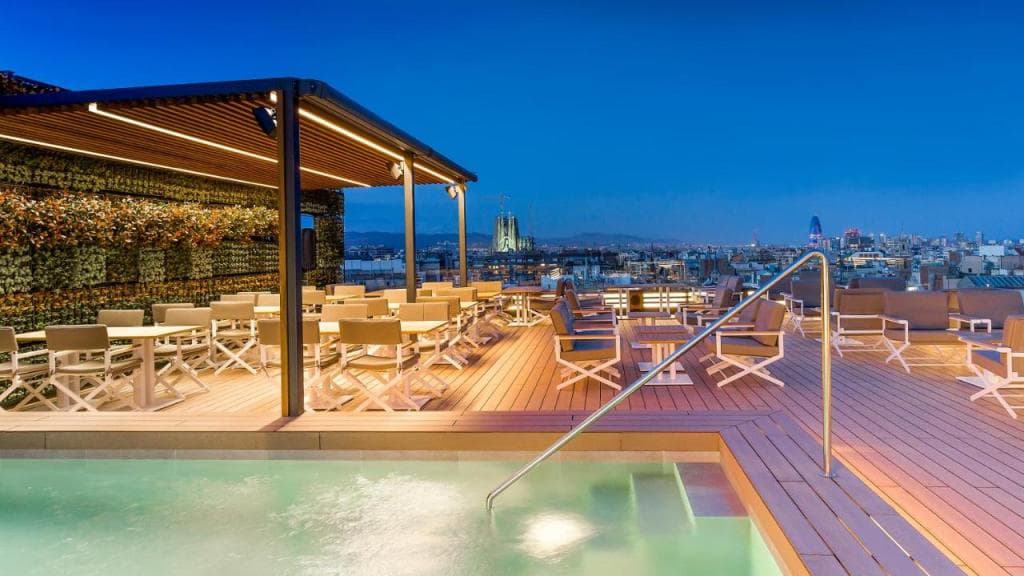
Terrace space is a defining variable. Barcelona's climate and urban density make private outdoor space a material differentiator. The best suites offer terraces with city or sea views, often with a direct relationship to the rooftop pool or spa infrastructure that characterises the top-tier hotel offer in this market.
Gastronomy is inseparable from the Barcelona luxury experience. Properties with in-house restaurants holding Michelin recognition, or with demonstrated culinary programmes under chefs of established reputation, occupy a distinct position in the market. Barcelona's restaurant culture is serious and internationally recognised, and the best hotels engage with that culture rather than offering a parallel, disconnected food programme.
How to choose the right luxury suite in Barcelona
The decision framework for selecting a suite in Barcelona involves several considerations that are specific to this city's geography and character.
First, the question of district alignment. The choice between the architectural grandeur of Eixample, the historic density of the Gothic Quarter, the coastal orientation of the waterfront, or the residential quiet of upper Barcelona should be made in relation to the primary purpose of the visit. A trip structured around gastronomy and contemporary art points to different neighbourhoods than one organised around beach access or business commitments.
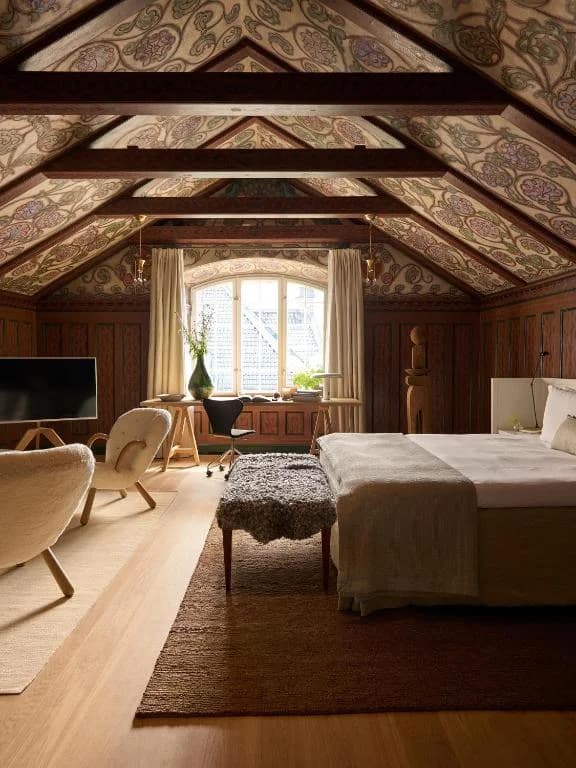
Second, the question of architectural register. Barcelona's hotel offer divides broadly between historic conversions and contemporary constructions. The former tend to offer spatial irregularity, original architectural details, and a particular relationship to the city's cultural identity. The latter offer technical consistency, views secured by height, and the operational efficiency of purpose-built luxury facilities.
Third, the question of scale. Barcelona's top-tier suites range from compact urban formats, typically one bedroom with a generous living area and terrace, to multi-room configurations that function as temporary residences. Families, corporate groups, and longer-stay travellers have materially different requirements, and the market accommodates all of them, though not at equal depth across all property types.
Noise and light exposure deserve attention specific to Barcelona. The city's social life extends late into the evening by Northern European standards, and proximity to pedestrianised streets or nightlife corridors has implications for the quality of rest in lower-floor suite configurations.
Why curated selection matters in Barcelona
Barcelona has a large and commercially active hotel market, with a substantial volume of properties presenting themselves as luxury options across booking platforms. The signal-to-noise ratio is a genuine challenge for the traveller with precise standards.
La Suite's approach to this market is curatorial and editorially rigorous. The selection process prioritises architectural integrity, the actual quality of suite-specific infrastructure (terrace scale, view, bedroom separation, bathroom specification), and the coherence of the broader guest experience. A property's brand affiliation or marketing positioning is not a sufficient qualifier on its own.
For a city like Barcelona, where the gap between a well-photographed hotel and a genuinely exceptional suite experience can be significant, the value of a curated selection by La Suite is direct and practical. It reduces the decision cost, removes the properties that trade on location without delivering on spatial quality, and surfaces the addresses where the suite itself justifies the category.