
Greece
Best Hotel Suites in Greece
Greece is not a single destination. Its luxury geography is a constellation of islands, peninsulas, and urban districts, each operating under distinct conditions of light, density, and access. Choosing the right location determines the character of the stay before a room is even selected.
Athens
8 hotels
Athens Riviera, Greece
3 hotels
Corfu (island), Greece
3 hotels
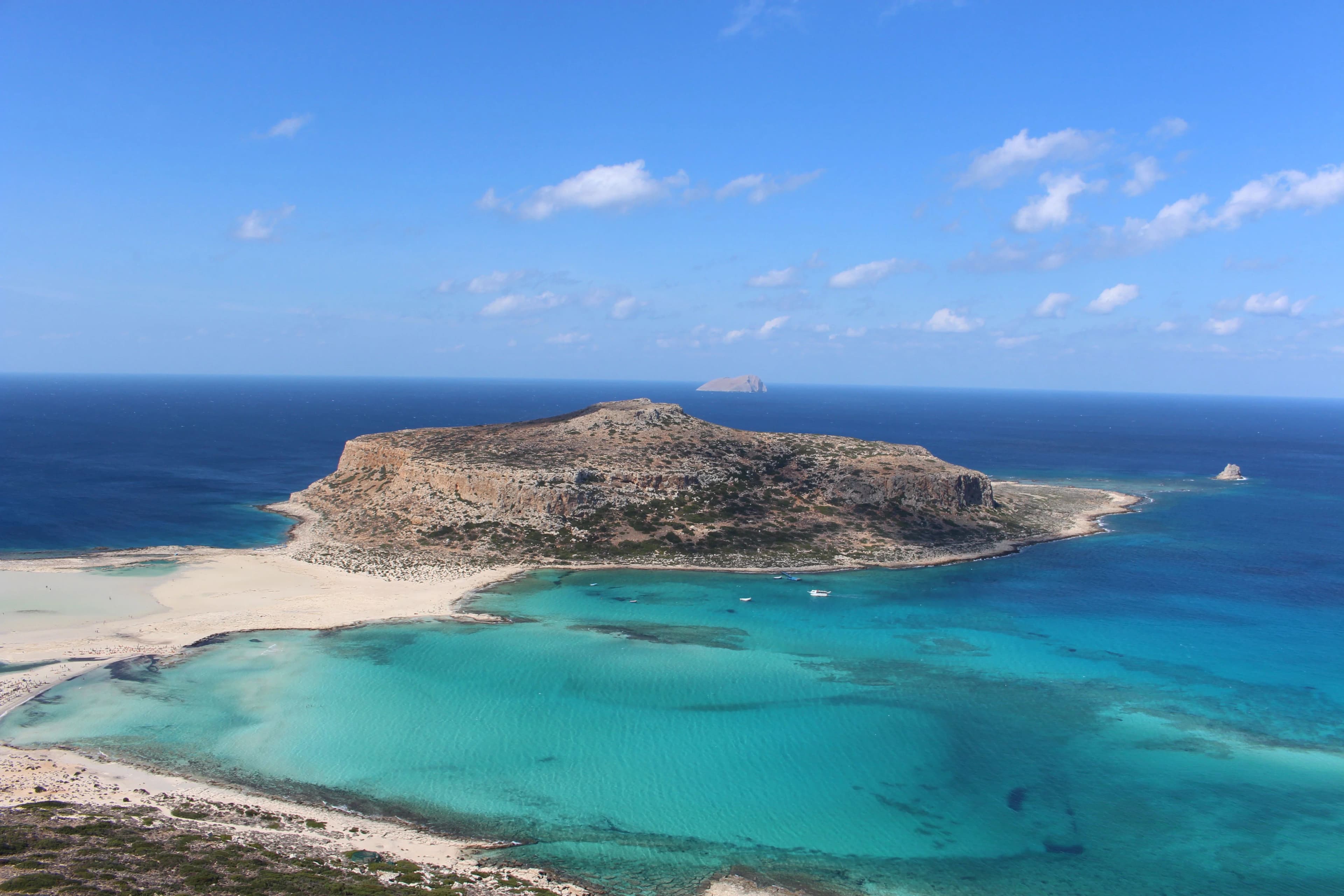
Crete (island), Greece
22 hotels
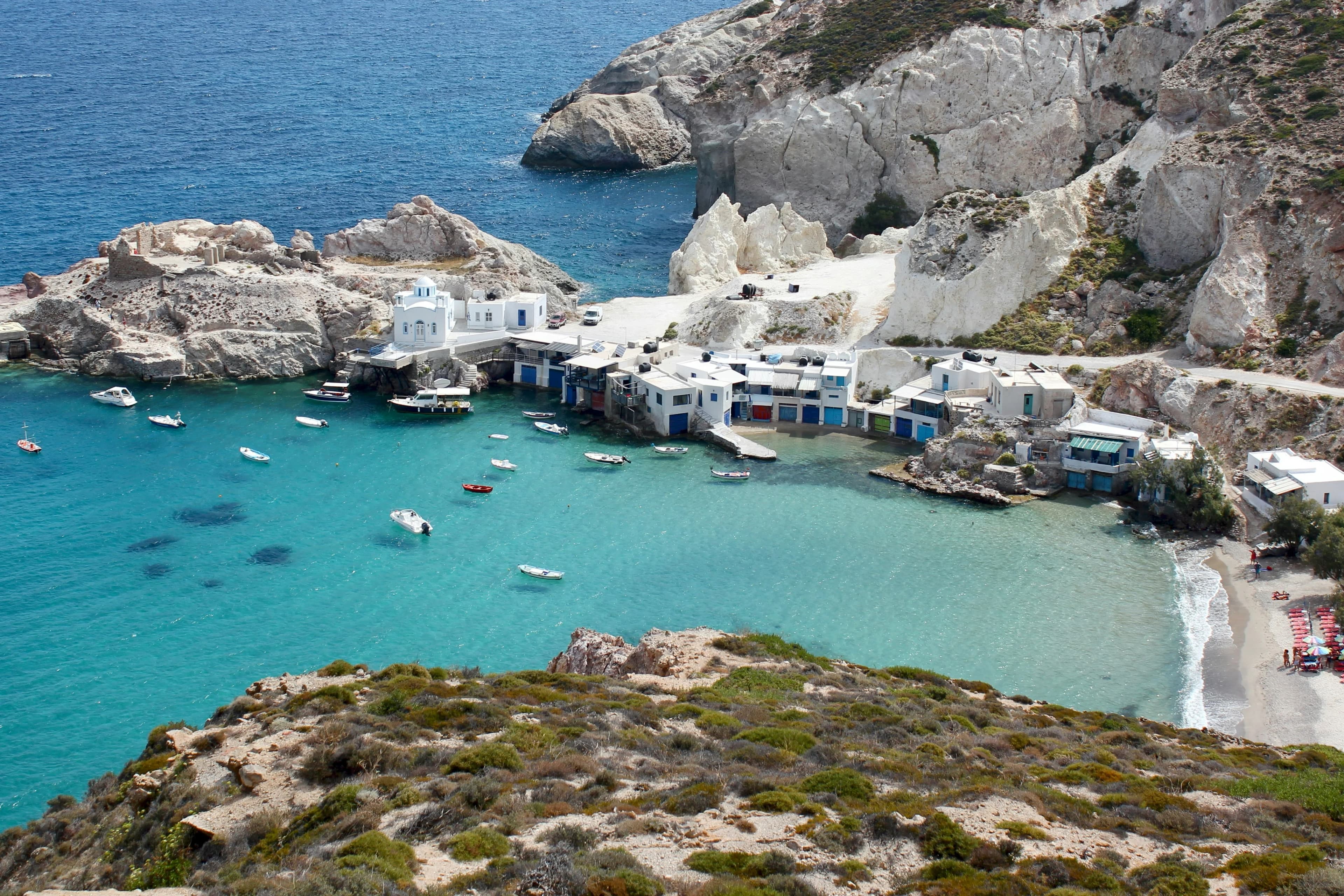
Cyclades, Greece
132 hotels
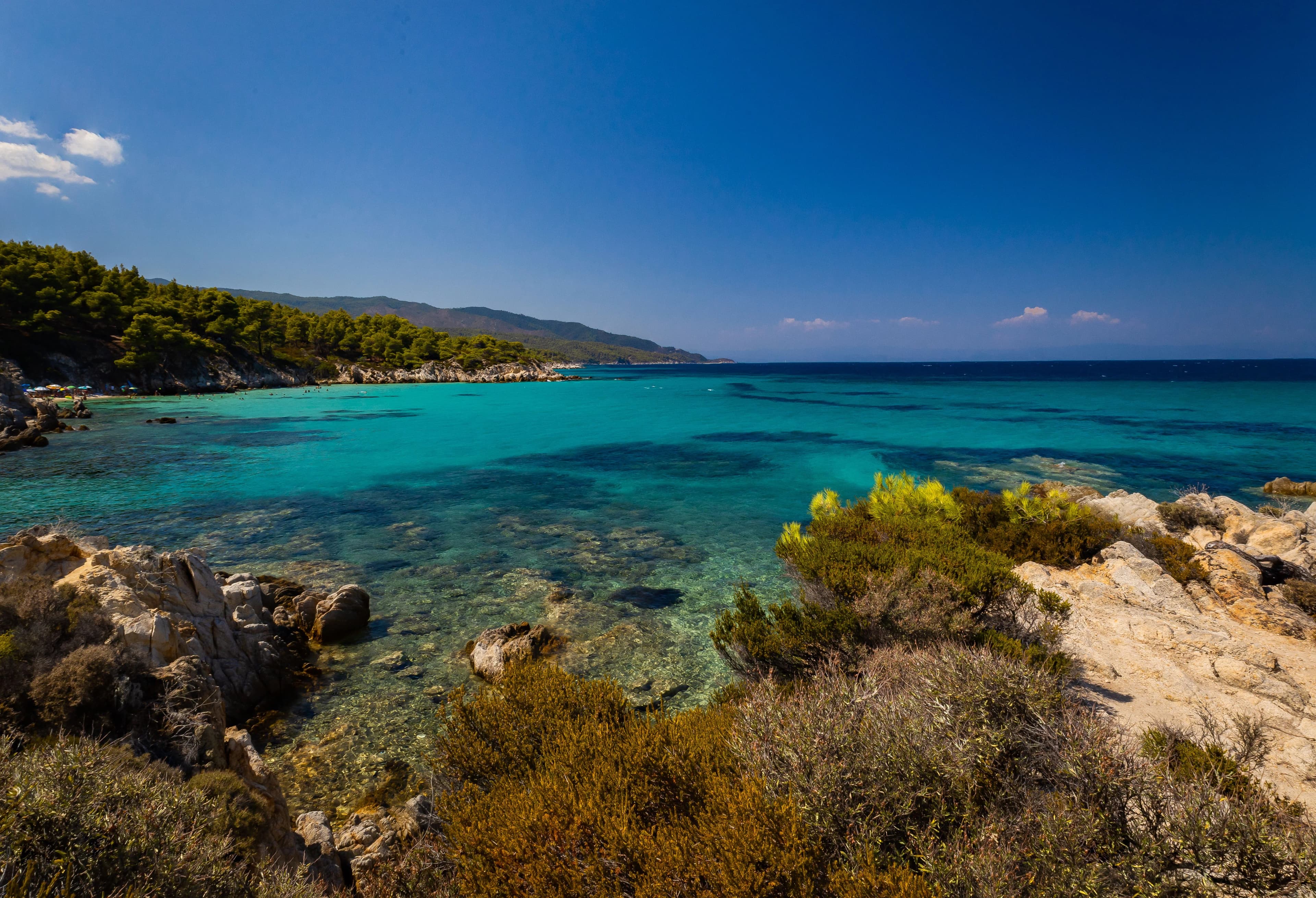
Dodecanese, Greece
3 hotels
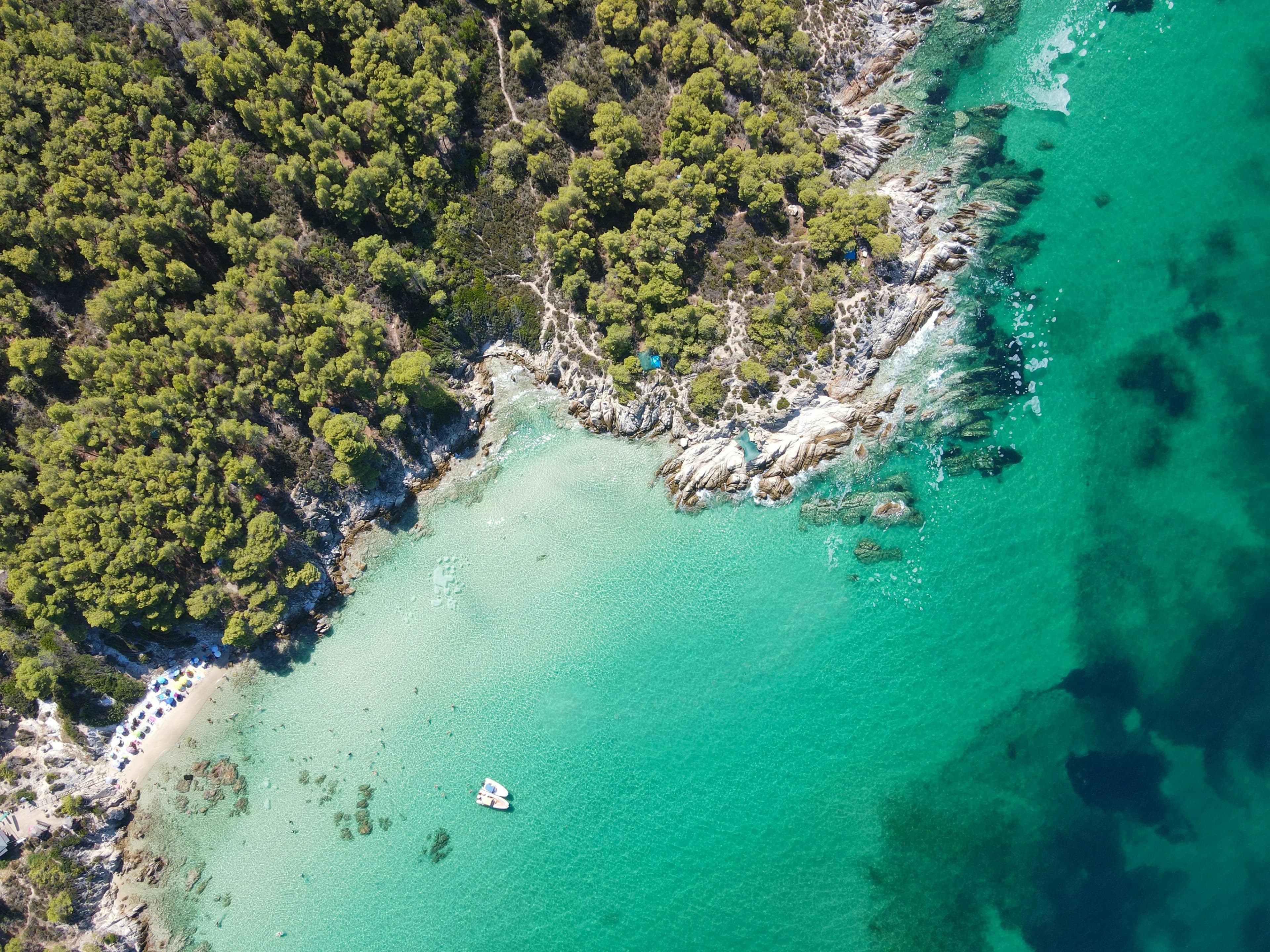
Halkidiki, Greece
2 hotels
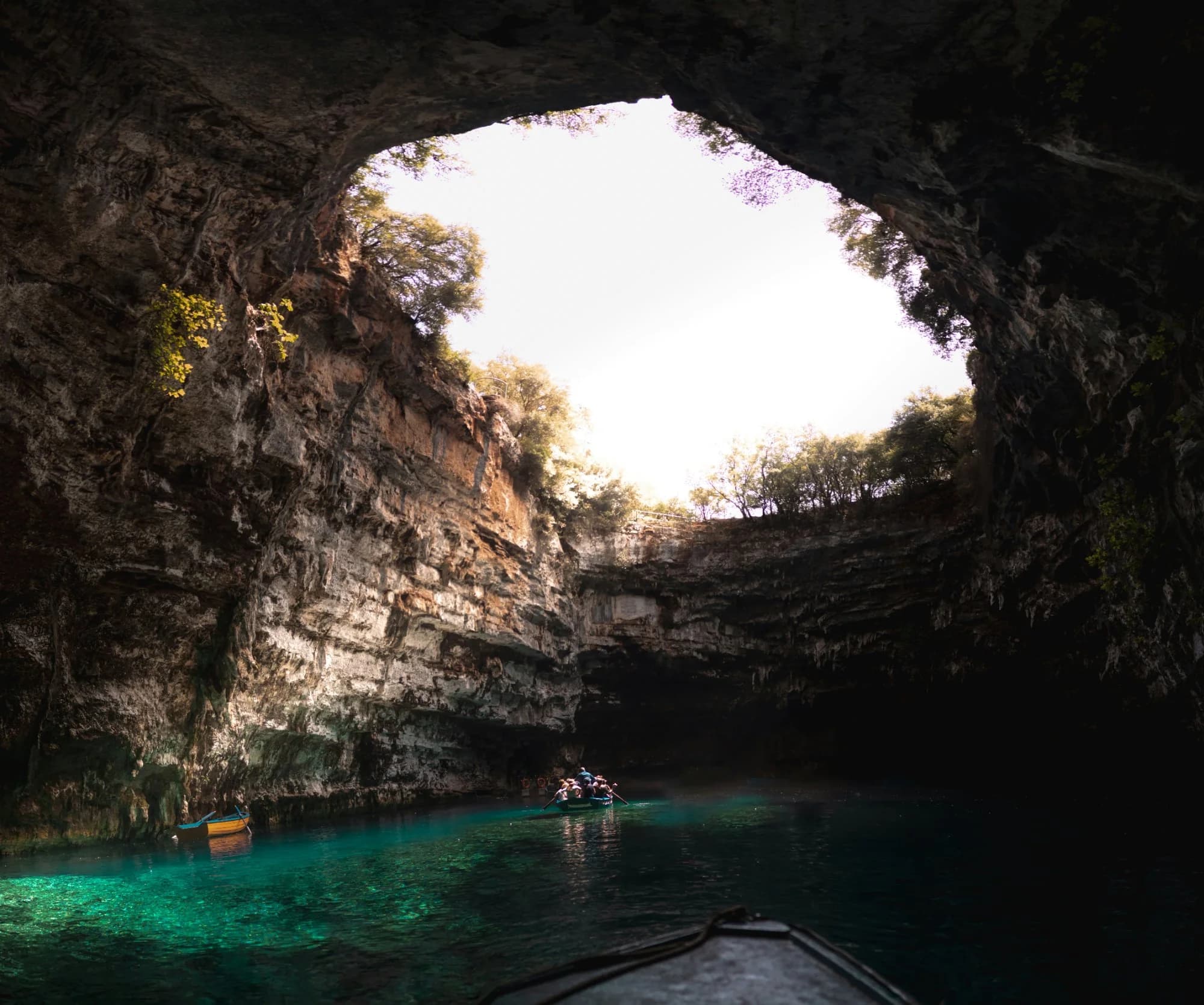
Kefalonia (island), Greece
2 hotels
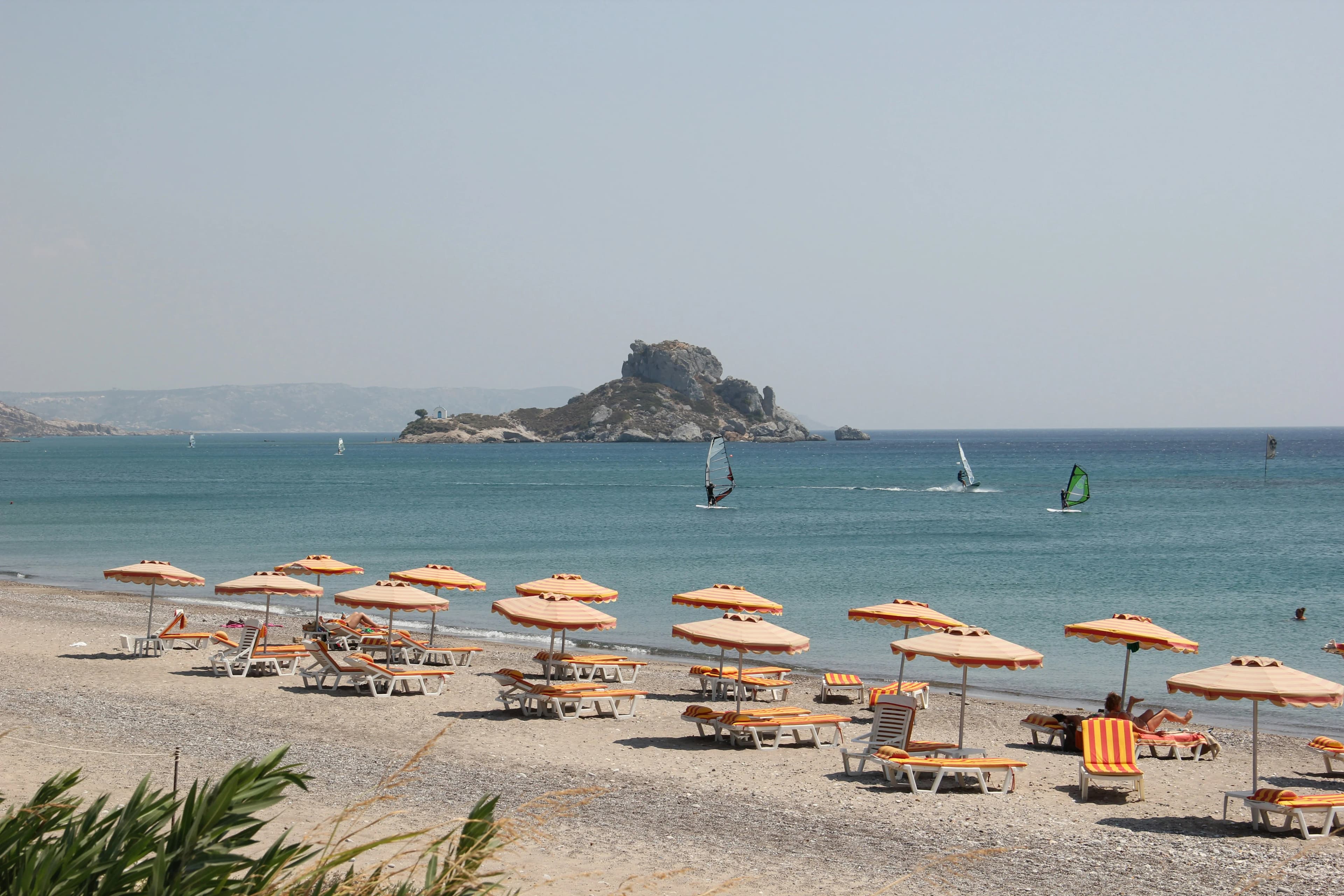
Kos (island)
3 hotels
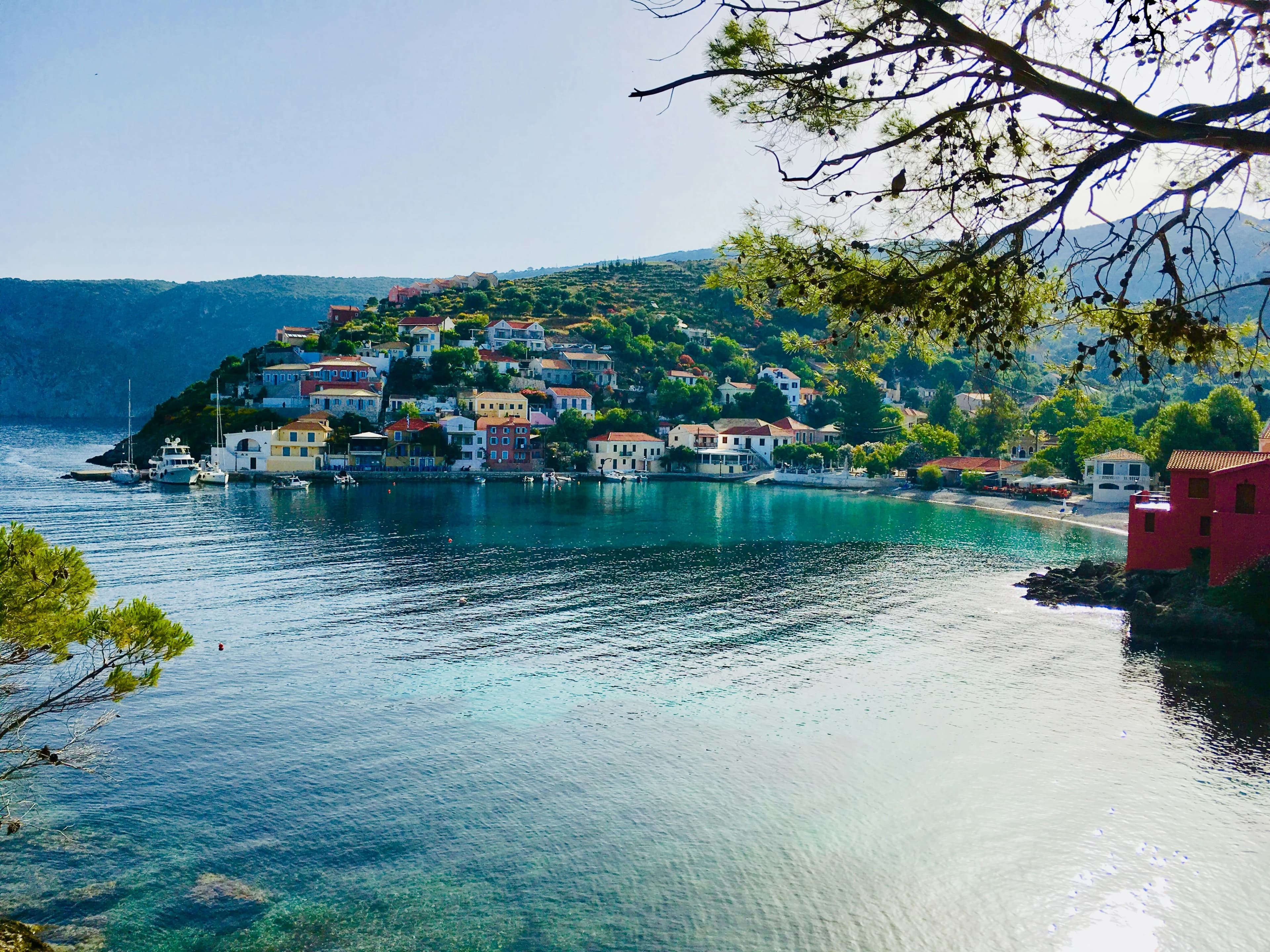
Mainland Greece
19 hotels
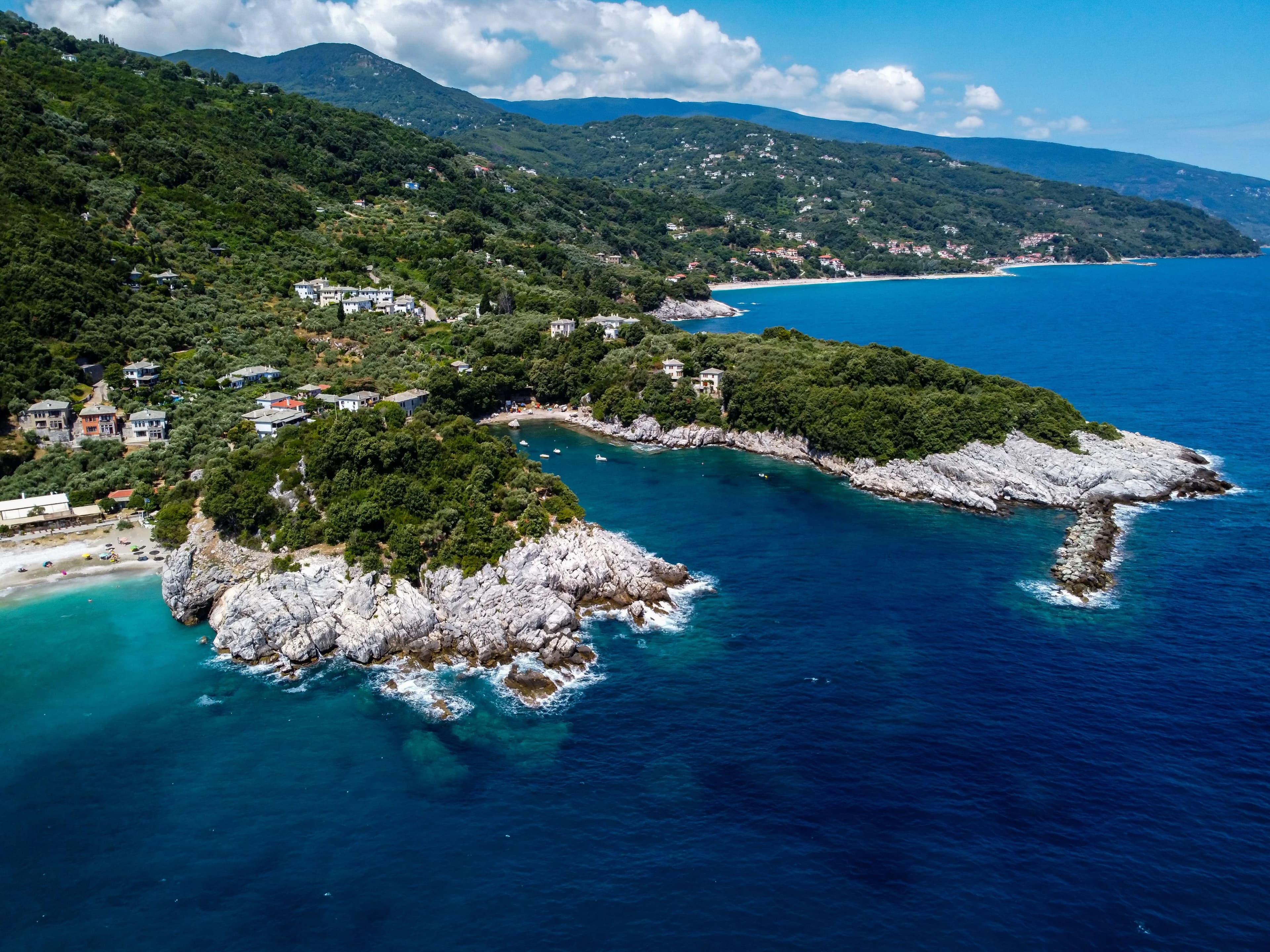
Meteora, Greece
2 hotels
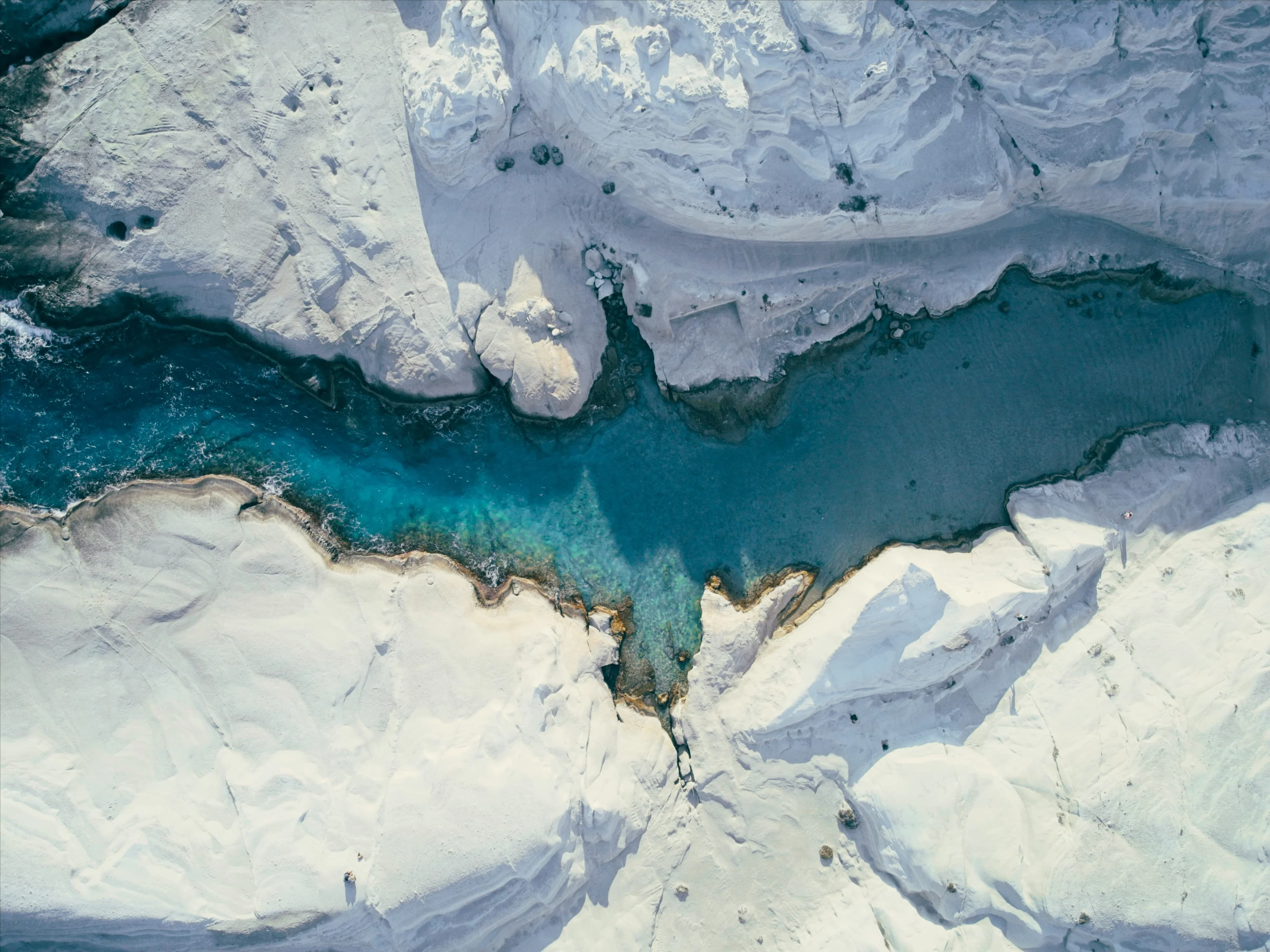
Milos (island)
7 hotels
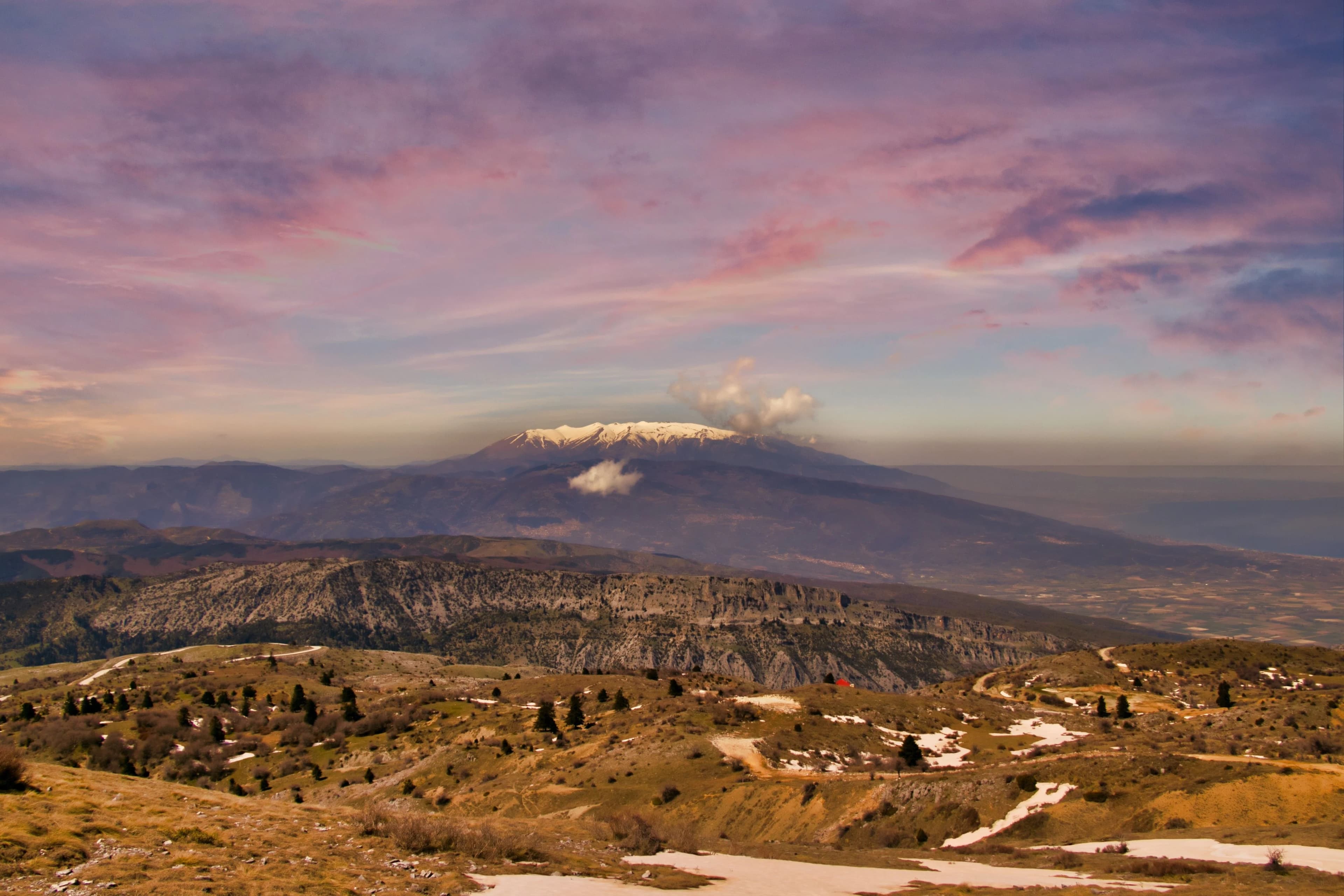
Mount Olympus, Greece
0 hotel
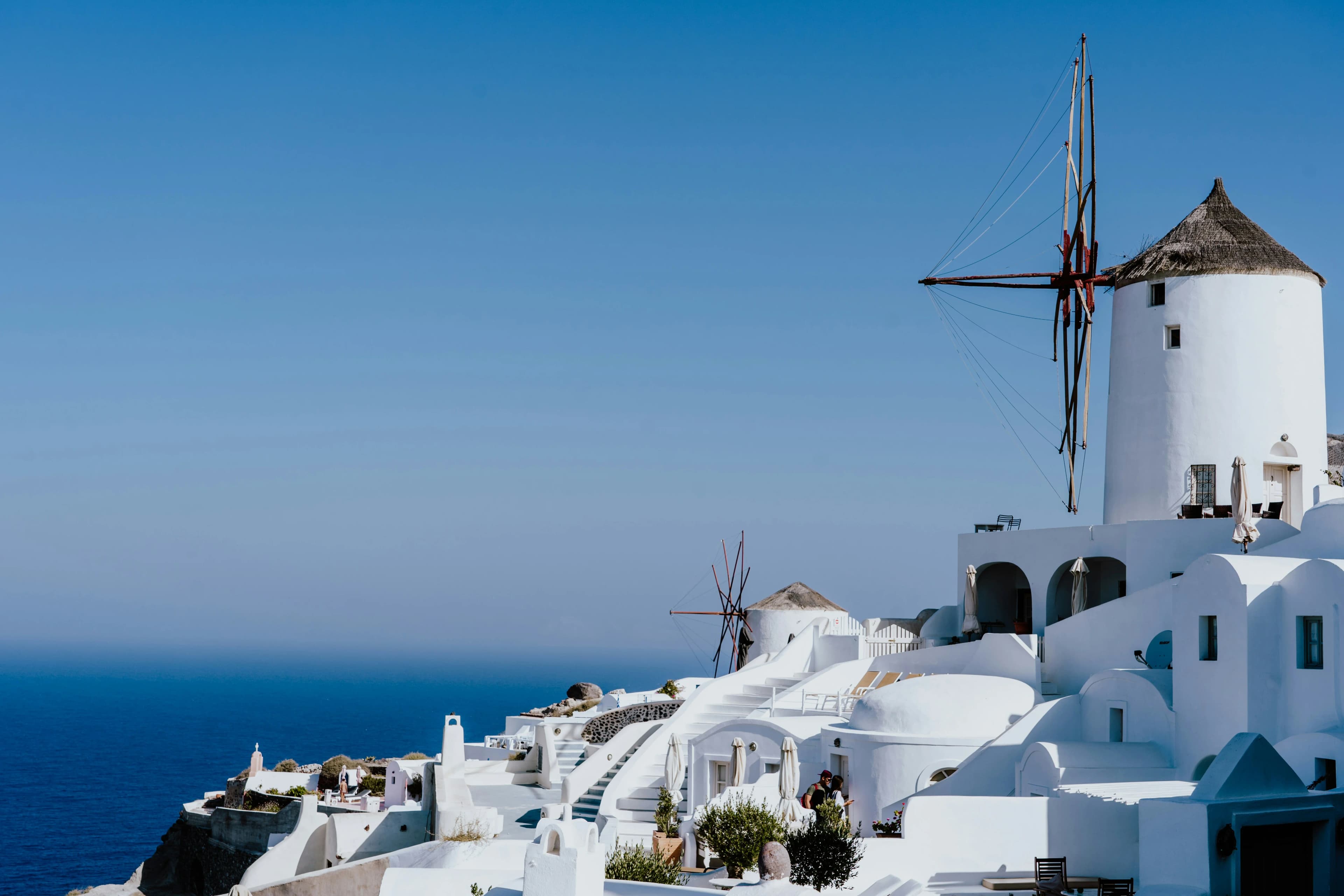
Mykonos (City)
21 hotels
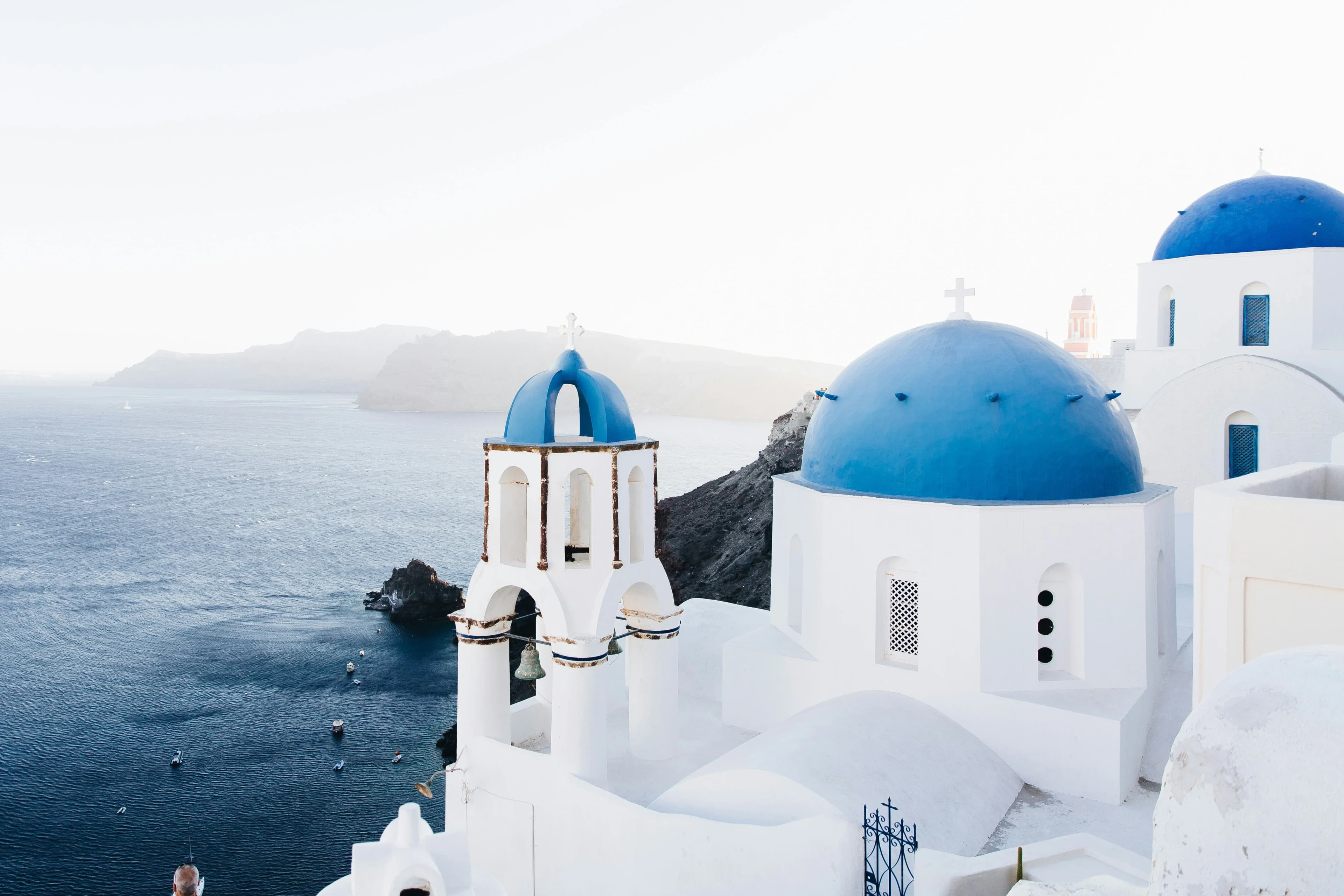
Mykonos (island)
79 hotels
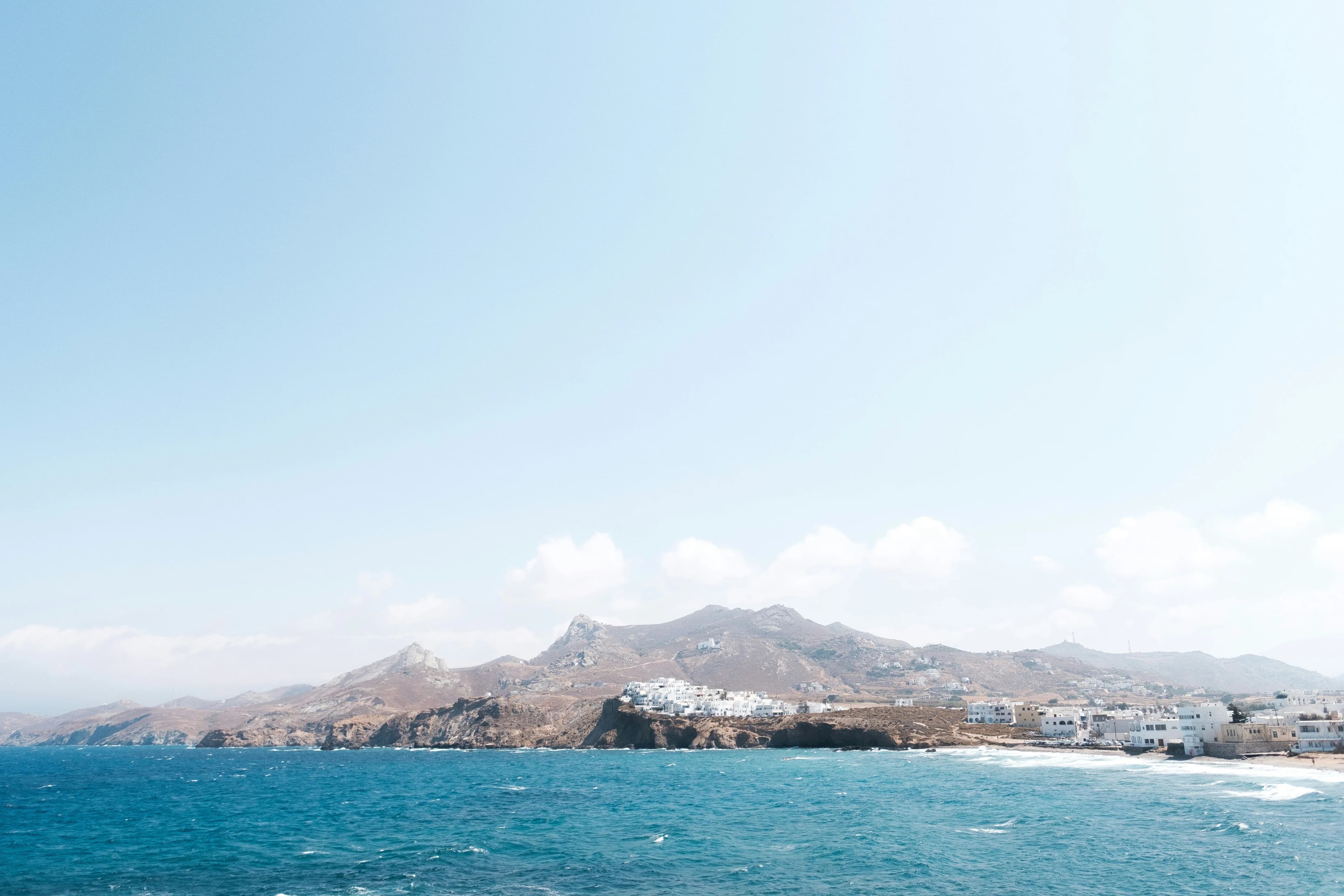
Naxos (island)
2 hotels
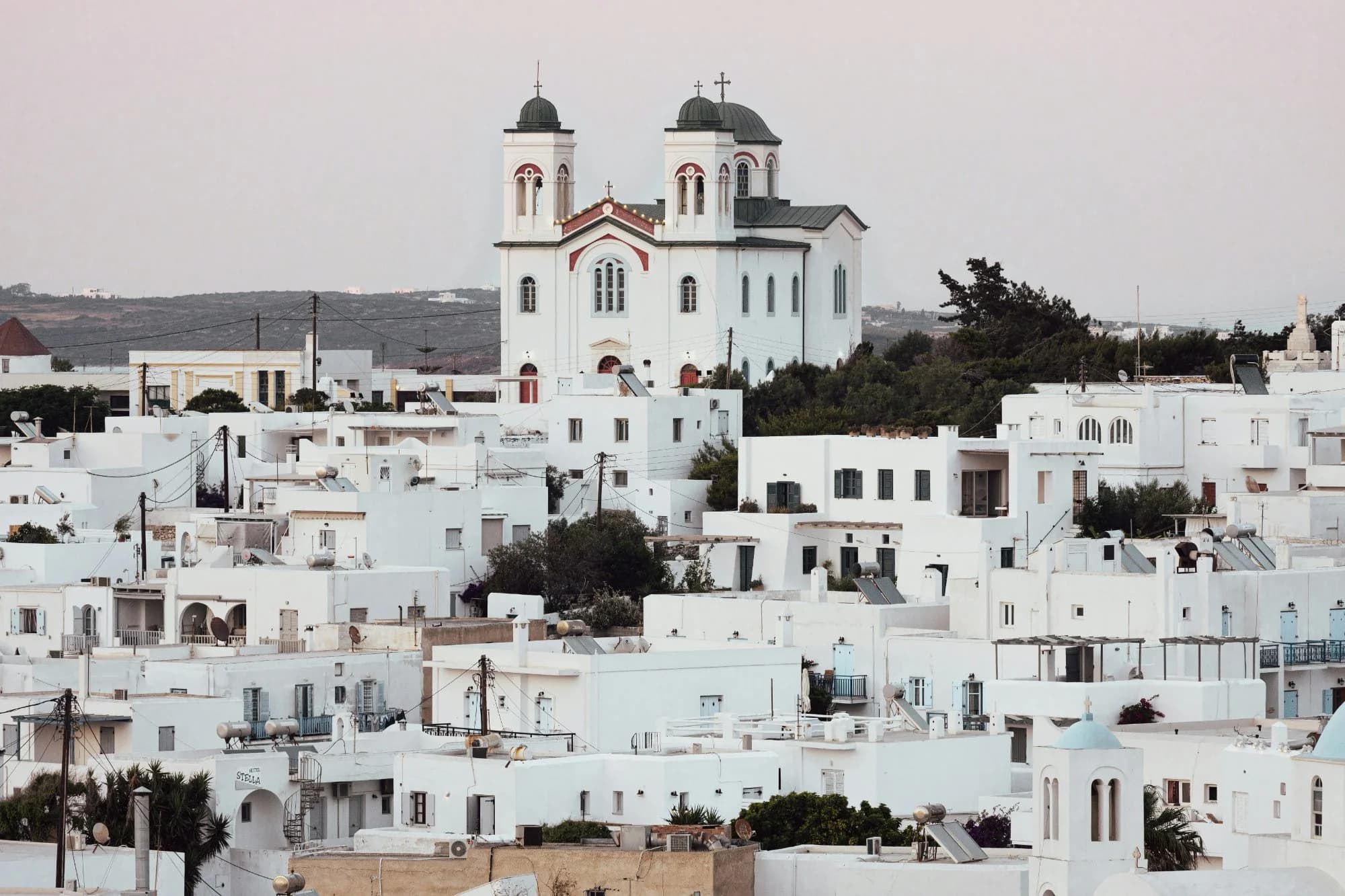
Paros (island), Greece
9 hotels
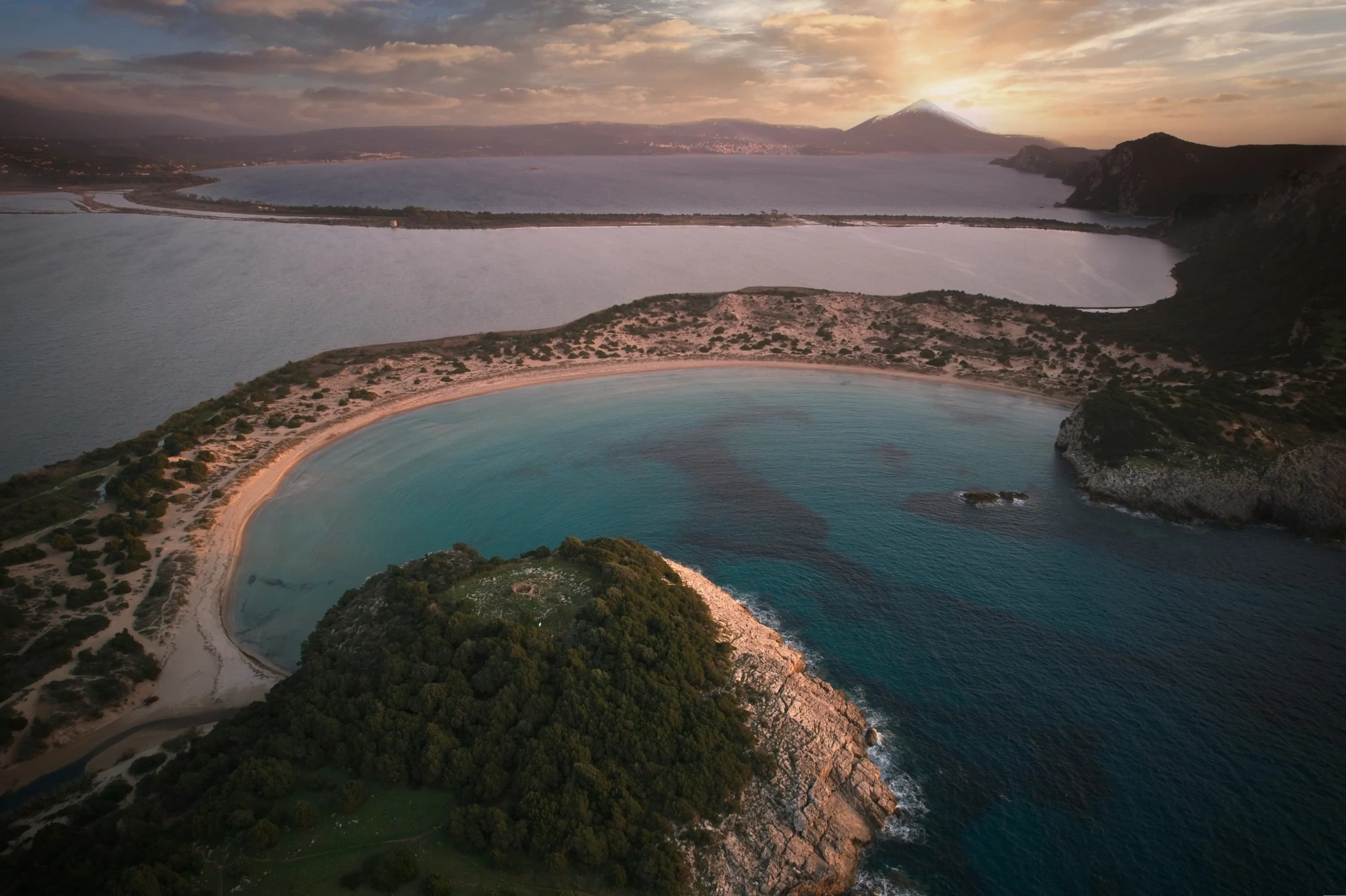
Peloponnese
7 hotels
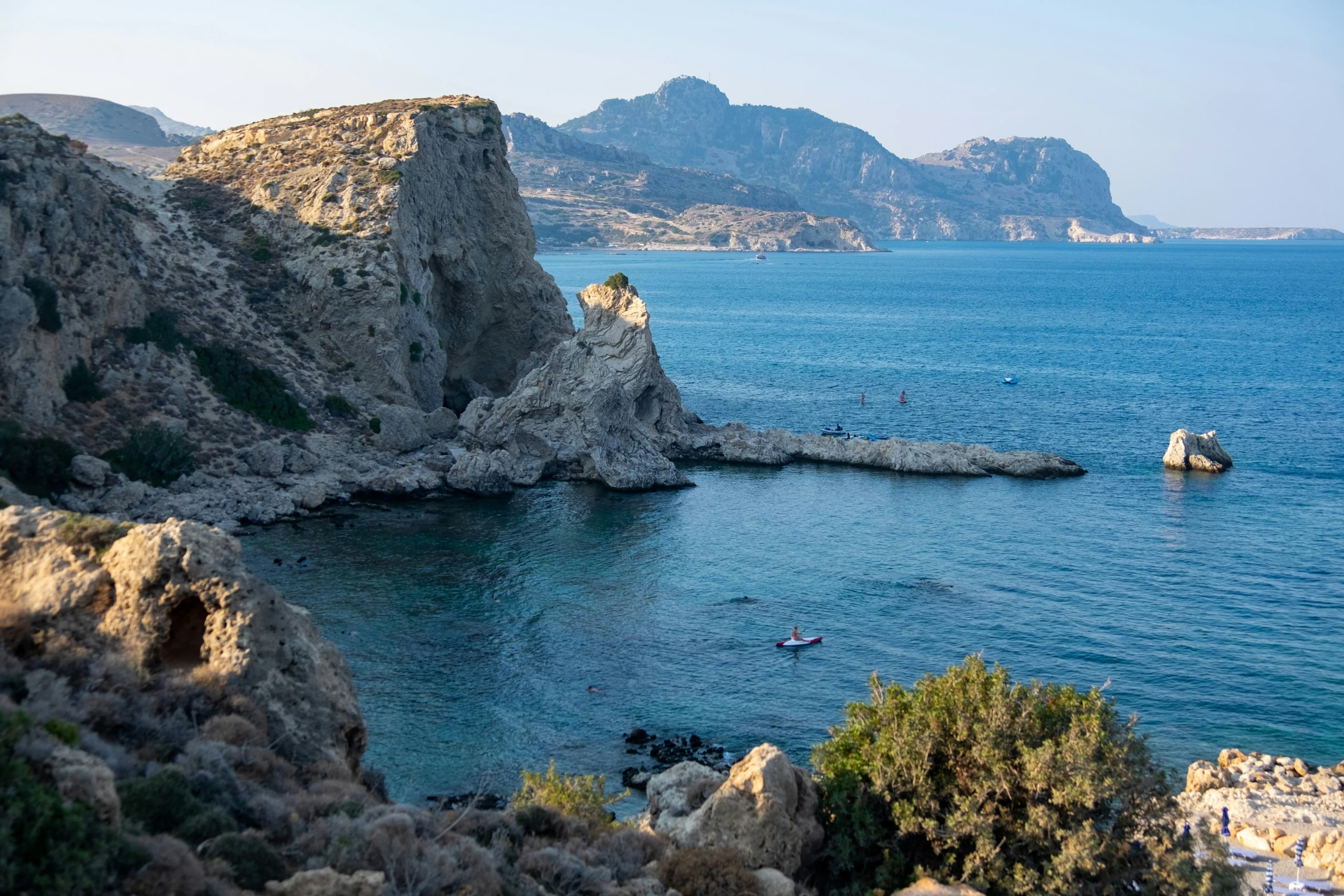
Rhodes (island)
3 hotels
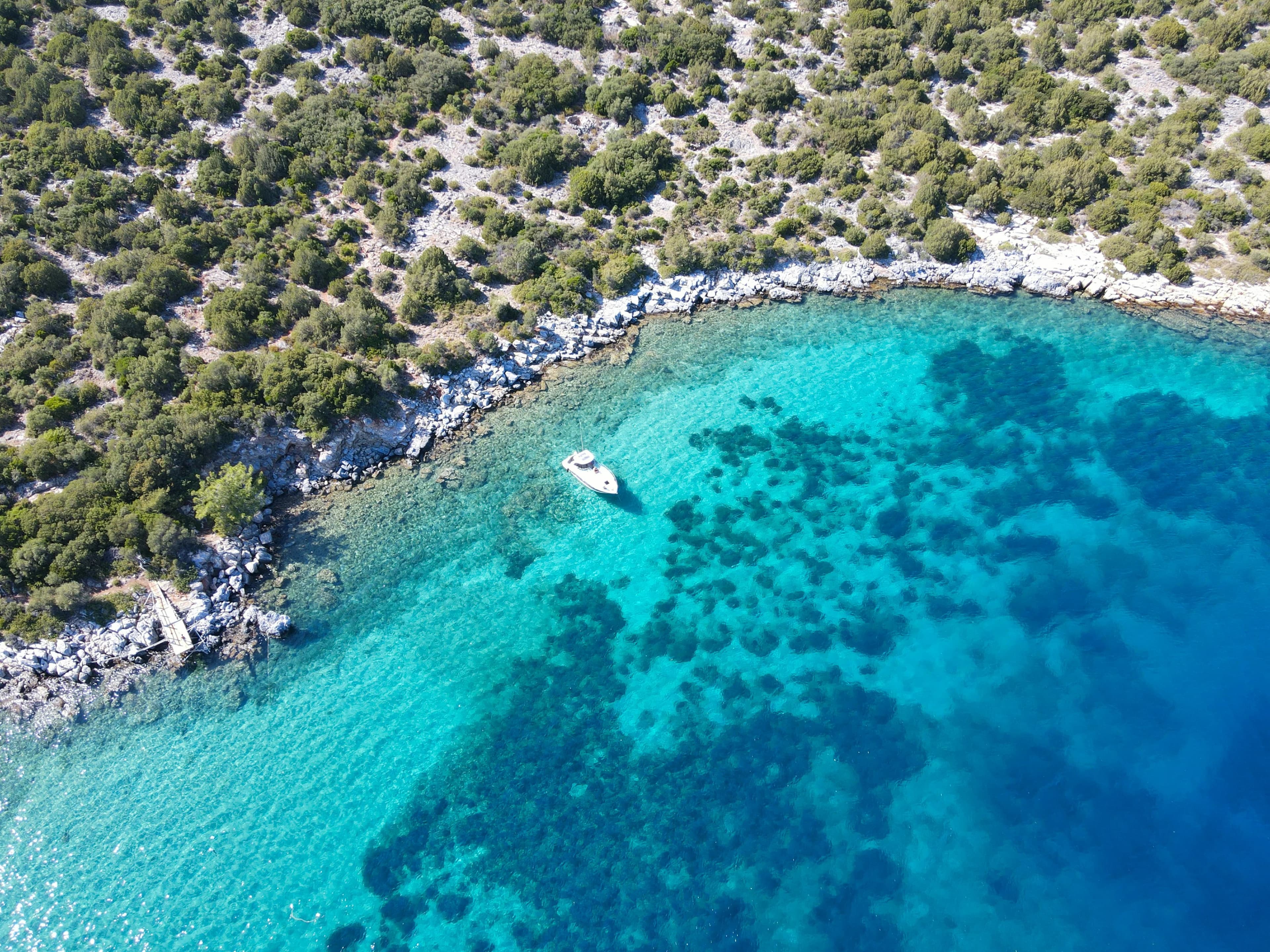
Samos (island)
1 hotel
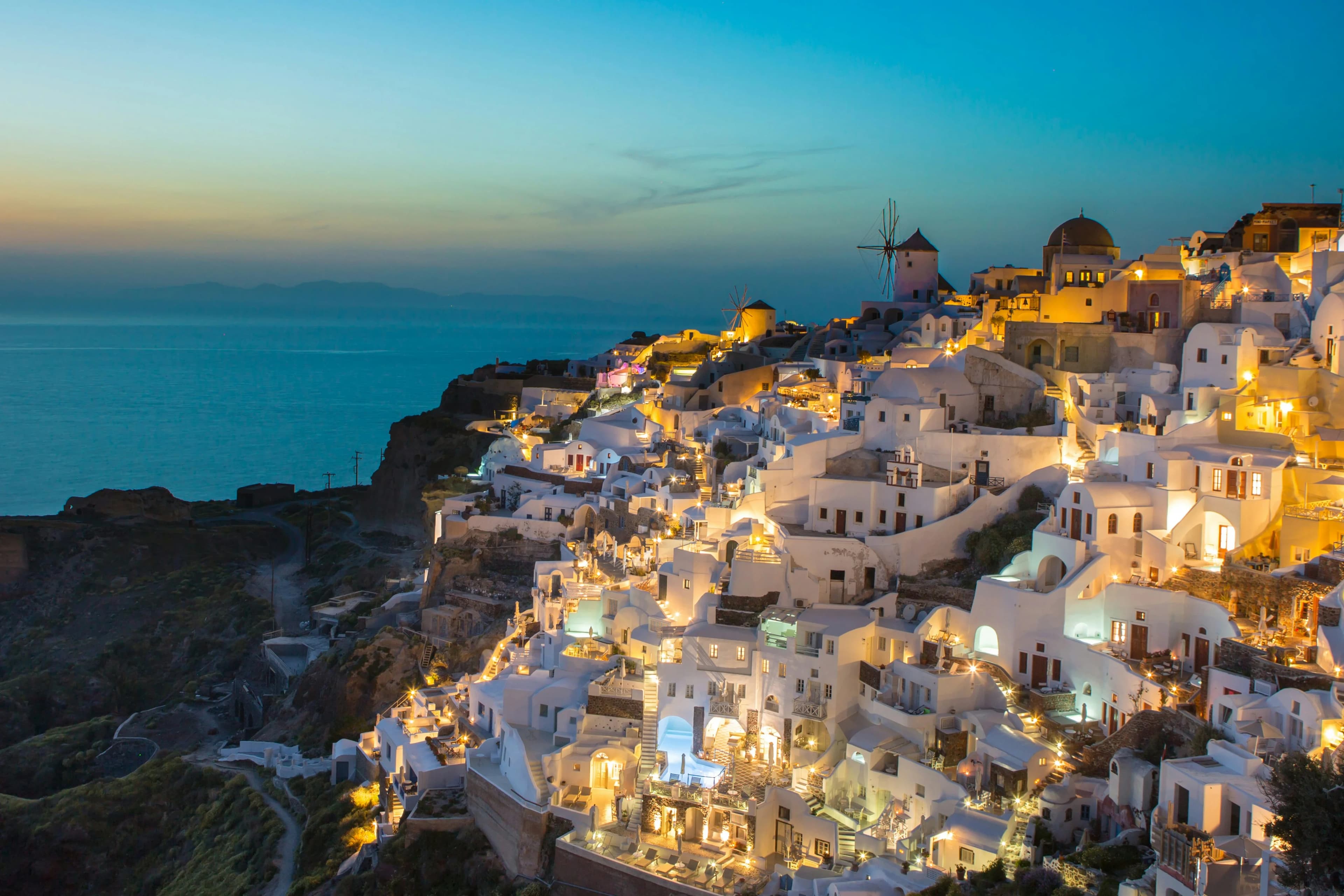
Santorini
27 hotels
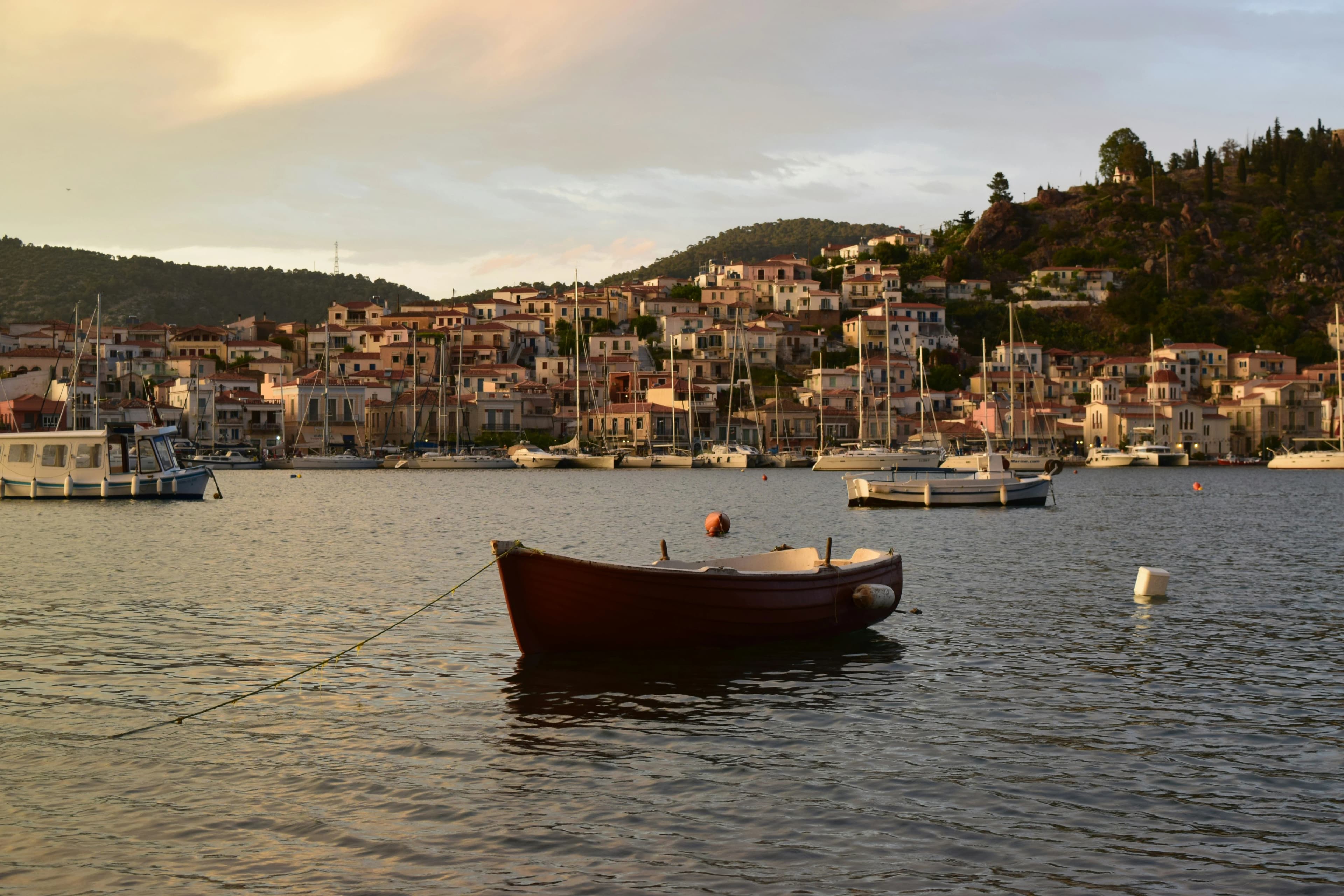
Saronic Islands, Greece
2 hotels
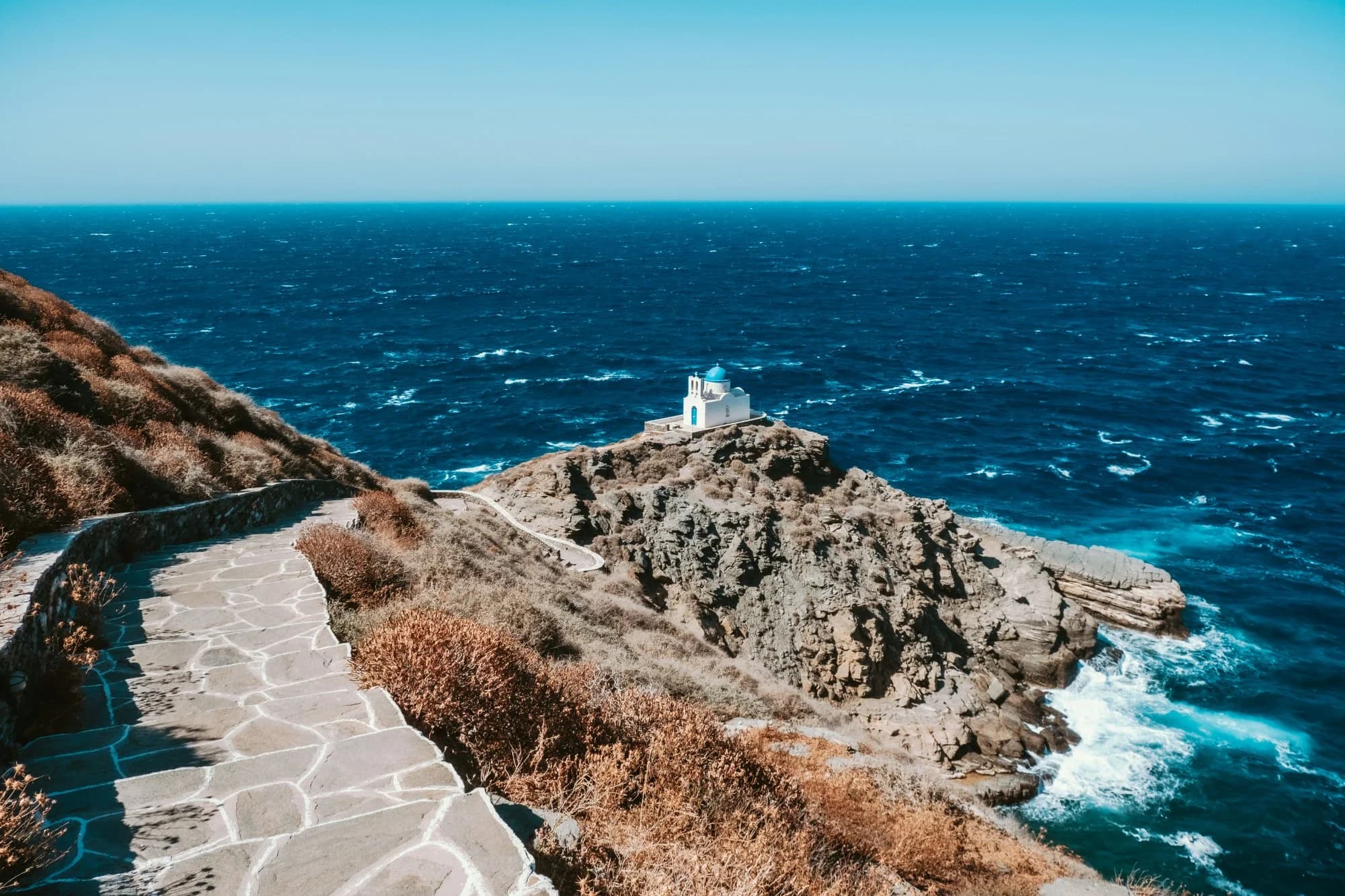
Sifnos
2 hotels
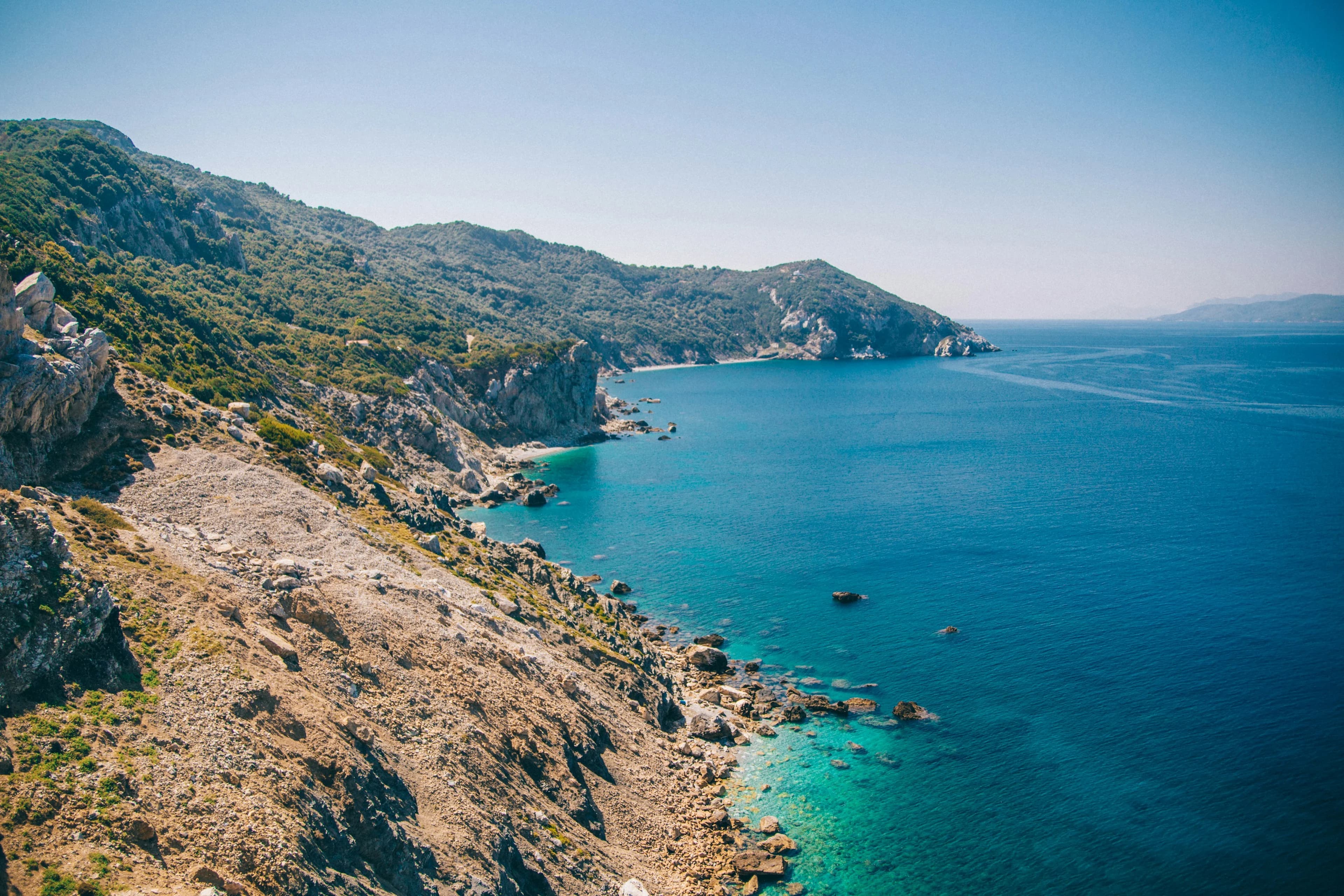
Skiáthos (island)
1 hotel
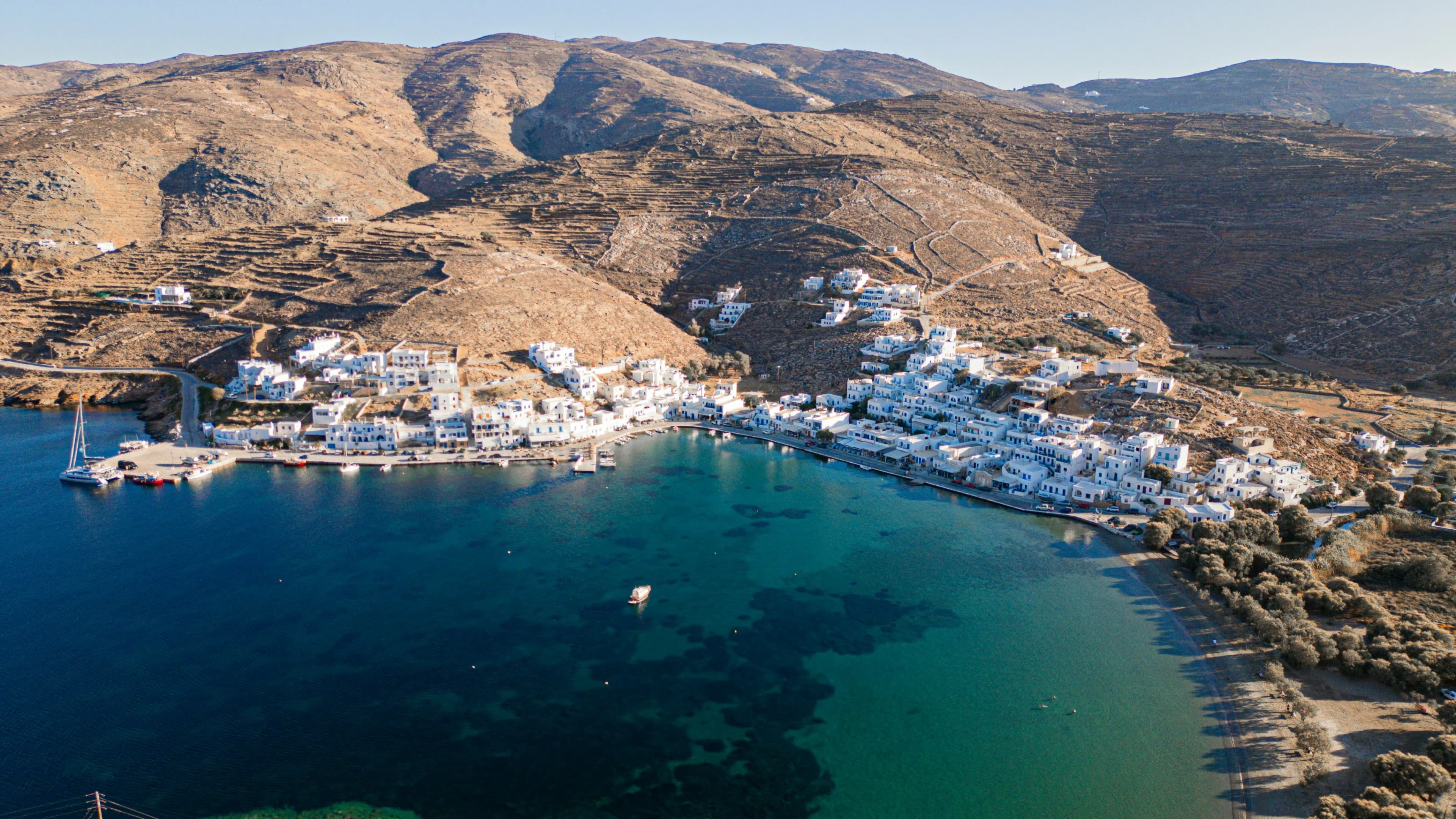
Tinos (island)
5 hotels
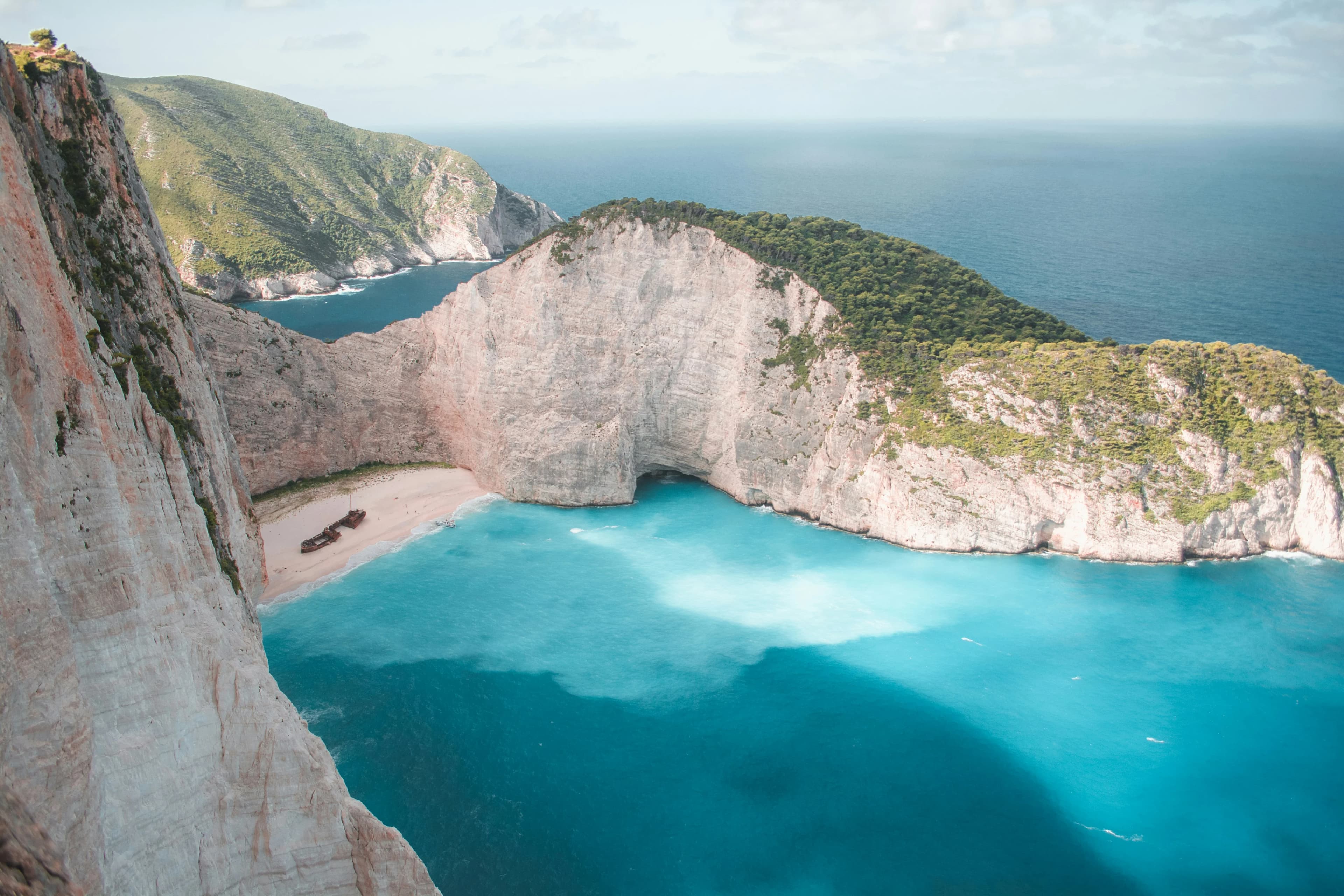
Zante (island)
5 hotels
Our latest articles about Greece
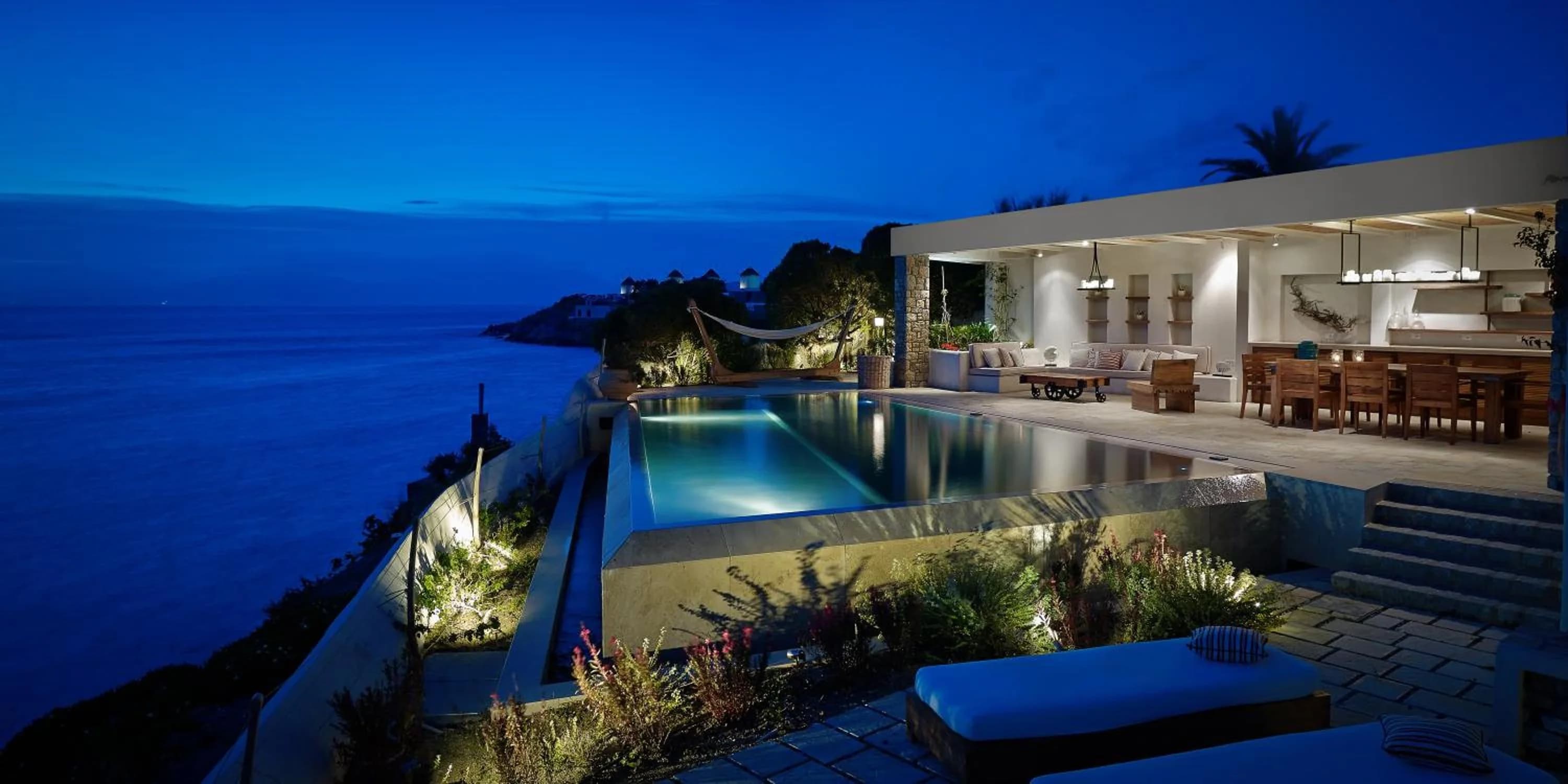
Cycladic Design and Aegean Immersion: The Most Beautiful Suites in Mykonos
Mykonos is far more than a simple summer destination; it is a true Mediterranean icon. Renowned worldwide for its vibrant nights and famous beach clubs, the Island of Winds also possesses a far more secret, intimate and exclusive side. The very essence of luxury in Mykonos is not found in the crowds, but in the ability to escape them. Imagine architectural lines of absolute purity, a dazzling white contrasting with the deep blue of the Aegean Sea, and the privilege of observing this spectacle from the crystal-clear waters of your own private pool. At "La Suite", our mission is to uncover these sanctuaries where Cycladic aestheticism meets haute couture hospitality. We have deliberately set aside stereotypical addresses to retain only excellence. From minimalist retreats perched on hillsides to villas nestled on the water, here is our refined curation for experiencing the true magic of Mykonos.
To deeply understand our philosophy on this destination and discover the addresses that shape the island's legend, we invite you to explore the ultimate guide to the most beautiful luxury suites in Mykonos.
BY Jules Peulet
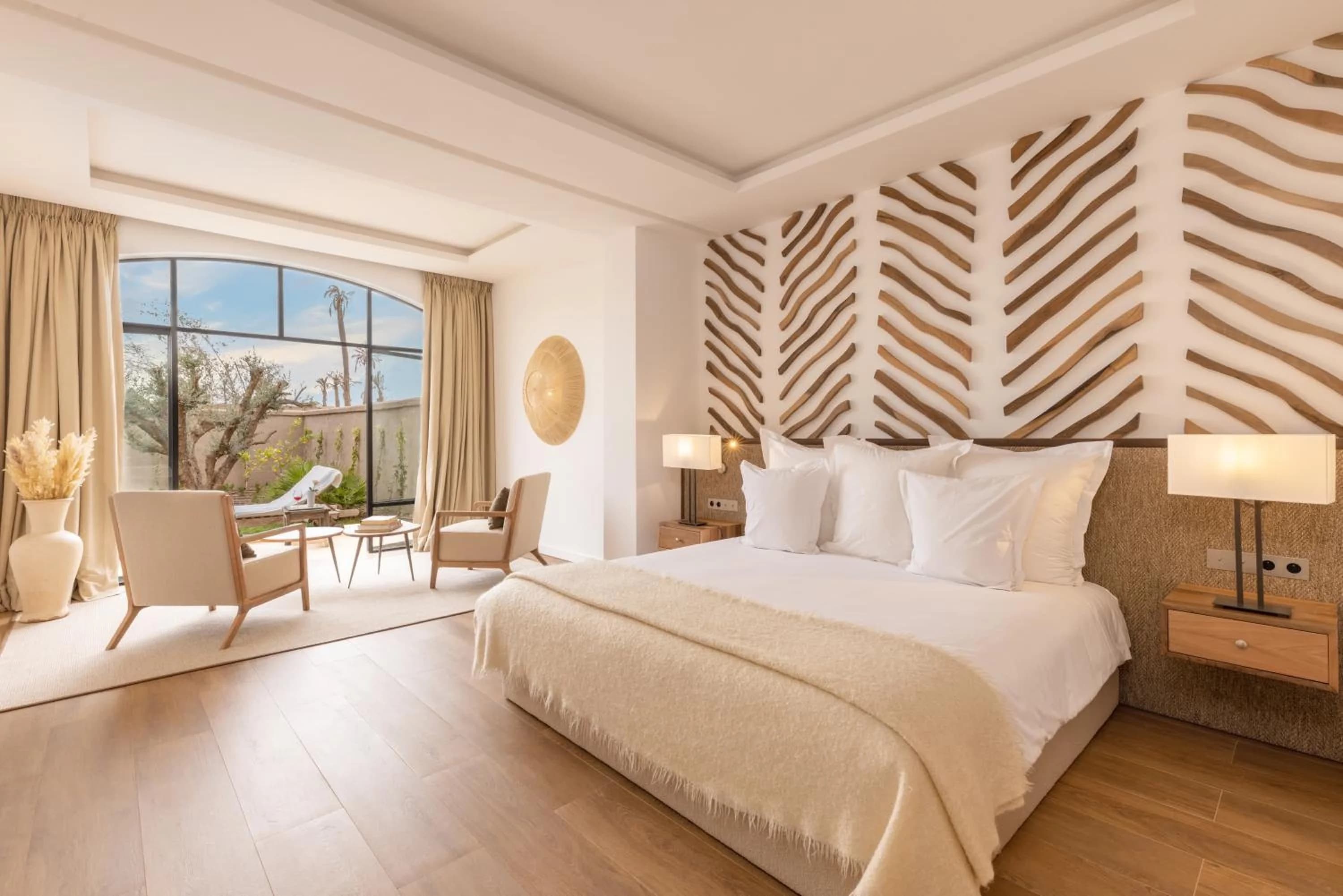
Where to Travel in October 2026: The Art of Off-Season Travel and the Finest Shoulder Seasons
When summer crowds disperse and August's frantic pace fades away, an enchanted respite opens for discerning travelers. October is, without question, the best-kept secret of luxury hospitality. It's the time when Mediterranean light turns golden, when the sea retains the warmth accumulated all summer long, and when service in exceptional establishments returns to its most attentive fluidity. Traveling in the shoulder season is no compromise, but rather a quest for elegance, space, and intimacy. From Andalusia to the foothills of the Atlas, through the wild coasts of the Algarve, we have selected five sumptuous retreats to celebrate the return of tranquility. Here is our guide to extending summer with mastery.
BY Jules Peulet
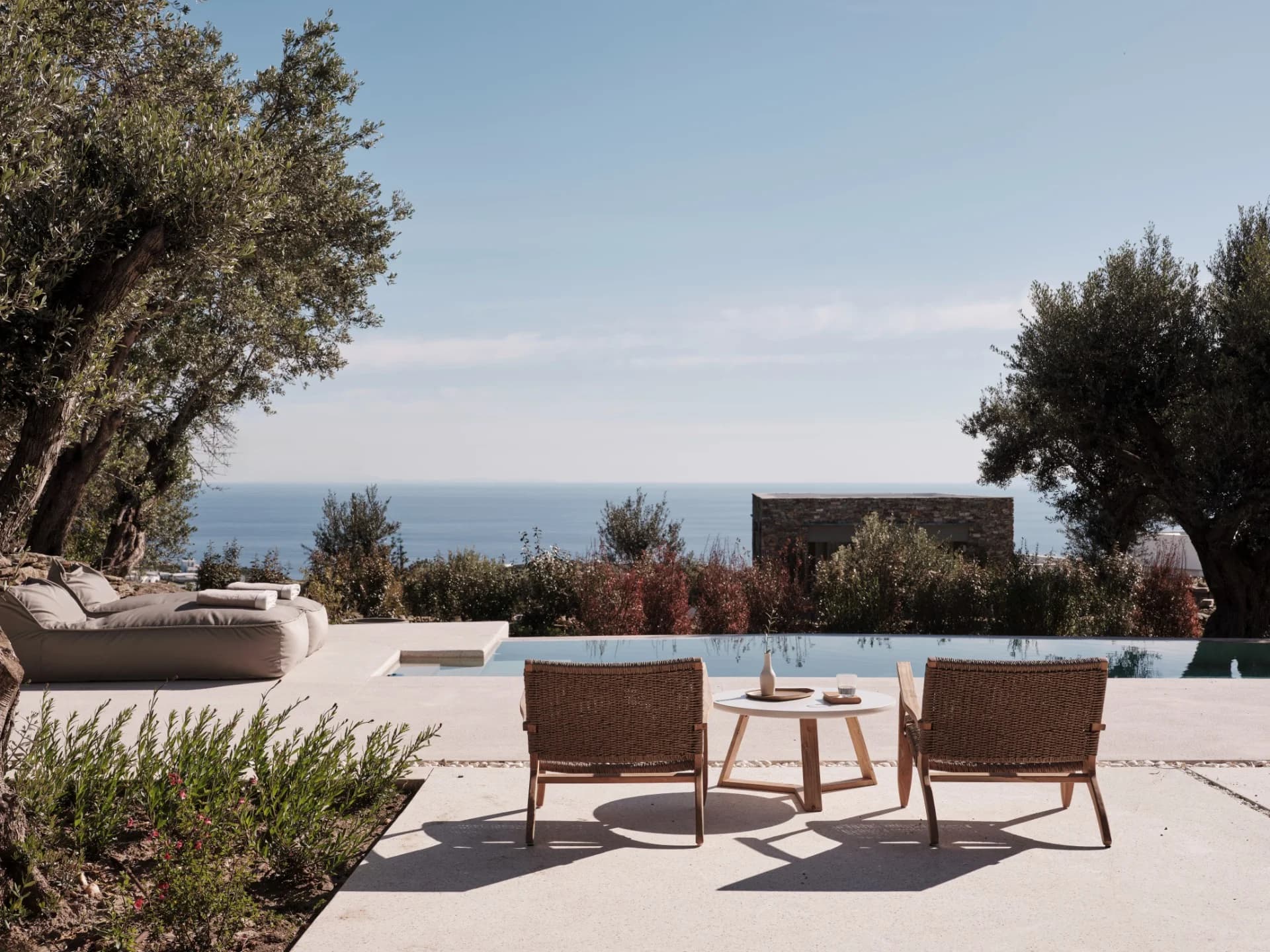
The Ultimate Escape: The Finest Suites with Private Pools in Greece
Greece evokes a timeless image: sapphire waters, dazzling white façades and a legendary way of life. Yet for the discerning traveler, the ultimate Greek experience is no longer found on crowded beaches in August. Today, the true pinnacle of Hellenic luxury lies in having your own private water. Booking a suite with a private pool is not merely an aesthetic whim, it is essential to guarantee absolute privacy and perfect thermal comfort. Whether you dream of an infinity pool merging with the Aegean Sea or a cave pool carved into Cretan rock, we have explored the archipelagos for you. Here is our exclusive selection of the most exceptional retreats, where you can swim under the stars, at the slow rhythm of the Mediterranean.
BY Jules Peulet
Best Neighbourhoods and Islands for Luxury Suites in Greece
Santorini, Oia and Imerovigli
Santorini's caldera rim remains the defining address in Greek luxury hospitality. Oia, at the island's northern tip, is the most architecturally concentrated: cave-carved residences and infinity pools cut directly into volcanic rock, oriented toward the caldera and the submerged crater beyond. The light here is geological, it shifts from chalky midday white to deep amber at dusk in a way that is specific to this topography. Imerovigli, positioned at the highest point of the caldera, offers greater quietude and marginally less foot traffic than Oia, attracting a traveler less interested in spectacle and more focused on seclusion. Both villages reward properties with westward exposure.
Mykonos, Agios Lazaros and Aleomandra
Mykonos has undergone a significant repositioning over the past decade. While the port and Mykonos Town retain their social density, the southwestern coast (particularly the areas around Agios Lazaros and Aleomandra) now houses the island's most considered properties. These enclaves are low-density, architecturally controlled, and oriented toward sunset over the Aegean. The Cycladic vernacular here is interpreted rather than replicated: raw plaster, local stone, minimal ornamentation. Access to Mykonos Town remains swift by road or private transfer.
Athens, Kolonaki and Syntagma
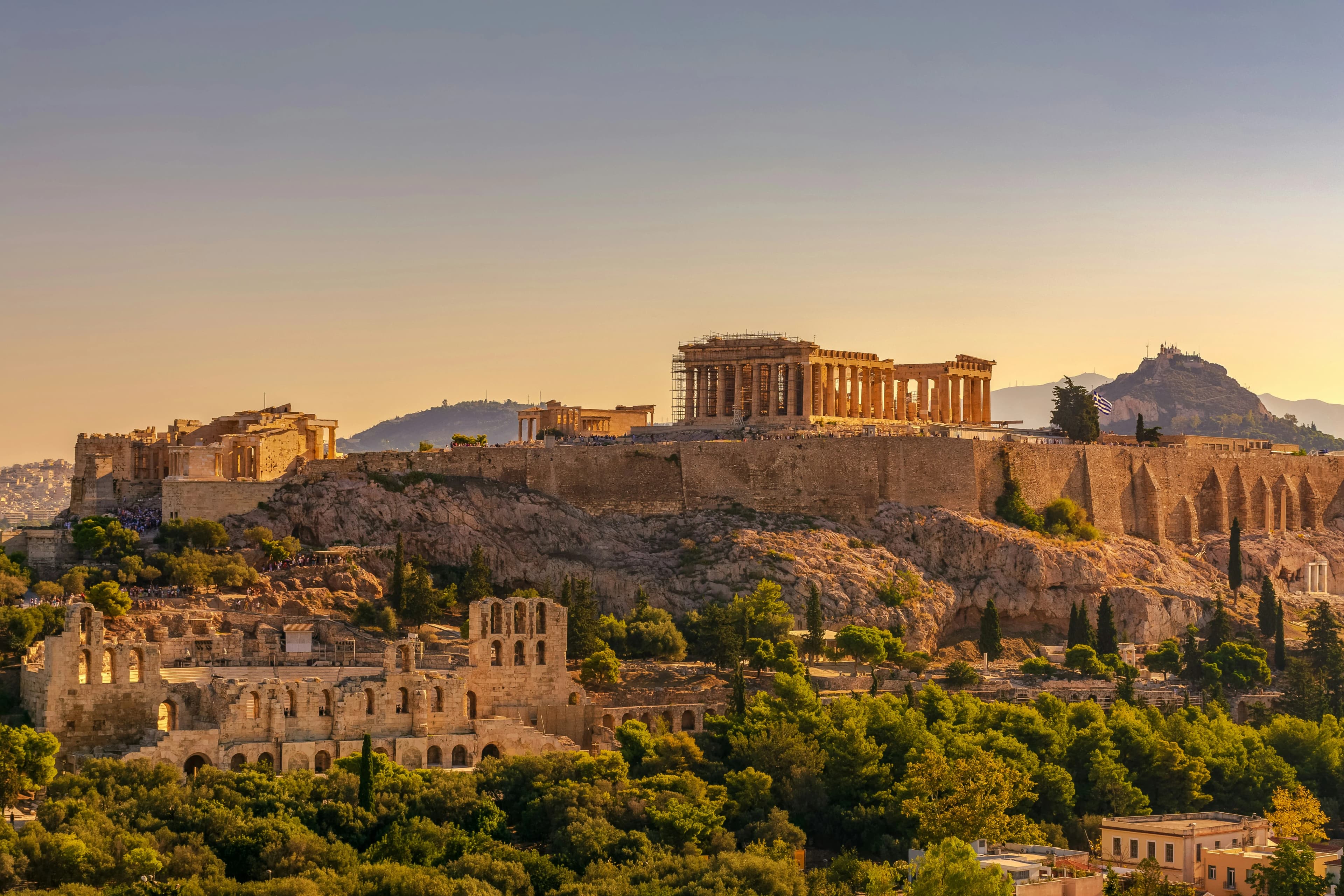
Athens rewards travelers who engage with it as a serious city rather than a transit point. Kolonaki, the upper residential district flanking the base of Lycabettus Hill, is the city's most architecturally coherent luxury quarter, neoclassical facades, gallery density, and proximity to the National Garden. Syntagma, the constitutional square at the city's civic center, places guests within immediate reach of the Acropolis Museum and the major archaeological sites. Athens suites in these districts tend toward a more formal register: marble, high ceilings, and a seriousness of material that reflects the city's own civic ambition.
Crete, Elounda Peninsula
The Elounda Peninsula in eastern Crete represents a different scale of luxury entirely. The landscape is more generous, wide bays, olive groves, and a Mediterranean rather than purely Aegean character. Properties here tend to be estate-scale: private beaches, multiple dining rooms, and suite categories that include standalone villas with independent pool access. The clientele skews toward families and extended-stay travelers. The town of Agios Nikolaos nearby provides genuine local infrastructure without the tourist-only economy of smaller resort islands.
Paros and the Quieter Cyclades
Paros has emerged as a considered alternative to Santorini and Mykonos for travelers prioritizing authenticity of place over social positioning. Naoussa, its northern fishing village, retains a functional harbor and a residential character that larger islands have largely surrendered. The luxury accommodation here is smaller in scale and often more architecturally personal, boutique properties where design decisions are visible at the individual room level.
When to Visit Greece for a Luxury Stay
The Greek luxury calendar runs from late April through October, with meaningful distinctions within that window that affect both pricing and experience quality.
May and early June represent the most calibrated moment to visit. Temperatures are consistent without being excessive (typically 22-27°C across the islands) and occupancy levels have not yet reached the compression of high summer. Properties are fully operational, staff-to-guest ratios are more favorable, and the visual environment of the islands (with wildflowers still present on Santorini and Mykonos) is at its most compositionally complete.
July and August are peak months by every metric: maximum light hours, maximum heat (frequently exceeding 35°C on the Cyclades), and maximum demand. Booking lead times for the finest suites extend to six to twelve months for these weeks. The experience is vivid but operationally strained, boat transfers are congested, restaurant reservations competitive, and the seclusion that defines luxury stays more difficult to preserve.
September and October offer a second peak of quality. The Aegean remains warm enough for swimming through late October. Crowds thin from early September, and the light acquires the lower, more directional quality that photographers and design-aware travelers specifically seek. Many properties extend meaningful rate reductions in October while maintaining full service levels.
Athens operates on a different seasonal logic. The city is navigable year-round, with spring (March, May) and autumn (September, November) providing the most comfortable conditions for movement between archaeological sites and urban districts. Summer in Athens is extreme by northern European standards (July temperatures regularly exceed 38°C) and the city empties as residents relocate to coastal properties.
Understanding Luxury Classifications in Greece
Greece does not operate a Palace designation equivalent to France's official Palaces category. The national classification system uses a five-star scale administered by the Greek National Tourism Organisation (GNTO), with no formal tier above five stars. In practice, the market has stratified informally, with a cluster of internationally recognized properties operating at a level of investment and service that places them in dialogue with Palace-classified hotels in Paris or London.
The most relevant external validation for Greek luxury properties comes from international recognition systems: Leading Hotels of the World membership, Relais & Châteaux affiliation, and inclusion in collections operated by the major international hospitality groups, all of which apply their own audit standards above and beyond the GNTO classification. For travelers accustomed to the rigor of French or Swiss luxury hospitality, these affiliations provide the most reliable proxy for consistent service delivery.
It is worth noting that Greece's most distinctive luxury properties frequently operate outside major brand structures entirely, independent hotels where architectural vision and owner-operator involvement produce a level of specificity that branded properties rarely achieve. This independence also means that quality is less standardized and more variable, which reinforces the value of a curated selection built on direct assessment rather than star counts.
How to Choose the Best Suite in Greece
The suite selection process in Greece requires a clarity of priority that the destination's visual abundance can obscure. Several practical criteria apply consistently.
Caldera view versus pool access: On Santorini specifically, suites positioned on the caldera rim typically sacrifice space for view. The most sought-after rooms are narrow by international luxury standards, the architecture is geological, not hotel-conventional. Travelers requiring expansive interior square footage should weigh that against the unobstructed caldera orientation, or consider properties on the outer rim with larger footprints and sea views without the caldera drama.
Access and transfer logistics: Santorini's caldera villages are connected by staircases rather than roads. Luggage transfers are handled by porter teams and, in some cases, cable cars. Travelers with mobility considerations should verify ground-level access before confirming a booking. Mykonos and Athens properties are generally more conventionally accessible.
Service model: Greek luxury hospitality ranges from formally structured (with dedicated butler teams, timed breakfast service, and managed guest itineraries) to deliberately relaxed, where autonomy and informality are the explicit design intent. Neither is superior; they serve different travel styles. Identifying the correct service register before booking prevents the most common sources of high-end dissatisfaction.
Seasonality of the property: Many island properties close between November and March. Confirming operational dates for travel outside the May, October window is essential. A small number of Athens and Crete properties operate year-round.
Why Curation Matters in the Greek Luxury Market
The Greek luxury accommodation market has expanded rapidly over the past fifteen years, with significant new supply added across Santorini, Mykonos, and the Cyclades. Not all of this supply meets a consistent standard. The distance between a photographically compelling property and one that delivers on its visual promise is, in Greece, larger than in more regulated markets.
La Suite's selection of nine properties in Greece represents a distillation from a market of several hundred five-star and boutique-luxury options. The curation criteria address architectural integrity, material quality, consistency of service delivery, and the degree to which a property genuinely engages with its location rather than simply occupying it. In a destination where the landscape does significant promotional work on behalf of mediocre properties, this distinction matters. The curated selection removes the research burden and concentrates attention on properties where the suite experience justifies the investment.
Frequently Asked Questions: Hotel Suites in Greece
What is the best island in Greece for a luxury suite?
Santorini and Mykonos dominate the luxury suite market by inventory and international recognition, but the correct answer depends on travel priorities. Santorini delivers the most architecturally specific experience; Mykonos provides greater social and gastronomic energy. Paros and Crete offer alternatives for travelers prioritizing authenticity and space over prestige positioning.
When do Greek island hotels typically open and close?
Most Cycladic island properties operate from April or May through October or November. Some open as early as late March for the Easter period. Crete and Athens properties are more likely to offer year-round operation, though reduced programming may apply in winter months.
Frequently asked questions
Which areas of Greece offer the most exceptional luxury suite experiences?
Greece rewards those who choose their location with care. Santorini's caldera rim, specifically Oia and Imerovigli, delivers volcanic architecture and iconic westward light. Mykonos's southwestern coast around Agios Lazaros and Aleomandra offers seclusion away from the port crowds. Athens' Kolonaki and Syntagma districts suit urban sophisticates, while the Ionian islands and the Peloponnese peninsula provide quieter, deeply refined alternatives for those seeking fewer crowds and more landscape.
When is the ideal time to book a luxury suite in Greece?
Late May through June and September through early October represent the most refined windows for a Greek luxury stay. Temperatures are pleasantly warm, crowds are noticeably thinner than July and August, and properties are operating at their most attentive staffing levels. For Santorini and Mykonos specifically, August commands peak demand and minimum availability, making early booking essential. Winter suits Athens exceptionally well, with cultural access and far greater serenity.
What suite categories should discerning travellers expect to find across Greek luxury properties?
Greek luxury hospitality has evolved well beyond the standard room tier. Expect cave suites carved into volcanic rock in Santorini, infinity pool villas on Mykonos's southwestern coast, and sea-facing suites with private terraces across the Ionian islands. In Athens, penthouse suites with Acropolis views represent a distinct category. Many premium properties also offer fully private villa suites with dedicated butler service, private pools, and separate living areas for the most discerning guests.
How far in advance should I book a luxury suite in Greece, particularly on the islands?
For peak season travel, June through September, reservations at the most sought-after island properties should be secured six to twelve months in advance. Suites with private pools or caldera-facing terraces in Santorini are frequently the first to sell out. Shoulder season bookings allow greater flexibility, though spring and autumn dates at consistently praised properties still disappear quickly. Direct engagement with properties or a luxury travel specialist often unlocks access before public availability opens.
Are Greek luxury suites well suited to families travelling with children?
Greece accommodates families admirably at the right properties. Multi-room villa suites with private pools and generous outdoor terraces are ideal for families seeking space and privacy. Crete and the Ionian islands, particularly Corfu and Kefalonia, offer calmer waters, family-oriented activities, and suites designed with interconnecting configurations. Santorini's clifftop properties, while visually spectacular, require careful consideration given steep pathways and limited beach access, making them better suited to couples than young families.
Which Greek destinations are best suited to a romantic luxury stay?
Santorini remains the apex of romantic geography in Greece, with its cave-carved suites, private plunge pools, and the celebrated caldera sunset creating an atmosphere of genuine theatrical beauty. Imerovigli, slightly quieter than Oia, appeals to couples prioritising seclusion over visibility. Hydra, the car-free island reached by hydrofoil from Athens, offers an intimacy of a different register, with whitewashed simplicity and complete absence of motorised traffic creating an unusually serene romantic setting.
What standard of gastronomy can guests expect when staying in a luxury Greek hotel suite?
Greek luxury hospitality has elevated its culinary offering substantially in recent years. Expect in-suite dining programmes drawing on fresh local produce, estate-sourced olive oils, and locally caught seafood prepared with genuine sophistication. Several island properties host destination restaurants attracting guests independently of the hotel. Private dining experiences on terraces or poolside, curated by dedicated chefs, are widely available at villa-suite level. Wine programmes increasingly feature exceptional Greek labels from Santorini, Nemea, and Naoussa.
What transport options best serve luxury travellers arriving at Greek island destinations?
Athens International Airport serves as the primary international gateway, with domestic flights connecting to Santorini, Mykonos, Corfu, and Crete in under an hour. For a more considered arrival, private yacht or helicopter transfers to island properties offer an unmatched first impression and complete scheduling flexibility. High-speed catamarans connect Piraeus to the Cyclades efficiently. Many leading suite properties arrange bespoke transfers directly, including private speedboat arrivals, which should be arranged at the point of booking.
What additional services distinguish the finest luxury suites in Greece from standard premium offerings?
At the uppermost tier, Greek luxury suites extend well beyond accommodation. Expect dedicated concierge teams curating private yacht charters, exclusive archaeological site access, and bespoke island itineraries. Butler service, in-suite spa treatments, private cooking classes with local chefs, and curated cellar experiences are increasingly standard at leading properties. Some villa suites include a dedicated house manager for the duration of the stay, ensuring a level of personalised attention closer to a private residence than a hotel.
How should affluent travellers approach budgeting for a luxury suite stay in Greece?
Greece spans a wide spectrum of luxury investment. Santorini caldera suites and Mykonos villa properties command the highest nightly rates, particularly in July and August, with costs rising further for suites with private pools and dedicated service teams. Athens offers exceptional luxury value relative to the islands. Shoulder season travel, May to June and September to October, delivers the same quality of property and service at meaningfully lower rates, making it the most intelligent choice for those balancing excellence with expenditure.