
Paris
Best Hotel Suites in Paris
Paris is a city of clearly delineated districts, each with a distinct atmospheric register. For travelers selecting a suite, the arrondissement shapes the experience as decisively as the property itself.
Our latest articles about Paris

Luxury suite with private jacuzzi near Paris: comparative guide for Île-de-France
Comparative guide to luxury suites with private jacuzzi in Paris and Île-de-France: objective criteria, neighborhoods to favor, comparative table, stay formats, occasions and budget.
BY Jules Peulet

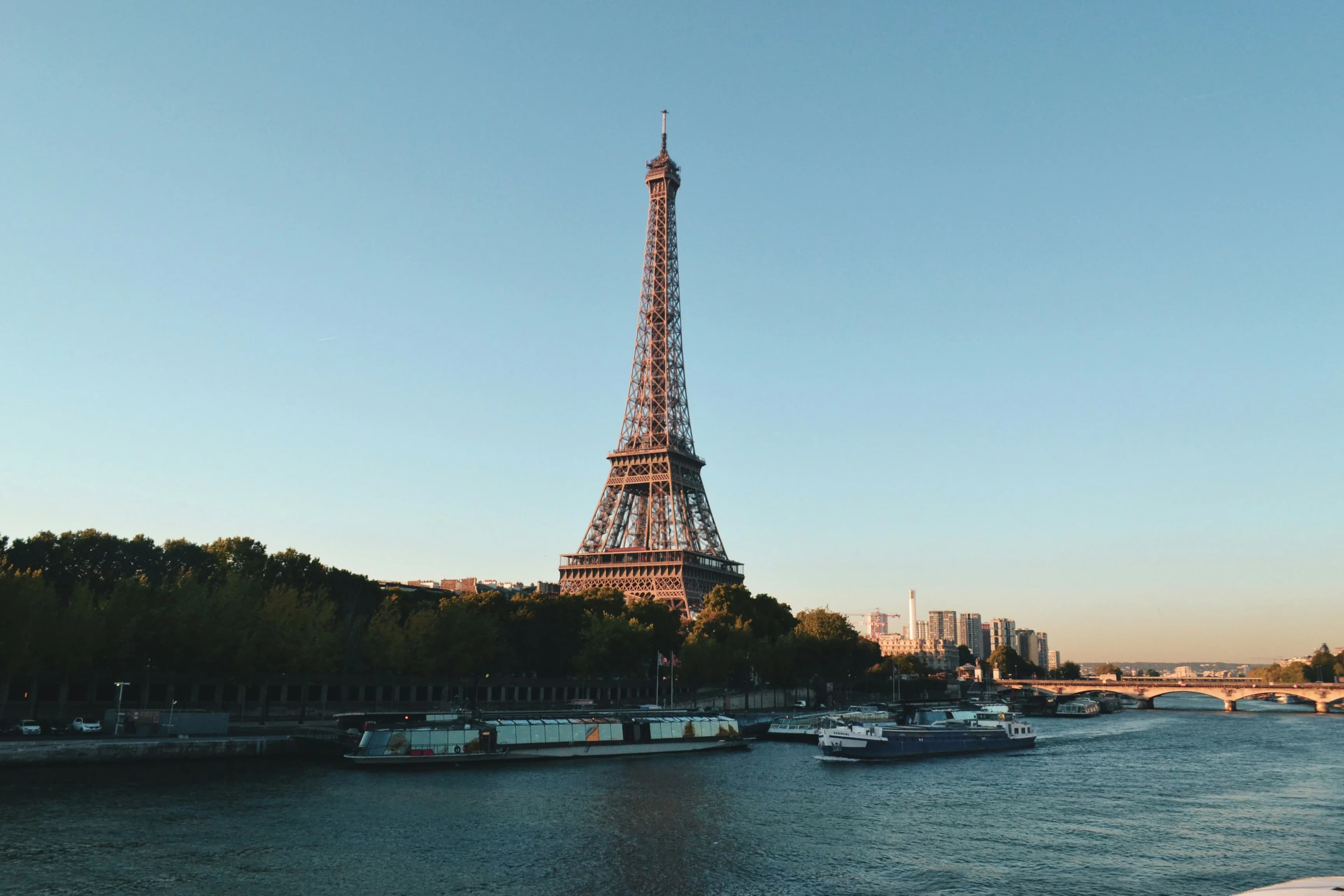
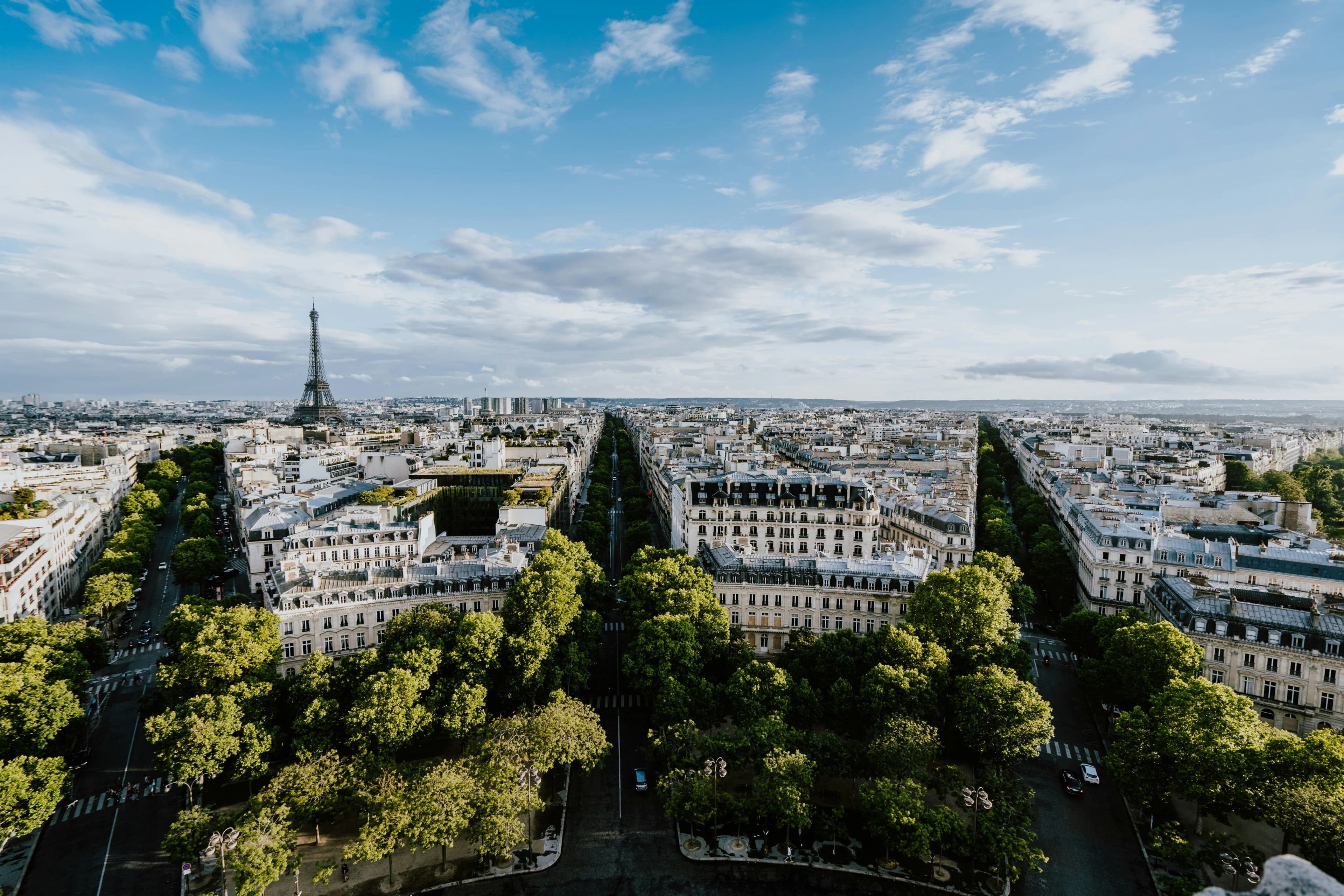
Paris / Romance: Suites with Eiffel Tower Views to Book for Two
Paris and the Eiffel Tower embody intimacy for two. Discover four Parisian retreats where the view of the Iron Lady becomes the discreet setting for shared moments, between private balconies and suspended gardens.
BY Jules Peulet
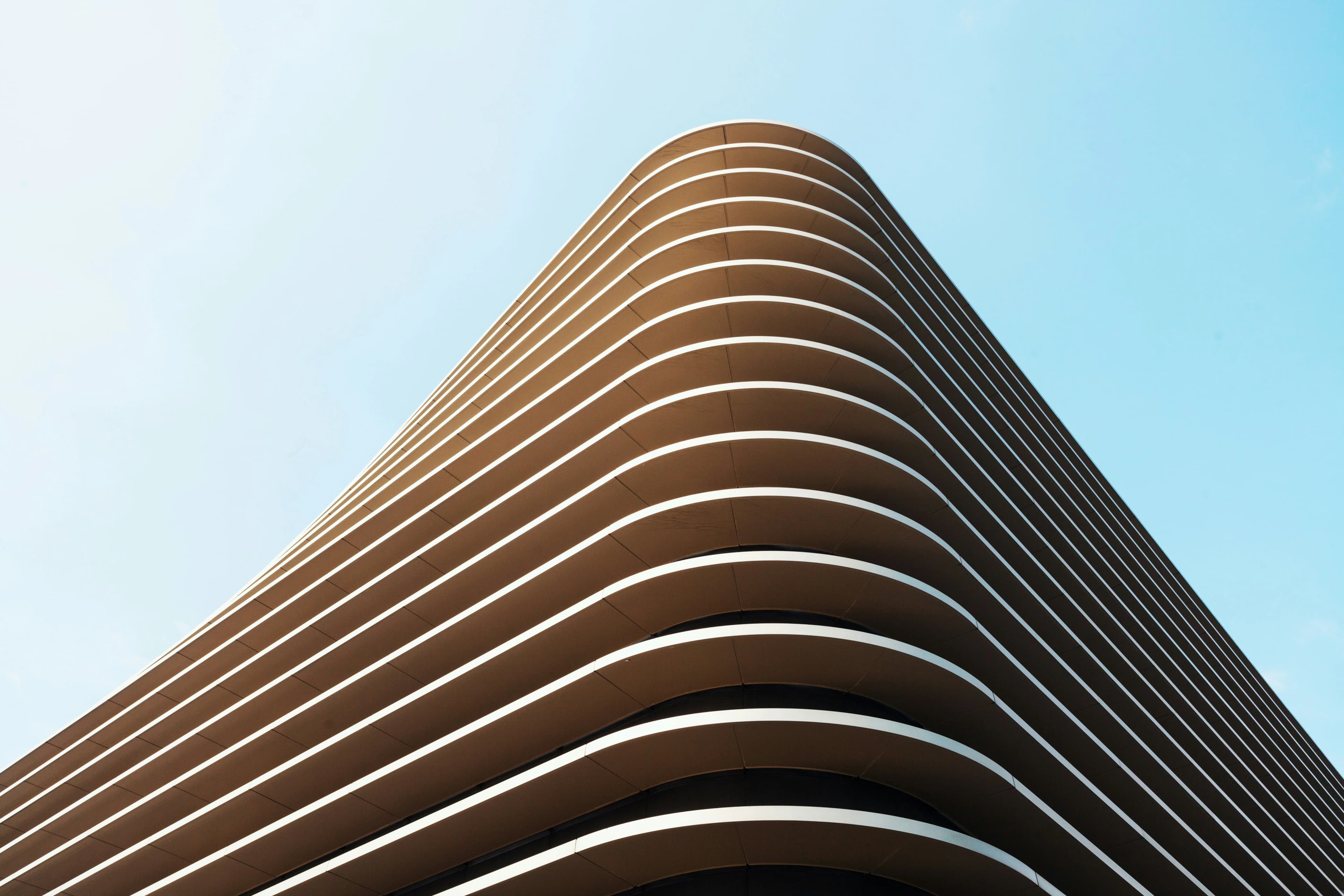
Architect vs Decorator: Who Truly Structures Your Suite's Space?
The era when luxury hospitality was measured by the thickness of velvet curtains, the number of pillows on the bed, or the abundance of gilt is officially over. Today, elite travelers have developed unprecedented visual and sensory acuity. What the discerning client seeks is no longer mere decor, but space engineering. They want to inhabit a place that transforms their psychological state the moment they cross its threshold.
Yet a major confusion persists in the luxury travel industry: the distinction between decoration and interior architecture. While these two disciplines work together to create a room's aesthetics, they operate on fundamentally different layers of reality. A decorator dresses an existing space, while an interior architect sculpts it.
To never again pay a premium rate for a simply "pretty" but uncomfortable suite, dive into this clinical analysis. Discover who truly pulls the strings of your comfort and learn to identify suites that possess genuine structural soul.
BY Jules Peulet
Best Neighbourhoods in Paris for Luxury Hotel Suites
Check out our selection of the most beautiful luxury hotel suites in Paris
8th Arrondissement, The Canonical Address
The 8th arrondissement, and specifically the Triangle d'Or formed by Avenue Montaigne, Avenue George V, and the Champs-Élysées, constitutes the historical centre of Parisian luxury hospitality. The street-level context here is haute couture flagships, private galleries, and long-established gastronomic institutions. Suites in this district tend toward formal neoclassical interiors, high ceilings, and direct proximity to the principal luxury retail axis. The density of Palace-designated properties in this arrondissement is the highest in the city.
1st Arrondissement, Institutional Paris
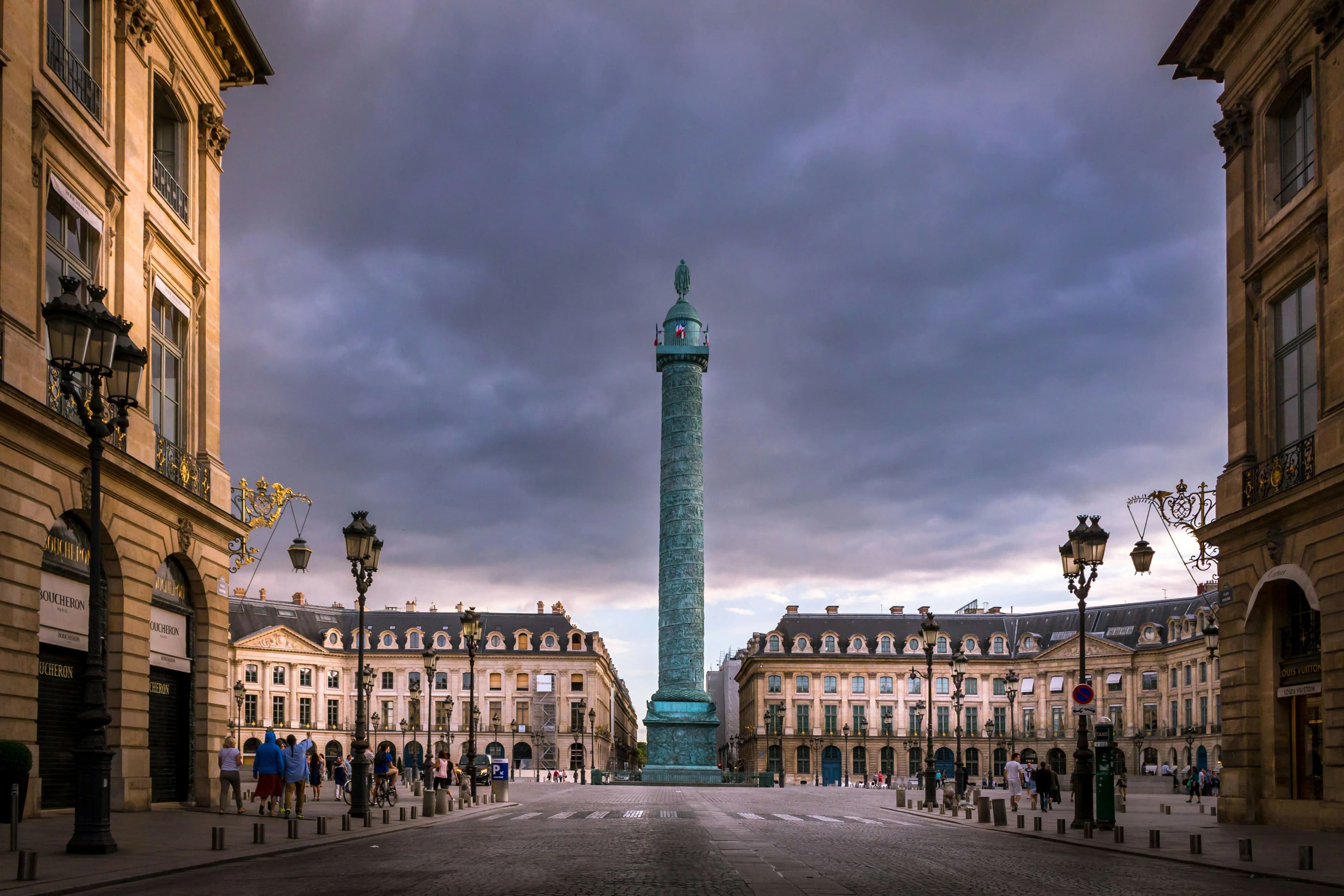
The 1st arrondissement, anchored by the Place Vendôme and the Tuileries, projects a more civic and monumental character. The square itself (framed by the Ritz and the Ministère de la Justice) functions as a kind of outdoor salon for a particular tier of international traveler. Suites here sit within some of the most historically significant hotel buildings in Europe, with interiors that balance heritage conservation against contemporary comfort standards. The Louvre, the Palais Royal, and the Seine are all within measured walking distance.
7th Arrondissement, Residential Restraint
The 7th is structurally different: quieter, more residential, less commercially saturated. The presence of foreign embassies and ministerial residences gives it a diplomatic cadence. Hotels in this district are fewer and tend to be smaller in scale, with suites that lean toward a cultivated, understated aesthetic rather than spectacle. The Eiffel Tower is visible from select upper-floor rooms, though proximity to the landmark is not itself a marker of quality.
Check out our article on suites with views of the Eiffel Tower in Paris!
6th Arrondissement (Left Bank Intelligence
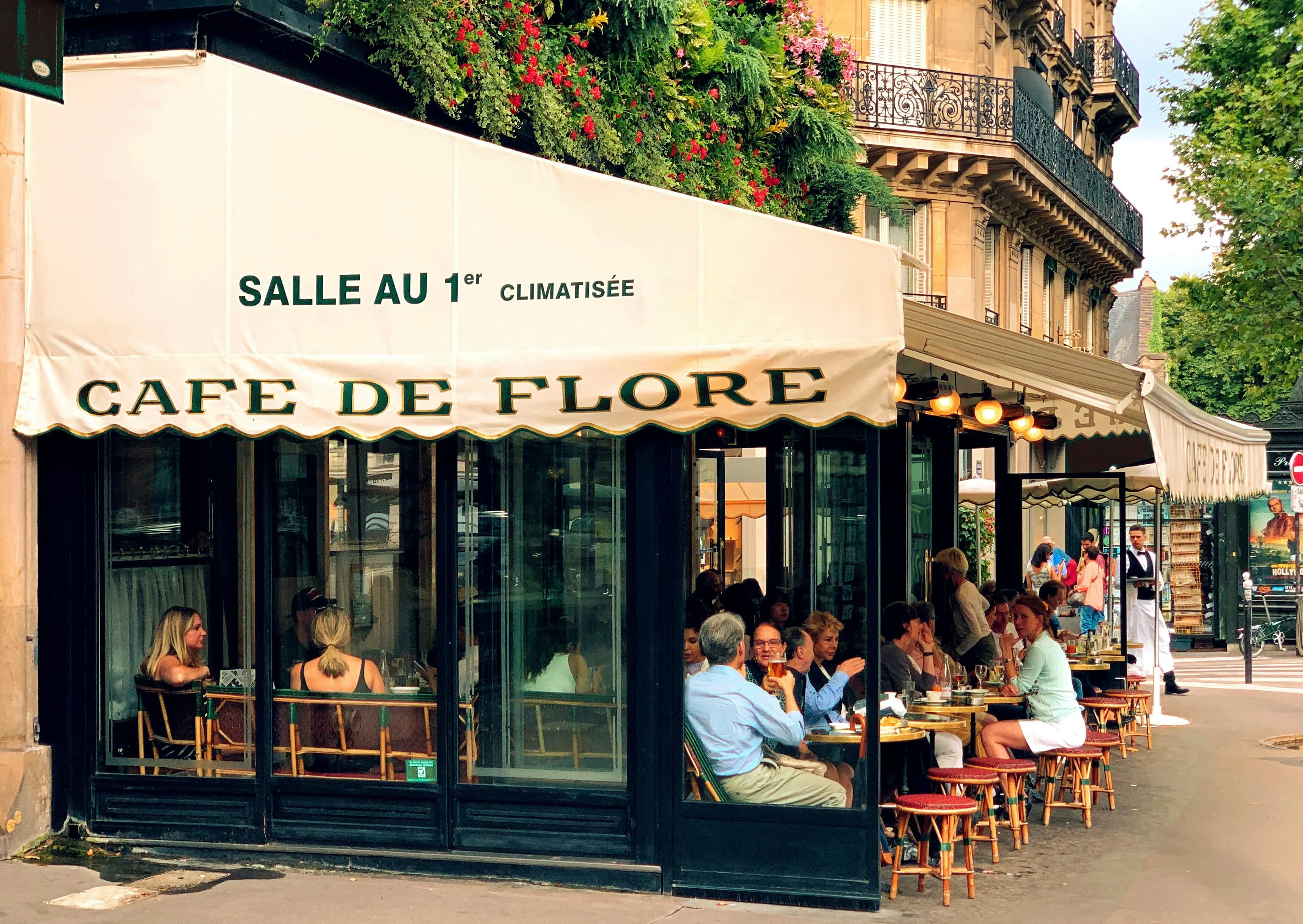
The 6th) Saint-Germain-des-Prés, carries a different kind of prestige: literary, intellectual, gallery-driven. The luxury offer here is less concentrated but architecturally interesting. Buildings tend to be Haussmannian in structure but interpreted with more editorial freedom by interior designers. This district appeals to travelers who find the Right Bank's density excessive and prefer a suite within walking distance of independent bookshops, contemporary art spaces, and the Jardin du Luxembourg.
16th Arrondissement, Quiet Consequence
The 16th, particularly the areas bordering the Bois de Boulogne and the Trocadéro, offers a residential luxury register distinct from the central arrondissements. Properties here are fewer and cater to travelers who prioritize spatial privacy, garden access, and distance from tourist infrastructure. The architectural quality of the surrounding buildings (many of them early 20th century bourgeois residences) contributes to a coherent visual environment.
To learn more, check out our Paris guide
When to Visit Paris
Paris is operationally functional year-round, but the quality of the experience shifts considerably by season.
Spring (April, June) is the period most consistent with the city's self-image: moderate temperatures, extended daylight, and the gardens in full use. Hotel rates are elevated but occupancy is high across all categories. Fashion weeks in late September and early October and again in late January and February create compressed demand periods and should be factored into advance booking strategy.
Summer (July, August) brings significant tourist volume to central arrondissements. The city is hot, and the resident Parisian population partially evacuates in August. Rates remain high through July; some smaller properties close partially in August. For travelers prioritizing service consistency, this is not the optimal window.
Autumn (September, November) is broadly considered the most refined period for a Paris stay. The light is architectural, the cultural calendar is active (with the opening of gallery seasons, fashion weeks, and major exhibition programming at the Grand Palais and Palais de Tokyo) and the temperature supports both walking and terrace use.
Winter (December, February) is underestimated. Outside of the Christmas, New Year period, occupancy drops, and Palace hotels operate at their most attentive. The city is navigable on foot without crowd interference, and the interior quality of suites becomes the primary focus of the stay.
To experience the excitement of Fashion Week, discover our exclusive selection of the suites most favoured by designers in Paris and book the perfect place to stay in the heart of the fashion capital.
Understanding Luxury Standards in Paris: The Palace Designation
France operates a formal luxury hotel classification that goes beyond the standard five-star system. The Palace designation (awarded and reviewed by Atout France, the national tourism development agency) identifies properties that meet an elevated standard across architecture, service, culinary provision, and cultural contribution to French heritage. As of the most recent assessment cycle, fewer than 30 properties in France hold this designation, with the majority concentrated in Paris.
The Palace classification is not a marketing category. It requires documented compliance across more than 200 criteria, including the permanent presence of a concierge speaking a minimum of two foreign languages, the availability of a butler service, and standards for the minimum surface area of suite categories. For international travelers using the designation as a selection filter, it functions as a reliable floor, though individual suite quality varies considerably even within Palace-classified properties.
Travelers should note that a non-Palace property in Paris can still deliver a suite experience that exceeds a Palace competitor in specific dimensions, particularly in terms of design originality, spatial intimacy, or service personalization. The designation is a necessary but not sufficient criterion for suite selection.
How to Choose the Best Suite in Paris: Practical Criteria
The suite market in Paris is large enough that selection requires clear criteria. Several variables materially affect the experience:
Floor level and orientation: In Haussmannian buildings, upper floors receive more light and offer unobstructed views. North-facing rooms in any season receive flat, cold light. South- and west-facing suites benefit from afternoon sun and, in certain addresses, direct views of Parisian rooflines.
Interior design generation: Several Palace hotels have undergone major refurbishments within the past decade. Suite interiors that predate these refurbishments may carry original character but vary in technical infrastructure, soundproofing, climate control, and bathroom specification. Confirming the refurbishment date of a specific suite category is a practical due diligence step.
Suite typology: Paris hotel suites range from junior suites of 40-50 square metres to multi-room apartments exceeding 300 square metres. The distinction between a large deluxe room and a true suite is not always clearly communicated at the point of booking. Surface area, ceiling height, and the physical separation between sleeping and living areas are the relevant structural tests.
Service model: Some properties operate a dedicated butler floor or floor-by-floor service zones. Others centralize suite services through a single concierge desk. The practical difference manifests in response time, request anticipation, and in-suite dining execution.
Why Curation Matters at This Level
The Paris luxury hotel market is commercially deep and editorially noisy. Major booking platforms list hundreds of properties under a five-star filter, with no meaningful differentiation between a Palace-designated property on the Place Vendôme and a well-reviewed boutique hotel in the Marais. At the suite level specifically, the disparity between listed and experienced quality is significant.
La Suite operates as a selection layer rather than a booking aggregator. The platform's approach is to evaluate properties on the quality of the suite product itself, not the hotel's aggregate reputation, loyalty program infrastructure, or marketing budget. This means a smaller property with one architecturally exceptional suite may appear alongside an established Palace, and a well-known brand with underperforming suite inventory may not appear at all.
For the traveler, the value of this curatorial position is a reduction in decision complexity. Paris is not a market where more options produce better outcomes. A shortlist of rigorously assessed suites, filtered by the traveler's specific priorities (neighbourhood, aesthetic register, surface area, or service model) is structurally more useful than access to the full market.
And if you’d like to combine a suite with fine dining, check out our guide to the most beautiful Parisian suites with Michelin-starred restaurants
Frequently asked questions
Which neighbourhoods in Paris offer the finest luxury suite experiences?
The 8th arrondissement, particularly the Triangle d'Or, remains the canonical address for Palace-level suites, with haute couture and gastronomic institutions at your door. The 1st arrondissement, centred on Place Vendome and the Tuileries, offers suites steeped in historical significance. The 7th arrondissement appeals to those seeking a more residential, understated luxury, with elegant interiors and proximity to the Eiffel Tower and Musee d'Orsay.
When is the best time of year to book a luxury suite in Paris?
Late spring, from mid-April through June, combines mild weather with the city at its most photogenic, making it ideal for both leisure and romance. September and October offer a refined autumnal atmosphere with fewer crowds than summer. July and August see many Parisians depart, giving the city a quieter character. The festive season in December brings enchanting illuminations, though suites at Palace properties book up remarkably early.
What suite categories should discerning travellers consider when booking in Paris?
Parisian luxury properties typically offer Junior Suites as an entry point, progressing through Deluxe and Grand Suites to signature categories such as Prestige, Ambassador, or Royal designations. At the apex sit the named suites, often referencing the property's heritage or celebrated past guests. For the most immersive experience, suites with private terraces overlooking Haussmannian rooftops or iconic monuments represent a distinctly Parisian distinction unavailable in most other cities.
How should families approach booking luxury suites in Paris?
Families are exceptionally well served by interconnecting suite arrangements, which the leading Palace properties accommodate with genuine flexibility. Many offer dedicated children's programmes, personalised welcome amenities, and access to private courtyard gardens. Suites in the 8th and 16th arrondissements tend to offer more spacious configurations. It is advisable to communicate specific requirements at reservation stage, including cot arrangements, dietary preferences, and any planned excursions, so the concierge team can prepare thoroughly in advance.
What makes Paris an exceptional destination for a romantic luxury suite stay?
Paris offers an unrivalled combination of architectural grandeur, gastronomic culture, and intimate neighbourhood character. Suites with private balconies framing Eiffel Tower views create moments of genuine theatrical beauty. Many properties offer bespoke romantic packages encompassing in-suite champagne, floral arrangements, and private dining. The 1st and 7th arrondissements are particularly suited to romantic stays, offering tranquil evening atmospheres and proximity to the Seine for unhurried evening promenades.
What personalised services can guests expect from a Paris Palace suite?
Palace-designated properties in Paris, a classification overseen by Atout France, are required to meet exceptional standards of personalised service. Guests in suites typically receive a dedicated butler, round-the-clock concierge assistance, and access to private check-in arrangements. Bespoke experiences such as private museum visits after hours, couture appointments, and exclusive sommelier-led wine sessions are arranged through the concierge. The level of anticipatory service in leading Parisian suites remains a genuine benchmark globally.
How should travellers arrange transport to and within Paris when staying at a luxury property?
Roissy Charles de Gaulle airport connects easily to central Paris via private chauffeur, which most Palace properties arrange seamlessly upon request. Helicopter transfers are available for guests prioritising arrival theatre. Within the city, a house car or preferred chauffeur service is the most refined option. Paris is also exceptionally walkable between its central arrondissements, and the concierge can arrange curated walking itineraries tailored to your suite's location and personal interests.
What gastronomic experiences are available to luxury suite guests in Paris?
Paris remains the world's preeminent gastronomic capital, and suite guests benefit from privileged access to this landscape. Concierge teams at Palace properties maintain relationships with the city's most sought-after tables, securing reservations that are otherwise extremely difficult to obtain. In-suite dining in Paris has been elevated to an art form, with full kitchen brigades capable of recreating tasting-menu experiences privately. The city's covered passages and morning markets also offer curated culinary discovery for guests with an appetite for exploration.
What budget considerations should affluent travellers keep in mind when planning a Paris suite stay?
Luxury suite pricing in Paris reflects the exceptional density of Palace-level competition, which paradoxically creates some of the most compelling value propositions in global luxury travel. Costs escalate considerably during fashion weeks in January, March, June, and September, as well as over major holidays. Shoulder season stays in November or early March often afford access to the finest suites at more considered rates. Booking directly with the property, or through a recognised luxury travel specialist, frequently unlocks suite upgrade pathways and amenity enhancements.
What booking strategies ensure the best luxury suite experience in Paris?
Reserving well in advance is essential for named or signature suites, particularly during high season or cultural events such as fashion weeks and major exhibitions. Working with a specialist luxury travel advisor grants access to preferred partner programmes, which routinely include room category upgrades, complimentary breakfast, and property credits. Clearly articulating the purpose of your stay, whether celebratory, romantic, or family-focused, allows the hotel team to personalise your arrival and throughout your time in residence.