Where to stay in Amsterdam for a luxury suite experience
Immerse yourself in our exclusive selection of the finest suites in Amsterdam.
The canal ring (Grachtengordel)
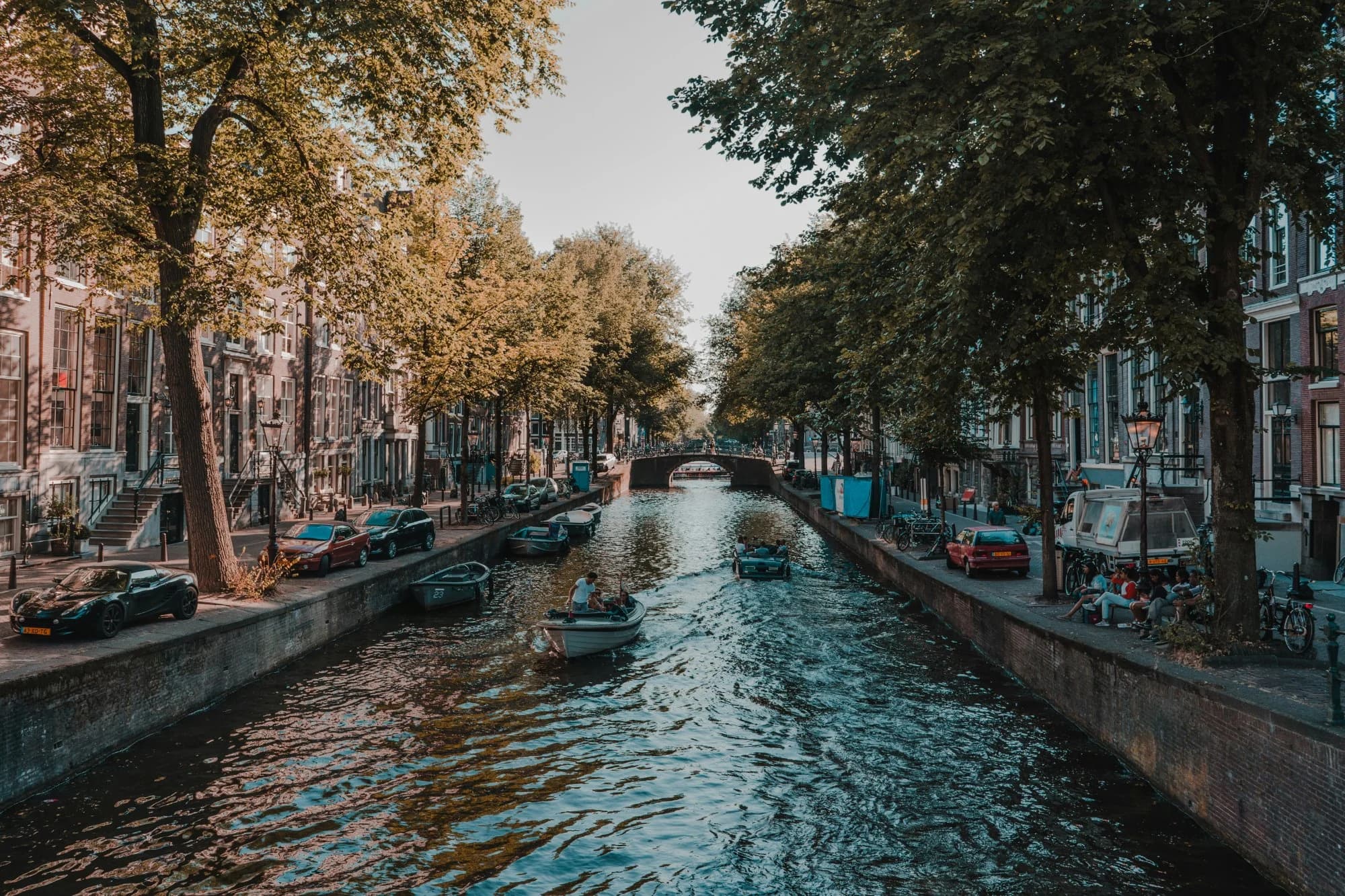
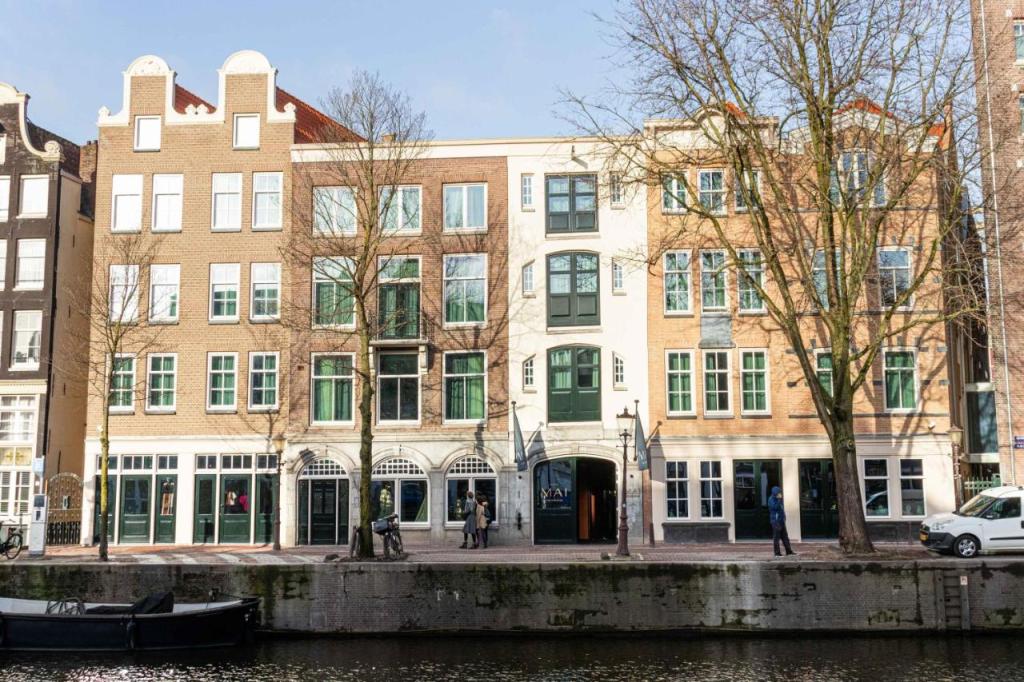
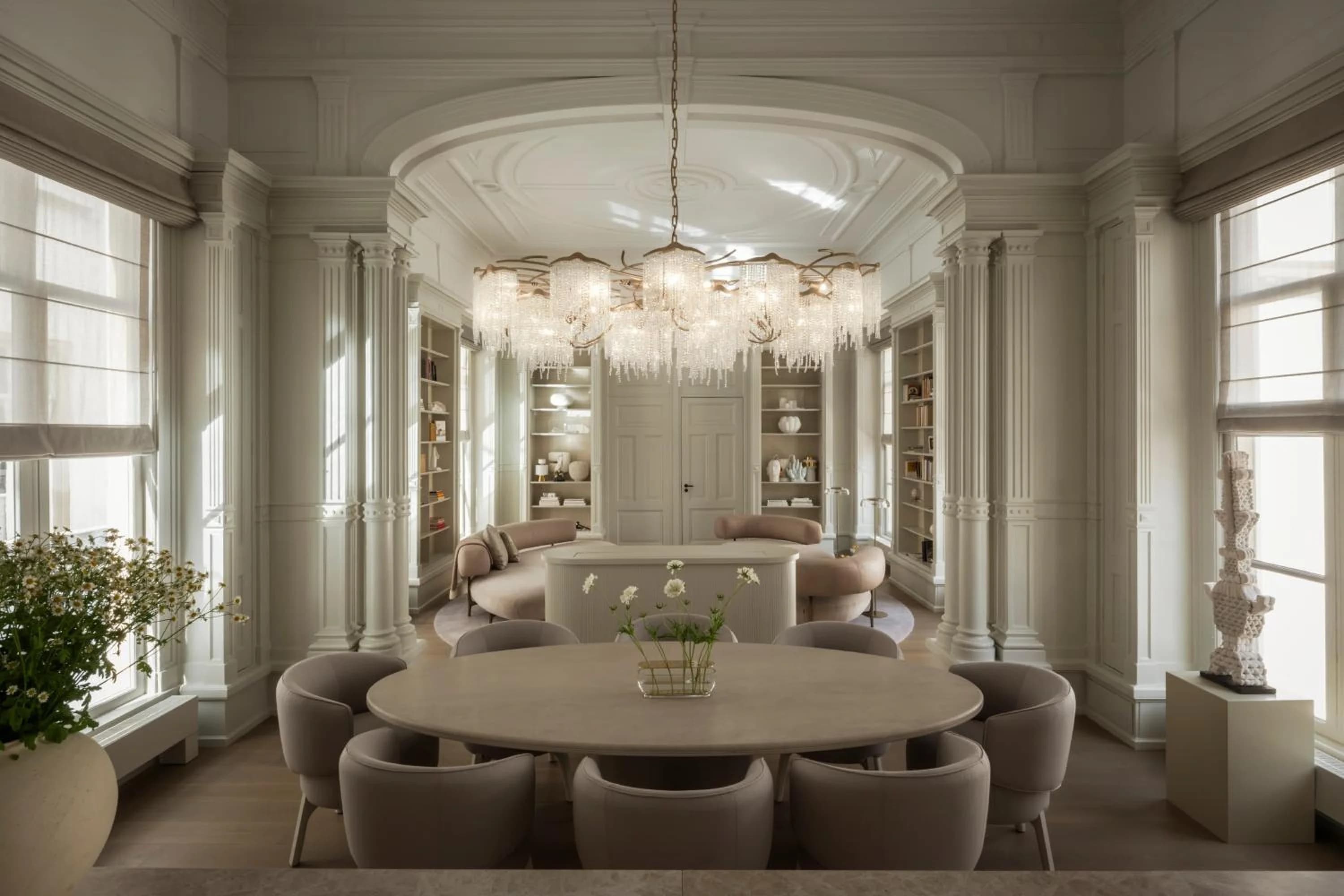
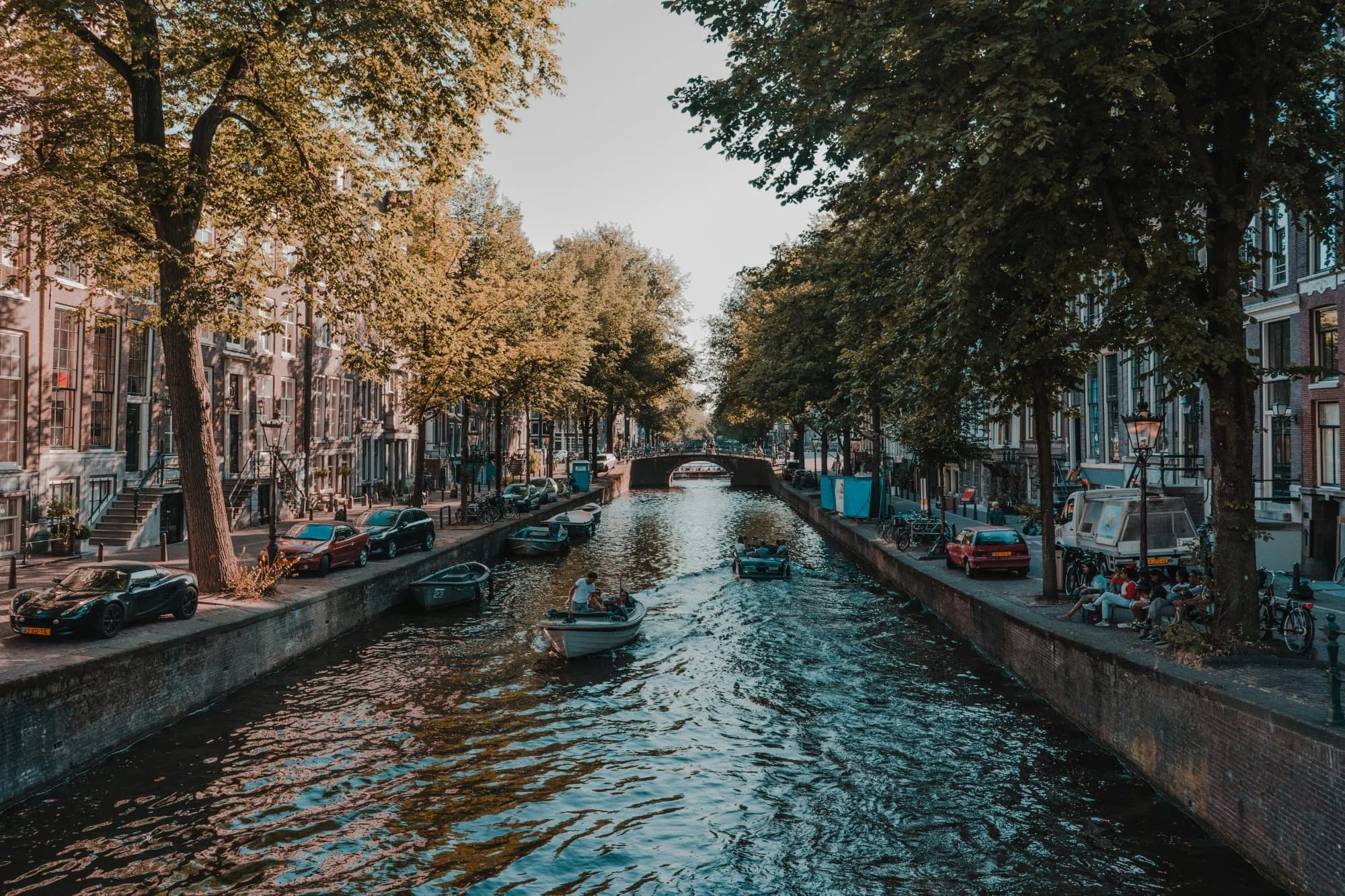
The UNESCO-listed canal ring is the geographic and historical core of Amsterdam's prestige. Streets such as the Herengracht, Keizersgracht, and Prinsengracht are lined with 17th-century merchant houses, many of which have been converted into boutique hotels with suite accommodation that preserves original proportions: high ceilings, tall sash windows, and timber beams. Staying here places guests within walking distance of the principal galleries, specialist antique dealers, and the finest Dutch dining. Canal-facing suites in this area deliver a direct, unmediated connection to the city's architectural identity.
The Museum Quarter and Oud-Zuid
South of the city's historic core, the Museum Quarter clusters the Rijksmuseum, the Van Gogh Museum, and the Stedelijk Museum within a short radius. The adjacent Oud-Zuid district, developed in the late 19th century, has wider streets, larger residential buildings, and a quieter pace. Luxury hotels in this area tend toward the classical European model: formal lobbies, spacious room plans, and a guest profile that skews toward cultural travelers and long-stay visitors. For those prioritizing the museum circuit and the Vondelpark, this zone represents the most logically positioned base.
The Jordaan
Immediately west of the canal ring, the Jordaan is the neighborhood most associated with Amsterdam's independent character: independent galleries, specialist cheese shops, antique markets at Noordermarkt, and a density of brown cafes (bruine kroegen) that operate as social institutions. Hotel supply here is smaller in scale, and suite options are fewer, but the area rewards travelers who prioritize urban texture over formal hotel infrastructure.
When to visit Amsterdam for a suite stay
Amsterdam is a year-round destination, but the visiting experience varies sharply by season, and suite availability follows a corresponding pattern.
Spring (April and May) is the most photographed period: tulip fields in the surrounding Bollenstreek region, the Keukenhof gardens at peak bloom, and long daylight hours. This is also the city's highest-demand window, and suite rates at the better properties reflect that. Advance planning is non-negotiable for this period.
Summer (June to August) brings the highest visitor volumes, open-air cultural programming, and the Amsterdam Pride festival in late July and early August, which fills the city's hotel inventory to capacity. The season is warm but rarely hot, and the canals become social infrastructure in their own right during this period.
Autumn (September to November) is the season favored by many experienced travelers to the city. Crowds thin, the light over the canals acquires a particular quality, and the cultural calendar opens with the new museum season. Suite rates soften slightly, and the city operates at a more considered pace.
Winter (December to February) brings the Amsterdam Light Festival, a city-scale installation event that runs from late November through January. The canals are illuminated by commissioned art works, and the cold, quiet streets reward a slow, observational style of travel that pairs well with the privacy a suite provides.
Understanding Dutch luxury hotel standards
The Netherlands does not operate a formal luxury designation system equivalent to the French Palace label. Dutch hotels are classified under the Benelux Hotel Classification system, which runs from one to five stars, but the five-star designation covers a broad range of properties and does not function as a prestige filter in the way that Palace status does in France.
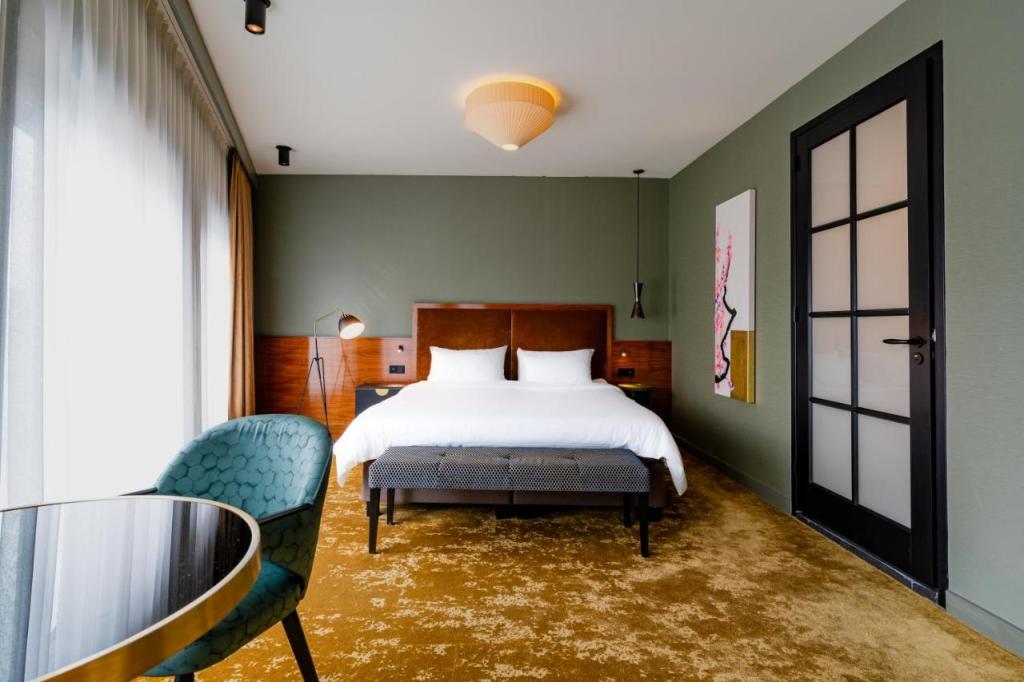
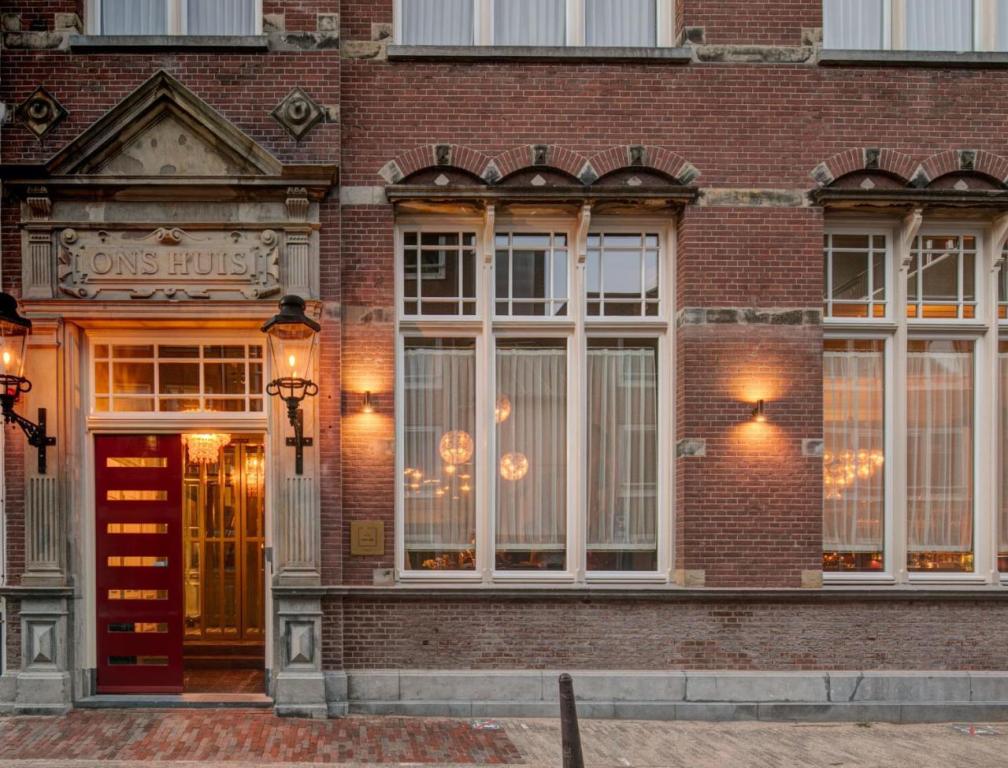
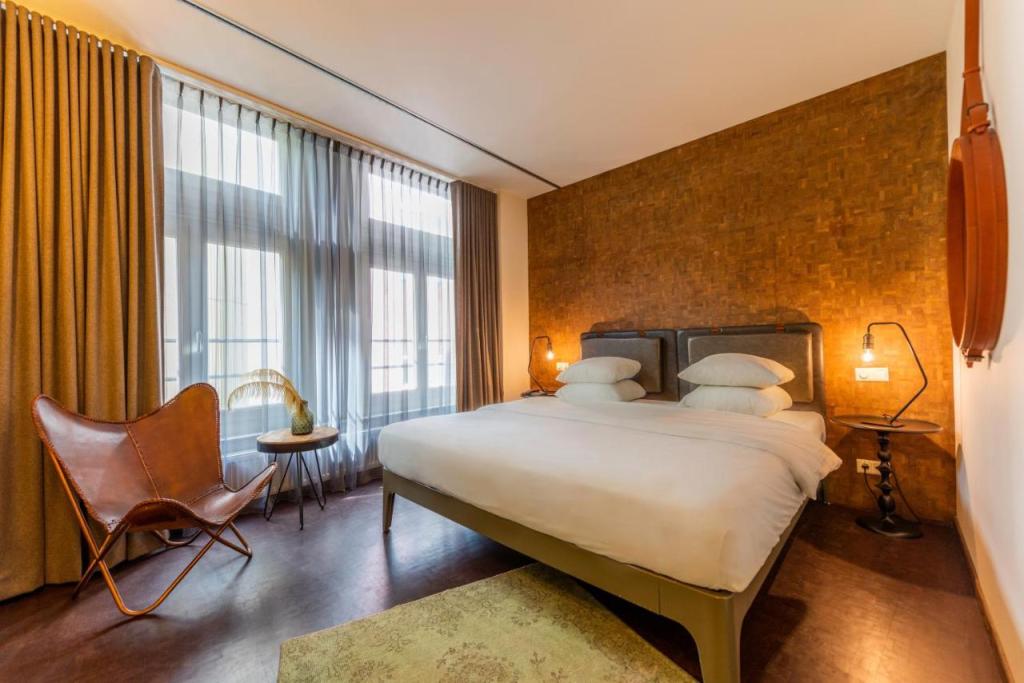
In practice, the markers of a serious luxury hotel suite in Amsterdam are architectural: original 17th or 18th-century fabric where present, ceiling heights above average, canal frontage, and proportions that reflect the heritage of the building. In newer and converted properties, the indicators shift toward spatial generosity, design authorship, and service ratio. Amsterdam's best suites tend to be individualized rather than standardized, reflecting the character of the buildings they occupy.
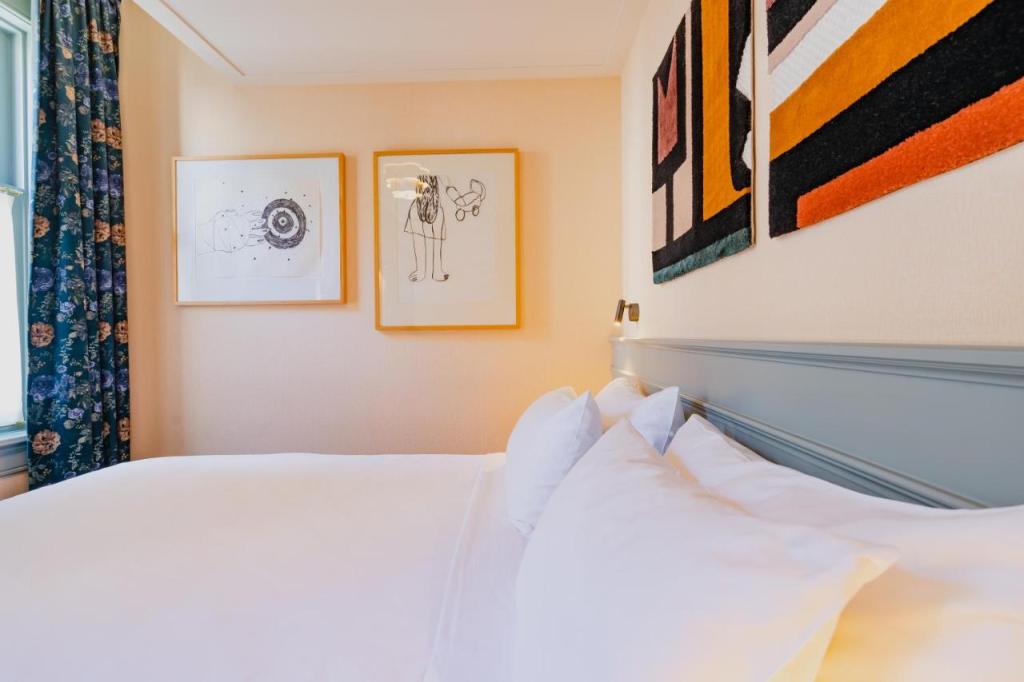
The city also has a tradition of smaller, design-led boutique hotels that operate at a high level without the formal infrastructure of large luxury brands. These properties often offer suites that function as private apartments within a heritage envelope, which appeals to travelers for whom anonymity and character carry equal weight.
How to choose the right luxury suite in Amsterdam
Selecting a suite in Amsterdam requires attention to a few considerations that are specific to the city's physical and architectural character.
First, the building type matters. Canal houses were built with vertical circulation in mind: narrow staircases, multiple floors, and limited lift access in older structures. Ground-floor or lower-floor suites in these buildings may sacrifice canal views for easier access. Upper-floor suites typically offer better light and canal panoramas but require comfort with older staircases. Properties that have undergone full renovation will generally have resolved these access questions, but it is worth confirming in advance.
Second, the orientation of the suite within the building shapes the experience. Canal-facing rooms command the most attention, but inner courtyard suites in historic properties can offer a quieter, more contemplative alternative, with garden views and reduced street noise.
Third, Amsterdam's historic center is a dense, active urban environment. Canal-side streets carry foot traffic, bicycles, and boat activity throughout the day. For travelers prioritizing acoustic privacy, suites set back from the principal canals or positioned on upper floors will perform better.
Finally, consider proximity to specific interests. For gallery-focused travelers, the Museum Quarter position is more efficient. For those whose priority is dining, the canal ring and Jordaan offer the greatest density of serious restaurants within walking distance.
Why curated selection matters in Amsterdam
Amsterdam's hotel market contains a high volume of properties operating at or near the five-star level, and the differences between them are architectural, spatial, and experiential rather than immediately visible in standard booking interfaces. A canal view, a heritage facade, and a suite designation do not, on their own, guarantee a considered stay.
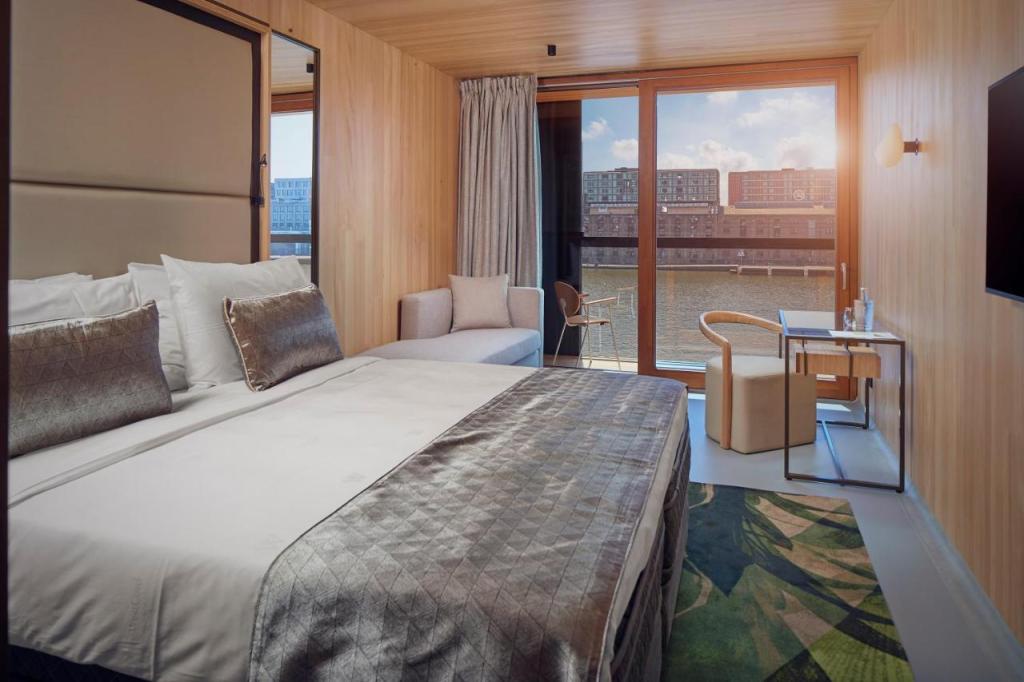
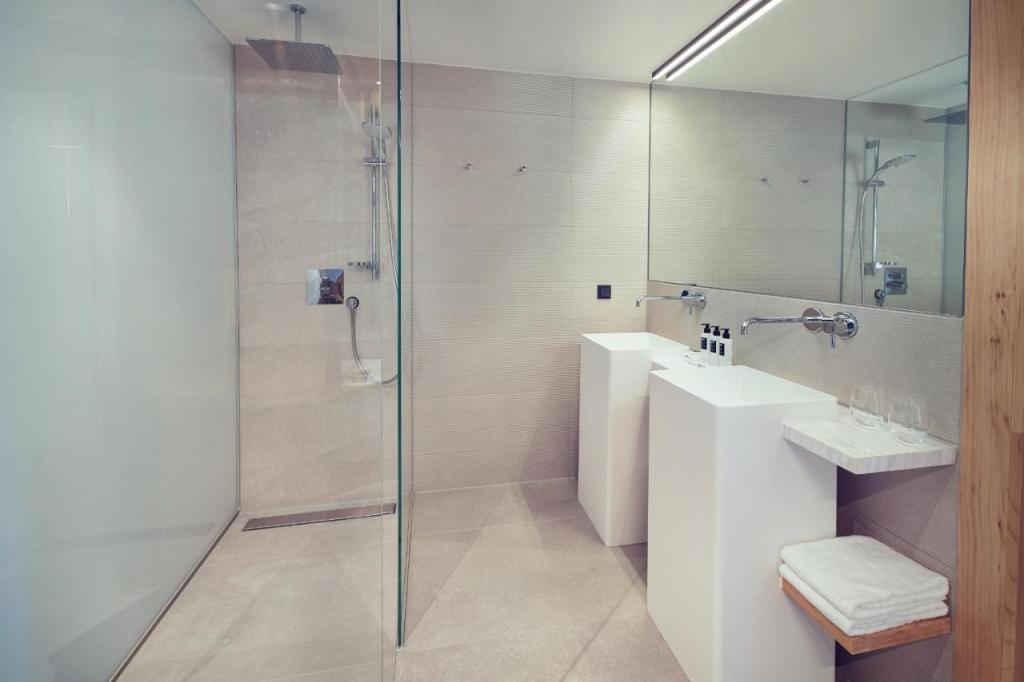
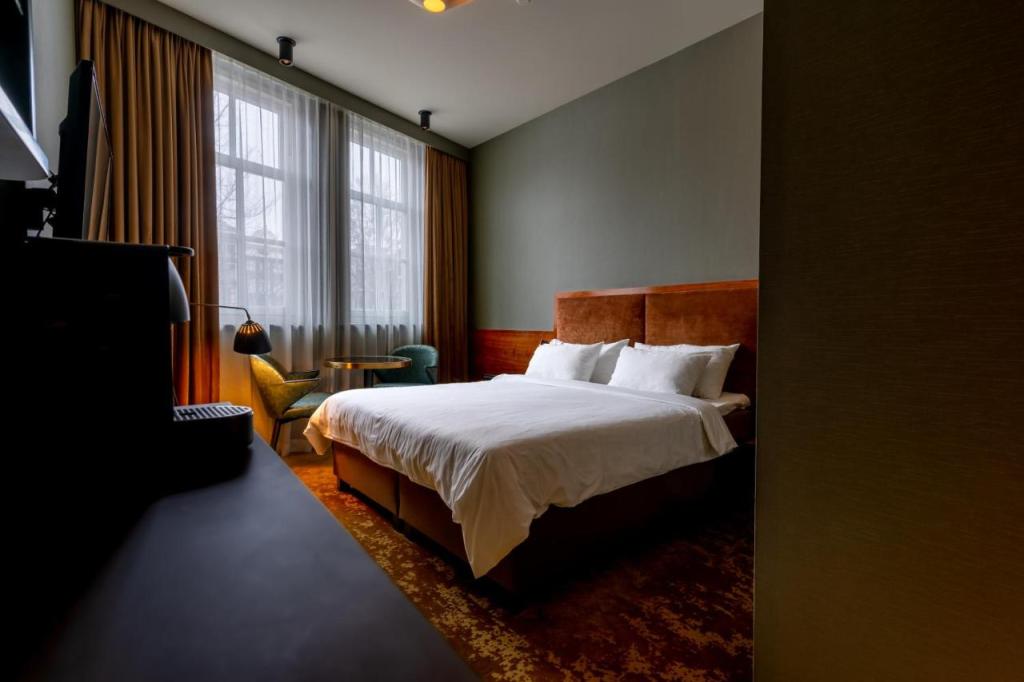
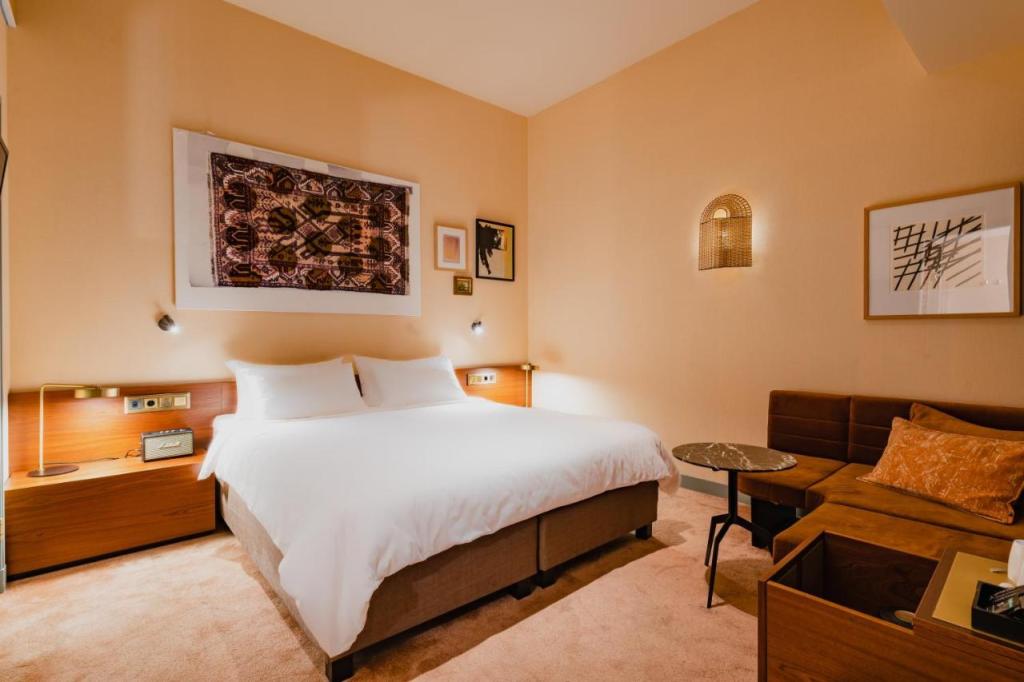
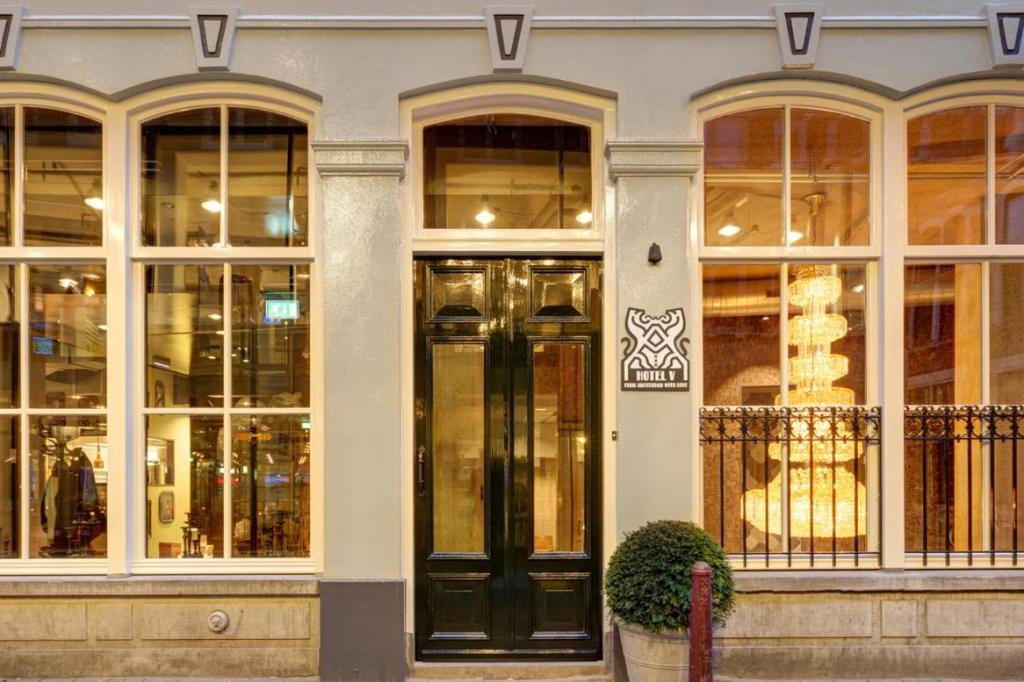
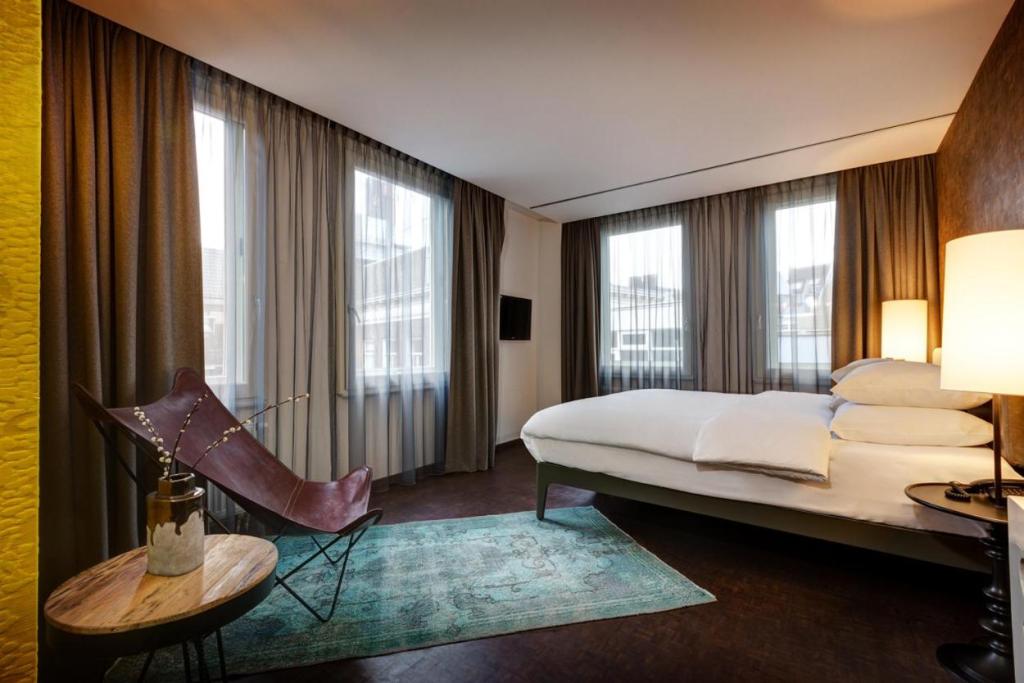
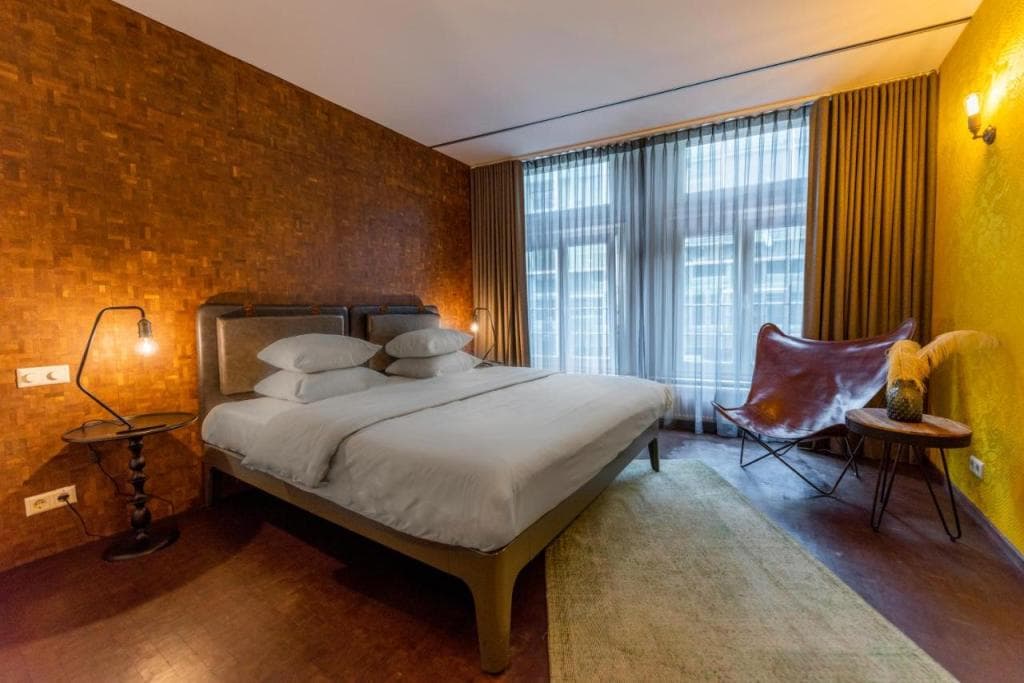
La Suite's curated selection of luxury hotel suites in Amsterdam is built on a direct assessment of what each property actually delivers at the suite level: room proportions, canal orientation, design quality, service consistency, and the accuracy of the positioning relative to the city's principal cultural infrastructure. With two properties currently listed, the selection is precise by design. Each represents a specific type of Amsterdam suite experience, and the curation exists to make the distinction legible without requiring the traveler to navigate the full market independently.