Understanding Saint Martin's within the Barbados luxury landscape
The luxury accommodation model in this part of Barbados tends toward the private and the residential rather than the large resort. Villas with suite-level service, intimate boutique properties, and converted plantation architecture are more representative of high-end stays in the eastern parishes than the sprawling all-inclusive format. This matters because the experience of space, light, and landscape is fundamentally different when the property has been designed around its site rather than imposed upon it.
The broader regions of Barbados worth considering for a suite stay
The west coast (Saint James and Saint Peter)
The parishes of Saint James and Saint Peter along the Caribbean coast constitute what is locally known as the platinum coast. The sea here is calm, the light is reliable in the dry season, and the concentration of international luxury hotel brands is the highest on the island. Suites in this corridor typically offer direct beach access, multiple dining options within the property, and a service model calibrated to a global five-star standard. This is the logical choice for first-time visitors to Barbados who want a frictionless introduction to the island at the highest level.
The south coast (Christ Church)
Christ Church is more animated than the west coast, with a broader range of dining and nightlife options accessible without a vehicle. The suites available here tend to be part of mid-to-large properties with a younger guest profile. The sea is still Caribbean in character, though slightly less sheltered. For travelers who want proximity to social infrastructure while still occupying a well-appointed suite, this parish is a functional choice.
The east and northern interior (Saint Andrew, Saint Joseph, Saint John)
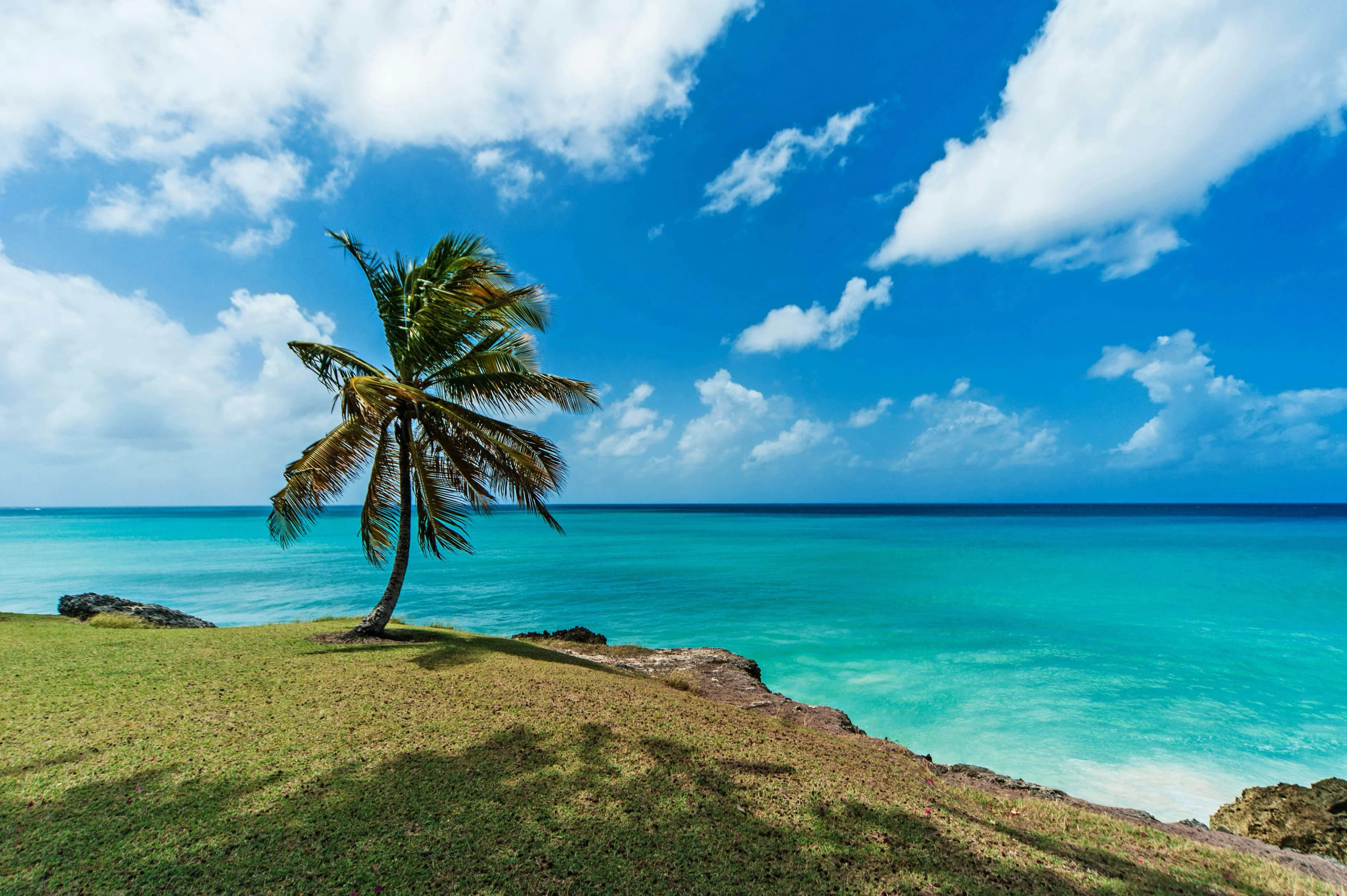
The eastern and northeastern parishes, which include Saint Martin's immediate neighbors, are where the island's agricultural and historical identity is most legible. The Scotland District, designated a UNESCO-recognized area of geological interest, runs through Saint Andrew and Saint Joseph. Properties in this corridor are typically smaller, more architecturally distinctive, and operated with a level of personal attention that larger resorts cannot replicate. A luxury suite in this part of Barbados is as much about the quality of the surrounding environment as it is about the room itself.
When to visit Barbados for a suite stay
Barbados operates within a tropical climate moderated by the northeast trade winds, which makes it more comfortable year-round than many Caribbean destinations. The dry season runs from December through April and represents peak demand for luxury suites across the island. Properties fill quickly during this period, and suite availability at the most sought-after addresses narrows considerably from late December through mid-January.
The wet season, running from June through November, brings periodic rainfall but also lower rates, thinner crowds, and a version of the island that feels more local in character. September and October carry the highest statistical risk of tropical weather disruption, and this should factor into planning for extended stays. For travelers whose schedule allows flexibility, the shoulder months of May and November offer a balance between favorable conditions and reasonable suite availability.
The Barbados Food and Wine and Rum Festival, typically held in November, draws a culturally and gastronomically oriented visitor who fits naturally within the audience for curated suite travel. The Crop Over Festival, centered on July and August, is the island's largest cultural event and reflects the deep-rooted connection between Barbadian identity and its sugar cane heritage.
Local luxury standards and what to expect from top-tier suites in Barbados
Barbados does not operate a formal national grading system equivalent to France's Palace designation, but the island has a well-established culture of high-standard hospitality that predates the international branding of Caribbean luxury. Properties that have operated for decades within the local market often carry a level of institutional knowledge and staff continuity that newer international openings cannot easily replicate.
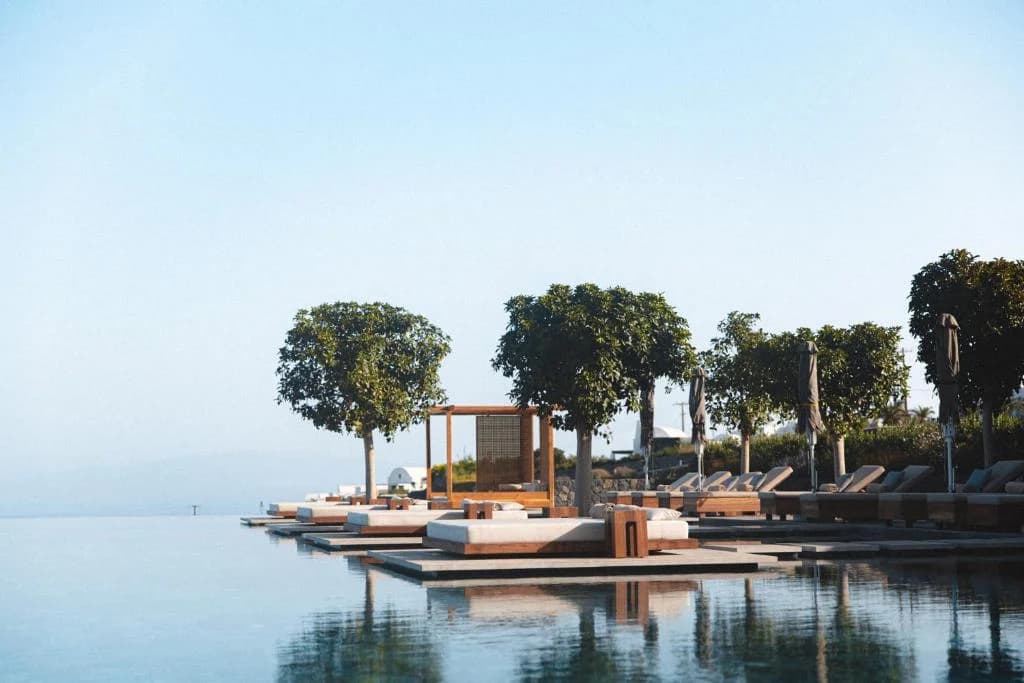
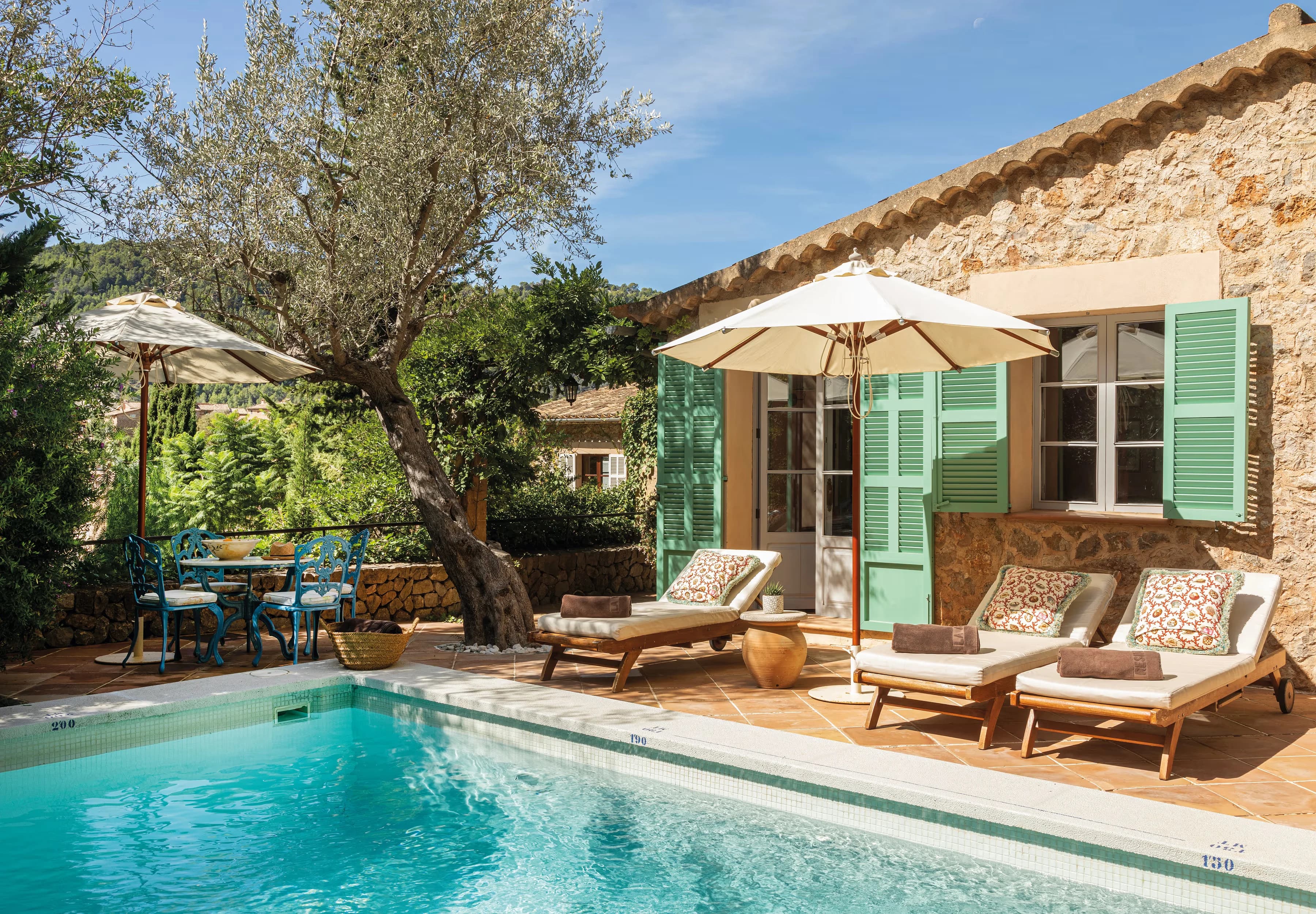
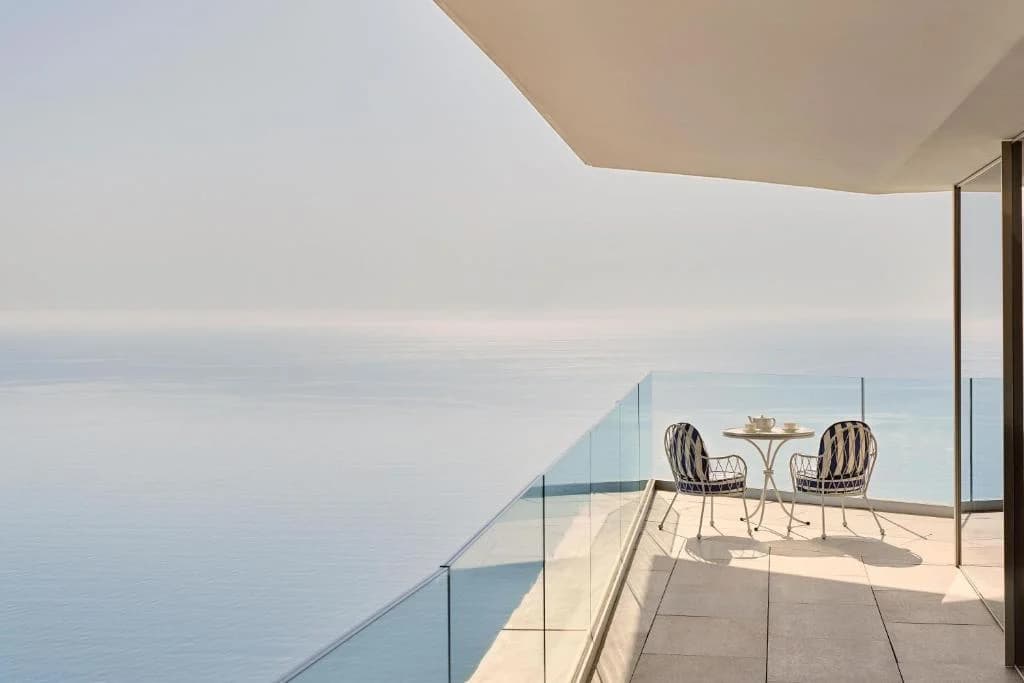
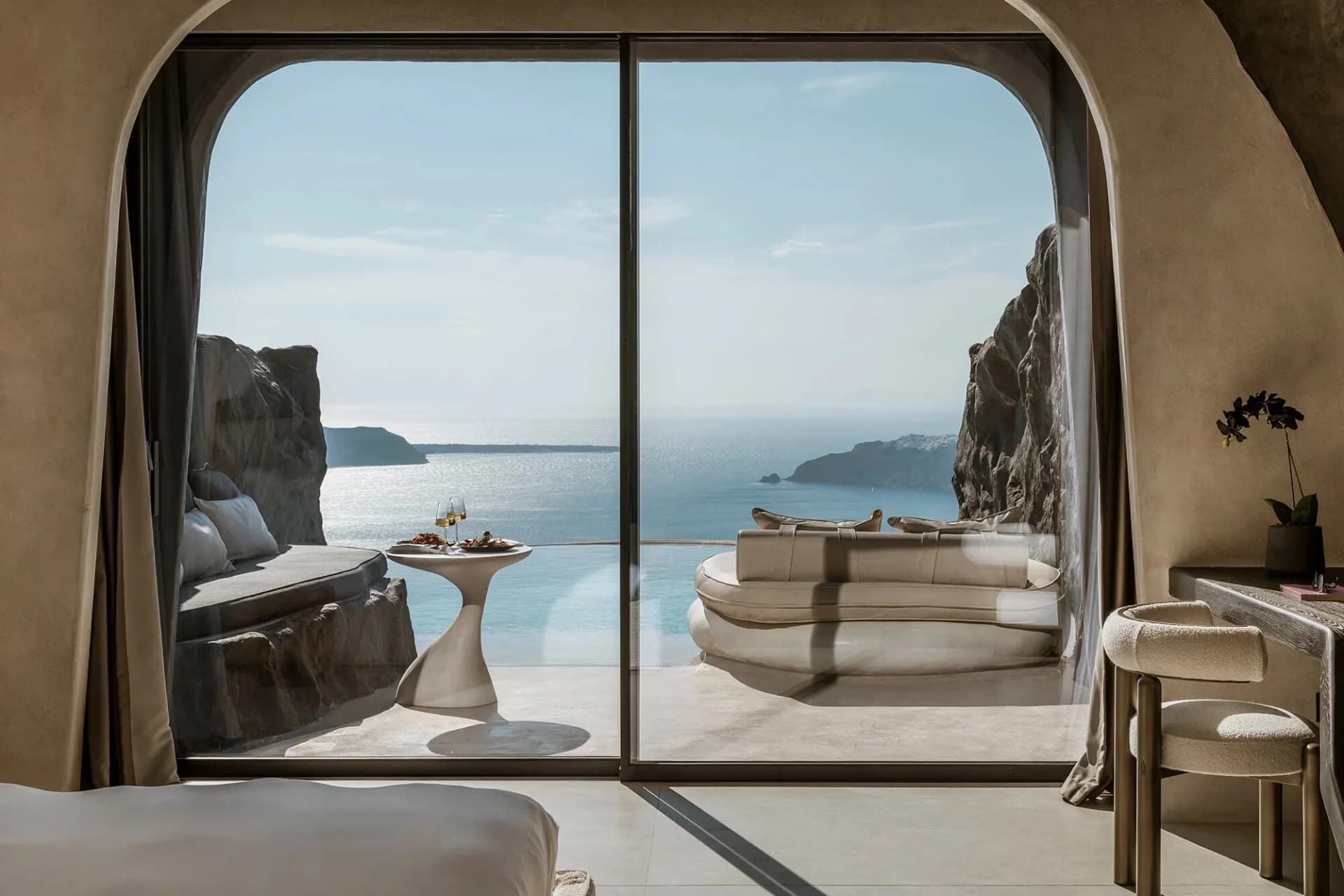
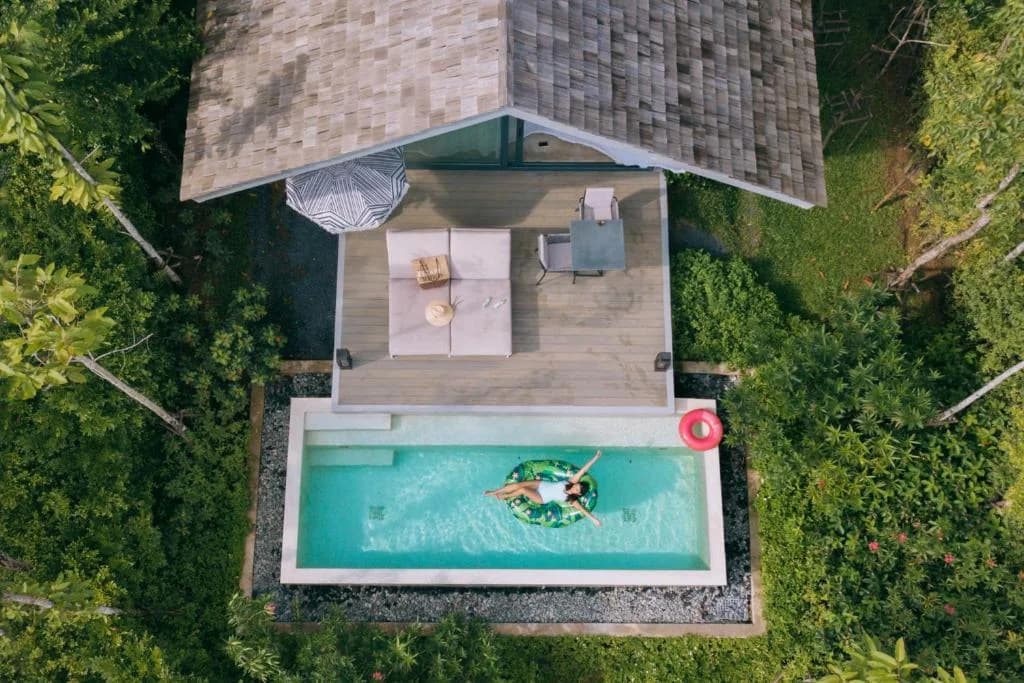
At the suite level, what distinguishes a genuinely high-caliber stay in Barbados is typically the quality of the outdoor living space rather than interior square footage alone. Plunge pools, covered terraces oriented to capture trade wind airflow, and direct or semi-private beach access are the primary differentiators between a standard room upgrade and a suite that justifies its positioning. Properties in the eastern parishes, including those proximate to Saint Martin's, tend to prioritize landscape immersion: the suite is designed to dissolve into its setting rather than compete with it.
Butler service at the highest level of Barbadian hospitality includes anticipatory provisioning, vehicle arrangements, and the capacity to act as a local knowledge resource. This is a material consideration for travelers who want the eastern parishes to be navigable without logistical friction.
How to choose the right suite in Barbados
The first practical filter is orientation. A suite facing the Caribbean will offer calm water, reliable sunset light, and a more predictable beach experience. A suite facing the Atlantic will offer drama, wind, and a more solitary coastal experience. Neither is categorically superior, but the preference is highly personal and should be confirmed before committing.
The second consideration is the gap between property size and service ratio. In Barbados, smaller properties frequently achieve a higher quality of personalized attention than larger ones. A twelve-suite boutique property with a dedicated team will often deliver a more calibrated experience than a two-hundred-room resort where suite guests share amenities with the broader hotel population.
Architecture is also a meaningful variable. Barbados has a strong tradition of colonial-era plantation great houses, several of which have been converted into accommodation. Staying within a property of genuine historical character is a materially different experience from staying in a purpose-built contemporary structure, and neither should be treated as a proxy for quality. The right choice depends on whether the traveler is drawn to the island's historical layering or to a cleaner, more minimal aesthetic.
Why a curated selection by La Suite matters in this destination
Barbados has a high volume of accommodation options, and the marketing language across the category is relatively uniform. Properties describe themselves in terms that are difficult to differentiate from the outside, and the gap between what is presented and what is delivered at the suite level is not always narrow. La Suite approaches this market by evaluating properties against criteria that are specific to the suite experience: the quality of the private outdoor space, the coherence of the service model, the architectural integrity of the room, and the degree to which the stay reflects the character of its location rather than a generic luxury template. For a destination like Saint Martin's and the broader eastern parishes of Barbados, where the inventory is smaller and the properties more idiosyncratic, this kind of informed curation is the most reliable way to identify a stay that will hold up against expectation.