Best areas to stay in the Dolomites for luxury suites
Alta Badia and the Ladin valleys
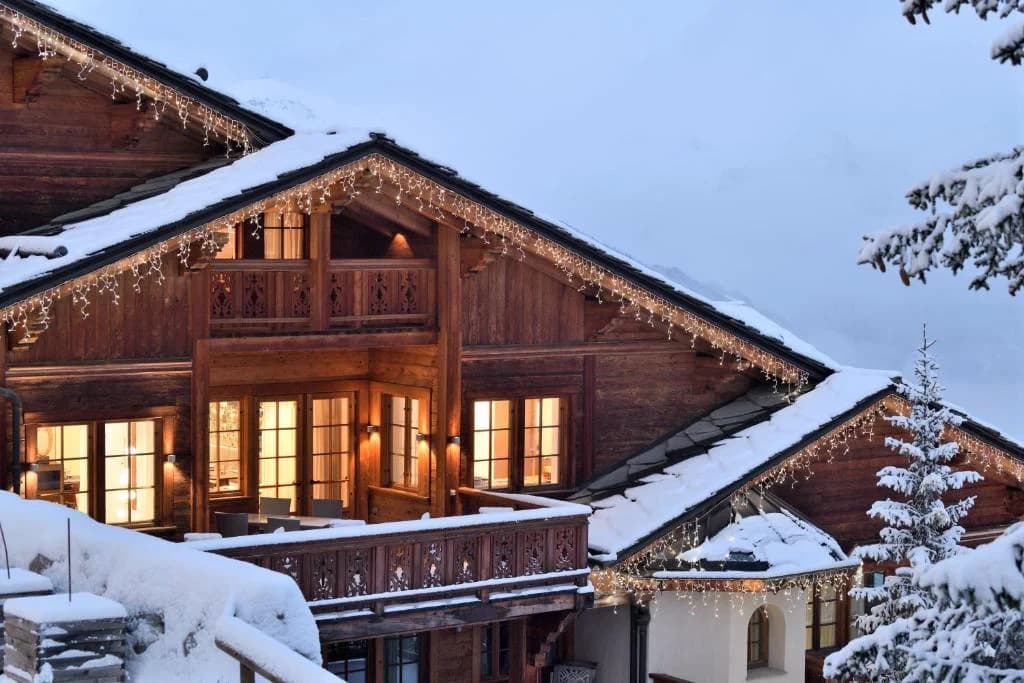
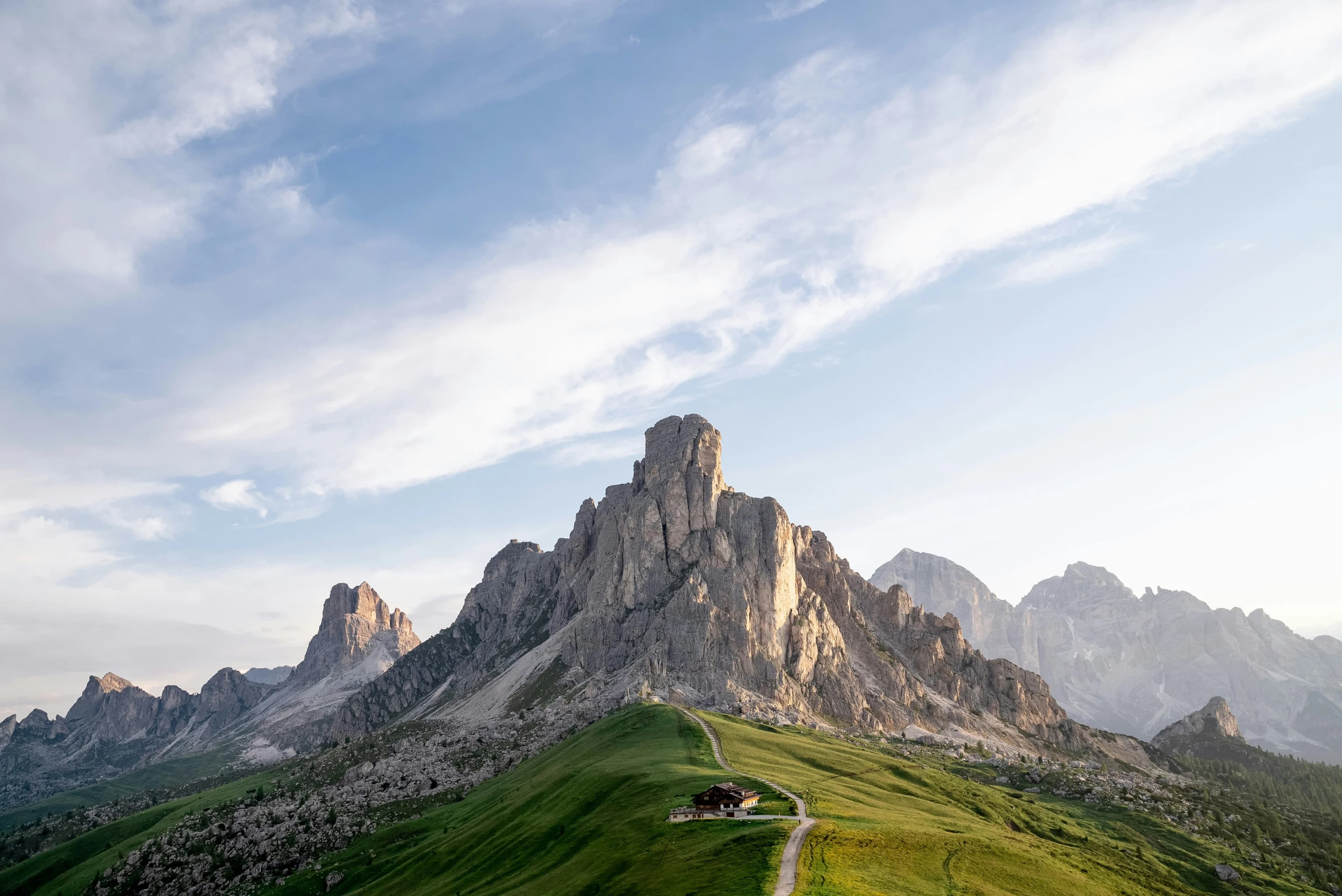
Alta Badia sits at the heart of the Dolomites and represents perhaps the most concentrated expression of alpine luxury in Italy. The area's Ladin cultural identity, a heritage predating both Italian and German influence in the region, informs an aesthetic that is precise, local, and architecturally coherent. Properties here tend toward contemporary alpine design: warm timber, stone facades, and large glazed apertures oriented toward the Sella massif and the Sassongher peak. This is a corridor that attracts a design-literate clientele and supports some of the highest density of Michelin-starred restaurants in any mountain region in Europe.
Cortina d'Ampezzo
Cortina operates on a different register entirely. Long established as Italy's premier alpine resort town, it combines serious skiing infrastructure with a social and cultural calendar that runs year-round. The architectural fabric of the town is Venetian in influence, which gives Cortina's hotel properties a warmer, more ornate character than those found further north in the South Tyrol. Suites here often occupy historic buildings that have been sensitively updated, offering a layered sense of place that newer builds cannot replicate.
Val Gardena and Alpe di Siusi
Val Gardena is known internationally for its woodcarving tradition and its connection to the Alpe di Siusi, the largest high-altitude alpine meadow in Europe. Properties in this valley offer direct access to that plateau, which transforms completely between seasons: deep snow cover in winter, wildflower meadows in summer. Luxury suites in this area tend to emphasize panoramic orientation, with private terraces and spa facilities designed around the altitude and the light.
Val di Fassa and the eastern Dolomites
The eastern reaches of the Dolomite territory, including the Tre Cime area and the zones approaching the Friuli border, offer a quieter, less commercial luxury. Properties here are fewer and the landscape more severe. For travelers seeking privacy above social scene, this part of the range deserves serious consideration.
When to visit the Dolomites for a luxury suite stay
The Dolomites function as a genuine four-season destination, but the two peak windows carry distinct characters.
Winter: December to March
The ski season brings the highest demand for suite inventory, particularly across the Christmas period and the first weeks of February. The Dolomiti Superski network connects twelve valleys and over 1,200 kilometers of marked runs, making it one of the largest lift-linked ski areas in the world. Suite availability at premium properties during these weeks requires advance planning of several months. Rates are at their ceiling and properties operate at full capacity.
Summer: June to September
The summer season has grown considerably in relevance for luxury travelers, particularly those interested in hiking, cycling, and the cultural calendar. The light in the Dolomites during summer evenings, a phenomenon locals call Enrosadira, describes the way the pale limestone turns successive shades of rose and amber at dusk. It is an optical event specific to this geology and it cannot be replicated elsewhere. Summer suite rates are generally more accessible than winter, and the valleys carry a calm that the ski season does not allow.
Shoulder seasons
November and April represent genuine off-season periods when many properties close for renovation and maintenance. Travelers who visit during these windows should confirm operational status directly with properties before committing to dates.
Local luxury standards: what to expect from top-tier suites in the Dolomites
The Dolomites do not operate on a generic international luxury template. The region has its own hospitality culture shaped by South Tyrolean and Ladin traditions, and the best properties express this through material choices, culinary identity, and spatial design.
The South Tyrolean hospitality standard
South Tyrol, which administers the northern portion of the Dolomites, has developed one of the most rigorous regional hospitality cultures in Europe. Properties here are frequently family-owned across multiple generations, and that continuity produces a consistency and specificity of service that chain hotels struggle to replicate. The thermal and wellness tradition is deeply embedded: most serious properties include dedicated spa facilities drawing on local mineral water sources, and treatments are often grounded in alpine herbalism rather than imported wellness frameworks.
Architecture and materiality
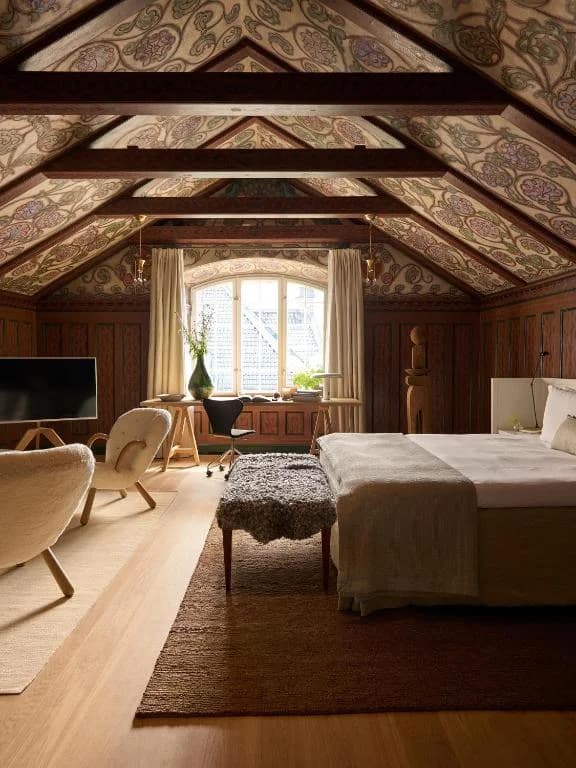
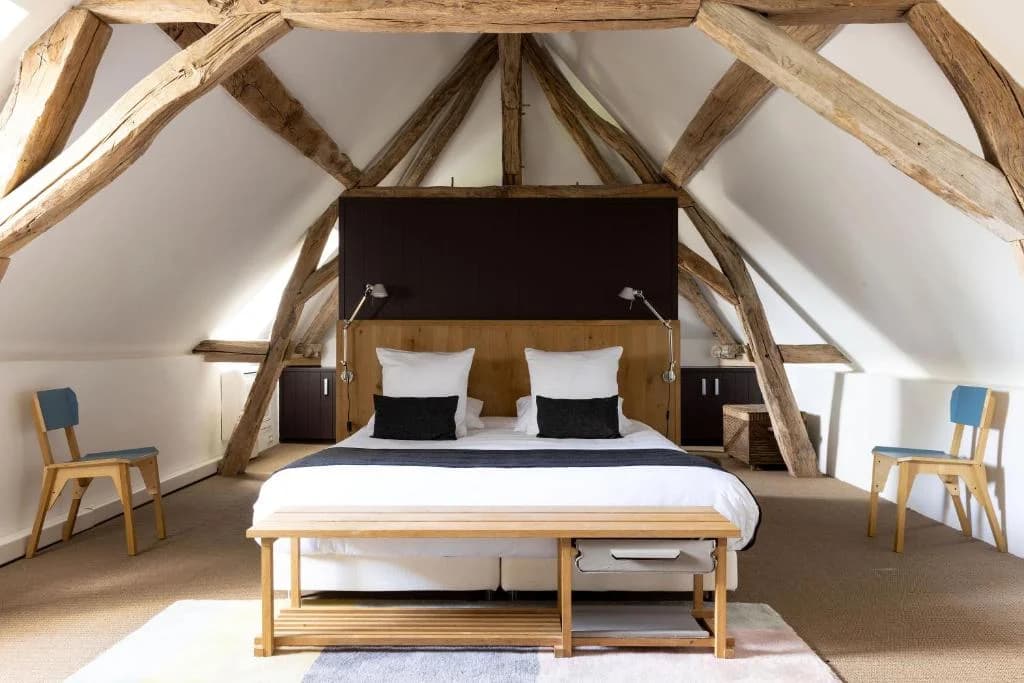
The finest suites in this region are defined by their relationship to local materials. Zirbelkiefer (Swiss stone pine), a timber with documented properties that affect cardiovascular rest and sleep quality, is used in headboards, wall paneling, and furniture. Loden textiles, local stone, and ceramic tiling in regional patterns complete a material palette that is coherent and specific. A luxury hotel suite in the Dolomites that ignores this language in favor of generic international design is, by local standards, a lesser product.
Culinary identity
The Dolomites sit at the intersection of Italian and Central European food cultures. The best suites are attached to properties whose restaurants engage seriously with this duality: Ladin specialties like casunziei (beetroot-filled pasta), local dairy traditions from the alpine pastures, and wine programs drawing from the Alto Adige DOC, one of Italy's most technically precise wine regions.
How to choose the best luxury suite in the Dolomites
Several practical considerations shape the decision in ways specific to this geography.
Orientation and view
Not all suites in a Dolomites property face the mountains. Given that the visual relationship with the peaks is often the primary reason for choosing this destination, confirming the orientation of a suite before booking is essential. East-facing suites capture the early alpenglow; west-facing suites hold the Enrosadira light longest at dusk.
Altitude and access
Properties at higher altitude offer more immediate access to the landscape but can present logistical considerations in winter, particularly regarding road conditions and parking. Valley-floor properties offer easier access to towns, restaurants, and transport, at the cost of some immediacy with the peaks.
Seasonal property closures
Many Dolomites properties close during the off-season months. Confirming operating dates, particularly for stays in October, November, or April, avoids disappointment with properties that are otherwise exceptional during their open season.
Size and configuration
Suites in alpine properties vary considerably in their spatial logic. Some prioritize a single dramatic living space with mountain exposure; others distribute the suite across multiple rooms suited to families or longer stays. Identifying the right configuration for the purpose of the trip matters more here than in urban hotel contexts, where the suite is less likely to serve as a primary living environment for the duration of the stay.
Why a curated selection by La Suite matters in the Dolomites
The Dolomites luxury market includes a wide range of properties that position themselves at the top end without always delivering the specificity that the region's best addresses provide. The gap between a well-marketed four-star alpine hotel and a genuinely exceptional luxury suite property is significant, and it is not always legible from standard booking platforms. La Suite's editorial process filters for properties where the suite experience itself, its architecture, its orientation, its material quality, and its service standard, constitutes the primary offering. For a region where the suite is so directly implicated in the quality of the experience, that curation is not a convenience. It is the difference between a good trip and a definitive one.