Best areas along the French Riviera to stay in a luxury suite
To find out more about this region, read our guide to the French Riviera.
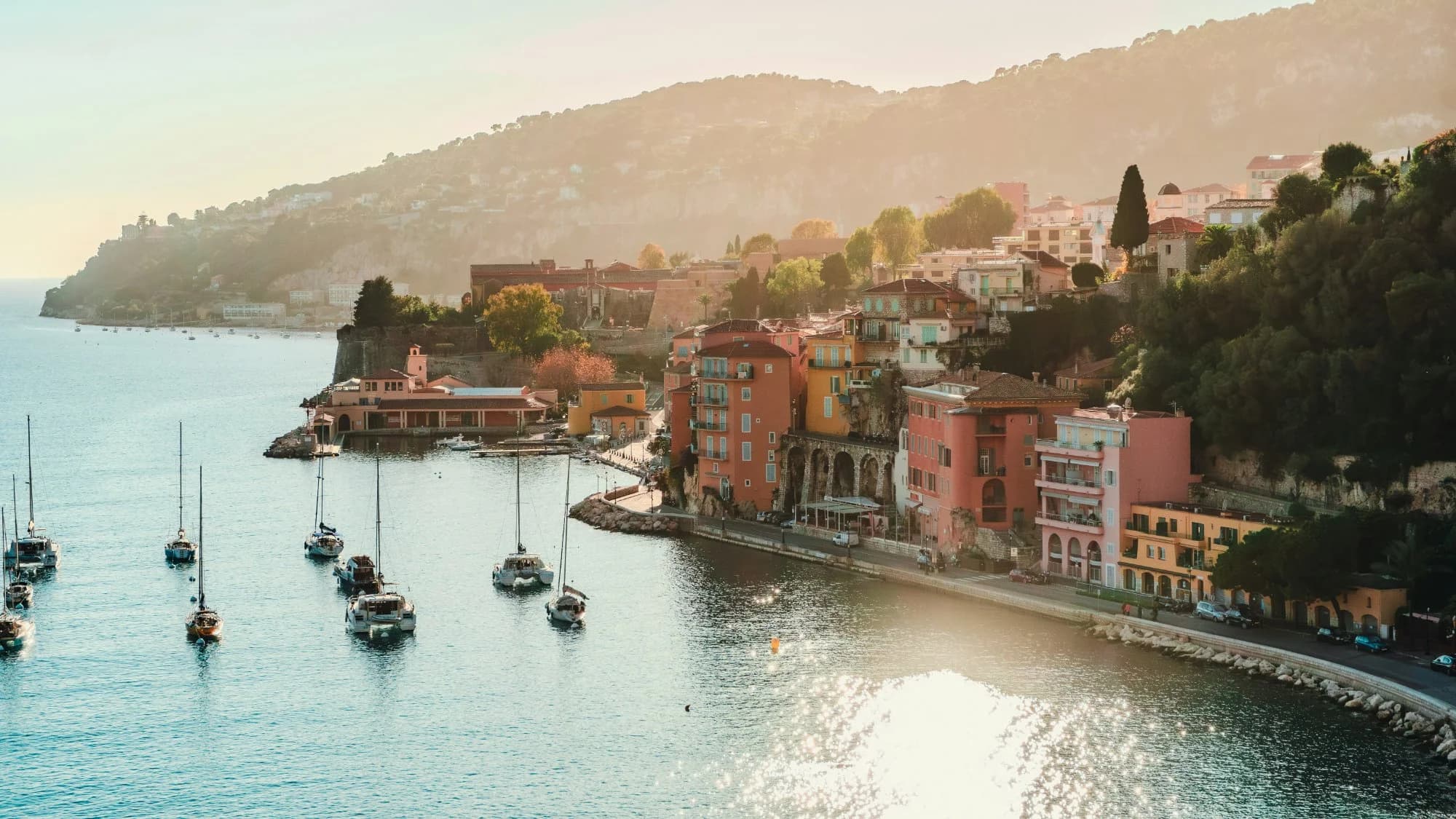
Nice and the eastern Riviera
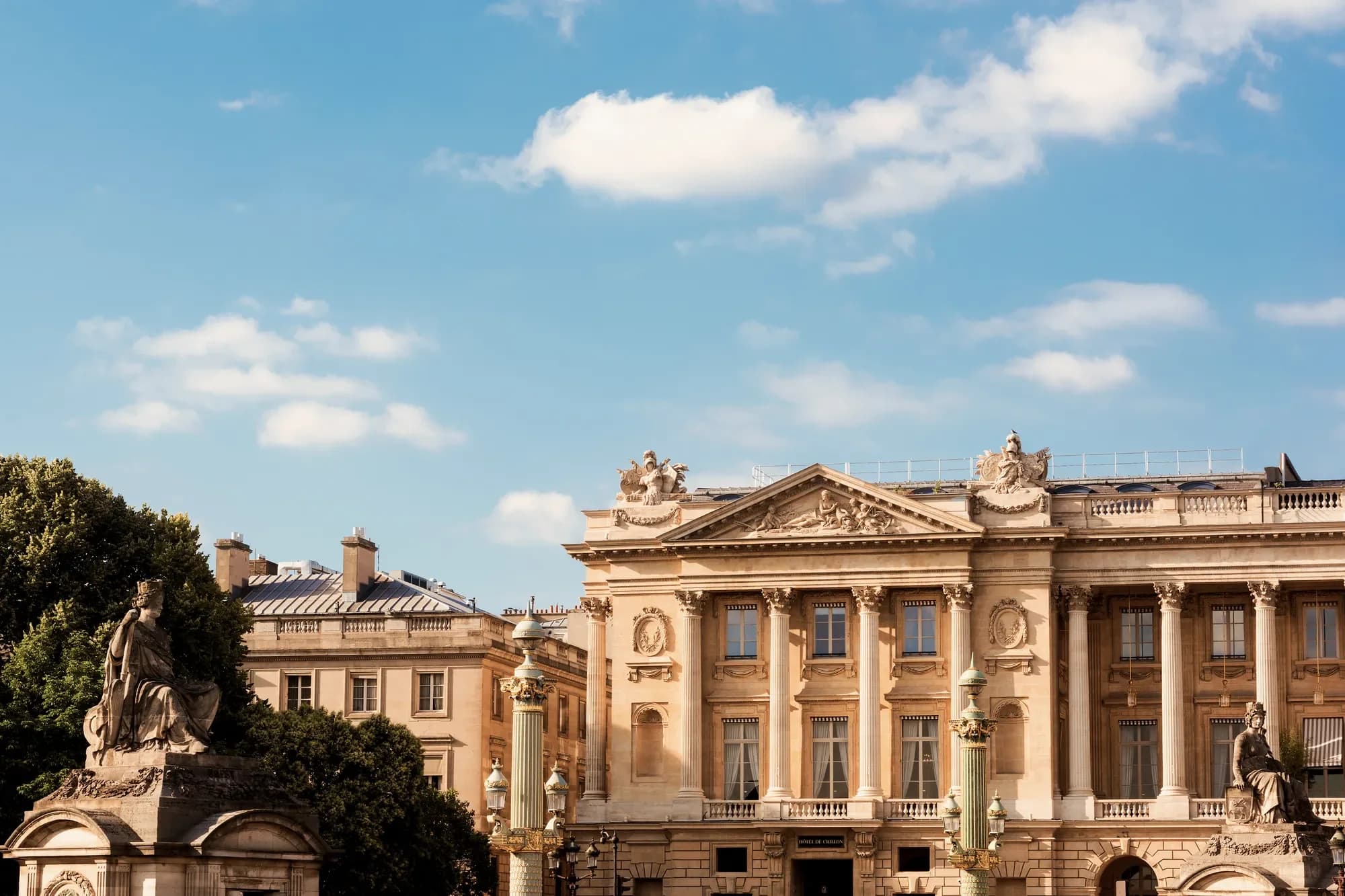
Nice functions as the administrative and cultural spine of the region. Its Belle Époque facades, the Promenade des Anglais, and the density of its old town (Vieux-Nice) give it a character closer to an Italian coastal city than a French resort. Luxury hotels here tend toward the historic grand hotel typology: large, formal properties with broad terraces and a strong sense of institutional history. The eastern stretch toward Menton and the Italian border becomes progressively more residential and discreet, favored by travelers seeking lower density and longer stays.
Cannes and the western Riviera
Cannes operates on a different frequency. The Croisette, the Palais des Festivals, and the calendar of international events (cinema, advertising, technology, music) give it a corporate and creative energy that few coastal cities can match. Luxury hotel suites here are designed with professional utility in mind: meeting space, communication infrastructure, and proximity to event venues matter as much as the sea view. The Lérins Islands, a short boat transfer from the port, offer an unexpected counterpoint to the pace of the city.
Antibes, Juan-les-Pins, and the Cap d'Antibes
The Cap d'Antibes peninsula represents one of the most coveted stretches of real estate on the Mediterranean. Its stone walls conceal private estates dating to the nineteenth century. Luxury hotels on the Cap tend toward the villa model: contained, intimate, with gardens that reach the water's edge. This is the part of the Riviera where guests arrive by yacht and leave by helicopter, and where the ratio of suite to standard room skews heavily toward the former.
Saint-Tropez and the Var coast
Saint-Tropez sits administratively outside the Alpes-Maritimes department, but culturally it remains central to any serious understanding of Riviera luxury. Its appeal is paradoxical: a medieval fishing village that became one of the world's most photographed destinations without ever building an airport. Access remains deliberately inconvenient, which preserves a certain quality of guest. Luxury properties here range from converted bastides to purpose-built contemporary hotels set back from the village in the Var hinterland.
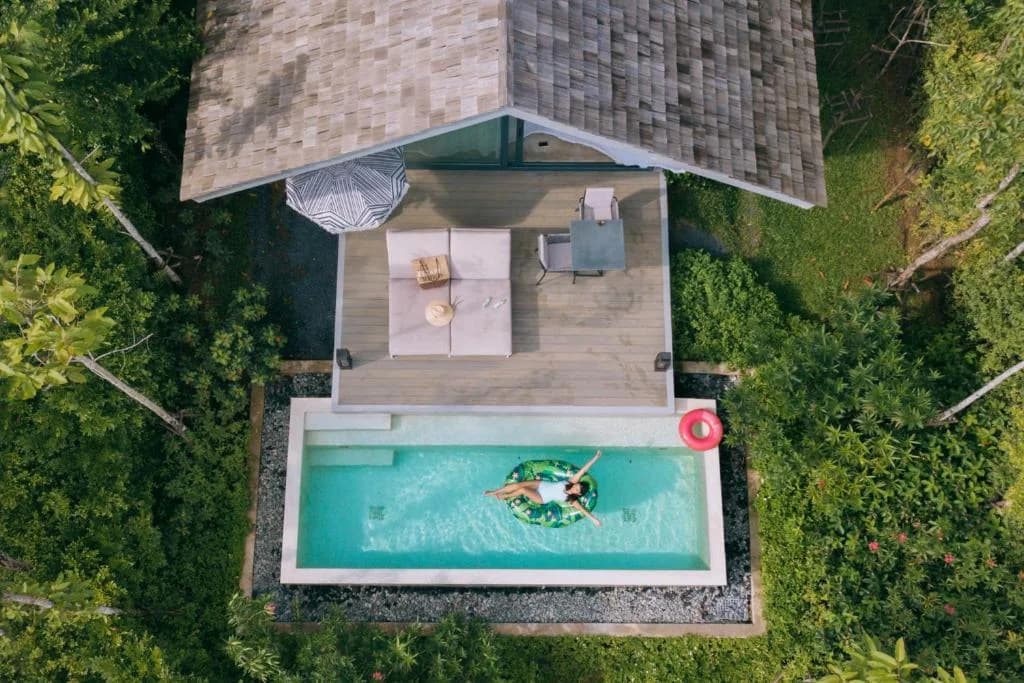
Or check out our article on the most beautiful suites on the French Riviera with private pools.
When to visit the French Riviera for a luxury suite stay
The Côte d'Azur operates on a highly seasonal rhythm, and suite availability at the finest properties is directly tied to the calendar of major events.
May is the month of peak demand, driven by the Cannes Film Festival (held annually across two weeks in the middle of the month). Suites at properties on and near the Croisette are reserved months, and in some cases a full year, in advance. Rates at this period reflect the concentration of demand from global media, entertainment, and finance industries.
June and early July represent the most balanced window for luxury travelers: the season is open, the weather is settled, and the volume of event-driven visitors has not yet reached its August peak. This is when the Riviera functions at its most purely residential, with a pace that rewards longer stays.
Late July and August are the months of maximum occupancy across all categories. Sea temperatures peak, and the coast operates at full social intensity. Travelers seeking space and quiet within this period tend to gravitate toward properties on the Cap d'Antibes, in the hills above Èze, or along the less-trafficked Var coast.
September is widely considered by frequent Riviera visitors to be the finest month: the light changes quality, the crowds thin, and many properties offer their best suite configurations with greater availability. The Monaco Yacht Show, held in late September, creates a secondary demand spike around the principality.
Winter on the Riviera is underrated. Nice, in particular, operates year-round with a cultural calendar (Carnival in February, Jazz Festival in July, and a consistent museum circuit including the Matisse Museum and the Marc Chagall National Museum) that rewards off-season visits. Suite rates at this period are substantially lower, and the quality of service at reduced occupancy is often higher.
Local luxury standards on the French Riviera
France operates a formal classification system for its finest hotels: the Palace designation (distinct from the standard five-star rating) is awarded by Atout France, the national tourism agency, to properties that meet an elevated set of criteria covering architecture, service, food and beverage offer, and cultural contribution to their territory. On the Côte d'Azur, several properties carry this distinction, and it functions as a reliable quality signal for travelers unfamiliar with the local market.
Beyond the Palace label, the Riviera has its own vernacular of luxury property types. The grand hotel tradition of Nice and Cannes produces properties that are architecturally significant in their own right, with interiors that reference the nineteenth-century Riviera aristocracy. The bastide tradition of the Provençal interior, adapted for the Var and the pre-Alps hinterland, offers a different register entirely: stone construction, formal gardens, and an emphasis on outdoor dining and agricultural provenance. Villa-format hotels, particularly on the Cap d'Antibes and around Saint-Tropez, function more like private residences than hotels, with a staff-to-guest ratio and level of personalization that reflects their scale.
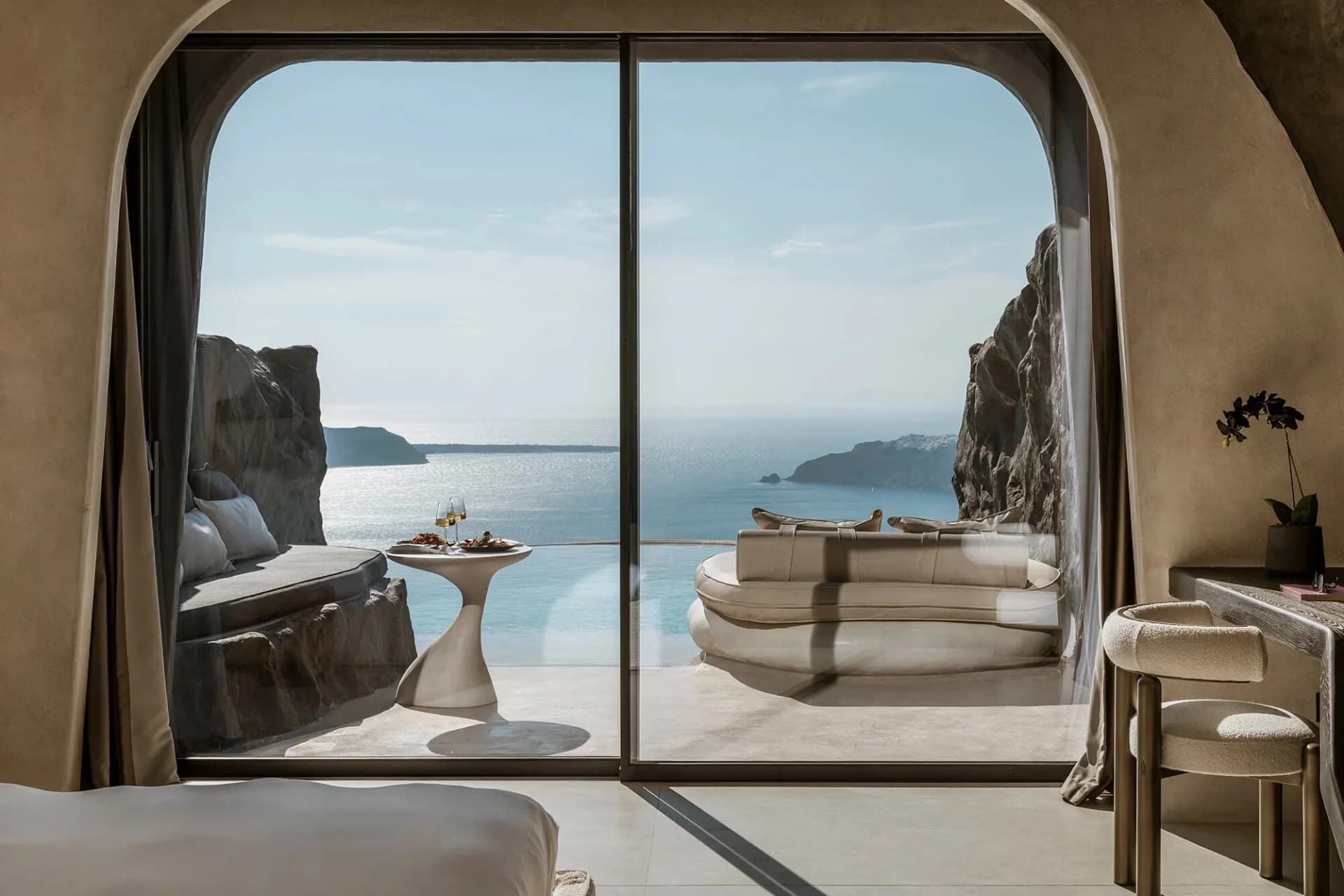
Suite specifications on the Riviera tend to prioritize outdoor space: terraces, plunge pools, and direct garden access are standard at the top tier. Interior finishes reference the local craft tradition (Salernes tile, Toiles de Mayenne, Provençal stonework) alongside contemporary design commissions from French and international architects.
How to choose the right luxury suite on the French Riviera
Geography is the first variable. The distance between Nice airport and Saint-Tropez is approximately 100 kilometers, but travel time by road in high season can exceed two and a half hours. Travelers arriving by private aviation into Cannes Mandelieu will find a different set of properties within easy reach. Monaco has no commercial airport; transfers from Nice take between thirty and forty-five minutes by road or under ten minutes by helicopter.
The architectural character of the suite matters on the Riviera in a way that is specific to this destination. Historical properties carry the weight of their provenance: many have hosted documented figures from the twentieth century's cultural and political history. Contemporary properties, particularly those built or renovated in the last decade, tend to prioritize indoor-outdoor connectivity and Mediterranean material palettes. Both categories are legitimate; the choice depends on whether the guest's relationship to place is primarily historical or sensory.
View orientation is a practical consideration that affects the daily experience of a suite on the Riviera. South and southeast orientations capture the morning light over the water. Properties on the hills above Monaco, Èze, or La Turbie offer altitude-driven panoramas that compress the coastline into a single visual plane. Coastal properties at water level prioritize proximity to the sea at the expense of elevation.
Why a curated selection by La Suite matters on the French Riviera
The Côte d'Azur has one of the highest concentrations of luxury hotel inventory in Europe, and the range of quality within the five-star category is considerable. A suite listed at a comparable rate in Cannes and in Nice may represent fundamentally different values: one priced for location and event demand, the other for genuine architectural and service quality.
La Suite's curation process evaluates properties against criteria that go beyond star ratings and price points: suite-specific outdoor space, privacy architecture, the ratio of suite to total room inventory, and the consistency of service at the suite level as distinct from the hotel average. On a coast where reputation and marketing budgets are significant, independent editorial curation provides a counterweight to sponsored visibility. The selection available through La Suite reflects properties chosen for the experience they deliver, not the prominence of their advertising.