
London
Hotels with luxury suites in London
London does not offer a single luxury quarter. It offers a sequence of self-contained worlds, each with its own social logic, architectural character, and suite typology. Understanding these distinctions is the first step toward choosing correctly.

Belgravia
24 hotels

Bloomsbury
3 hotels

Camden
32 hotels

Chelsea
25 hotels

Clerkenwell
3 hotels

Covent Garden
7 hotels

East End
15 hotels

Fulham
4 hotels

Kensington
11 hotels

Knightsbridge
2 hotels
Marylebone
17 hotels

Mayfair
30 hotels

Notting Hill
2 hotels

Paddington
6 hotels
Shoreditch
6 hotels
Soho
7 hotels

South Bank
4 hotels
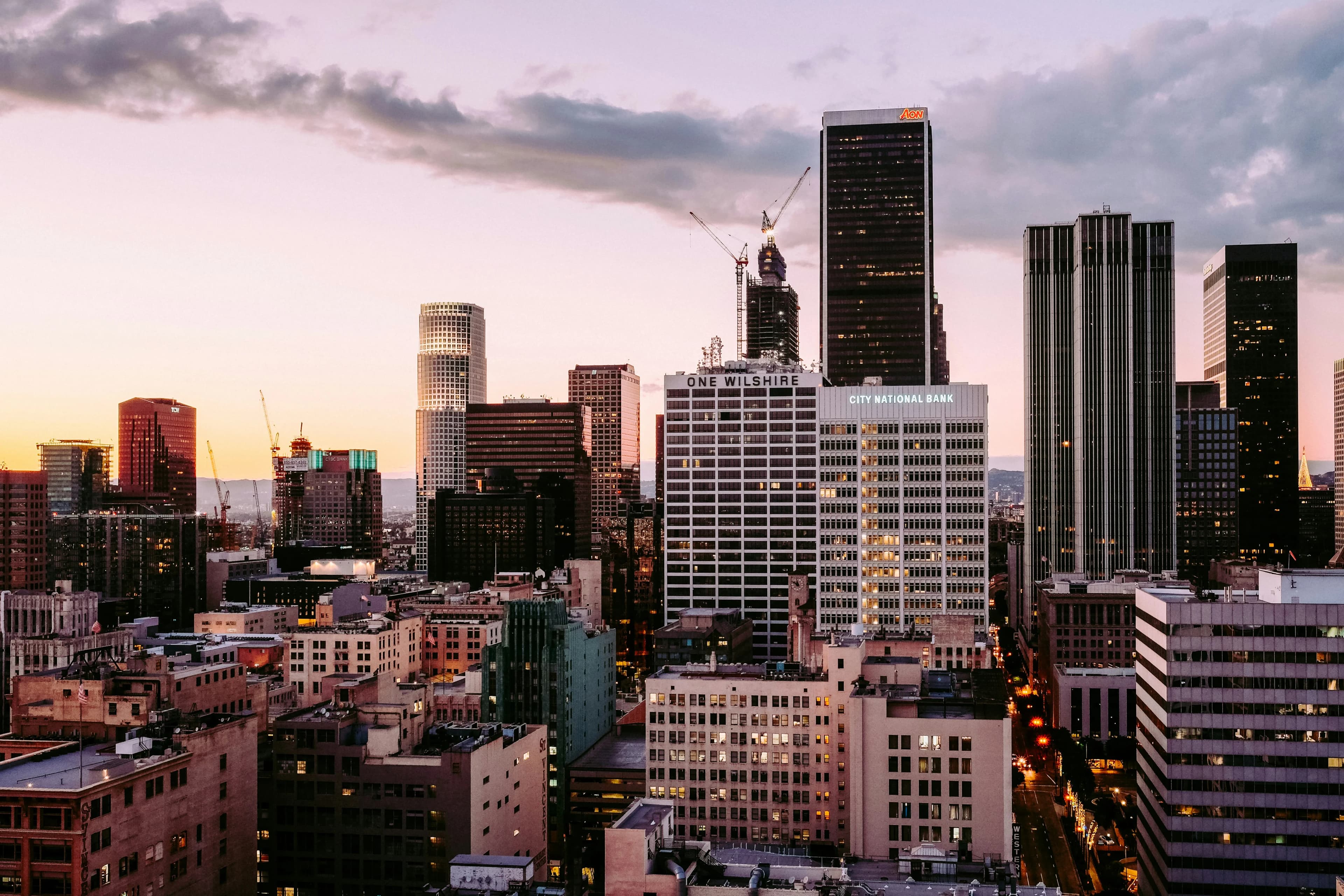
The City
15 hotels

West End
40 hotels
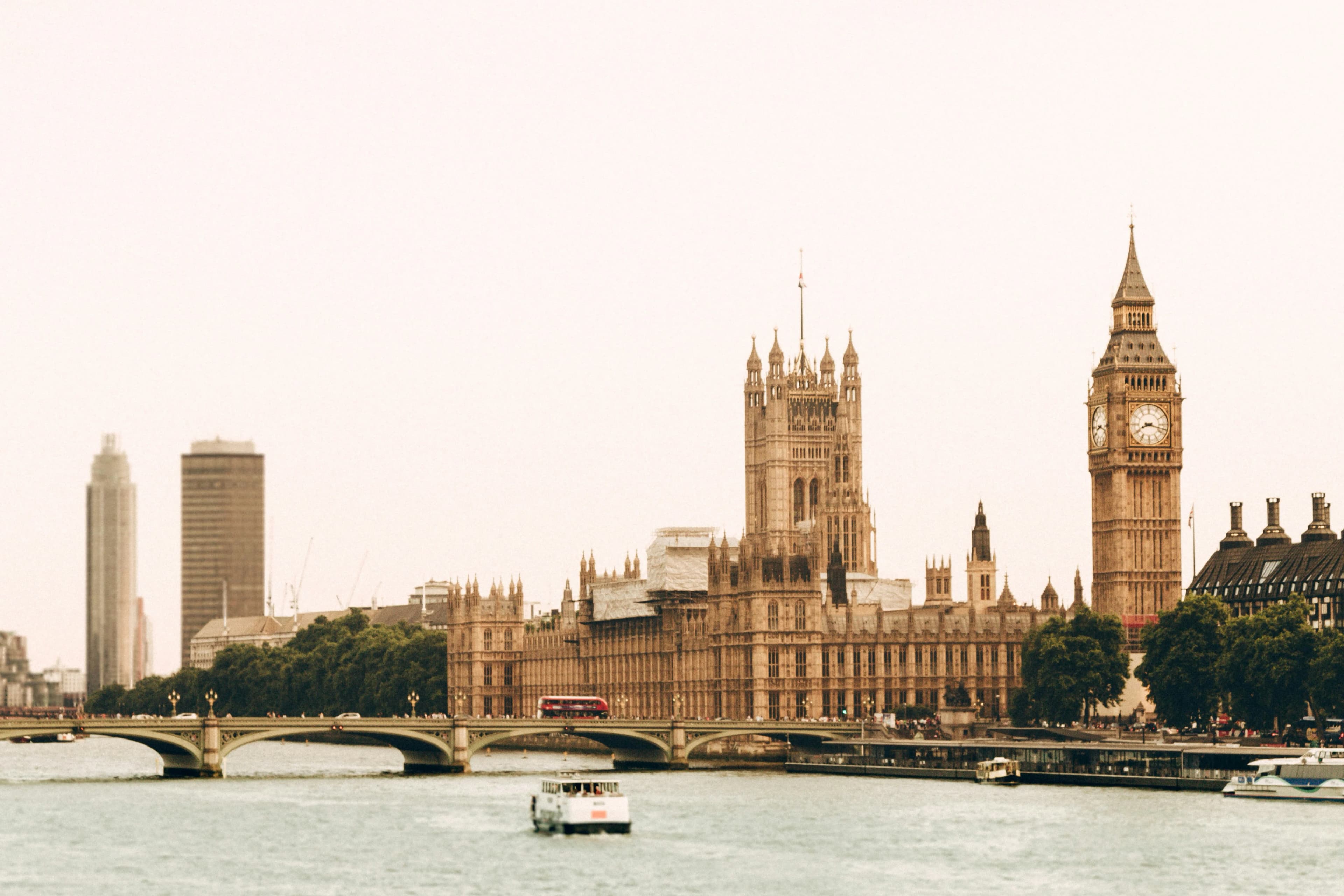
Westminster
16 hotels
Our latest articles about London

London / Butler Service: Inside the World of Butlers Behind English Excellence
The English butler represents far more than a service: it is aristocratic heritage reinvented in London's most prestigious suites. Between tradition and modernity, discover how London's palaces perpetuate this institution born in British country estates.
BY Jules Peulet

London / Frieze: Inside the suites where collectors and gallerists stay in Mayfair
Frieze transforms Mayfair into a temporary epicentre of the global art market. Collectors and gallerists choose their anchoring points within a defined perimeter, where the architecture of suites embraces the intellectual demands of the week. A clinical breakdown of the most sought-after addresses.
BY Jules Peulet
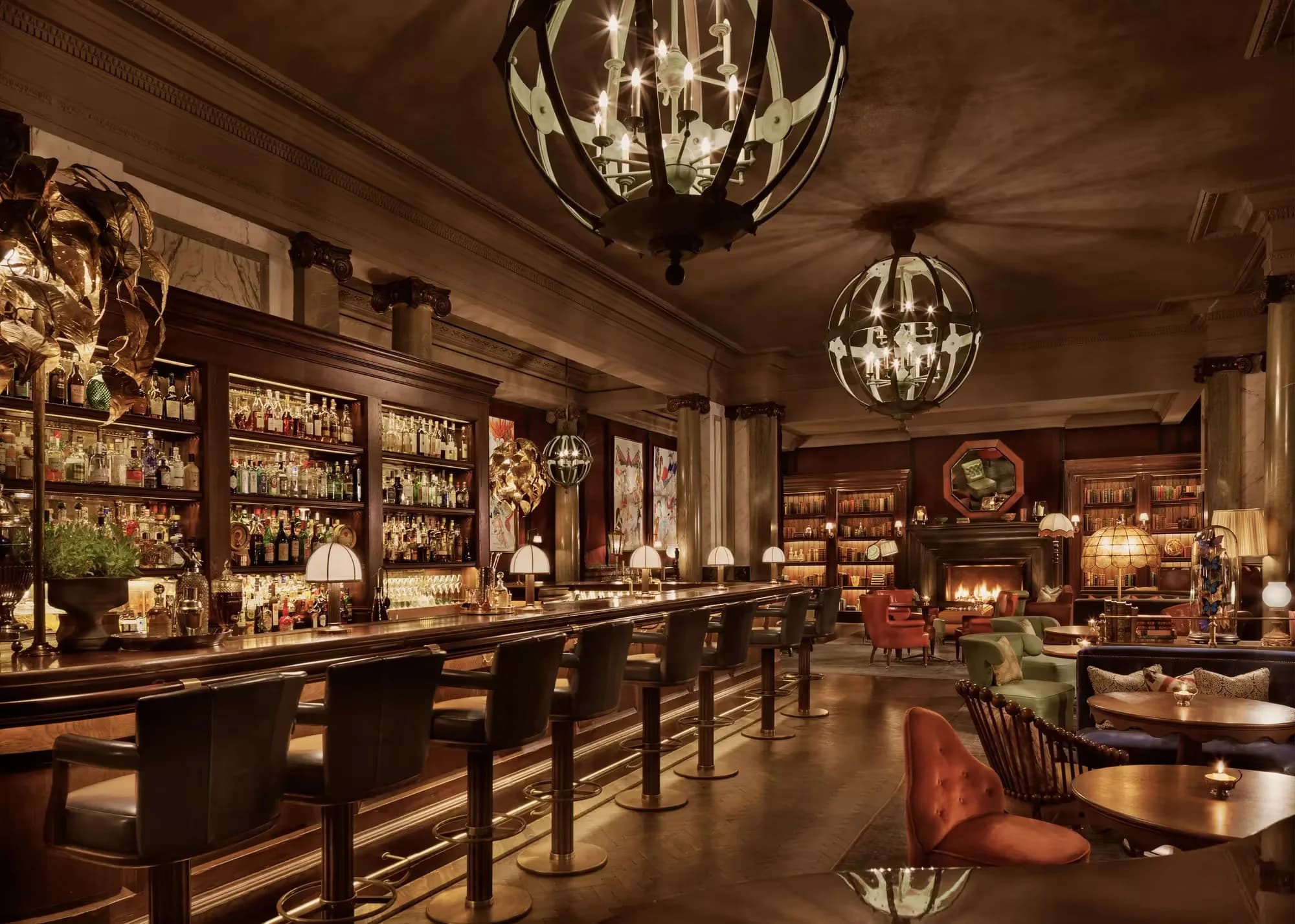
Lifestyle & Mixology: London's Best Hotel Bars for a Discreet Cocktail
London possesses a frenetic energy, a perpetual effervescence that defines its charm but which, at times, calls for escape. When fine rain begins to fall on the pavements of Mayfair or when night envelops Victorian facades, the discerning traveller no longer seeks the bustle of fashionable pubs or clubs. He seeks refuge. This is where the art of the London hotel bar truly reveals itself. More than merely a place of passage, the bar of a grand palace is a microcosm of power, elegance and secrecy. Pushing open the heavy, soundproofed doors of these sanctuaries is to indulge in the luxury of absolute discretion, over a perfectly balanced cocktail. Forget the well-trodden addresses where one must raise their voice to be heard. In our perpetual quest for the art of living "La Suite", we have selected five hushed havens, five exceptional hotels harbouring the most confidential and masterful bars in the British capital.
BY Jules Peulet
London's distinct luxury neighbourhoods
Mayfair
Mayfair remains the canonical address for high-net-worth travellers. Its Georgian terraces, private members' clubs, and concentration of flagship auction houses set a tone that is measured and deliberate. Luxury hotel suites here tend toward classical proportions: high ceilings, sash windows, formal sitting rooms. The density of Michelin-starred restaurants and couture ateliers within walking distance makes Mayfair the default choice for travellers whose itinerary is anchored in commerce or culture at the highest tier.
Knightsbridge
Knightsbridge positions itself adjacent to Hyde Park and the international retail corridor along Brompton Road. Suites in this district frequently offer park-facing aspects, generous square footage, and a guest profile that skews toward established wealth rather than transient status. The neighbourhood rewards those who prefer proximity to green space and the kind of retail that requires an appointment.
Belgravia
Belgravia is London's most overtly residential luxury quarter. Its white stucco terraces and garden squares project a quietude that is difficult to find elsewhere in Zone 1. Properties here attract travellers who value discretion above spectacle, and suites in converted period buildings carry an intimacy that larger flagship hotels cannot replicate.
Chelsea
Chelsea combines cultural credibility (the Saatchi Gallery, the Royal Court Theatre) with a street-level aesthetic rooted in independent design and considered gastronomy. Luxury hotel suites in Chelsea tend toward the boutique end of the market, with interiors that reflect the neighbourhood's art-world sensibility rather than grand hotel convention.
Kensington
Kensington suits travellers whose itinerary centres on the museum district: the Victoria and Albert Museum, the Natural History Museum, and the Royal Albert Hall are all within a short walk. Suites here range from converted Victorian mansions to purpose-built luxury hotels with a quieter, more residential register than Mayfair or Knightsbridge.
Other notable districts
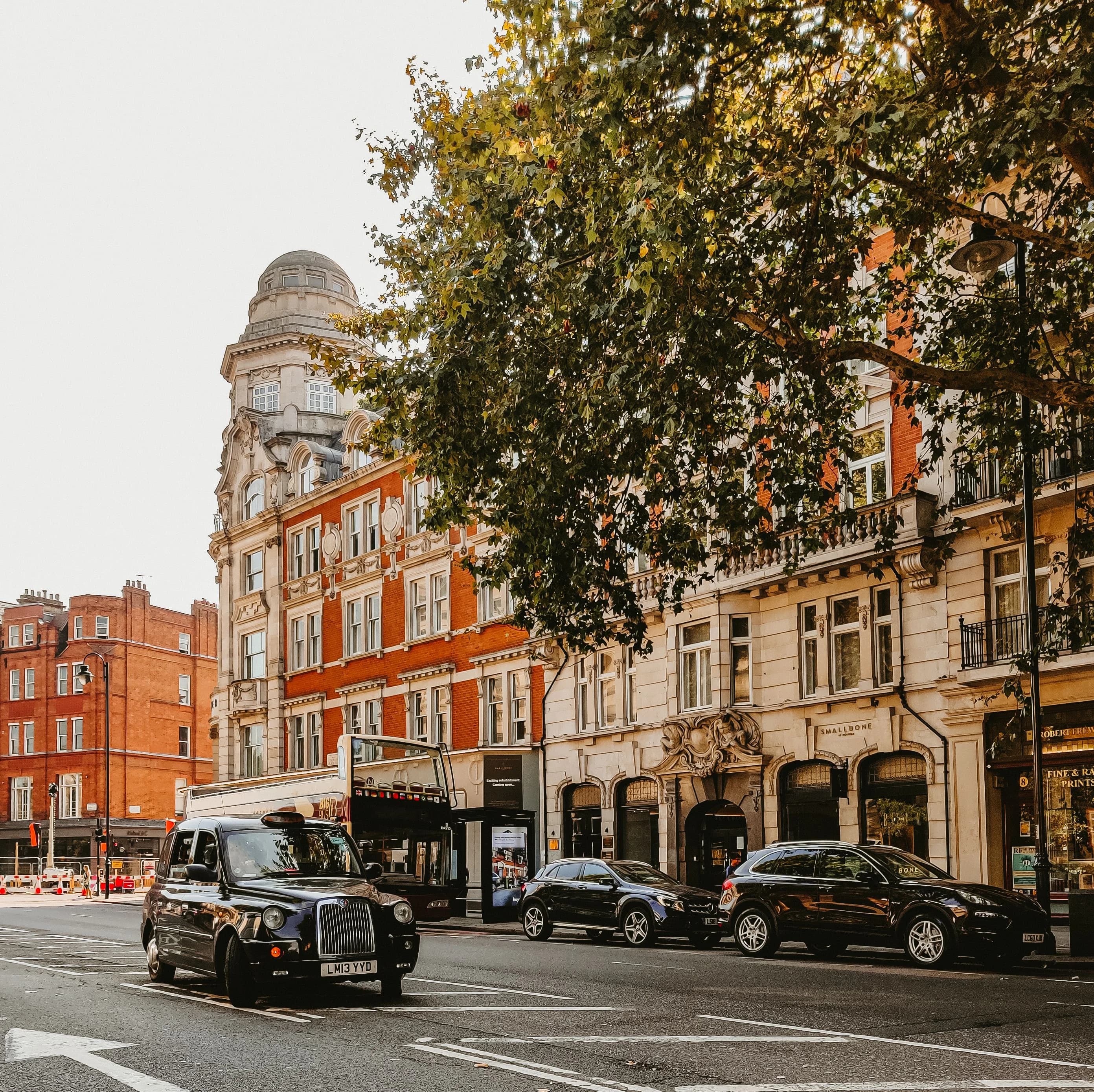
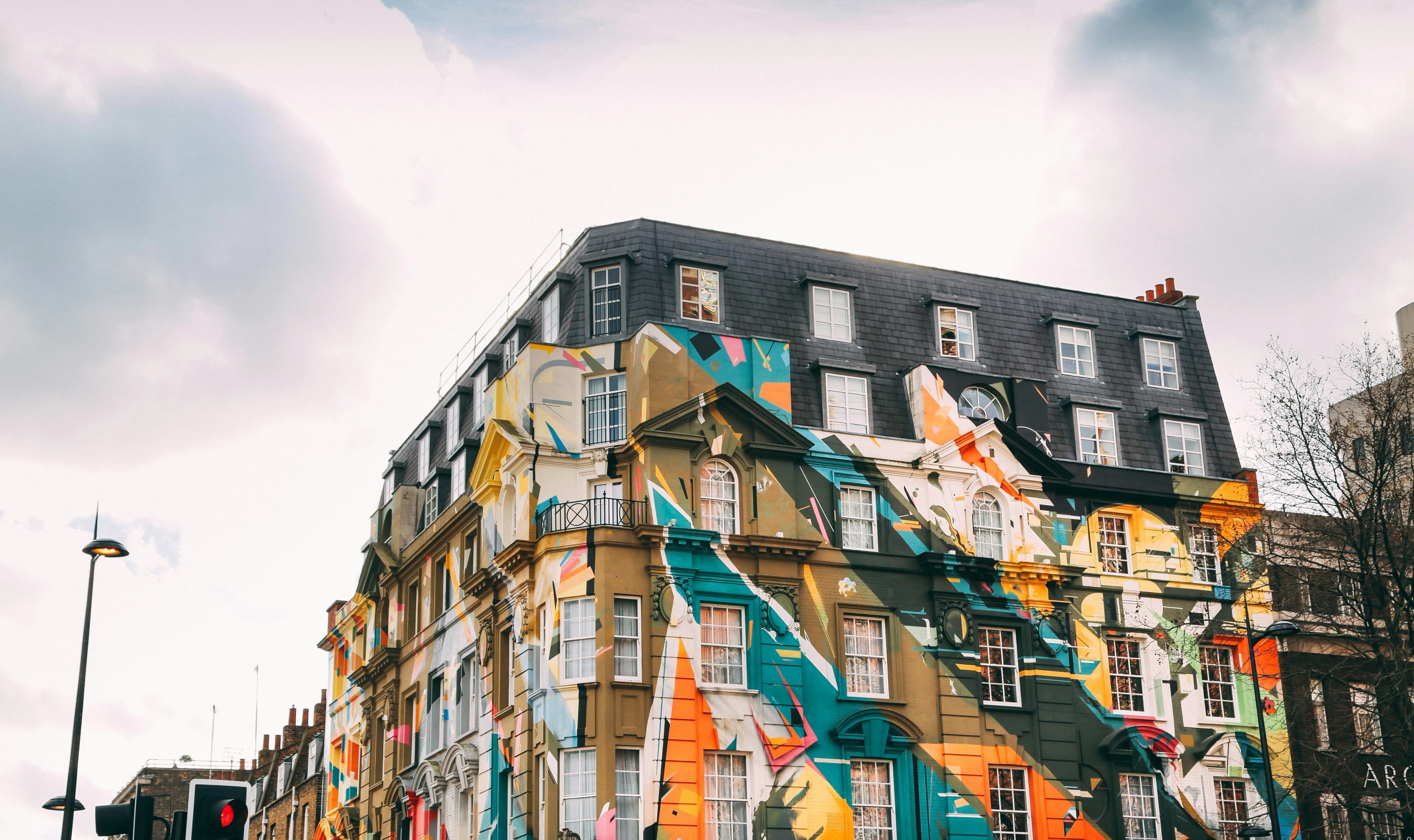
Marylebone offers a village-within-the-city quality, with independent bookshops, a weekend farmers' market, and a suite offer that leans toward understated contemporary design. Covent Garden and the West End serve travellers whose trip is structured around theatre and arts, while Shoreditch and the East End attract a design-literate audience for whom converted industrial architecture and proximity to the gallery circuit matter more than postcode prestige.
When to visit London for a suite stay
London functions as a year-round destination, but the quality of the experience shifts considerably by season. Late spring (May to June) and early autumn (September to October) represent the optimal windows: temperatures are moderate, the cultural calendar is dense, and hotel suite availability is more negotiable than during peak summer.
July and August bring the highest room rates and the largest volumes of international visitors. Suite availability at trophy properties compresses significantly during this period, and advance planning of three to six months is advisable for first-tier addresses. The Chelsea Flower Show in late May and the Wimbledon Championships in late June to early July are pressure points that affect availability in specific postcodes.
Winter in London, particularly December, is underestimated. The city's cultural institutions mount their most ambitious exhibitions and programming, retail is at its most considered, and luxury hotel suites can be secured at more competitive rates than the summer high season. For travellers who prioritise experience over climate, the November to February window deserves serious consideration.
Fancy a family break? Discover our selection of family suites in London, as well as our two-bedroom suites in London!
Understanding London's luxury hotel standards
The United Kingdom does not use the French Palace designation, but London has its own informal hierarchy of prestige. At the apex sit a small number of properties that have maintained their position for decades, characterised by longstanding staff tenure, deep concierge networks, and suites with genuine architectural distinction rather than cosmetic renovation.
Below this tier, London has seen significant investment from international groups deploying contemporary luxury formats: larger floor plates, integrated wellness facilities, and suite designs commissioned from architects and designers with cultural profiles. These properties appeal to a different traveller typology: one who values aesthetic novelty and brand alignment alongside traditional service metrics.
It is also worth noting London's strong tradition of the private hotel: independently owned properties with fewer than fifty rooms, where suite guests receive a degree of personalisation that larger operations cannot structurally deliver. These addresses rarely appear in mainstream travel media but circulate reliably within networks of experienced travellers.
How to choose the right suite in London
Several practical considerations apply specifically to London that do not transfer from other luxury destinations.
First, floor position matters considerably in Georgian and Victorian buildings, where the piano nobile (first floor above ground) historically signalled the primary reception rooms and often retains the most generous ceiling heights and window proportions. Upper floors in period buildings can offer better light but occasionally sacrifice room volume.
Second, aspect is a genuine differentiator. Park-facing suites in Knightsbridge and Kensington command premiums for a reason: green space is scarce in Zone 1, and the psychological relief of a park view in a dense urban environment is measurable. In Mayfair and Belgravia, courtyard-facing or garden-square-facing rooms offer a quietude that street-facing suites rarely match.
Third, connectivity to the city's transport infrastructure should factor into the selection. London's geography rewards travellers who understand that a suite in Paddington positions them optimally for Heathrow access, while the City and Clerkenwell serve business travellers whose schedules are anchored in financial and creative districts respectively.
Finally, consider the social architecture of the hotel itself. In London, the hotel lobby, bar, and dining room function as social infrastructure in ways that are culturally specific to the city. A hotel's guest profile, its restaurant reservation difficulty, and the quality of its bar programme all inform the texture of a stay in ways that go beyond the suite itself.
The value of a curated approach to London suite travel
London's luxury hotel market is one of the most competitive and densely populated in the world. The volume of options creates a paradox: more choice does not simplify the decision, it complicates it. Properties market themselves aggressively across multiple channels, rates fluctuate with high frequency, and the gap between a property's self-presentation and its actual delivery can be significant.
La Suite applies a selective editorial lens to this market, identifying the properties where suite quality, service consistency, and spatial integrity align. Rather than cataloguing every option across England and the United Kingdom, the platform focuses on the addresses that merit genuine consideration by travellers for whom the decision carries real consequence. This is not a comprehensive directory: it is a considered shortlist, built on direct evaluation rather than aggregated review data. For travellers navigating the full breadth of Europe's luxury suite market, the same curatorial logic applies across every destination.
To learn more about London, check out our London guide to discover more about the city, its history, and its architecture, and find out how to choose the right hotel suite.
Also check out our selection of the most beautiful luxury hotel suites in London.
If you’re traveling to London for work, check out our selection of the best suites for working.
If you’d like to combine a suite with an exceptional experience, check out our guide to the most beautiful Parisian-style suites paired with London’s finest bars.
And if you’d like to see the city from above, check out our guide to London’s most beautiful penthouses.
Frequently asked questions
What are the best neighbourhoods in London for a luxury hotel suite?
Mayfair, Knightsbridge, and Belgravia represent the established apex of London's luxury hotel geography, each with a distinct character: Mayfair for cultural and commercial proximity, Knightsbridge for park access and scale, and Belgravia for residential quietude. Chelsea and Kensington offer strong alternatives for travellers whose itinerary is arts or museum-centred.
When is the best time to book a luxury suite in London?
Late spring and early autumn offer the best balance of availability, cultural programming, and moderate pricing. Peak summer (July to August) compresses suite availability at top properties significantly, and advance booking of three to six months is advisable. Winter, particularly November to January, is an underrated window with competitive rates and a strong cultural calendar.
How much does a luxury suite in London typically cost per night?
Entry-level luxury suites at first-tier London properties typically start around £800 to £1,200 per night, with premier and penthouse suites at trophy addresses ranging from £3,000 to well above £10,000 per night depending on season and availability. Rates fluctuate considerably around major events such as Wimbledon and the Chelsea Flower Show.
What distinguishes a top-tier London hotel suite from a standard luxury room?
Beyond square footage, a genuine luxury suite in London will offer a separate sitting room, dedicated suite-level butler or concierge service, and architectural features specific to the building, such as original cornicing, sash windows, or a private terrace. The quality of in-suite dining, the calibre of linen and amenity provision, and access to preferred restaurant reservations are further differentiators.
Are there boutique luxury hotels with suites in London, or only large flagship properties?
London has a strong tradition of independent, privately owned properties with small room counts and suites that deliver a high degree of personalisation. These boutique addresses, concentrated particularly in Belgravia, Chelsea, and Marylebone, often provide a more intimate and discreet experience than large international hotel brands, though they rarely receive the same marketing visibility.
What should I look for when comparing luxury hotel suites in London?
Floor position and ceiling height matter considerably in Georgian and Victorian buildings, where the first floor above ground often retains the most generous proportions. Aspect is a genuine differentiator: park-facing or garden-square-facing suites command premiums that are architecturally justified. Service tenure, concierge network depth, and the hotel's in-house dining quality are equally important evaluation criteria.
Which London districts are best for a luxury suite near major cultural institutions?
Kensington is the most direct base for visitors whose itinerary centres on the Victoria and Albert Museum, the Natural History Museum, and the Royal Albert Hall. Covent Garden and the West End serve travellers focused on theatre and performing arts. Mayfair provides proximity to the major auction houses and commercial galleries concentrated around Cork Street and St James's.
Is London's luxury hotel market suitable for families staying in large suites?
Several London properties offer multi-room suite configurations or connecting suite arrangements that accommodate families without sacrificing the spatial and service standards that define a luxury stay. Knightsbridge and Kensington are particularly well-suited for family stays, given their proximity to Hyde Park and the museum district, which provide substantive programming for children and adults alike.
How does London compare to other European capitals for luxury suite travel?
London's luxury hotel market is among the deepest in Europe in terms of the total number of credible first-tier properties, the architectural diversity of its suite offer, and the density of ancillary luxury infrastructure (restaurants, retail, cultural institutions). Its pricing is consistently at the upper end of the European market, reflecting both the cost of operating in the city and the sustained international demand at the top tier.
Does La Suite curate properties across all London districts, or only central locations?
La Suite's editorial focus prioritises the districts where suite quality, architectural distinction, and service consistency converge most reliably, which in London's case means a concentration in the established luxury quarters of Mayfair, Knightsbridge, Belgravia, Kensington, and Chelsea, alongside selected properties in Marylebone, Covent Garden, and the design-forward addresses in Shoreditch and the East End.