Which areas of Menorca suit a luxury suite stay?
Check out our selection of the most beautiful luxury hotel suites in Menorca.
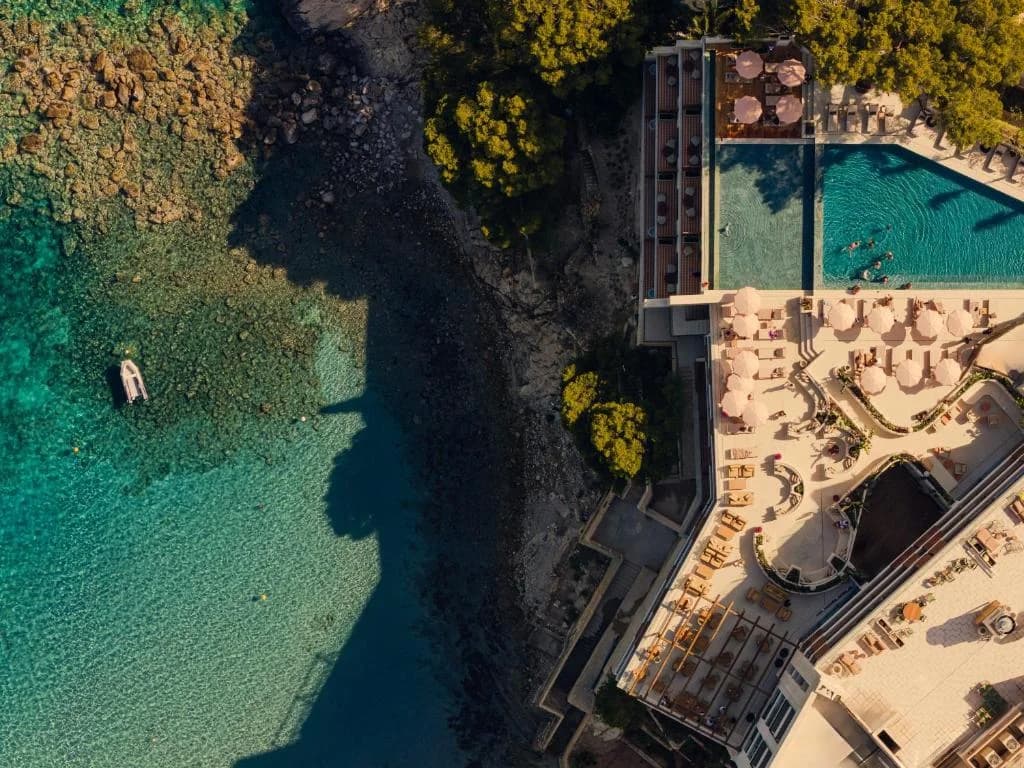
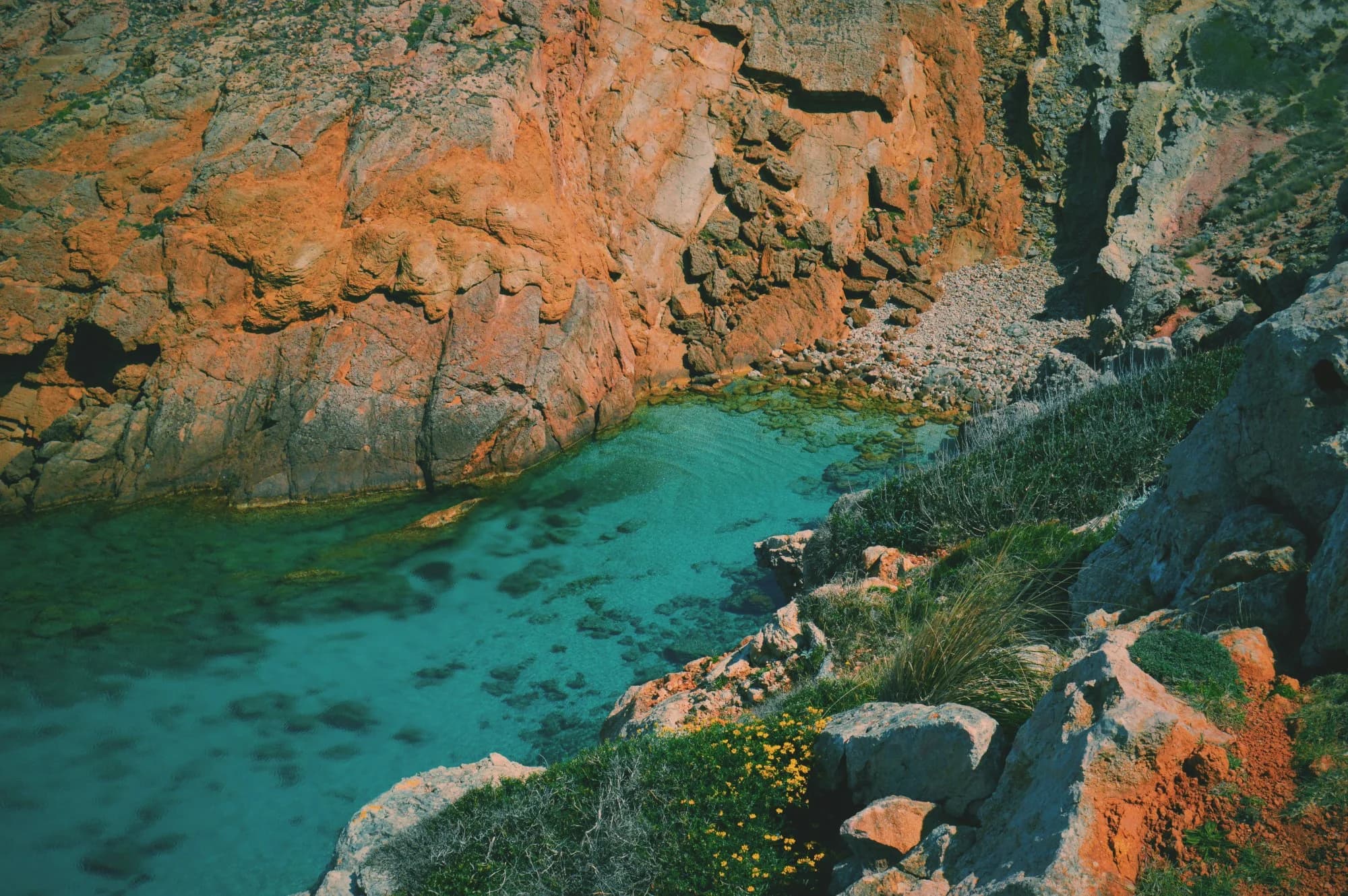
The southern coast is defined by its series of deep, narrow calas: inlets carved into pale limestone, often accessible only on foot or by boat. The water registers in tones of turquoise and pale green, and the relative difficulty of access keeps these beaches genuinely uncrowded for much of the season. Properties positioned near the south tend to offer seclusion as their primary asset, with architecture that responds directly to the terrain.
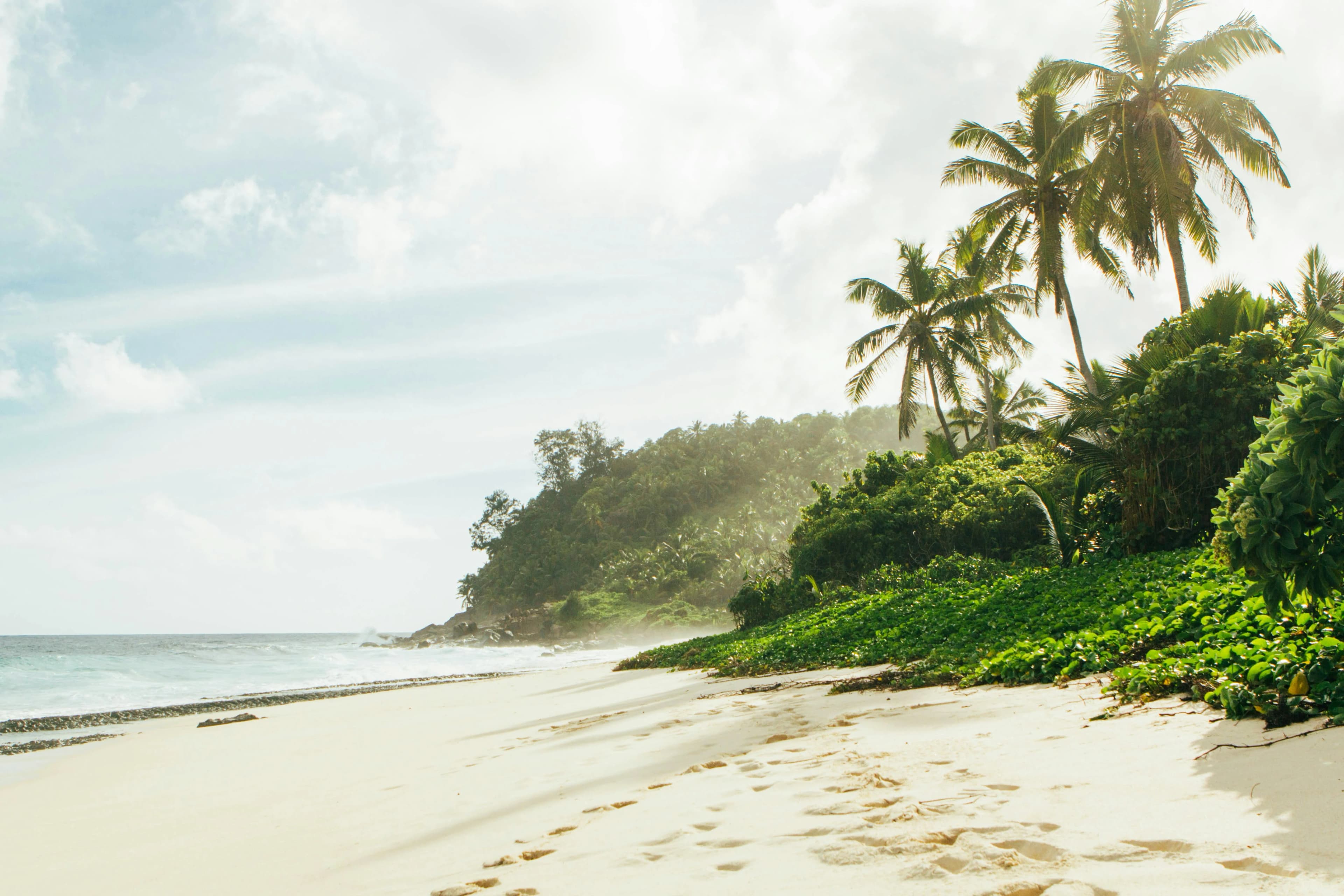
The northern coast is more exposed, with broader sandy beaches, stronger winds, and a landscape that feels rawer and less domesticated. Accommodation here suits travellers who prefer space and natural drama over the polished calm of the south. The light in the north is sharper, the vegetation more windswept.
Ciutadella, the former capital on the western tip, carries the most coherent historic fabric on the island. Its Gothic cathedral, narrow medieval lanes, and 17th-century palaces built for the Aragonese nobility give the town an architectural weight that Mahón, the current capital to the east, approaches differently, with its British colonial-era legacy and one of the largest natural harbours in the Mediterranean. Both towns reward extended, slow exploration from a well-positioned suite.
To learn more about Menorca, check out our guide to Menorca to discover more about the island, its history, and its architecture, and find out how to choose the right hotel suite.
The interior of the island, the camp menorquí, is green, quiet, and punctuated by dry-stone walls, working farms, and the prehistoric stone structures known as talayots and taules. For travellers interested in territory rather than coastline, rural properties in this zone offer genuine disconnection.
When to visit Menorca for a luxury suite stay
The high season runs from late June through August. During this window, the island receives the majority of its annual visitors, suite availability tightens considerably, and coastal towns animate in the evening. The quality of light in July and August is extraordinary, hard and clear, but the heat is substantial and the most accessible beaches see significant footfall.
May, June, and September represent the more considered choice for suite travellers. Temperatures remain warm, the sea is swimmable, and the island operates at a register closer to its natural pace. Properties that close entirely in winter are fully open, and the surrounding landscape retains its colour without the pressure of peak-season demand.
The Festes de Sant Joan in Ciutadella, held each June, is one of the oldest and most visually striking festivals in the Balearic Islands. Riders in formal dress parade Friesian horses through the medieval streets in a ceremony that has continued for centuries without significant modification. It is a genuinely rare cultural event, and suite travellers who plan around it should secure accommodation well in advance.
October marks the beginning of the quieter season. A number of smaller properties reduce operations or close, but the island in autumn has a particular quality of stillness that appeals to travellers interested in walking, cycling, or simply reading the landscape without distraction.
Local luxury standards: what to expect from top-tier suites in Menorca
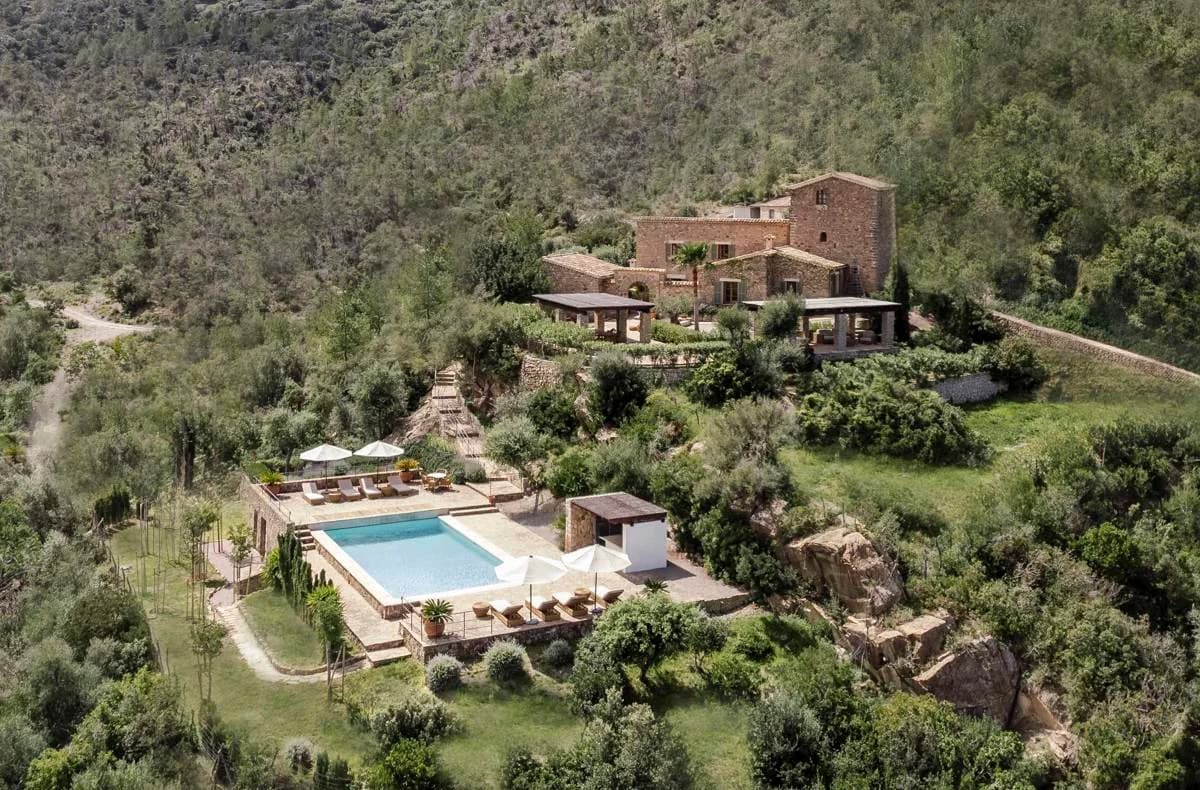
Menorca does not carry the density of formal five-star palace hotels found in Madrid or Barcelona. The island's luxury register is more architectural than ceremonial. The finest properties here tend to be converted farmhouses known as agroturismos, rehabilitated 18th-century manor houses, or small boutique hotels where the quality of design and materiality replaces the conventional markers of grand hotel luxury.
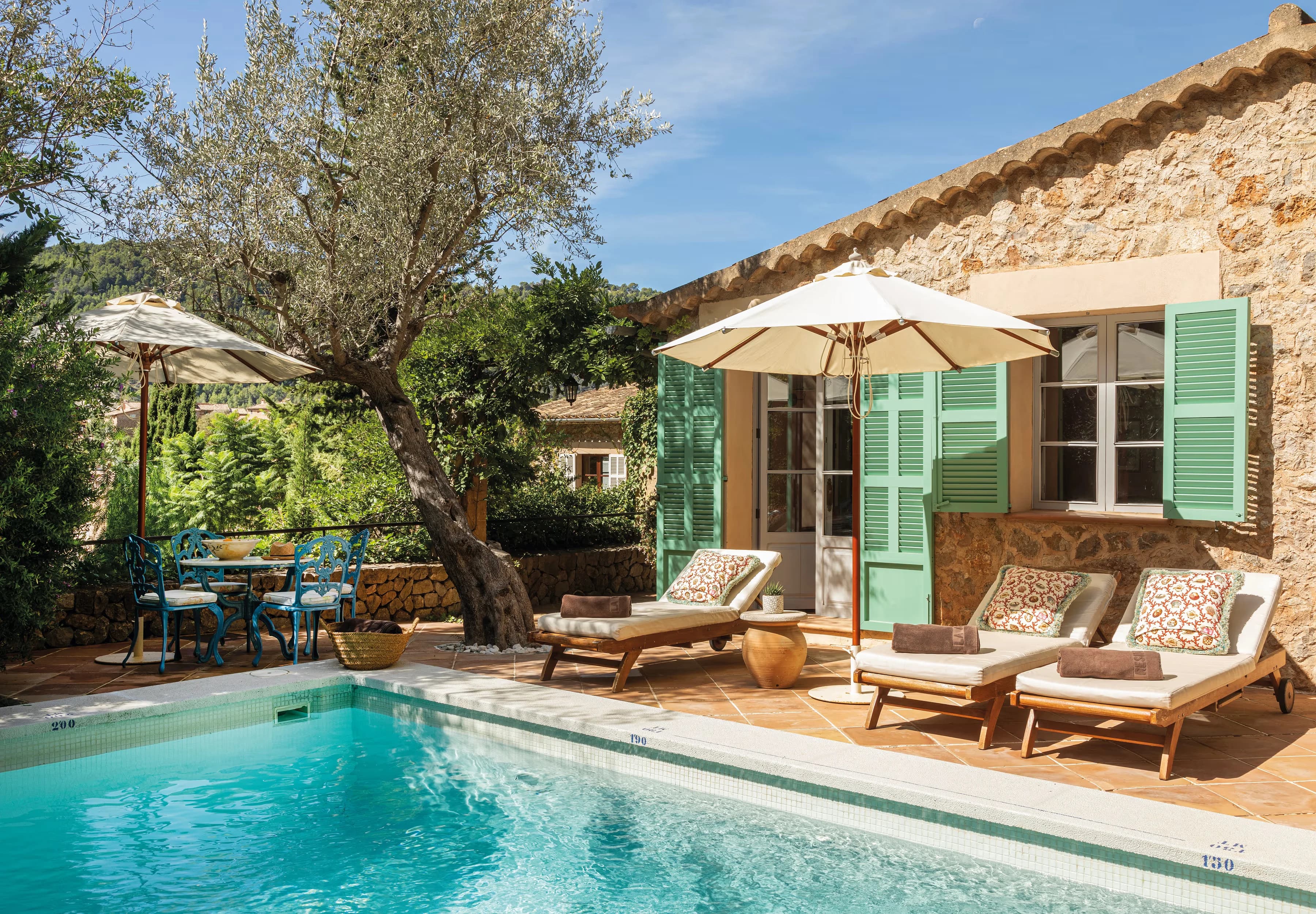
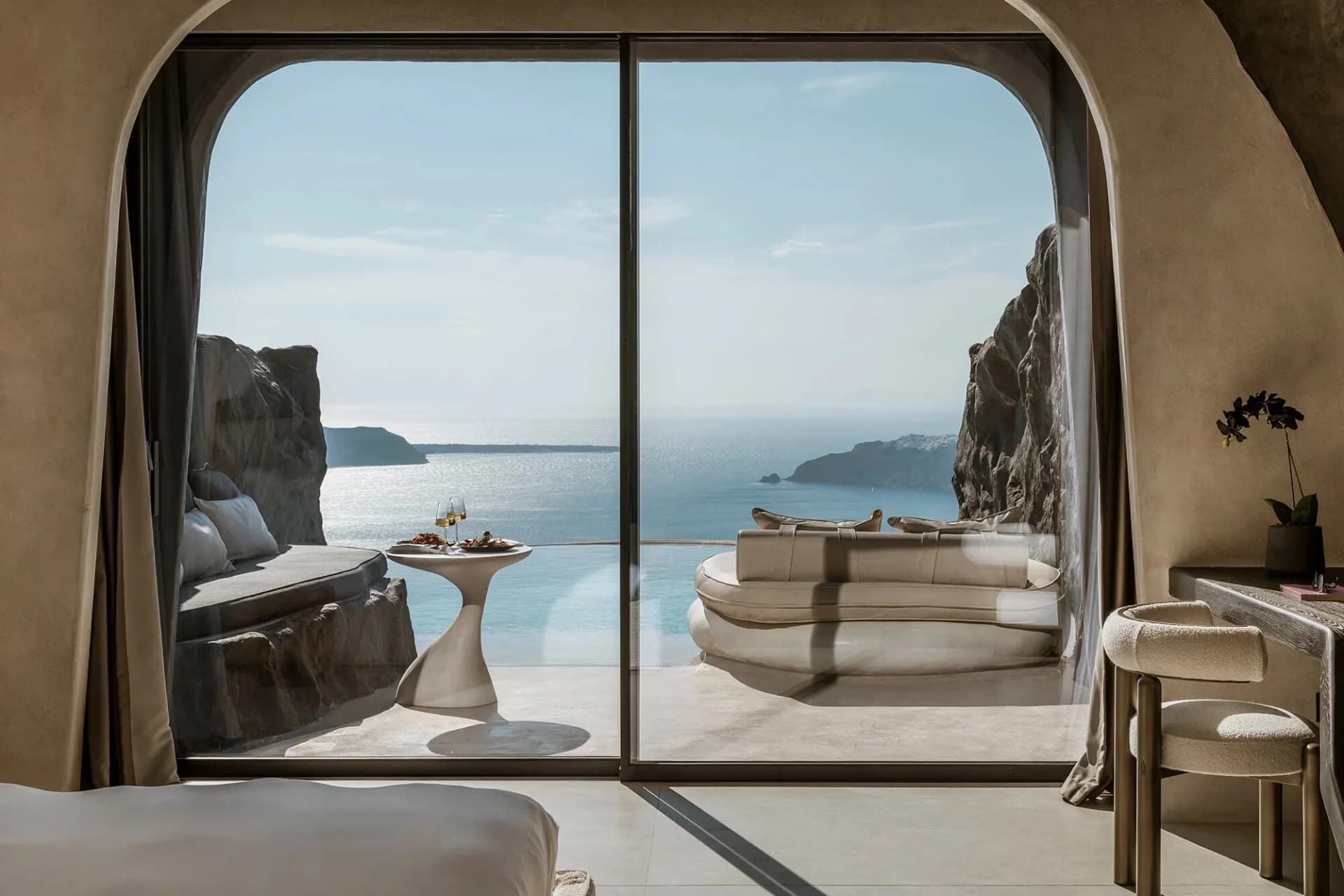
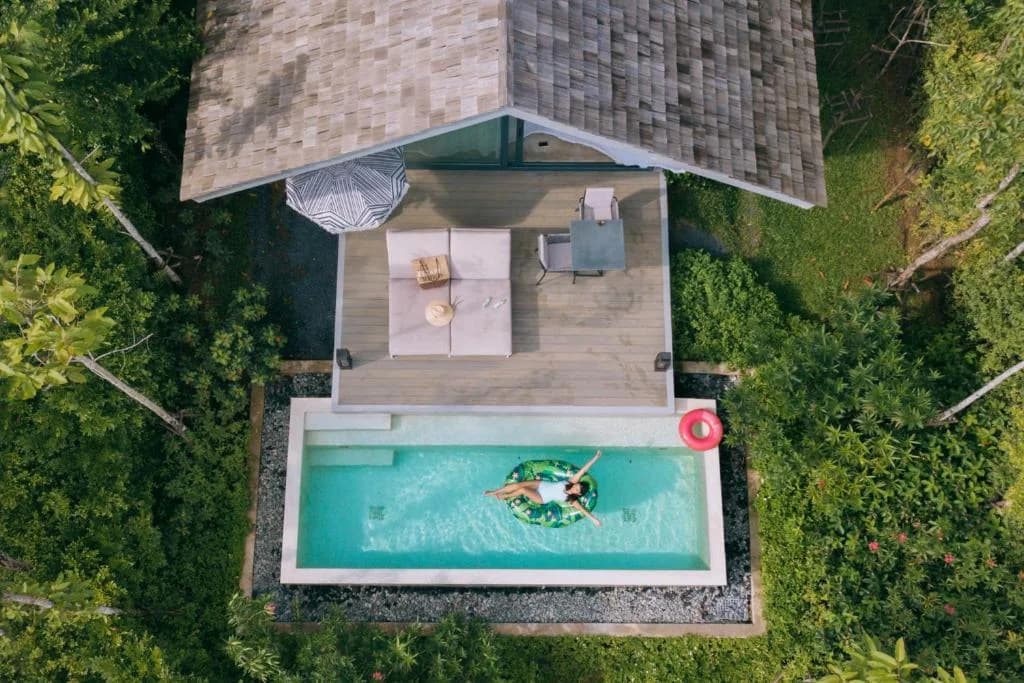
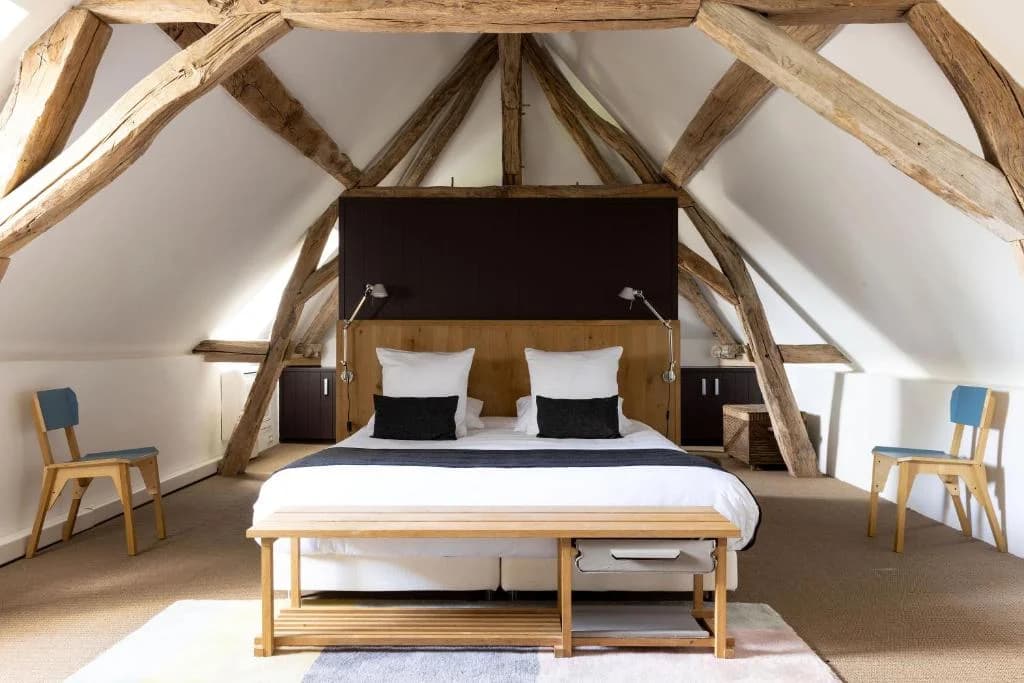
Expect stone walls, wide terraces oriented toward specific views, pools that disappear into the landscape, and interiors in which restraint is deliberate. The best suites on the island work with natural light, local limestone, and handcraft rather than against them. Service in these contexts is often more personal and less formal than in a large urban property, which suits the character of the island precisely.
Spain's national hotel classification system applies across the Balearics, but the most distinctive properties in Menorca derive their status from editorial recognition and design integrity rather than from star ratings alone. A four or five-star designation confirms baseline standards; the distinction between an average suite and an exceptional one lies in its spatial quality, its relationship to the site, and the attention paid to the sensory environment.
How to choose the best suite in Menorca
The first practical consideration is geography. Menorca is approximately 48 kilometres long and 16 kilometres wide, which makes distances manageable, but the position of a property relative to the coastline or to Ciutadella and Mahón will shape the daily rhythm of a stay. A suite in the rural interior offers different access and different silence than one positioned directly above a cala on the south coast.
The second consideration is architecture. Properties converted from historic farmhouses operate on a different scale and logic than purpose-built boutique hotels. Suites in converted agroturismos typically offer more spatial generosity and a more tactile relationship with local building materials. Purpose-built properties near the coast may offer more direct sea access and contemporary amenity.
For families or small groups, the distinction between a large suite and a villa arrangement becomes important. Several properties on the island offer suite-level accommodation within a structure that also provides private outdoor space, a consideration that matters significantly when travelling with children or when privacy is the primary objective.
Seasonal timing affects not only availability but the physical experience of specific suites. A terrace-facing west over open water is different in June than in August. Understanding the orientation and microclimate of a property before confirming is a detail that separates an average booking decision from a precise one.
Why a curated selection by La Suite changes the decision
Menorca's accommodation market spans an unusually wide range of quality within a relatively compact geography. The island's reputation for restraint and authenticity attracts properties that market themselves on those terms without always delivering them at the suite level. The gap between a well-photographed property and one that performs architecturally, spatially, and experientially is not always visible from a standard booking platform.
La Suite approaches Menorca as it does every destination in its portfolio: with a focus on suite-specific quality rather than on hotel reputation alone. The criteria applied include the spatial logic of the suite itself, the quality of natural light, the coherence between interior design and site, and the standard of personalised service at the property level. The curated selection by La Suite removes the friction of an overcrowded market and returns the decision to what it should be: a precise match between a traveller's expectations and a suite that meets them without compromise.
To combine the freedom of a private sanctuary with the services of an exceptional hotel, discover our exclusive selection of the most beautiful luxury family villas in the Balearic Islands, where contemporary architecture blends seamlessly with the Mediterranean horizon.