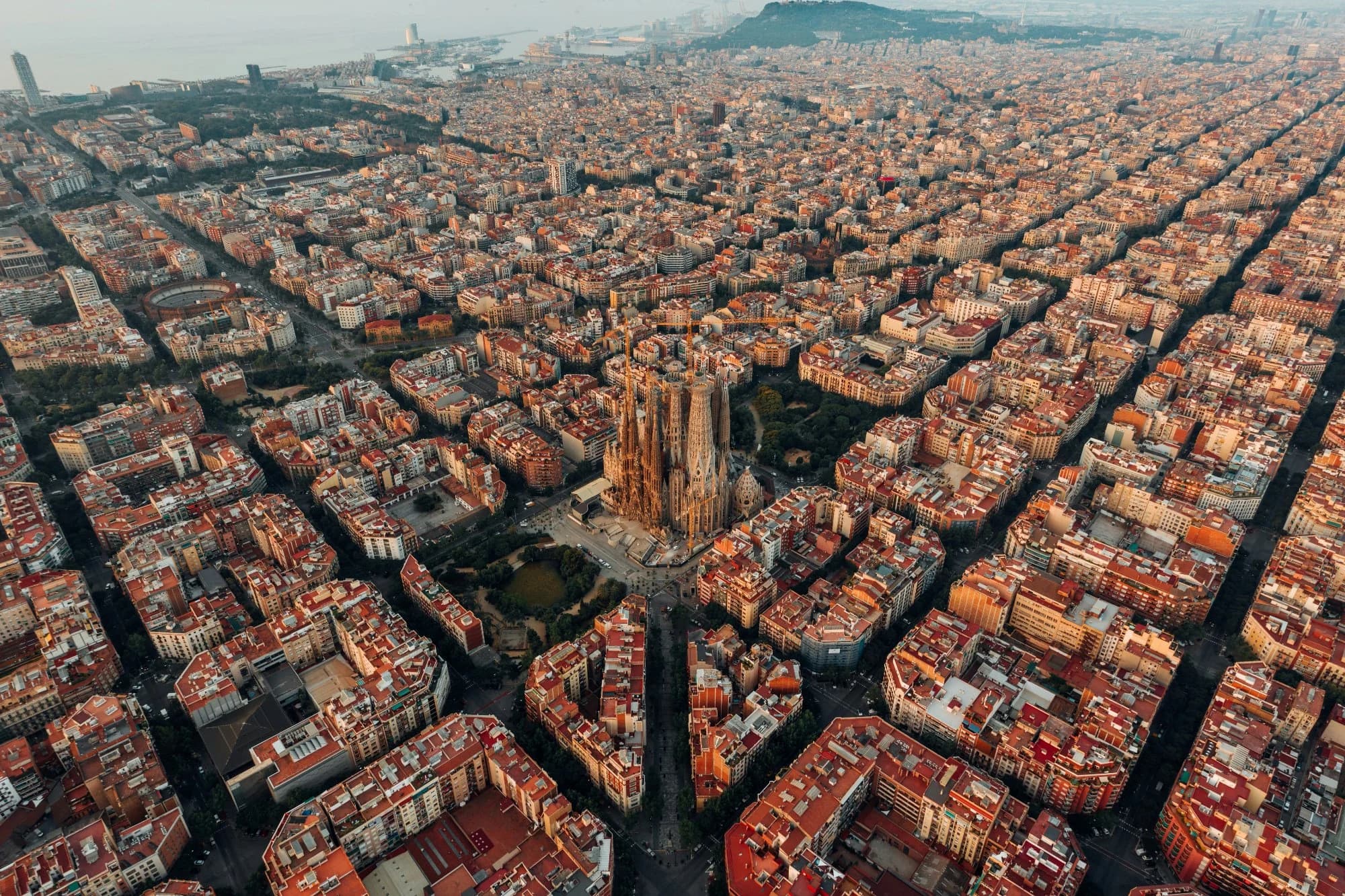
Barcelona's distinct neighbourhoods for luxury suite stays
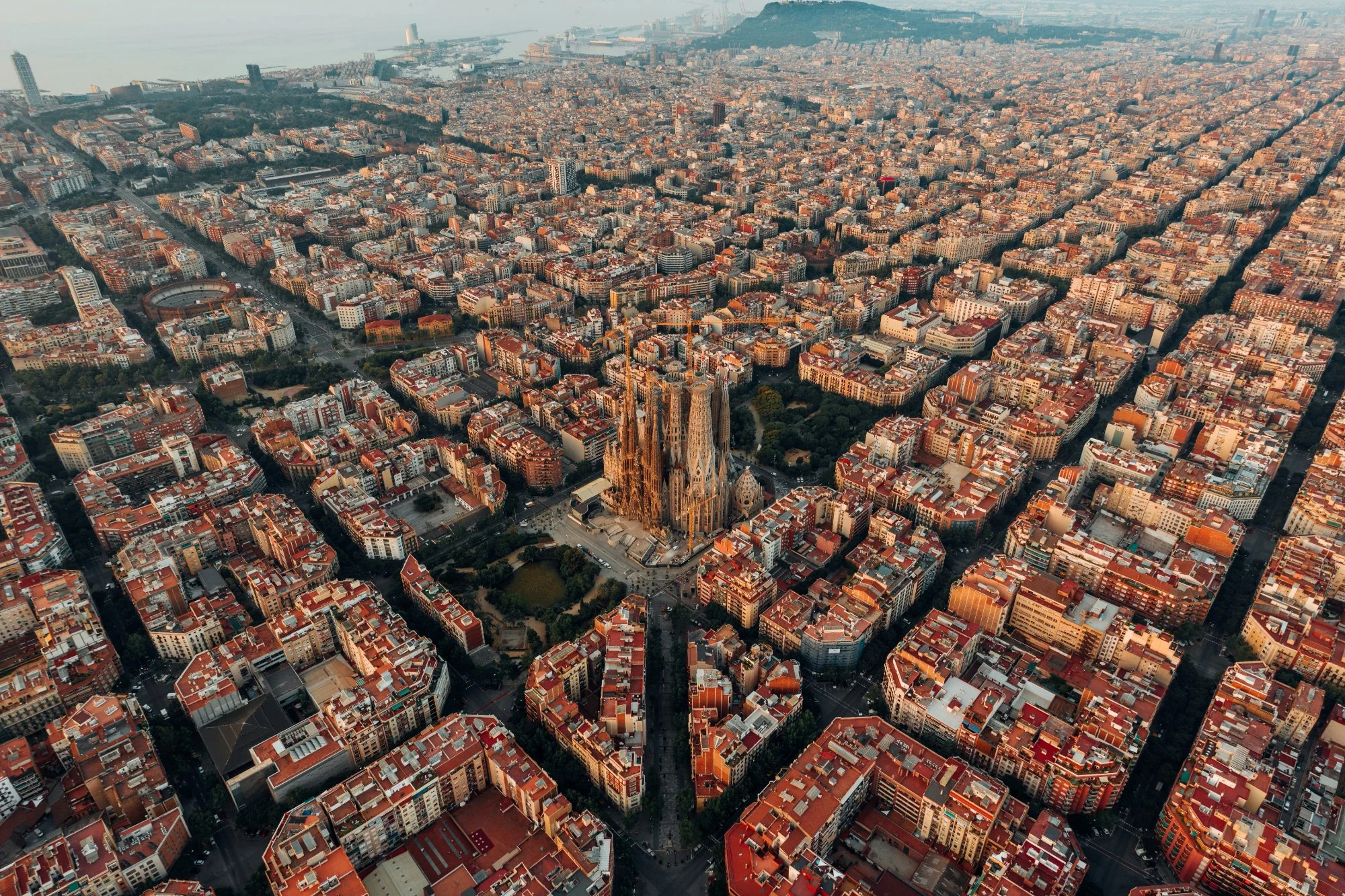
L'Eixample is the modernist grid designed by Ildefons Cerdà in the 19th century. Its wide, chamfered blocks house some of Barcelona's most architecturally significant hotel properties. The neighbourhood sits at a deliberate distance from tourist density, offering a quieter, more residential experience while keeping Passeig de Gràcia, with its concentration of Gaudí and Domènech i Montaner buildings, within walking distance. Luxury hotel suites in this area tend toward grand floor plans, high ceilings, and restored period detailing.
Barri Gòtic is the city's medieval core, a compressed urban fabric of Roman foundations, Gothic churches, and narrow pedestrian lanes. Hotels here operate within strict heritage constraints, which means suite spaces are often more intimate in scale but richer in material character. Stone walls, internal courtyards, and layered architectural history define the sensory experience.
El Born functions as Barcelona's creative and cultural district. The neighbourhood surrounds the 19th-century iron market structure of the Mercat de Santa Caterina and contains some of the city's most considered independent boutique properties. Suites here appeal to travelers who prioritise design intelligence over institutional luxury.
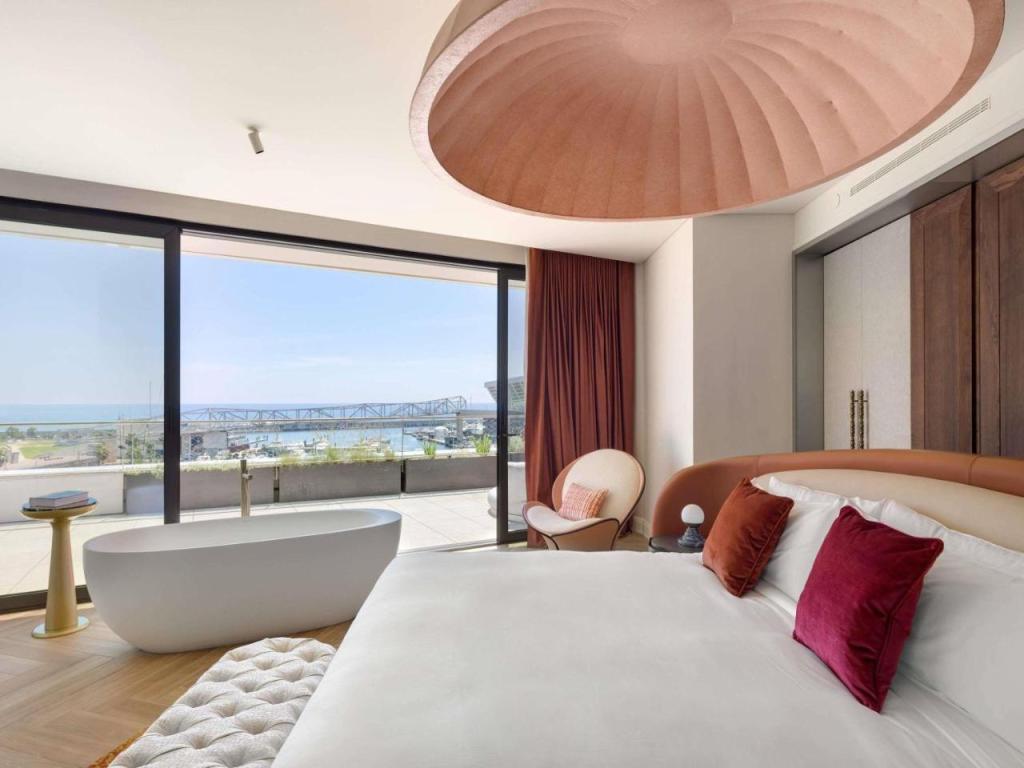
La Barceloneta offers the city's primary interface with the Mediterranean. The district's urban beach and port adjacency make it the natural choice for travelers who want coastal exposure as a primary feature of their stay. Luxury suites in this zone are defined by their relationship to light, sea views, and outdoor terrace access.
El Raval has undergone sustained urban regeneration since the 1990s and now hosts cultural institutions including the MACBA and the CCCB. The neighbourhood attracts a culturally engaged clientele, and its hotel properties reflect a more contemporary, less conventional approach to luxury accommodation.
When to stay in Barcelona
Barcelona operates as a year-round destination, but the composition of the city changes substantially across seasons. Spring, from March to May, offers the most balanced conditions: moderate temperatures, reduced summer crowds, and a city functioning at its natural pace. This is the period when outdoor terraces open fully and the cultural calendar is at its most active.
Summer, particularly July and August, brings significant tourist density to the Gothic quarter and the waterfront. Suite availability at premium properties tends to tighten considerably, and advance planning becomes essential. For travelers prioritising tranquillity and ease of movement, late September through November offers a compelling alternative: warm enough for coastal use, architecturally quieter, and better positioned for serious cultural engagement.
The Sónar music festival in June and the Primavera Sound festival in late May or early June attract a culturally engaged, international audience, and these periods see concentrated demand for luxury hotel suites across the city's better properties. The Festival de Flamenco de Ciutat Vella in early summer and the Grec Festival of performing arts through July are worth factoring into cultural itineraries.
Local luxury standards in Barcelona
Spain does not operate the formal Palace designation used in France, but the country's hotel classification system does include a five-star gran lujo category, which represents the highest tier of official recognition. Barcelona's leading properties within this tier are characterised by consistent architectural investment, personalised service structures, and the integration of Catalan cultural identity into the guest experience.
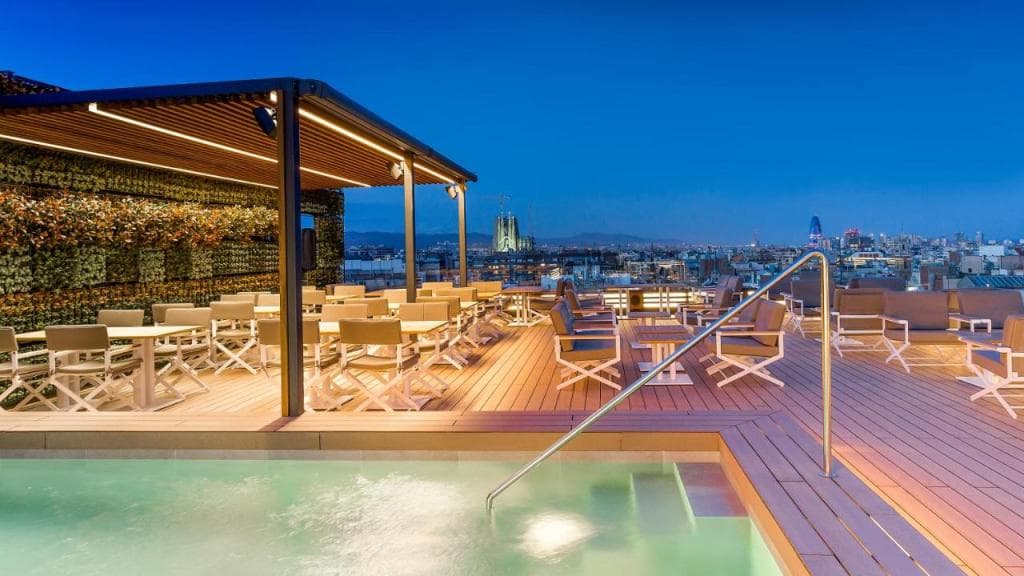
What distinguishes the strongest luxury hotel suites in Barcelona from comparable European cities is the emphasis on outdoor space. Terraces, internal patios, and plunge pools feature prominently in the suite offer at top-tier properties, reflecting both the Mediterranean climate and a broader Catalan architectural tradition of connecting interior and exterior living. This is a practical consideration worth weighting when selecting a suite, particularly for stays of three nights or more.
Catalan gastronomy is another structural component of the luxury experience here. The city has a significant concentration of Michelin-starred restaurants, and several of the best-positioned luxury hotels maintain direct relationships with chefs of serious reputation. In-suite dining in Barcelona, at the upper end, can access the same culinary register as the city's best restaurant tables.
How to choose the right luxury suite in Barcelona
The primary distinction to resolve before selecting a Barcelona suite is the question of urban immersion versus spatial retreat. Properties in L'Eixample and El Born position guests within the working fabric of the city, where street-level cultural life is immediately accessible. Properties closer to the waterfront or on the upper slopes of Montjuïc offer a greater degree of visual separation from the city's density, often at the cost of walkability.
Architectural character is a meaningful variable. Barcelona has a particularly strong modernista heritage, and several properties have been developed within or adjacent to listed buildings by Gaudí, Puig i Cadafalch, or Domènech i Montaner. For design-literate travelers, the relationship between the suite's interior language and its architectural container is worth examining closely before booking. A contemporary suite inserted into a modernista envelope produces a different experience from one designed in continuity with the original fabric.
Floor plan matters differently in Barcelona than in many comparable cities. Given the thermal character of the Catalan summer, the presence of outdoor terrace space and the suite's solar orientation are practical considerations as much as aesthetic ones. North-facing suites on upper floors in L'Eixample can offer significant visual interest without the thermal intensity of full southern exposure.
For travelers exploring Spain more broadly, Barcelona functions well as either an entry point or a concluding destination, given its direct international flight connections and its position within the wider Catalan territory.
The value of a curated selection in Barcelona
Barcelona's hotel market is large, commercially active, and not uniformly reliable at the upper end of the price range. The presence of a five-star classification or a recognisable brand affiliation does not automatically translate into the kind of suite experience that justifies a deliberate choice of accommodation. Several properties in the city operate at a high price point while delivering a standardised product that lacks the spatial or material specificity that defines genuine luxury.
La Suite approaches Barcelona with the same editorial discipline applied across its full coverage of Europe. The curated selection focuses on properties where the suite experience has been examined directly, where the relationship between space, service, and cultural positioning is coherent, and where the accommodation functions as an active component of the trip rather than a neutral base.
For travelers who have already identified the kind of Barcelona experience they are looking for, whether that is deep engagement with the modernista city, a coastal retreat with Mediterranean exposure, or a design-forward stay in the creative quarters, La Suite's selection provides a considered shortlist rather than an exhaustive directory. The distinction matters in a market where choice without context produces friction rather than clarity.