Where to stay in Giza for a luxury suite experience
The Nile-facing areas to the east of Giza provide a different register entirely: the river, the agricultural fringe, and the distant Cairo skyline constitute a landscape of quieter, more horizontal character. Travelers who prefer this orientation typically prioritize access to both Giza and central Cairo, treating the suite as a base of operations for a broader Egyptian itinerary rather than a monument-focused stay.
When to visit Giza and stay in a luxury hotel
The Egyptian climate makes timing a meaningful consideration. The months from October through April represent the clearest window for visiting Giza: temperatures are moderate, rarely exceeding 25 degrees Celsius in peak winter months, and the atmospheric conditions that affect visibility are at their least disruptive. The plateau receives fewer visitors during the early morning hours of the winter season, which concentrates the experiential value of a well-positioned suite. Dawn views from a private terrace during this period carry a quality of stillness that the midday tourist hours cannot approximate.
The summer months, from June through August, bring temperatures that regularly exceed 38 degrees Celsius. Suite availability tends to be higher during this period, and rates are often more negotiable, but the physical conditions on the plateau itself are demanding. Ramadan, which shifts annually through the lunar calendar, affects restaurant hours, ambient sound patterns, and the general rhythm of the surrounding city. Travelers who are culturally attuned often find this period offers a distinct and authentic dimension to their stay, though logistical planning requires additional attention.
The Sound and Light Show at the Giza plateau runs year-round and represents a significant experiential asset for suite guests with direct sightlines to the monuments. Timing a stay to include an evening session from a private terrace, rather than the public viewing area, is one of the more considered ways to engage with the spectacle.
Understanding luxury standards in Egyptian hotels
Egypt does not operate a classification system equivalent to the French Palace designation or the Italian Relais and Chateaux framework. The five-star rating system applies broadly, but the qualitative distance between a standard five-star property and a genuinely exceptional luxury hotel suite in Giza is considerable. The most distinguished properties in the Giza area tend to be internationally managed, bringing global service protocols into dialogue with Egyptian material culture: local stone, artisan craft traditions, and architectural references drawn from pharaonic and Islamic sources.
Top-tier suites in Giza are typically defined by three variables: view orientation, floor area, and the degree of service personalization available. Properties that have invested in butler-level service, in-suite dining with full kitchen access, and private access arrangements to the plateau (through licensed guides and early-entry permits) represent the upper register of what the destination offers. The suite itself functions as an experiential frame for the monument, not merely as accommodation.
It is also worth noting that Giza sits adjacent to one of the world's most significant archaeological zones, and responsible luxury operators in the area maintain relationships with the Egyptian Ministry of Tourism and Antiquities. Properties that facilitate private or semi-private access to restricted areas, or that connect guests with credentialed Egyptologists, occupy a distinct tier in the destination's luxury hierarchy.
How to choose the best luxury suite in Giza
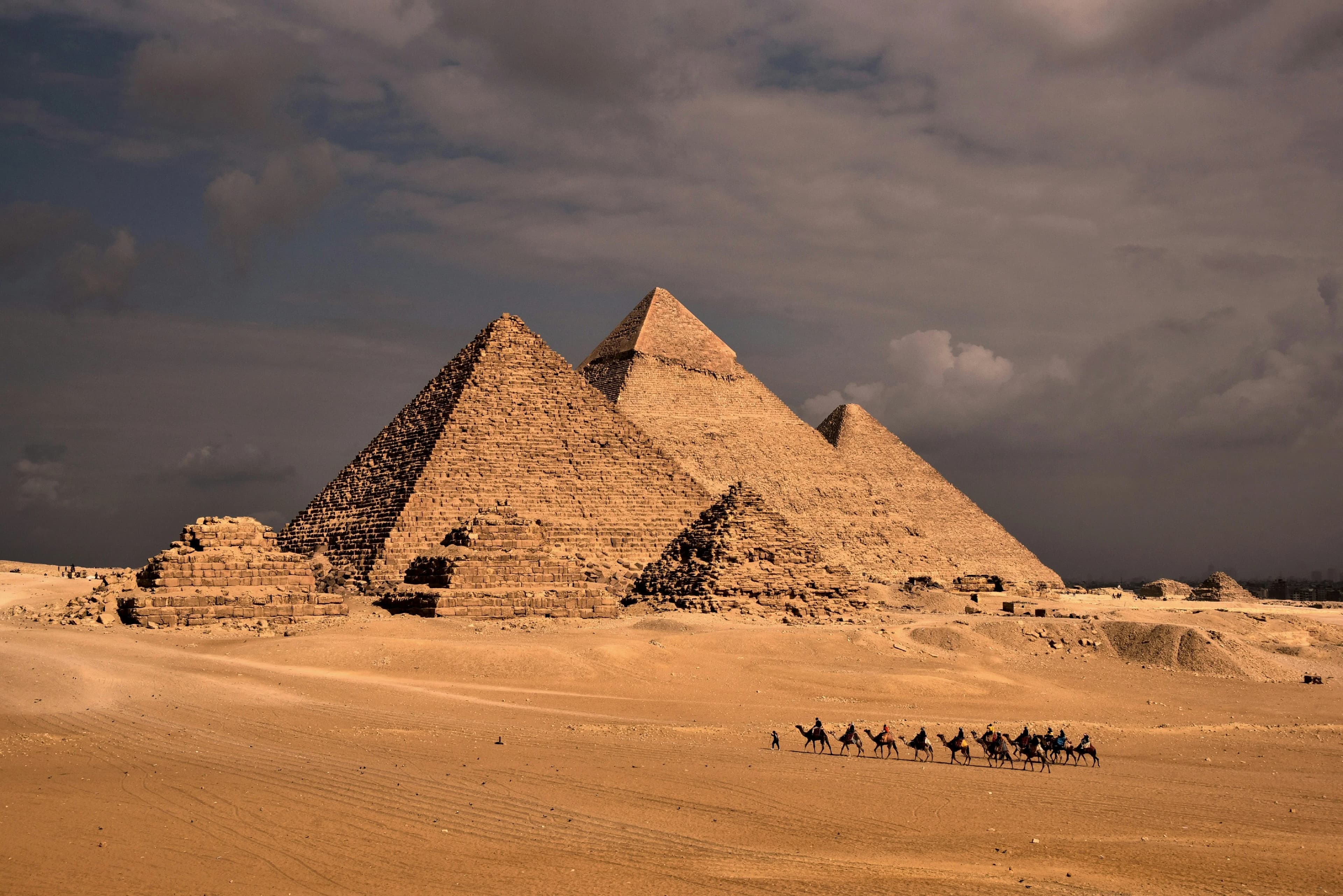
The single most important criterion for suite selection in Giza is orientation. A luxury suite with an unobstructed view of the Great Pyramid, the Pyramid of Khafre, or the Sphinx constitutes a qualitatively different experience from a suite of equal size and service standard facing the city. This distinction should drive the selection process before any other factor is considered.
Floor height is the secondary variable. The plateau sits at an elevation above the surrounding plain, and the monuments are visible across a significant horizontal distance from properties that are not immediately adjacent. Higher floors consistently outperform lower-floor suites in terms of sightline clarity and the reduction of visual interference from street-level activity.
Travelers with extended itineraries, combining Giza with Luxor, Aswan, or the Red Sea coast, should consider the suite's logistical position in relation to Cairo International Airport and the main arterial routes south. Properties with dedicated transfer services and established relationships with domestic aviation operators provide a meaningful operational advantage for multi-destination Egyptian itineraries.
For families, the physical layout of the suite matters considerably. Connecting rooms, access to private outdoor space, and in-suite catering capacity all bear on the experience of traveling with children in an environment where the external conditions, heat, crowds, and logistical complexity require that the suite itself function as a reliable retreat.
Why a curated selection by La Suite matters in Giza
The luxury hotel market in Giza is not large. The number of properties that genuinely meet the criteria of a considered luxury suite stay, in terms of view, service architecture, and physical quality, is limited. This concentration makes curation more valuable, not less. Without a reliable filter, the five-star designation alone is insufficient guidance for a traveler whose priorities are specific and whose expectations are formed by experience at comparable properties in other destinations.
La Suite applies a consistent editorial standard across every property in its selection. In Giza, that standard accounts for the particular demands of the destination: the heat, the sensory intensity of the plateau, the logistical complexity of the surrounding city, and the once-in-a-generation character of the experience itself. The curated selection by La Suite removes the friction of comparison and surfaces only the suites that justify the journey.