





Africa
Hotels with luxury suites in Africa
Africa is a continent of distinct territories, each operating according to its own logic of luxury. Understanding these differences is the first step toward choosing a suite that genuinely fits the experience you are building.
Our latest articles about Africa
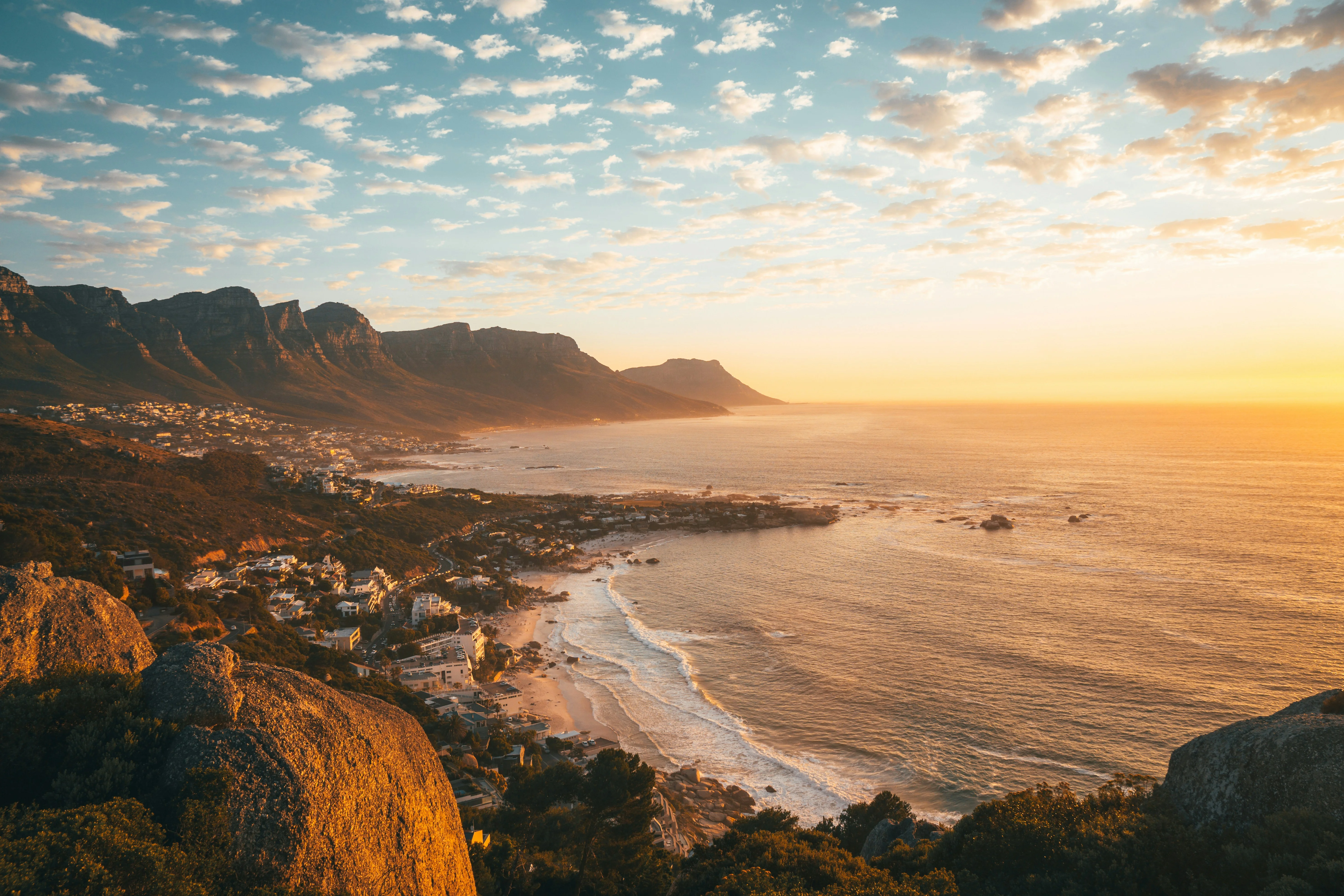
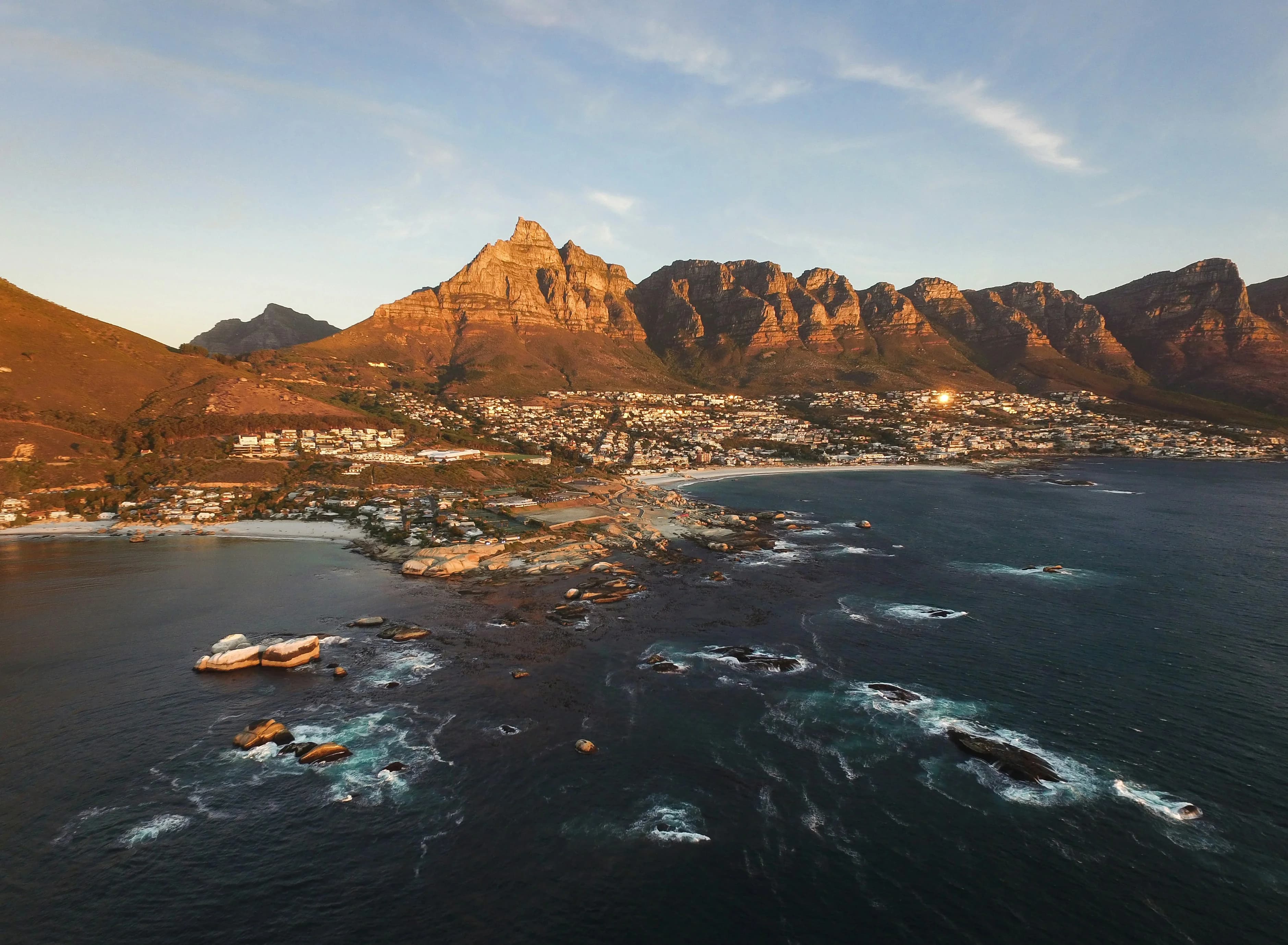
The Definitive Guide to Cape Town's Most Stunning Luxury Suites | LaSuite.com
An elite curation of Cape Town's most architecturally significant luxury hotel suites, exploring dramatic cliffside engineering, industrial-chic penthouses, and the definitive South African indoor-outdoor lifestyle.
BY Jules Peulet
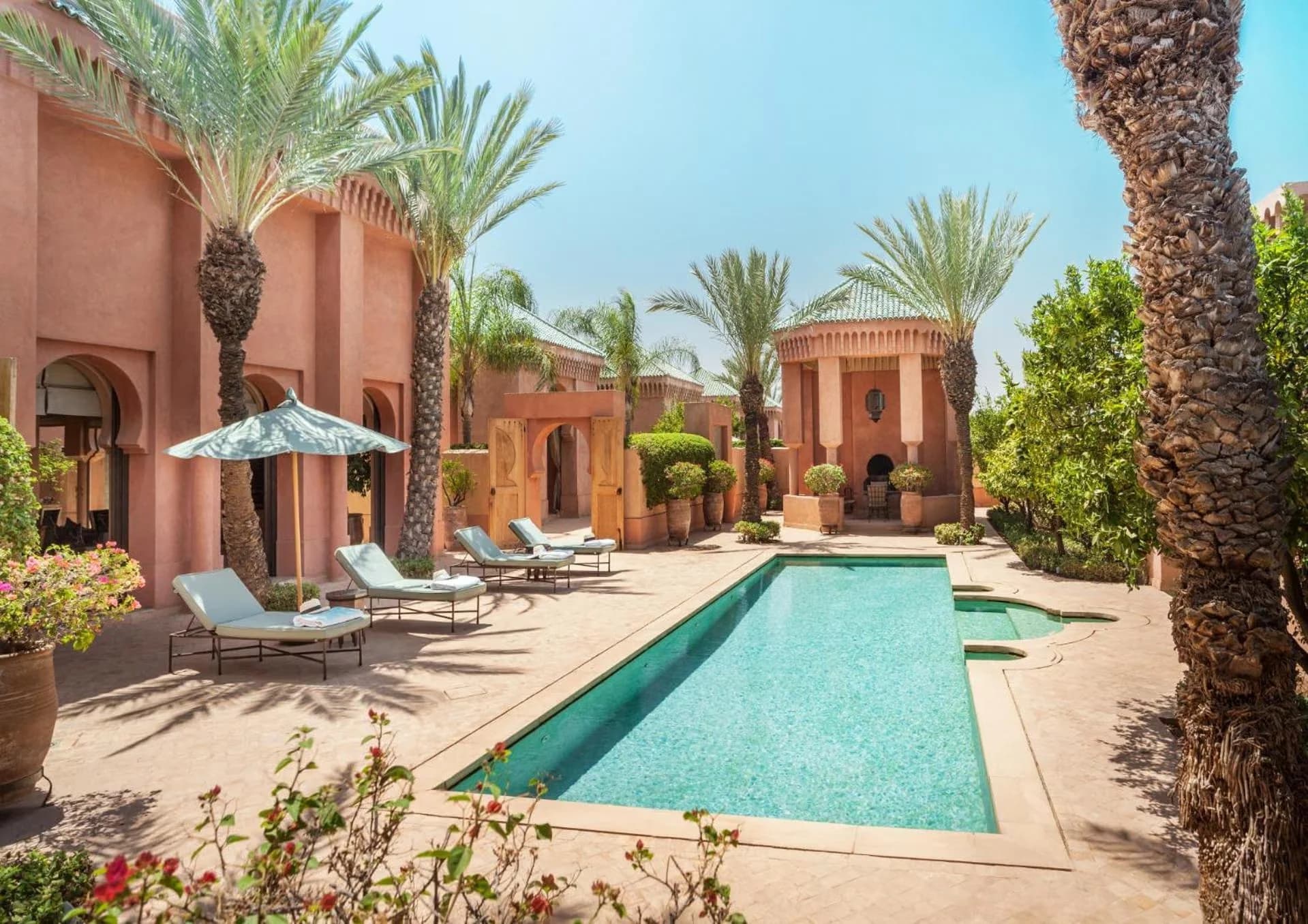
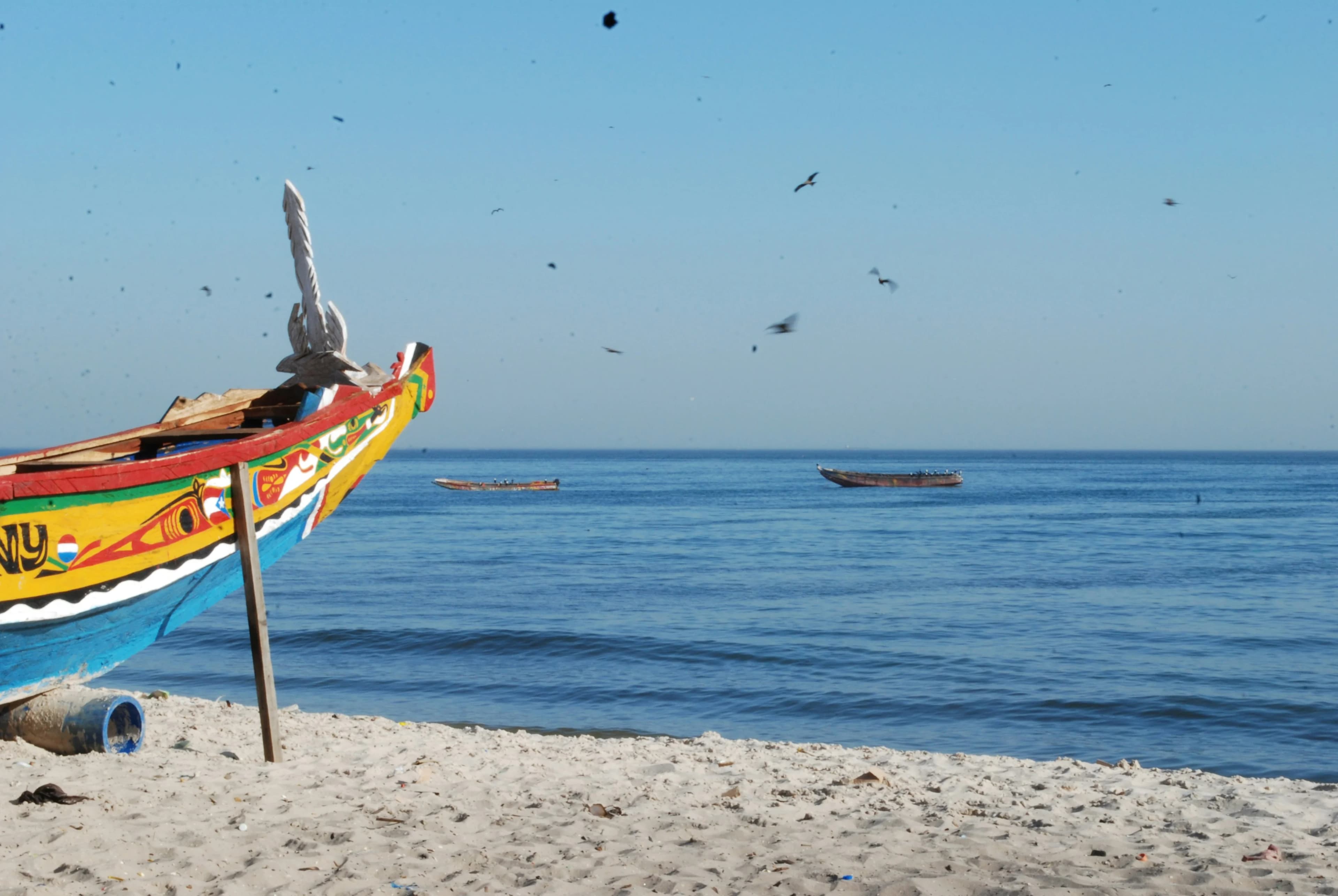
The Ultimate Guide to Hotel Suites in Marrakech: Between Luxury Riads and Palaces
Marrakech is a city of striking contrasts, a destination where sensory hyperstimulation meets the absolute silence of private sanctuaries. Behind the ochre and anonymous walls of the Medina lie masterpieces of Hispano-Moorish architecture, while the Palmeraie unfolds its contemporary palaces facing the snow-capped Atlas peaks. For the discerning traveler, the Red City cannot be tamed in a standard hotel. It is experienced through an exceptional suite, a privatized riad, or a pavilion hidden within lush gardens. We have set aside stereotypical addresses to reveal the most exclusive spaces in the city. Whether you seek the vibrant authenticity of the historic center or the serenity of wide-open spaces, here is our definitive selection.
To deepen your exploration of Moroccan hospitality and discover the philosophy behind our curation, we invite you to read the complete guide to the most beautiful luxury suites in Marrakech on our media, or to browse directly all our suites in Marrakech to book your next sanctuary.
BY Jules Peulet
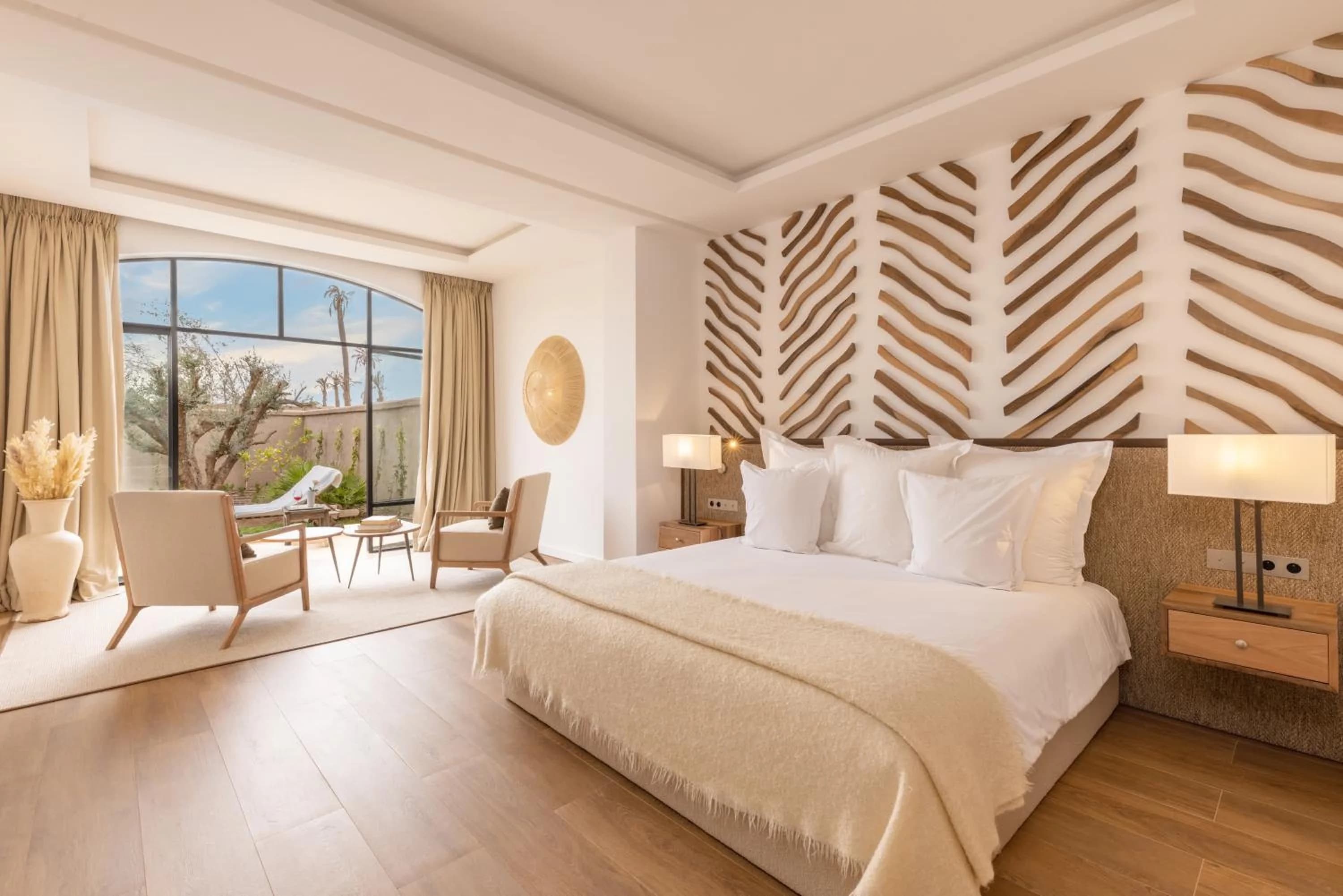
Where to Travel in October 2026: The Art of Off-Season Travel and the Finest Shoulder Seasons
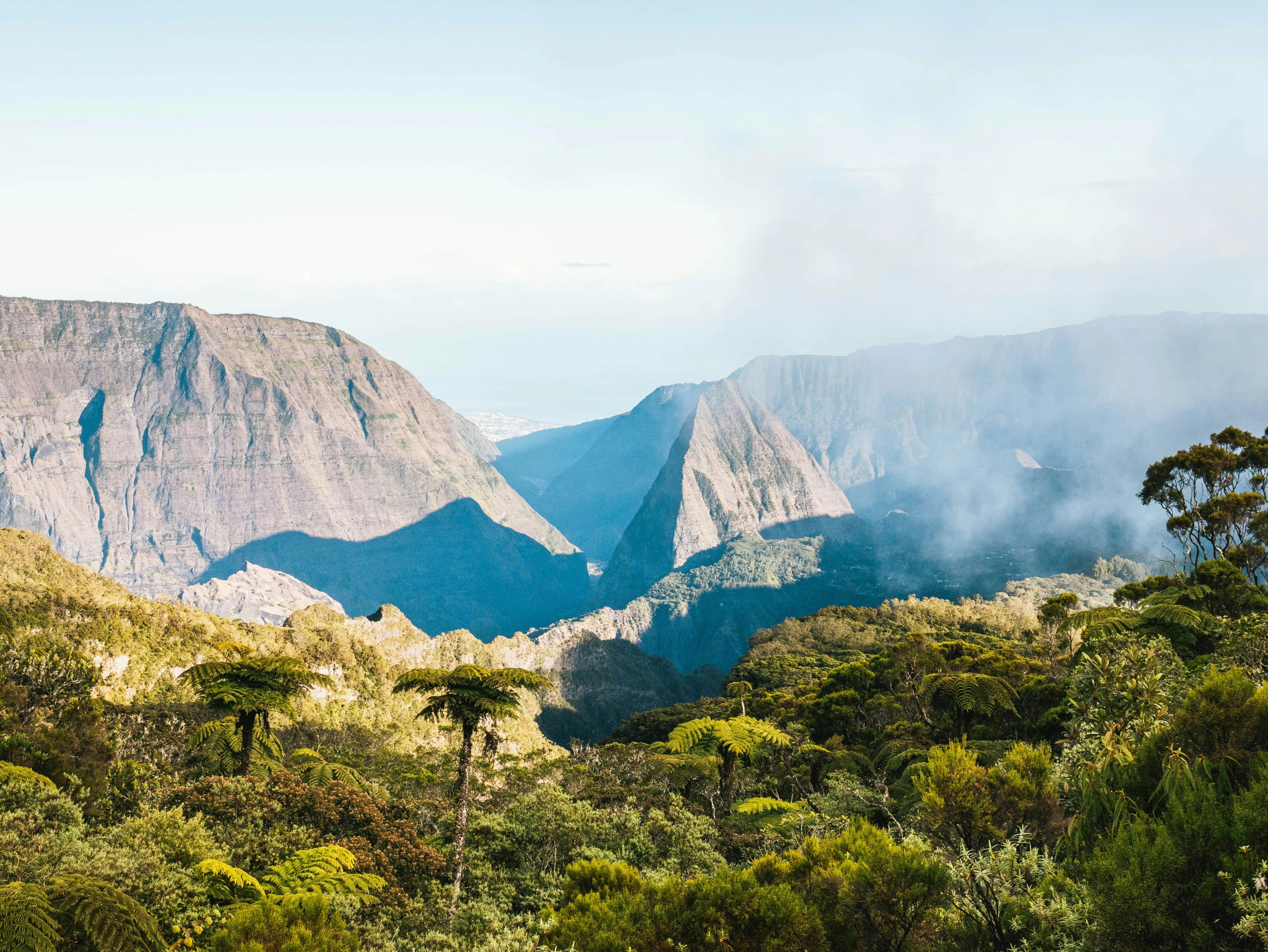
When summer crowds disperse and August's frantic pace fades away, an enchanted respite opens for discerning travelers. October is, without question, the best-kept secret of luxury hospitality. It's the time when Mediterranean light turns golden, when the sea retains the warmth accumulated all summer long, and when service in exceptional establishments returns to its most attentive fluidity. Traveling in the shoulder season is no compromise, but rather a quest for elegance, space, and intimacy. From Andalusia to the foothills of the Atlas, through the wild coasts of the Algarve, we have selected five sumptuous retreats to celebrate the return of tranquility. Here is our guide to extending summer with mastery.
BY Jules Peulet
Best regions in Africa for a luxury suite stay
Southern Africa: space, wildlife, and architectural restraint
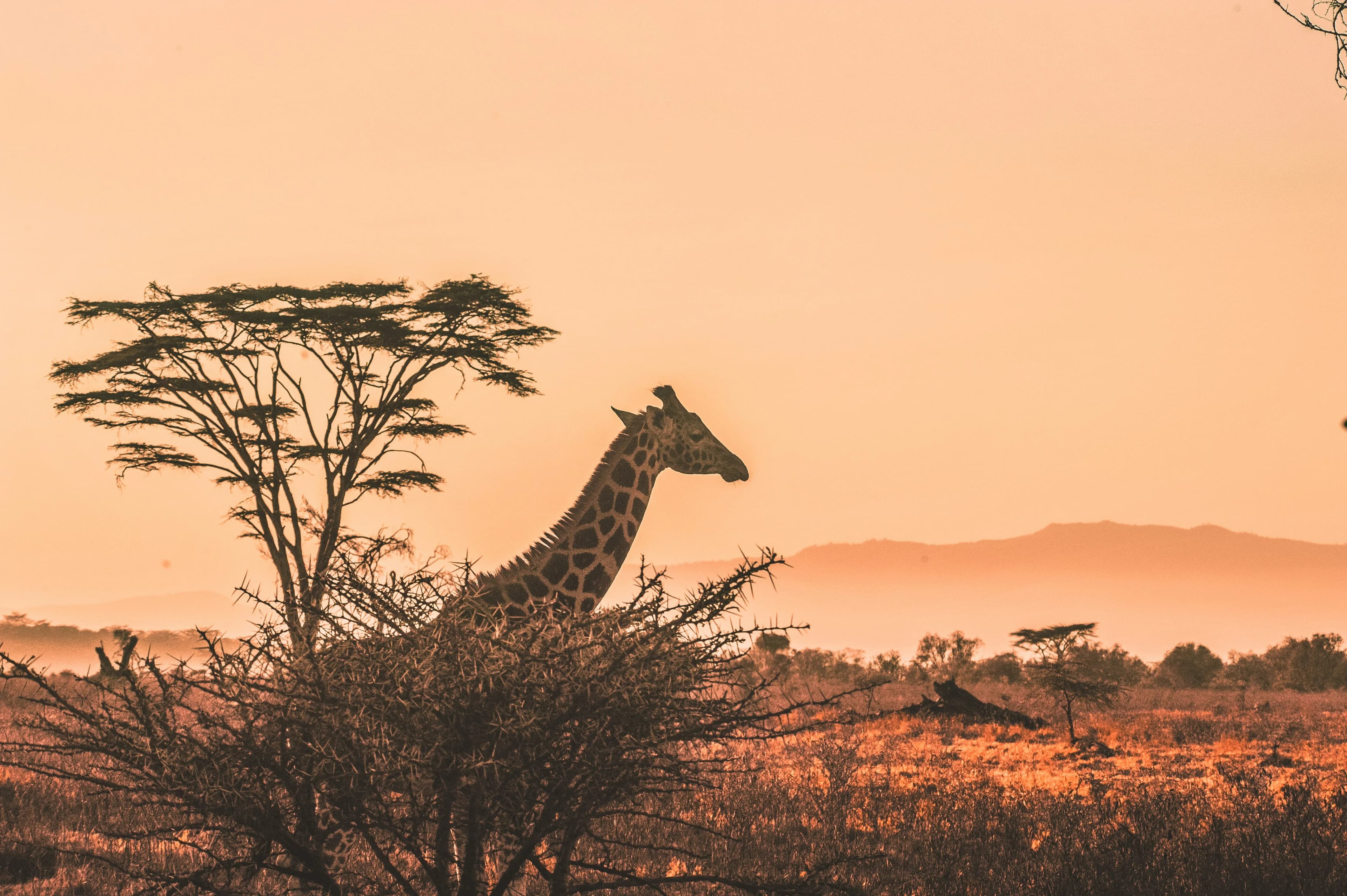
South Africa, Botswana, Zimbabwe, and Zambia define what the industry calls the safari suite. Properties here are typically positioned within private game reserves or on the edges of national parks, where suite design is governed by proximity to nature. Expect open-plan architecture, canvas and timber construction at the high end, and an orientation toward the bush or a water source. The Okavango Delta in Botswana sets the global benchmark for low-density, high-cost conservation lodging. South Africa's Western Cape adds a second register entirely: wine estate properties near Franschhoek and Stellenbosch, where suites occupy historic Cape Dutch farmsteads or contemporary minimalist structures with vineyard views. Both formats require forward planning, as the best suites in private reserves are limited by design.
East Africa: altitude, ecology, and the long tradition of the tented camp
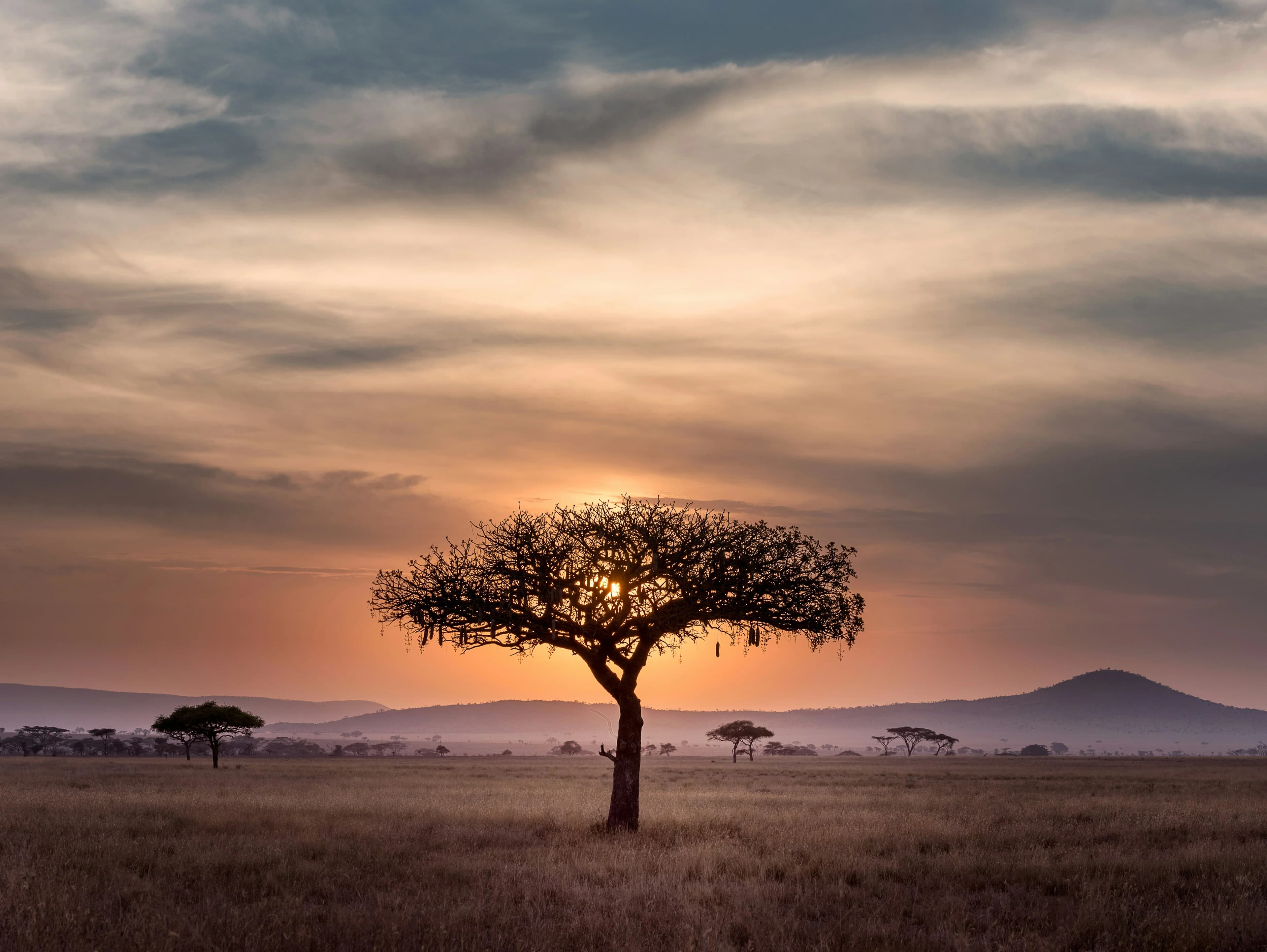
Kenya and Tanzania anchor East Africa's luxury positioning. The Masai Mara and the Serengeti corridor define migration-season travel, when suite demand peaks sharply between July and October. Rwanda adds a distinct dimension: gorilla trekking has generated a category of high-altitude lodge suites in the Volcanoes National Park that prioritize warmth, altitude comfort, and directional views toward the forest. Ethiopia offers a more unusual circuit, combining rock-hewn churches, the Omo Valley, and a small but growing set of design-conscious properties that operate outside the conventional safari model.
North Africa: the medina, the desert, and the Atlantic coast
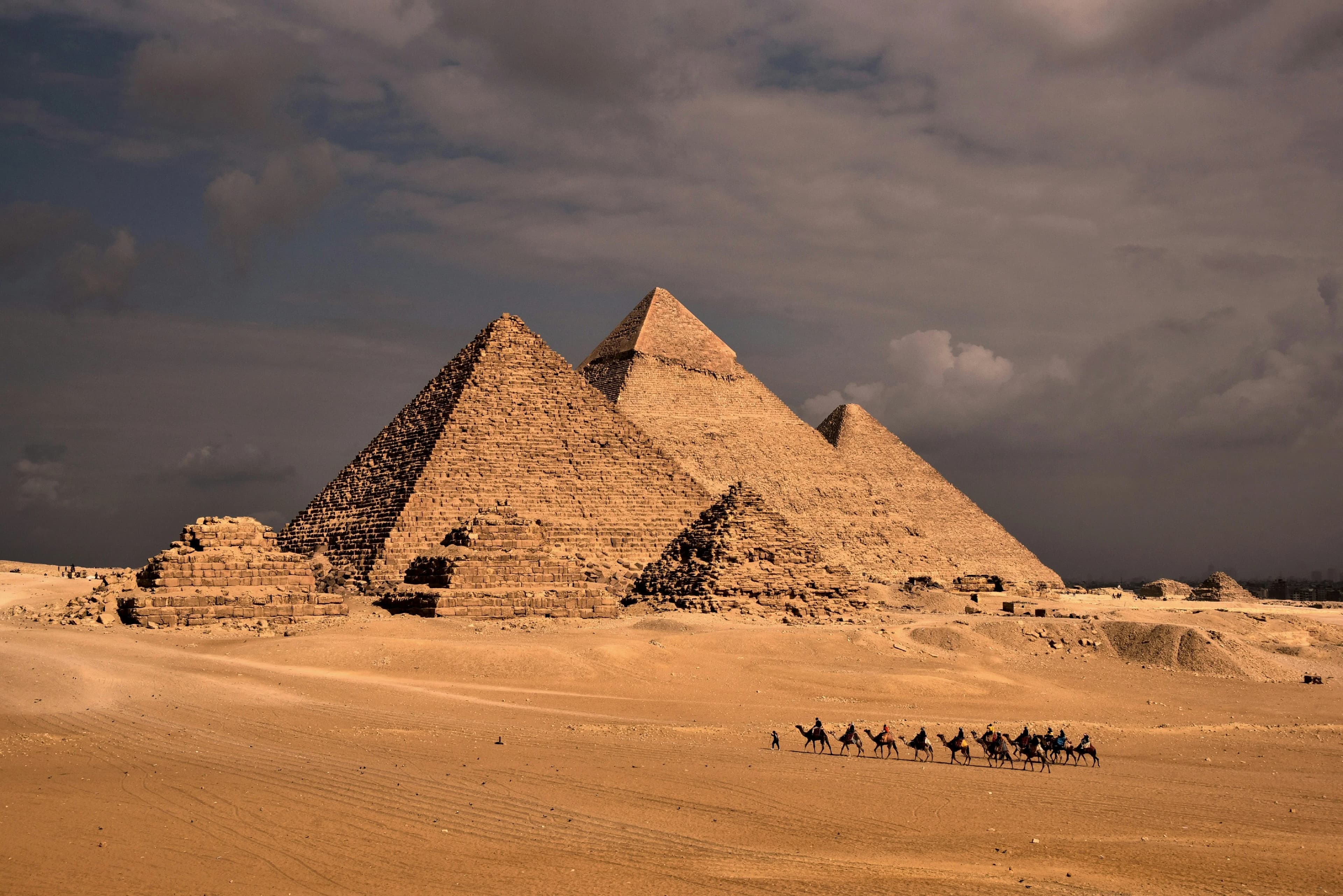
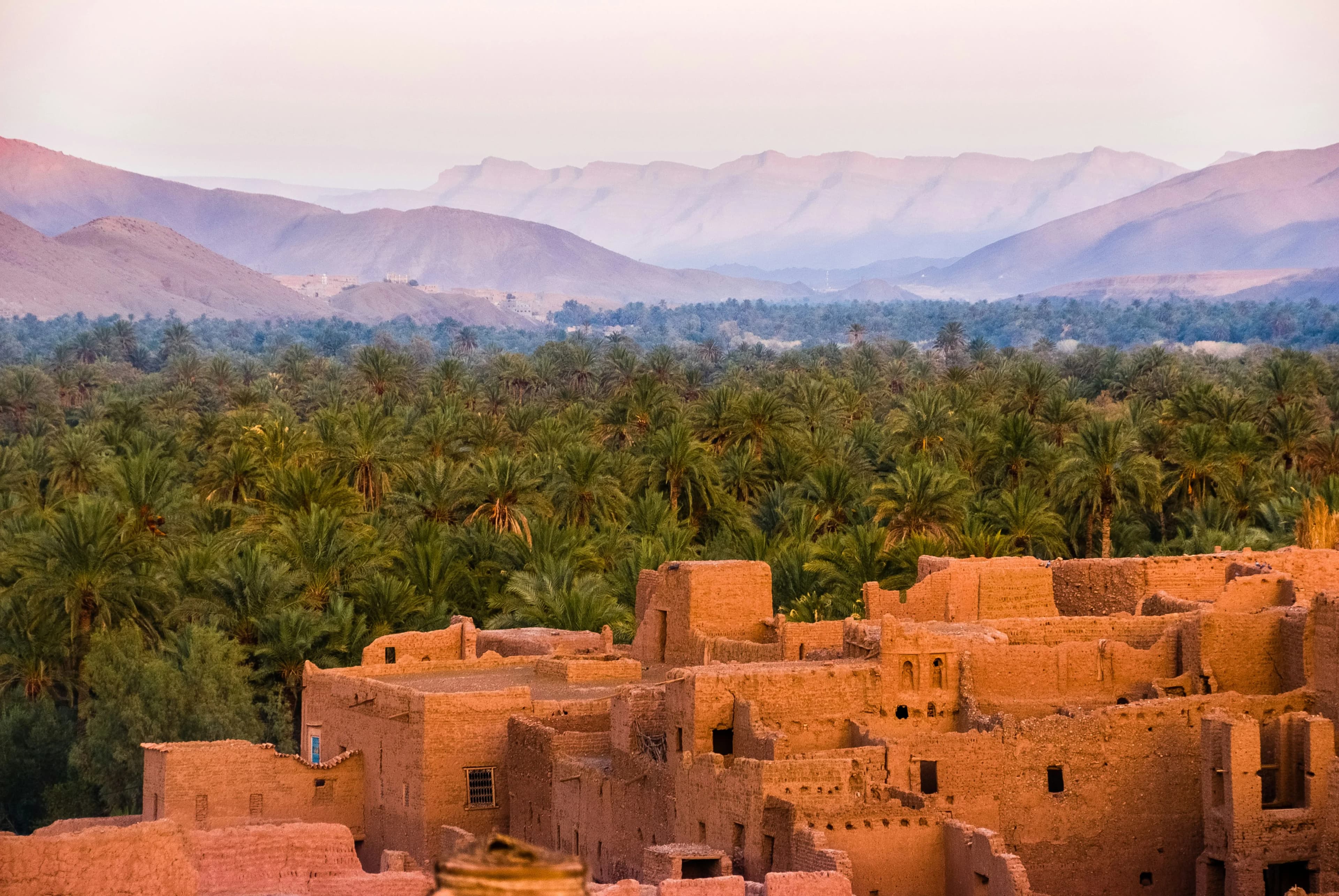
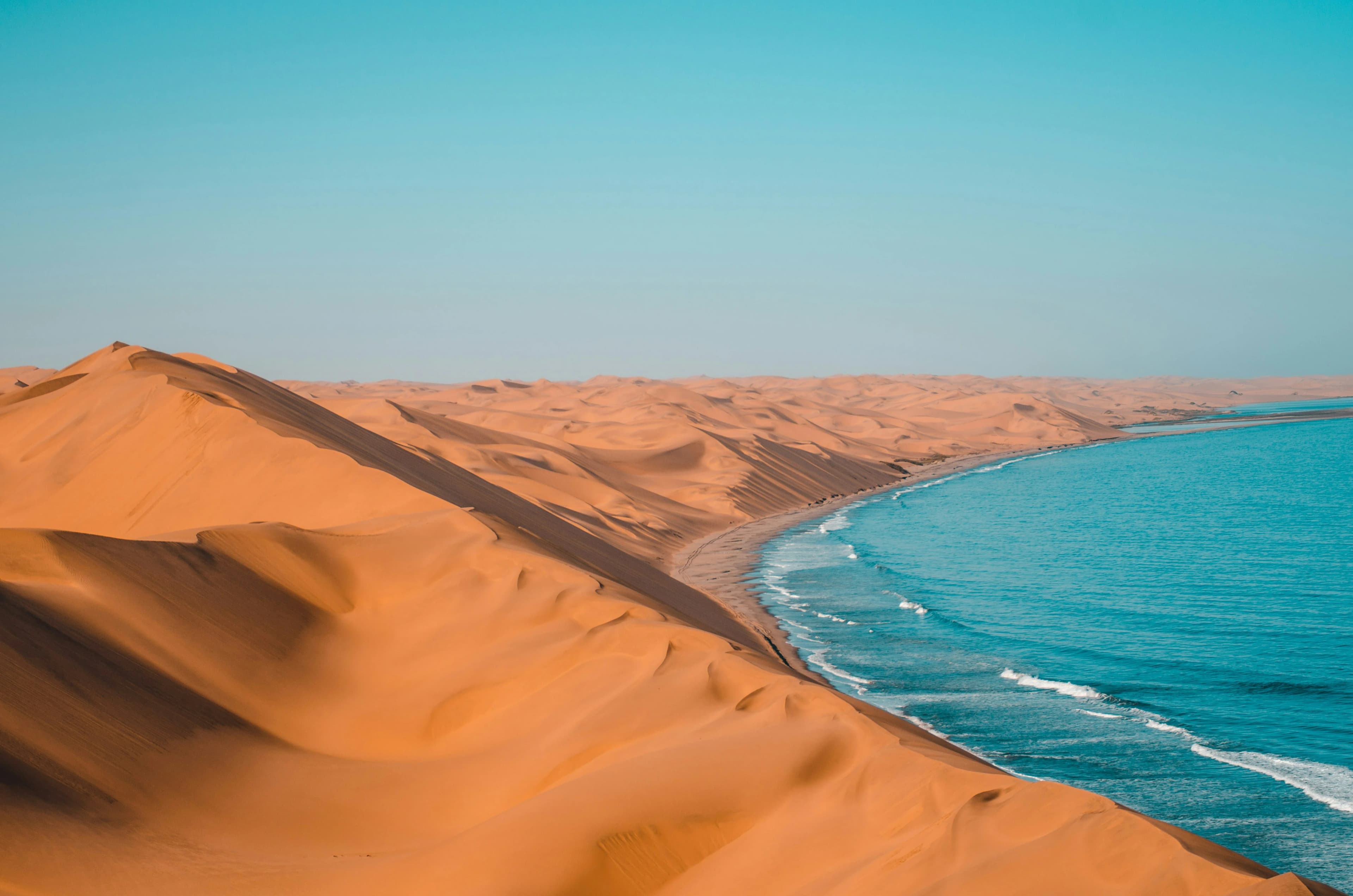
Morocco operates as its own category. Marrakech's riad tradition produces a form of suite architecture found nowhere else: rooms organized around a central courtyard, with an inward-facing logic that emphasizes privacy and sensory layering through tilework, cedar woodwork, and water features. The Saharan south offers desert camps of genuine architectural ambition, where the suite format adapts to canvas and dune topography. Tunisia and Egypt add classical and archaeological dimensions, with Cairo's Nile-facing properties occupying a historically specific tier of hospitality.
Indian Ocean islands: precision and seclusion
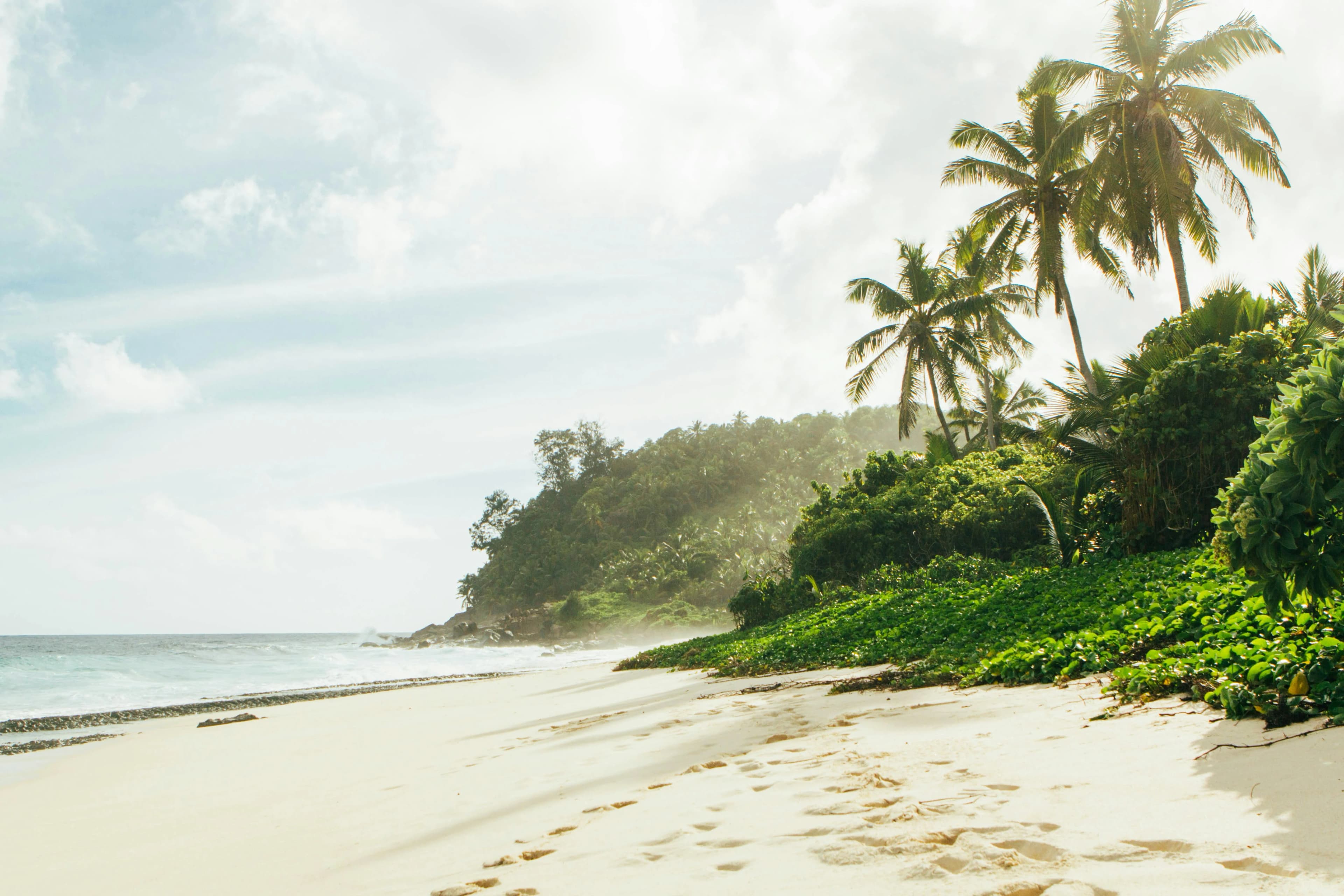
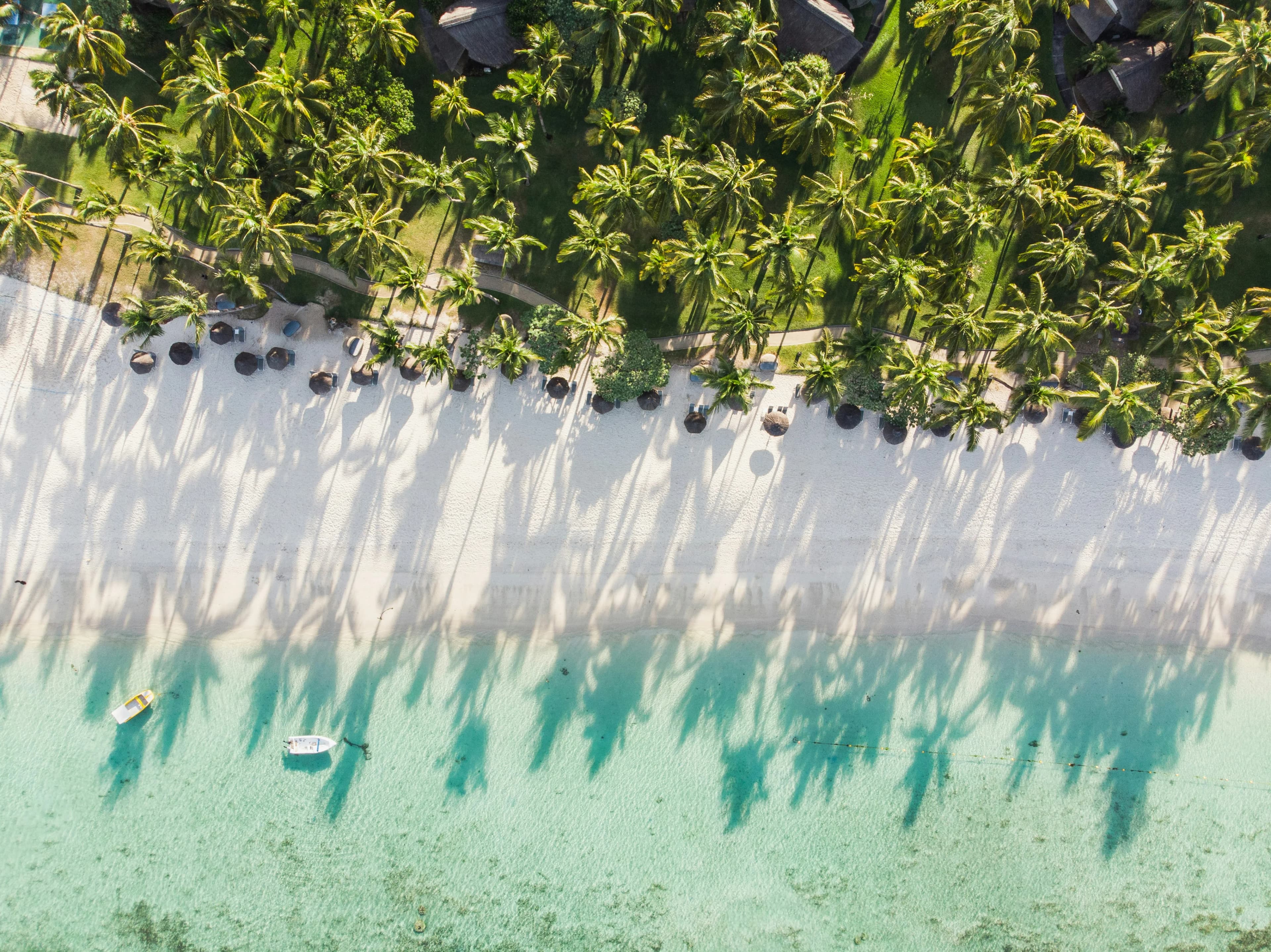
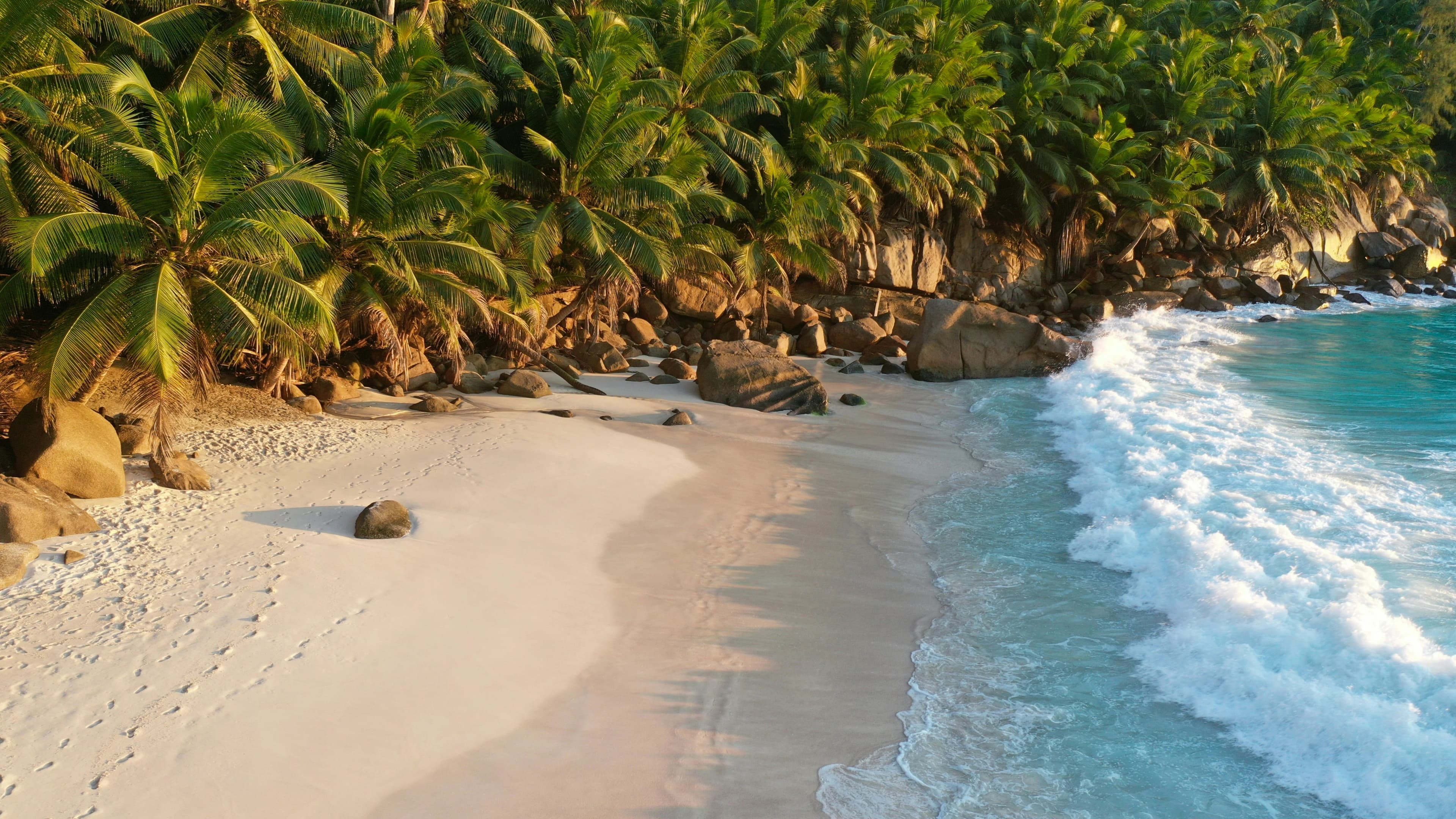
Mauritius, the Seychelles, and the Maldives-adjacent archipelagos of the African coast offer a different register: overwater and beachfront suites built for total withdrawal. The Seychelles, in particular, combines granite rock formations with small-scale, high-cost properties where suite counts rarely exceed twenty rooms. This scarcity is structural, not artificial.
When to visit Africa for a luxury suite stay
Africa has no single season. Each territory follows its own climatic and ecological calendar, and the best suite experiences are often conditional on arriving at the right moment.
In East Africa, the wildebeest migration crosses the Mara River between July and October, making this the most sought-after window for Kenya and Tanzania. Suite availability at the top lodges during this period is limited, and rates reflect the demand. The green season (November to March) offers a quieter, often more affordable alternative, with resident wildlife and dramatic storm-light photography conditions.
Southern Africa's peak falls between May and October, when dry conditions thin the vegetation and concentrate wildlife around water sources. Botswana's Okavango Delta floods seasonally between June and August, creating the papyrus-and-waterway landscape the region is known for. South Africa's Western Cape follows a Mediterranean rhythm, with the most temperate conditions between October and April.
Morocco is year-round, though spring (March to May) and autumn (September to November) offer the most comfortable conditions in Marrakech and the Atlas. Summer in the interior is extreme. The Sahara is best visited between October and March.
The Indian Ocean islands, including the Seychelles and Mauritius, experience a cyclone season between December and March, with the driest and calmest conditions running from May to November.
Local luxury standards: what to expect from top-tier suites in Africa
Africa does not operate on a single prestige taxonomy. The labels that structure luxury elsewhere (Palace designations, starred classifications) are largely absent. Instead, the continent's finest properties are recognized through a combination of conservation credentials, architectural distinction, and operator reputation.
In the safari segment, the relevant benchmarks are lodge exclusivity (measured in suite count and land size), the ratio of guides to guests, and conservation certification. Relais and Chateaux membership, Small Luxury Hotels of the World affiliation, and Virtuoso network inclusion signal a minimum threshold of service and facility investment. Many of the continent's most admired properties carry no public-facing label at all; their reputation is transferred through travel specialists and word of mouth.
In Morocco, the riad category spans an enormous range. At the upper end, a luxury suite in a private riad may occupy an entire floor, with a personal plunge pool, a dedicated courtyard, and a staff ratio that approximates a private residence. The distinction between a converted townhouse and an architecturally significant riad is not always legible from photography alone.
In island destinations, the overwater suite has become a standardized format. The meaningful differentiators are structural: deck size, water depth, orientation relative to sunrise and sunset, and the presence or absence of direct lagoon access from the suite itself.
How to choose the best luxury suite in Africa
The first decision is territorial. Africa's luxury landscape is not integrated; properties do not transfer across regions, and the experience of a tented suite in the Serengeti has no functional relationship to a riad in Fez or an overwater villa in the Seychelles. The destination must be chosen before the property.
Within territories, the key variables are access, exclusivity, and architectural alignment. For safari suites, consider how the property is reached (light aircraft, four-wheel drive, boat), the size of the concession, and whether the suite has a private viewing deck or plunge pool. For riad and medina properties, consider proximity to the historic center and the acoustic insulation of the courtyard. For island suites, consider orientation and whether private butler service is standard or supplementary.
Seasonal timing affects not only availability but the nature of the experience itself. A suite with a waterhole view delivers a fundamentally different encounter in the dry season than in the wet. Building this knowledge into the selection process is not optional at this level of investment.
Why a curated selection by La Suite matters in Africa
Africa is a continent where the distance between a property's marketing presentation and its actual delivery can be considerable. Photography is often aspirational. Room categories are inconsistently defined. The word suite covers everything from a canvas tent with a flush toilet to a private villa with a dedicated pool and a personal guide team.
La Suite operates with a single standard: the suite must be worth the investment at the moment of arrival, not just in the imagery that preceded it. The platform's curation of African properties focuses on properties where the physical suite, the service architecture, and the surrounding environment have been assessed with the same rigor applied to a Paris Palace or a Maldivian resort. The result is a selection where context and quality are guaranteed to align.
Frequently asked questions
What are the best luxury hotel suites in Africa for a safari experience?
The highest-performing safari suites are concentrated in Botswana's Okavango Delta, South Africa's private reserves adjacent to the Kruger National Park, and the private conservancies of Kenya's Masai Mara ecosystem. These properties typically offer suite counts under twenty rooms, private decks facing a waterhole or floodplain, and a dedicated field guide per suite or suite pair. La Suite curates a selection of these properties based on verified quality and in-field experience.
When is the best time to book a luxury suite in Africa?
The optimal window depends entirely on the territory. East Africa's migration season runs from July to October, when suite demand in Kenya and Tanzania peaks and advance booking of twelve months or more is standard at leading lodges. Southern Africa's dry season spans May to October. Morocco and the Indian Ocean islands have their own distinct calendars, with the Seychelles and Mauritius best visited between May and November to avoid the cyclone season.
How much does a luxury suite in Africa typically cost per night?
Rates vary significantly by category and territory. In Botswana's Okavango Delta, the most exclusive tented suites in private concessions range from approximately USD 1,500 to over USD 5,000 per person per night on a fully inclusive basis. South African wine estate and reserve suites start lower, around USD 500 to USD 1,500 per night. Seychelles private villa suites and Moroccan high-end riads occupy a range from USD 800 to USD 3,000 per night depending on the property and season.
What is the difference between a safari lodge suite and a safari camp suite?
A lodge suite typically occupies a permanent structure built from stone, timber, or brick, with climate control and hotel-grade fixtures. A camp suite is more commonly a canvas-and-timber construction designed to feel integrated with the surrounding environment, with natural ventilation and a more direct sensory connection to the bush. Both categories reach comparable levels of quality at the top end, but the architectural and sensory experience differs fundamentally.
Are luxury suites in Africa suitable for families with children?
Many of Africa's leading properties offer dedicated family suites or interconnecting configurations designed for adults traveling with children. Age restrictions at safari lodges are common, with some Botswana and Kenya properties setting a minimum guest age of twelve or sixteen for game drives. Morocco's riad suites and Indian Ocean island properties are generally more flexible, with some offering private villa formats that provide full household-level privacy and space.
What should I look for when choosing a luxury hotel suite in Morocco?
The primary considerations for a Moroccan riad or medina property are courtyard quality, acoustic separation from the street, suite ceiling height, and the authenticity of the architectural restoration. At the upper tier, private riads offer single-party occupancy, meaning the entire property operates as a private residence with dedicated staff. The distinction between a well-restored historic riad and a modern construction using traditional motifs is significant in terms of material quality and spatial experience.
Which African island destinations offer the best luxury suites?
The Seychelles and Mauritius are the primary island destinations for high-end suite travel in the African region. The Seychelles offers a smaller, more intimate format, with several private island properties limiting total suite count to under fifteen rooms. Mauritius has a longer established hotel infrastructure with a broader range of suite formats, from lagoon-facing villas to overwater configurations. Both destinations have distinct architectural identities that reward careful property selection.
Is it possible to combine multiple African destinations in a single luxury suite itinerary?
Multi-destination itineraries are common among experienced travelers to Africa, typically combining a safari territory (Kenya, Tanzania, Botswana, or South Africa) with a beach or island element (Seychelles, Mauritius, or Zanzibar) and sometimes a cultural stop in Morocco or Ethiopia. The logistics require light aircraft connections, visa coordination, and advance booking across all properties simultaneously. La Suite's curation covers each of these territory categories to support a coherent multi-stop selection.
What certifications or quality standards should I look for in a luxury hotel in Africa?
In the absence of a universal African hotel classification system, the most reliable indicators of quality are membership in recognized global networks such as Relais and Chateaux, Small Luxury Hotels of the World, or Leading Hotels of the World, alongside conservation credentials such as Responsible Tourism certification in South Africa or membership in the Long Run Global initiative. For safari properties specifically, the ratio of land area to suite count and the qualifications of the field guide team are more revealing than any marketing label.
How far in advance should I book a luxury suite in Africa?
Booking lead times in Africa are longer than in most other global luxury destinations. For Botswana's private concessions during peak season, twelve to eighteen months of advance reservation is standard. Kenya's top Masai Mara properties during the migration fill similarly early. South African wine estate properties and Moroccan riads offer somewhat more flexibility, though the best suites at flagship properties are routinely reserved six to nine months ahead. The Indian Ocean islands follow a comparable pattern for peak periods between June and September.