Understanding the territory: areas and landscapes worth considering
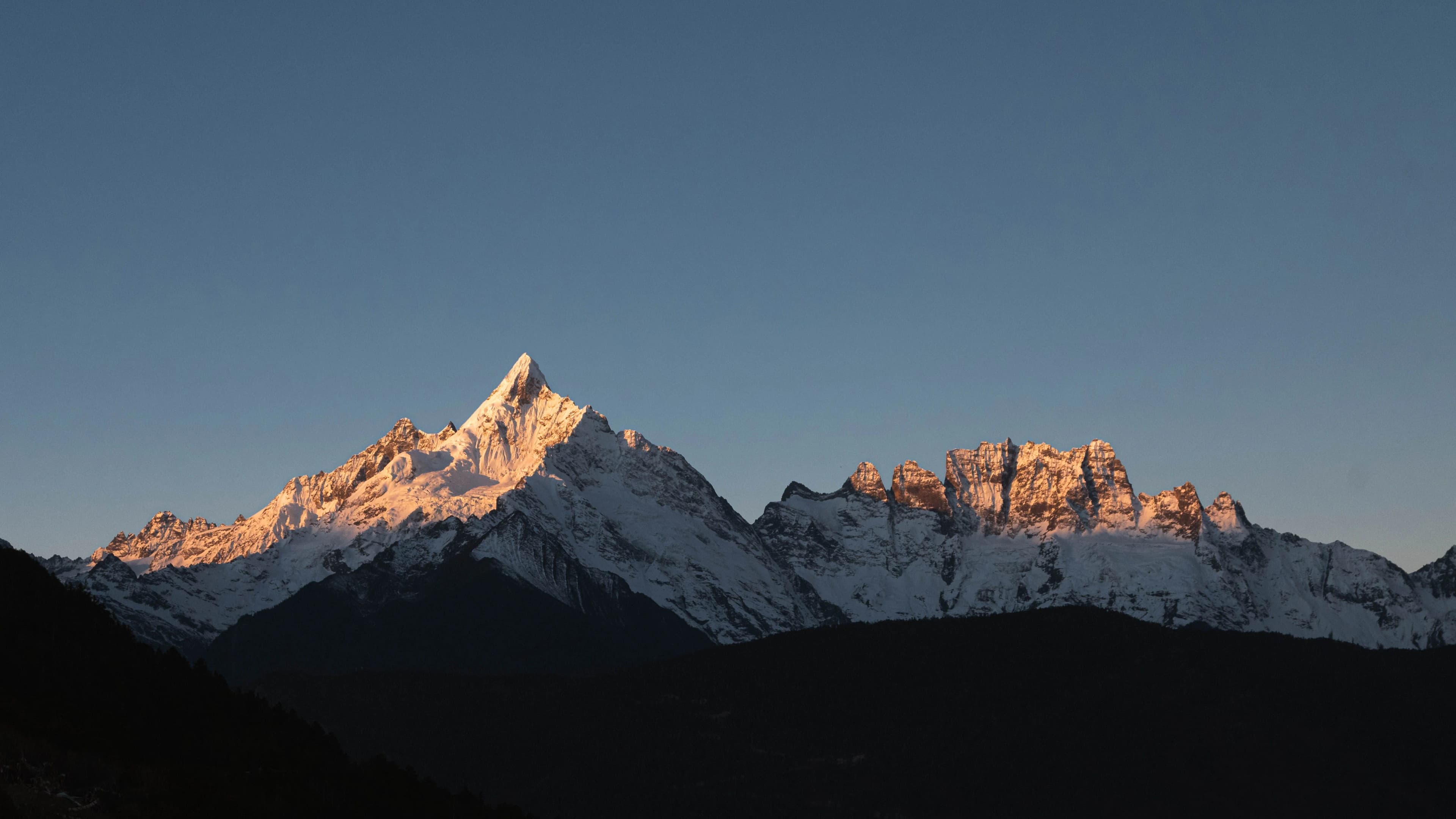
The Meili Snow Mountains sub-range, which includes Khawa Karpo, defines the western edge of the prefecture and draws travellers with a specific interest in Tibetan pilgrimage culture, high-altitude trekking, and photographic landscape work. The Benzilan and Cizhong villages along the upper Mekong corridor offer a quieter, more intimate engagement with local Tibetan and Naxi communities. These areas are not developed for high-volume tourism, which makes the choice of accommodation both more consequential and more personal.
For travellers interested in the broader context of luxury hotel suites across China, Dêqên represents the country's high-altitude, culturally sovereign extreme: a destination that rewards patience, acclimatisation, and deliberate planning over spontaneous itineraries.
When to visit Dêqên Tibetan Autonomous Prefecture
Seasonal considerations at altitude
The most accessible and climatically stable window for visiting Dêqên falls between April and October. Spring (April to May) brings rhododendron blooms across the sub-alpine meadows and relatively clear skies, making it a favoured season for landscape-focused travellers. Summer (June to August) is the principal tourist season, with warmer daytime temperatures and longer hours of light, though afternoon cloud cover and occasional rain are common at these elevations.
Autumn (September to October) is widely regarded as the most visually precise season: deciduous forests on the valley slopes shift to amber and red, visibility toward the high peaks is generally strong, and the region sees a reduction in visitor numbers as the summer season closes. Winter (November to March) brings cold temperatures, occasional snowfall, and limited road access to higher elevations. Some viewpoints near Deqin town and around Khawa Karpo become inaccessible. For travellers with a tolerance for cold and a preference for solitude, the winter months offer a version of Dêqên that is rarely photographed and genuinely removed from tourism infrastructure.
There are no major international luxury events anchored in the prefecture's calendar, but the Tibetan New Year (Losar, typically falling in February or March) and the Khawa Karpo pilgrimage circuit (observed by local communities throughout the year, with peak activity tied to the Tibetan lunar calendar) provide meaningful cultural touchpoints for travellers interested in engaging with the territory beyond its scenery.
Local luxury standards: what high-end accommodation means in this context
Altitude, materiality, and design integrity
China's formal hospitality classification system applies across the prefecture, but the concept of luxury in Dêqên is necessarily inflected by geography and cultural context. The most considered properties in the region tend to prioritise architectural coherence with Tibetan building traditions: heavy timber framing, rammed earth or stone construction, interior textiles sourced from local weaving traditions, and spatial layouts that orientate guests toward mountain views rather than facility density.
The international five-star framework does not always translate cleanly to high-altitude, culturally specific territories. A luxury hotel suite in Dêqên is more likely to be evaluated on the quality of its spatial design, the integrity of its material choices, and the competence of its staff in facilitating access to the surrounding landscape and culture. Amenities such as altitude sickness protocols, experienced local guides, and curated access to restricted or remote sites carry more weight here than they would in an urban context.
Travellers familiar with high-altitude hospitality in Nepal, Bhutan, or the Tibetan plateau will recognise the register. Those arriving from metropolitan Chinese luxury hotel environments should expect a different proposition: quieter, more spatially generous, and oriented toward the exterior rather than interior spectacle. For a broader orientation to luxury hotel suites across Asia, La Suite provides editorial context and curated selections that situate Dêqên within the continent's wider landscape of high-altitude and culturally sovereign destinations.
How to choose the best suite in Dêqên
Practical considerations specific to this prefecture
Altitude is the first practical variable. Shangri-La City sits at approximately 3,200 metres, and properties in the Meili Snow Mountains corridor approach or exceed 3,500 metres in some locations. Acclimatisation should be factored into the length of stay. Most experienced travellers recommend arriving via a lower-altitude stopover (Kunming, at 1,900 metres, is the standard staging point) and allowing at least 48 hours before undertaking strenuous activity.
Connectivity is the second variable. Road access to the most scenically positioned properties can be disrupted by seasonal weather, particularly in winter and during heavy summer rainfall. The ability of a property to manage logistics, including transfers, route planning, and emergency protocols, is a meaningful differentiator at this level of travel.
Architectural orientation matters significantly in this landscape. Suites with unobstructed northern or western exposures are best positioned to frame views toward the Meili Snow Mountains. Properties closer to Shangri-La City offer easier access to the old town, the Songzanlin Monastery (the largest Tibetan Buddhist monastery in Yunnan), and the logistical infrastructure of the prefecture's main urban centre. Those positioned further into the valleys offer greater silence and landscape immersion at the cost of convenience.
Finally, the question of cultural engagement capacity is worth weighing. The most accomplished properties in remote Tibetan territories tend to have deep relationships with local communities, which translates into access: to monasteries not on standard itineraries, to local craft producers, to guides who speak Tibetan as a first language. This quality of access is difficult to assess from a standard hotel listing and is precisely where editorial curation adds measurable value.
The value of a curated selection in Dêqên
Dêqên Tibetan Autonomous Prefecture is not a destination that rewards undirected research. The information landscape is uneven: reviews on general platforms conflate very different categories of property, altitude and access logistics are rarely addressed with precision, and the cultural specificity of the territory is frequently reduced to scenery in standard travel content.
La Suite's curatorial process applies a consistent set of criteria: spatial quality of the suite itself, architectural coherence with local building traditions, the competence of on-the-ground teams, and the property's capacity to facilitate meaningful engagement with the surrounding landscape and culture. In a territory as specific and as logistically demanding as Dêqên, that process removes significant uncertainty from the planning stage and ensures that the suite chosen is genuinely appropriate to the trip being undertaken. The curated selection by La Suite is the starting point for any serious consideration of this destination.