
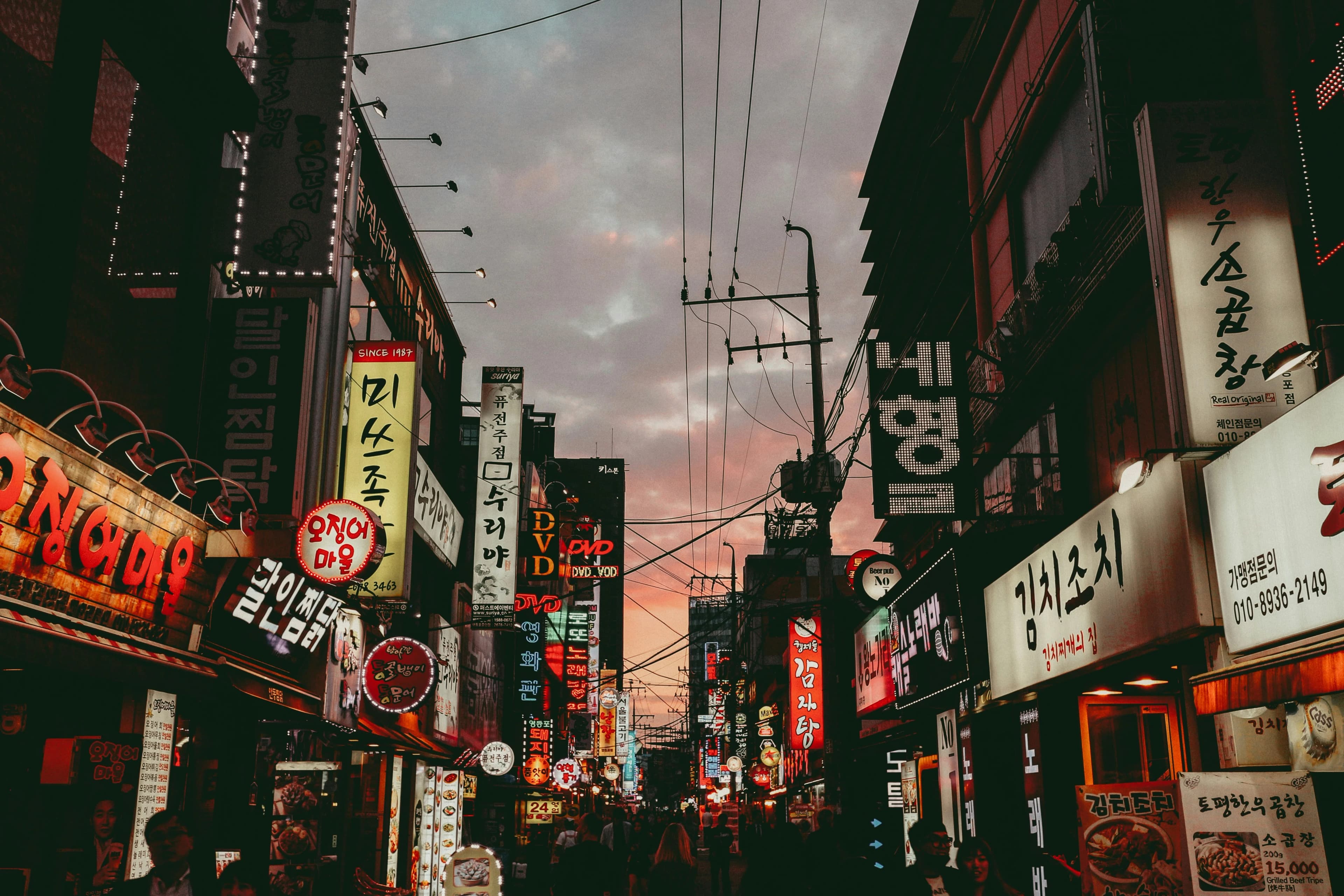
Asia
Hotels with luxury suites in Asia
Asia resists generalization. The continent spans climatic zones, architectural traditions, and hospitality philosophies that have little in common with one another. Choosing where to stay is the first and most consequential decision of any high-end trip.
Armenia
7 hotels
Azerbaijan
16 hotels
Bangladesh
6 hotels
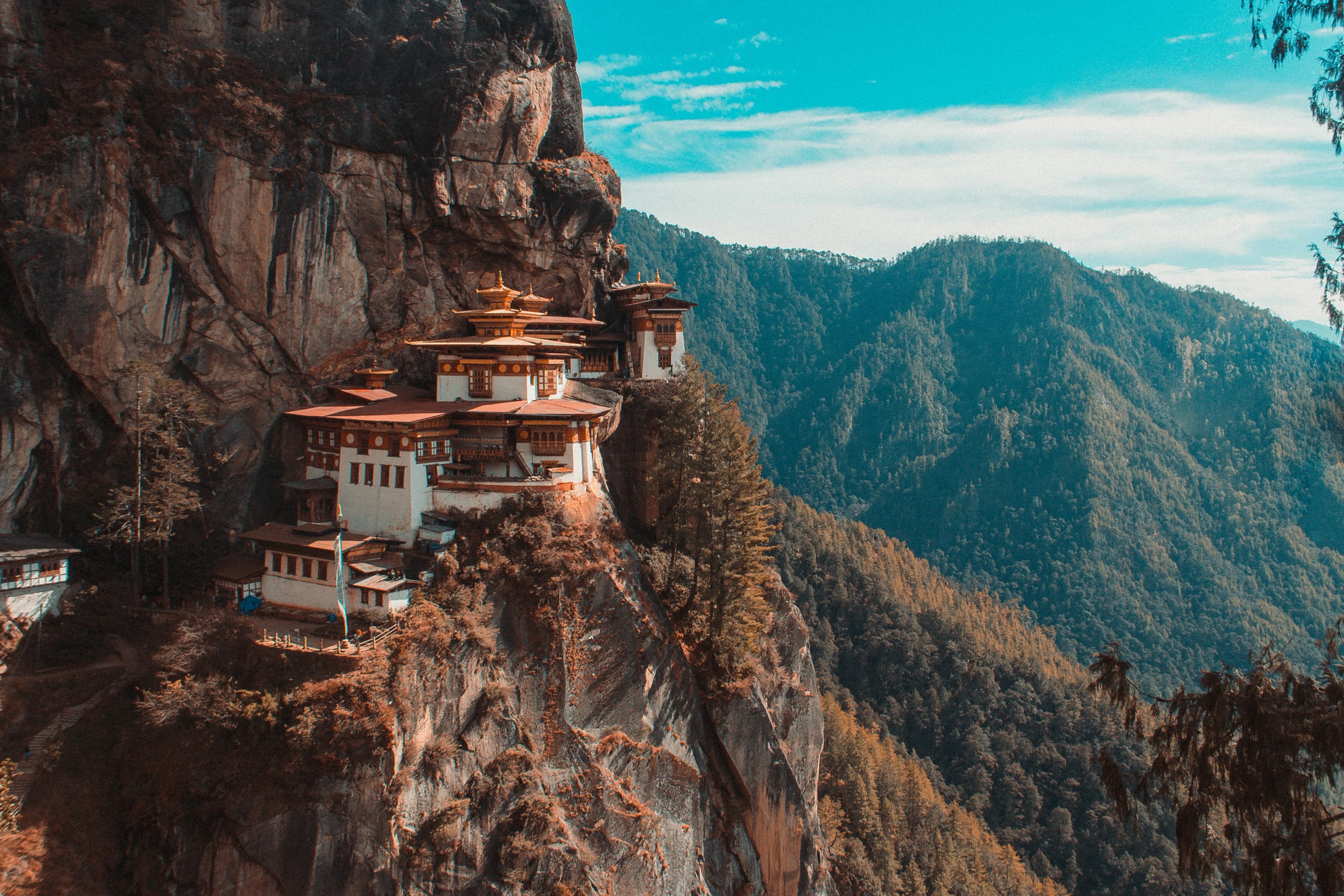
Bhutan
6 hotels
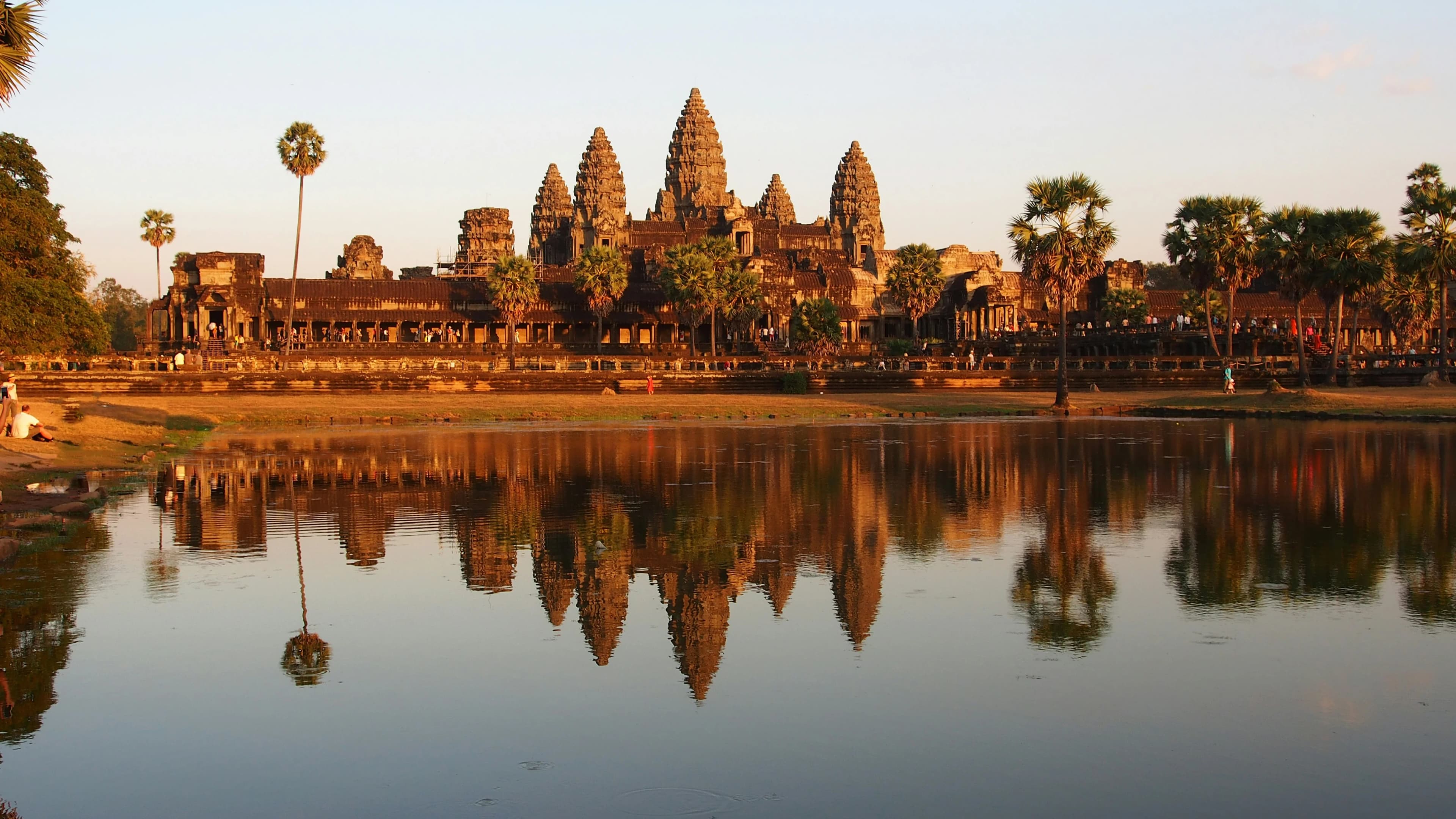
Cambodia
84 hotels
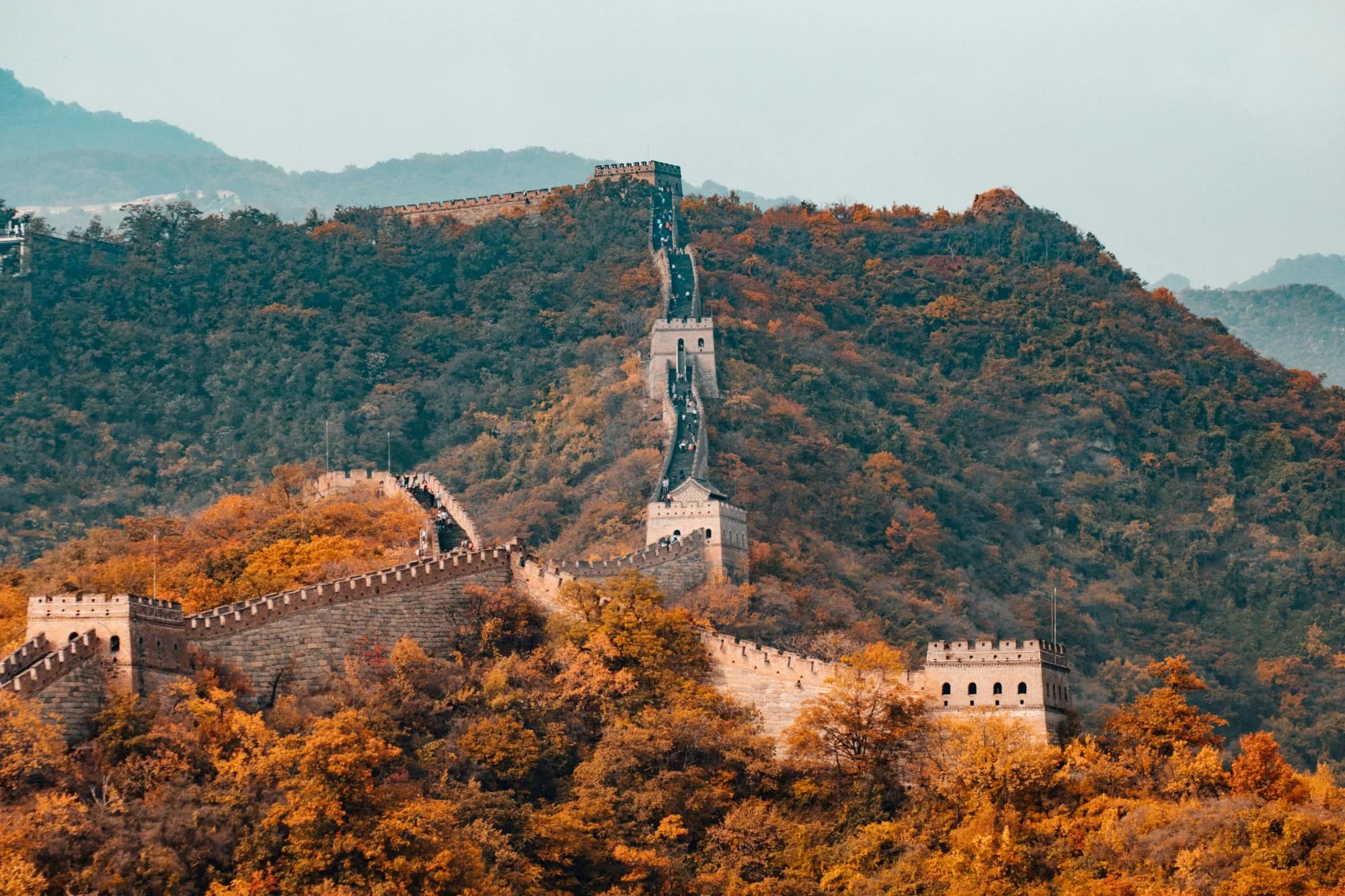
China
233 hotels
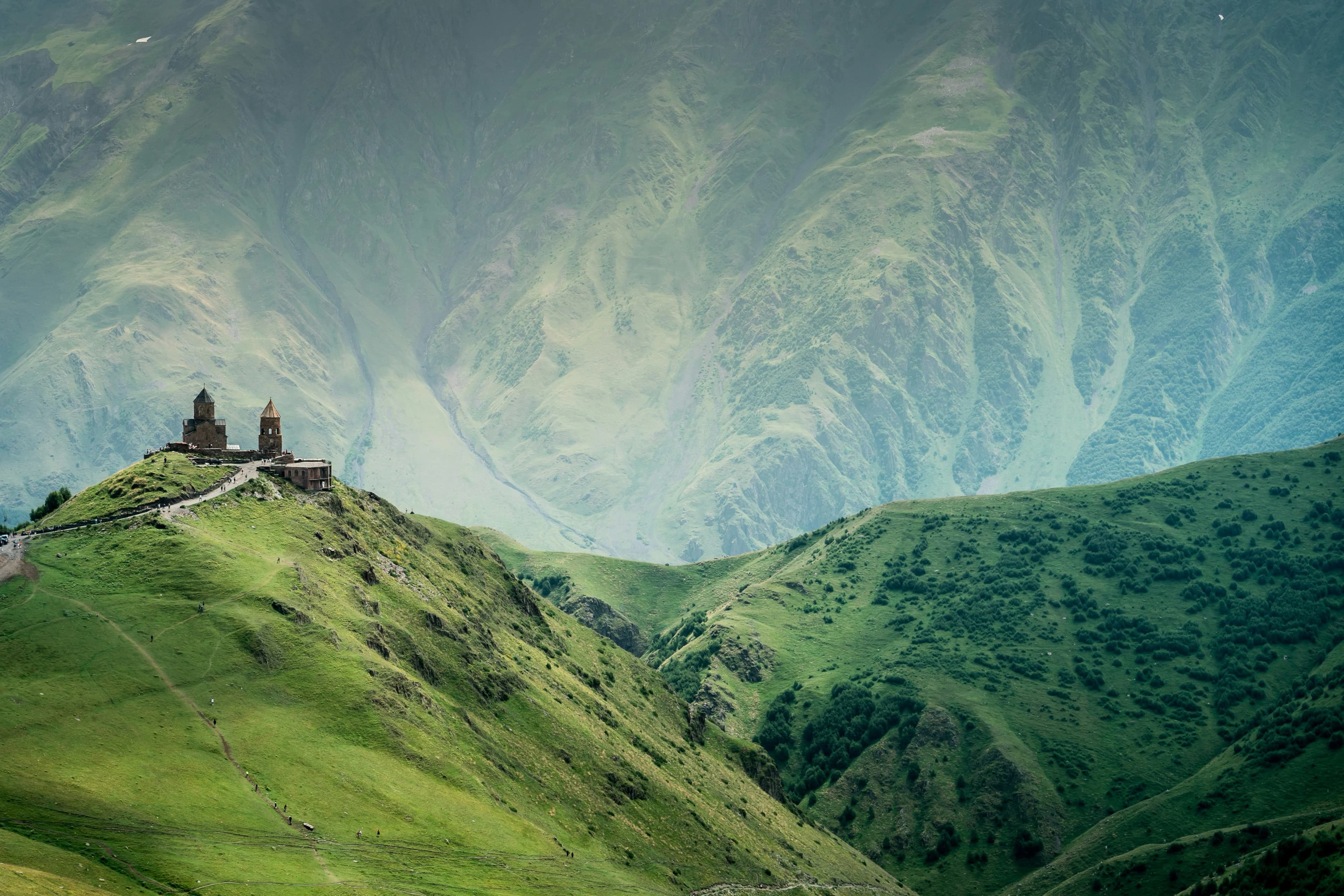
Georgia
20 hotels
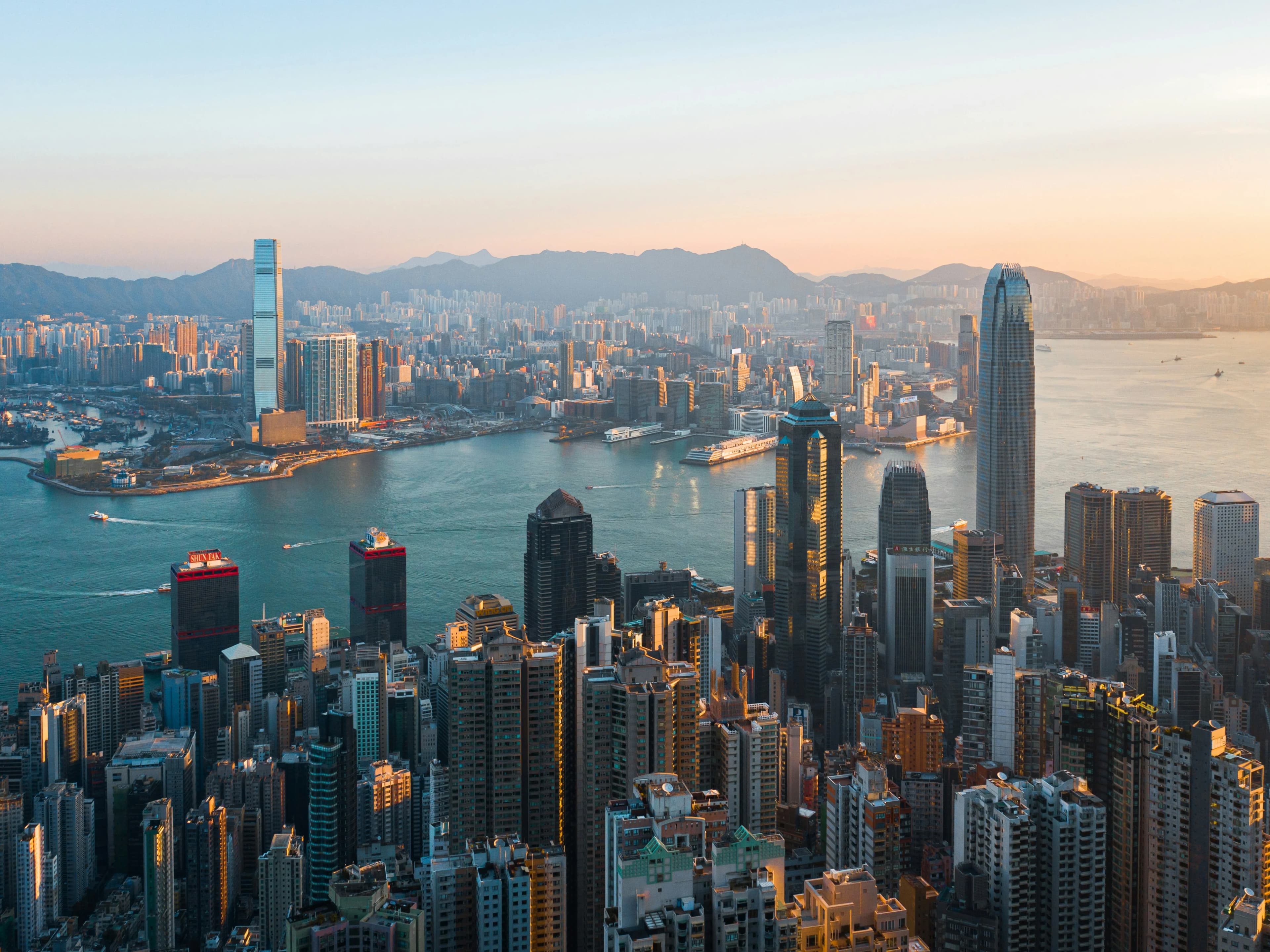
Hong Kong
36 hotels
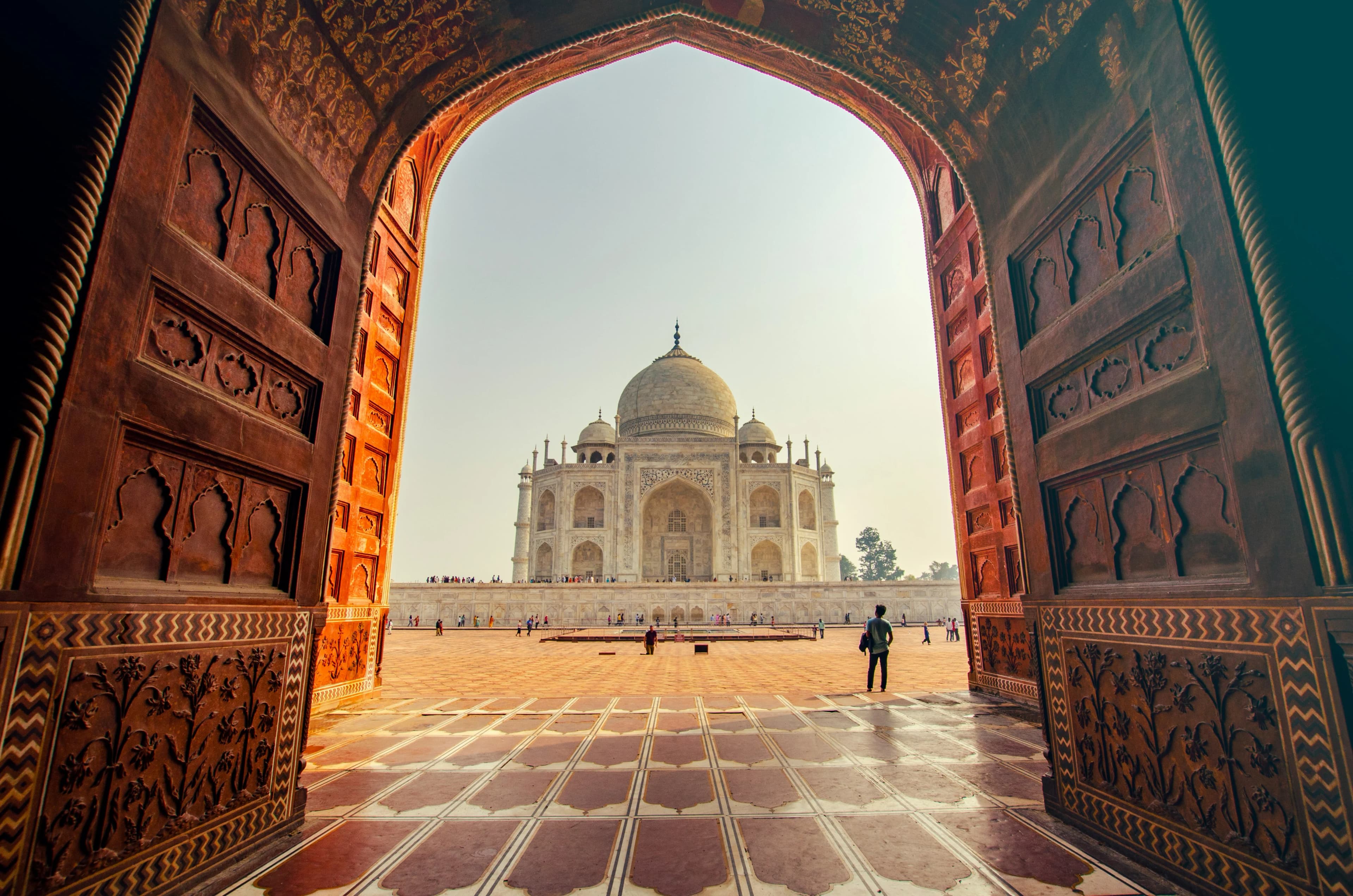
India
63 hotels
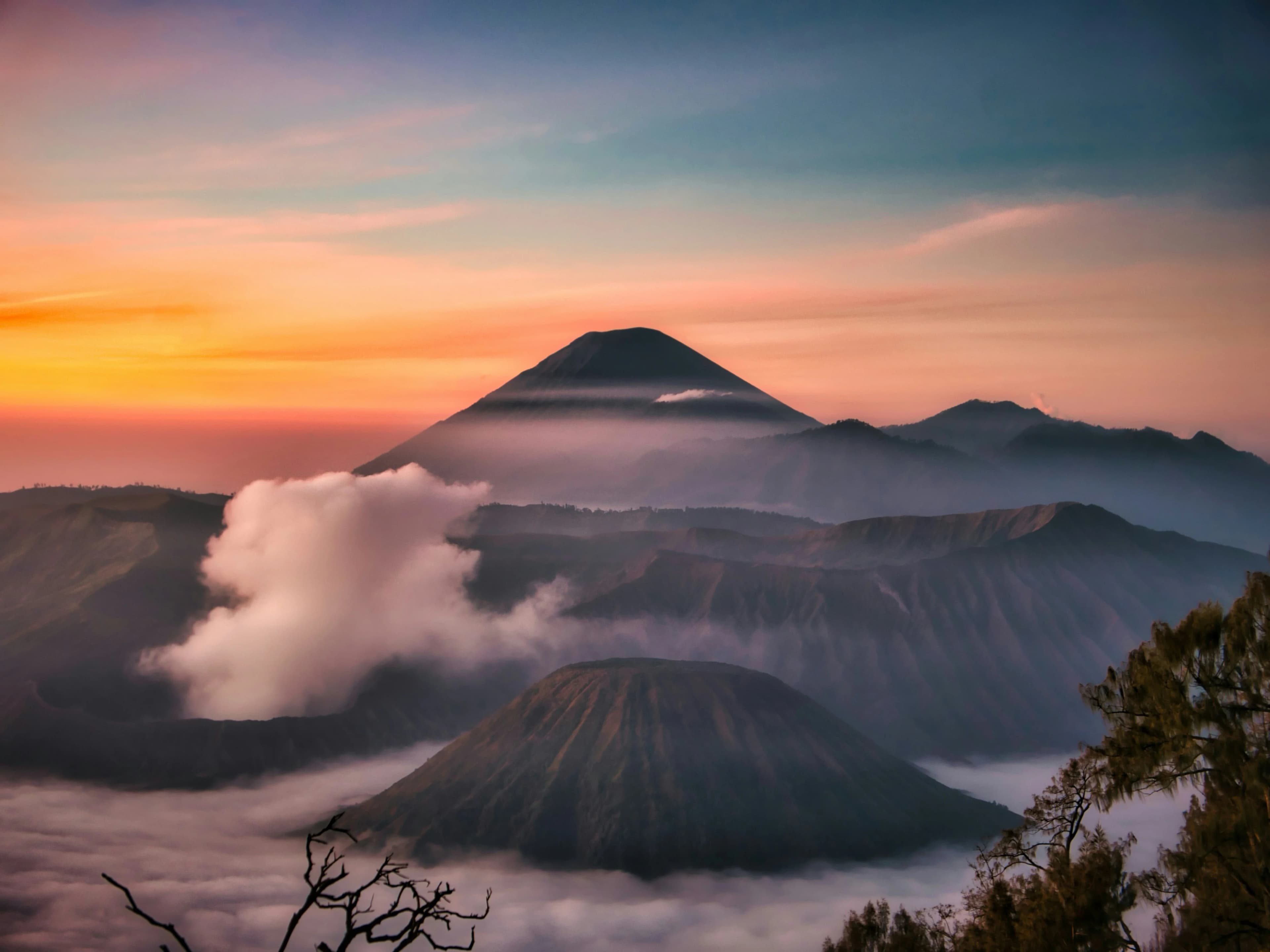
Indonesia
246 hotels
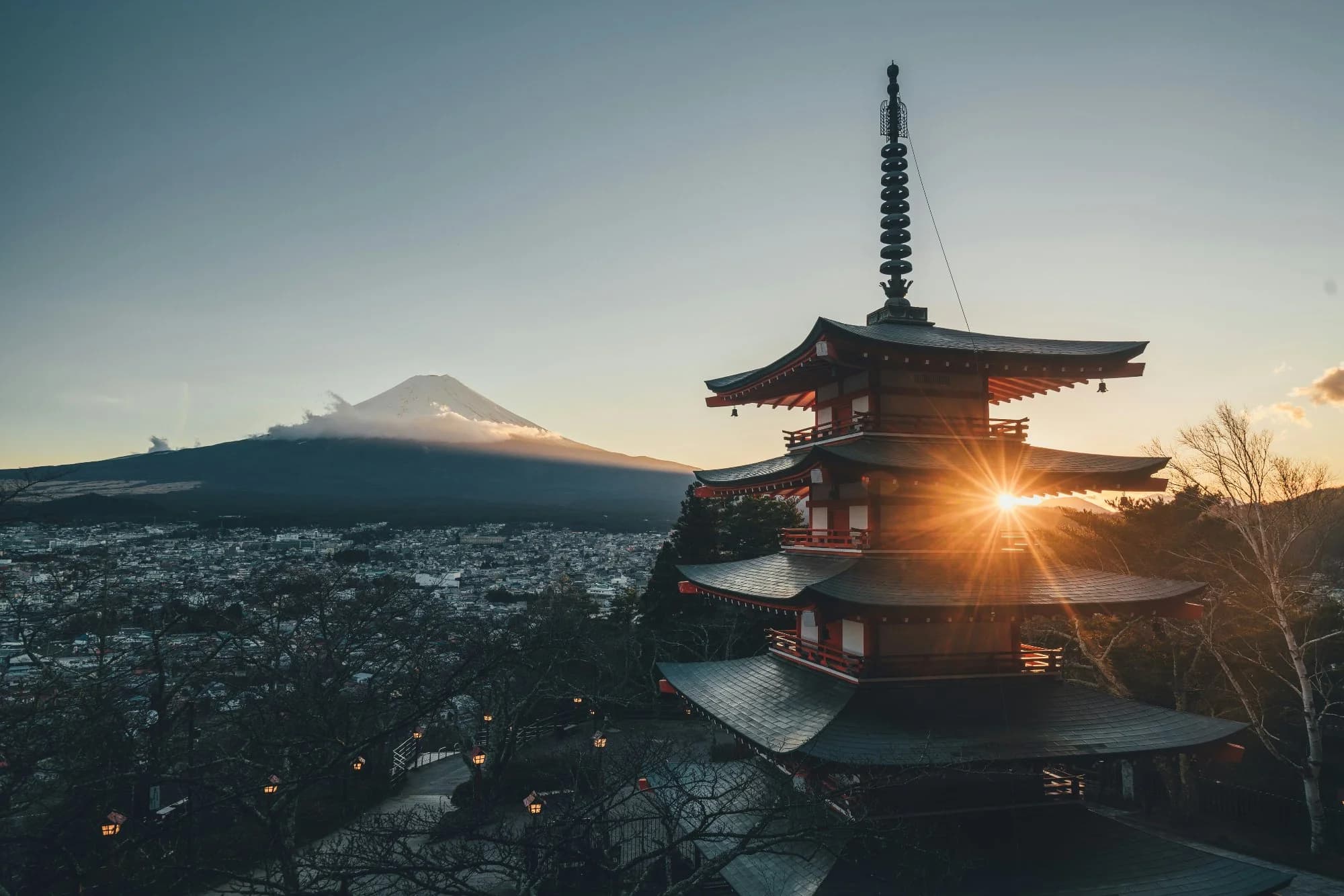
Japan
226 hotels
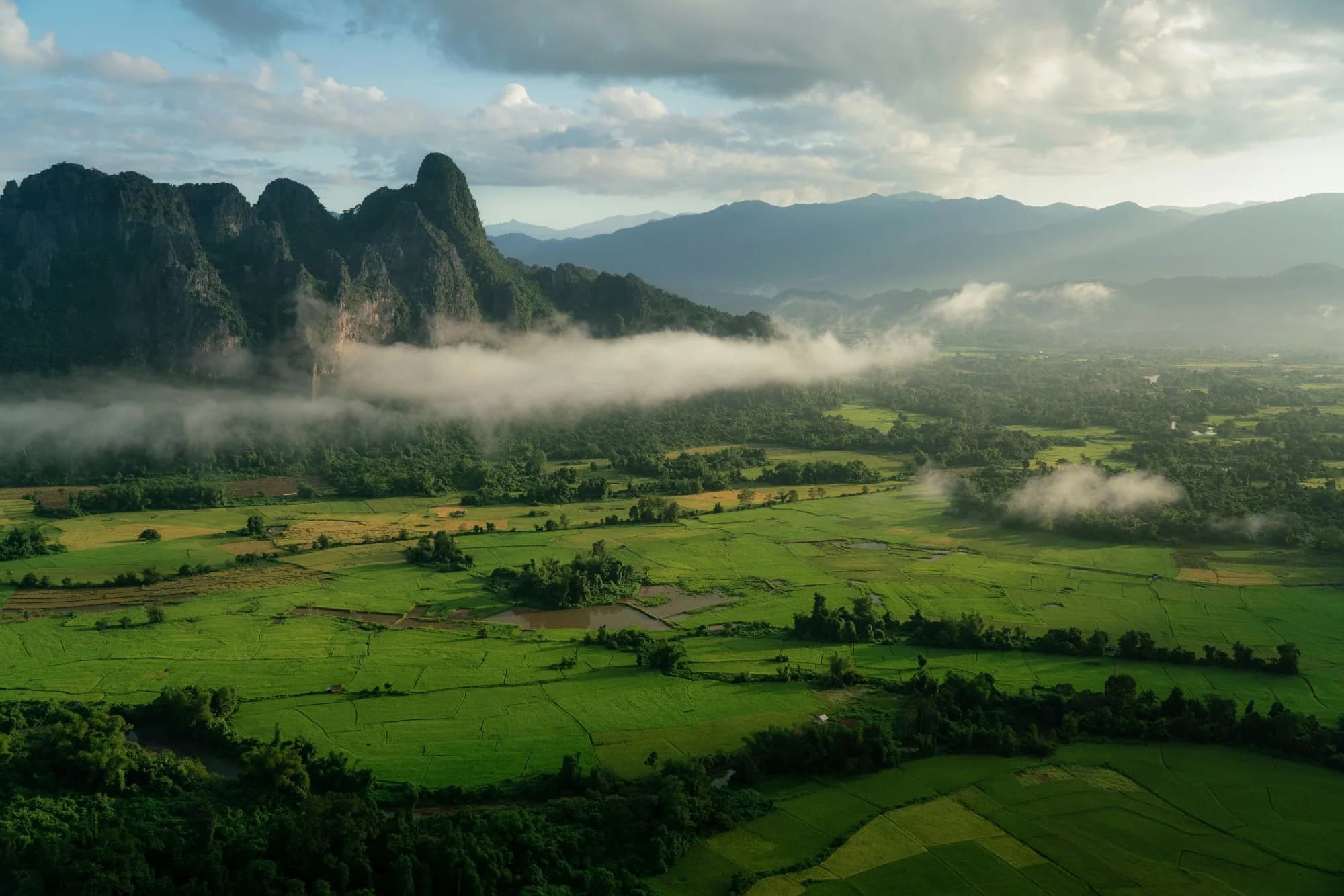
Laos
12 hotels
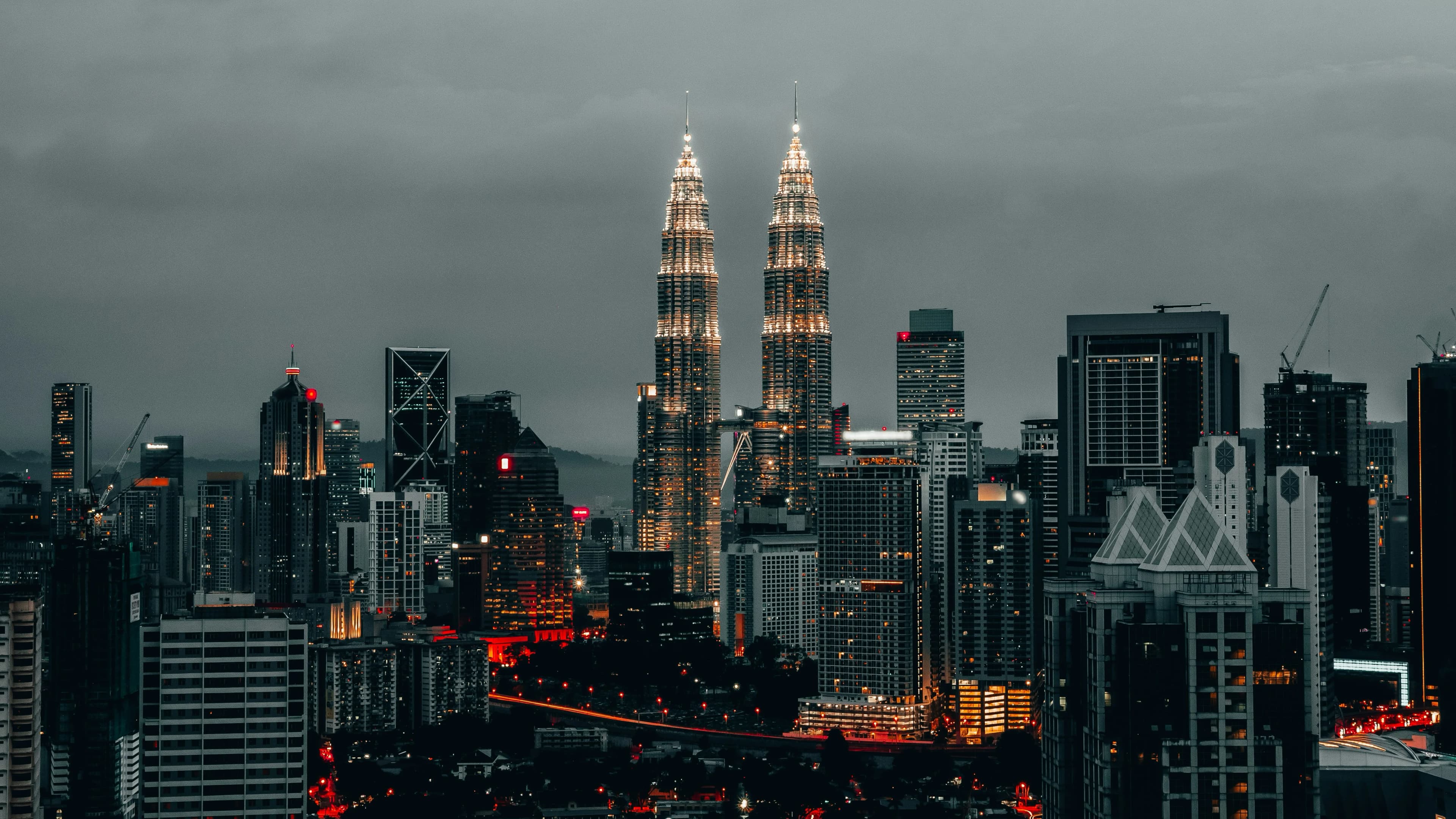
Malaysia
50 hotels
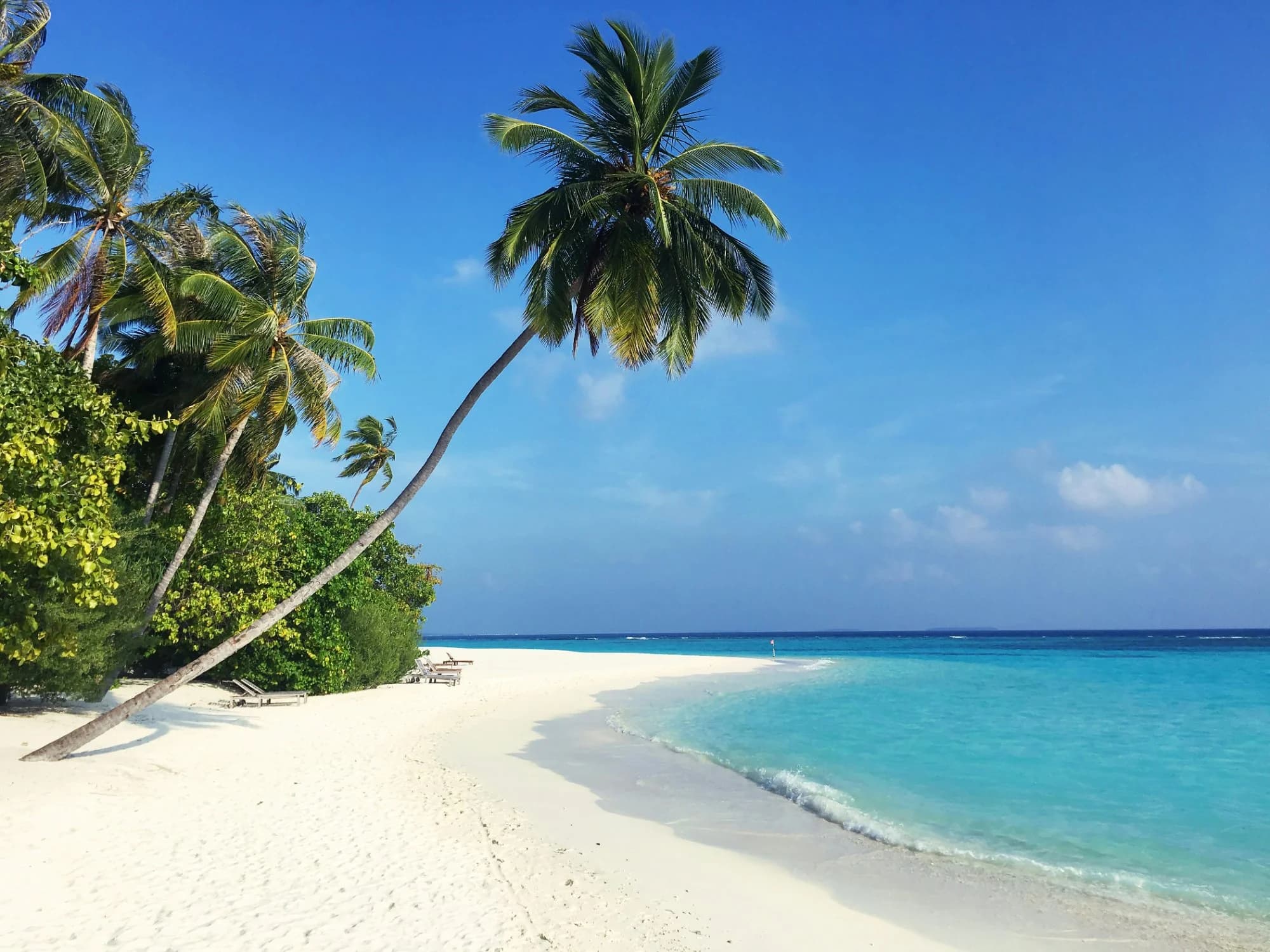
Maldives
65 hotels
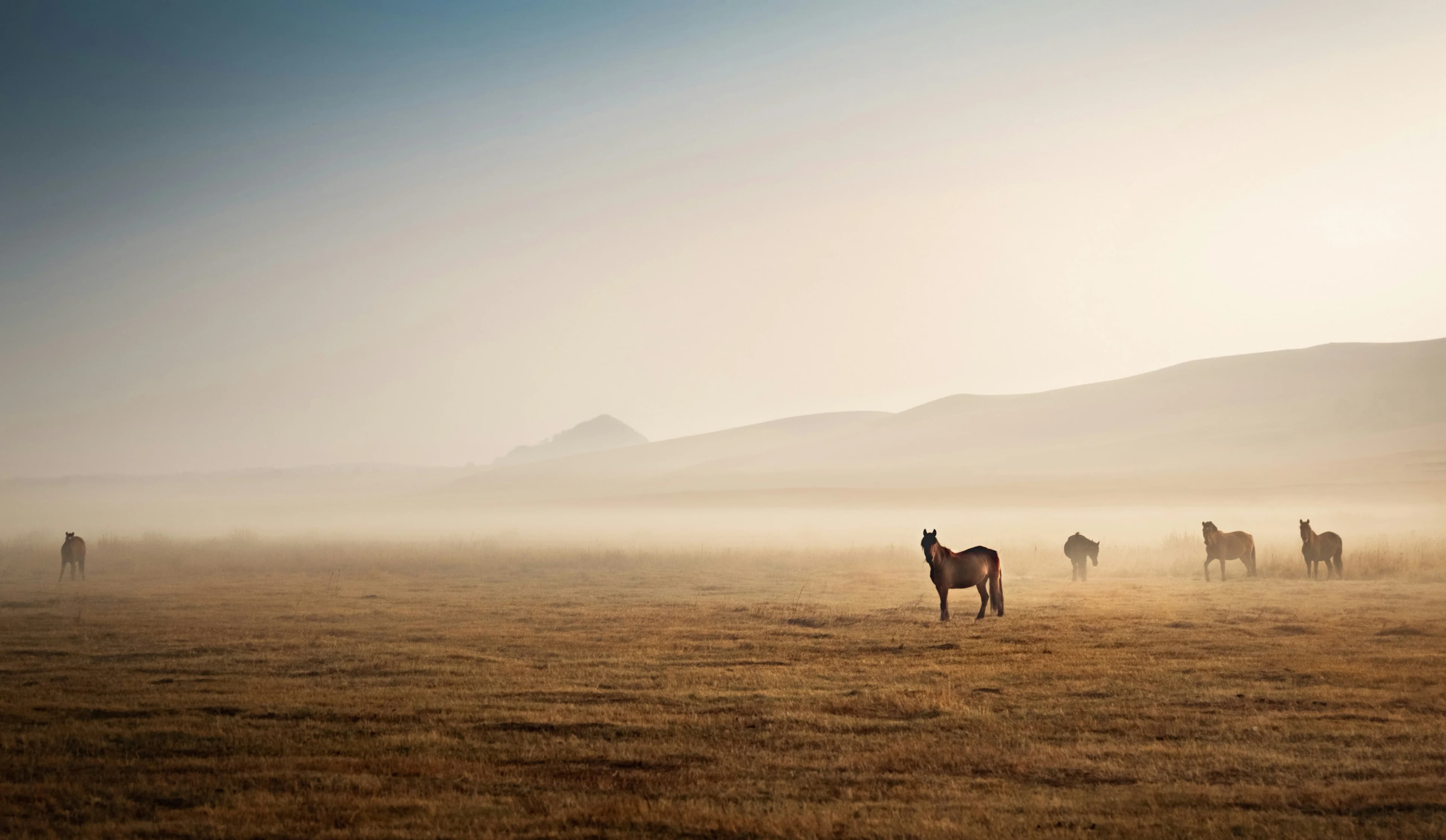
Mongolia
6 hotels
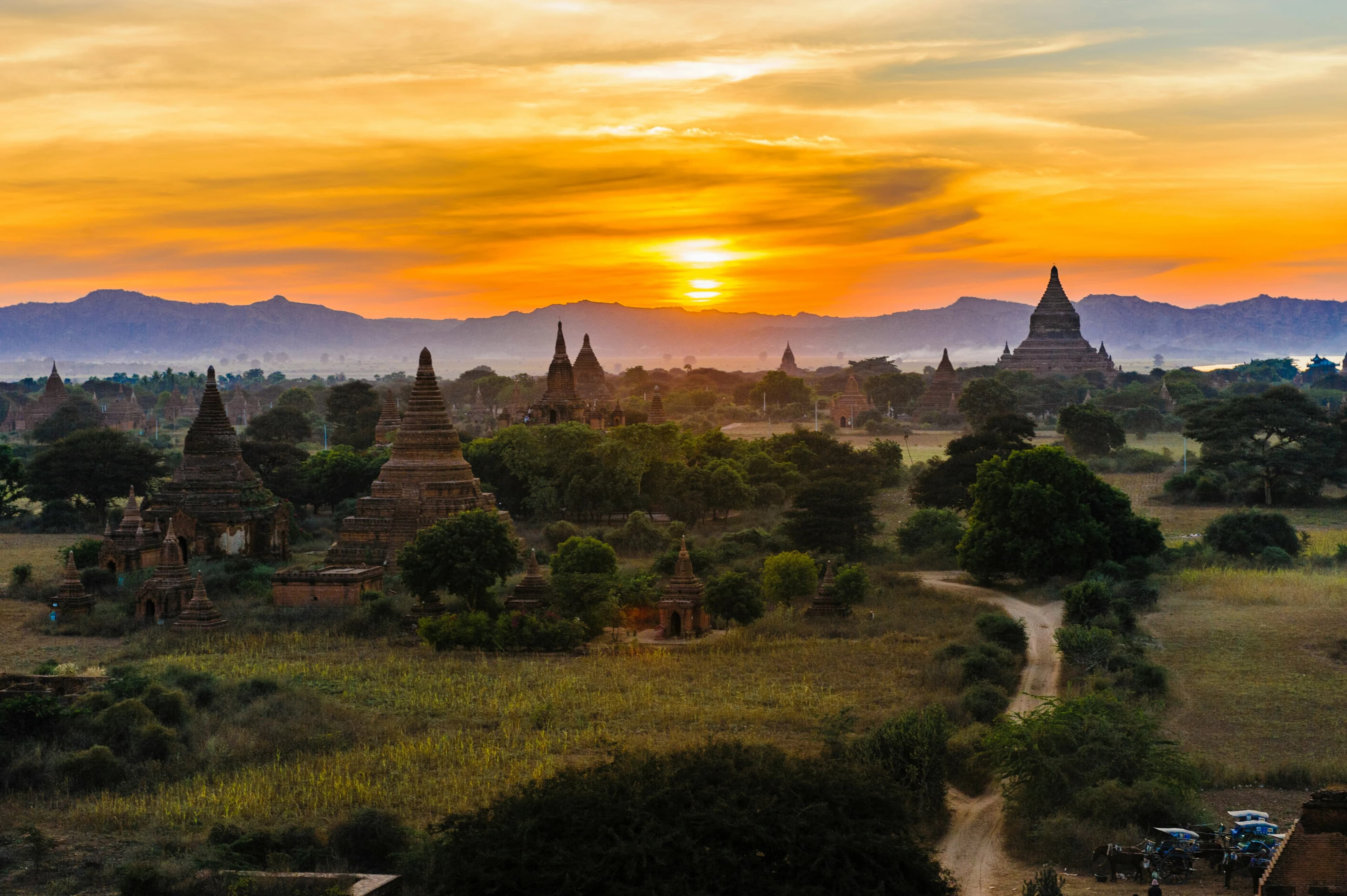
Myanmar
10 hotels
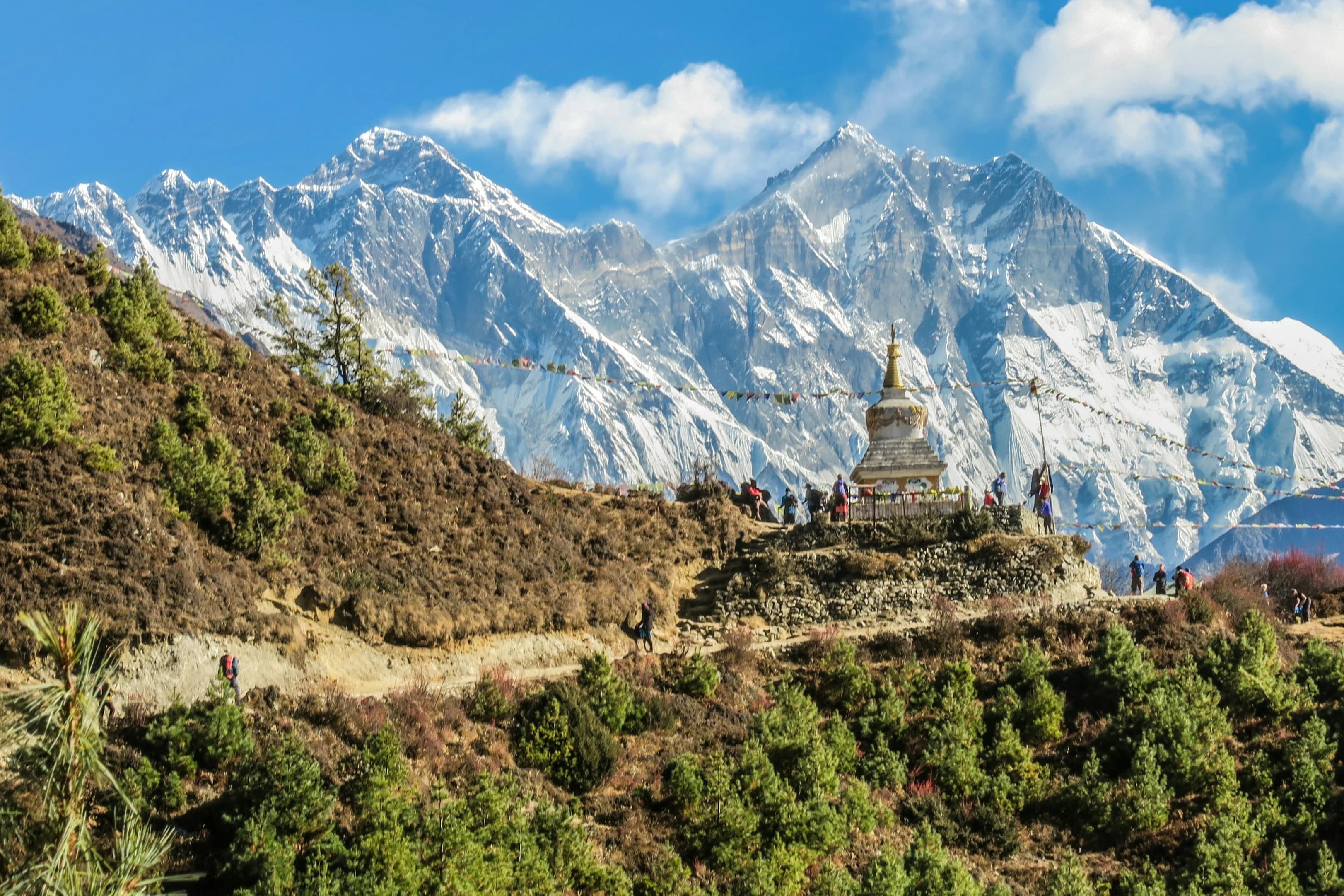
Nepal
26 hotels
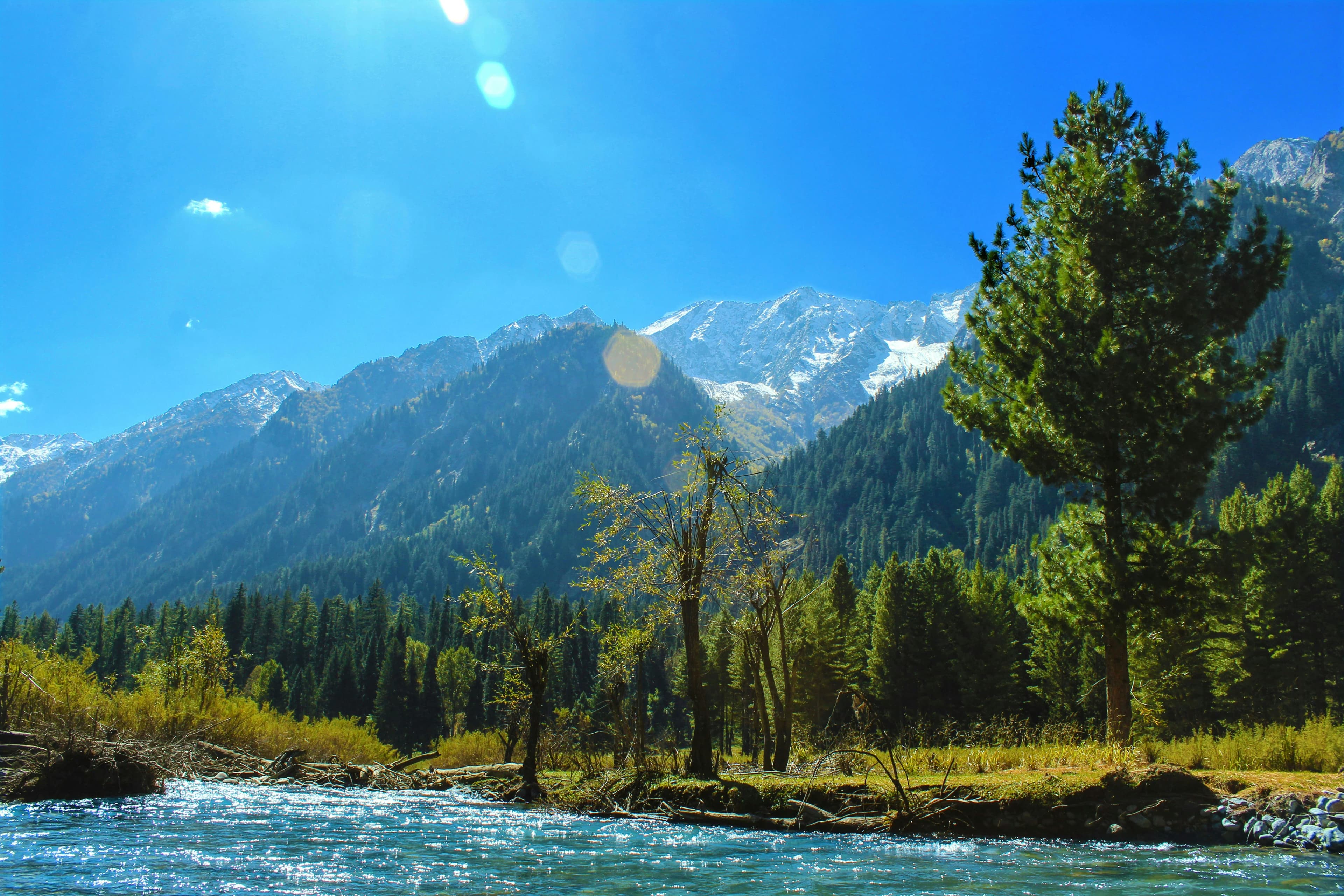
Pakistan
19 hotels
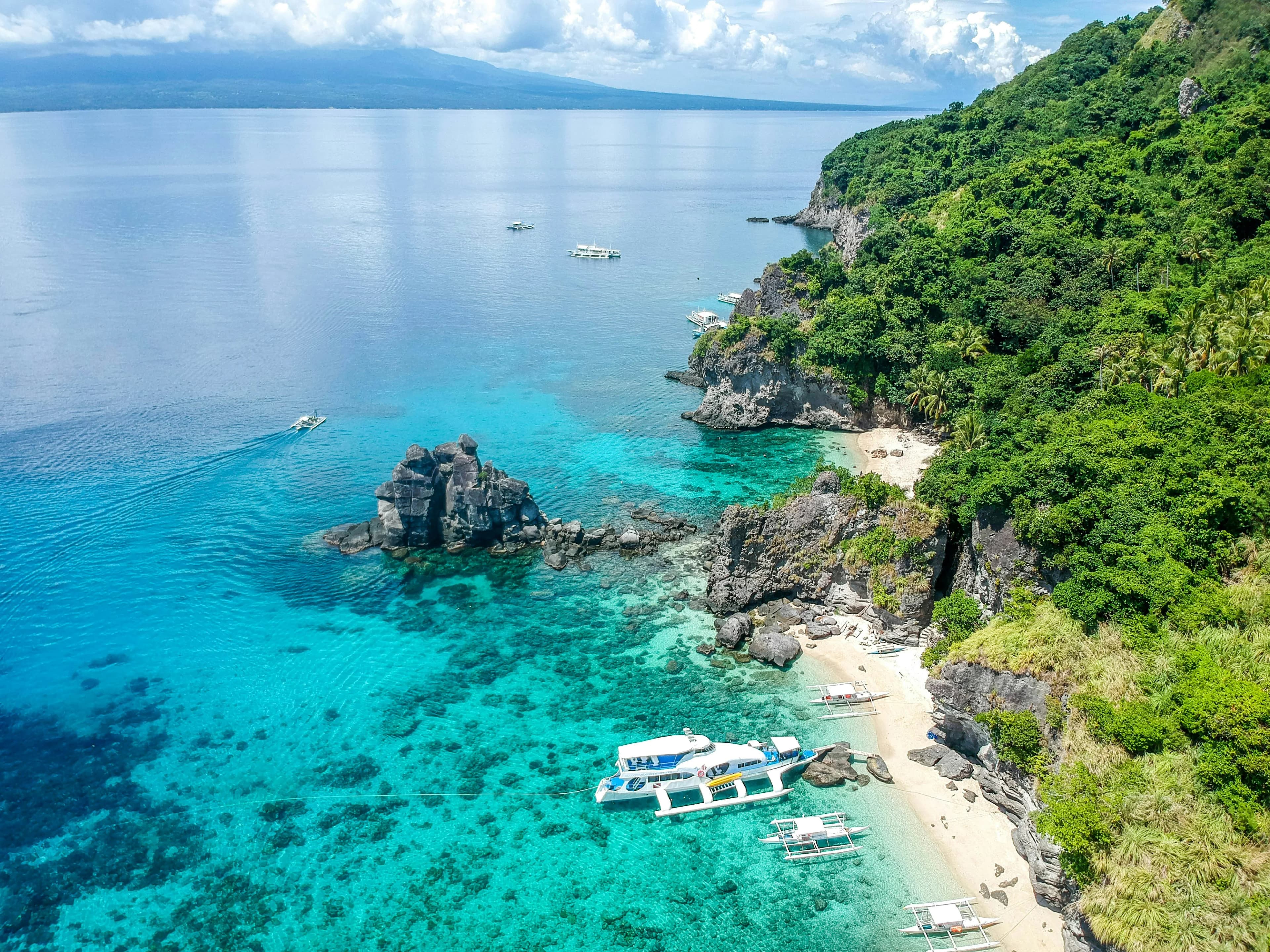
Philippines
39 hotels
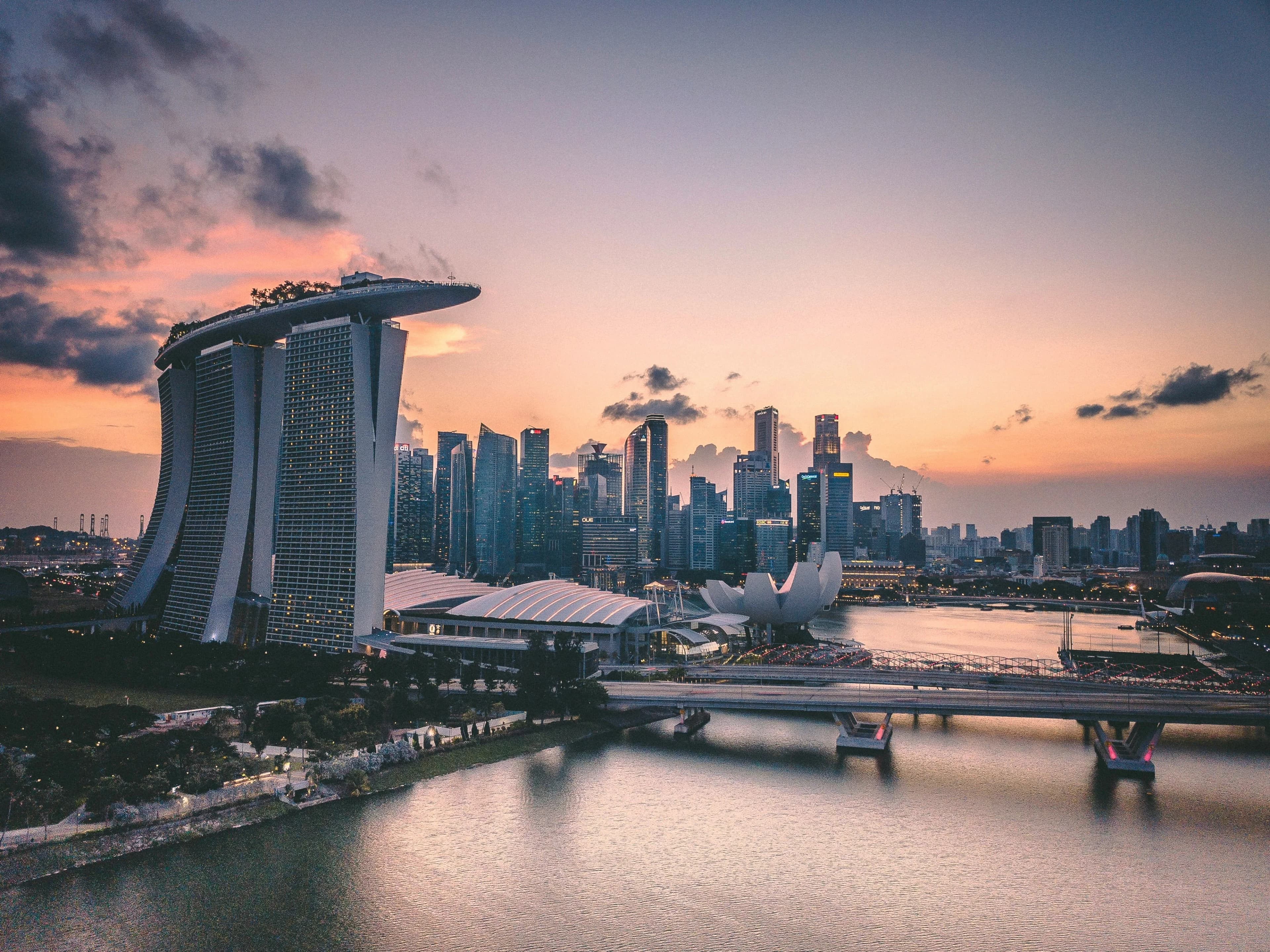
Singapore
58 hotels
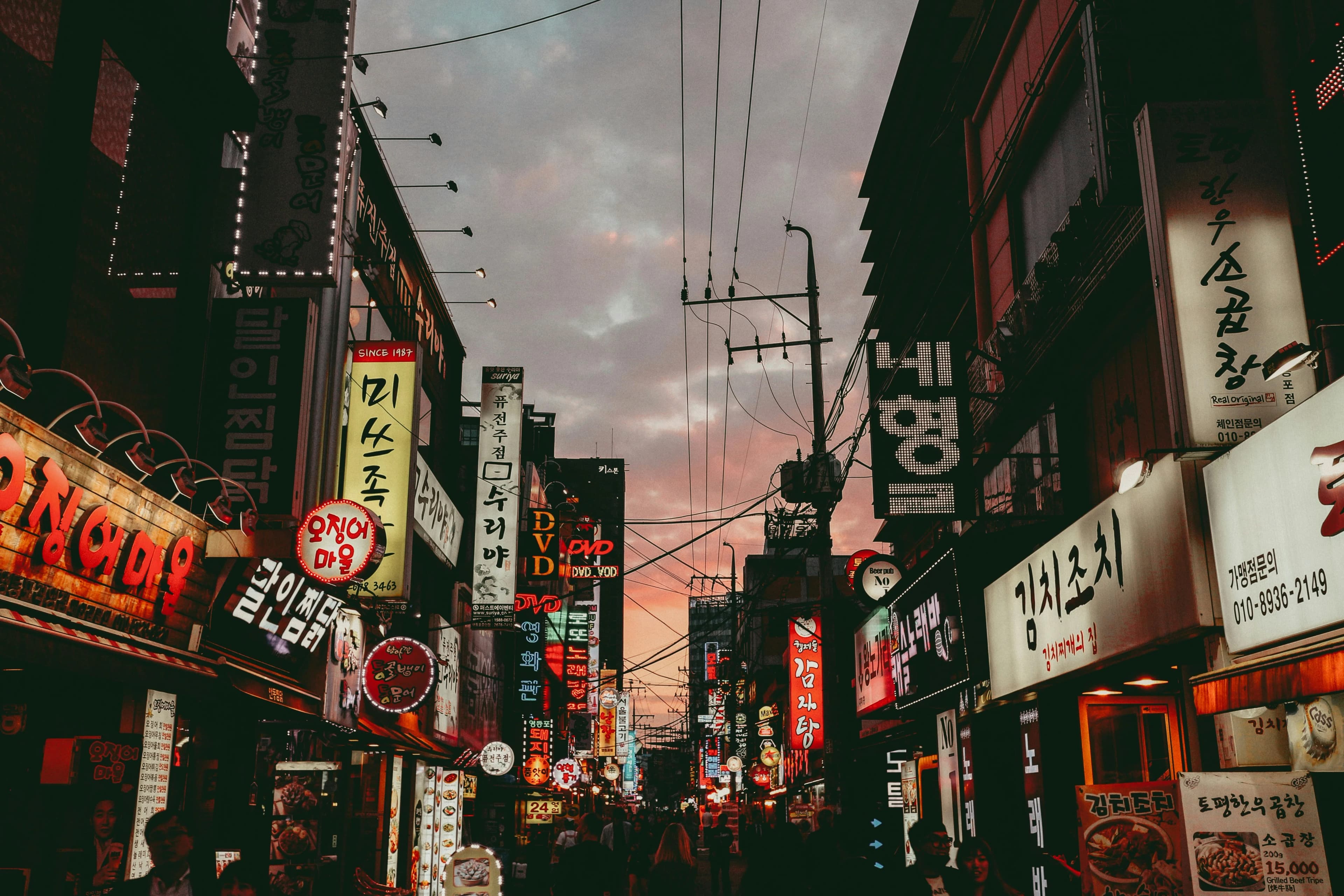
South Korea
70 hotels
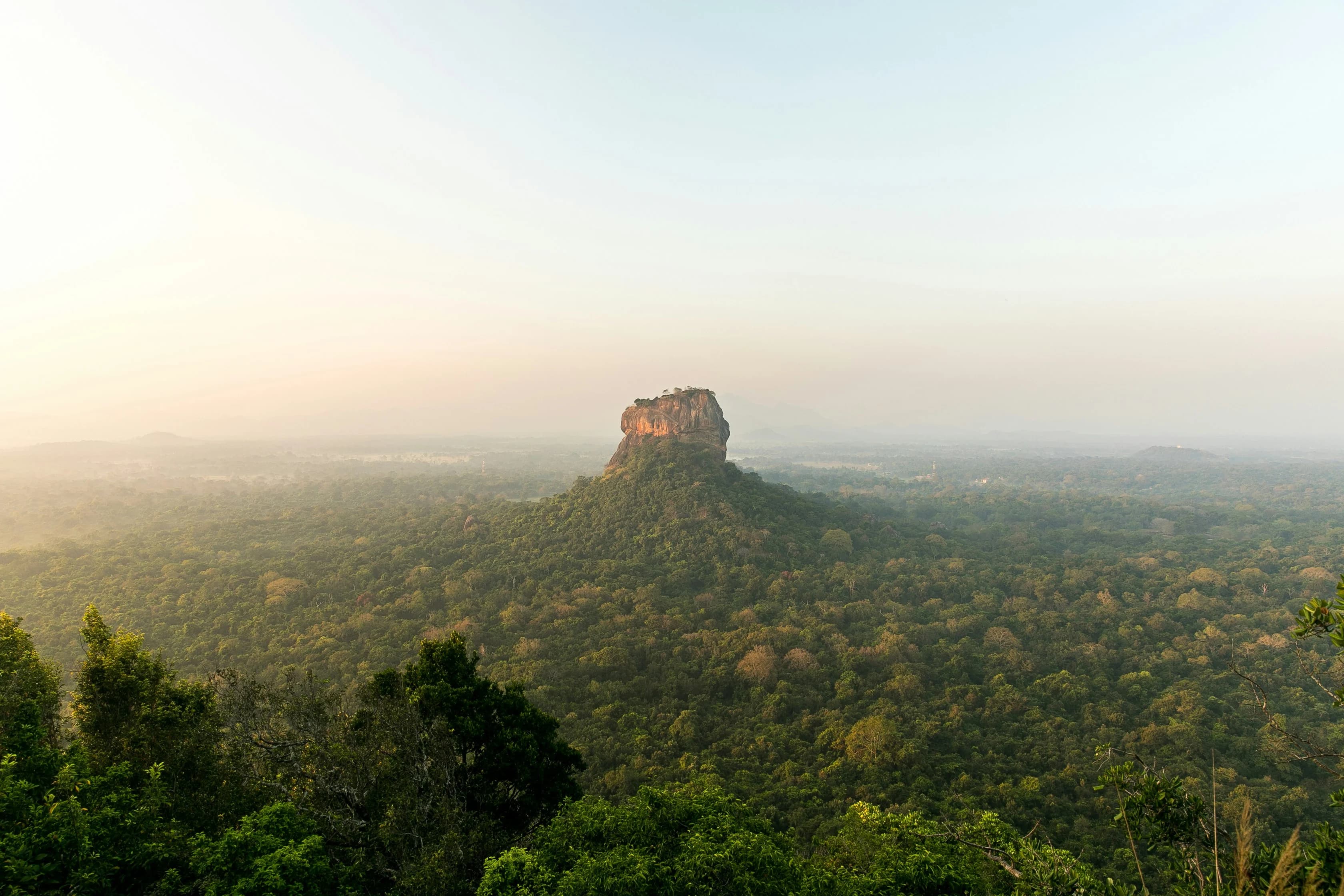
Sri Lanka
37 hotels
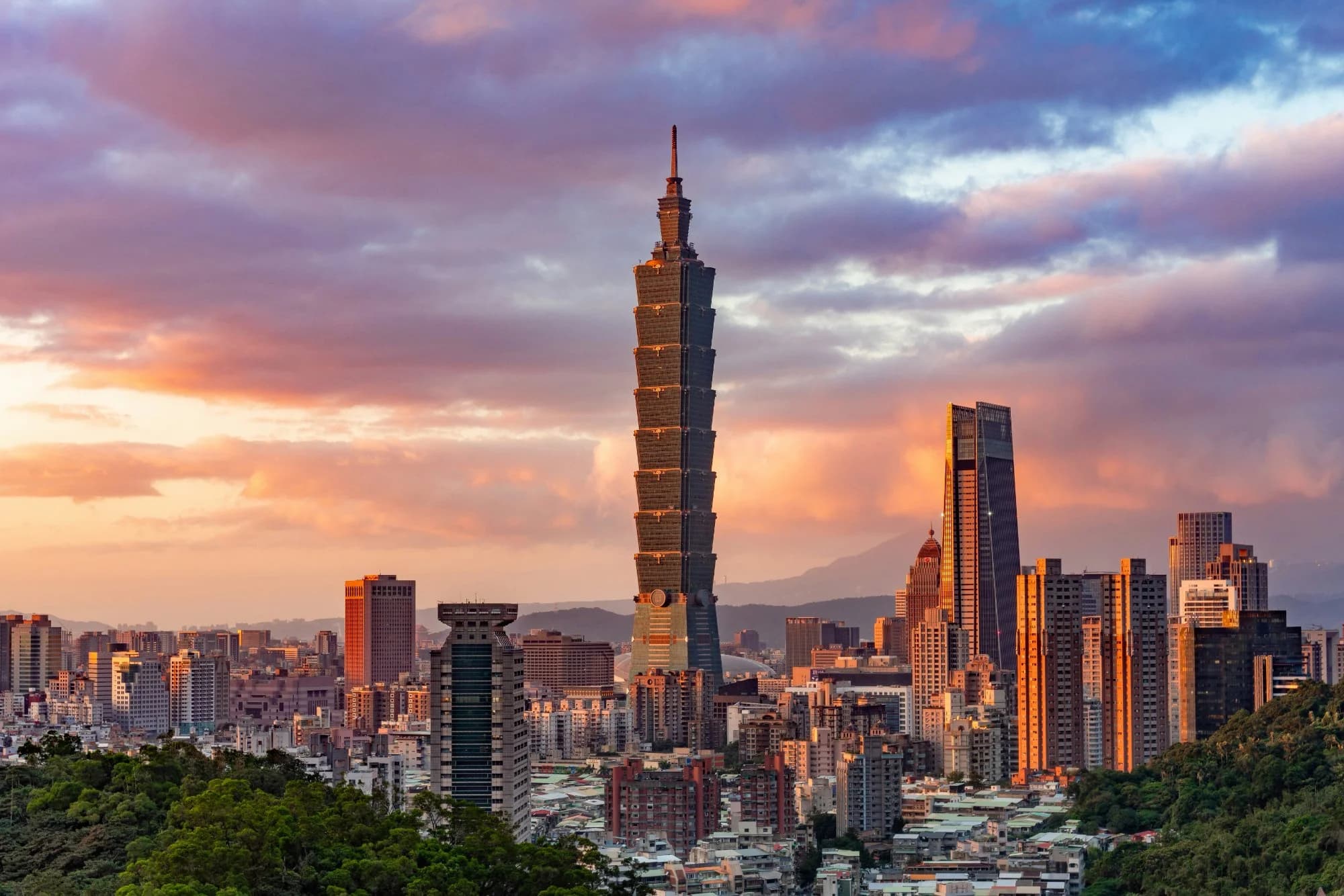
Taiwan
24 hotels
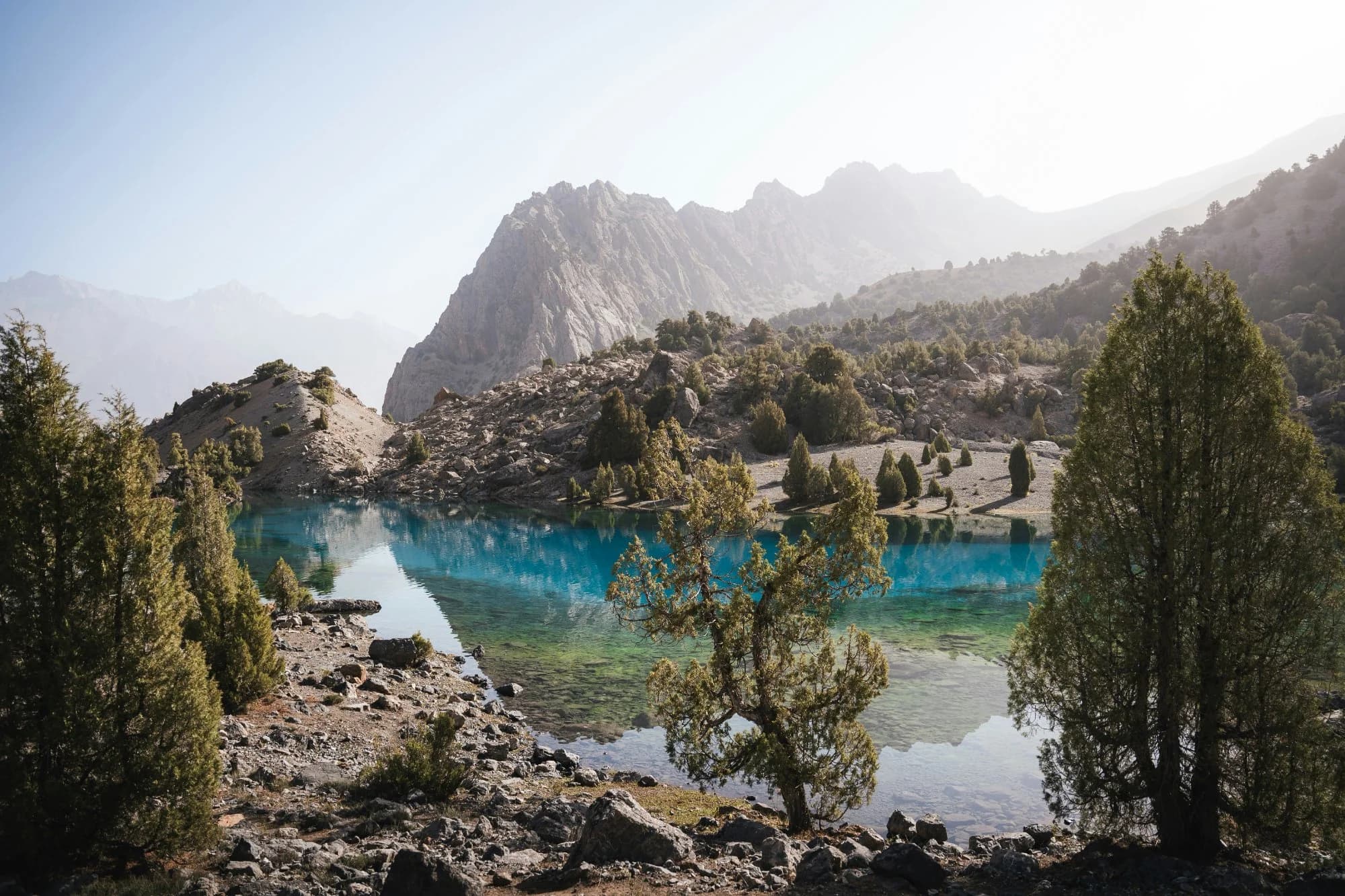
Tajikistan
5 hotels
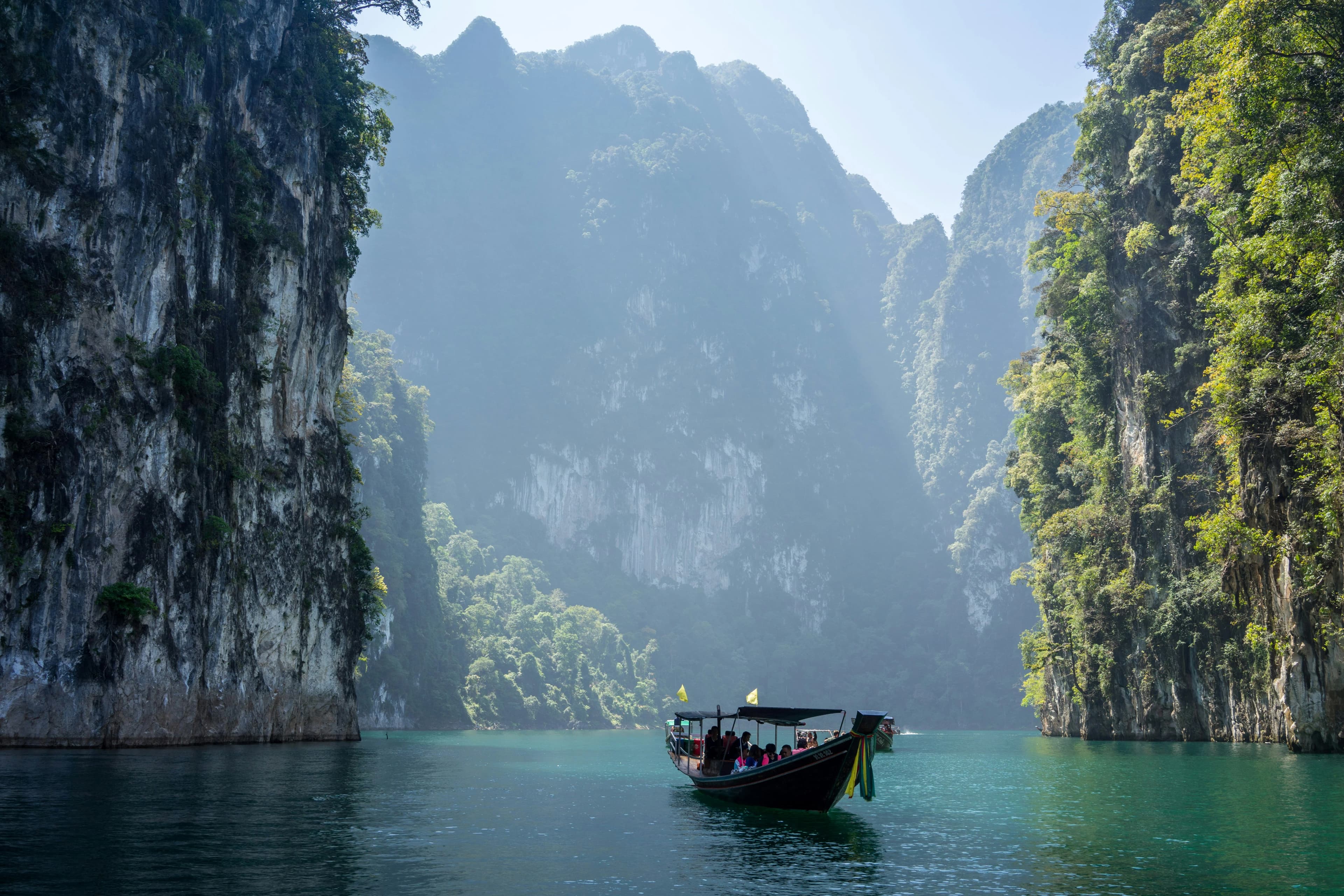
Thailand
329 hotels
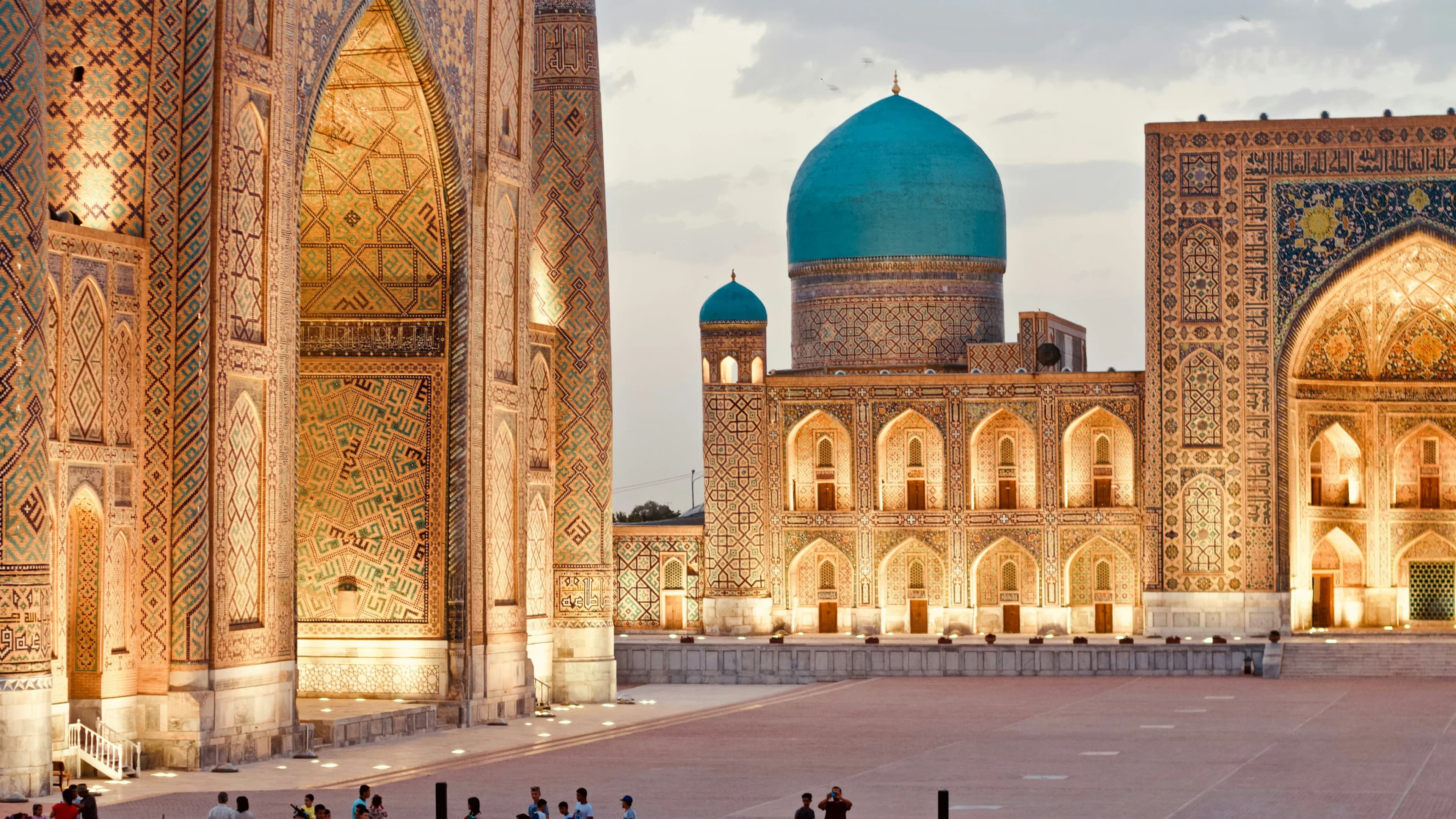
Uzbekistan
20 hotels
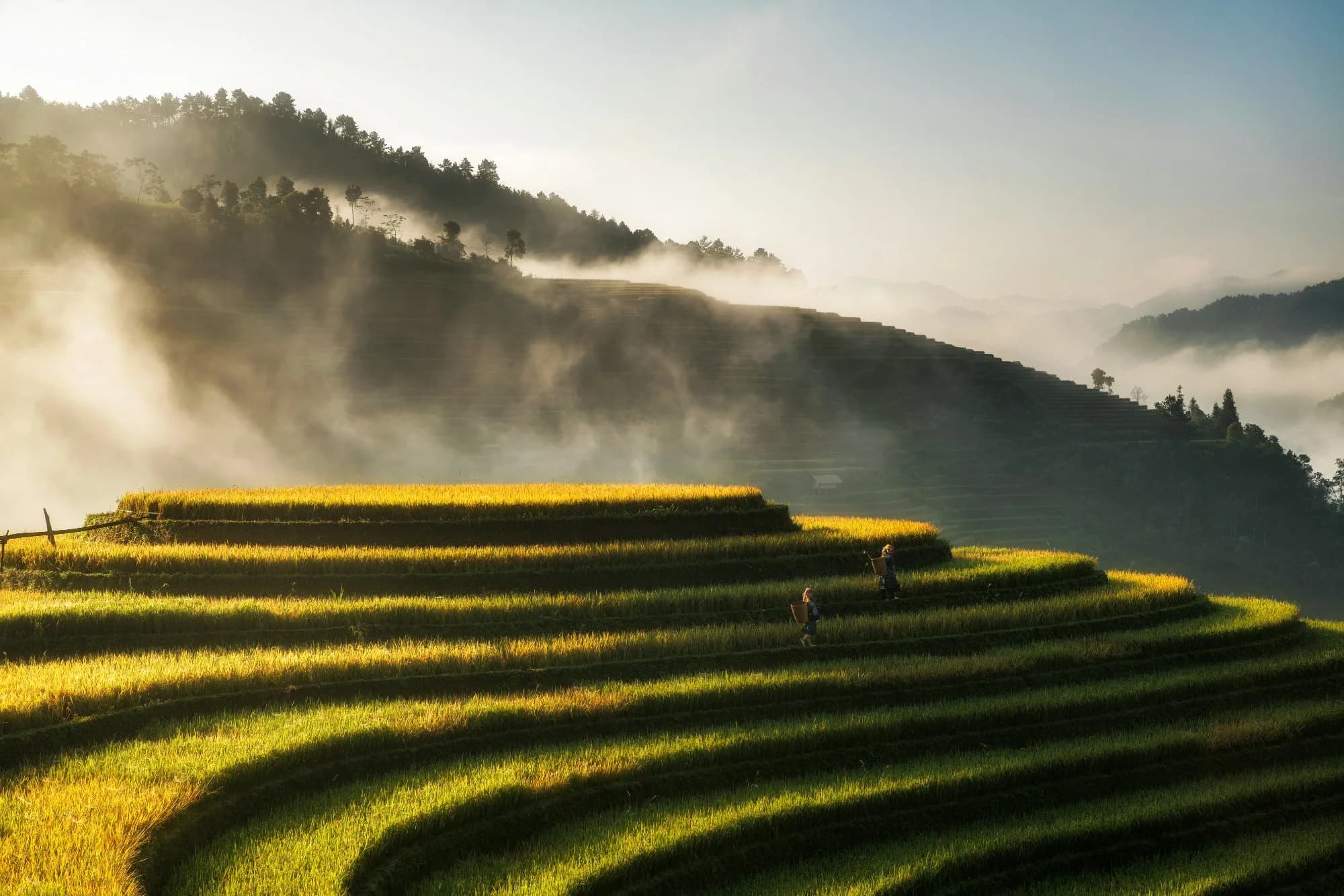
Vietnam
135 hotels
Our latest articles about Asia

Asia / November: Bangkok, Chiang Mai, Seoul, three faces to explore
November opens a rare window onto Southeast Asia and the Far East. Between the end of monsoon season in Bangkok, the gentle coolness of Chiang Mai, and the colorful autumn of Seoul, discover three destinations that embody understated luxury far from the beaten path.
BY Jules Peulet

Tokyo: Top 5 Suites with Views of the Tokyo Skyline
Between vertiginous urban density and perspectives on Mount Fuji, five establishments redefine the luxury hotel experience in Tokyo. Each offers a distinct hierarchy of viewpoints, measurable in square meters of window and the quality of captured light.
Discover all our suites in Tokyo.
BY Jules Peulet
Where to Travel in June: 10 Essential Destinations to Kick Off Summer
Avoid the summer crowds. Discover the 10 most coveted and exclusive destinations worldwide to travel in June. Your luxury and design guide by La Suite.
BY Jules Peulet
Where to stay in Asia: distinct territories for luxury suite travel
East Asia: precision, restraint, and spatial intelligence
Japan, South Korea, and parts of coastal China represent a luxury register built on precision rather than excess. In Japan, the finest accommodations are ryokan: traditional inns where suite-level rooms are defined by tatami floors, private onsen baths, and kaiseki meals composed for the individual guest. The architecture is deliberately pared back. Space is measured in intention, not square footage. Tokyo's leading luxury hotels offer a different but equally rigorous experience: contemporary towers where suites occupy upper floors with uninterrupted city views, and service protocols that anticipate rather than react.
Southeast Asia: tropical scale and private retreat architecture
Thailand, Indonesia, Vietnam, and their neighbors offer a different proposition entirely. Here, the luxury suite often takes the form of a private pool villa: a freestanding structure within a resort compound, designed around outdoor living. Bali's high-end properties are built around rice terrace or jungle settings. Thailand's northern Chiang Mai region offers teak-and-stone architecture rooted in Lanna tradition. The coastal areas of Vietnam, particularly the stretch between Hoi An and Da Nang, have produced a generation of architecturally ambitious resorts that blend French colonial references with local materiality.
South Asia: Mughal inheritance and contemporary reworking
India operates on a scale that has no equivalent elsewhere. The palace hotel, converted from genuine royal residences, is a format that India perfected. Rajasthan alone contains a concentration of palace properties that remain among the most architecturally significant hotel suites on earth. Sri Lanka offers a quieter counterpoint: colonial-era tea estate bungalows and ocean-facing modernist properties that reward guests who slow down.
The Maldives and Indian Ocean: the suite as island
The Maldivian overwater villa is perhaps the most imitated suite format in contemporary hospitality. The original proposition remains compelling: a private structure above a lagoon, with glass-floor panels, direct ocean access, and the near-total removal of outside interference. The Maldives functions as a destination where the suite is, effectively, the entire experience.
When to visit Asia for luxury suite travel
Asia's size means there is no single optimal travel season. Each subregion follows its own climatic logic.
Japan's suite demand peaks during cherry blossom season (late March to mid-April) and during the autumn foliage period (October to November). These windows see the highest occupancy rates across ryokan and city properties alike. Advance planning of three to six months is standard for top-tier accommodations during these periods.
Southeast Asia broadly divides into dry and wet monsoon seasons. Thailand, Bali, and Vietnam are most accessible between November and April, when humidity drops and rainfall is minimal. The Maldives maintains more consistent weather year-round, with its peak season running from November through April and a softer, more negotiable period from May to October.
India's Rajasthan is best visited between October and March, when temperatures allow for outdoor engagement with the landscape and architecture. The summer months bring extreme heat that limits movement and activity.
For travelers who prioritize cultural immersion alongside accommodation quality, Japan's major festivals (Gion Matsuri in Kyoto in July, Awa Odori in Tokushima in August) and India's Diwali period offer exceptional context, though they also compress availability significantly.
Local luxury standards: what distinguishes high-end suites in Asia
Asia does not have a single prestige classification system equivalent to France's Palace designation. What it has instead is a set of regionally specific formats that signal genuine quality to informed travelers.
In Japan, the term ryokan covers a spectrum from modest inns to multi-generational luxury properties. The highest tier, sometimes called hoshi ryokan or simply rated by the number of services included, is characterized by private outdoor baths, seasonally composed multi-course dinners served in-room, and staff-to-guest ratios that can approach one-to-one. The suite in this context is not a room but an entire guest experience architecture.
In India, the heritage hotel designation covers properties converted from palaces, forts, and havelis. These buildings carry genuine historical weight. The suite in a Rajasthani palace is typically a former maharaja's chamber, with proportions, frescoes, and furniture that no purpose-built hotel can replicate.
In Southeast Asia, the dominant format is the private pool villa. At the upper end of the market, these villas offer individual pools, outdoor rain showers, personal butler service, and direct access to beach or jungle. The quality differential between a standard villa and a true suite-level villa is significant and worth examining closely before booking.
In the Maldives, the grading between overwater bungalow and overwater suite is defined by size, position within the resort, and the inclusion of features such as private slide access to the ocean, dedicated villa hosts, and curated in-villa dining.
How to choose the right luxury suite in Asia
The decision framework for booking a luxury suite in Asia is more complex than in most other world regions, because the category itself is so varied.
The first question is experiential: do you want immersion in a cultural context, or removal from all context? Japan and India reward travelers who want their accommodation to be in active dialogue with local history and landscape. The Maldives and certain Balinese resorts are designed for withdrawal. Both are legitimate, but they produce fundamentally different trips.
The second question is architectural: does the property's physical fabric matter to you? A converted Indian palace and a contemporary glass-and-concrete tower in Singapore offer very different spatial experiences. Neither is superior, but the choice reveals priorities.
The third question is practical: consider the transfer logistics involved. Many of Asia's finest suite properties are not adjacent to major airports. A Maldivian resort may require a seaplane transfer of forty minutes or more. A northern Thai property may involve a domestic flight followed by a road transfer. These logistics are part of the experience and should be factored into planning.
Why curated selection matters in Asia
Asia lists more luxury hotels than any other region. The category covers everything from genuinely exceptional properties to places that deploy luxury vocabulary without delivering a commensurate experience. The gap between marketing and reality is wider here than almost anywhere else.
La Suite applies consistent editorial criteria across the entire Asian portfolio: spatial generosity, service architecture, design integrity, and the relationship between the suite and its specific setting. The goal is to remove the research burden from travelers who already know what they want, but need a reliable map of where to find it.
A curated selection by La Suite gives the high-end traveler a shortlist that has already filtered out the mediocre, the overhyped, and the inconsistent. What remains is a set of properties where the suite itself justifies the journey.
Frequently asked questions
What are the best countries in Asia for luxury suite travel?
Japan, the Maldives, Thailand, Indonesia, and India consistently produce the most architecturally and experientially distinguished luxury hotel suites. Each offers a fundamentally different register: Japan favors restraint and ritual, the Maldives offers aquatic isolation, while India's palace hotels deliver historical scale unavailable anywhere else.
What is a ryokan suite and how does it differ from a standard hotel suite?
A ryokan suite is a room category within a traditional Japanese inn, typically featuring tatami flooring, a private outdoor or indoor onsen bath, and multi-course kaiseki meals served in-room by dedicated attendants. The experience is organized around ritual and seasonal precision rather than the amenity-led model of Western luxury hotels. Top-tier ryokan are among the most demanding and rewarding accommodations in Asia.
When is the best time to book a luxury suite in Southeast Asia?
The dry season, running broadly from November to April, is the optimal period for Thailand, Bali, Vietnam, and Cambodia. This window aligns with lower humidity, reduced rainfall, and the best conditions for outdoor engagement with pool villas and beach-facing properties. Availability at leading resorts tightens considerably from December through February, so advance planning is advisable.
How do private pool villas in Bali compare to overwater villas in the Maldives?
A Balinese private pool villa situates the guest within a lush, land-based environment, typically surrounded by rice terraces, jungle, or traditional garden architecture. A Maldivian overwater villa places the guest above the ocean, prioritizing aquatic access and visual openness over cultural immersion. The choice reflects whether the traveler seeks environmental richness or environmental simplicity.
What makes Indian palace hotels among the most distinctive luxury suites in Asia?
Indian palace hotels, concentrated primarily in Rajasthan, occupy buildings that functioned as actual royal residences. The suites in these properties are former private chambers, with original frescoes, period furniture, and proportions that reflect the ceremonial ambitions of their original builders. This historical authenticity is structurally impossible to replicate in purpose-built luxury hotels.
Are there seasonal price advantages for booking luxury suites in the Maldives?
Yes. The Maldives operates a clear seasonal pricing structure. The high season, from November to April, commands peak rates with limited negotiation. The shoulder and low seasons, from May to October, see meaningfully reduced rates at many properties, with some resorts offering upgraded suite categories at standard room pricing. Tropical conditions remain pleasant for much of this period, though occasional rain is more likely.
What should I consider when choosing between a city suite and a resort suite in Asia?
A city suite, such as those available in Tokyo, Singapore, or Hong Kong, places the guest within walking or short transit distance of cultural, culinary, and commercial infrastructure. A resort suite, by contrast, is architecturally designed for self-containment, with the property itself providing most of the guest's experience. The decision depends on whether the traveler's priority is access to the destination or retreat from it.
How far in advance should I book a luxury suite in Japan during peak season?
For ryokan and top-tier city hotels during cherry blossom season (late March to mid-April) or autumn foliage (October to November), a planning horizon of three to six months is standard. The most sought-after properties, particularly multi-generational ryokan with limited room counts, can be fully reserved up to a year in advance. Flexibility on dates significantly improves access to the best suite categories.
What distinguishes a genuine luxury hotel suite in Asia from a property that only uses luxury marketing language?
Genuine luxury suites in Asia are characterized by spatial generosity relative to local norms, a clear and coherent design language, a demonstrable relationship between the suite and its setting, and a service model with sufficient staffing depth to anticipate guest needs. Properties that fall short typically rely on superficial amenity lists (toiletry brands, thread counts) without delivering the spatial or service architecture that defines real quality.
How does La Suite curate its selection of luxury hotel suites in Asia?
La Suite applies consistent editorial criteria across all reviewed properties: the spatial quality and design integrity of the suite itself, the coherence between the property's aesthetic and its geographical context, service depth, and the degree to which the suite justifies the specific journey required to reach it. The curation is designed to serve travelers who already operate at this level and need a reliable, pre-filtered reference rather than another aggregator of self-reported stars.