Understanding East Nanjing Road as a base for luxury suite travel
The distinct character of the East Nanjing Road corridor
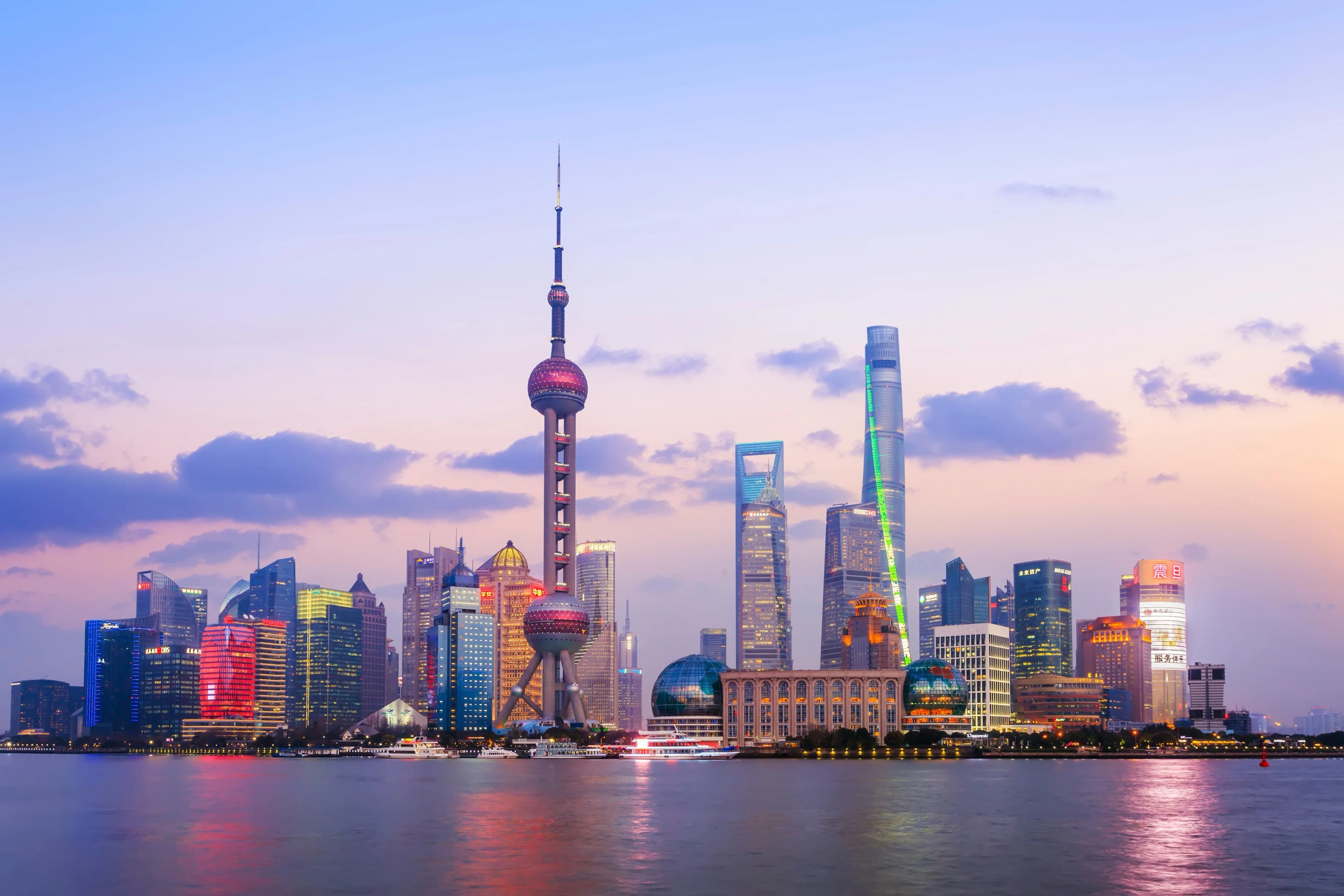
The street itself divides naturally into two experiential registers. The western end, closer to People's Square, retains the civic weight of the 1930s planning era: wide pavements, large-footprint buildings, and the geometry of a city that once aspired to rival Paris in its formal ambitions. Moving east toward the Bund, the scale compresses slightly and the river begins to assert itself, with glimpses of the Pudong skyline across the water setting a context that is unmistakably and exclusively Shanghai.
The Bund, immediately south of the road's eastern terminus, remains the most legible piece of architectural theatre in China. Its row of early twentieth-century banking and trading houses, now occupied largely by luxury hospitality and high-end retail, establishes a standard for public space that the surrounding neighbourhood absorbs and reflects. A suite with a river or Bund-facing orientation in this area offers a visual argument for the destination that no city guide can replicate.
When to plan a stay in East Nanjing Road
Shanghai operates on a temperate climate with four defined seasons. The most comfortable periods for guests who intend to engage with the neighbourhood on foot are spring (March to May) and autumn (September to November). Temperatures during these windows are moderate, humidity is manageable, and the quality of light across the Bund's limestone facades rewards early morning walks with a particular clarity.
Summer (June to August) is humid and hot, with temperatures regularly exceeding 35 degrees Celsius. Guests who visit during this period typically structure their days around interior experiences: museum visits, long lunches, gallery time, and extended periods in the controlled environment of a well-designed suite. Winter is mild by northern Chinese standards but can be grey and damp; the reduced tourist presence during January and February can, however, offer a more considered rhythm of access to the neighbourhood's restaurants and cultural sites.
The city's major luxury retail and hospitality events tend to cluster around the autumn season, coinciding with Art Week and the city's broader cultural calendar. Guests with specific interests in contemporary art or design should factor this period into their planning.
Local luxury standards: what to expect from top-tier suites in this area
Shanghai does not operate under a single prestige designation equivalent to the French Palace label, but the city's international hotel market has developed a recognisable tier of properties that combine architectural significance with service standards calibrated to a global luxury audience. Along the Bund and East Nanjing Road corridor, the best luxury hotel suites tend to occupy either restored heritage buildings from the Republican era or purpose-built towers designed with the Pudong skyline or Bund waterfront as a primary visual asset.
Heritage properties in this area frequently feature high ceilings, parquet or terrazzo flooring, and proportions that reflect the civic ambitions of 1920s and 1930s commercial architecture. Contemporary properties prioritise views, with floor-to-ceiling glazing and suite configurations designed to frame the river panorama as a primary experiential element. Both typologies are valid; the choice depends on whether the guest prioritises historical texture or visual spectacle.
Service in the top tier of Shanghai luxury hospitality is typically multilingual, highly staffed, and attentive to the specific requirements of international business travellers and culturally motivated guests. Concierge teams in this neighbourhood generally have strong relationships with the city's restaurant scene and can navigate both the international dining circuit and the more discreet Shanghainese culinary establishments that do not operate through conventional booking platforms.
How to choose the right luxury suite in East Nanjing Road
The primary decision axis for guests selecting a luxury hotel suite in this neighbourhood is orientation. A Bund-facing or river-facing suite commands a premium that is, in most cases, justified by the specificity of the view: the Pudong skyline at night, the morning light on the Huangpu, and the constant movement of river traffic constitute an experience that is not replicable elsewhere. Guests who prioritise this should confirm exact floor level and window orientation at the point of booking.
The secondary consideration is building typology. Heritage buildings offer a particular kind of material richness, the weight of marble, the scale of original staircases, the acoustic quality of thick masonry walls, that newer constructions rarely approximate. Guests with a strong interest in architecture and design tend to find this context rewarding in ways that extend beyond the suite itself.
Practical factors specific to this corridor include pedestrian access (the street is partially pedestrianised, which simplifies arrivals on foot from transport hubs) and proximity to the Bund waterfront promenade (early morning access before crowds arrive is one of the neighbourhood's most underrated assets). Guests arriving by air should account for the distance from Pudong International Airport, approximately 40 kilometres, and plan private transfers accordingly.
Why a curated selection by La Suite matters for this neighbourhood
East Nanjing Road sits within one of the most competitive luxury hotel markets in Asia. The density of internationally branded properties in this corridor means that surface-level research tends to return a list of options that are difficult to differentiate without direct knowledge of individual suite configurations, floor levels, and service cultures. The variables that determine whether a stay is merely comfortable or genuinely precise (the difference between a partial river view and an unobstructed one, between a standard king suite and a corner configuration with dual aspect) are not reliably communicated through standard booking interfaces.
La Suite's curatorial approach applies a consistent set of criteria to each property: spatial quality, view configuration, suite-specific amenities, and the coherence of the overall guest experience. For a neighbourhood where the gap between a good hotel and a truly considered suite experience is significant, this filtering process saves time and eliminates the risk of a misaligned choice. The curated selection by La Suite for East Nanjing Road reflects properties where the suite itself, not merely the hotel brand, justifies the decision to stay.