Adiwana Alas Harum, Gianyar Regency
Elegant Accommodations Adiwana Alas Harum in Ubud offers a 5-star resort experience with a modern restaurant, bar, and spa facilities. Guests enjoy free WiFi, an infinity swimming pool, and a fitness

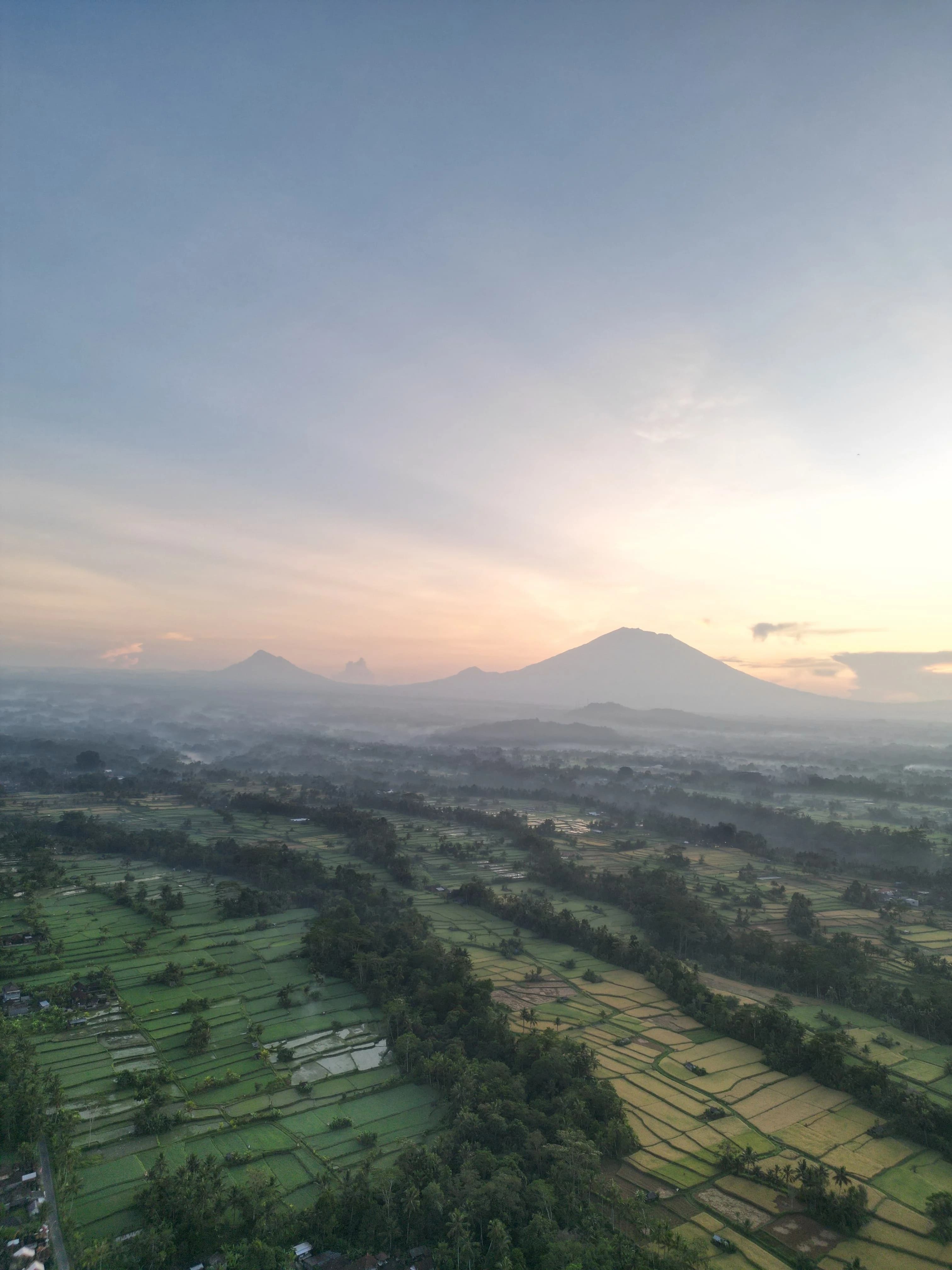
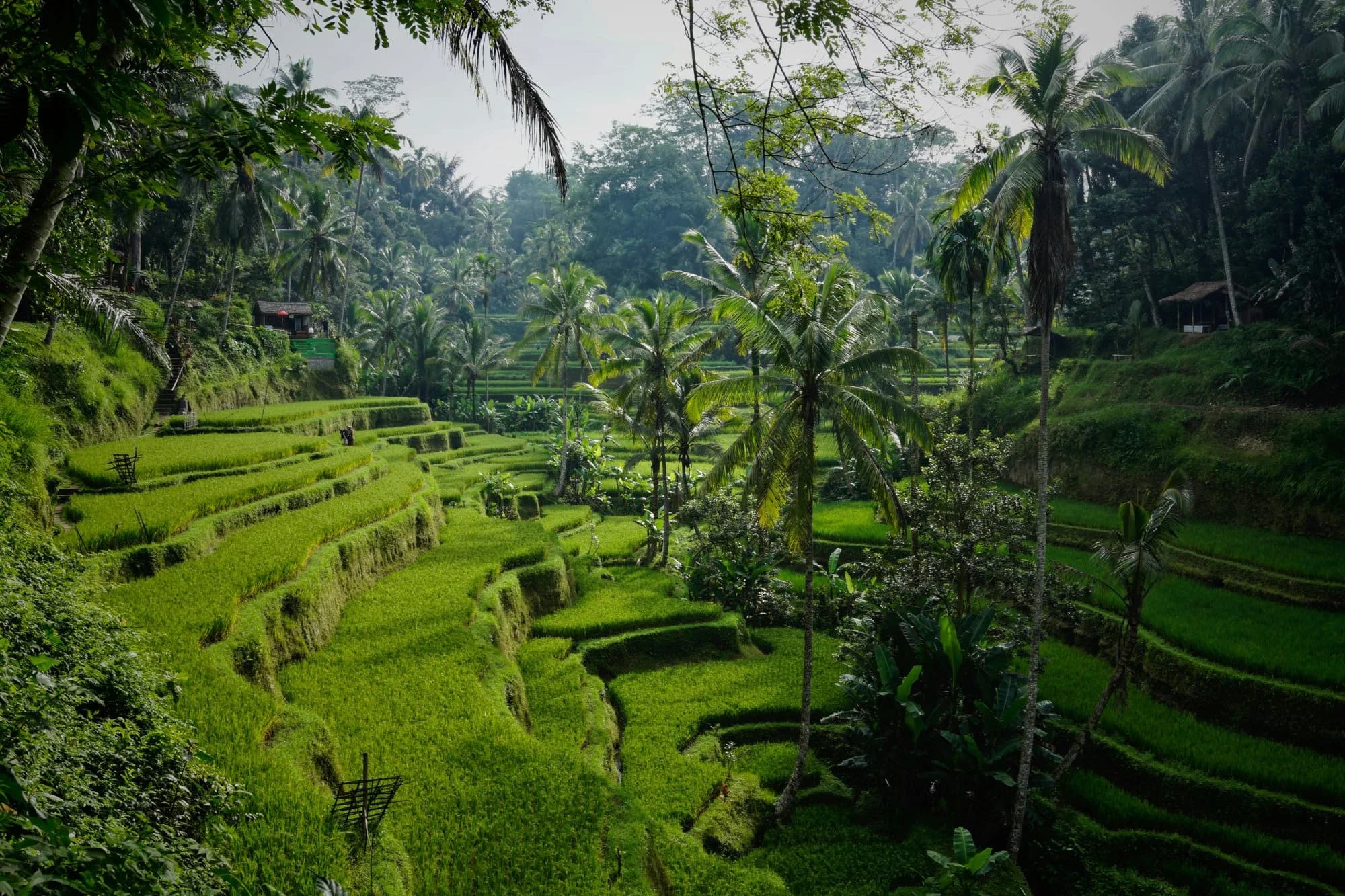
Gianyar Regency is one of nine regencies in Bali, and it holds a disproportionate share of the island's cultural weight. The regency contains Ubud, long recognized as Bali's artistic and intellectual center, alongside smaller villages with distinct craft traditions: silver work in Celuk, stone carving in Batubulan, painting in Batuan. For the high-end traveler, this concentration of cultural production creates a backdrop that no beach resort can replicate. The landscape itself is architecturally demanding: volcanic ridgelines, terraced rice paddies maintained under the traditional subak irrigation system (a UNESCO-recognized cultural landscape since 2012), and river valleys carved by the Ayung and Petanu rivers. A luxury suite positioned within this geography is not simply accommodation. It is a vantage point.
75 hotels available

Elegant Accommodations Adiwana Alas Harum in Ubud offers a 5-star resort experience with a modern restaurant, bar, and spa facilities. Guests enjoy free WiFi, an infinity swimming pool, and a fitness

Elegant Accommodations Adiwana Bisma in Ubud offers a 5-star resort experience with adults-only access. Guests enjoy a rooftop swimming pool, spa facilities, fitness center, sun terrace, and lush gard

Elegant Accommodations Adiwana Resort Jembawan in Ubud offers a 5-star experience with spa facilities, a swimming pool with a view, fitness center, sun terrace, and lush gardens. Guests enjoy free WiF

Elegant Accommodations Adiwana Unagi Suites in Ubud offers a 5-star resort experience with an infinity swimming pool, spa facilities, fitness center, and a lush garden. Guests enjoy a terrace, restaur

Elegant Accommodations Alaya Suites Ubud in Ubud offers a 5-star resort experience with spa facilities, a fitness center, sun terrace, and lush gardens. Guests enjoy free WiFi, an outdoor swimming poo

This luxurious hillside retreat sits along the cooling banks of Ayung River in Bali, just 3.1 mi from popular Ubud. A relaxing holiday awaits with Alila Ubud's infinity pool and spa. The property offe

Elegant Accommodations Amarea Resort Ubud by Ini Vie Hospitality in Ubud offers a 5-star experience with a family-friendly restaurant serving Japanese cuisine. Guests enjoy an infinity swimming pool,

Elegant Accommodations AnandaDara Ubud Resort & Spa in Ubud offers a 5-star experience with a family-friendly restaurant, spa facilities, and an infinity swimming pool. Guests enjoy a sun terrace, lus

Located in Ubud, 1.7 miles from Neka Art Museum, Anumana De Suite has accommodations with an outdoor swimming pool, free private parking, a fitness center and a garden. Featuring room service, this pr

Located in Ubud, Arkamara Dijiwa Ubud offers pool views and free WiFi throughout, 1.9 mi from Ubud Monkey Forest and 2.7 mi from The Blanco Renaissance Museum. Providing a terrace, some units are air

Elegant Accommodations Asvara Resort Ubud by Ini Vie Hospitality in Ubud offers a 5-star experience with spa facilities, a swimming pool with stunning views, a lush garden, and free WiFi. Comfortable

Located in Payangan, 8.3 miles from Tegallalang Rice Terrace, Ayatara Resort Ubud provides accommodations with an outdoor swimming pool, free private parking, a fitness center and a garden. Each room

Ayung Resort Ubud offers a tropical retreat with free yoga classes and an outdoor pool surrounded by lush greenery. It also houses a bar, a restaurant and provides free WiFi throughout the premise. Gu

Bambu Indah is a boutique hotel in Ubud and prides itself on combining the best of antique architecture and design, innovative bamboo architecture with modern and sustainable practices in a luxury env

Located in Ubud, 2.7 miles from Neka Art Museum, BELALU Bali Boutique & SPA experience provides accommodations with an outdoor swimming pool, free private parking and a garden. Each room at the 5-star

Located a few minutes' away from central Ubud, Bisma Eight Ubud offers spacious contemporary rooms with traditional Japanese soaking tub. It also features an outdoor temperature-controlled pool and fr

Finding a harmony between unspoiled nature and luxury comforts, Capella Ubud, Bali, showcases tented accommodations with salt water pools amid Ubud's lush greenery. Located only 4.3 mi from the city c

Chapung Sebali Resort is located within a traditional village on hillside of Ubud. It features villas with private pools as well as the famous Jungle Fish pool bar and an infinity pool, open to both r

COMO Shambhala Estate offers a private location in Begawan Village, a 15-minute drive from Ubud city center. Surrounded by tropical greenery, the resort offers a large outdoor pool, spa and free Wi-Fi

Overlooking Tjampuhan Valley, COMO Uma Ubud provides free scheduled area shuttles, free guided morning walks and free scheduled yoga classes with a yoga master. Providing free Wi-Fi, it also has a sau

123 hotels · 25 km away
Badung Regency is the administrative and geographic heart of southern Bali, encompassing a series of distinct coastal and inland zones that each carry their own architectural character and social register. Unlike Bali as a whole, which spans mountainous highlands and rural rice-farming communities, Badung concentrates the island's most refined hospitality infrastructure into a relatively compact territory. The result is a destination where the density of exceptional luxury hotel options is unusually high, and where the differences between one area and the next are meaningful enough to influence the entire tone of a stay.

64 hotels · 12 km away
Bangli Regency is the only landlocked regency in Bali, and that geographic fact shapes everything about what a stay here offers. The territory extends from the fertile central plains through the Kintamani plateau and up to the caldera rim of Mount Batur, an active volcano at approximately 1,717 metres. Below, Lake Batur sits within the ancient caldera, providing one of the island's most architecturally compelling natural views. This is not a destination built for beach leisure. It is a destination for travelers who read landscapes closely and who find as much meaning in a temple courtyard at dawn as in a hotel pool at sunset.

61 hotels · 1 km away
Ubud is not a uniform destination. The town centre, clustered around the Royal Palace and the traditional market on Jalan Raya Ubud, offers proximity to galleries, artisan workshops, and the dense cultural calendar that defines the area's public life. Luxury hotels positioned here tend to be architecturally considered, trading dramatic natural isolation for access and immediacy.
Ubud remains the gravitational center of luxury travel in the regency. Properties positioned along the Ayung River gorge offer suites that face uninterrupted jungle and the sound of water below. The elevation and density of vegetation create a microclimate noticeably cooler than the coast, which suits travelers who prefer temperate conditions and long mornings on a private terrace. The town itself, while increasingly trafficked, still sustains a serious gallery and performance culture, with the Puri Lukisan museum and regular Kecak and Legong performances providing genuine cultural texture rather than tourist spectacle.
Moving north from Ubud, the Tegalalang rice terraces define some of the most photographed agricultural landscapes in Asia. Properties in this corridor tend toward smaller scale: boutique hideaways with four to twelve suites, where sightlines over tiered paddies are the primary design asset. The architecture here often incorporates traditional Balinese compound logic, with individual pavilions connected by stone pathways through garden plantings of frangipani, heliconia, and bamboo.
Payangan, on the western edge of the regency, attracts travelers seeking genuine seclusion. Altitude here reaches above 600 meters in places, and the valley views are expansive. The luxury hotel suites available in this zone are typically villa-format properties, where privacy is structural rather than incidental. The surrounding landscape supports coffee and vanilla cultivation, and some properties offer direct engagement with local agricultural cycles as part of a considered guest experience.
Bali operates on a tropical climate with two primary seasons. The dry season runs from approximately April through October, with June, July, and August representing the peak period for international arrivals. Suite availability at well-regarded properties in Ubud and Tegalalang tightens considerably during this window, and advance planning of three to six months is advisable for travelers with specific property requirements.
The shoulder months of April to May and September to October offer a practical balance: drier conditions than the wet season, reduced occupancy pressure, and rates that reflect lower demand without compromising the quality of the experience. The wet season (November through March) brings afternoon rainfall and occasional extended overcast periods, but also lush vegetation, fewer visitors, and a Bali that operates at a pace closer to its own rhythms. Some travelers find this preferable, particularly those whose primary interest is in spa and wellness programming or immersive cultural engagement rather than outdoor excursions.
Key cultural events in the Balinese calendar, including Nyepi (the Day of Silence, typically in March) and Galungan, alter the texture of travel significantly. Nyepi involves a complete island-wide cessation of activity, including at most hotels, and represents a singular experience for travelers willing to engage with it on its own terms.
Indonesia does not operate a state-administered palace designation equivalent to France's. The luxury tier in Gianyar is instead differentiated by a combination of architecture, spatial generosity, and service philosophy. The finest properties in the regency are typically defined by the following characteristics: compound-style layouts that give individual suites or villas their own garden and plunge pool; construction in local materials including volcanic paras stone, teak, and alang-alang thatch; open-air or semi-open-air bathroom configurations that respond directly to the surrounding landscape; and a staffing ratio that tends toward dedicated butler or villa attendant service rather than centralized hotel operations.
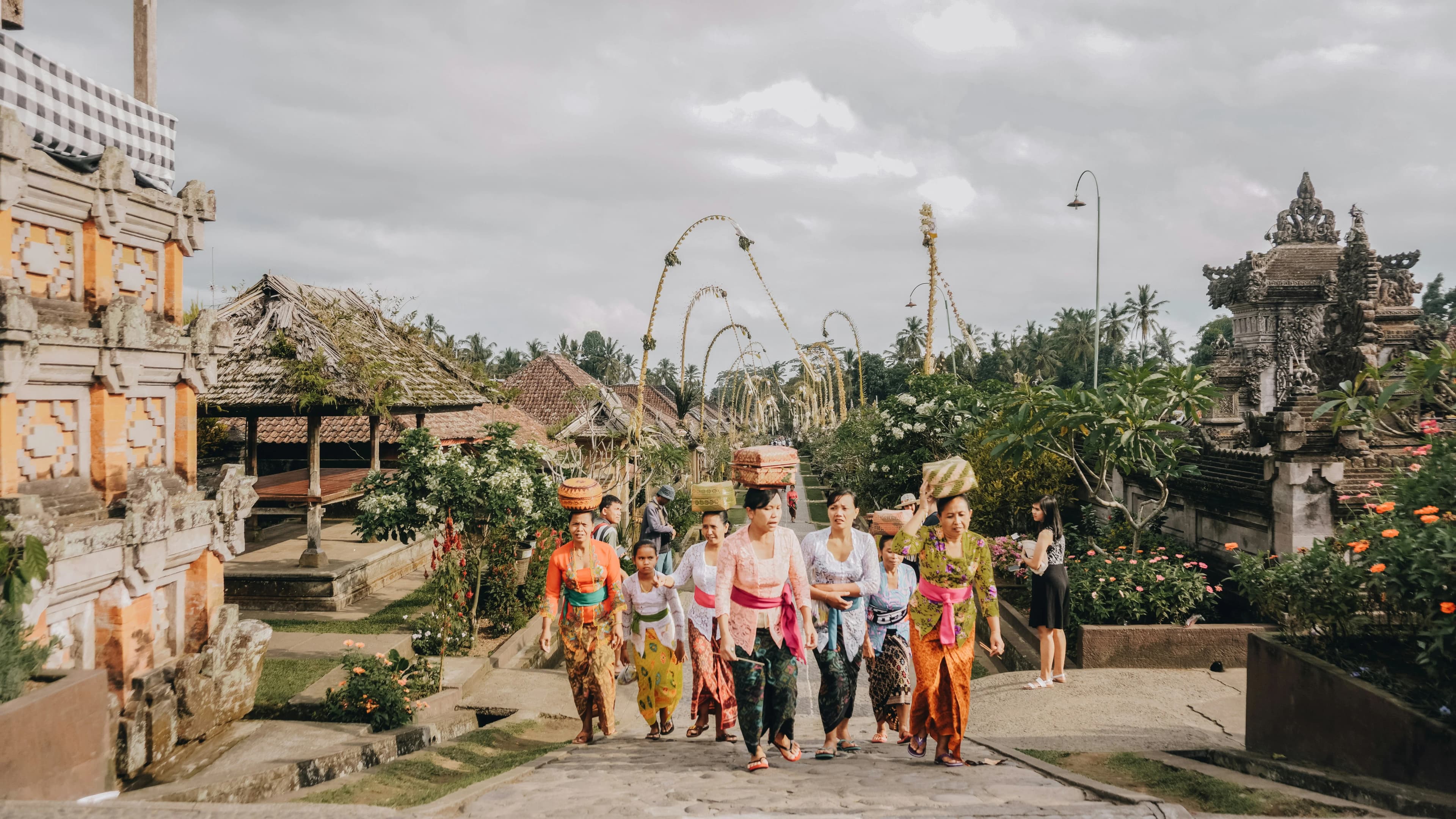
Balinese hospitality carries a specific cultural register. Daily offerings (canang sari), temple compound aesthetics incorporated into property design, and the presence of Balinese ceremony within the property calendar are markers of a property that operates with genuine cultural attentiveness rather than aesthetic appropriation. The distinction matters to travelers who have spent time across Indonesia and can read the difference.
The primary decision axis in Gianyar is between orientation and access. Suites positioned in river gorge properties offer dramatic natural immersion but often require navigating steep terrain to reach the property and to move around within it. Suites in rice terrace corridors offer more horizontal, visually expansive landscapes with easier physical access. For travelers with mobility considerations, or those traveling with young children, the latter category is generally more practical.
A secondary consideration is the degree of openness in the suite's architectural configuration. Many of the most admired properties in the regency feature suites that are deliberately porous to the outside: sliding panels rather than fixed walls, outdoor showers positioned in garden enclosures, sleeping pavilions open to the canopy. This is architecturally coherent and experientially rewarding in the dry season. In the wet season, the same configuration requires a property that has thought carefully about drainage, shelter, and the guest experience during sustained rainfall.
Suite size in Gianyar tends to be generous by global standards. A private pool villa of 200 to 400 square meters is not unusual at the upper tier of the market. The relevant question for discerning travelers is not scale alone, but how the suite relates to its site: the quality of sightlines, the planting of the private garden, the positioning of the pool relative to sunrise or sunset, and the acoustic environment.
Gianyar Regency contains a high density of properties that present themselves as luxury, and the range of quality is considerable. The market includes internationally branded hotels, independently operated boutique properties, and private villa compounds that operate with varying degrees of consistency. For a traveler arriving for the first time, or even one returning to Bali with specific requirements, navigating this landscape without editorial guidance risks significant misalignment between expectation and reality.
La Suite applies a consistent editorial standard across all properties it presents, evaluating suite quality, site positioning, service architecture, and the coherence of the overall guest experience. The curated selection by La Suite for this regency reflects properties that have been assessed against these criteria, not simply ranked by star rating or aggregated review score. For travelers whose time and standards are non-negotiable, this specificity is the point.

Gianyar Regency is positioned inland and at elevation, offering a landscape of rice terraces, river gorges, and volcanic forest rather than beach and ocean. The luxury hotel experience here is defined by cultural immersion, architectural engagement with the natural environment, and a quieter register than the resort corridors of Seminyak or Nusa Dua.
Payangan, on the western ridge of the regency, is generally regarded as the most secluded zone for luxury accommodation. Properties here operate at altitude with valley views and low guest density, and the suite formats tend toward private villa compounds rather than hotel-format buildings.
The dry season from April to October offers the most reliable conditions, with June through August representing peak demand. For travelers seeking the best balance of weather and suite availability, the shoulder months of April to May or September to October are advisable, and advance booking of three to six months is recommended for top-tier properties.
The dominant format at the upper tier of the market is a private pool villa or villa suite within a compound-style property, typically constructed in local materials including volcanic stone and teak. Suite configurations often include open-air or semi-open bathrooms and private gardens, with sightlines oriented toward jungle, river, or rice terrace landscapes.
Yes, though the choice of property matters considerably. Suites in rice terrace corridor properties with more horizontal terrain are generally more practical for families than steep river gorge sites. Private pool villa formats offer the spatial separation and safety that families with young children typically require.
Key events including Nyepi (the Day of Silence) and Galungan alter the rhythm of travel in a meaningful way. Nyepi involves a complete island-wide pause that extends to most hotel operations, and represents a genuinely unusual experience for travelers willing to engage with it. Properties in Gianyar with strong cultural programming will typically incorporate ceremony and offering schedules into the guest experience throughout the year.
The most relevant criteria are suite orientation relative to the landscape, the quality of sightlines and acoustic environment, the degree of architectural openness in the suite's design, the property's approach to Balinese cultural authenticity, and the staffing model (dedicated villa attendant versus centralized hotel service). Star rating and aggregated review scores are insufficient proxies for these distinctions.
Yes, with specific considerations. The wet season (November through March) brings lush vegetation, significantly lower occupancy, and rates that reflect reduced demand. Travelers focused on spa, wellness, and cultural engagement often find this period preferable. The key selection criterion for wet season travel is choosing a property that has designed its open-air suite configuration to remain functional and comfortable during sustained rainfall.
Indonesia, and Bali in particular, has developed a distinct form of high-end hospitality that emphasizes spatial generosity, landscape integration, and compound-style privacy rather than the vertical hotel formats more common in urban Asian markets. Private pool villas of 200 to 400 square meters are standard at the upper tier, and the cultural specificity of Balinese design gives the finest suites a character that is not replicated elsewhere in Asia.
The Gianyar market contains a high density of properties presenting themselves as luxury, with considerable variation in actual quality and consistency. La Suite evaluates properties against editorial criteria covering suite quality, site positioning, service architecture, and cultural coherence, providing travelers with a selection that reflects genuine assessment rather than aggregated scoring. For travelers with precise requirements and limited time, this distinction is substantive.