Understanding Kutchan as a luxury suite destination
For those building a broader luxury suite itinerary across Japan, Kutchan offers a register that is entirely distinct from Tokyo or Kyoto. The scale is horizontal, the pace is deliberate, and the relationship between interior and exterior is paramount.
Best areas to stay around Kutchan
Hirafu and the Niseko United slopes
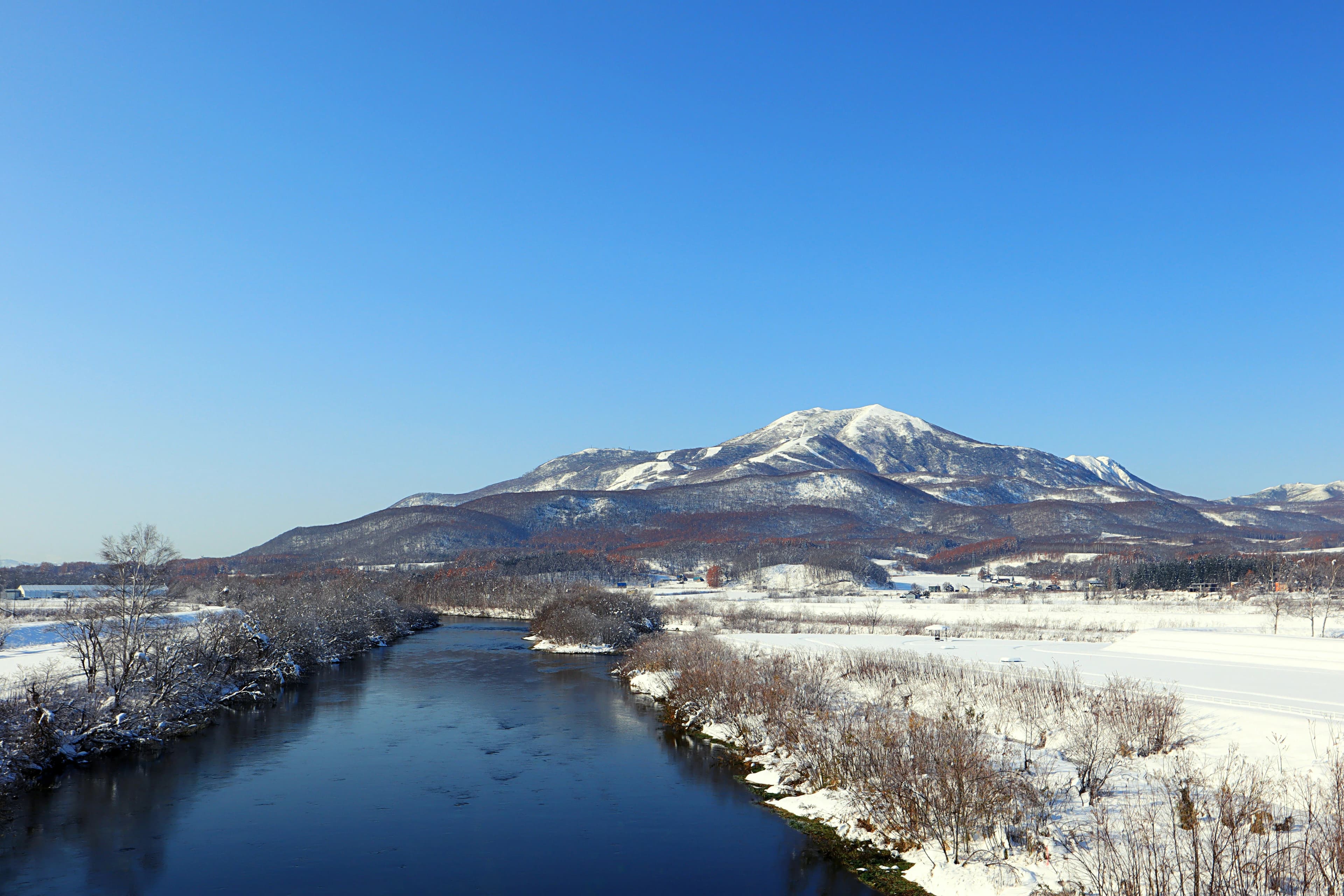
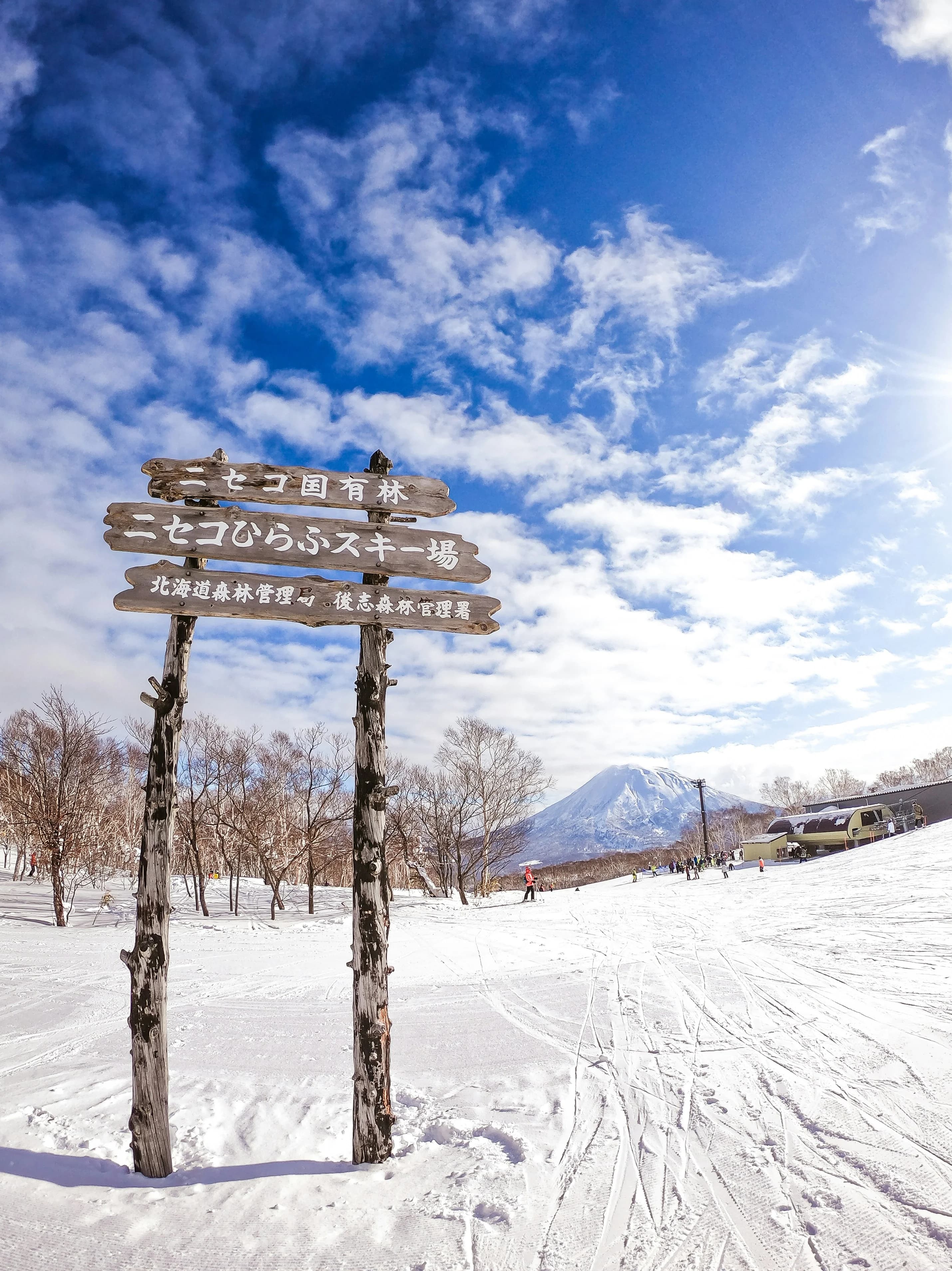
The Hirafu zone, immediately above Kutchan, concentrates the highest density of international-grade accommodation. Properties here position guests within walking distance of gondola access, and the best suites are designed to face Mount Yotei directly. The architectural language leans toward contemporary alpine: dark timber cladding, deep roof overhangs, floor-to-ceiling glazing oriented to capture both the slope view and maximum natural light during the abbreviated Hokkaido winter days.
Hanazono and the quieter northeast sector
The Hanazono area offers a more contained, less trafficked experience. Lift queues are shorter, the residential density is lower, and the suite properties that have developed here tend toward larger footprints with greater privacy between units. For families or travelers prioritizing space over proximity to après-ski activity, this sector functions at a different register entirely.
Kutchan town center
Staying in the town itself rather than on the mountain places guests inside local Hokkaido life: agricultural supply shops, ramen counters, sake producers, and the rhythms of a working community. A small number of boutique properties here offer suite-level accommodation with an entirely different atmosphere, one calibrated to immersion rather than slope access.
When to visit Kutchan for a suite stay
The winter season runs from late November through March, with January and February representing peak powder conditions. Hokkaido receives some of the highest annual snowfall of any ski destination globally, and the snow's moisture content is among the lowest recorded, a consequence of Siberian air masses crossing the Sea of Japan and depositing dry, light accumulation across the island. Suite availability at premium properties tightens considerably from late December through the first week of January, when demand from Southeast Asian and Australian markets peaks sharply.
Summer in Kutchan is a genuinely underutilized season for luxury travelers. From June through September, the landscape converts to green farmland, lavender fields, and hiking terrain. Suite rates drop, availability opens, and Mount Yotei becomes accessible for serious hikers. The Hokkaido summer is mild by Japanese standards, rarely exceeding 25 degrees Celsius, which makes it an intelligent choice for travelers arriving from humid climates.
Autumn, particularly October, brings foliage color across the surrounding hills and a marked reduction in tourist volume. This shoulder period suits travelers interested in the cultural and gastronomic dimensions of the region rather than snow-specific activities.
Local luxury standards: what to expect from top-tier suites in Kutchan
Japan's hotel classification system does not use the same palace designation applied in France, but the country maintains its own rigorous hospitality standards rooted in the concept of omotenashi: a form of anticipatory service in which guest needs are addressed before they are articulated. In Kutchan, this tradition intersects with an international resort clientele that expects high-specification fixtures, ski-in ski-out access, and multilingual staff as baseline requirements.
The finest suites in the area typically incorporate onsen access, either private bathing facilities within the suite itself or exclusive floor access to thermal mineral water pools. Hokkaido's geothermal activity supports genuine hot spring bathing across the Niseko area, and this element is a primary differentiator between standard and suite-level accommodation. Expect suite footprints ranging from 60 to well over 200 square meters in the top-tier properties, with dedicated living areas, custom Japanese joinery, and in some cases private outdoor soaking tubs positioned to face the mountain.
For context on how Japan's hospitality culture compares across the broader Asian luxury suite landscape, Kutchan occupies a specific niche: internationally scaled infrastructure delivered with Japanese precision.
How to choose the right suite in Kutchan
The primary decision axis for Kutchan is proximity to ski access versus immersion in local atmosphere. Properties on the mountain prioritize slope orientation and equipment logistics; properties in or near the town prioritize cultural texture. Neither is objectively superior. The choice depends on whether snow sport is the primary purpose of the visit or whether the alpine environment is the backdrop to a broader Hokkaido experience.
A secondary consideration is the thermal bathing offer. Suites with private onsen facilities command a significant premium but deliver a qualitatively different experience from shared communal baths, particularly for couples or travelers who value discretion. Verify water source and temperature range before committing: Niseko-area hot springs vary in mineral composition, and some travelers have specific preferences regarding sulphur content or pH.
Architecture matters more in Kutchan than in many other destinations because the building envelope is part of the experience. Properties designed with Japanese spatial principles, controlled sightlines, material restraint, and the deliberate framing of exterior views, tend to produce a more coherent luxury experience than those that simply transplant European ski chalet conventions onto a Hokkaido site.
The value of curation in a destination like Kutchan
Kutchan and the broader Niseko area have seen considerable development over the past decade, and not all of it has maintained the standards that discerning travelers require. The market contains properties that market themselves as luxury on the basis of price point alone, without the service depth, spatial quality, or design integrity to justify the designation. A curated selection by La Suite removes this friction. Rather than navigating an unfiltered marketplace, travelers access a verified shortlist of properties where suite-level standards have been independently assessed against a consistent editorial framework.
For a destination that attracts high-net-worth travelers from across the Pacific and increasingly from Europe and the United States, the volume of accommodation options can obscure genuine quality. La Suite's approach applies the same criteria used across every destination, whether a masseria in Puglia, a riad in Marrakech, or a mountain suite in Hokkaido: space, privacy, design coherence, and service precision. The result is a selection that reflects the actual hierarchy of quality in Kutchan, not its marketing hierarchy.