Understanding Suntō District as a luxury destination
The broader region sits within easy reach of Japan and the wider Asia luxury circuit, yet it occupies a register entirely its own. Where Tokyo operates on density and velocity, Suntō operates on silence and scale. These are fundamentally different modes of luxury, and the accommodations here reflect that difference.
The distinct areas of Suntō and where to base yourself
The Fuji Five Lakes corridor
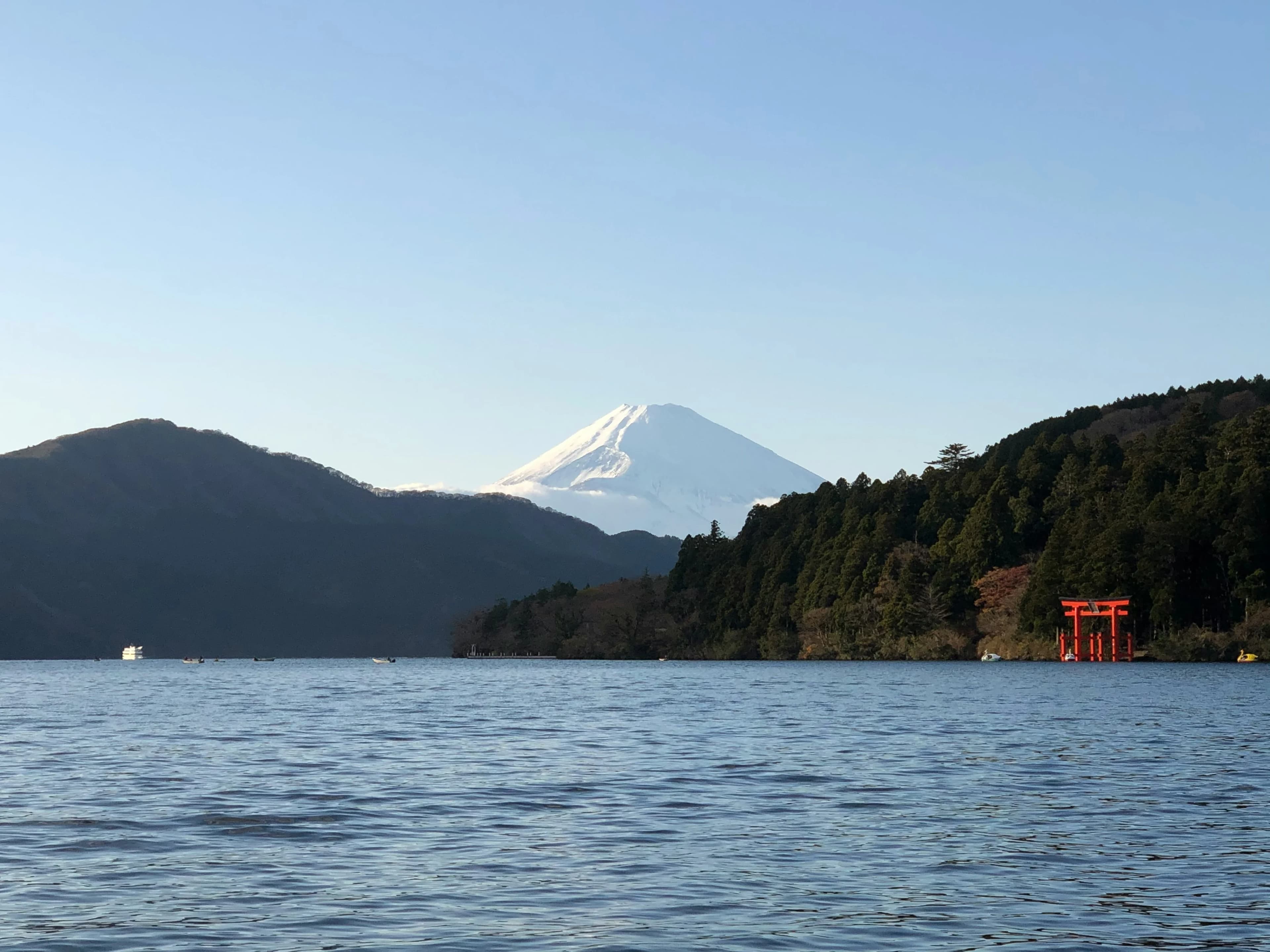
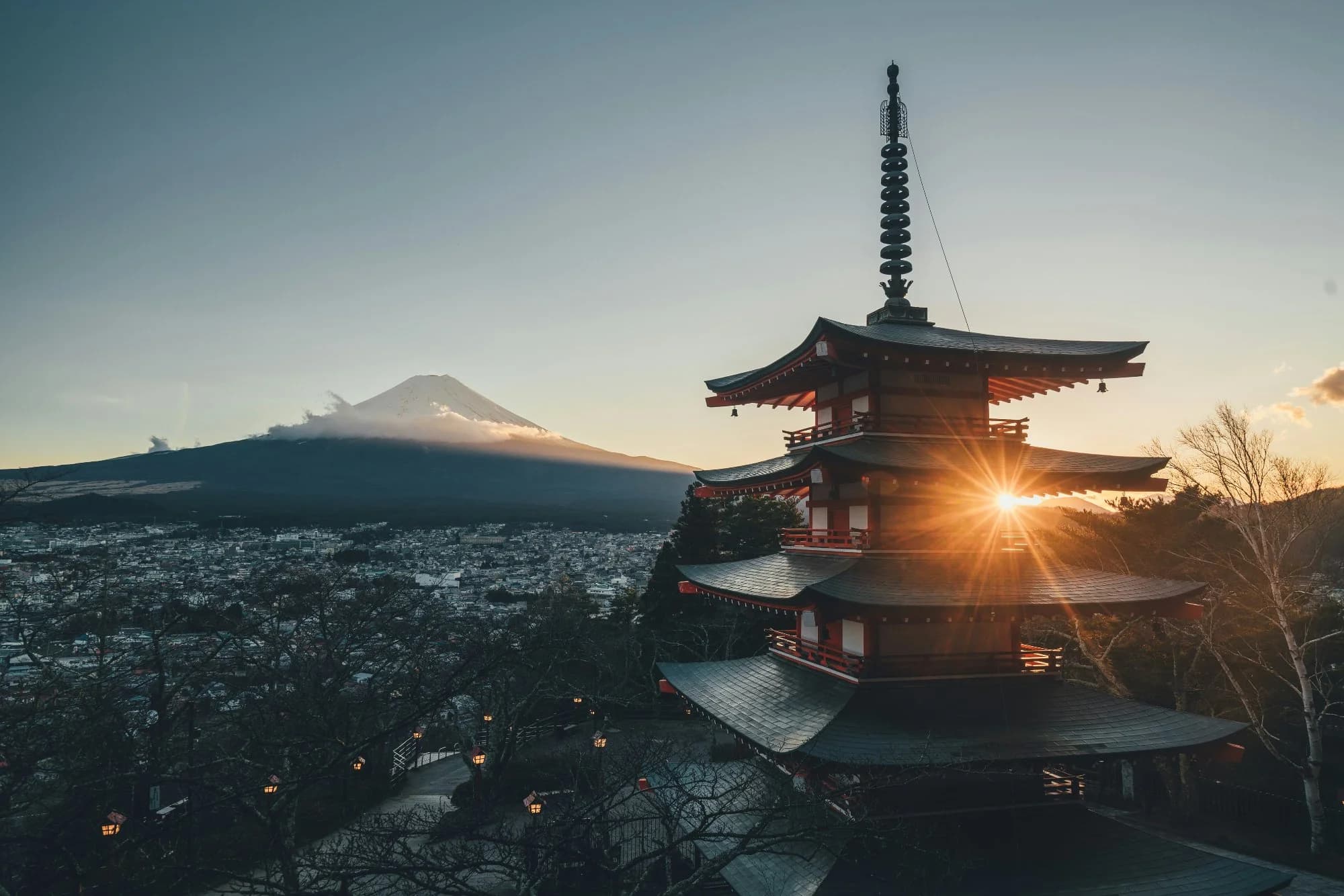
The northern edge of Suntō District gives way to the Fuji Five Lakes area, with Lake Kawaguchi being the most accessible and the most photographed. Properties in this zone command direct sightlines toward the summit and are oriented around the view as an architectural given. The atmosphere is contemplative. Arrivals tend to slow down here within hours, responding to an environment that has been associated with pilgrimage and meditation for over a millennium.
The Hakone approach
The southeastern reaches of the district blend into the Hakone region, a hot spring corridor that has served as a retreat for Japanese urban populations since the Edo period. Ryokan culture is strongest here. The architecture tends toward timber and paper screens, with interiors designed around the sequence of bathing, eating, and rest. A luxury suite in this zone will often include a private open-air bath, or rotenburo, fed by geothermal water drawn directly from the ground beneath the property.
The Susono and Oyama lowlands
Lower-altitude areas within the district offer a different proposition: agricultural landscapes, forested trails, and a quieter form of access to the mountain that avoids the concentrated tourist flow around the lakes. Properties here tend toward the discreet, functioning more as private retreats than destination hotels.
When to visit Suntō District
The district operates across four distinct seasons, each of which transforms the relationship between the mountain and the landscape around it.
Spring (late March to early May) brings cherry blossom to the lakeshores and lower forested slopes. The visual composition of pink blossom against snow-capped Fuji is among the most referenced images in Japanese art. Demand for suites during this period is high, and the best properties are typically reserved months in advance.
Summer (July to August) is the official climbing season for Mount Fuji itself. The trails open, the mountain becomes more accessible, and the district absorbs a significant volume of visitors. For those not climbing, summer evenings around the lakes offer clear skies and extended golden hours.
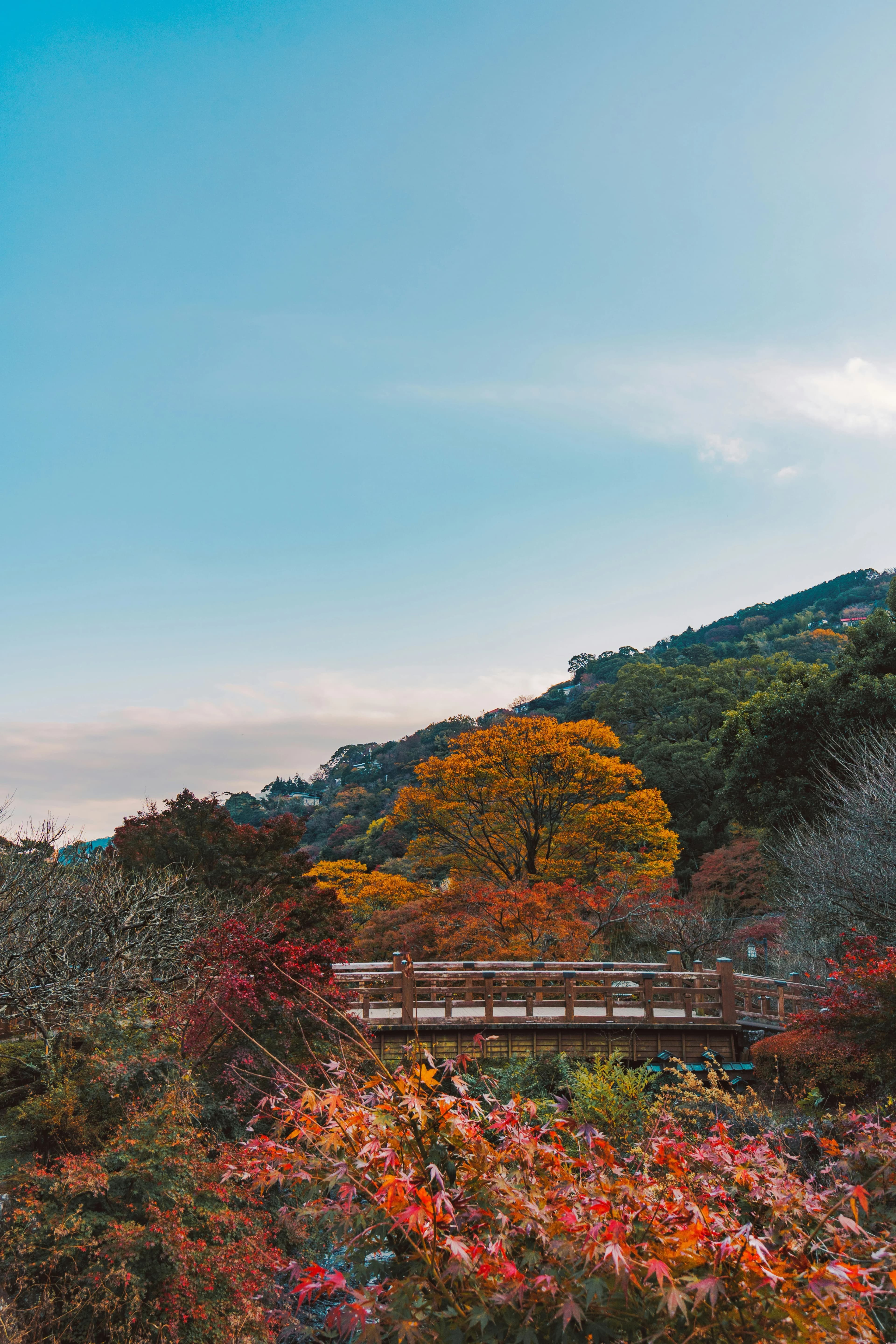
Autumn (October to November) is arguably the most refined season for suite stays. The foliage around the lakes turns in layers of amber, ochre, and deep red. Crowds thin after the climbing season closes. The air becomes crisp and the mountain is frequently visible without haze.
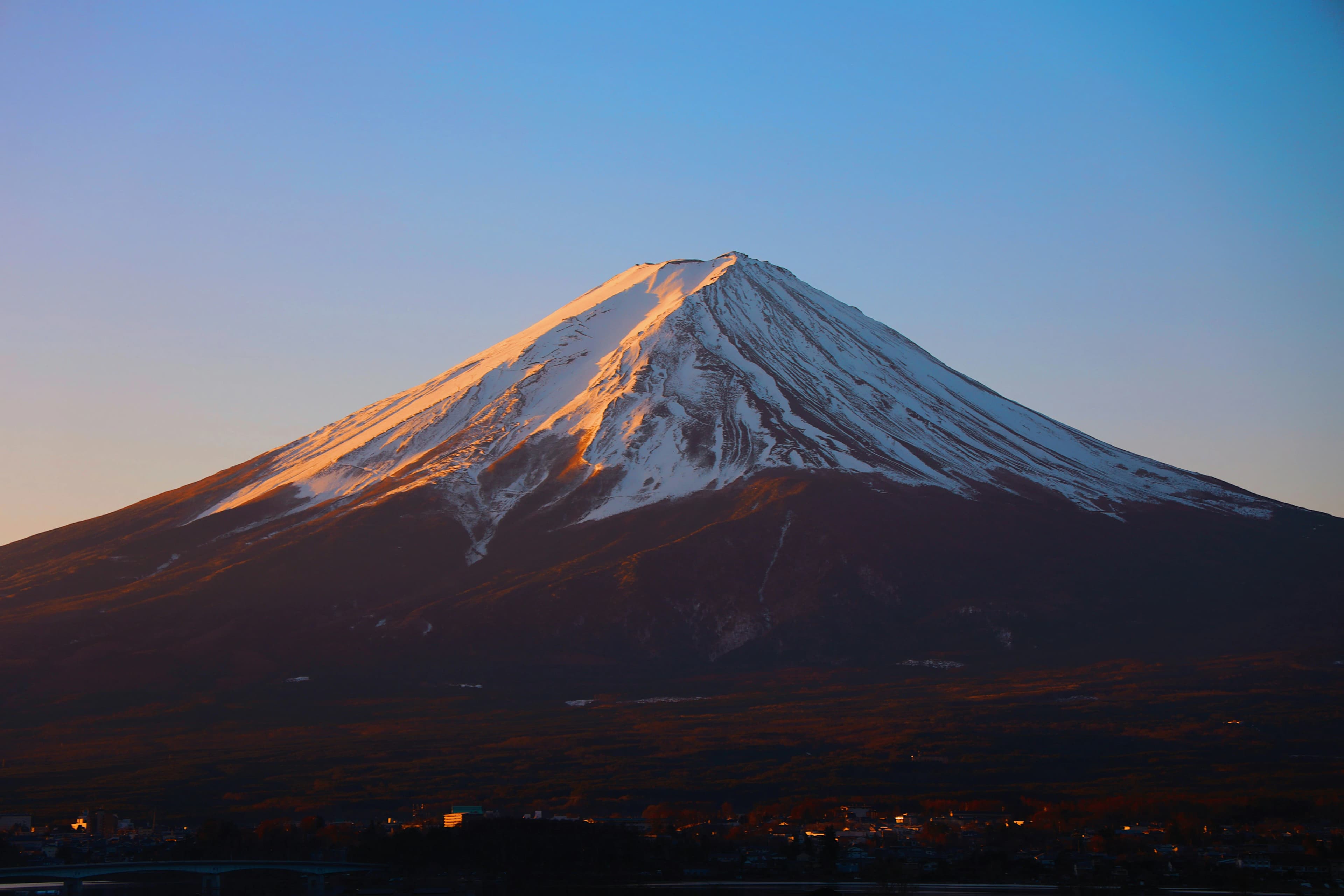
Winter (December to February) delivers the most dramatic Fuji sightlines. Snow accumulates at altitude, the summit is fully white, and the surrounding landscape takes on a stark, graphic quality. Onsen culture reaches its peak relevance in winter: immersion in geothermal water while looking out over a frozen landscape is among the most sensory experiences Japan offers.
Local luxury standards: ryokan, onsen, and the art of the suite
Japan operates a luxury hospitality vocabulary that differs substantially from European or American frameworks. In Suntō District, the most relevant formats are the traditional ryokan, the modern onsen resort, and the hybrid property that combines both registers.
A ryokan at the highest level is organized around ritual. The guest is received in a specific way, changed into a yukata (a light cotton robe), guided through a sequence of bathing and dining that the property has refined over generations. Suite accommodations within a ryokan context typically include a private bath, a dedicated attendant (nakai), and a multi-course kaiseki dinner served in the room. The spatial language is tatami, shoji screens, and low furniture. This is not minimalism in the Western design sense. It is a specific Japanese aesthetic that has its own formal logic.
Modern onsen resorts in the district sometimes combine this traditional structure with contemporary architecture: floor-to-ceiling glass, poured concrete, and international design references. These properties attract a clientele comfortable moving between Japanese ritual and global luxury expectations. The best of them do not compromise either register.
What to expect at the top tier: private rotenburo (outdoor bath), seasonal kaiseki menus sourced from local agricultural producers, futon bedding on tatami or the option of Western beds, and service that is attentive without being present unless summoned.
How to choose the right suite in Suntō District
The primary filter is orientation. A suite that does not face Mount Fuji in a location where that view is possible is a suite that has failed its most fundamental brief. Verify the floor plan, the window axis, and whether the private bath has an unobstructed sightline before confirming a reservation.
The second consideration is format. Travelers who have not previously experienced a ryokan at this level should assess their tolerance for floor-level living and the structured rhythm of service. The kaiseki dinner, typically served in multiple courses over two hours, is not optional at most high-end traditional properties. It is part of the rate.
The third consideration is access. Some of the most architecturally interesting properties in the district are not easily reached without a private transfer or a rental vehicle. Factor road conditions in winter, and note that certain mountain-adjacent locations have seasonal access restrictions.
Why a curated selection matters in this district
Suntō District is small in area but complex in offer. The gap between a mediocre onsen hotel and an exceptional luxury suite property is significant, and it is not always reflected in price alone. A property can charge premium rates on the strength of its Fuji view alone, regardless of the quality of its service, its food, or the architecture of its suite interiors.
La Suite applies a specific editorial lens to this territory: we assess the spatial quality of the suite itself, the coherence of the property's design logic, the reliability of the Fuji sightline, and the integrity of the culinary program. Our curated selection for Japan filters out the properties that trade on geography alone and surfaces the ones that deliver on every register. For travelers approaching this district for the first time, or returning with higher expectations, that curation is the most efficient entry point available.