Understanding Silom as a luxury base in Bangkok
The district's character shifts depending on the hour. Morning Silom is transactional and purposeful, with office workers and market traders occupying the same pavement. By evening, the area around Patpong Night Market and the quieter sois branching off the main road reveals a different register entirely. For those arriving in Thailand for the first time, Silom offers an unfiltered introduction to how Bangkok actually operates, without the visual softening of resort corridors or riverside promenade design.
The distinct areas within Silom and where to stay
The Sathorn corridor
Directly adjacent to Silom, Sathorn Road has become the preferred address for Bangkok's highest-rated luxury hotels. The properties here tend toward architectural ambition: large floor plates, generous ceiling heights, and service ratios that reflect the corporate and diplomatic clientele this corridor historically attracts. Suites in this zone frequently command views across the city's roofscape or toward the river, and access to Lumphini Park (the largest urban green space in central Bangkok) is a practical and underappreciated amenity for early mornings.
The riverfront edge
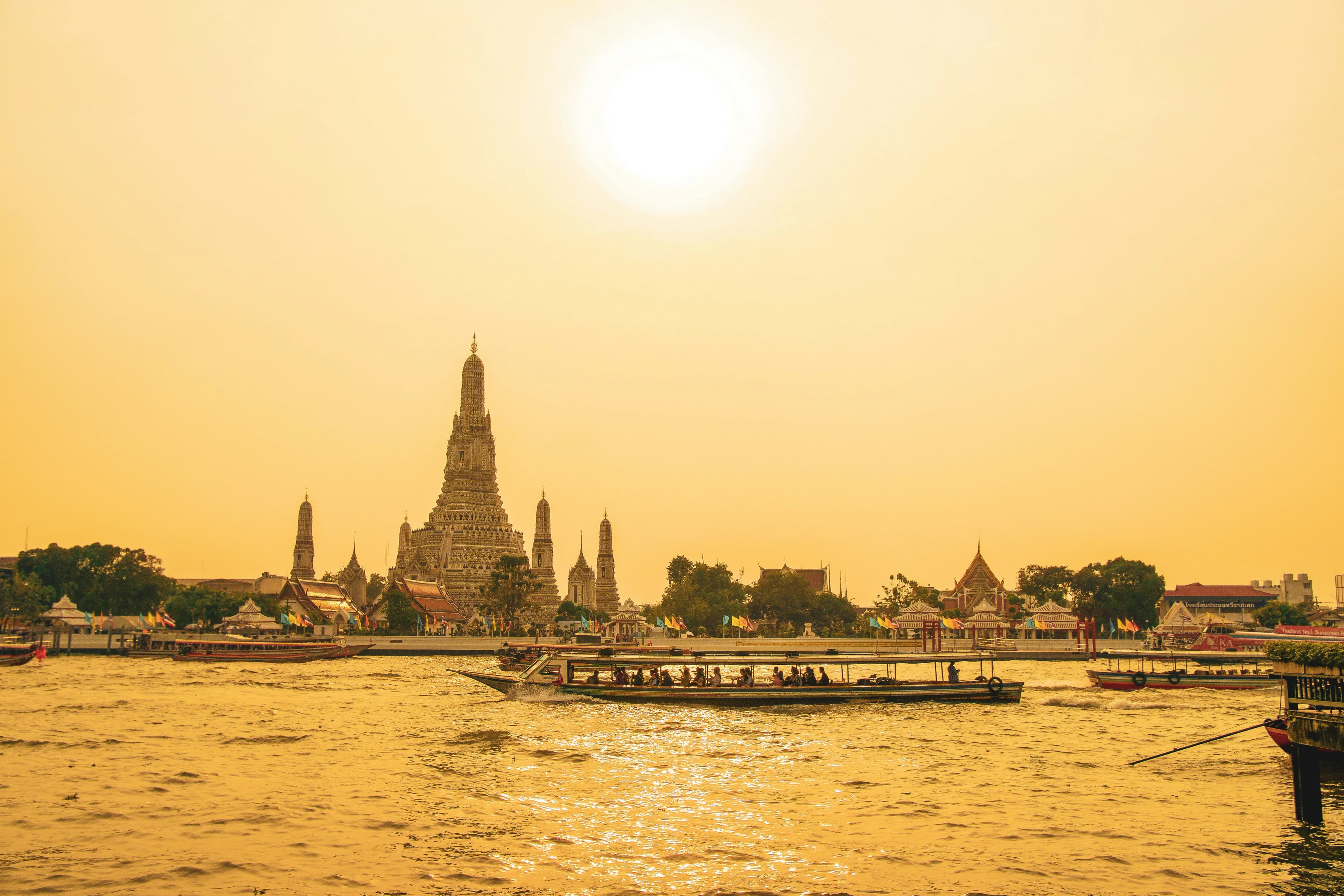
Where Silom meets the Chao Phraya, the urban character gives way to something slower. The Oriental and riverside properties that cluster near Saphan Taksin BTS station operate at a different tempo. River-facing suites here offer a view of working watercraft, temple rooflines on the opposite bank, and a light quality in the early morning that is specific to this part of Southeast Asia. The tradeoff is distance from the commercial core, which is measurable but manageable via the hotel boat services most properties at this edge maintain.
The Sala Daeng and Patpong intersection
This is Silom at its most concentrated. The intersection of Sala Daeng and Silom Road places a guest within walking distance of Lumphini Park, the Silom Complex, and the network of restaurants on Convent Road that has become one of Bangkok's more considered dining clusters. Suites positioned here tend to sit within mid-rise towers rather than landscaped compounds, which is a distinction worth noting when choosing between volume and ground-level access.
When to visit Silom for a luxury suite stay
Bangkok operates on a broadly tropical calendar, with three seasons that carry practical implications for suite selection. The cool season, running from November through February, brings lower humidity and temperatures that make the city's outdoor spaces genuinely comfortable. This is peak demand for the best suites in Silom, and availability at leading properties contracts accordingly. Booking three to four months in advance is standard practice for this window.
The hot season, March through May, is the period most guidebooks discourage. In practice, for a traveler spending significant time in climate-controlled suites, high-end restaurants, and museums, the heat is a manageable variable rather than a disqualifying one. Room rates during this period are softer, and the city's service infrastructure operates at full capacity without the congestion of peak tourist months.
The wet season, June through October, brings afternoon rainfall that is typically short and heavy rather than sustained. Silom's proximity to the BTS network makes movement during wet weather more practical than in districts relying on street-level transport. Suite rates in this window can represent the most competitive pricing of the year for comparable quality.
Silom has no dominant festival calendar of its own, though Bangkok's broader cultural rhythm includes Chinese New Year activity along nearby Yaowarat Road in January or February, and the Songkran water festival in mid-April transforms the city's street culture for several days.
Local luxury standards: what to expect from top-tier suites in Bangkok
Thailand operates a standard five-star hotel classification system, but within that band, the distinction between a property meeting the baseline and one genuinely operating at the highest tier is significant. Bangkok's leading luxury hotels in and around Silom typically feature suites with floor areas exceeding 70 square metres at entry level, butler service as a default rather than an upgrade, and dining programs that function as destinations in their own right rather than in-house conveniences.
The concept of Thai hospitality, often described in terms of warmth and attentiveness, manifests in high-end properties as a calibrated service style: present without intrusion, responsive without formality. The best suites in this district tend to reflect this in their physical design as well, with layouts that allow for separation between living and sleeping zones, and material choices (natural teak, silk, hand-woven textiles) that locate the space culturally without resorting to decorative cliché.
Spa facilities in Bangkok's top hotels are among the most seriously programmed in Asia, with traditional Thai massage, herbal treatments, and longer-format wellness programmes integrated into the suite experience at many properties. This is a practical differentiator worth weighing when comparing options in the Silom and Sathorn corridor.
How to choose the right luxury suite in Silom
The primary structural choice in Silom is between a tower suite, which prioritises elevation and city views, and a suite within a lower-rise or heritage-adjacent property, which prioritises ground-level access and a quieter acoustic environment. Neither is objectively superior; the decision depends on how a traveler intends to use the suite itself. For those treating the room as a workspace and retreat, tower suites with panoramic orientation tend to perform better. For those using the suite primarily as a departure point for extended time in the city, proximity to the BTS and a quieter street-level presence often matters more.
Consider also the practical implications of dining. Silom and Sathorn contain a concentration of serious restaurants, including several with recognition from major culinary guides, but the neighborhood's best meals are frequently in modest shophouses and market stalls. A suite with a concierge team that operates with genuine local knowledge (rather than a laminated card of tourist-facing suggestions) is a meaningful asset in this district.
Pool access is a standard expectation at this tier, but the design and positioning of hotel pools in Bangkok varies considerably. Rooftop pools in tower properties offer views at the cost of exposure and sometimes usable depth. Ground-level or mid-floor pools within landscaped settings offer a different quality of use. This is worth clarifying before committing to a specific property.
Why a curated selection by La Suite matters in Silom
Bangkok's hotel market is large, active, and subject to rapid change. New openings, rebranding, and renovation cycles affect the quality and positioning of individual properties with regularity, and a district like Silom contains properties across a wide quality spectrum that share similar four and five-star classifications without offering comparable experiences.
La Suite's approach to this district is selective rather than comprehensive. The properties represented in the Silom selection on Bangkok's La Suite pages meet specific criteria related to suite floor area, service infrastructure, design coherence, and what might be described as locational intelligence: the sense that a property understands its position within the city rather than simply occupying it. For a traveler arriving in Bangkok for the first time or returning with higher expectations than a previous visit met, that editorial filter is the relevant starting point.