137 Pillars House, Mueang Chiang Mai
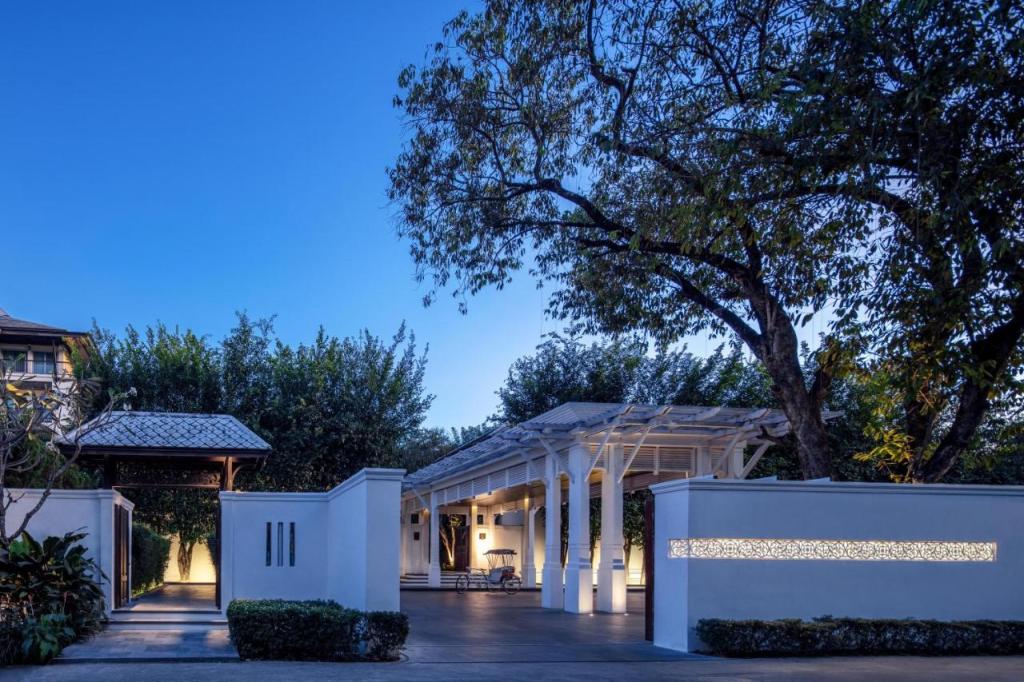
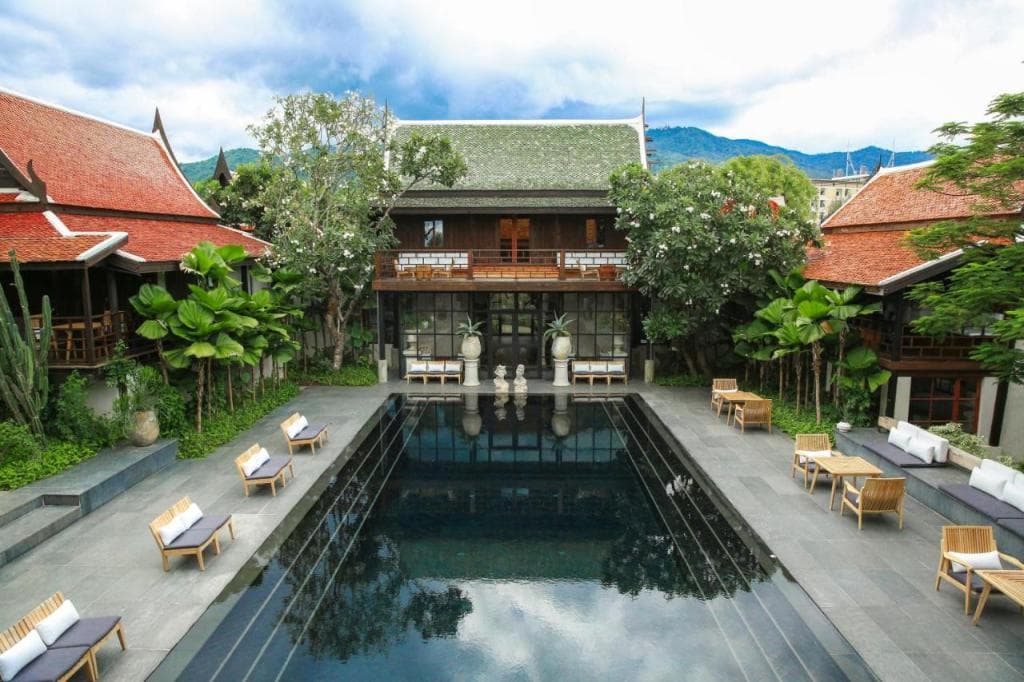
A Sanctuary Steeped in Story and Heritage 137 Pillars House Chiang Mai is rooted in rich Thai heritage dating back to the late 1800s. The hotel has been thoughtfully designed to offer guests an intima

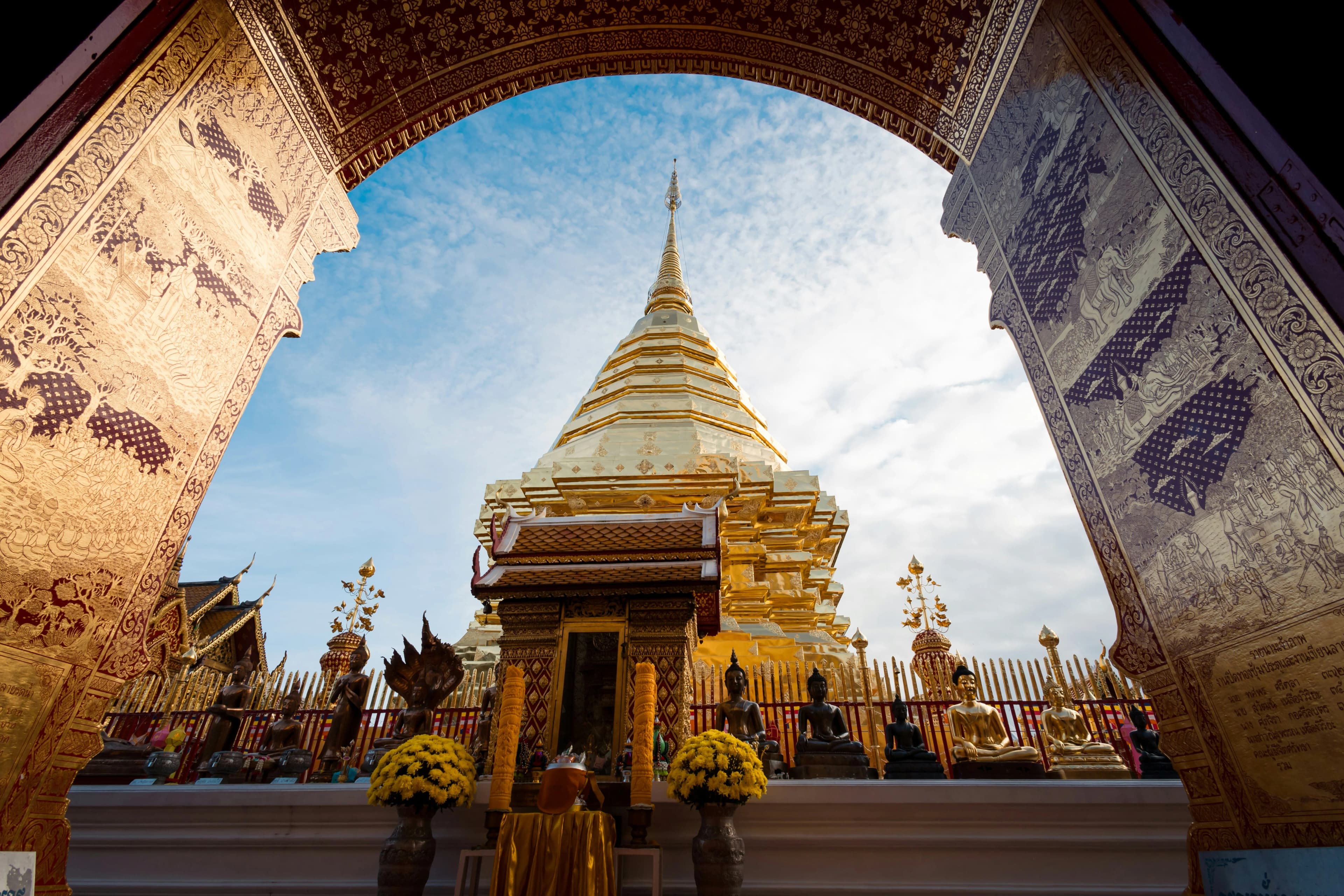
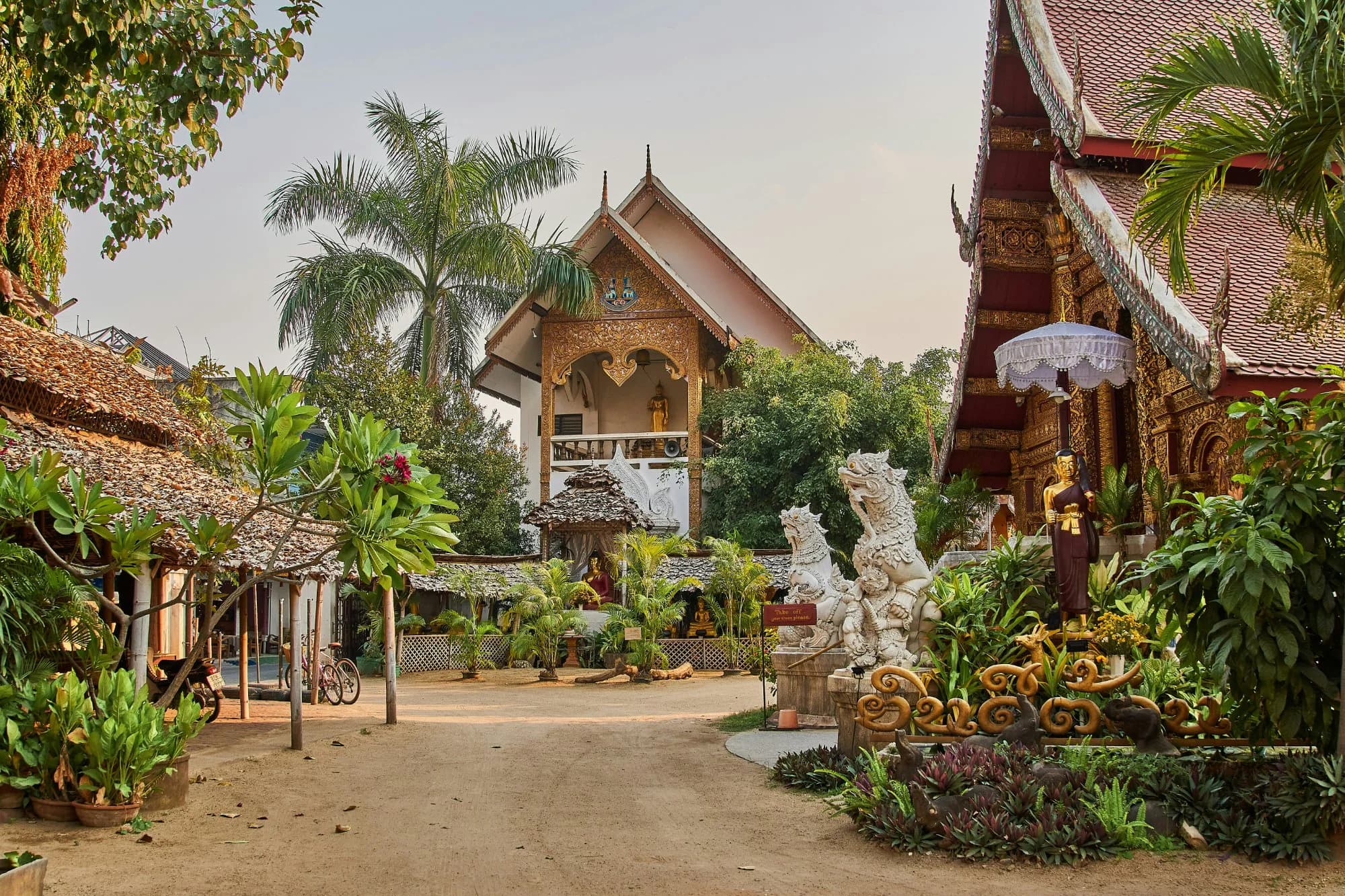
Chiang Mai is not a destination that performs for its visitors. It asks something quieter: attention, slowness, a willingness to engage with a culture that is layered, specific and architecturally coherent. The Lanna kingdom left behind a visual language expressed in tiered temple rooflines, carved teak interiors and terracotta tile. The best luxury hotels in Mueang Chiang Mai understand this inheritance and work with it rather than against it. A well-chosen luxury hotel suite here functions as a base for sensory engagement: morning alms-giving on Wualai Road, an afternoon at a master silversmith's workshop, an evening at the Sunday Walking Market. The suite is the counterweight, the place of considered return.
27 hotels available

A Sanctuary Steeped in Story and Heritage 137 Pillars House Chiang Mai is rooted in rich Thai heritage dating back to the late 1800s. The hotel has been thoughtfully designed to offer guests an intima

Comfortable Accommodations Aksara Heritage in Chiang Mai offers air-conditioned rooms with private bathrooms, bathrobes, and free WiFi. Each room includes a work desk, mini-bar, and soundproofing

Elegant Accommodations Aleenta Retreat Chiang Mai in Chiang Mai offers a 5-star experience with family rooms, private pools, and garden views. Guests enjoy air-conditioning, private bathrooms, and

Located along the banks of Mae Ping River, Anantara Chiang Mai Resort - SHA Extra Plus Certified features accommodations with minimalist Asian designs, a spa, and a pool. Popular points of interest ne

Elegant Accommodations Buri Sriping Riverside Resort & Spa in Chiang Mai offers a 5-star experience with family rooms, balconies, and garden views. Each room features air-conditioning, a private b

Elegant Accommodations Burirattana Hotel in Chiang Mai offers a 4-star experience with a swimming pool with a view, fitness center, and a modern restaurant. Guests enjoy free WiFi, a terrace, and

Elegant Accommodations Chala Number6 in Chiang Mai offers a 5-star hotel experience with spa facilities, a saltwater swimming pool, fitness center, sun terrace, and lush gardens. Guests enjoy free

Placed at the foothills of Doi Suthep, Chandra residence Weekend villa Chiang Mai offers a majestic villa spreading over 800 square yards of land. With an outdoor pool located in the middle of the pre

Experience timeless hospitality at Chiang Mai Marriott Hotel, the only Marriott International property in Chiang Mai. Ideally located on Chang Klan Road in the lively Night Bazaar District, just 0.6 m

Elegant Accommodations CHINO@NIMMAN Luxury Boutique Hotel in Chiang Mai offers adults-only rooms with air-conditioning, private bathrooms, and modern amenities. Each room features a balcony or ter

Comfortable Accommodations El Barrio Lanna in Chiang Mai offers family rooms with air-conditioning, private bathrooms, and modern amenities. Each room includes a work desk, soundproofing, and free

Elegant Accommodations Hotel Sensai Nimman Chiang Mai in Chiang Mai offers a 5-star experience with adults-only access. Guests enjoy air-conditioned rooms with private bathrooms, bathrobes, and fr

Elegant Accommodations Maladee Rendezvous Hotel Chiang Mai in Chiang Mai offers a 5-star experience with a saltwater swimming pool, fitness center, sun terrace, restaurant, bar, and free WiFi. ##

Elegant Accommodations MeliĆ” Chiang Mai in Chiang Mai offers luxurious rooms with air-conditioning, private bathrooms, and modern amenities. Guests enjoy garden or city views, parquet floors, and

Located in Chiang Mai, 262 feet from Tha Pae Gate, MiLa Thapae@Chiang Mai Old City provides accommodations with all-day dinning cafe & bar. This property is set a short distance from attractions such

Elegant Accommodations Ping Pura Riverside Resort & Spa Chiang Mai in Chiang Mai offers a 5-star experience with spa facilities, a wellness center, and a year-round outdoor swimming pool. Guests e

Boasting an outdoor pool, Pingviman Hotel offers Thai-style rooms in Chiang Mai. Free WiFi is available throughout the property. All rooms are equipped with a 48-inch flat-screen cable TV. The tastef

Comfortable Accommodations Proud Phu Fah Muang Chiang Mai in Chiang Mai offers family rooms with garden or mountain views. Each room includes air-conditioning, a private bathroom, and modern ameni

Located in Chiang Mai, Puripunn Hideaway is a 20-minute drive from Chiang Mai International Airport. The hotel features a spa, cafe and rooms with free WiFi. Puripunn Hideaway is 2953 feet from the W

Rachamankha is located by the Old City Wall in Chiang Mai, only 328 feet to the Sunday Market. The hotel offers free WiFi, an outdoor pool and flat-screen TVs. The air-conditioned rooms are equipped
Hotels in the area, but in a neighbouring town.

Located in Chiang Mai, 1.9 mi from Chiang Mai 700th Anniversary Stadium, Raya Heritage features rooms with garden views and free WiFi. Featuring a restaurant, the property also has an outdoor swimming

Elegant Accommodations Thantara Resort Chiang Mai in Chiang Mai offers a 5-star experience with a swimming pool with a view, fitness center, sun terrace, and free WiFi. Guests enjoy a garden, rest

Offering an outdoor pool and a spa and wellness center, Veranda Chiang Mai Suite is located in Hang Dong. Luxury accommodations and the convenience of on-site parking. Free Wi-FI is available througho

Villa Mahabhirom - SHA Plus is located in Chiang Mai and has an outdoor swimming pool and a garden. With free WiFi, this 5-star resort offers a shuttle service with an additional charge. The property

Chiang Mai's geography is compact but its accommodation character shifts considerably from one neighborhood to the next. Understanding these zones is the first step toward choosing a suite that suits the nature of your visit.

Hang Dong is not a resort enclave. It is an administrative district that has developed quietly along the southern corridor connecting Chiang Mai to the highlands beyond. Its reputation rests on a concentration of antique dealers, furniture workshops, and craft vendors that attract interior designers, collectors, and culturally informed travelers from across the world. The landscape is flat to gently rolling, framed by the distant ridgeline of Doi Inthanon National Park. For a traveler seeking a luxury hotel suite in this part of Thailand, the appeal is contextual: proximity to design culture, access to nature, and a pace that allows genuine absorption of place.

15 km away
The square moat that defines the historic core is one of Southeast Asia's most legible urban boundaries. Properties within or immediately adjacent to this perimeter place guests within walking distance of Wat Chedi Luang, Wat Phra Singh and the concentrated energy of the old lanes. Suites here tend toward teak architecture, courtyard layouts and deliberate quiet, buffered from the street by vegetation and wall. The density of cultural reference is highest in this zone, making it the preferred base for culturally motivated travelers.
East of the Old City, the Ping River corridor has developed into Chiang Mai's most design-conscious hospitality address. Boutique properties with generous suite footprints occupy converted merchant houses and purpose-built structures that prioritise river aspect and garden depth. The pace is slower here, the streetscape greener, and the connection to the city's historic trade identity is tangible. This area suits travelers who balance cultural engagement with a preference for immersive calm.
Nimmanhaemin Road and the surrounding grid represent Chiang Mai's contemporary register: design studios, specialty coffee, independent galleries and a concentration of younger creative energy. Luxury hotel options in this zone lean toward clean architectural language and contemporary interior logic. The area provides efficient access to the Chiang Mai University campus and to the foothills road that ascends toward Doi Suthep. Travelers whose primary interest is contemporary Thai creative culture tend to gravitate here.
The cool season, running from November through February, is widely regarded as the optimal period for suite travel in Chiang Mai. Temperatures sit between approximately 13 and 28 degrees Celsius, air quality is at its clearest, and the city hosts its most significant cultural calendar. The Yi Peng lantern festival, which typically falls in November, represents one of the most photographed events in Asia: thousands of paper lanterns released simultaneously over the Old City moat. Loi Krathong coincides with the same lunar period, adding a water-based ceremonial dimension. Suite availability during this window requires advance planning, particularly for properties with limited inventory.
March and April bring the hot season, with temperatures rising significantly and the annual Songkran water festival occurring in mid-April. Chiang Mai's Songkran is considered the most elaborate in Thailand, drawing large domestic and international crowds. Air quality can deteriorate in March due to agricultural burning in the surrounding valleys. The wet season, from June through October, offers reduced rates, lush landscapes and a markedly quieter city. Travelers comfortable with afternoon rainfall will find this period rewarding in terms of value and access.
Thailand operates its own prestige classification framework, with the Tourism Authority of Thailand overseeing hotel star ratings. At the upper end of Chiang Mai's market, properties often reference Lanna architectural tradition through the use of teak, terracotta, carved detail and courtyard planning. The concept of the pool villa suite is particularly well-developed here: private plunge pools, open-sided sala pavilions and garden enclosures that extend the living space outward. This indoor-outdoor continuity is a defining characteristic of northern Thai luxury hospitality and distinguishes it from the more compact suite formats common in Bangkok.
Spa programming is a serious consideration. Chiang Mai has one of Thailand's most developed wellness infrastructures, rooted in traditional northern massage technique (distinct from central Thai practice) and herbal treatment drawn from the region's botanical heritage. The best luxury hotel suites often integrate spa access, private treatment rooms or in-suite wellness services into the experience. Culinary programming at the top tier tends to emphasise northern Thai cuisine: khao soi, sai oua sausage, nam phrik noom. Guests who engage with this specifically, rather than defaulting to pan-Asian menus, tend to find the experience more rewarding.
The first decision is architectural register. Travelers seeking immersion in Lanna heritage should prioritise properties built with or sympathetically incorporating traditional materials and spatial logic. Travelers whose preference is for contemporary minimalism will find this better served in the Nimman corridor or in purpose-built properties that use Chiang Mai's garden culture as their primary sensory reference rather than its historical architecture.
The second consideration is outdoor space. In a city where temperatures and air quality are variable, the quality of a suite's private outdoor area matters considerably. A private garden, a plunge pool oriented toward green rather than infrastructure, or a terrace with Doi Suthep aspect will define the quality of the in-suite experience across multiple days. Properties that compress outdoor space in favour of interior square footage tend to underperform in Chiang Mai's specific context.
Third, consider proximity to the morning markets. Chiang Mai's Warorot Market and the various temple markets operate early. A suite within non-motorised reach of these rhythms allows the day to begin on the city's own terms rather than through a transfer. This seemingly logistical detail has a measurable effect on the texture of the stay.
Chiang Mai's hospitality market has expanded considerably over the past decade, and the range of properties presenting themselves as luxury options has widened correspondingly. The gap between properties that genuinely deliver at the level of a luxury hotel suite and those that appropriate the vocabulary without the substance is significant here. The architectural language of Lanna is easily borrowed; the spatial quality, material integrity and service intelligence that justify a premium rate are not.
La Suite applies a consistent editorial framework to this market, identifying the properties that earn their position through verifiable standards rather than marketing. For travelers approaching Chiang Mai as part of a broader Thailand itinerary, this curation is particularly useful: the northern register is sufficiently distinct from Bangkok or the Gulf and Andaman coasts that the suite selection logic requires recalibration. The curated selection by La Suite provides that recalibration, presenting only those properties where the suite experience is the primary argument, not an afterthought to a larger resort offering.

The cool season from November to February offers the most comfortable conditions for suite travel, with moderate temperatures, clear air and major cultural events including Yi Peng and Loi Krathong. Suite availability at premium properties during this period is limited, so advance booking is strongly advisable. The wet season from June to October provides an alternative for travelers prioritising value and a quieter city.
The dominant reference is Lanna architecture, characterised by teak construction, carved decorative detail, tiered rooflines and courtyard spatial organisation. Top-tier properties either work within this tradition directly or engage with it through material and spatial choices. Contemporary properties in the Nimman district take a cleaner architectural approach while often retaining the garden depth and indoor-outdoor continuity associated with northern Thai hospitality.
Yes. The pool villa suite format is well-established in Chiang Mai, with private plunge pools, enclosed garden areas and open-sided pavilion spaces forming standard components of the upper tier. This indoor-outdoor continuity is a defining characteristic of northern Thai luxury and distinguishes Chiang Mai's suite offering from more compact formats found in Bangkok.
Chiang Mai operates at a slower register, with cultural depth and architectural heritage forming the primary experiential argument rather than beach access or urban spectacle. Suites here tend toward teak interiors, garden enclosures and wellness programming rooted in northern Thai tradition. The city's scale, its walkability in the Old City zone and its artisan culture produce a qualitatively different kind of stay.
The Old City and the moat perimeter offer the highest concentration of cultural reference, with major temples, traditional markets and artisan workshops within walking distance. The Ping River corridor provides a quieter, more design-conscious alternative with strong garden depth and river aspect. Both zones support the kind of culturally grounded stay for which Chiang Mai is specifically valued.
Chiang Mai has one of Thailand's most developed wellness infrastructures, grounded in northern Thai massage technique and herbal treatment traditions distinct from central Thai practice. The best luxury hotel suites integrate spa access, private treatment rooms or in-suite wellness services. Properties that draw on the region's botanical heritage and traditional healing knowledge tend to deliver more specific and memorable programming than those offering generic spa menus.
Northern Thai cuisine is substantively different from the central Thai food most international travelers know. Key dishes include khao soi (a coconut-curry noodle soup), sai oua (spiced pork sausage) and nam phrik noom (roasted green chilli relish). The best luxury hotels in Chiang Mai engage seriously with this culinary geography, and guests who prioritise northern Thai menus over generic pan-Asian programming consistently report a more rewarding experience.
Yi Peng typically falls in November and represents the single highest-demand period in Chiang Mai's hospitality calendar. Properties with limited suite inventory, particularly those within or adjacent to the Old City, can reach capacity several months in advance. A booking window of three to six months is a reasonable minimum for the festival period, and earlier for properties with a very small number of suites.
Chiang Mai supports extended stays of three to five nights with considerable ease, given the density of cultural programming, day excursions to surrounding highlands and the depth of the culinary and wellness offer. It also functions well as a deliberate contrast within a broader Thailand itinerary, positioned between Bangkok and a coastal destination to provide tonal and sensory variation. The suite experience in Chiang Mai rewards time rather than brevity.
The primary variables are architectural register, outdoor space quality and proximity to cultural anchors. Travelers prioritising Lanna heritage should focus on the Old City perimeter and Ping River corridor; those preferring contemporary minimalism will find better options in the Nimman area. The quality of private outdoor space, including plunge pool orientation and garden depth, is a particularly important differentiator in Chiang Mai's specific context and climate.