Where to stay in Phuket for a luxury suite experience
Surin and Bang Tao: the northern quietude
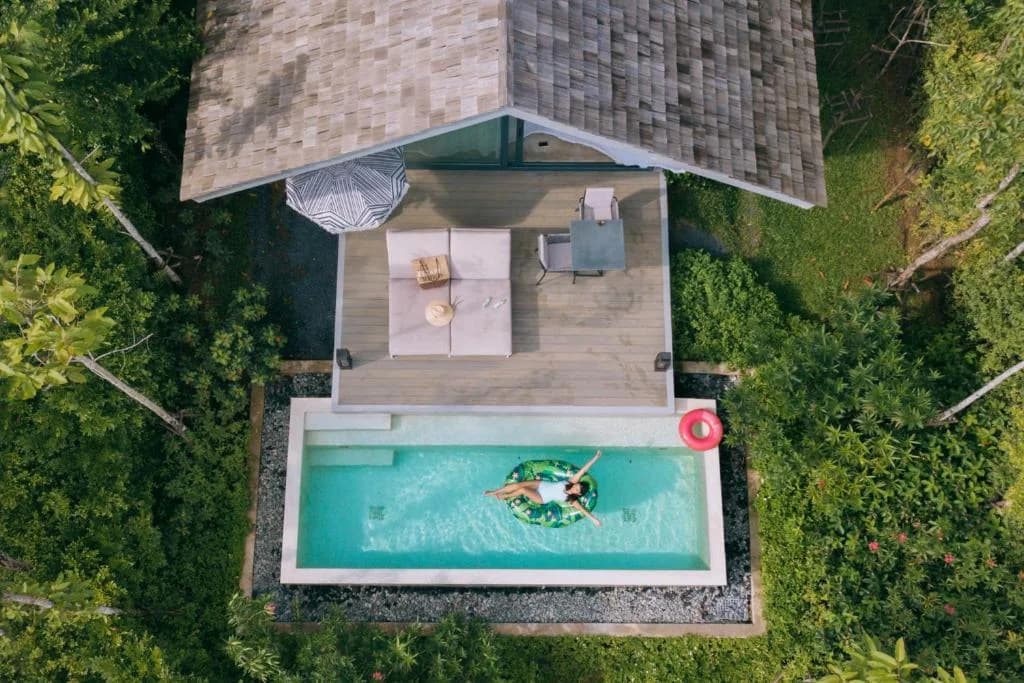
The northern stretches of Phuket's west coast, particularly Surin Beach and the Bang Tao area, represent the island's most considered residential quarter. Properties here tend toward low-rise, estate-style architecture set within mature tropical landscaping. The beach at Surin is relatively narrow but well-maintained, with a local restaurant culture that has developed independently of mass tourism. Luxury hotel suites in this corridor frequently feature private garden access or direct pool connectivity, and the overall density of development remains lower than areas further south. For travelers who prioritize spatial privacy and architectural coherence, this northern band warrants serious consideration.
Kamala and Patong: contrast and energy
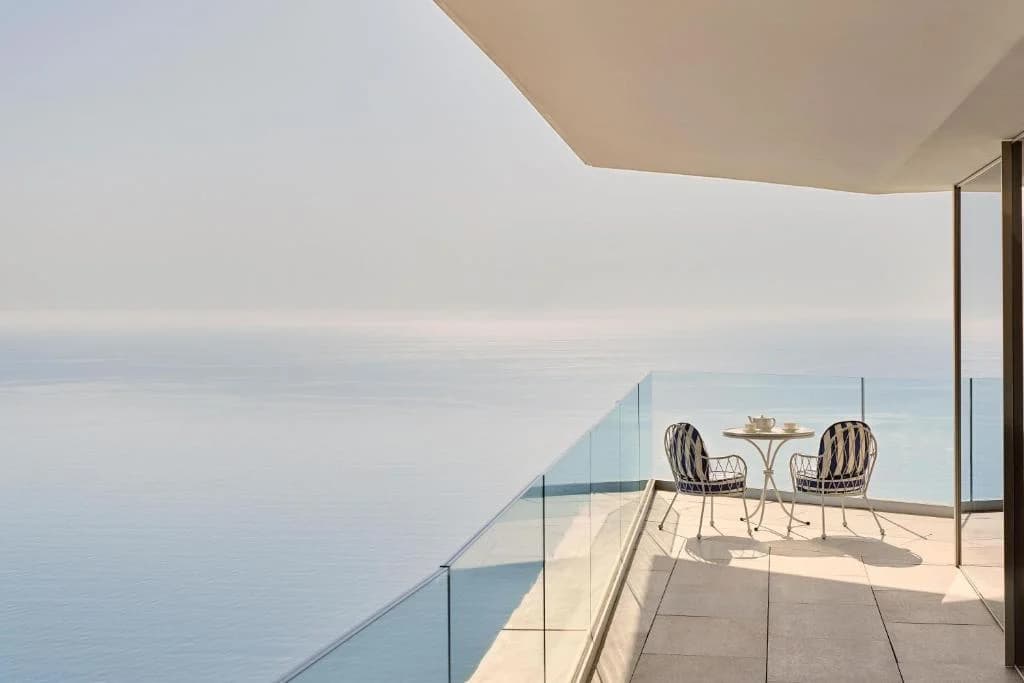
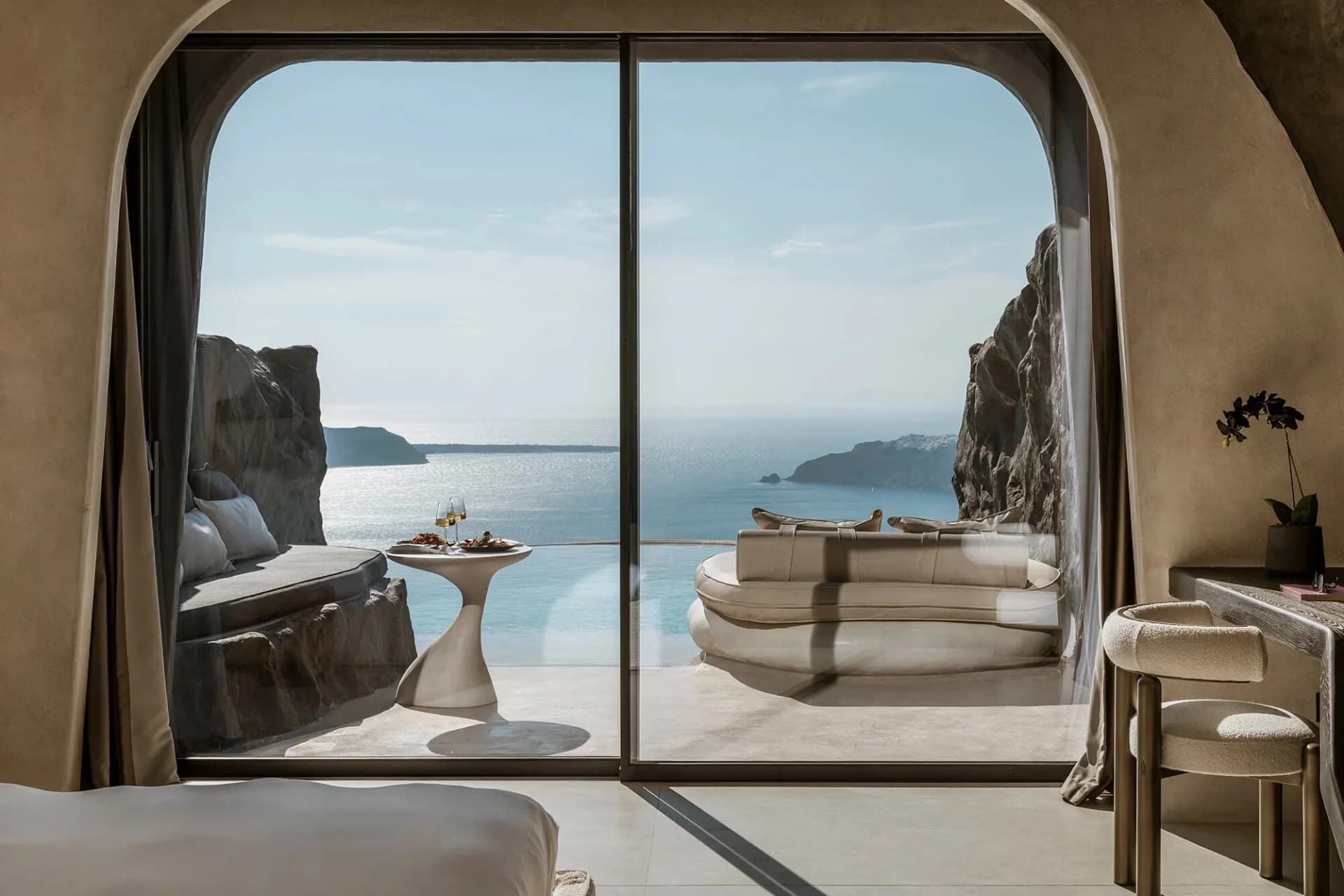
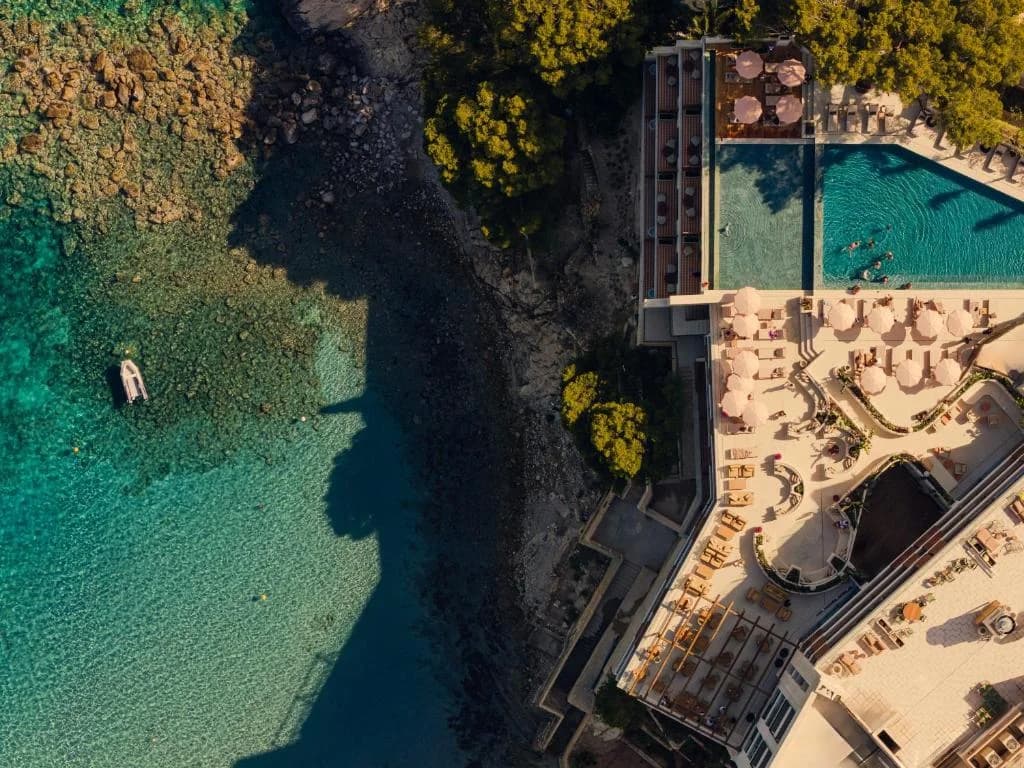
Kamala sits between Surin and Patong and has attracted a number of high-specification developments over the past decade, including cliff-edge properties with commanding Andaman views. The suite product here tends toward the dramatic: infinity-edge pools cantilevered above the sea, open-plan living areas oriented entirely toward the water. Patong, immediately to the south, operates on a different register entirely. It is Phuket's most commercially active zone, with a correspondingly dense hospitality offering. Luxury suites exist here within full-service urban resort formats, suited to travelers who want proximity to the island's commercial infrastructure while maintaining a private residential standard within their accommodation.
Cape Yamu and the east coast: the quieter register
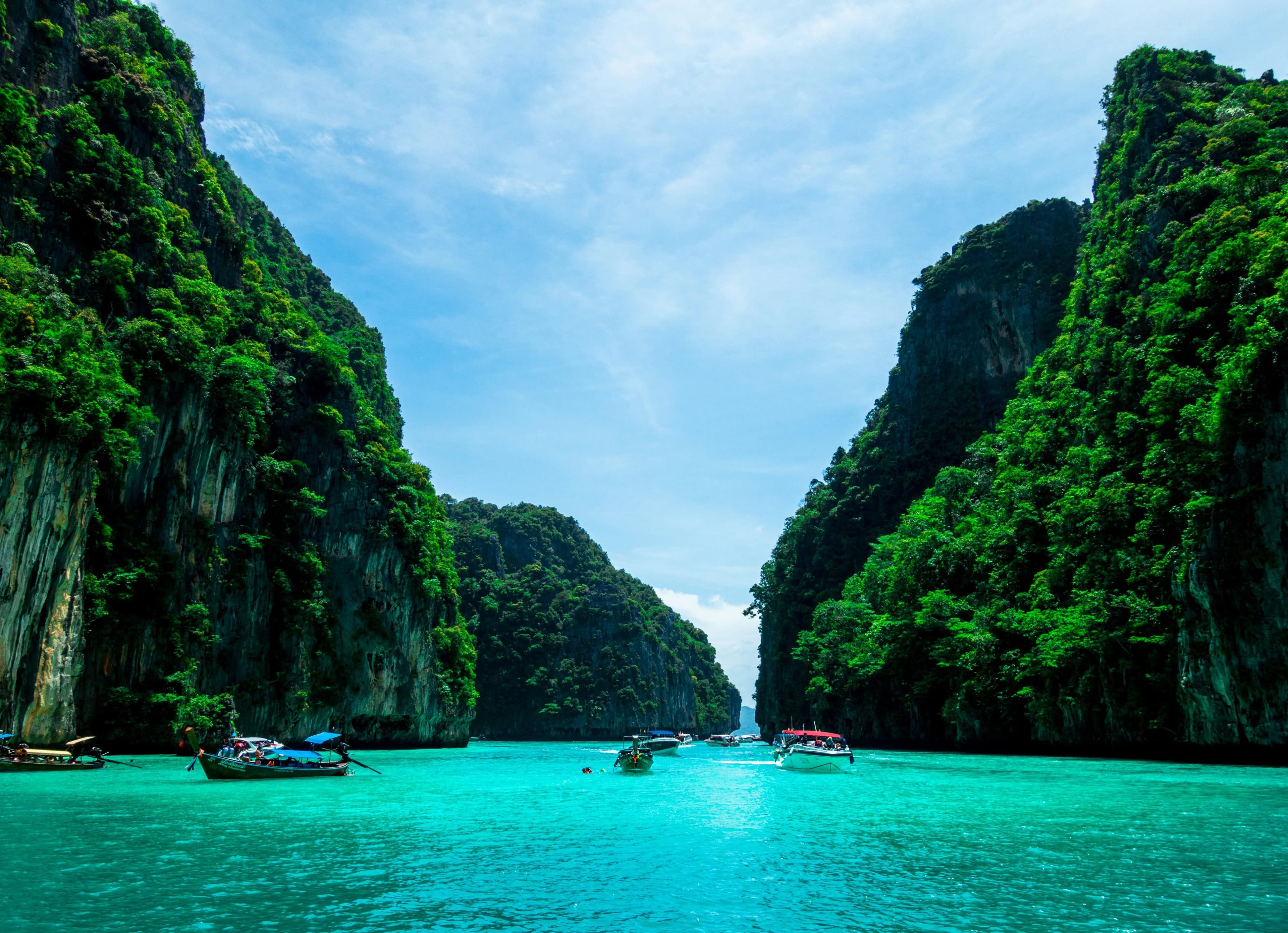
The east coast of Phuket, facing Phang Nga Bay rather than the open Andaman, receives considerably less tourist traffic. Cape Yamu in particular has become a discreet enclave for travelers seeking genuine seclusion. The bay views here are composed rather than expansive, the limestone islands of Phang Nga providing a layered visual landscape that differs entirely from the west coast horizon. Luxury hotel suites on this coast tend to attract guests for extended stays, and the pace of daily life is calibrated accordingly.
When to visit Phuket for a suite stay
Phuket's climate follows a clear binary. The dry season runs from approximately November through April, when the Andaman Sea is calm, the skies are consistent, and suite availability at the island's best properties tightens considerably. December through February represents peak demand, and securing preferred suites during this window requires advance planning of several months at minimum.
The wet season, from May through October, brings the southwest monsoon and intermittent heavy rainfall. Many travelers dismiss this period categorically, but it warrants reconsideration. The landscape deepens in colour, the island's agricultural interior becomes lush, and suite rates at premium properties often reflect the reduced demand. For travelers whose primary interest is private space, a curated pool villa suite, and direct access to a property's facilities rather than the beach itself, the shoulder months of May and October offer a compelling proposition. The Vegetarian Festival in October, one of the island's most culturally specific events, coincides with this period and adds an unexpected dimension to a stay.
Local luxury standards: what defines a top-tier suite in Phuket
Thailand does not operate a formal national designation equivalent to the French Palace classification, but the market has self-organized around a recognizable hierarchy. At the apex sit properties operating under international luxury brands as well as a number of independent Thai-owned resorts that have built international reputations over decades. The suite product across these tiers shares certain consistent characteristics.
The Thai concept of hospitality, rooted in the cultural value of gracious service without servility, translates in practice to a particular attentiveness that is neither intrusive nor performative. In the finest properties, suite guests encounter a rhythm of service that feels calibrated to their schedule rather than the property's operational convenience. Private butler assignment is standard at this level, as is suite-specific concierge access.
Architecturally, the best luxury suites in Phuket draw from both Thai vernacular forms and contemporary tropical design. Sala-style covered terraces, open-air bathrooms oriented toward garden or sea, and the integration of water features as spatial elements are recurring motifs. The use of local materials, including Thai silk, hand-carved timber, and regional stone, distinguishes the most considered properties from those that have defaulted to generic international luxury formats.
How to choose the right luxury suite in Phuket
Several considerations specific to Phuket's geography and hospitality landscape should inform suite selection.
First, the distinction between a pool villa and a suite within the main building carries significant practical weight on this island. Standalone pool villas offer the highest degree of privacy and are architecturally self-contained. They function effectively as private residences within the property's operational envelope. Suites within main buildings typically offer superior views, particularly on cliff-edge or elevated sites, and more immediate access to the property's restaurant and amenity infrastructure.
Second, orientation matters materially. West-facing suites and villas on Phuket's main coast receive the full Andaman sunset, which has become one of the island's most consistent experiential offerings. East-facing rooms on the same properties may offer quieter settings but a different daily light quality.
Third, consider the property's relationship to the beach. Beachfront access in Phuket varies considerably. Some properties have direct, private beach frontage. Others are set on hillsides above the coast, connected by a funicular or pathway. Neither configuration is inherently superior, but the implications for daily movement and spontaneous access to the water differ, and travelers should select accordingly based on their intended use patterns.
Finally, the transfer from Phuket International Airport to the island's southern and western zones can take between 45 minutes and over an hour depending on traffic. Properties in the northern districts of Bang Tao and Surin sit closer to the airport, a practical consideration for short-stay travelers.
The value of curation: why La Suite for Phuket
Phuket's hospitality market is large, heterogeneous, and in continuous development. New properties open regularly, and the quality differential between categories is substantial. A traveler navigating the island's suite offering without editorial reference encounters a volume of options that does not resolve easily into a clear hierarchy.
La Suite applies a consistent curatorial standard to this market, assessing suite-level product specifically rather than evaluating properties in aggregate. The result is a selection that reflects the actual experience of living in a suite at each property: the spatial quality, the service consistency, the view, and the material standard. For a destination as complex and commercially dense as Phuket, that curatorial precision is not incidental. It is the condition under which a considered choice becomes possible.