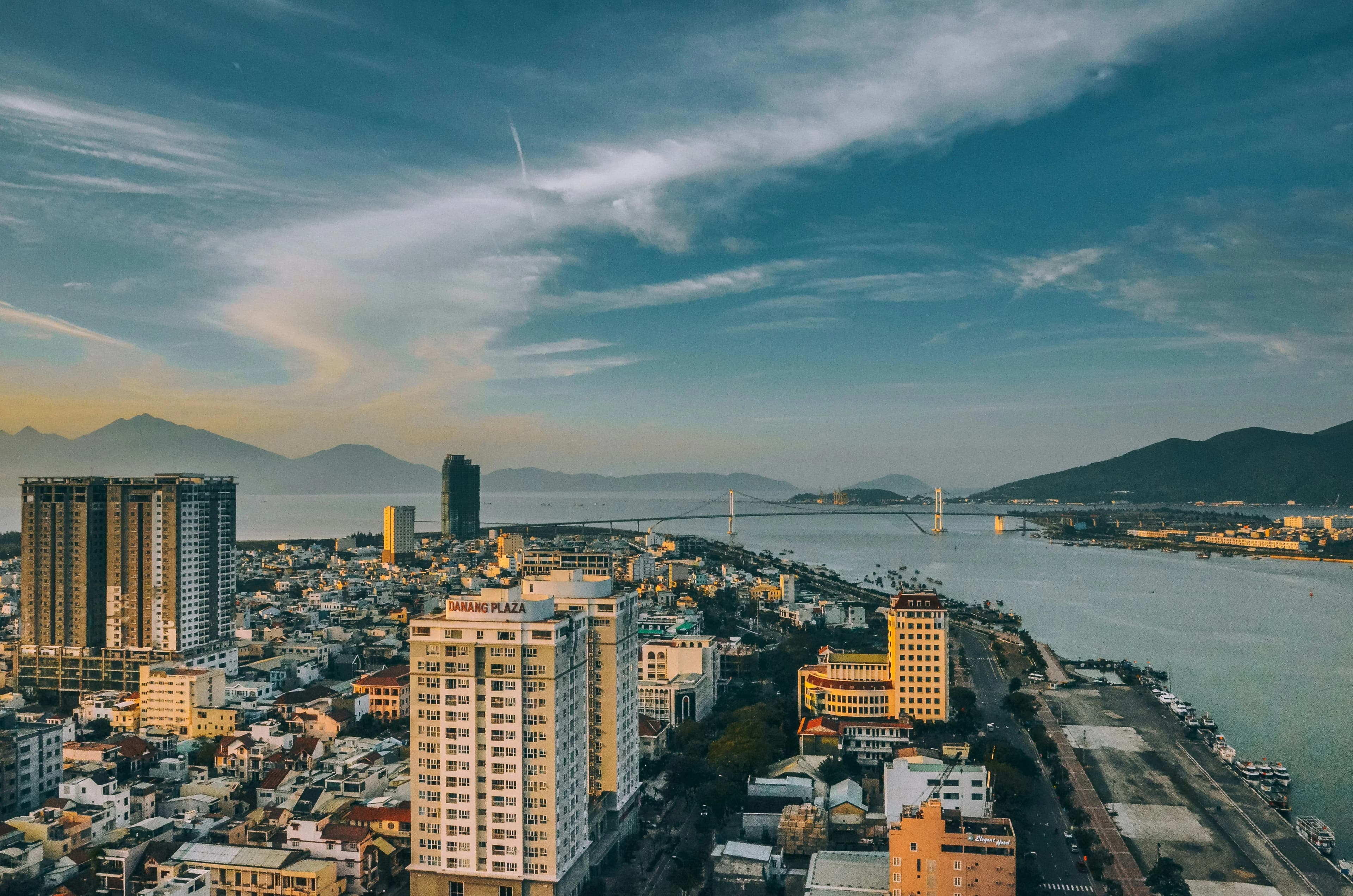
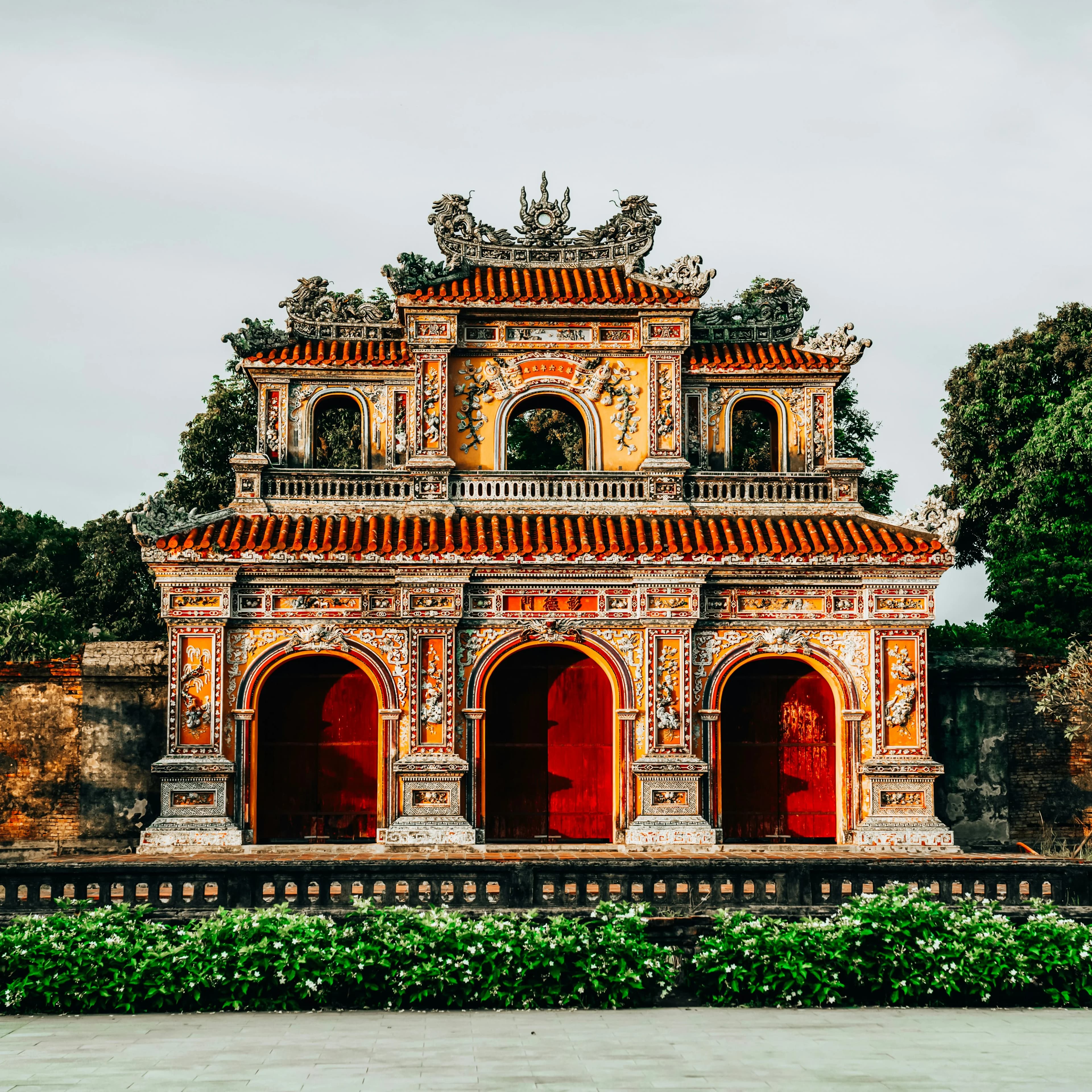
Understanding Da Nang as a luxury suite destination
Within the broader context of Vietnam, Da Nang occupies a specific register: less historical density than Hanoi, less commercial energy than Ho Chi Minh City, but a coastal clarity that both cities lack. For suite travelers, this means properties where the architectural relationship between interior space and outdoor environment is a primary design consideration. Floor-to-ceiling glazing, private terraces with sea or mountain orientation, and plunge pools integrated into suite layouts are common at the upper tier of the market.
Key areas for luxury hotel suites in Da Nang
My Khe beach corridor
The primary concentration of high-specification resort properties runs along My Khe beach, a coastline of approximately 30 kilometres that the American military once used for recreation. Today, it accommodates a series of large luxury hotels whose suite inventories are built around sea-facing orientation. Properties here tend toward contemporary international architecture, with suites positioned to maximise the East Sea aspect. Access to the city centre is straightforward, making this corridor viable both for pure beach retreats and for travelers who intend to explore Da Nang's urban fabric.
Non Nuoc and the Marble Mountains zone
Further south, the Non Nuoc area introduces a different spatial logic. The Marble Mountains, five limestone and marble hills with active temples and cave systems, provide a visual and cultural counterpoint to the beach-facing properties nearby. Luxury hotel suites in this zone often incorporate the mountain silhouette into their orientation, creating a layered visual field that distinguishes them from the more uniform sea-view offerings to the north. This area also serves as the closest high-end base for day visits to Hoi An, roughly 30 kilometres south.
Son Tra Peninsula
The Son Tra Peninsula, a forested headland northeast of the city, hosts a more contained selection of properties at altitude, offering elevated sea views across Da Nang Bay and toward the Hai Van Pass. Suite travel here prioritises isolation and panoramic aspect over beach proximity. The peninsula is also home to the Linh Ung Pagoda and a population of red-shanked douc langurs, a detail that speaks to the environmental specificity of this zone.
When to stay in Da Nang: seasonal logic for suite travelers
Da Nang follows a tropical monsoon pattern with a dry season running roughly from February through August, peaking in the summer months of June, July, and August when temperatures reach 35 to 38 degrees Celsius and beach conditions are optimal. This period also represents peak demand for suite inventory, particularly in July and August when domestic Vietnamese tourism is at its highest volume. Advance reservation is advisable for preferred suite categories during this window.
The shoulder season from March through May offers more moderate temperatures in the 25 to 30 degree range, reduced crowds, and stronger availability at properties across the market. This is generally the period in which suite conditions are most comfortable for extended stays. September through November marks the typhoon-influenced wet season, during which weather disruption is a real operational consideration. The Da Nang International Fireworks Festival, held annually in late April through June, draws significant visitor numbers and affects suite availability and pricing across the coastal corridor.
Local luxury standards: what to expect from top-tier suites in Da Nang
Vietnam does not operate a formal national palace classification equivalent to France's Palace designation, but the country's Ministry of Culture, Sports and Tourism administers a five-star hotel classification system that applies across the market. At the upper end of this system, properties in Da Nang are predominantly international brand-managed, with suite products designed to international rather than locally-specific standards. This is worth understanding: unlike Kyoto's ryokan culture or Tuscany's agriturismo tradition, Da Nang's luxury hospitality is largely a product of the post-2000 development cycle, oriented toward global brand expectations.
What distinguishes the best luxury hotel suites in Da Nang is primarily spatial generosity and environmental integration. Suites at leading properties typically range from 80 to over 400 square metres, with private pool configurations available at the upper tier. Butler service, dedicated check-in, and direct beach access are standard expectations at five-star suite level. For travelers exploring Asia more broadly, Da Nang fits within a coastal resort typology that differs from urban suite destinations like Singapore or Tokyo, but shares the commitment to technical service delivery that characterises the regional luxury standard.
How to choose the right luxury suite in Da Nang
Orientation as a primary decision
The most consequential choice in Da Nang suite selection is orientation. Sea-facing suites along My Khe deliver a direct coastal experience with sunrise light and ocean sound as constant environmental factors. Elevated suites on Son Tra trade beach access for panoramic breadth. Suites near the Marble Mountains offer a cultural visual context that pure beach properties cannot replicate. Establishing which of these spatial conditions matters most to a particular trip will significantly narrow the selection process.
Scale and layout considerations
Da Nang's leading properties tend to offer suites in a resort format, meaning that indoor-outdoor flow and pool access are often more relevant considerations than urban suite attributes like skyline views or walking distance to restaurants. Suite layouts here frequently incorporate large private terraces or pavilion structures. Travelers accustomed to urban luxury hotel suites in New York or London should calibrate expectations accordingly: the typology is different, and the spatial logic rewards a different kind of use.
Proximity to Hoi An
Many travelers position Da Nang as a paired destination with Hoi An, the UNESCO-listed historic town 30 kilometres to the south. Choosing a suite in the southern Non Nuoc zone versus the My Khe corridor has meaningful implications for the ease of that day-trip dynamic. For itineraries in which Hoi An visits are planned multiple times, southern positioning reduces travel friction considerably.
Why curated selection matters in Da Nang
The Da Nang luxury hotel market has expanded rapidly since 2010, and the volume of properties marketing themselves at the five-star level is substantial. Not all suite products within this category deliver equivalent design quality, service depth, or spatial integrity. The gap between a nominally five-star suite and a genuinely considered luxury suite experience is material in this market.
La Suite's curated selection of luxury suites in Da Nang is built on direct assessment criteria: architectural quality, suite-specific service protocols, spatial generosity, and the coherence of the guest experience from arrival to departure. For travelers who approach suite selection as a design and experience decision rather than a category purchase, this curation removes the considerable noise present in a market where self-reported star ratings are unreliable proxies for actual quality. The Vietnam selection on La Suite reflects properties that meet a consistent standard across these criteria, in Da Nang and across the country.