Hilton Hotel Tahiti, Tahiti
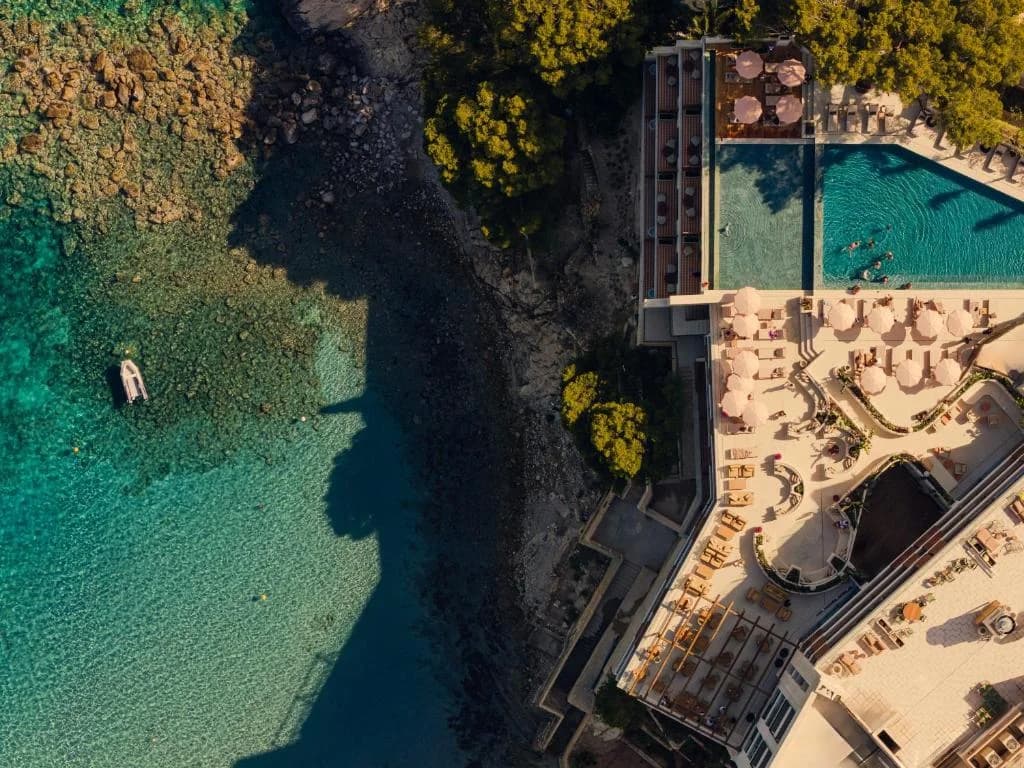
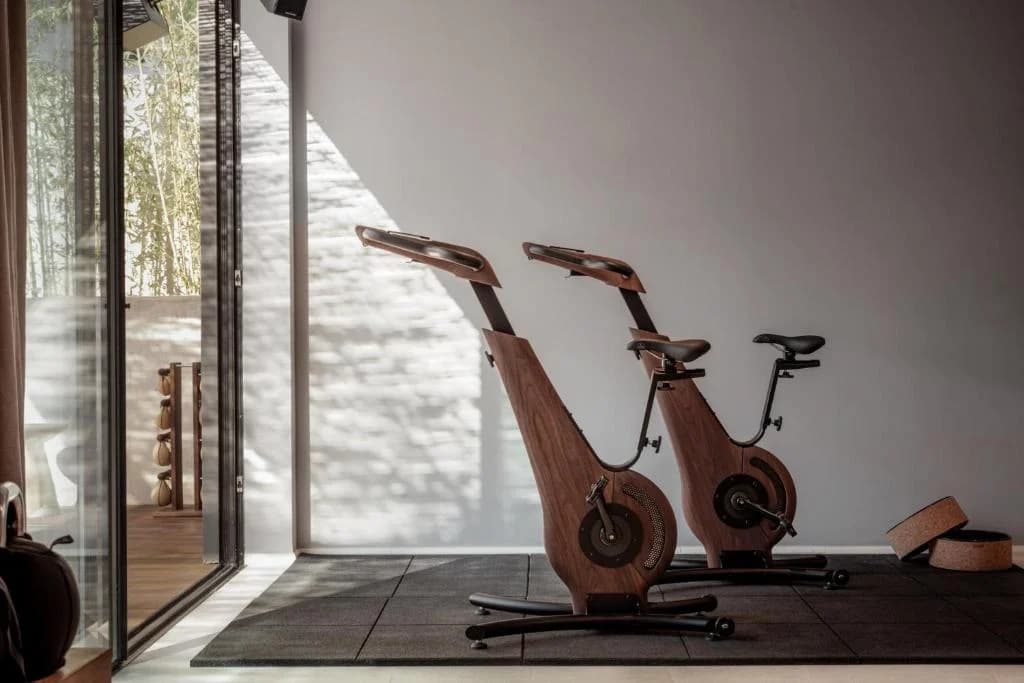
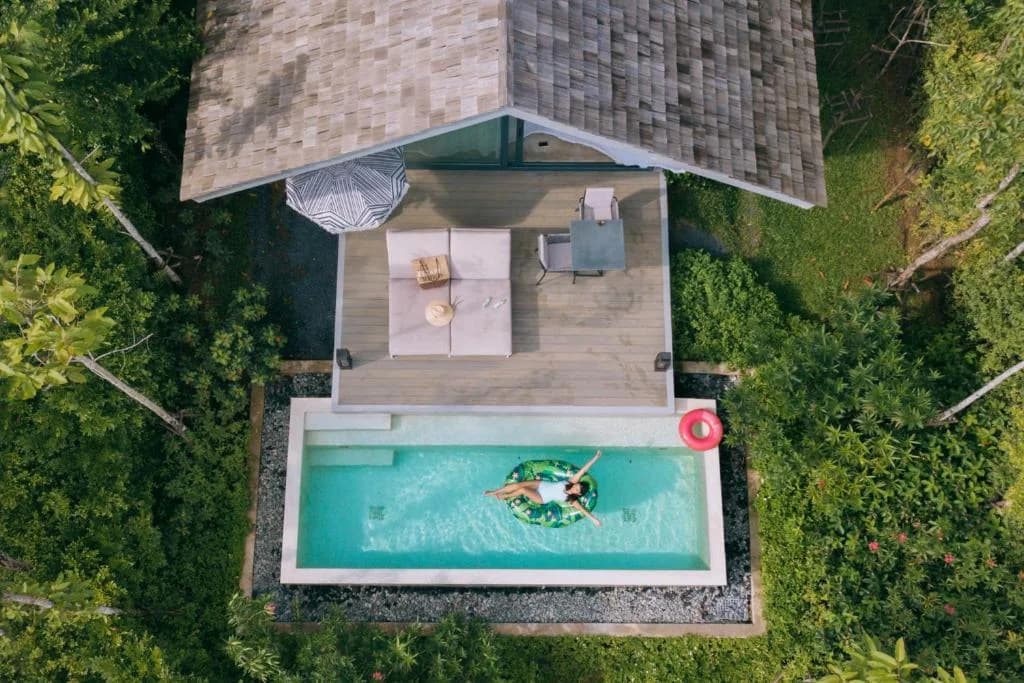
Located in Papeete, a 15-minute walk from Plage Hokule'a, Hilton Hotel Tahiti has accommodations with an outdoor swimming pool, private parking, a fitness center and a garden. This 4-star resort offer

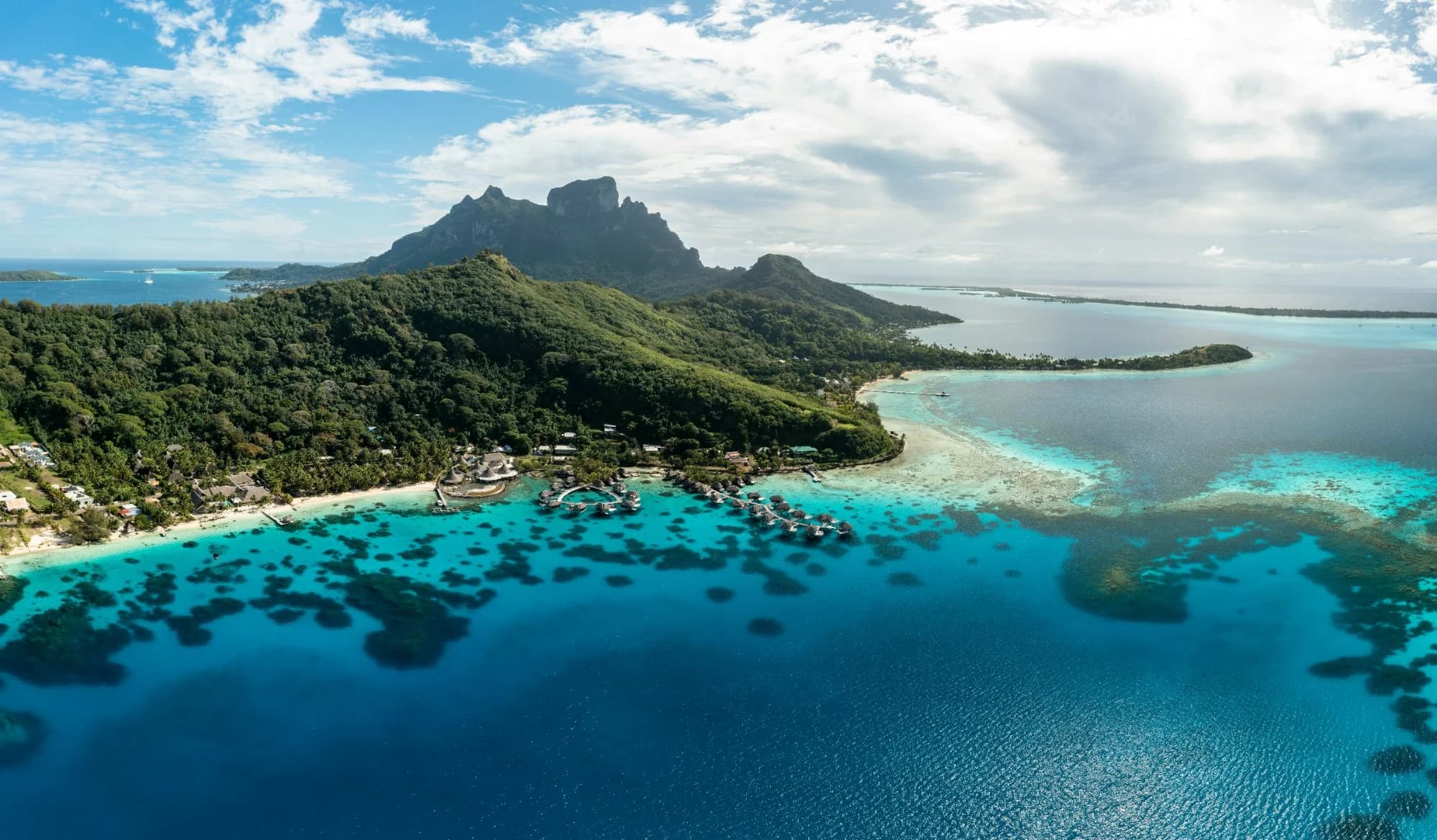
Tahiti occupies a singular position in the geography of high-end travel. It is simultaneously the gateway to French Polynesia and a destination of genuine depth in its own right. Most international flights from Los Angeles, Paris, and Tokyo land at Faa'a International Airport on Tahiti's northwest coast, making the island the natural entry point into the archipelago. Yet Tahiti is often bypassed too quickly by travelers rushing toward the atolls of Bora Bora or the coral gardens of Rangiroa. This is an error of itinerary planning that a considered stay, anchored in a well-chosen luxury suite, corrects immediately.
2 hotels available

Located in Papeete, a 15-minute walk from Plage Hokule'a, Hilton Hotel Tahiti has accommodations with an outdoor swimming pool, private parking, a fitness center and a garden. This 4-star resort offer

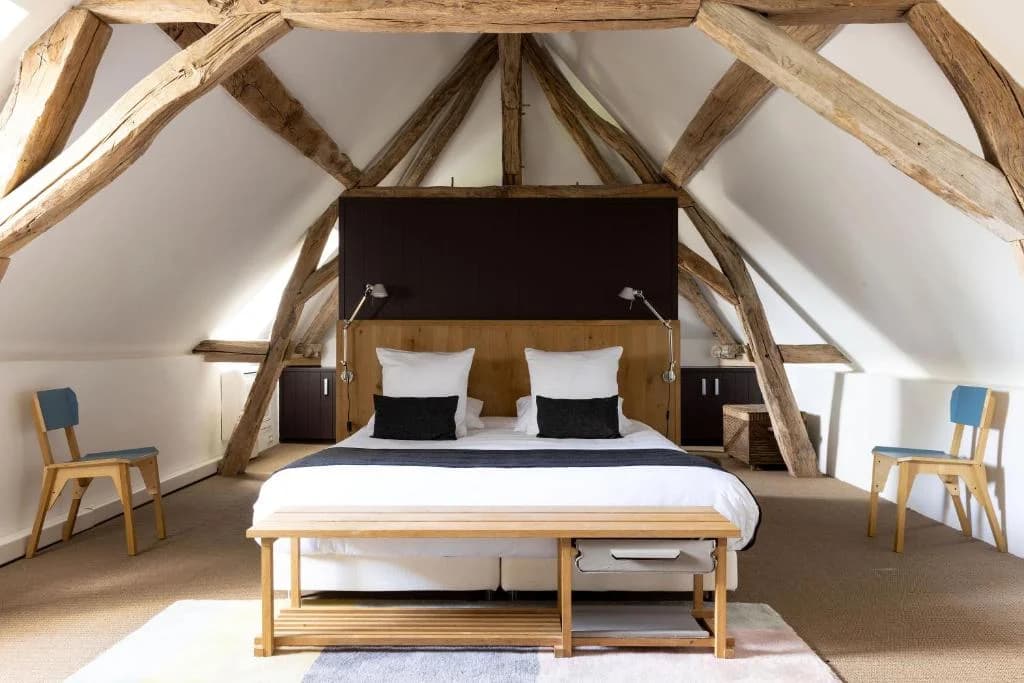
Featuring 2-star accommodations, Hotel Reva TAHITI is located in Papeete, a 14-minute walk from Plage Hokule'a and 0.9 miles from Paofai Gardens. The property is around 7 miles from Point Venus, 9.4 m
The island divides cleanly into two landmasses: Tahiti Nui, the larger and more dramatic volcanic mass to the west, and Tahiti Iti, the smaller peninsula to the southeast connected by the Isthmus of Taravao. Each carries a different character, a different pace, and different expectations for the discerning traveler.
Papeete is the capital and the island's primary urban zone. It is compact, walkable in parts, and marked by a working port where inter-island ferries, cargo ships, and the occasional cruise vessel share the waterfront. The Marché de Papeete, open from early morning, is one of the most direct encounters with Polynesian material culture available: woven hats, monoi oil pressed from gardenia-infused coconut oil, raw vanilla from the Leeward Islands. Hotels with luxury suites in this corridor offer proximity to cultural institutions, the cathedral, and the administrative core of French Polynesia, while maintaining a level of privacy and service that the area's more modest accommodations cannot match.
Moving south from Papeete along the west coast, the density thins and the mountains become more present. The districts of Punaauia and Papara are home to some of Tahiti's most architecturally considered properties. The Musée de Tahiti et des Iles, situated near the lagoon in Punaauia, contextualises Polynesian history across navigation, cosmology, and material culture. Properties in this corridor tend toward larger footprints, garden integration, and direct lagoon access, making them appropriate for travelers who want separation from the capital's pace without sacrificing connection to it.
The Taravao plateau and the Tahiti Iti peninsula represent a different proposition entirely. The landscape here is more austere, the population sparser, and the sense of geographic remoteness is tangible despite being reachable within an hour from Papeete. Tahiti Iti has very limited hotel infrastructure, which is part of its appeal. A luxury suite in this area implies genuine seclusion, proximity to surf breaks of international calibre such as Teahupo'o, and a relationship with nature that is unmediated by resort amenity saturation.
French Polynesia operates on two broad seasonal rhythms. The dry season runs from May through October, bringing lower humidity, consistent trade winds, and temperatures that sit comfortably between 23 and 28 degrees Celsius. This is the period of highest demand for luxury hotel suites in Tahiti, and availability in the island's best properties contracts accordingly. Advance planning of three to six months is standard for the high season.
The wet season, from November through April, brings heavier rainfall and higher humidity, but also lower tariffs, less competition for suite inventory, and a different quality of light that photographers and design-conscious travelers often prefer. July is the month of Heiva, the annual Polynesian cultural festival concentrated in Papeete, featuring traditional dance competitions, outrigger canoe racing, and artisan markets. For culturally motivated travelers, timing a visit around Heiva adds a layer of context that purely resort-focused itineraries miss. Since 2024, Teahupo'o has also entered the international sports calendar as the site of Olympic surfing, placing Tahiti Iti specifically on the radar of sports-luxury travelers.
French Polynesia does not operate on the same classification system as metropolitan France. The French

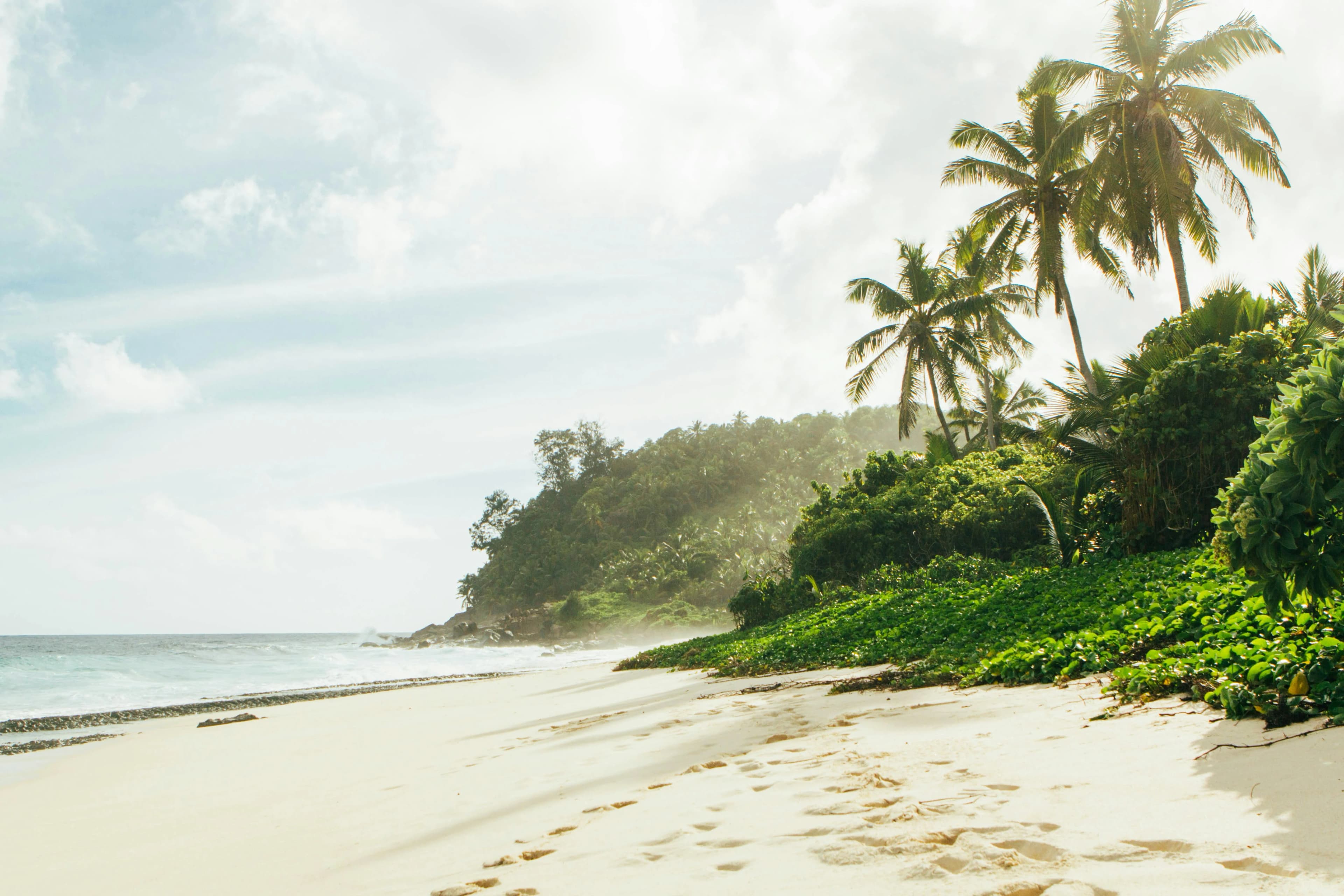
Tahiti combines French administrative standards with deep Polynesian cultural identity, producing a hotel category that blends architectural precision with indigenous material culture. Suites here often incorporate local craftsmanship, monoi-based amenity programmes, and garden or lagoon orientations that reflect the island's specific geography rather than a generic tropical template.
For the dry season between May and October, reservations at the island's most sought-after properties are typically made three to six months in advance. July, during the Heiva festival, and the period around major surfing events at Teahupo'o require particular foresight, as suite inventory is limited and demand from both cultural and sports-oriented travelers is high.
Tahiti offers a density of cultural, historical, and geographic experience that Bora Bora, as a smaller atoll resort destination, does not. Travelers who engage with Tahiti properly, spending two to four nights in a well-chosen luxury suite, arrive at the outer islands with significantly more context and a more composed itinerary.
The west coast corridor from Punaauia toward Papara offers the most considered balance of privacy, lagoon proximity, and architectural quality among Tahiti's luxury properties. For maximum seclusion, the Taravao plateau and Tahiti Iti peninsula carry the island's most remote and exclusive accommodation options.
The Marché de Papeete, the Musée de Tahiti et des Iles in Punaauia, and the Heiva festival in July are the three most substantive cultural anchors for a considered stay. Properties on the west coast and in Papeete provide the most practical proximity to these experiences without requiring daily long transfers.
The dry season from May to October offers the most comfortable conditions, with temperatures between 23 and 28 degrees Celsius and consistent trade winds. The wet season from November to April brings periodic heavy rainfall but also lower suite rates, reduced competition, and a quality of light and landscape that appeals to design-literate and photography-oriented travelers.
Overwater accommodation exists in Tahiti, though the format is more extensively developed in the outer islands, particularly Bora Bora, Moorea, and Taha'a. In Tahiti, the luxury suite offering tends toward garden-facing, lagoon-adjacent, or elevated hillside configurations that reflect the island's more complex and mountainous topography.
Papeete's administrative and commercial role means that Tahiti supports a broader infrastructure than the outer atolls, including international airport access, a concentration of fine dining, and properties that cater to both leisure and business-adjacent travel. This translates into a luxury hotel suite offer that spans urban convenience and coastal retreat within a relatively compact geography.
Top-tier suites in Tahiti typically incorporate private plunge pools or direct lagoon access, monoi and Polynesian botanical amenity programmes, open-sided architecture that manages the transition between interior and exterior space, and access to outrigger canoe or private boat excursions. French culinary standards inform the food and beverage offer at the island's leading properties.
Tahiti's luxury hotel market is concentrated but nuanced, and the distinction between a suite that genuinely delivers spatial and experiential quality and one that markets itself as such is not always legible from standard booking platforms. La Suite applies editorial and spatial criteria to each property in its selection, allowing travelers to identify suites that match their specific priorities, whether those are cultural proximity, architectural character, or landscape immersion.