





Australia/Pacific
Hotels with Luxury Suites in Australia and the Pacific
The Australia and Pacific region is not a single destination but a constellation of distinct luxury geographies. Each zone carries a different sensory register, and the quality of a luxury suite experience shifts accordingly.
Our latest articles about Australia/Pacific

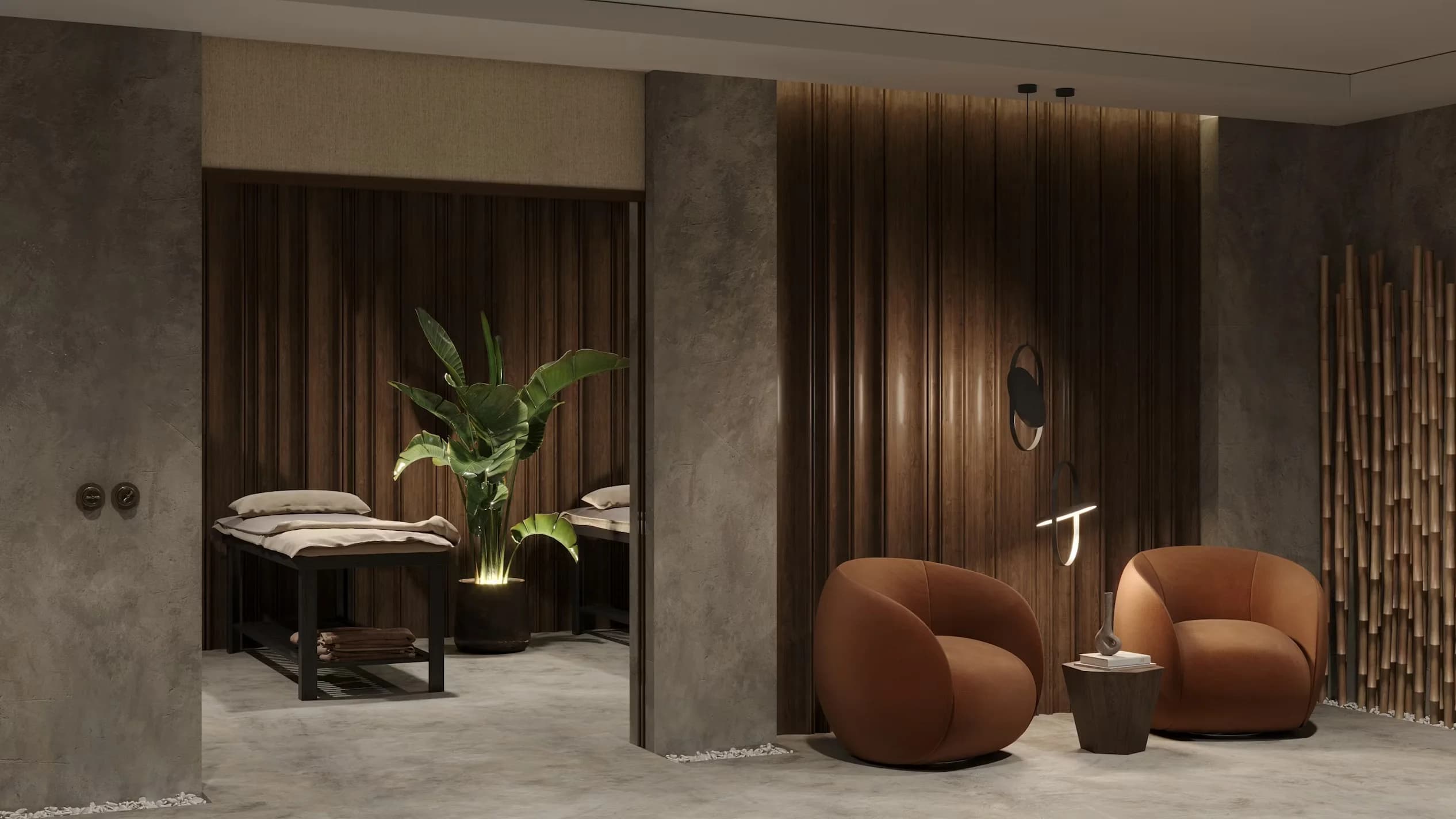
Australia / Cairns: Tropical Haven Facing the Great Barrier Reef
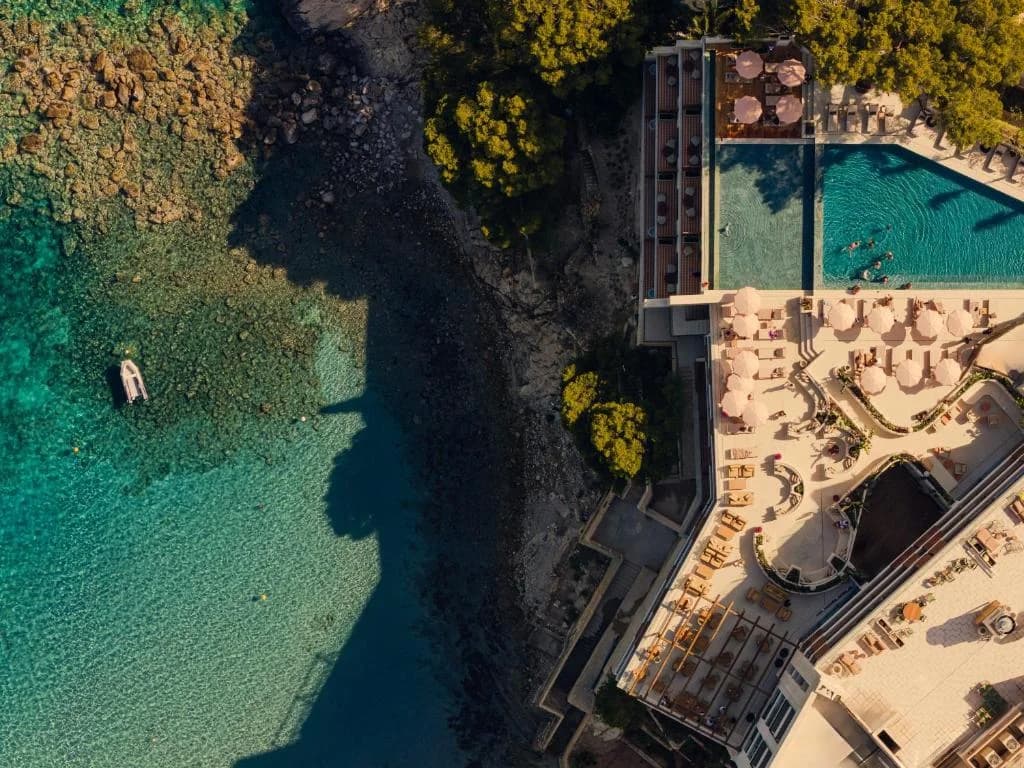
Cairns embodies the convergence of unparalleled natural heritage and contemporary architecture designed for immersion. Suites overlooking the marina, urban jungle or ocean transform the stay into a sensory experience where each material, each light dialogues with the reef.
BY Jules Peulet

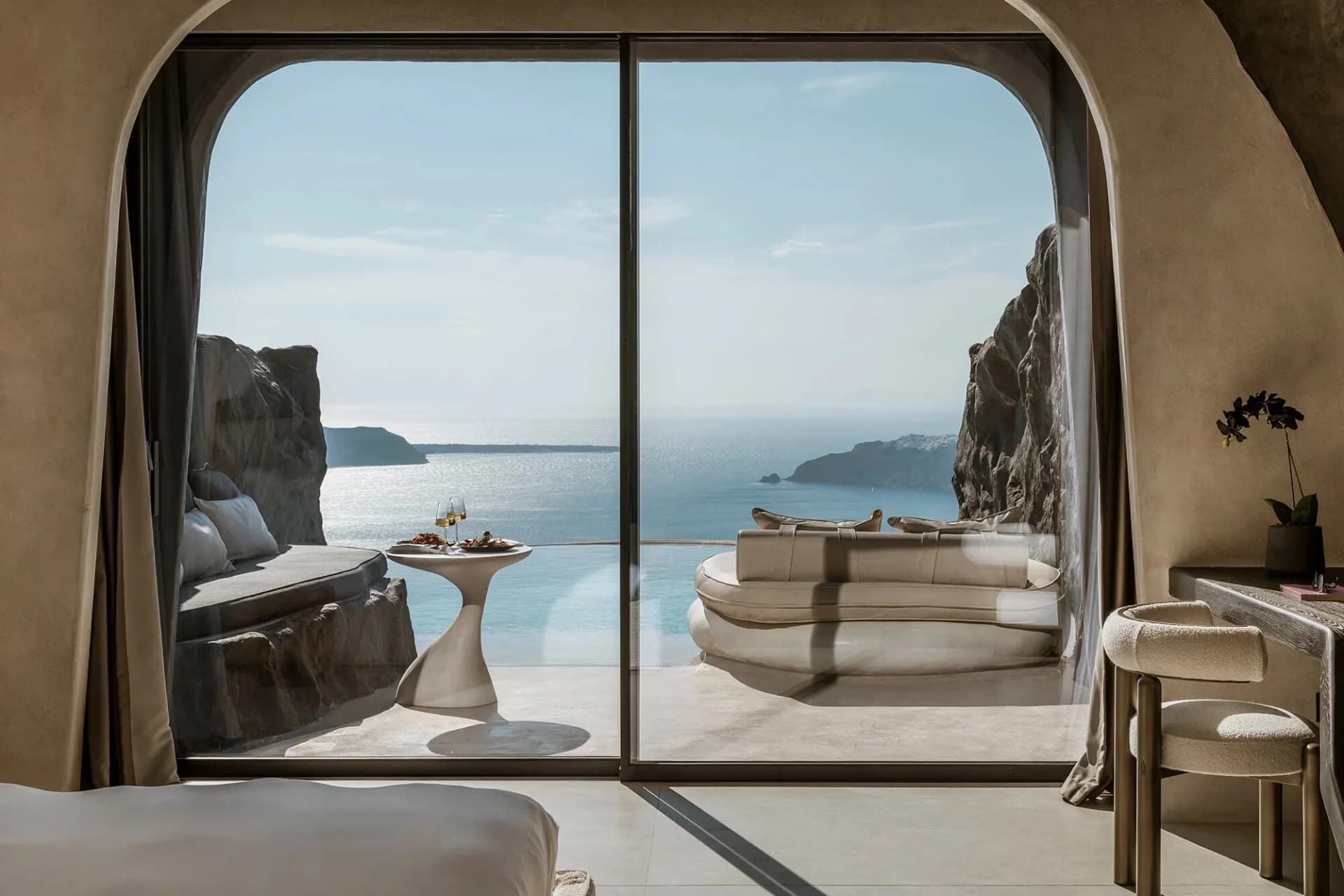
Perth and Broome, Mapping Coastal Luxury in the West
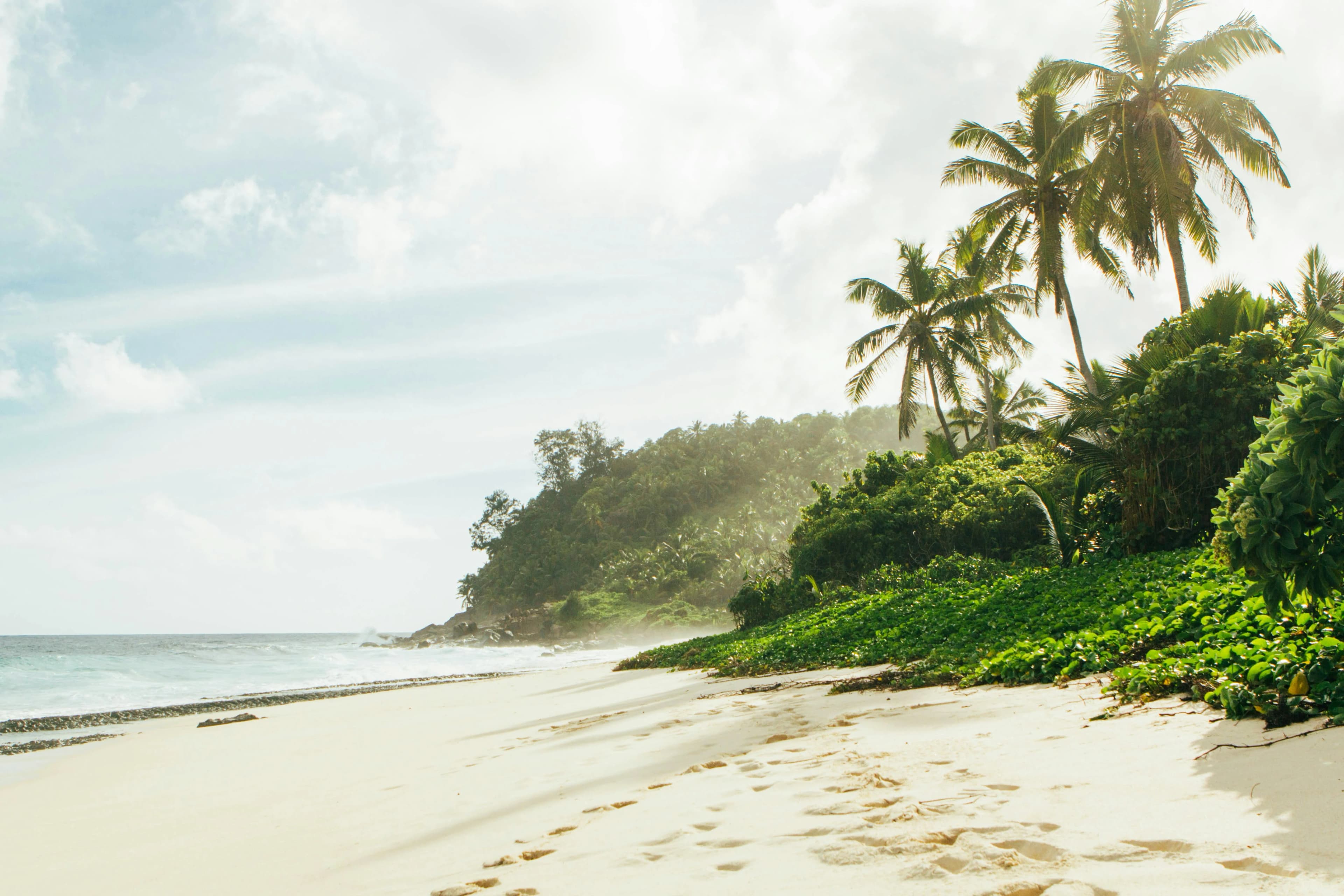
Australia's western coast remains a discreet territory for luxury hospitality. Between the mineral verticality of Perth and the colonial elegance of Broome, four exceptional addresses reveal how contemporary architecture dialogues with raw materials, the harsh desert light, and the infinite horizons of the Indian Ocean.
BY Jules Peulet

New Zealand / Design & Architecture: suites where architecture dialogues with landscape
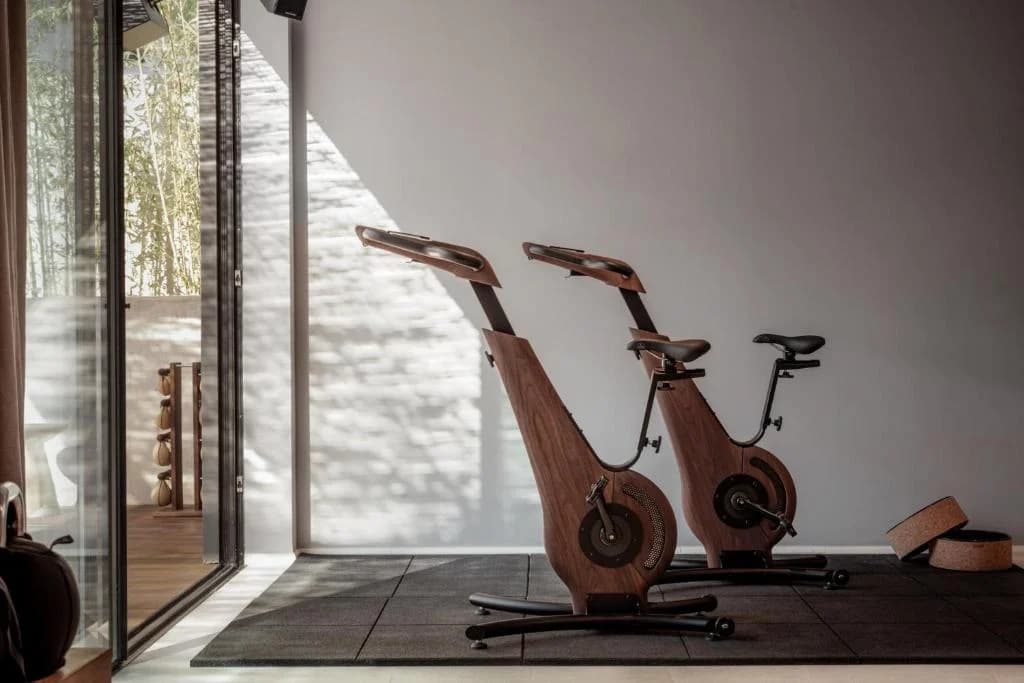
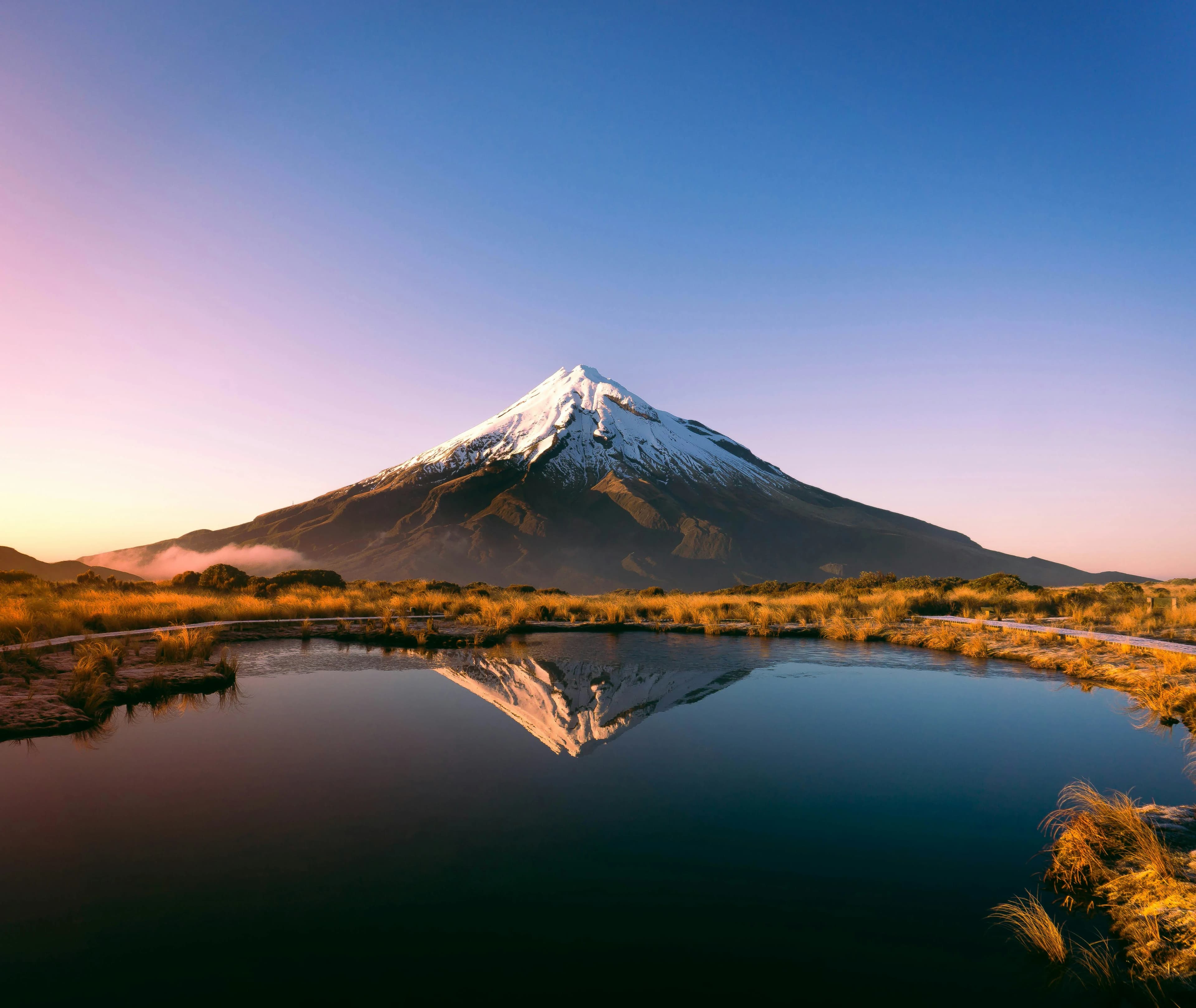
In New Zealand, hotel architecture reinvents itself through a radical vision: the suite becomes an instrument for observing the great southern landscape. From raw wood to mineral facades, discover how four exemplary establishments create a dialogue between interior space and the volcanoes, lakes and mountains of the South Island.
BY Jules Peulet
Where to stay in Australia and the Pacific for a suite experience
Australia: coastal refinement and outback solitude
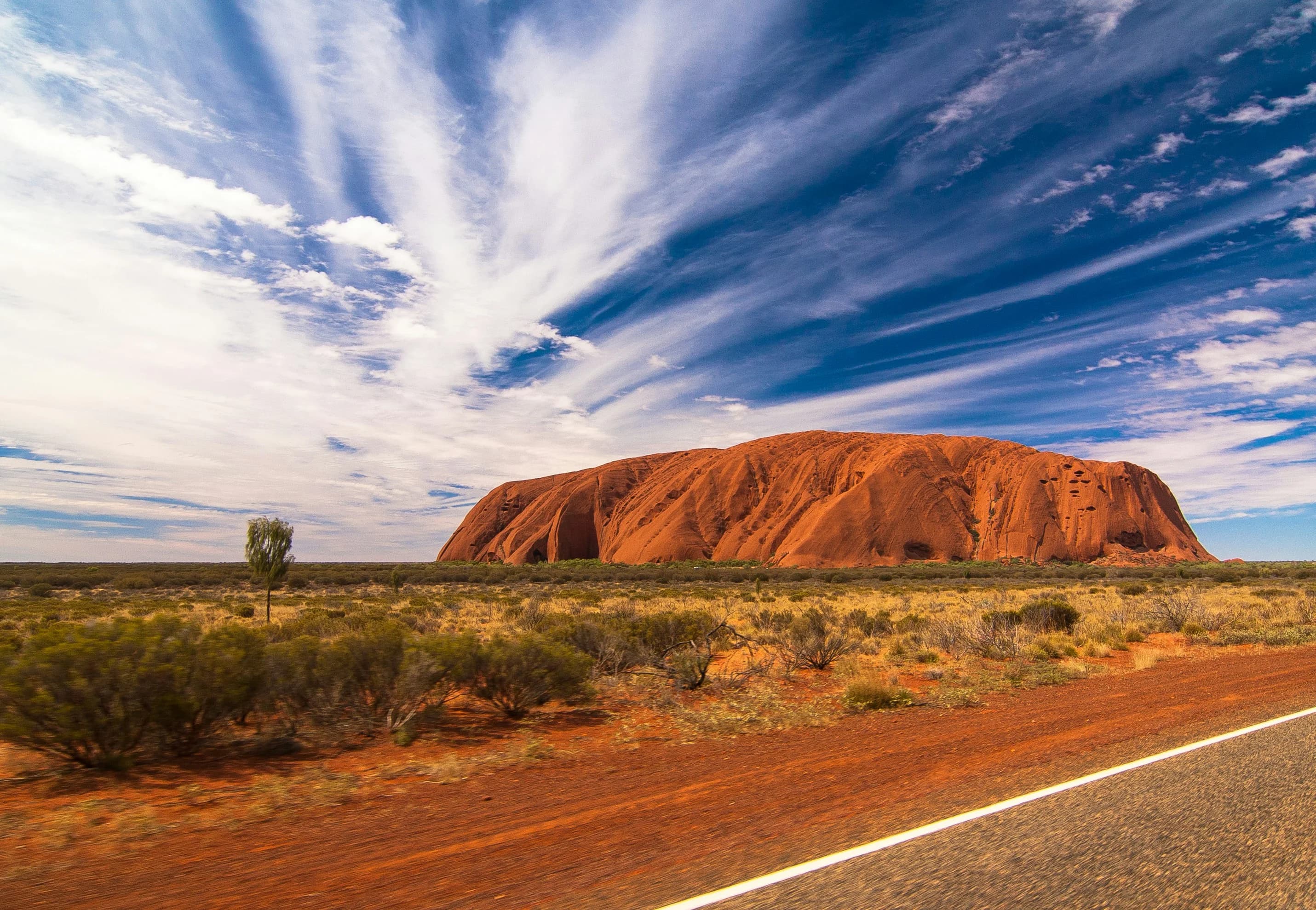
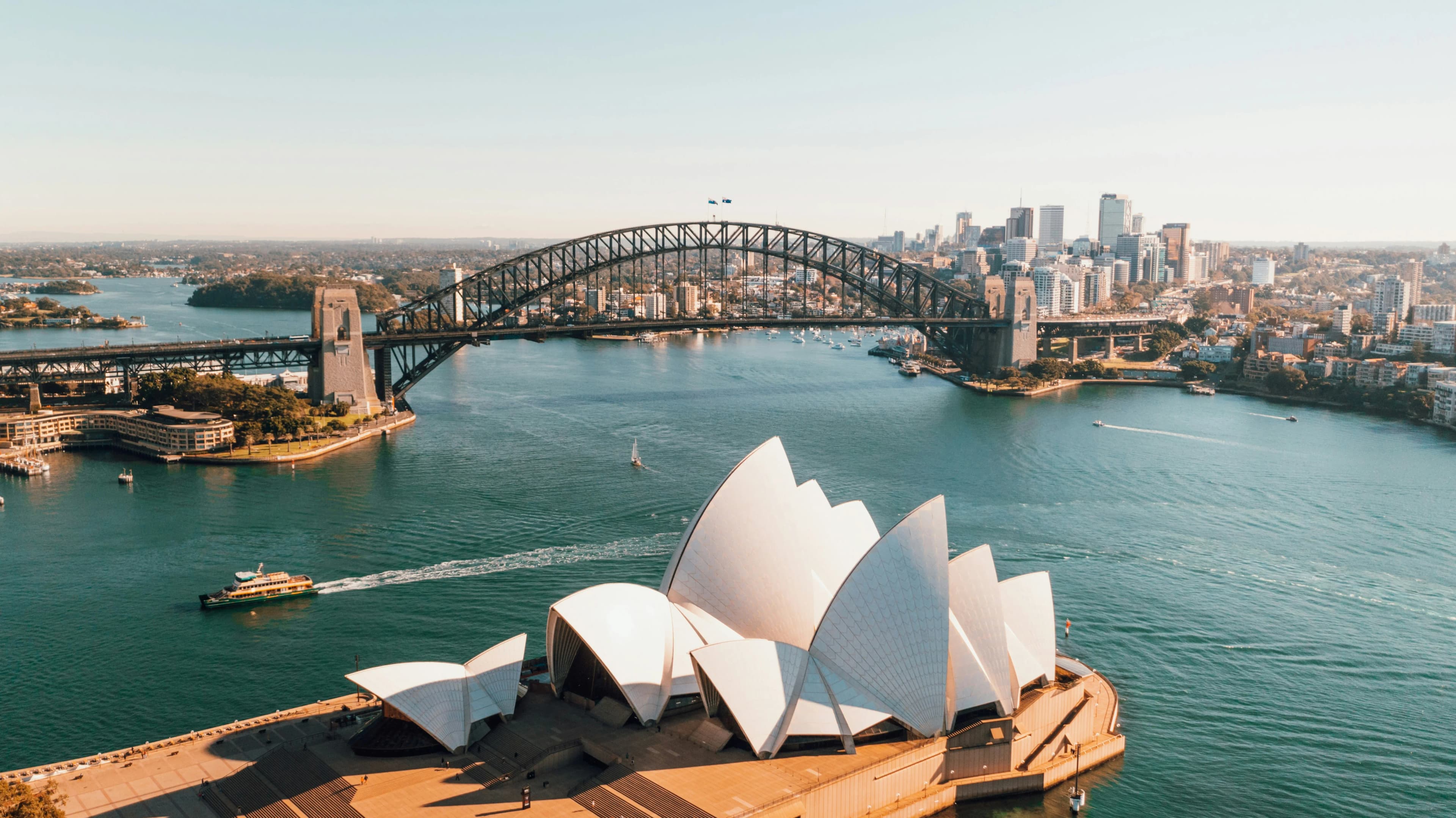
Australia's east coast corridor, from the Whitsundays south through New South Wales, concentrates much of the country's top-tier hotel infrastructure. Suites here are typically designed around water orientation: harbor views, reef proximity, or direct beach access. The architectural language leans contemporary, with strong use of timber, stone, and glass to frame rather than compete with the natural setting. In the Northern Territory, a different logic applies. Properties built near Uluru or Kakadu operate on seclusion and scale. The land itself becomes the primary amenity, and suite design responds with open-air bathing, indigenous art curation, and indoor-outdoor configurations built for low-light desert evenings. Western Australia, particularly the Kimberley coast and the Margaret River wine region, attracts a quieter category of traveler. Suites in this zone tend toward pastoral restraint, with a focus on private terraces, cellar-adjacent dining, and limited guest counts per property.
French Polynesia and the overwater suite archetype
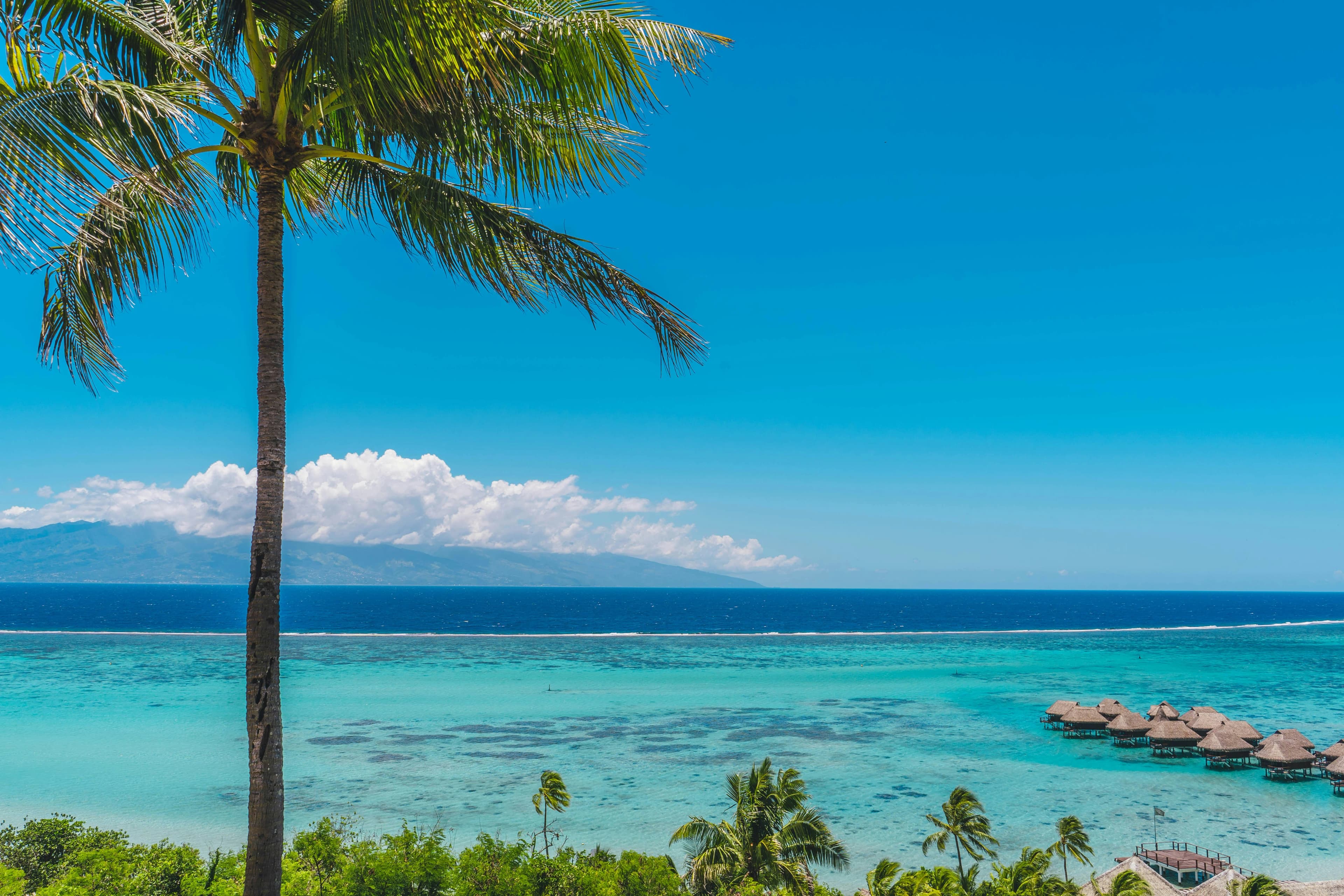
Bora Bora and Moorea in French Polynesia represent the most internationally recognized luxury suite format in the Pacific: the overwater bungalow. Pioneered here in the 1960s, this structure has become the reference point against which all subsequent over-water accommodations globally are measured. The finest examples feature direct lagoon access, glass floor panels, private sun decks, and sunset orientation as a standard design consideration. Tahiti itself, often treated as a transit hub, contains several serious luxury hotel options for travelers who want access to the main island's cultural and culinary offerings without leaving for the outer islands.
Fiji: private island logic
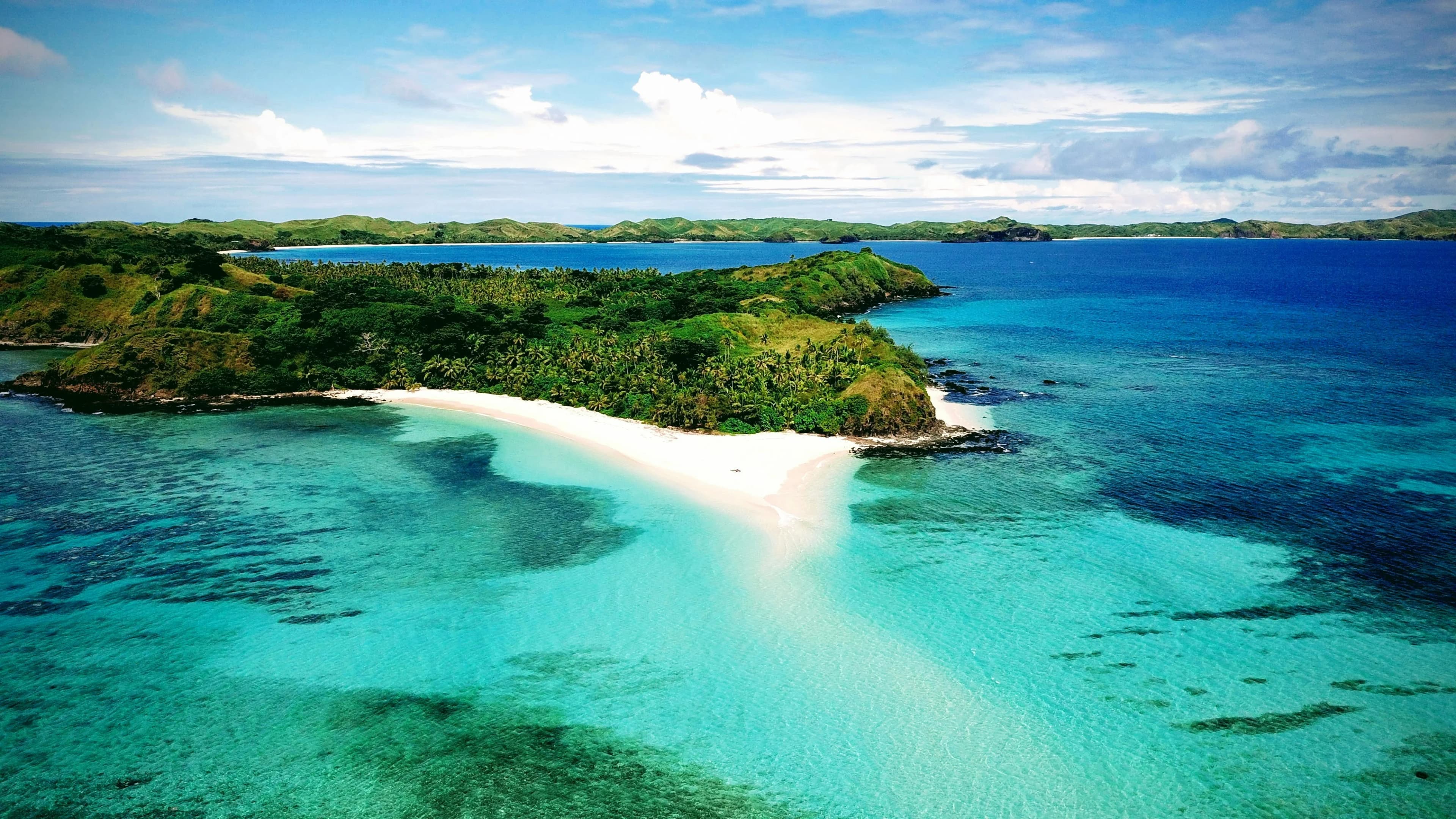
Fiji's premium suite market is organized primarily around private island resorts. Properties on islands such as Laucala, Turtle Island, or Wakaya operate on an all-inclusive or near-total-exclusivity model. Suite counts are deliberately low, often under twenty per property, and the design vocabulary draws from traditional Fijian bure architecture, adapted with contemporary materials and mechanical systems. The Yasawa and Mamanuca island groups offer a tiered range of options, from ultra-exclusive private island resorts to boutique properties with a smaller number of suites and a more accessible price structure.
New Zealand: landscape-led suite design
New Zealand's luxury hotel suite offer is built around topography. Properties in Queenstown or the Fiordland area are positioned for mountain and fjord views. The Hawke's Bay and Marlborough wine regions attract a more seasonally oriented luxury traveler. Lodge-style properties, which represent New Zealand's most distinctive contribution to the global luxury hotel conversation, typically offer a small number of suites or suite-equivalent rooms within a single large property, with a strong emphasis on guided land experiences and locally sourced food programs.
When to visit Australia and the Pacific for a luxury suite stay
Timing in this region is complex because the territories span multiple climate zones and hemispheres. Australia's seasons are inverted relative to Europe and North America. The austral summer, from December through February, is peak season for the southern states and the Great Barrier Reef, but this period coincides with cyclone risk in the far north. The shoulder months of April through June and September through November offer favorable conditions across the widest range of Australian destinations, with generally lower suite occupancy and more negotiable rates at top-tier properties.
French Polynesia operates best between May and October, the dry season, when winds are consistent and underwater visibility in the lagoons is at its clearest. This period also corresponds to peak demand, so suite availability at the most sought-after properties requires planning well in advance. Fiji mirrors this pattern, with the cooler dry season from May through October offering the most predictable conditions. New Zealand's summer, from December through March, draws the heaviest tourist traffic, while autumn, from March through May, is widely regarded by experienced travelers as the most atmospheric period, with cooler temperatures and autumn foliage at altitude.
Luxury standards and hotel classifications in Australia and the Pacific
Australia does not operate a formal national palace-equivalent designation comparable to France's Palace classification. The country uses a star-rating system administered by tourism bodies, but the upper end of the market is more reliably indicated by membership in international consortia such as Leading Hotels of the World, Relais and Chateaux, or Small Luxury Hotels of the World. Properties holding these affiliations in Australia have met independently verified standards for suite quality, service ratio, and physical plant.
In French Polynesia, the overwater bungalow category has its own internal hierarchy. Entry-level overwater rooms and premium overwater suites are substantively different products. The finest luxury hotel suites in this category are distinguished by total square meterage over water, the quality of the deck and plunge pool infrastructure, and the degree of visual privacy from neighboring structures. In Fiji, the private island resort model operates largely outside conventional classification. The relevant quality indicators are guest-to-staff ratios, the exclusivity of the island, and the degree to which the property controls the entire guest experience from arrival transfer onward.
How to choose the right luxury suite in Australia and the Pacific
The primary consideration when selecting a suite in this region is the relationship between the suite and its physical environment. Unlike European luxury hotel markets, where historical architecture, city adjacency, or cultural programming are primary drivers, the Australia and Pacific market is fundamentally landscape-led. The suite's orientation, its integration with the natural setting, and the activities accessible directly from the property matter more here than in almost any other global luxury market.
A second consideration is scale and social density. Some travelers prefer the infrastructure and service diversity of a larger luxury hotel. Others prioritize the low-guest-count, high-attention model of a private island or lodge property. Both models are well represented across the region, and the right choice depends on whether the traveler values comprehensive amenity access or near-total seclusion.
Practical factors specific to the region include transfer logistics. Many of the Pacific's finest properties require seaplane, helicopter, or boat transfer from the nearest commercial airport. Suite pricing at these properties often excludes transfer costs, which can be substantial. Travelers should also account for the considerable time zone differential when planning itineraries that combine multiple Pacific territories.
Why a curated selection by La Suite matters in this destination
The Australia and Pacific market contains a wide range of properties that present themselves as luxury, but the actual suite quality, landscape positioning, and service delivery vary considerably. The distance and cost involved in reaching this region makes a poorly chosen property significantly more consequential than in more accessible destinations.
La Suite applies consistent editorial criteria to every property in its selection. The focus is on suite-specific quality: the physical space, the view, the architectural intention, and the service architecture that surrounds it. In a region as geographically dispersed as Australia and the Pacific, where a single misjudgment in property selection can compromise an entire trip of two weeks or more, independent curation is not a convenience. It is the most efficient tool available to a traveler who values their time as precisely as their budget.
Frequently asked questions
What is the best time of year to book a luxury suite in Australia?
The shoulder seasons, April to June and September to November, offer the most favorable balance of weather, suite availability, and rate flexibility across the broadest range of Australian destinations. December to February is peak summer in the south but carries cyclone risk in the tropical north. Travelers targeting the Great Barrier Reef specifically should prioritize the cooler months from June through October for optimal underwater clarity.
Are overwater bungalows in French Polynesia worth the premium over standard suites?
The overwater suite format in French Polynesia is genuinely differentiated from its global imitators. The combination of direct lagoon access, established coral ecosystems directly beneath the structure, and the quality of light at sunset over the Society Islands produces an experience that standard beach suites in the same properties do not replicate. The premium is substantial, but the product is architecturally and experientially distinct.
Which Pacific island offers the most private luxury suite experience?
Fiji's private island resorts, particularly those in the northern Lau group and on dedicated private islands, offer the most complete isolation of any Pacific suite destination. Properties such as those on Laucala Island operate with a guest count deliberately kept low enough to ensure that the island itself functions as a private amenity. French Polynesia's motu (small islet) properties offer comparable privacy within a more accessible geographic framework.
What should I expect from a luxury lodge suite in New Zealand?
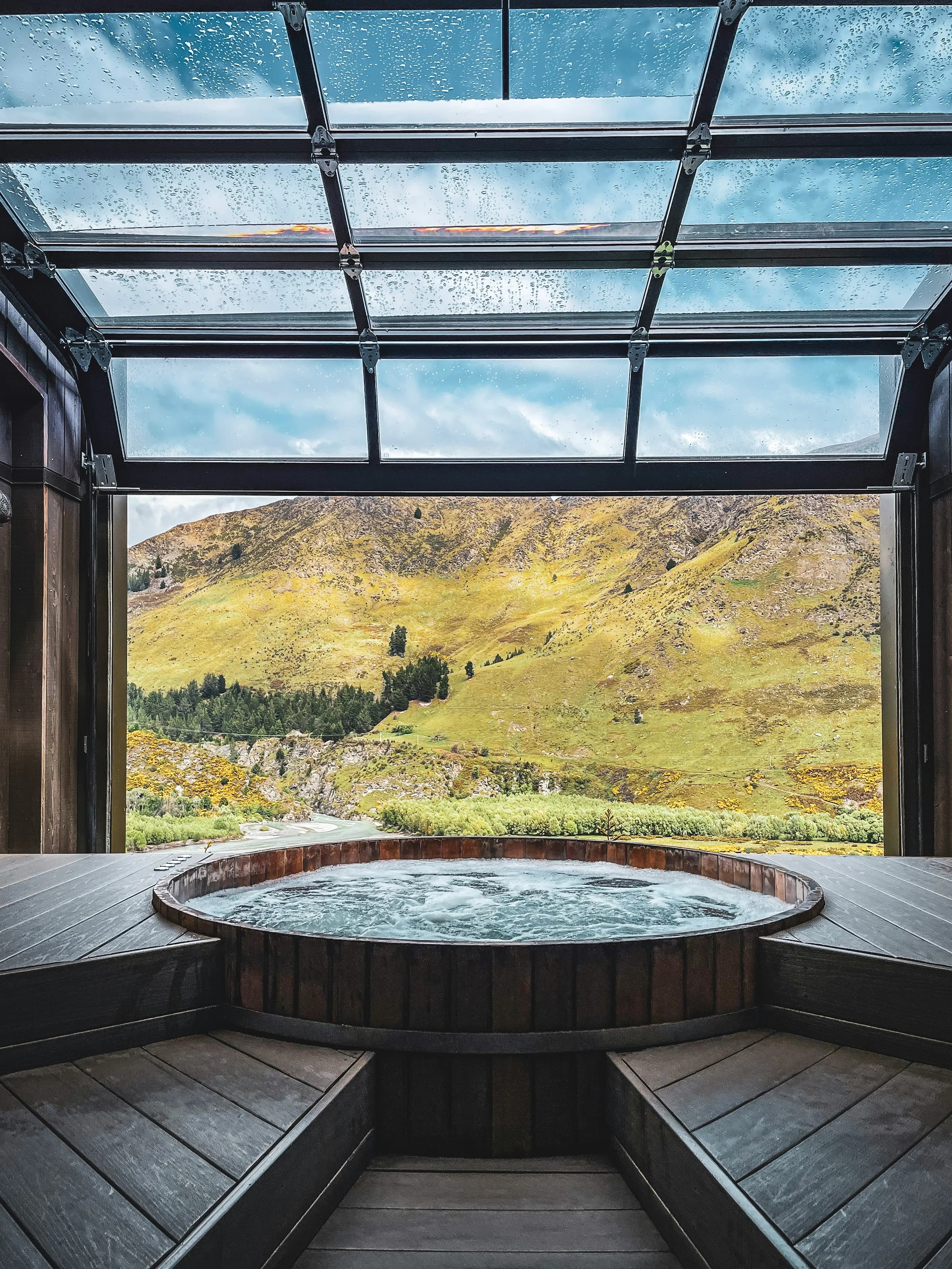
New Zealand's lodge properties typically offer a small number of suites within a single large property, with suite counts ranging from six to twenty. The design emphasis is on landscape integration, with large glazed facades oriented toward mountain, fjord, or lake views. Service is highly personalized given the low guest-to-staff ratios, and the culinary programs at the finest lodges draw extensively from local wine regions and seasonal produce. Guided outdoor experiences are typically central to the guest program.
How far in advance should I book a luxury suite in Fiji or Bora Bora?
The dry season months of May through October represent peak demand across both French Polynesia and Fiji. For the most sought-after properties, particularly those with a low suite count or private island model, reservations of six to twelve months in advance are standard for travel during this window. Last-minute availability exists outside peak season, but the premium suite categories are the first to be allocated and the last to see cancellations.
What distinguishes a genuine luxury hotel suite in Australia from a standard premium room?
In the Australian market, the distinction typically comes down to private outdoor space, dedicated living area, and suite-specific service protocols rather than simply room size. The finest suites at Australian luxury hotels offer private terraces or plunge pools with direct landscape orientation, a separate lounge and dining configuration, and access to butler or dedicated concierge services. Properties affiliated with Leading Hotels of the World or Relais and Chateaux apply independently audited standards to these categories.
Is it possible to combine Australia and a Pacific island in a single luxury suite itinerary?
A combined itinerary is logistically straightforward given Australia's role as the primary transit hub for most Pacific destinations. Sydney or Brisbane function as natural connection points for French Polynesia, Fiji, and New Zealand. The most coherent itinerary structures pair a continental Australia stay, whether coastal or outback, with a single Pacific island destination rather than attempting to cover multiple island groups. Two to three weeks is the minimum duration for this format to feel unhurried.
What are the top considerations when choosing between a beach suite and an overwater suite in French Polynesia?
Beach suites in French Polynesia offer direct sand access, greater interior volume in many cases, and a more grounded spatial experience. Overwater suites provide unobstructed lagoon views, direct water access from the deck, and the particular acoustic and thermal quality of being positioned over moving water. For travelers whose primary interest is snorkeling or marine observation, overwater suites in properties with established coral directly beneath the structure offer a functional advantage beyond the aesthetic one.
Do luxury hotels in Australia's outback region meet international suite standards?
Several properties in the Northern Territory and the Kimberley region operate at a standard comparable to the finest international luxury hotels, with the significant difference that the surrounding landscape rather than urban or resort infrastructure is the primary amenity. Suite design in these properties prioritizes open-air bathing facilities, indigenous material and art integration, and indoor-outdoor configurations calibrated for early morning and evening use when the light and temperature conditions are at their most compelling. Service ratios and culinary standards at the leading properties are consistent with international benchmarks.
How does La Suite select luxury hotel suites in the Australia and Pacific region?
La Suite applies an editorial framework focused on the quality of the suite itself: its physical dimensions, architectural intention, landscape orientation, and the service infrastructure surrounding it. In a region where the gap between marketed luxury and delivered experience can be considerable, and where the logistical and financial investment of travel is significant, independent curation provides travelers with a reliable filter. Every property in the La Suite selection has been assessed against consistent criteria, with particular attention to the features that matter most to suite-specific travelers rather than general hotel guests.