Where to stay in and around Samaná: understanding the territory
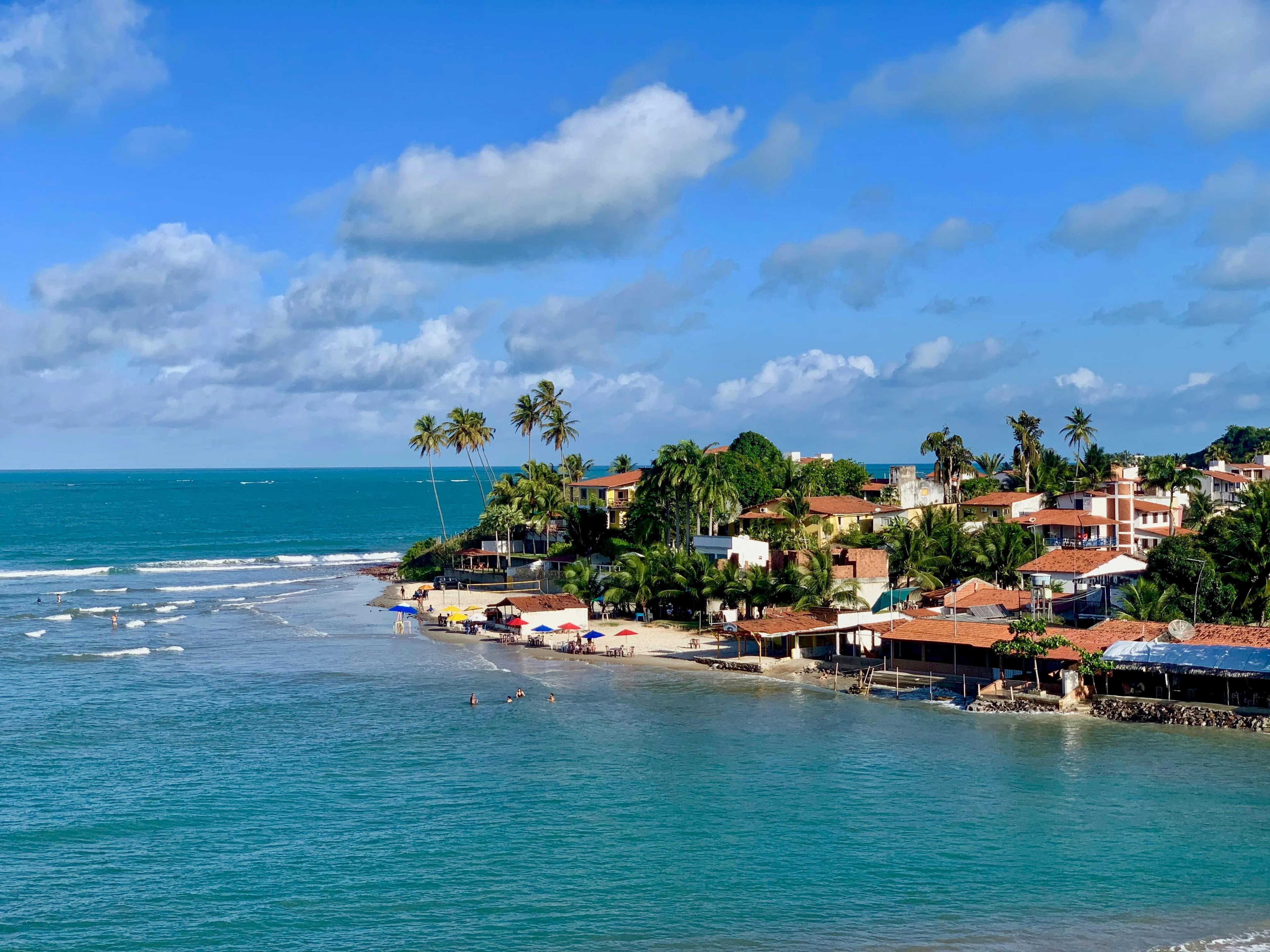
Las Terrenas, located on the peninsula's northern coast, draws a more design-conscious international crowd and has attracted a concentration of French and Italian residents over the past two decades. The architecture there tends toward the contemporary, with open-plan structures that frame sea views rather than block them. Las Galeras, to the east, is the more remote option: smaller, quieter, and oriented toward guests who want a genuine sense of geographic distance from the ordinary.
For travelers who want the Samaná experience without the isolation, the bay-facing hillsides just outside the town offer positions that combine landscape drama with proximity to services. These elevated sites tend to catch the trade winds and provide natural cooling, which is a material consideration in a region where humidity is constant.
When to visit Samaná for a luxury suite stay
The Samaná Peninsula operates on a distinct seasonal logic compared to the Dominican Republic's southern and eastern coasts. The dry season runs roughly from December through April, coinciding with the peninsula's most celebrated natural event: the arrival of humpback whales in Samaná Bay. Between January and March, thousands of North Atlantic humpback whales congregate here to breed and calve, making this one of the most accessible whale-watching sites in the western hemisphere. Suite availability at quality properties tightens considerably during this window, and advance planning is essential.
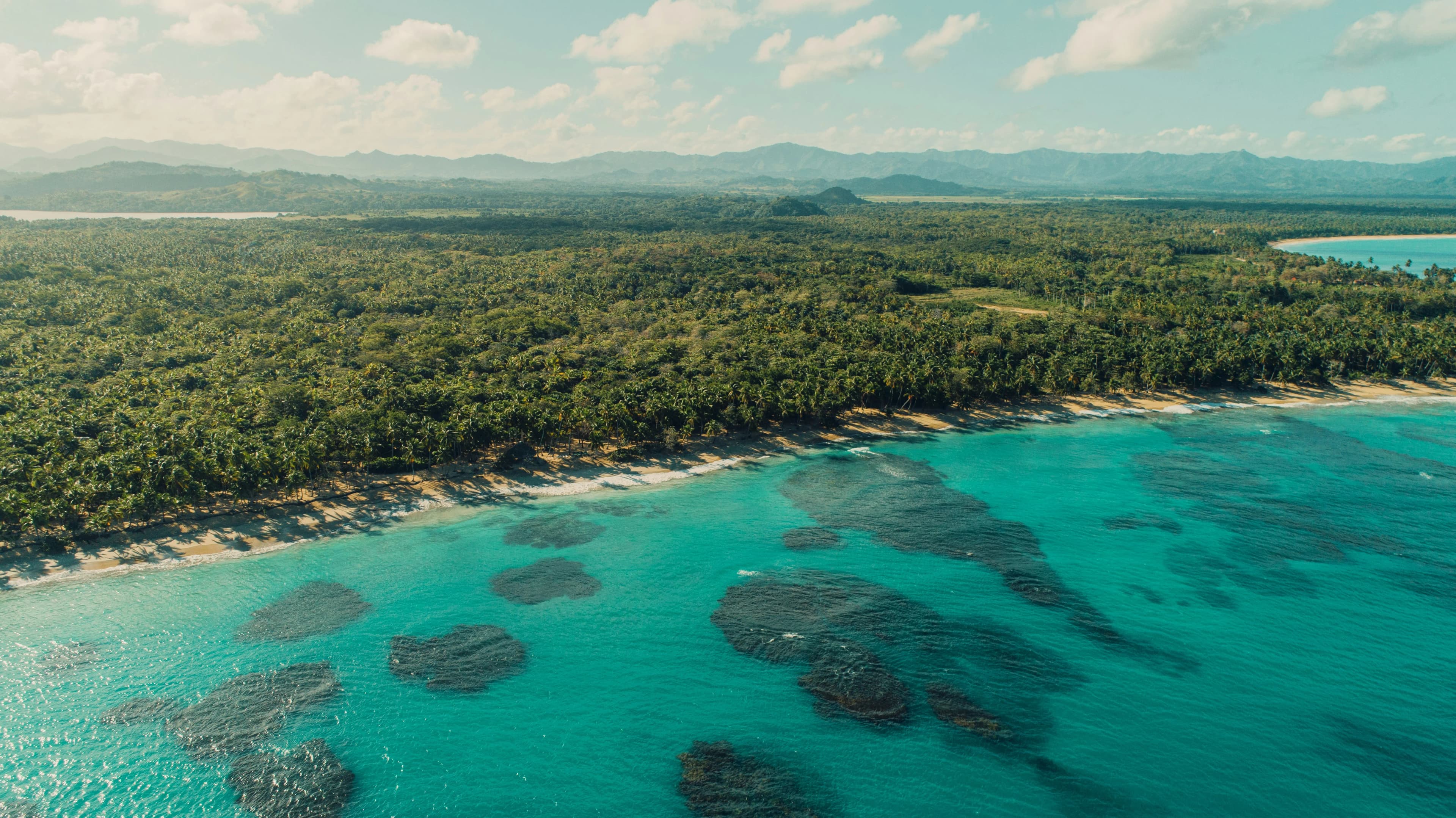
The shoulder months of November and May offer a balance of fewer visitors and still-reasonable weather. The peninsula receives more rainfall than the Dominican Republic's southern coast year-round, which sustains the dense vegetation and waterfall systems that define the landscape. Travelers who are drawn by the rainforest character of Samaná often find that a light rain season does not diminish the experience; it intensifies the green.
The summer months bring higher humidity and occasional tropical weather systems. Properties with robust architecture and experienced management teams handle this period well, but visitors should factor flexibility into itineraries planned between August and October.
Local luxury standards: what to expect from top-tier suites in Samaná
The Dominican Republic does not operate a formal national grading system equivalent to France's Palace designation. Quality assessment here is largely market-driven, with international booking platforms and independent review ecosystems doing the work that official classification does elsewhere. In Samaná specifically, the luxury offering skews toward boutique scale: small-count properties, often owner-operated, that prioritize setting and service depth over amenity volume.
The most credible properties in the region share certain characteristics. Architecture is typically open to the landscape, with indoor-outdoor living as a structural principle rather than an afterthought. Suite configurations often include private plunge pools, direct terrace access, and views calibrated to the bay or the forest canopy. Air conditioning is standard at quality level, but the best suites are also designed to function with natural ventilation, which speaks to a considered approach to the climate.
Food and beverage standards at top Samaná properties draw on Dominican culinary identity while reflecting international technique. Cacao, coconut, fresh seafood from the bay, and tropical fruit sourced from the peninsula's own agriculture are the honest materials of a serious kitchen here. Guests should expect this grounding in local product at any property worth the rate.
For broader context on the Dominican Republic's luxury hotel landscape, or to explore the wider Caribbean suite market, La Suite provides curated selections across both geographies.
How to choose the right suite in Samaná: practical considerations
The first decision is positional: bay-facing properties in and around the town of Samaná offer proximity to the whale-watching season and direct water views. Forest-adjacent properties on the hillsides above the town offer seclusion and elevation. Properties in Las Galeras or Las Terrenas require a commitment to those specific sub-destinations, as road travel on the peninsula takes longer than maps suggest.
Access is a genuine practical variable. The Samaná El Catey International Airport (AZS) serves the peninsula directly and is the logical entry point. Transfer times to different parts of the peninsula vary, and properties worth selecting will offer clear guidance and, at the better end of the market, private transfer coordination.
Suite selection should account for the seasonal purpose of the visit. Whale-watching departures happen from the town dock in the early morning; a suite close to the bay eliminates logistical friction. If the visit is oriented toward beach days at Playa Rincón or El Valle, properties with vehicle arrangements or boat access matter more than proximity to town.
Connectivity is improving but uneven. Guests who require reliable high-speed internet for working purposes should confirm infrastructure directly with properties before booking. The best boutique hotels in the area have invested in satellite connectivity; the assumption should not be made automatically.
Why curation matters in a destination like Samaná
Samaná's luxury market is small and its best properties are not always the most visible. The peninsula has not been subject to the large-scale resort development that characterizes Punta Cana or Cap Cana, which means the inventory of genuinely exceptional suites is limited but real. Finding it requires knowing where to look.
Generic search surfaces a mix of mid-market all-inclusives, private villa rentals of variable quality, and the occasional property that merits serious attention. The signal-to-noise ratio is poor. La Suite's curated selection applies a consistent editorial standard: architectural quality, service credibility, suite design, and positional logic within the destination. The result is a shortlist that reflects what the destination actually offers at its best, rather than what is most heavily marketed.
For a destination as specific and as sensitive to seasonal timing as Samaná, this kind of editorial clarity is not a convenience. It is the difference between a stay that meets the destination's genuine potential and one that does not.