Where to stay in the Dominican Republic: distinct territories for luxury travel
The Punta Cana and Cap Cana corridor
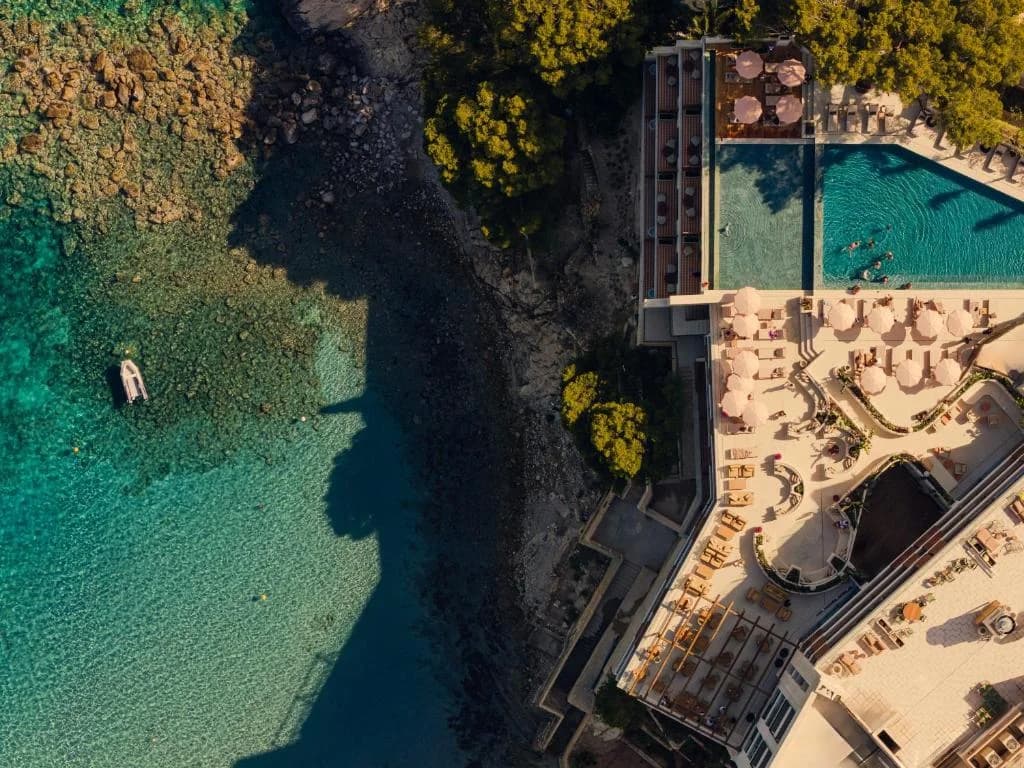
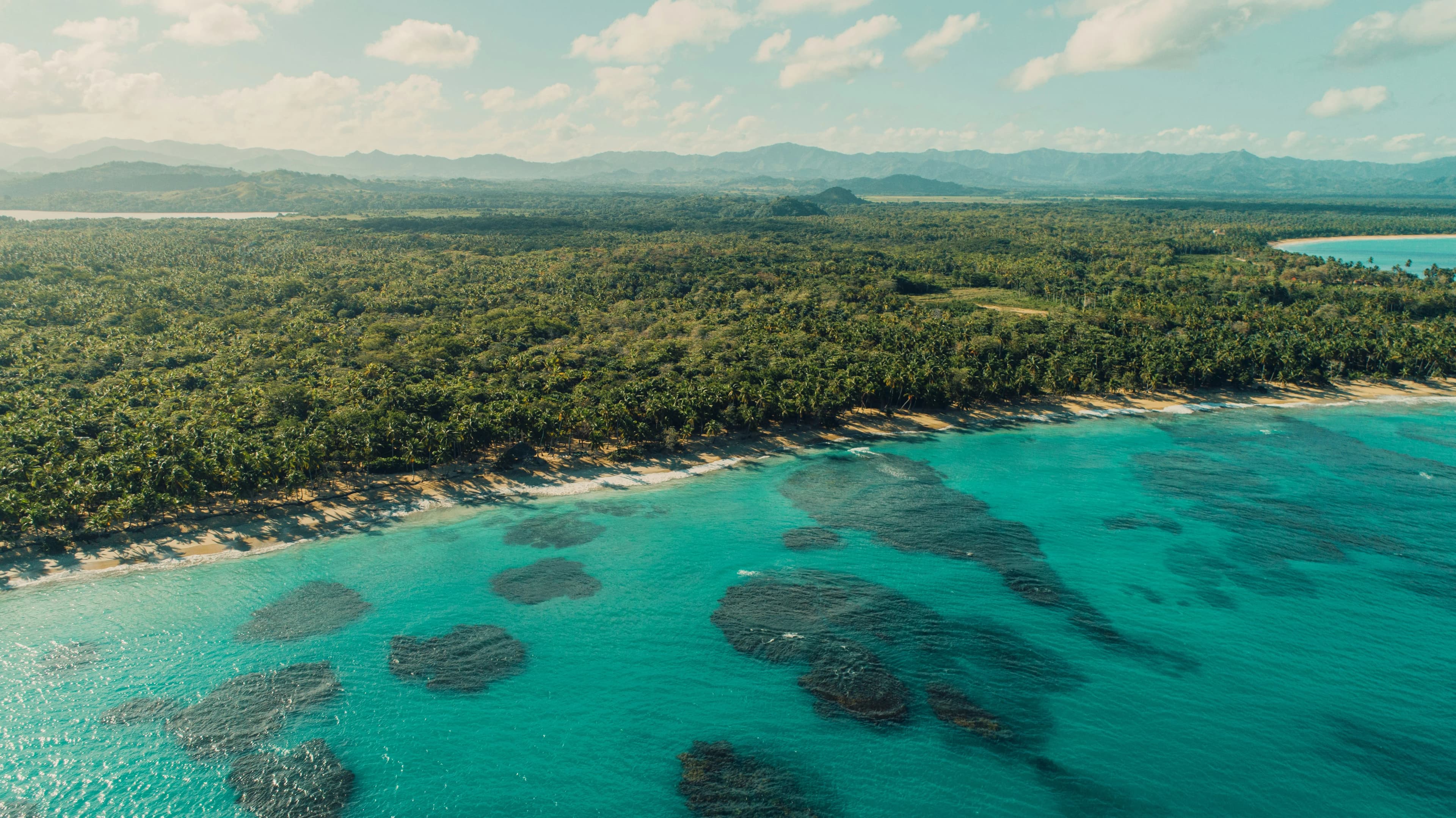
The eastern tip of the island concentrates the country's highest density of large-format resorts. The coastline here is defined by shallow turquoise water, consistent trade winds, and 30 kilometres of uninterrupted beach. Cap Cana, positioned at the southern end of this corridor, operates at a different register from its neighbours: private marina, championship golf, and a gated residential infrastructure that supports a more contained, estate-style experience. Luxury suites in this zone tend to emphasise scale, swim-out access, and butler-led service protocols.
Las Terrenas and the Samaná Peninsula
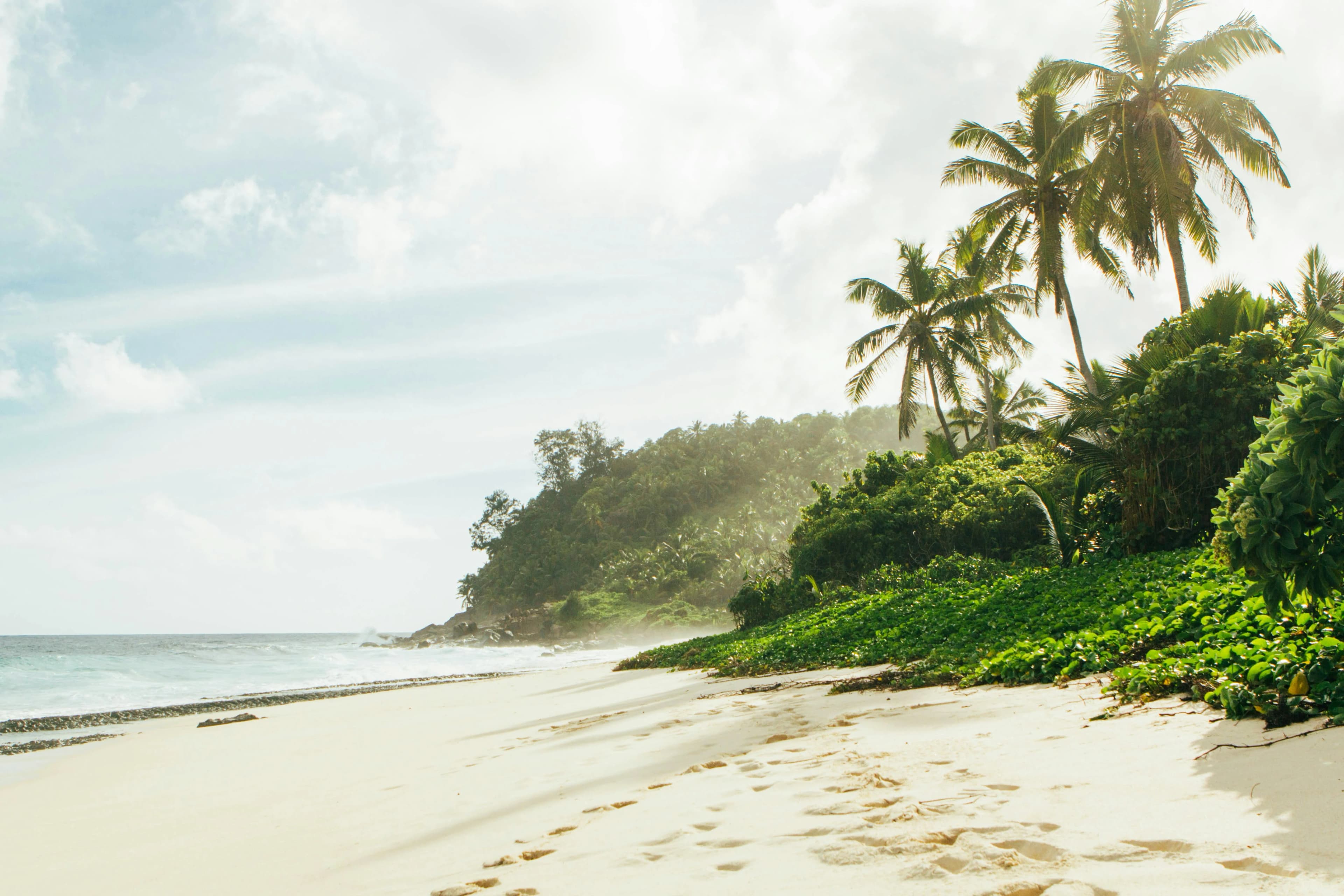
The Samaná Peninsula extends northeast from the main landmass and remains the country's most architecturally considered destination. Las Terrenas draws a significant European residential community, which has shaped the local restaurant culture and the aesthetic sensibility of properties in the area. The landscape shifts here: coconut groves meet volcanic rock, and the Atlantic arrives with more force than on the eastern coast. Suites in this zone prioritise privacy and natural integration over amenity volume.
Casa de Campo and the southeast
Casa de Campo, near La Romana, is one of the Caribbean's oldest private resort communities. Its 7,000 acres contain three Pete Dye golf courses, a working port village called Altos de Chavón built in the style of a 16th-century Mediterranean village, and a private airport. The suite offer here is villa-adjacent: private pools, dedicated staff, and a residential scale that distances the experience from conventional hotel geometry.
The Cibao Valley and the interior
The interior of the country, centred on Santiago de los Caballeros and the Cibao agricultural valley, represents the least-developed luxury corridor. Tobacco farms, coffee plantations, and the UNESCO-listed Cordillera Central dominate this territory. A small number of boutique properties here offer a form of suite travel rooted in agricultural heritage rather than coastal spectacle, for travelers who prioritise cultural immersion over resort infrastructure.
When to visit the Dominican Republic for a luxury suite stay
The Dominican Republic operates on a tropical climate, but its geography creates microclimates that affect the experience significantly depending on the zone.
The high season runs from December through April. During these months, the northern trade winds moderate temperatures across the country, precipitation is minimal on the south and east coasts, and suite availability at the leading properties is tightest. Advance planning of three to six months is standard for peak dates at Cap Cana and Casa de Campo.
January and February bring the humpback whale migration to Samaná Bay, one of the most significant cetacean gatherings in the Atlantic. This phenomenon draws a specific category of traveler to the peninsula's properties and creates a secondary peak in demand for suites in Las Terrenas and the Samaná surrounds.
The shoulder season, May through June, offers reduced rates, lower occupancy, and temperatures that remain manageable. The Atlantic hurricane season runs officially from June through November, with the highest statistical risk concentrated between August and October. Properties on the Atlantic-facing north coast carry more exposure than those on the southern and eastern shores. Travelers selecting suites during this period should note that newer resort infrastructure in Cap Cana and Casa de Campo is built to Category 4 resistance standards, which informs the risk calculus.
Local luxury standards: what defines a top-tier suite in the Dominican Republic
The Dominican Republic does not operate a formal national classification equivalent to France's Palace designation. The country's hotel rating system follows a star classification administered by the Ministry of Tourism, with five stars representing the official ceiling. In practice, the meaningful differentiation happens within the five-star tier, where international brand standards, independently operated resorts, and villa-community properties compete on entirely different axes.
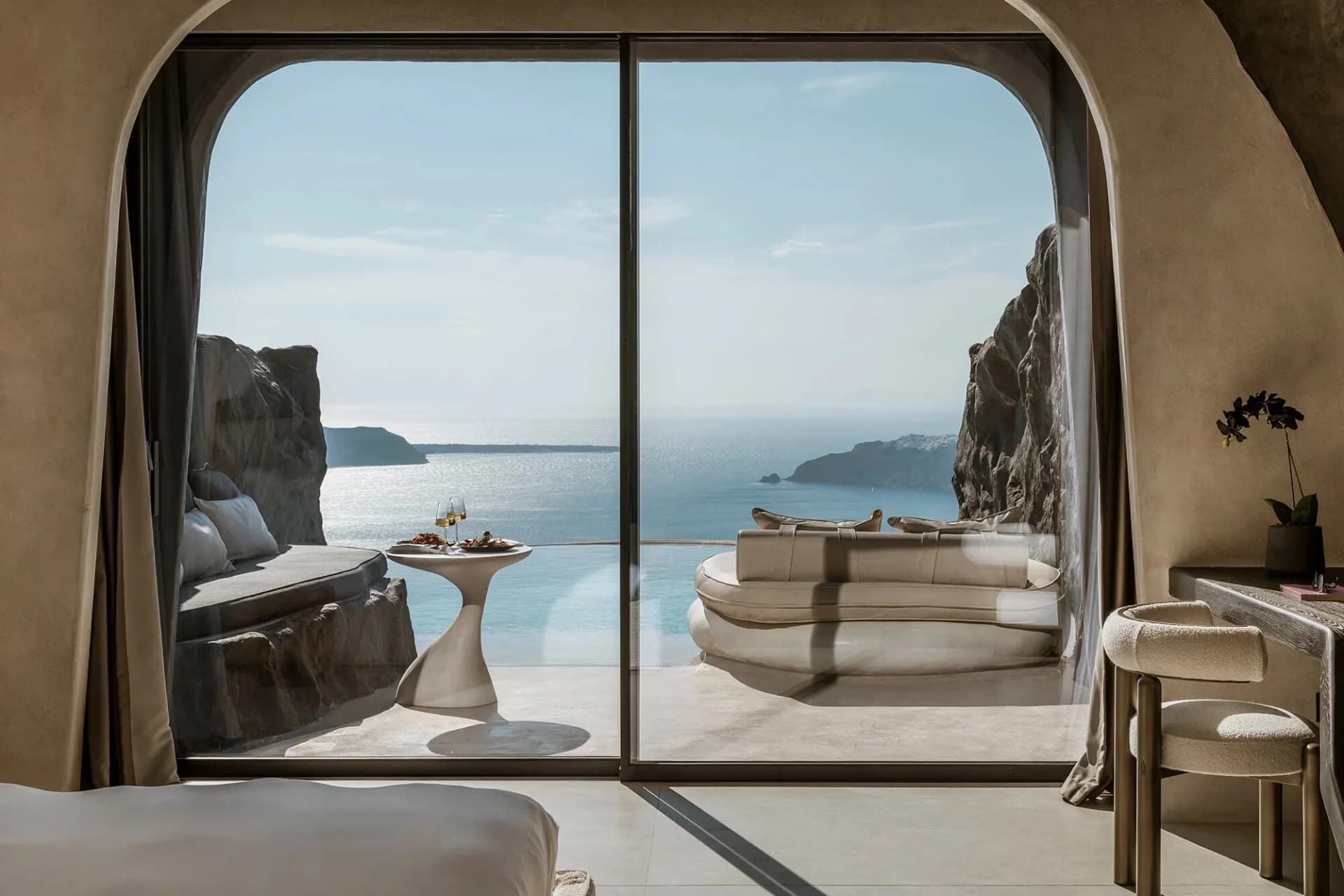
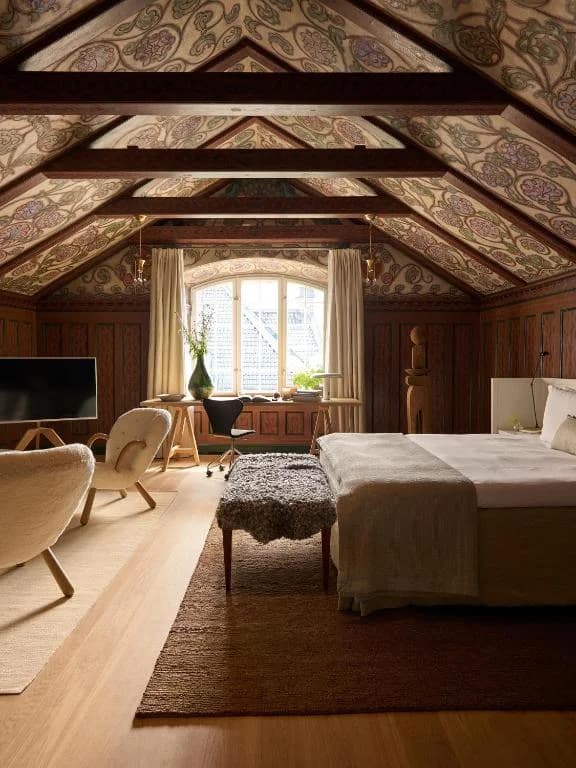
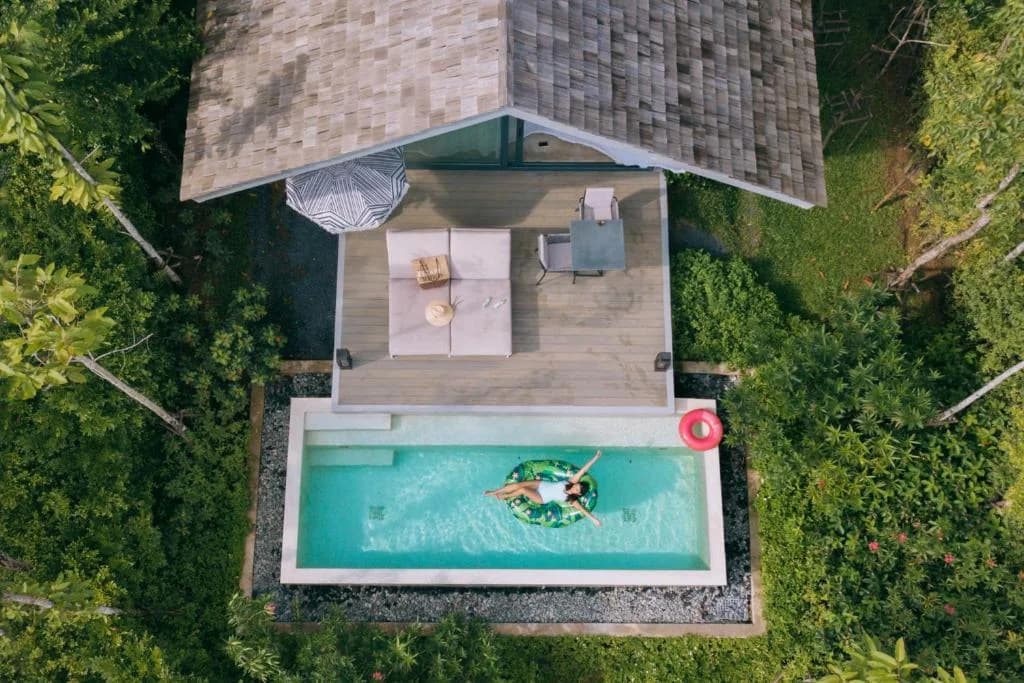
At the leading properties, suites are typically categorised by view orientation, floor elevation, or pool access rather than by pure square footage. A swim-out suite at a beachfront resort in Punta Cana sits in a different category from a plunge-pool suite elevated above the tree line in Samaná, even if the footprint is comparable. Understanding this hierarchy requires familiarity with individual property layouts, not simply room category names.
The country's most prestigious properties share several consistent characteristics: dedicated concierge access, private beach sections with restricted capacity, curated food and beverage programming that moves beyond all-inclusive convention, and architecture that responds to the site rather than replicating an international template.
How to choose the right luxury suite in the Dominican Republic
The first decision is geographic. The Atlantic north coast, the eastern corridor, the Samaná Peninsula, and the southern interior offer fundamentally different trip architectures. A suite in Cap Cana supports a contained, self-sufficient stay. A suite in Las Terrenas is a base for exploration. The intention of the trip should determine the zone before any other variable is considered.
The second consideration is the resort model. The Dominican Republic is one of the Caribbean's primary markets for large all-inclusive resorts, and several of these properties operate genuine luxury tiers with dedicated suite buildings, separate check-in, and restricted amenity access. However, independent boutique properties and villa communities operate on entirely different service logics. Travelers who value discretion and a lower guest-to-staff ratio will find the latter category more aligned with their expectations.
Architecture is a useful filter. Colonial revival, tropical modernism, and contemporary minimalism coexist across the country's top properties. The choice between a restored 18th-century structure in a historic zone and a glass-and-concrete pavilion above the Caribbean is not merely aesthetic. It determines the sensory register of the entire stay.
The value of a curated selection by La Suite
The Dominican Republic's luxury hotel market has expanded significantly over the past two decades. The volume of properties now claiming premium positioning makes independent research increasingly inefficient. The category signals that historically indicated quality, brand affiliation, star rating, and price point, have become insufficient filters as the market has matured.
La Suite approaches this territory with a single criterion: does the suite experience justify the investment of time and cost at the highest level? This means evaluating not only the physical product but the service consistency, the quality of the food and beverage offering, the integrity of the privacy architecture, and the degree to which the property has integrated its natural context.
For travelers arriving in the Dominican Republic for the first time, or returning after a previous stay that did not reach the intended standard, the curated selection by La Suite reduces the selection process to a set of properties that have been assessed against those criteria. The result is a shorter list, and a more reliable one.