Aldea Canzul Tulum, Tulum
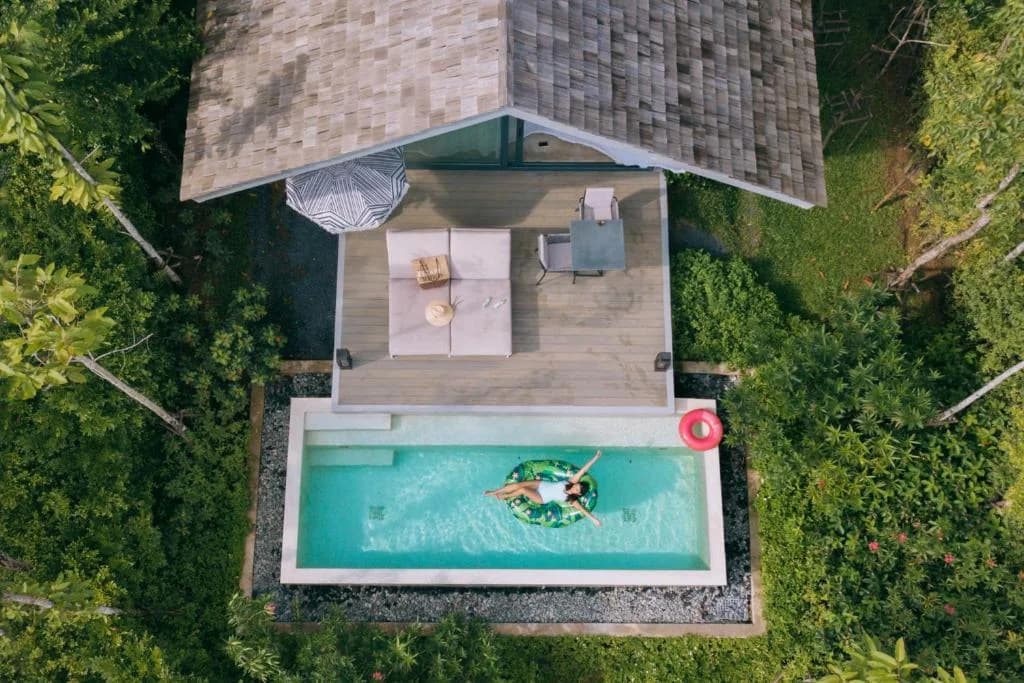
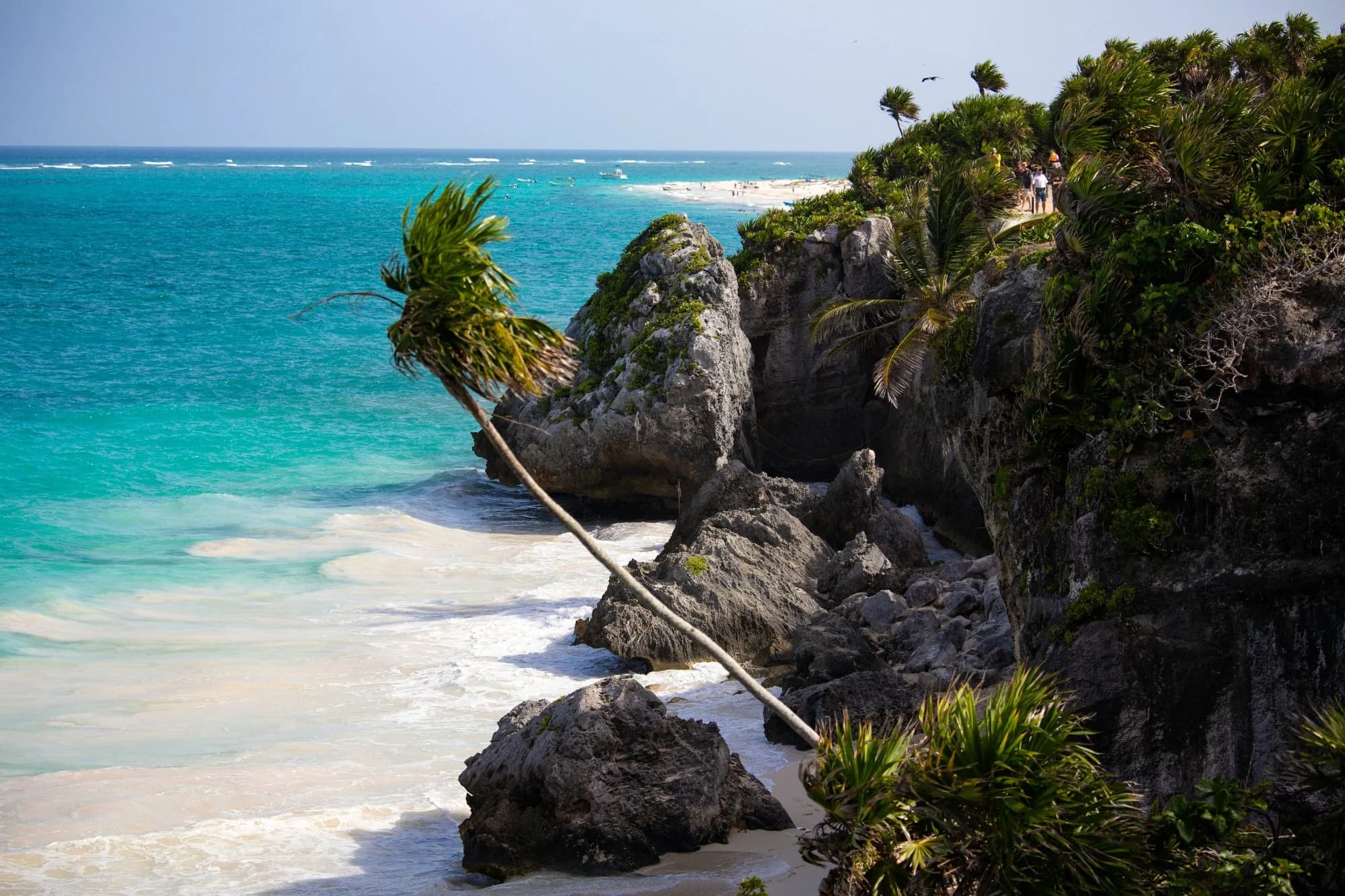
Located in Tulum, a few steps from South Tulum Beach, Aldea Canzul Tulum has accommodations with an outdoor swimming pool, free private parking, a garden and a private beach area. Featuring a terrace,

The Riviera Maya is not a single landscape. It is a sequence of distinct zones, each with its own architectural grammar and traveler profile. Understanding this geography is the first step toward selecting the right luxury hotel suite.
21 hotels available

Located in Tulum, a few steps from South Tulum Beach, Aldea Canzul Tulum has accommodations with an outdoor swimming pool, free private parking, a garden and a private beach area. Featuring a terrace,

An adults-only beachfront suite resort where the Yucatán jungle and the Caribbean converge — designed for travelers who come to Tulum deliberately.

Facing the beachfront, Delek Tulum offers 5-star accommodations in Tulum and has an outdoor swimming pool, garden and private beach area. Offering a bar, the property is located within a few steps of

On an unspoiled beach between the Sian Ka’an Biosphere Reserve and Tulum National Park, Hotel Encantada offers tropical gardens, a free Wi-Fi zone and stylish rooms with sea or garden views. Decorate

Prime Beachfront Location Etéreo, Auberge Collection in Playa del Carmen offers a private beach area and beachfront access. Guests enjoy an infinity swimming pool, sun terrace, and lush gardens.

Eurostars Hacienda Vista Real is an elegant property located in Playa del Carmen. The facility offers tropical gardens, lakes and a golf course within the Playacar gated community. The passengers ferr

Conveniently set in Tulum, Hotel Bardo - Adults Only provides air-conditioned rooms with free WiFi, free private parking and room service. Each room at the 5-star hotel has garden views, and guests ca

This is an adult-only hotel, that offers luxury amenities, A/C, a mini-bar, healthy snacks, 24th security, and room service. We are only 5 min away from the Caribbean Sea, and 10min away from the Arc

Kanan Tulum is a unique eco-friendly spa hotel in Mexico's Caribbean coast. Located on the beach amid the Mayan jungle, it is placed in the middle of the bustling music and art scene, offering a wide

Located in Playa del Carmen, 4.8 miles from Playa del Carmen Maritime Terminal, La Casa de la Playa by Xcaret- All Inclusive Adults Only provides accommodations with free bikes, free private parking,

Located in Tulum, a few steps from South Tulum Beach, La Valise Tulum, Member of Small Luxury Hotels provides accommodations with free bikes, free private parking, an outdoor swimming pool and a garde

Providing a garden, Loch Collection Tulum offers accommodations in Tulum. With garden views, this accommodation provides a swimming pool. Tulum Archeological Site is 3.2 miles from the condo hotel, an

Located in Tulum, a few steps from South Tulum Beach, NEST Tulum provides accommodations with free bikes, free private parking, a garden and a terrace. Featuring a restaurant, the 4-star hotel has air

Papaya Playa Project, Tulum, a Member of Design Hotels is a sustainable boutique hotel complex of beachfront cabins and cottages, located on Mayan Riviera in Tulum. Set on a 900-yard stretch of privat

Located in Playa del Carmen, a 19-minute walk from Playa del Carmen Beach, Paradisus by Meliá La Perla - Adults Only - Riviera Maya - All Inclusive has accommodations with a seasonal outdoor swimming

Located in Tulum, a few steps from South Tulum Beach, Radhoo Tulum has accommodations with free bikes, free private parking, an outdoor swimming pool and a garden. With a restaurant, the 4-star hotel

Located in Playa del Carmen, a 8-minute walk from Playa Virgen, The Riviera Maya EDITION at Kanai has accommodations with an outdoor swimming pool, free private parking, a fitness center and a private

Facing the beachfront, The St. Regis Kanai Resort, Riviera Maya offers 5-star accommodations in Playa del Carmen and has an outdoor swimming pool, fitness center and garden. A 8-minute walk from Playa

Located in Tulum, a few steps from South Tulum Beach, UMi Tulum has accommodations with an outdoor swimming pool, free private parking, a garden and a private beach area. Offering a bar, the property

Located on the coast of Xcalacoco Beach 10 minutes outside of Playa del Carmen, this luxury resort and spa located in the tropical rainforest features a restaurant. The villas at Viceroy Riviera Maya
Immediately south of Cancun, Puerto Morelos anchors the northern entry point of the region. The pace here is slower than the resort clusters further south, and the protected reef that runs close to shore keeps the water unusually calm. Properties in this corridor tend toward a quieter scale, attracting travelers who want proximity to the international airport without the saturation of the hotel zone. Suite options here reward those who prioritize privacy over spectacle.
Playa del Carmen functions as the social and commercial axis of the Riviera Maya. Fifth Avenue (Quinta Avenida) carries the energy of a pedestrian thoroughfare lined with design boutiques, restaurants, and bars, while the beach clubs extend south toward Playacar, a gated residential and hotel enclave with a more contained atmosphere. Luxury hotel properties here tend to combine urban accessibility with beachfront positioning, an unusual pairing that justifies the premium for travelers who want both dimensions.
Tulum has spent the last decade consolidating its position as one of the most design-literate destinations in the Caribbean basin. The hotel zone runs along a narrow sand road parallel to the coast, with properties built to architectural briefs that emphasize raw materials: stone, wood, thatch, and open-air structure. Suites in Tulum tend to prioritize sensory integration with the natural environment over conventional amenity checklists. Access to the Tulum archaeological site and the Sian Ka'an Biosphere Reserve adds a cultural and ecological dimension that few other coastal zones in the region can offer.
The stretch between Playa del Carmen and Tulum contains the highest concentration of accessible cenotes in the Yucatan Peninsula. Akumal is known for its marine turtle population and its calm bay, while the inland roads connect to cenote systems including Dos Ojos, Gran Cenote, and the Aktun Chen park. Properties positioned in this corridor offer a different logic: the luxury proposition here is built around access to these geological formations rather than purely coastal frontage.
The Riviera Maya operates on a Caribbean climate cycle. The dry season runs from November through April, with December to March representing the peak of international demand. Temperatures stay between 24 and 30 degrees Celsius during this window, humidity is manageable, and the Caribbean remains largely free of tropical disturbance.
The summer months from June through October bring higher humidity, afternoon rainfall, and the active phase of the Atlantic hurricane season, which peaks in September and October. This period corresponds to lower rack rates and reduced occupancy at most luxury hotels, which can translate to meaningful suite availability and negotiated inclusions for those with schedule flexibility.
Semana Santa (Holy Week before Easter) and the Christmas to New Year period represent the two peaks of domestic and international demand. Suite availability at premium properties during these windows requires early planning, often six to twelve months in advance for the most sought-after inventory. The Riviera Maya does not have a major international arts or luxury calendar event comparable to Art Basel Miami or the Venice Biennale, but the Tulum corridor has developed a seasonal program of design-focused events, wellness retreats, and music gatherings that create secondary demand spikes, particularly in late February and March.
Mexico's hotel classification system does not carry a formal prestige designation equivalent to France's Palace label or Thailand's state-recognized luxury tier. Luxury positioning in the Riviera Maya is instead communicated through brand affiliation, architectural pedigree, and operational standard.
The region hosts properties operating under the flags of Aman, Rosewood, Banyan Tree, and other internationally recognized luxury groups alongside independently operated boutique hotels that compete on design and service specificity. The independent sector in Tulum in particular has produced a generation of properties with distinctive architectural identities, some of which offer suite experiences that rival branded inventory in spatial quality and design coherence.
All-inclusive remains a dominant commercial model in the Riviera Maya, particularly in the northern corridor near Cancun. However, the luxury end of the market has largely moved toward European Plan (room-only) or curated inclusive formats that give guests more compositional control over their experience. When evaluating suite offerings in this region, the pricing model (all-inclusive versus European Plan) has a direct effect on the ambient character of the property and the profile of other guests.
Suite typologies in the Riviera Maya range from beachfront swim-up configurations with direct pool access to elevated jungle-view rooms with private plunge pools and outdoor showers. Cenote access, private beach sections, butler service, and in-suite wellness programming are among the distinguishing features of the top tier.
Several structural considerations shape the decision process for luxury suite selection in this region.
First, orientation matters. Caribbean-facing suites offer the most consistent light and sea view, but they also carry the highest exposure to easterly winds and, in some cases, seagrass accumulation (sargassum), which has been a periodic issue along this coastline since approximately 2015. Properties in sheltered bays or with active beach maintenance programs offer more reliable coastal experiences.
Second, the architecture of the property defines the experiential register. A suite within a colonial hacienda conversion carries a different sensory logic from one within a minimalist concrete structure. The Riviera Maya contains both types, and the choice between them is not a question of quality but of alignment with the traveler's aesthetic preference.
Third, connectivity to the wider region is relevant. The proximity of properties to the highway (Carretera Federal 307) affects ambient noise levels, and the distance to cenotes, ruins, and key towns should factor into any site selection. Some of the most architecturally distinctive properties in Tulum, for instance, sit on sand roads that require a vehicle to navigate, which has practical implications for independent travel.
Fourth, the sargassum question warrants direct research rather than reliance on promotional photography. Conditions vary by year and by specific beach section. Properties that invest in barrier systems or are positioned at naturally protected coves tend to offer more consistent water experiences.
The Riviera Maya contains an unusually high volume of properties marketing themselves at the luxury tier, which makes unassisted research both time-consuming and unreliable. Photography can misrepresent scale, suite typologies are not standardized across operators, and the gap between a property's design ambition and its operational reality is not always visible in conventional booking channels.
La Suite applies a consistent editorial standard to every property in its selection, evaluating spatial quality, privacy architecture, service design, and the coherence between a property's stated positioning and its actual suite inventory. For the Riviera Maya specifically, where the range between a genuinely considered luxury hotel suite and a well-marketed mid-tier room is significant, this curation function is directly useful. The curated selection by La Suite is built for travelers who want to make a precise decision rather than an approximate one.

Tulum and the southern section of the Riviera Maya corridor offer the highest concentration of properties built around privacy architecture, with low-density layouts, private plunge pools, and open-air suite configurations. The northern corridor near Puerto Morelos also offers quieter options, particularly for travelers seeking proximity to the airport without the density of Playa del Carmen.
The dry season from December through March represents peak quality in terms of weather and beach conditions, but suite availability at premium properties during this window requires advance planning of six to twelve months. Travelers with schedule flexibility may find better suite availability and negotiated rates in late April through June, before the rainy season intensifies.
Sargassum is a type of brown seaweed that has accumulated seasonally along the Caribbean coastline of the Riviera Maya since approximately 2015, with the heaviest influxes typically between May and September. Some luxury hotels invest in barrier systems or are positioned at naturally sheltered coves, which significantly reduces the impact on beach and water quality. Verifying current conditions and a property's mitigation practices before booking is advisable.
All-inclusive packages at the luxury tier in Riviera Maya can offer genuine value when the property curates the food and beverage offering at a high standard, but they also tend to shape the guest demographic toward larger resort-style properties. European Plan or curated inclusive formats, more common in Tulum and independent boutique properties, generally offer a more compositional and less programmatic experience for design-oriented travelers.
Suites in Tulum are typically defined by their material and sensory integration with the natural environment: open-air structures, raw stone, thatched roofs, and outdoor plunge pools rather than conventional hotel amenities. The architectural language is more experimental than in the northern corridor, and the proximity to the Tulum archaeological site and the Sian Ka'an Biosphere Reserve adds a cultural and ecological dimension that is specific to this zone.
The cenote belt between Playa del Carmen and Tulum contains some of the most significant freshwater cave systems in the world, including Dos Ojos and Gran Cenote. Some properties offer direct or near-direct cenote access as part of their site proposition, which can fundamentally alter the experiential logic of a stay. For travelers whose primary interest is the geological and underwater landscape of the Yucatan Peninsula, positioning relative to these systems should be a primary selection criterion.
The Riviera Maya hosts properties affiliated with Aman, Rosewood, Banyan Tree, and other internationally recognized luxury groups, concentrated primarily in the Playa del Carmen to Tulum corridor. The region also has a strong independent sector, particularly in Tulum, where boutique properties with distinctive architectural identities compete directly with branded inventory on the basis of design quality and service specificity.
The most common luxury suite typologies in the Riviera Maya include beachfront suites with direct pool or ocean access, elevated jungle-view rooms with private plunge pools, and swim-up configurations integrated into the property's landscaping. Open-air outdoor showers, butler service, and in-suite wellness programming are distinguishing features at the upper tier. Suite sizes and layouts vary significantly between properties, making precise specification important during the selection process.
The Riviera Maya's primary tourist corridor, from Puerto Morelos through Playa del Carmen to Tulum, is among the most visited international destinations in Mexico and maintains a consistent level of infrastructure and security investment by the hospitality sector. Most luxury hotels operate within secured perimeters and provide dedicated guest transport. Travelers are advised to follow standard international guidance regarding movement outside resort areas and to consult current travel advisories issued by their home government before travel.
La Suite applies a consistent editorial framework to every property it lists, evaluating spatial quality, suite-specific privacy architecture, service design, and the alignment between a property's positioning and its actual suite inventory. For the Riviera Maya, where the volume of properties marketing at the luxury tier is high and quality differentials are significant, this curation function helps travelers identify properties that meet a rigorous standard rather than relying on promotional content or aggregator rankings.