





Central America
Hotels with luxury suites in Central America
Central America comprises seven countries, each presenting a distinct landscape logic and a corresponding hospitality culture. Understanding the geographic spread is the first decision a discerning traveler must make before selecting a luxury hotel.
Our latest articles about Central America

Mexico: Architect-Designed Luxury That Redefines the Suite
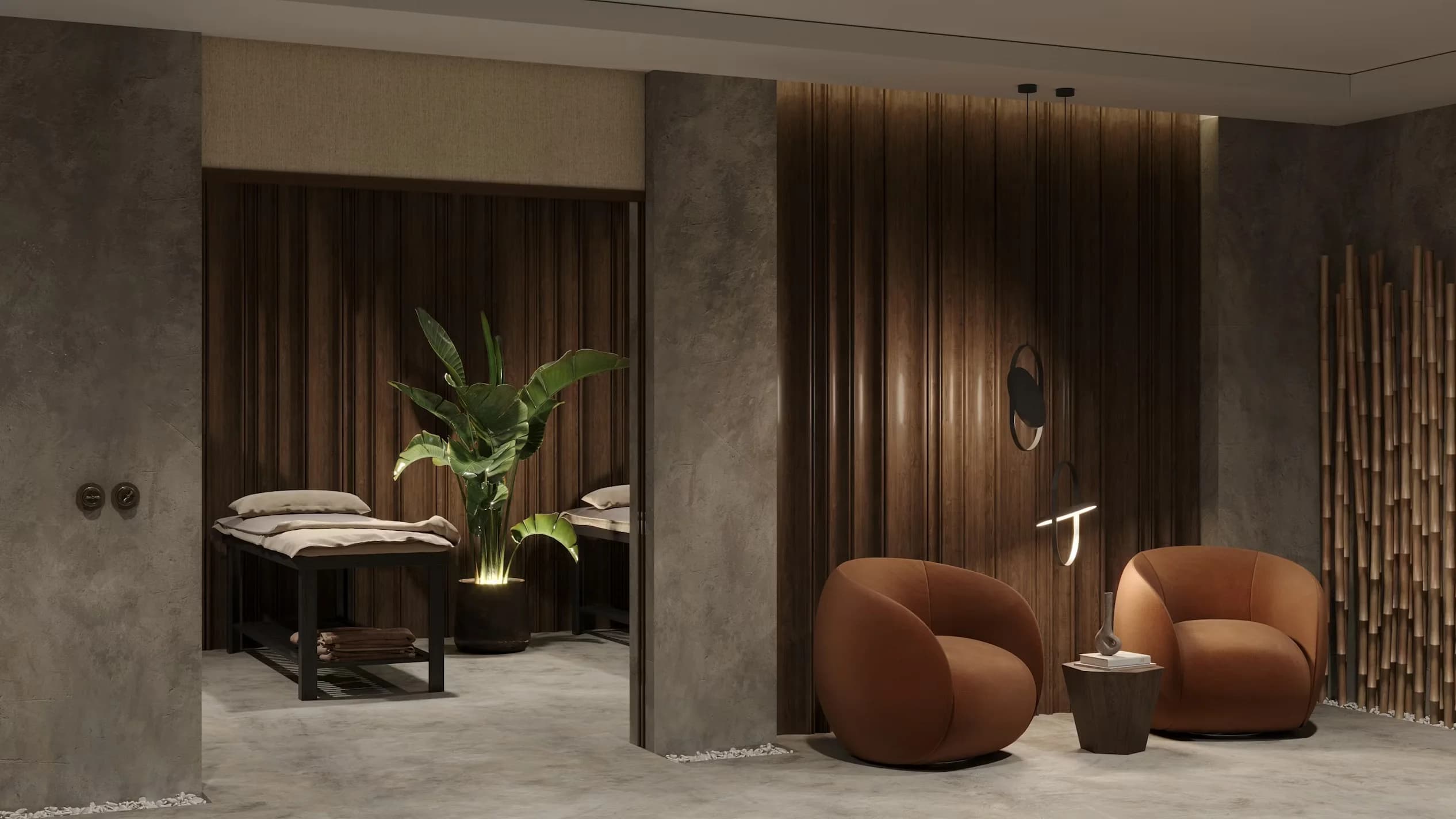
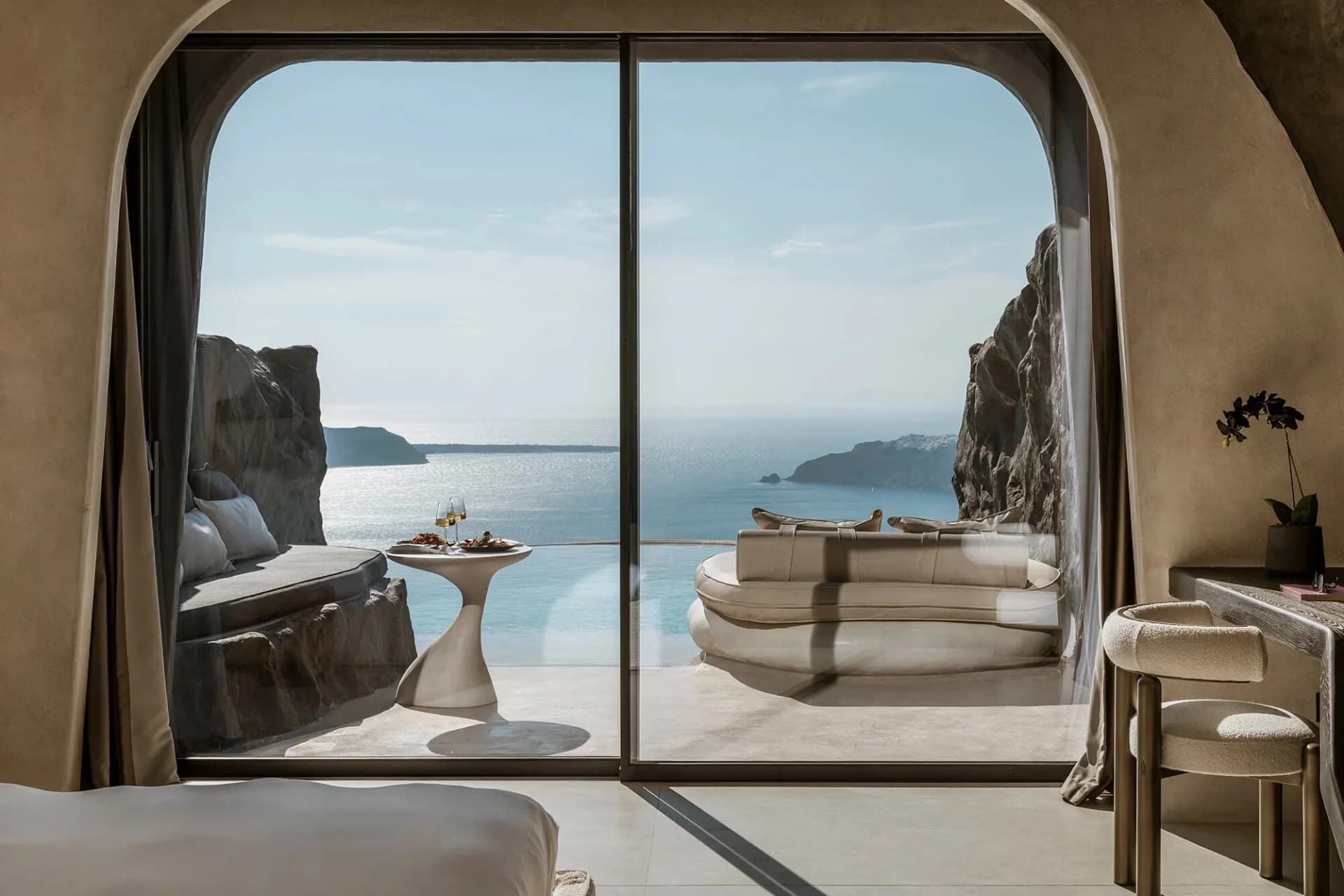
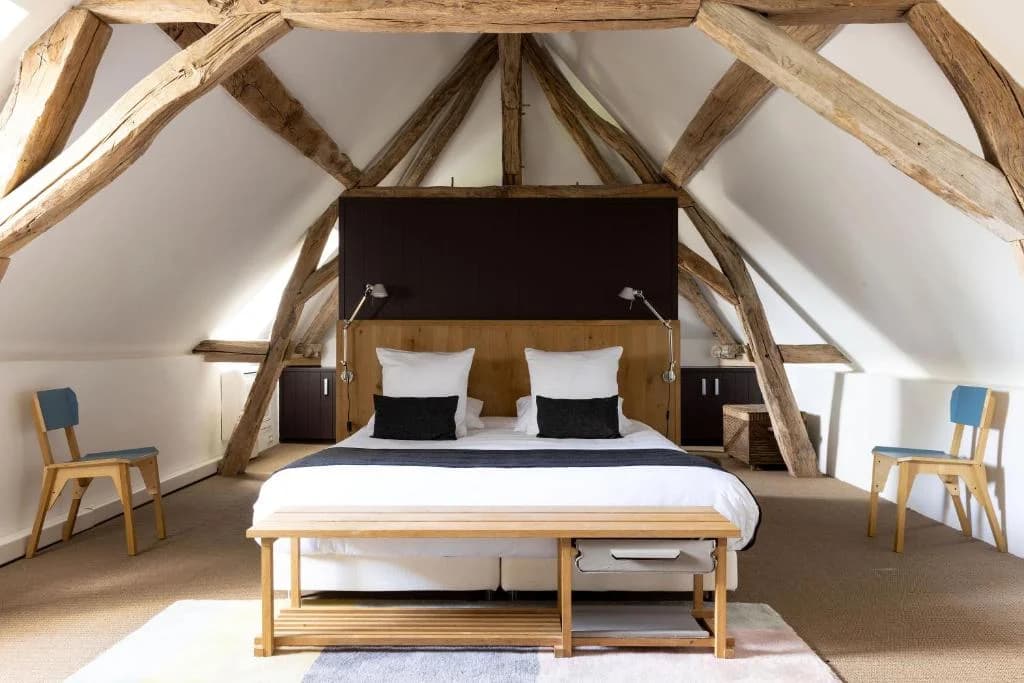
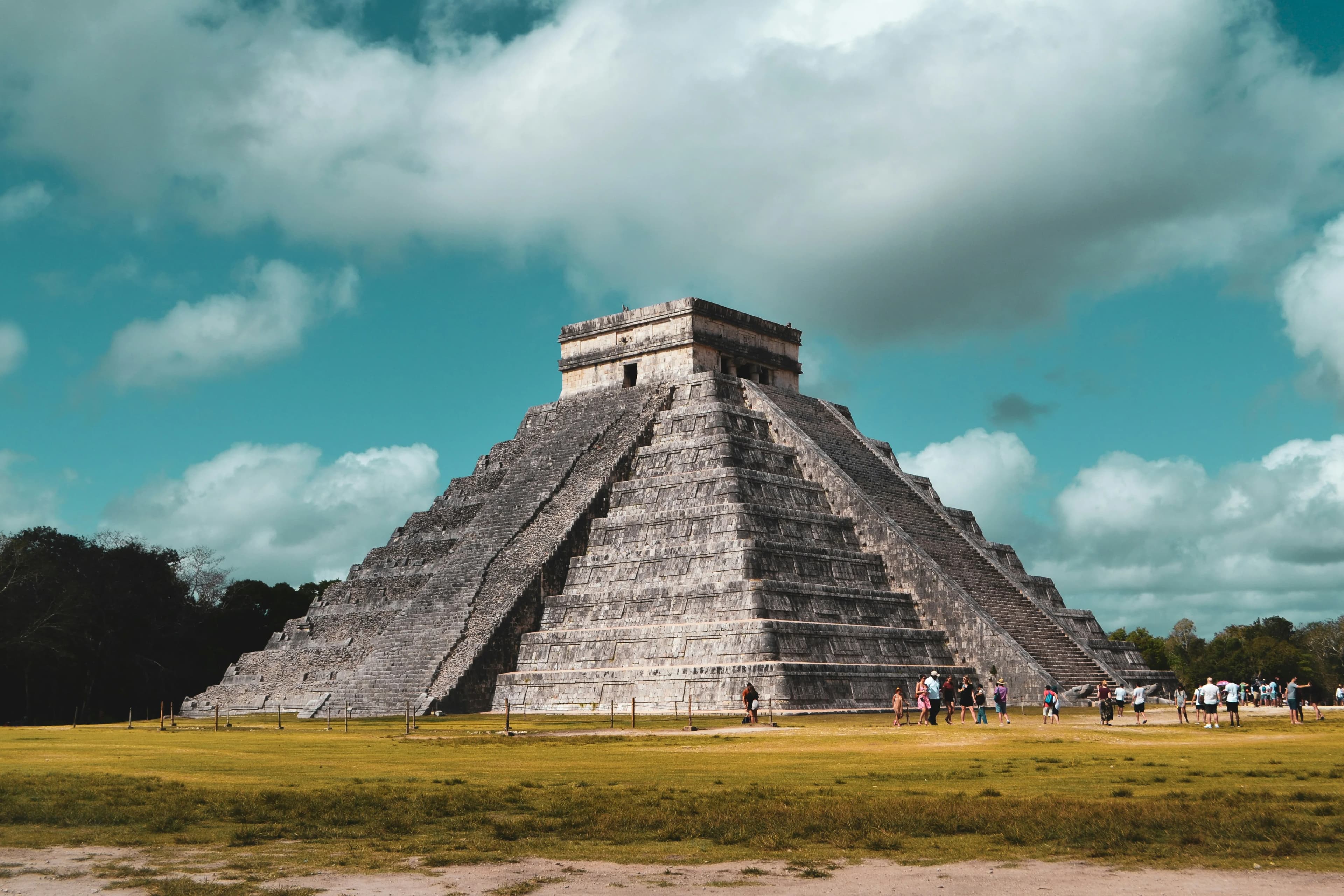
Between raw concrete, volcanic stone, and total openings onto the landscape, Mexico establishes itself as one of the most fertile territories for contemporary hotel architecture. From Riviera Nayarit to Mexico City, passing through Tulum and Puerto Escondido, a new generation of properties reinvents the vocabulary of the luxury suite. Material, light, and landscape dictate the space, never the reverse.
BY Jules Peulet
Where to stay in Central America: a geographic overview for suite travelers
Costa Rica: the benchmark for ecological luxury
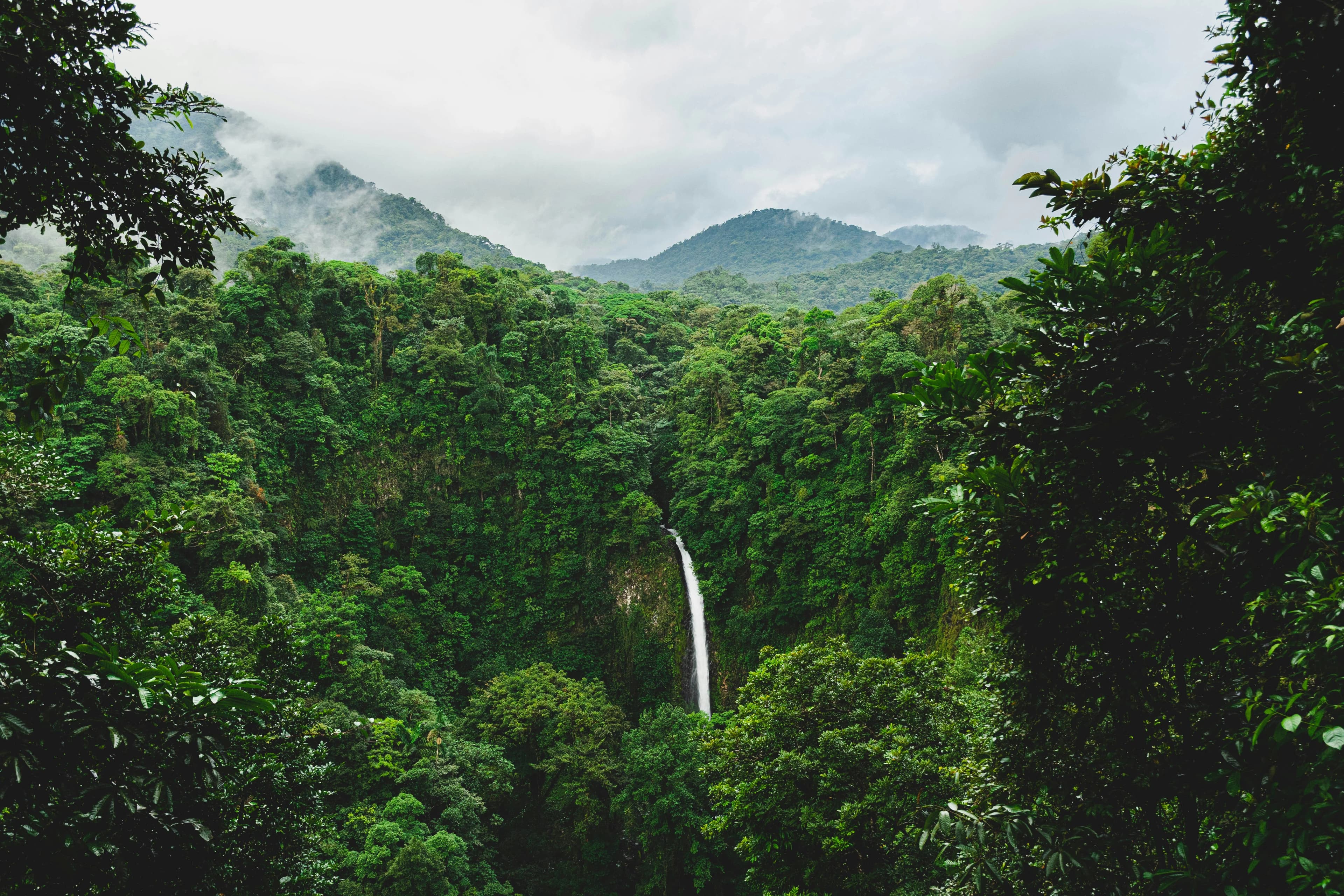
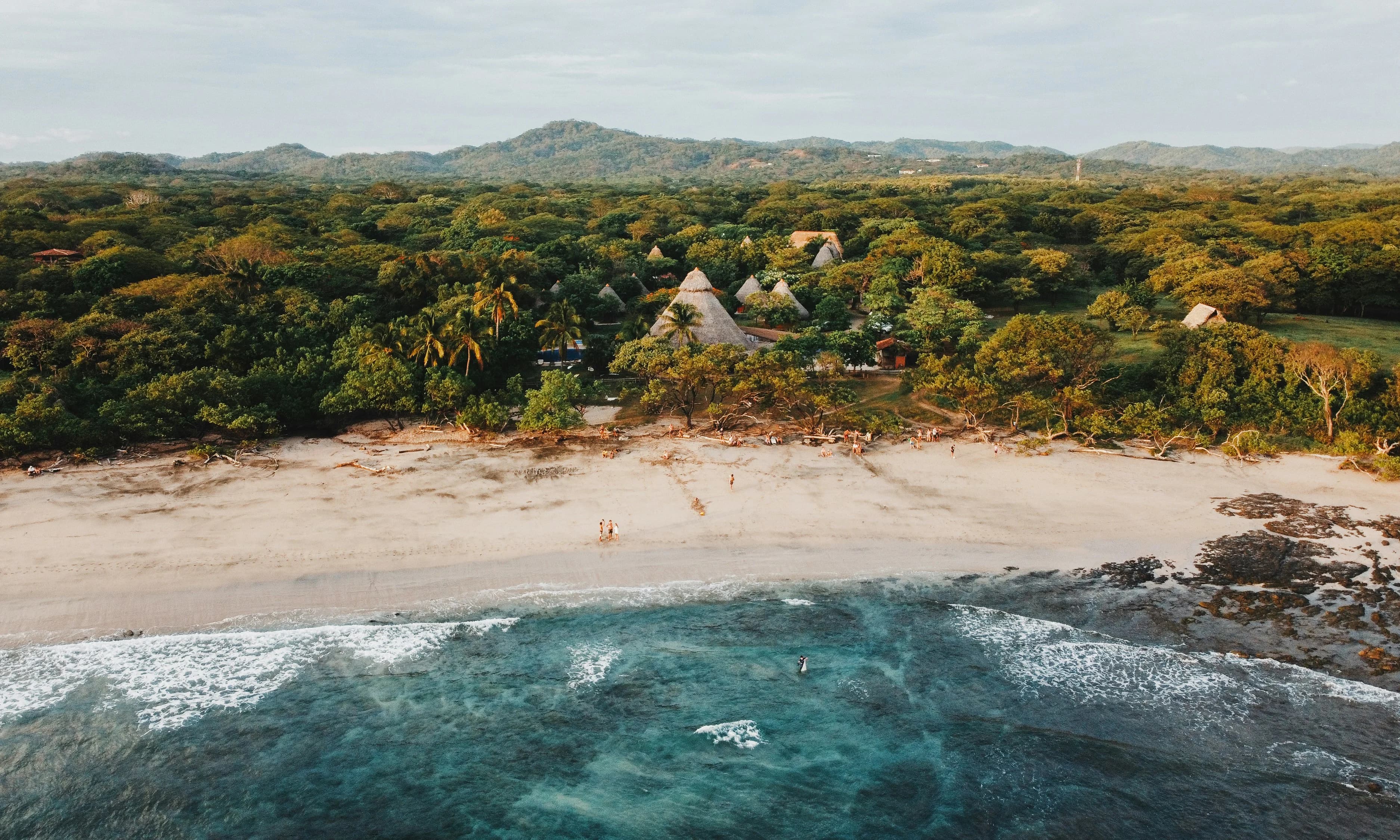
Costa Rica has built the most mature luxury infrastructure in the region. The Osa Peninsula and the Nicoya Peninsula concentrate the highest density of high-end properties, where the architecture is designed to dissolve boundaries between interior suite space and primary forest or ocean. The Central Valley, anchored by San José, offers a quieter category of plantation-era estates converted into boutique hotels with genuine historical character. Guanacaste, on the Pacific northwest coast, attracts a more resort-oriented clientele, with larger properties offering suite inventories designed around pool access and direct beach frontage.
Belize: privacy and reef access
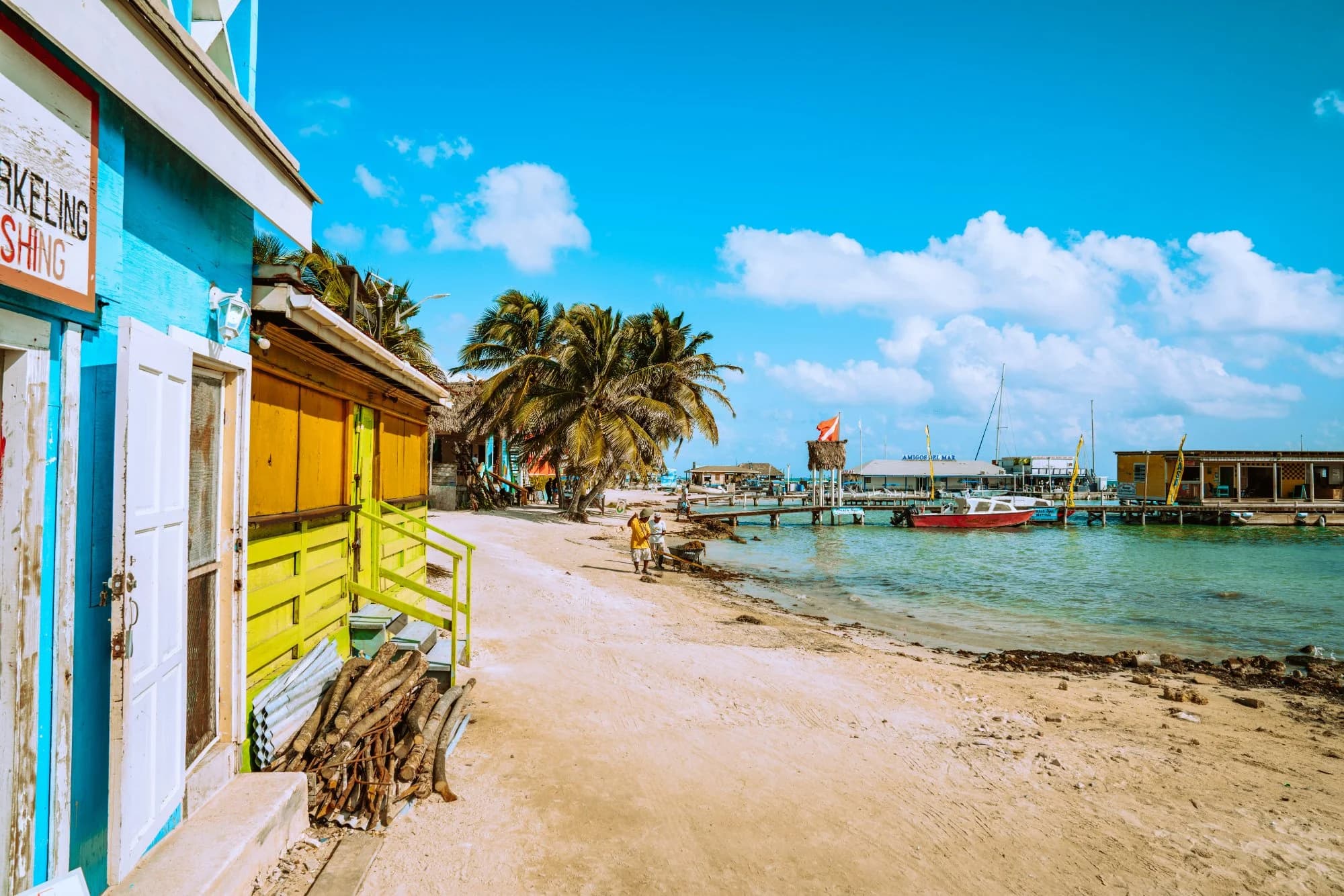
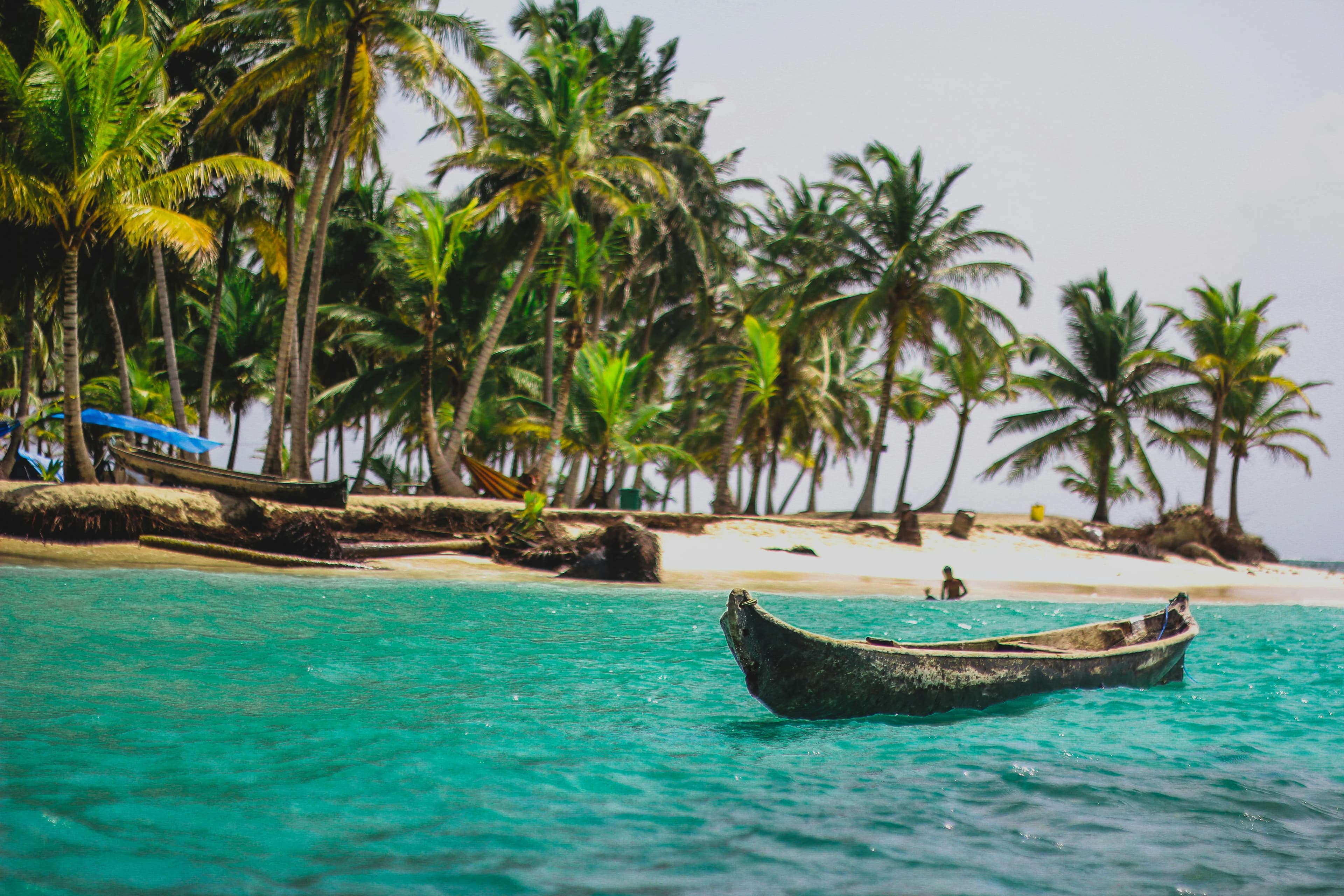
Belize operates on a different register. The country's luxury offering is built around its Caribbean coastline, its network of cayes, and the Mesoamerican Barrier Reef, the second largest barrier reef system in the world. Private island properties and lodge-style suites in the jungle interior of the Cayo district appeal to travelers who prioritize exclusivity over amenity volume. The scale remains intimate. Properties are small. Suite counts are low. This is a deliberate structural feature of Belizean luxury, not a limitation.
Guatemala and the colonial corridor
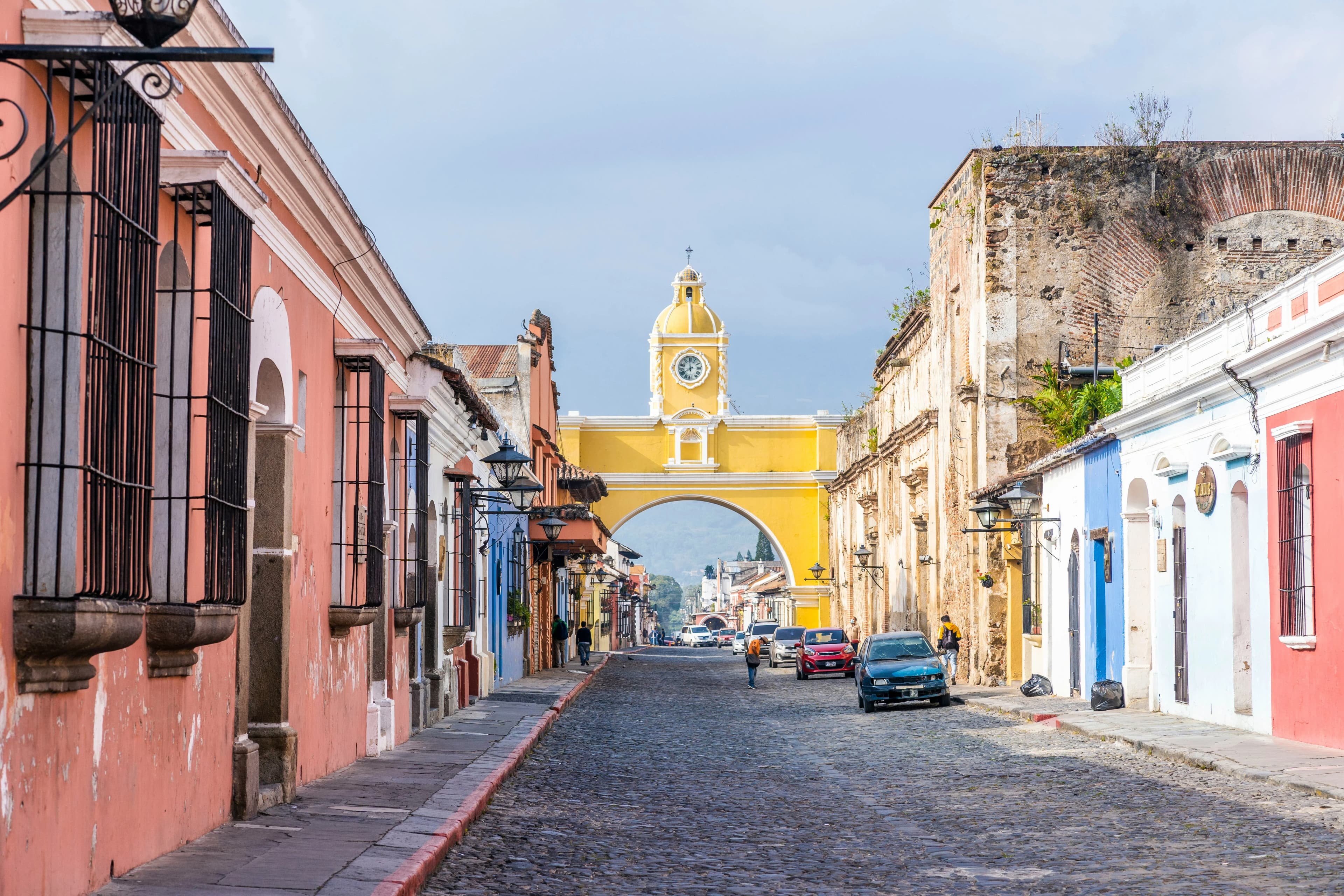
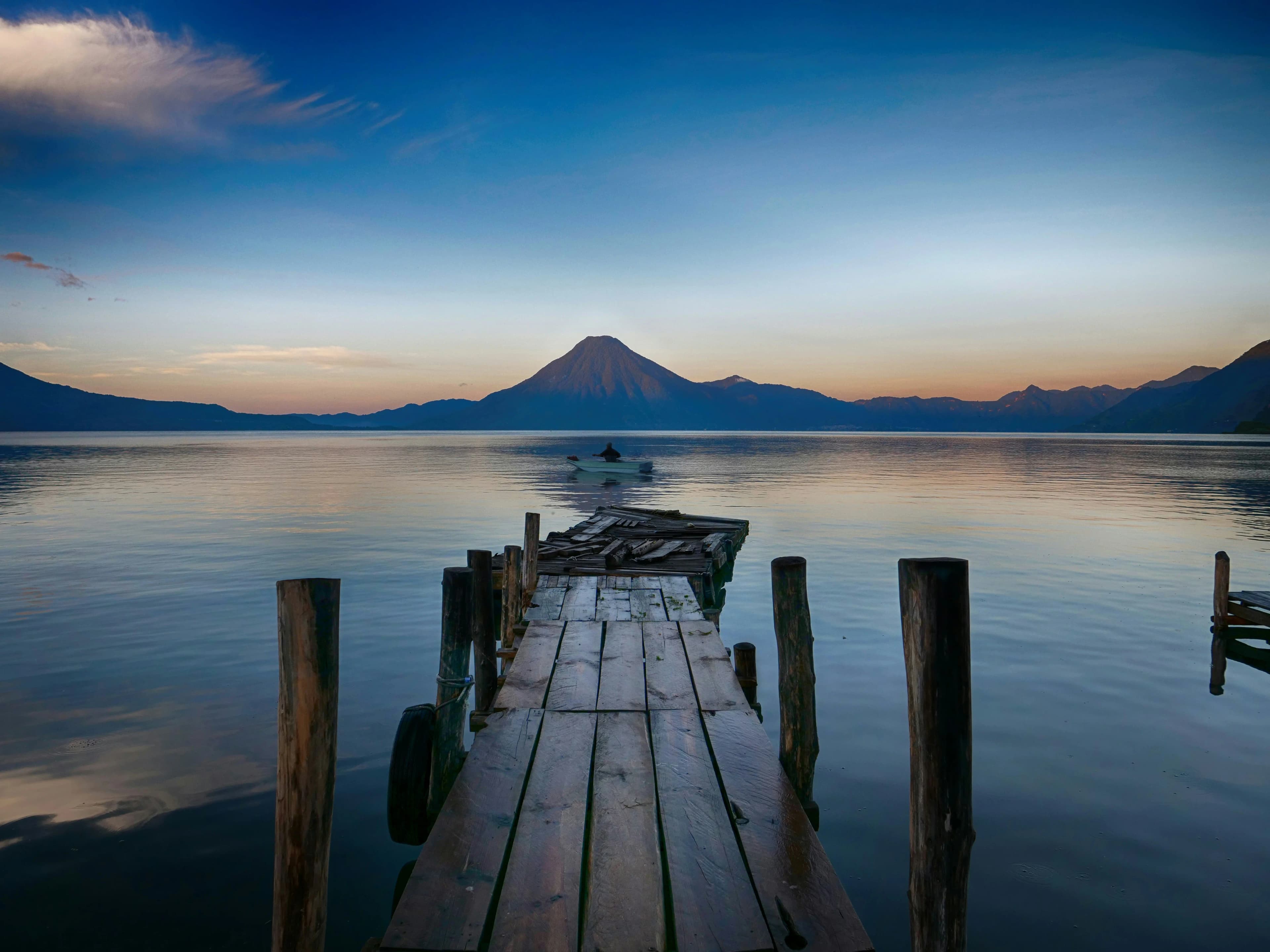
Guatemala presents a luxury proposition rooted in cultural density rather than natural escapism alone. The country holds one of the highest concentrations of Maya archaeological sites in the world, and Lake Atitlán has become a reference point for design-conscious travelers seeking landscape drama at altitude. Antigua Guatemala, a UNESCO World Heritage city, anchors a colonial luxury circuit that connects restored convent properties and hacienda estates in a way that no other Central American destination can replicate at this level of historical authenticity.
Panama: where the canal meets contemporary design
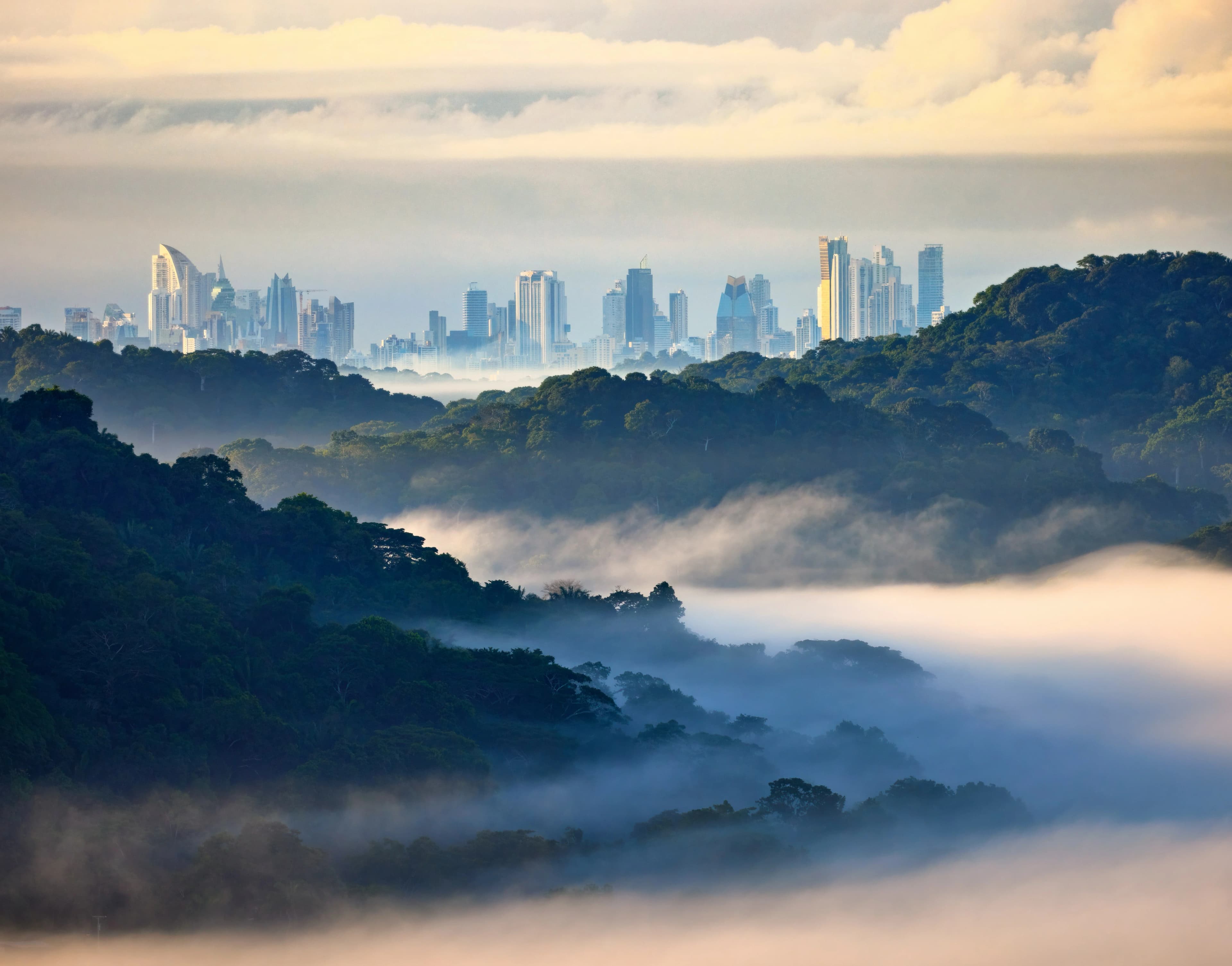
Panama City represents the region's most cosmopolitan luxury hotel market. The capital functions as a transit hub and a financial centre, and its hotel inventory reflects that dual role. Suite travelers here often seek properties that combine urban efficiency with design quality, particularly in the Casco Viejo district, a UNESCO-listed historic quarter where colonial facades now contain contemporary interior architecture. Beyond the capital, the Bocas del Toro archipelago and the Pearl Islands offer a maritime retreat logic that contrasts sharply with the city's pace.
When to visit Central America for a luxury suite experience
The regional calendar is governed by two seasons: dry and wet. The dry season, running broadly from December through April, represents peak demand across the region. Suite availability contracts, rates rise, and properties in high-profile locations such as the Nicoya Peninsula or the Belizean cayes operate at or near capacity. Booking lead times of three to six months are standard for the best suites during this window.
The green season, from May through November, is increasingly favored by experienced travelers. Rates adjust downward, properties are less crowded, and the landscape reaches a saturated chromatic intensity that the dry season cannot offer. In Costa Rica particularly, the green season unlocks wildlife sighting windows that align with nesting and migration patterns. The trade-off is intermittent rainfall, typically concentrated in afternoon hours, which has minimal impact on a well-planned itinerary structured around suite time and morning excursions.
Guatemala operates on a slightly different internal climate logic, with highland areas around Antigua and Lake Atitlán remaining temperate and accessible year-round. The shoulder months of October and November offer a practical window across multiple countries simultaneously.
Local luxury standards: what defines a prestige property in Central America
Central America does not operate under a unified national luxury classification system equivalent to the French Palace designation or the Italian Relais and Châteaux framework at a regional level. Prestige is instead communicated through a set of observable markers that a discerning traveler learns to read independently.
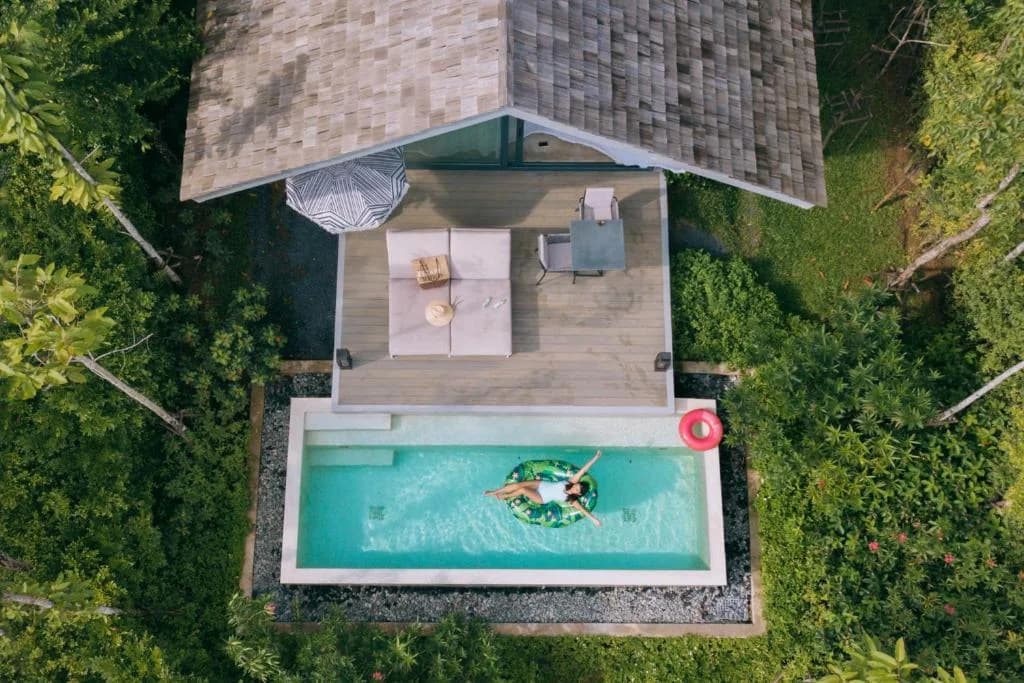
Suite size and architectural integration with the natural environment are primary indicators. Properties where the suite terrace or plunge pool faces unobstructed primary forest or ocean, without visible neighboring infrastructure, represent the upper tier. In Costa Rica, the concept of the open-air suite, where walls retract entirely to merge indoor and outdoor space, has become a genuine regional architectural signature rather than a marketing device.
Staff-to-guest ratios matter significantly in this region. The best properties maintain ratios that allow genuinely personalized service without the formality that can feel misaligned with an ecological or colonial setting. Gastronomy at the top level now engages directly with local sourcing: cacao, coffee, hearts of palm, fresh seafood, and tropical produce from estate gardens are no longer novelties but structural components of the food program at serious properties.
Sustainability certification, particularly the Costa Rican CST (Certificación para la Sostenibilidad Turística) and similar frameworks in Belize and Panama, has become a credible differentiator at the top end of the market. For the La Suite audience, this matters not as an ethical statement alone but as a proxy for operational rigor and long-term property stewardship.
How to choose the right luxury suite in Central America
The first axis of choice is ecological versus cultural orientation. A traveler drawn to Maya history, colonial architecture, and craft traditions will find their reference point in Guatemala, with Antigua as an anchor. A traveler seeking immersion in primary rainforest, marine ecosystems, or volcanic landscape will orient toward Costa Rica or Belize. Panama satisfies a hybrid profile: contemporary urban design paired with accessible natural and maritime escapes within short travel distances.
The second axis is scale. Central American luxury operates across a wide scale spectrum, from properties with fewer than ten suite keys to larger resort complexes with full amenity infrastructure. Smaller properties offer a level of operational attentiveness that larger inventories structurally cannot replicate. For first-time visitors to the region, understanding this distinction before arrival prevents the misalignment of expectation.
Connectivity and transfer logistics deserve explicit attention. Several of the region's most desirable properties require small aircraft transfers, boat crossings, or extended road journeys from the nearest commercial airport. These logistics are not inconveniences to be minimized. They are part of the experiential architecture of arrival. A suite at the end of a 45-minute charter flight over the Osa Peninsula carries a different spatial meaning than one accessible by direct taxi from an international terminal.
Why La Suite's curated selection matters in this region
Central America's luxury hotel market is uneven. Marketing language in this region is ambitious and frequently uncorrelated with actual product quality. Properties describe themselves using terms that do not survive direct inspection. The gap between self-presentation and delivery is wider here than in more mature luxury markets such as the Maldives or the French Riviera.
La Suite applies a consistent editorial and experiential filter to identify the properties where the luxury hotel suite offer is genuine: where architecture, ecology, service, and gastronomy are assembled with intention and maintained at a level that justifies the investment. With one listed property currently on the platform and active curation ongoing, La Suite's Central America selection is deliberately narrow. A short list is not a deficiency. It is a position.
Frequently asked questions
What is the best country in Central America for a luxury hotel suite?
Costa Rica holds the most developed luxury suite infrastructure in Central America, particularly along the Osa and Nicoya Peninsulas, where properties integrate ecological immersion with high service standards. Belize and Guatemala offer compelling alternatives for travelers prioritizing reef access or colonial cultural depth respectively. The right choice depends on whether the primary orientation is natural, cultural, or maritime.
When is the best time to book a luxury suite in Central America?
The dry season from December through April represents peak demand, and suite availability at top properties compresses significantly during this window, particularly in Costa Rica and Belize. Travelers who book three to six months in advance secure the best selection. The green season from May through November offers reduced rates, lower occupancy, and a landscape at its most ecologically active.
What should I expect from a top-tier suite in Costa Rica?
The defining characteristic of the best suites in Costa Rica is architectural integration with the surrounding environment. Open-air design, private plunge pools facing primary forest or ocean, and high staff-to-guest ratios are standard at the upper tier. Properties at this level also typically hold sustainability certifications such as the CST, which functions as a reliable proxy for operational quality.
Are private island suites available in Central America?
Belize offers the most developed private island suite offer in the region, with several properties occupying dedicated cayes within or adjacent to the Mesoamerican Barrier Reef. These properties maintain very low guest counts by design, and suite availability is limited year-round. Panama's Pearl Islands archipelago provides an alternative within shorter transfer distance of a major international hub.
How do I get to remote luxury properties in Central America?
Access to the region's most secluded properties typically involves a combination of commercial flight to a regional hub such as San José, Belize City, or Panama City, followed by a small charter aircraft, helicopter transfer, or private boat crossing. These transfers are integral to the experience and are generally arranged directly by the property. Factoring in transfer time and logistics during the planning phase is essential.
What distinguishes a genuine luxury suite in Central America from a standard upscale resort?
The primary differentiators are suite scale relative to the total property, staff-to-guest ratio, and the degree of architectural intentionality in the relationship between interior space and natural environment. Properties where each suite occupies its own structural footprint, with private outdoor space and unobstructed natural views, represent the upper tier. Properties with large suite counts and shared amenity infrastructure occupy a different market position regardless of nightly rate.
Is Guatemala suitable for luxury suite travel?
Guatemala's luxury hotel offer is centred on Antigua and the Lake Atitlán basin, both of which have properties occupying restored colonial or hacienda-era architecture with genuine historical character. The country offers a cultural depth and a landscape drama that are distinct from the ecological luxury model dominant in Costa Rica. Travelers drawn to Maya heritage, artisan craft traditions, and highland geography will find Guatemala the most rewarding Central American destination.
What role does sustainability play in Central American luxury hotel selection?
Sustainability certification functions as a meaningful quality signal in Central America, particularly in Costa Rica where the CST framework has been in operation since 1997 and is audited against measurable operational criteria. At the luxury level, properties with high sustainability ratings tend to demonstrate greater operational consistency, more coherent food and beverage programs, and stronger integration with local communities and ecosystems. For discerning travelers, these are indicators of long-term property stewardship rather than purely ethical considerations.
How does the luxury hotel suite offer in Panama City compare to other Central American capitals?
Panama City operates the most internationally oriented luxury hotel market in Central America, reflecting its role as a regional financial and transit hub. The Casco Viejo district offers a historically grounded suite experience within walking distance of contemporary cultural infrastructure. Properties here tend toward smaller boutique formats with design-forward interiors. The offer is more urban and cosmopolitan in character than the ecological or colonial frameworks dominant elsewhere in the region.
Why use a curated platform like La Suite to find a luxury suite in Central America?
The Central American luxury market is characterized by significant variation in product quality relative to marketing claims, making independent assessment more valuable here than in more standardized luxury destinations. La Suite applies a consistent editorial filter to identify properties where the suite offer genuinely meets the criteria of architectural quality, service ratio, and experiential coherence. A short, curated list in this region represents a more reliable navigation tool than a broad directory.