Where to stay in Panama: distinct regions for luxury travelers
Panama City and the Pacific coast
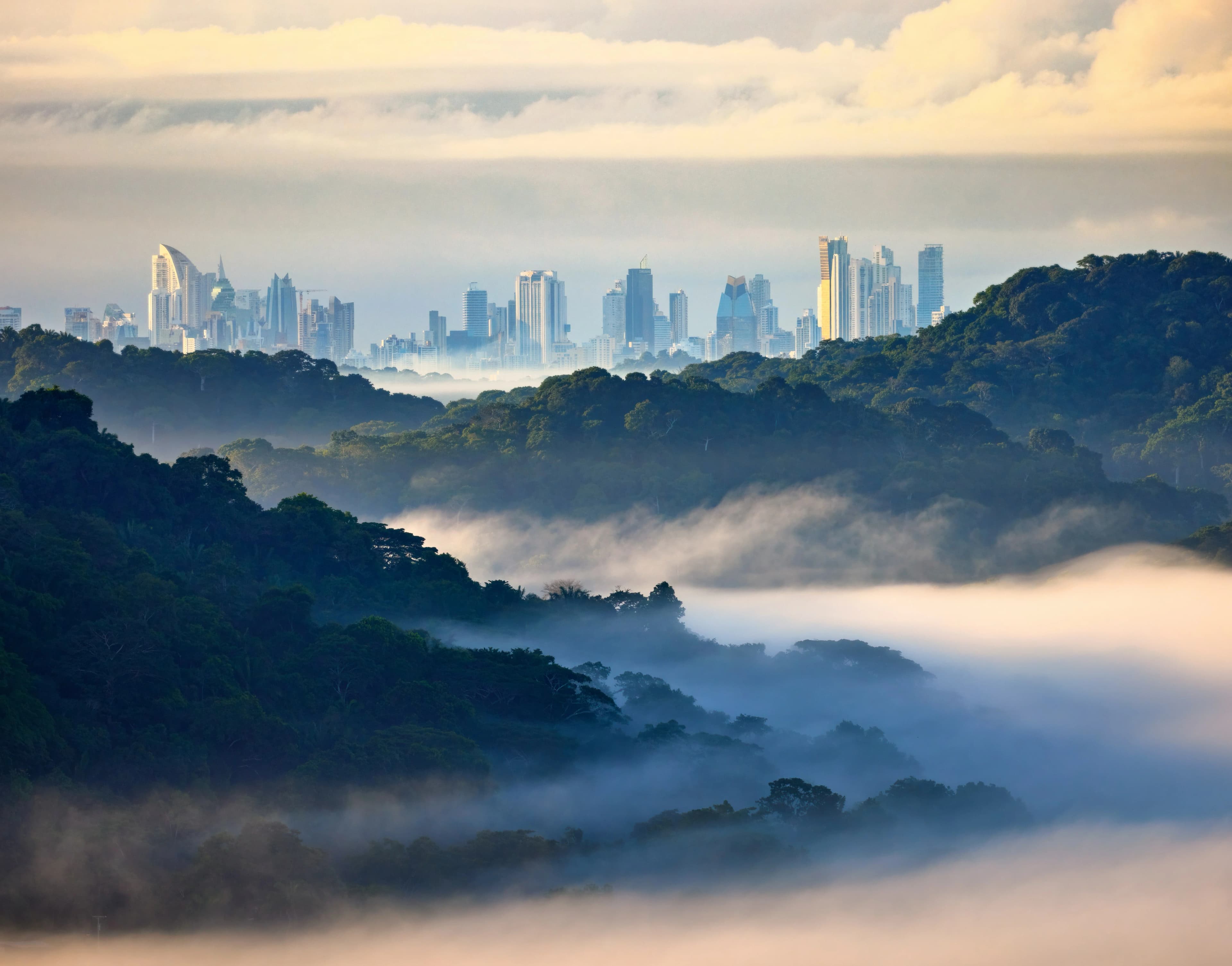
Panama City is the financial and cultural capital, and its skyline, one of the most architecturally complex in Latin America, signals a cosmopolitan ambition that extends into its hotel offer. The historic district of Casco Viejo, a UNESCO World Heritage Site, contains a concentration of restored colonial buildings that have been converted into boutique properties of genuine architectural interest. The contrast between this 17th-century grid and the glass towers of Punta Pacifica a few kilometres away defines the city's dual personality. Luxury hotel suites in Panama City tend to reward travelers who value that tension between the historical and the contemporary.
The Pearl Islands and Pacific archipelago
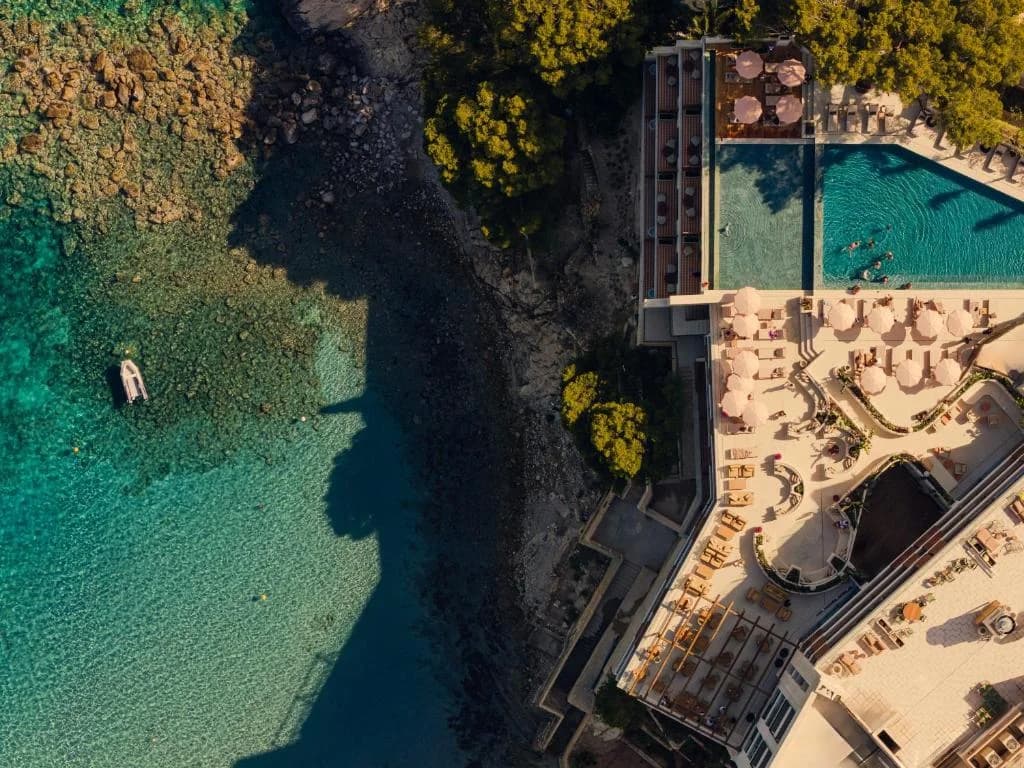
The Pearl Islands, situated roughly 75 kilometres off the Pacific coast, offer a more remote form of luxury. Access is by boat or light aircraft, and the scarcity of that access is part of the proposition. Properties here are small in scale, deliberate in design, and oriented toward marine environments of exceptional quality. For travelers seeking privacy without asceticism, this archipelago represents one of Central America's more credible options.
Bocas del Toro: Caribbean contrast
On the Caribbean side, Bocas del Toro presents a markedly different register. The archipelago is characterized by overwater structures, dense mangrove coastlines, and a cultural mix drawn from Afro-Caribbean, indigenous Ngabe-Bugle, and expatriate communities. The luxury offer here is intimate rather than grand, with properties that prioritize immersion in the natural environment over formal service protocols.
The Azuero Peninsula and interior highlands
The Azuero Peninsula, on the Pacific side, is where Panamanian cultural identity is most visibly preserved: festivals, traditional crafts, and agricultural landscapes define the experience. The highland region of Boquete, near the Costa Rican border, sits at elevation and offers a cooler climate, coffee culture of genuine international reputation, and access to Volcan Baru, Panama's highest peak. Luxury accommodation in these areas tends toward the experiential rather than the ceremonial, with smaller properties and a closer relationship to the landscape.
When to visit Panama for a luxury suite stay
Panama operates on two primary seasons. The dry season runs from mid-December through April, with the Pacific side receiving minimal rainfall and temperatures remaining consistent between 28 and 32 degrees Celsius. This is the period of highest demand for luxury hotel suites, particularly in Panama City and the Pearl Islands. The green season, from May through November, brings afternoon rains to the Pacific side but significantly less congestion at top properties. The Caribbean side, including Bocas del Toro, follows a different pattern, with its driest months typically falling between September and October and from February through March.
The Panama Jazz Festival, held annually in January, draws an international audience and creates a specific cultural context for a city visit during the dry season. Carnival, celebrated in the days preceding Ash Wednesday, is most intensely observed in the Azuero Peninsula and represents a significant cultural event for travelers with an interest in regional tradition.
Local luxury standards: what to expect from top-tier suites in Panama
Panama does not operate within a formal palace hotel classification system comparable to France's Ministry of Tourism designations. The luxury offer is instead defined by a combination of international brand presence and a growing independent sector of design-led properties. The country's position as a regional financial hub has attracted several internationally recognized hotel groups to Panama City, where their flagship suites meet expectations calibrated by properties in Miami, New York, or London.
In the boutique segment, particularly in Casco Viejo and the outer islands, the defining quality is architectural specificity. Colonial-era buildings with original tile floors, thick masonry walls, and interior courtyards create suite environments that are genuinely irreproducible. Climate control and acoustic performance in these older structures vary, and it is worth understanding the specific building before confirming a reservation. La Suite's curation process addresses precisely this level of detail.
Service standards in Panama's top properties reflect the country's significant hospitality industry, which is supported by proximity to major cruise routes and long-standing business travel infrastructure. English is widely spoken in the capital and in major tourist zones, reducing friction for US and UK travelers.
How to choose the best luxury suite in Panama
The first decision is geographic: Panama City versus the islands versus the highlands. These are not interchangeable. A suite in Casco Viejo delivers an urban, architectural, historically layered experience. A suite in the Pearl Islands delivers seclusion and access to the Pacific marine environment. A suite in Boquete delivers altitude, cool temperatures, and proximity to active outdoor environments. These distinctions should drive the selection rather than brand affiliation alone.
The second consideration is the architectural context. Historic buildings in Casco Viejo carry charm and specificity but may present limitations in terms of elevator access, suite dimensions, or sound insulation. Contemporary towers in Punta Pacifica offer panoramic views of the Canal and the Bay of Panama, with full modern infrastructure. Neither is inherently superior; the right choice depends on what the traveler is actually there to experience.
Travelers arriving for business or transit should note that Panama City's Tocumen International Airport is the primary hub for Copa Airlines and functions as the busiest transit point in Central America. Proximity to the airport matters less than proximity to the specific districts or experiences the trip is organized around.
Why La Suite's curated selection matters in Panama
Panama's luxury hotel market is growing rapidly and unevenly. International brands operate alongside newly converted boutique properties of widely varying quality, and online platforms aggregate these without meaningful differentiation. A five-star designation in Panama City may describe a property with exceptional Canal views and a well-executed suite program, or it may describe a conference hotel with aspirational pricing.
La Suite applies a consistent editorial standard to the properties it lists. The criteria are architectural, experiential, and spatial. Size of suite, quality of design, coherence of service, and specificity of location are assessed as a system rather than as isolated variables. For a destination as geographically and culturally layered as Panama, that level of curation is not a convenience. It is the difference between an exceptional trip and an expensive disappointment. The curated selection by La Suite represents the properties that have met that standard.