Where to stay in Andorra for a high-end suite experience
Escaldes-Engordany, which borders the capital and functions almost as a contiguous district, is architecturally distinct. The thermal waters beneath the valley floor have historically defined the area, and the Caldea thermal complex remains one of the largest in southern Europe. Properties here position themselves around hydrotherapy and long-stay wellness, making them a natural choice for travelers whose primary criterion is physical restoration rather than access to slopes.
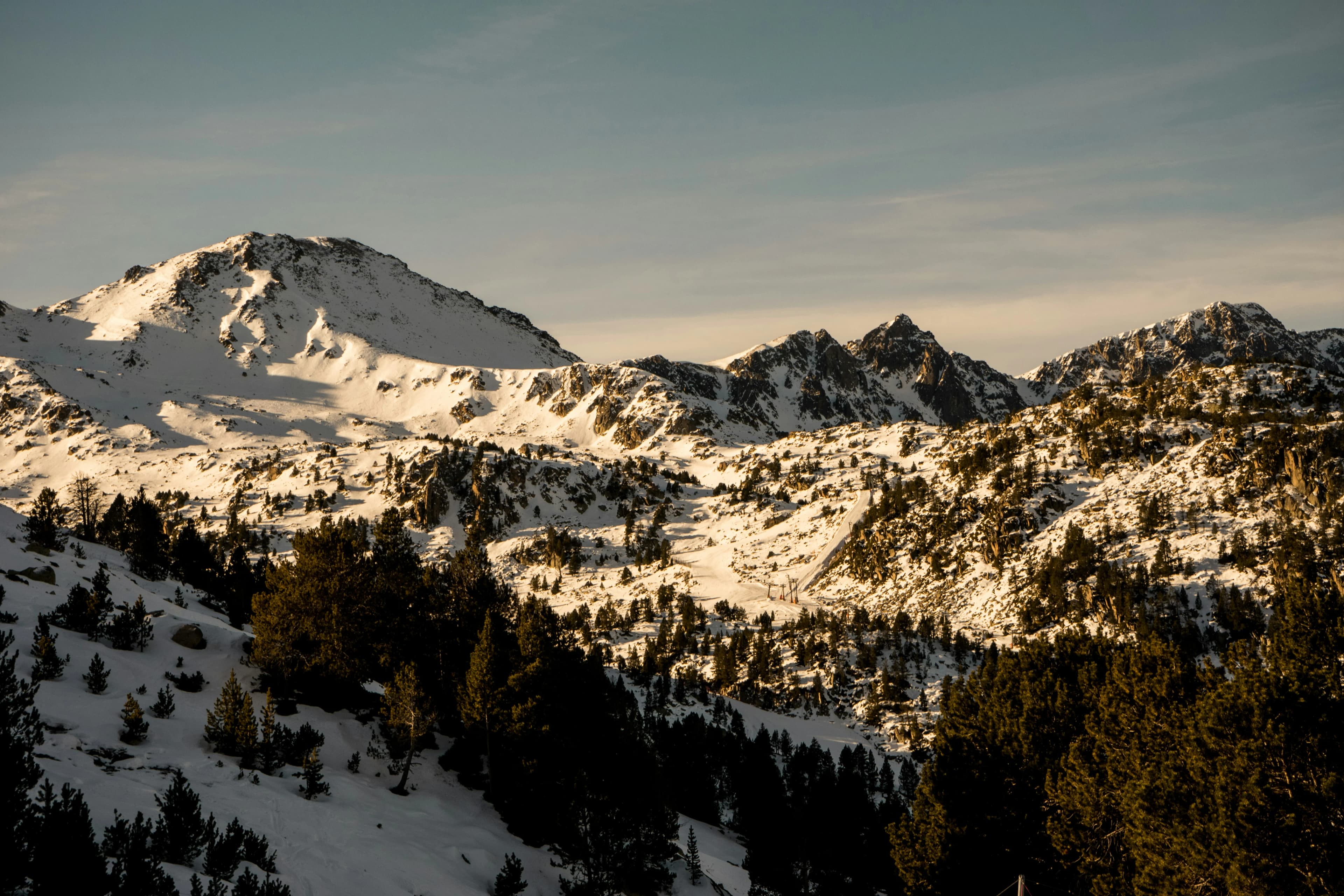
The northern parishes, particularly Ordino and La Massana, offer a different register entirely. The landscape becomes more severe, the villages smaller, and the hotel infrastructure less dense. This is where guests seeking genuine spatial isolation tend to look. Altitude here reaches above 2,000 metres in parts, and the architectural language shifts toward stone, timber, and materials with a demonstrable relationship to the terrain. Suite options are fewer but often more architecturally coherent with their surroundings.
Canillo, in the east, provides the most direct access to the Grandvalira ski domain, the largest ski area in the Pyrenees by skiable hectare. Properties in this parish prioritise ski-in proximity and après-ski amenities, making them functionally suited to travelers whose itinerary is structured around the mountain rather than around the capital's cultural and commercial offer.
When to visit Andorra for a suite stay
Andorra operates on two distinct seasonal rhythms, and understanding which one aligns with your intentions is the first practical decision a suite traveler needs to make.
The winter season, broadly November through April, brings the highest occupancy rates, particularly during the Christmas and New Year period and during the February school holiday breaks observed in both France and Spain. Grandvalira and Vallnord attract significant volume during these windows. Suite availability at the better properties contracts sharply, and rates reflect that compression. Travelers who prefer full suite inventory at more measured pricing should consider early December or late March, when the skiing remains credible but the demand pressure eases.
The summer season, June through September, is climatically precise. Average temperatures in the valleys remain between 15 and 25 degrees Celsius, making Andorra one of the more comfortable high-altitude destinations in the Pyrenees during the warmer months. Hiking trails across the country's seven parishes connect through landscapes that receive considerably less attention than the ski infrastructure. Suite rates are generally lower in summer, and the sense of spatial ownership within a property increases significantly when winter crowds are absent.
The Andorra la Vella Festival in August and various parish festivals throughout summer provide cultural texture without the logistical density of the ski season. Travelers focused on Andorra's natural environment rather than its retail or sporting offer consistently report that the shoulder seasons, May and October, provide the most precise balance between accessibility and atmosphere.
Understanding local luxury standards in Andorra
Andorra does not operate within the French Palace designation system, nor does it apply Spain's Gran Lujo category with the same regulatory structure. The country's hotel classification follows its own framework, with five-star ratings representing the ceiling of the official hierarchy. However, the practical meaning of a five-star designation in Andorra varies more than in neighbouring France or the major Spanish cities, making independent curation more consequential than in destinations where institutional classification is more granular.
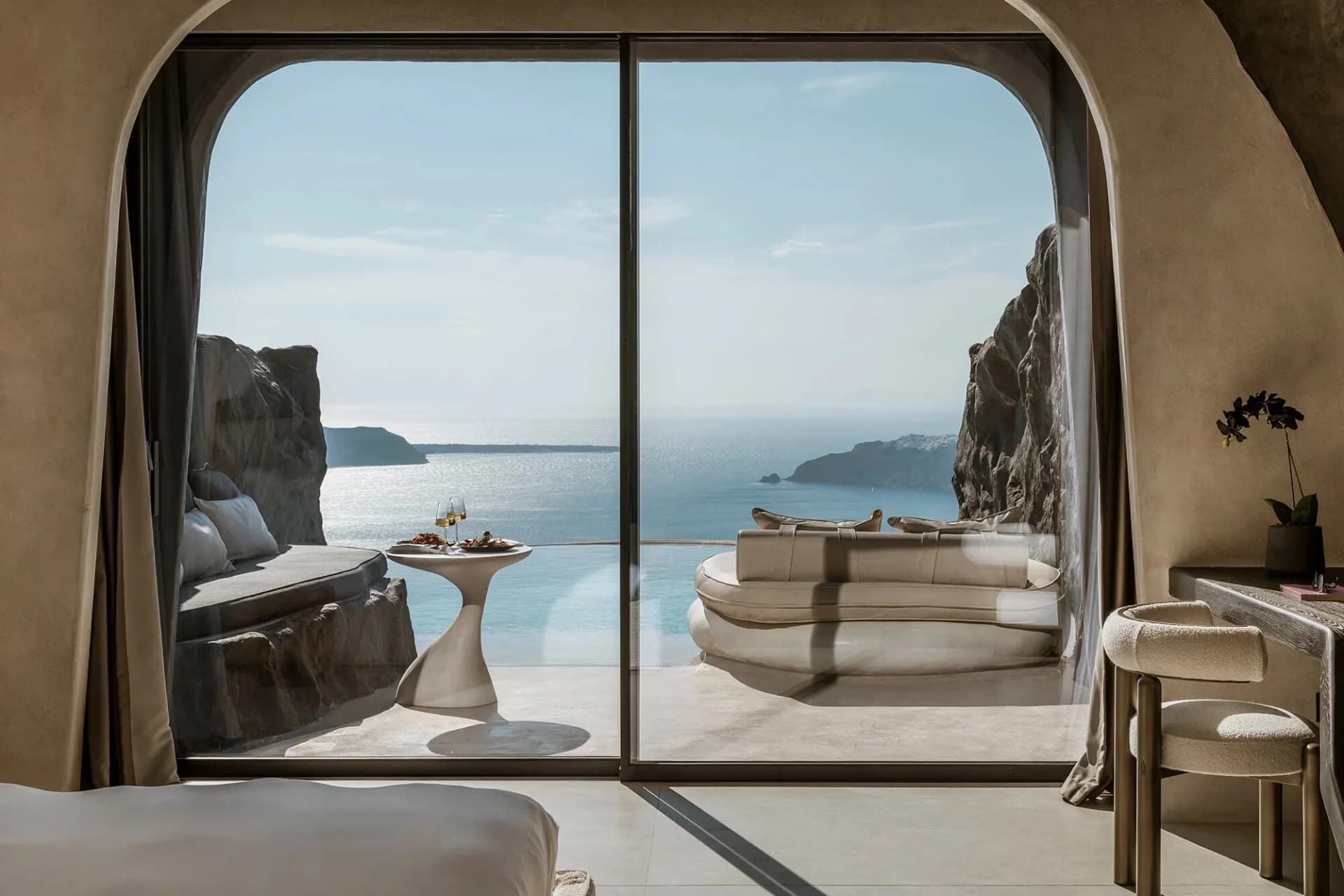
The most considered properties in Andorra tend to distinguish themselves through spa depth, suite square meterage, and the quality of their relationship with the landscape, whether through panoramic glazing, heated outdoor terraces, or direct access to thermal or natural water sources. Room service culture is less embedded here than in the major European luxury hotel markets, and the service model in even the top-tier properties tends toward the attentive rather than the anticipatory. Guests who arrive expecting the invisible choreography of a Parisian palace or a London five-star flagship may find the register more grounded and more personal, which for many represents not a deficit but a specific appeal.
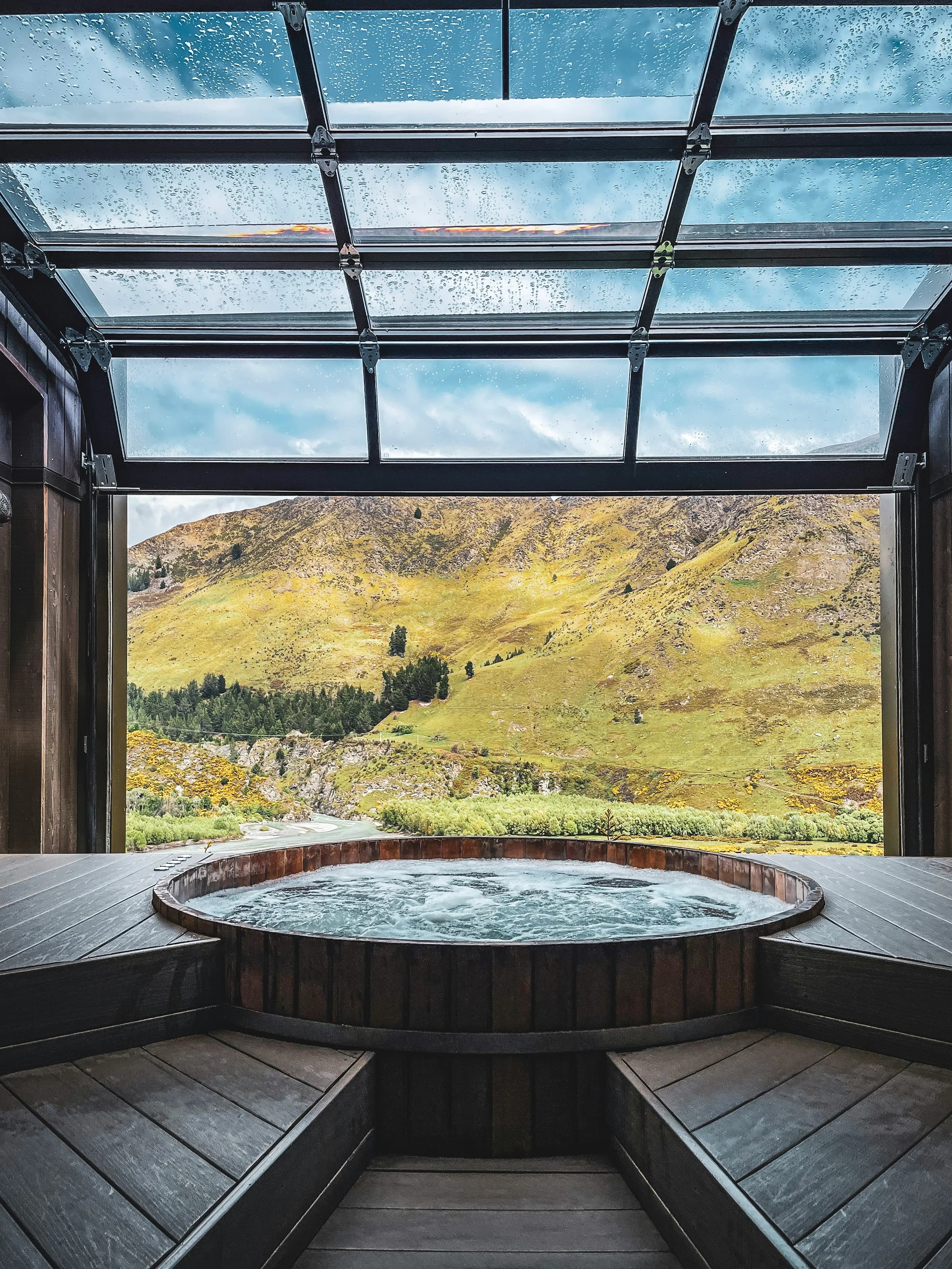
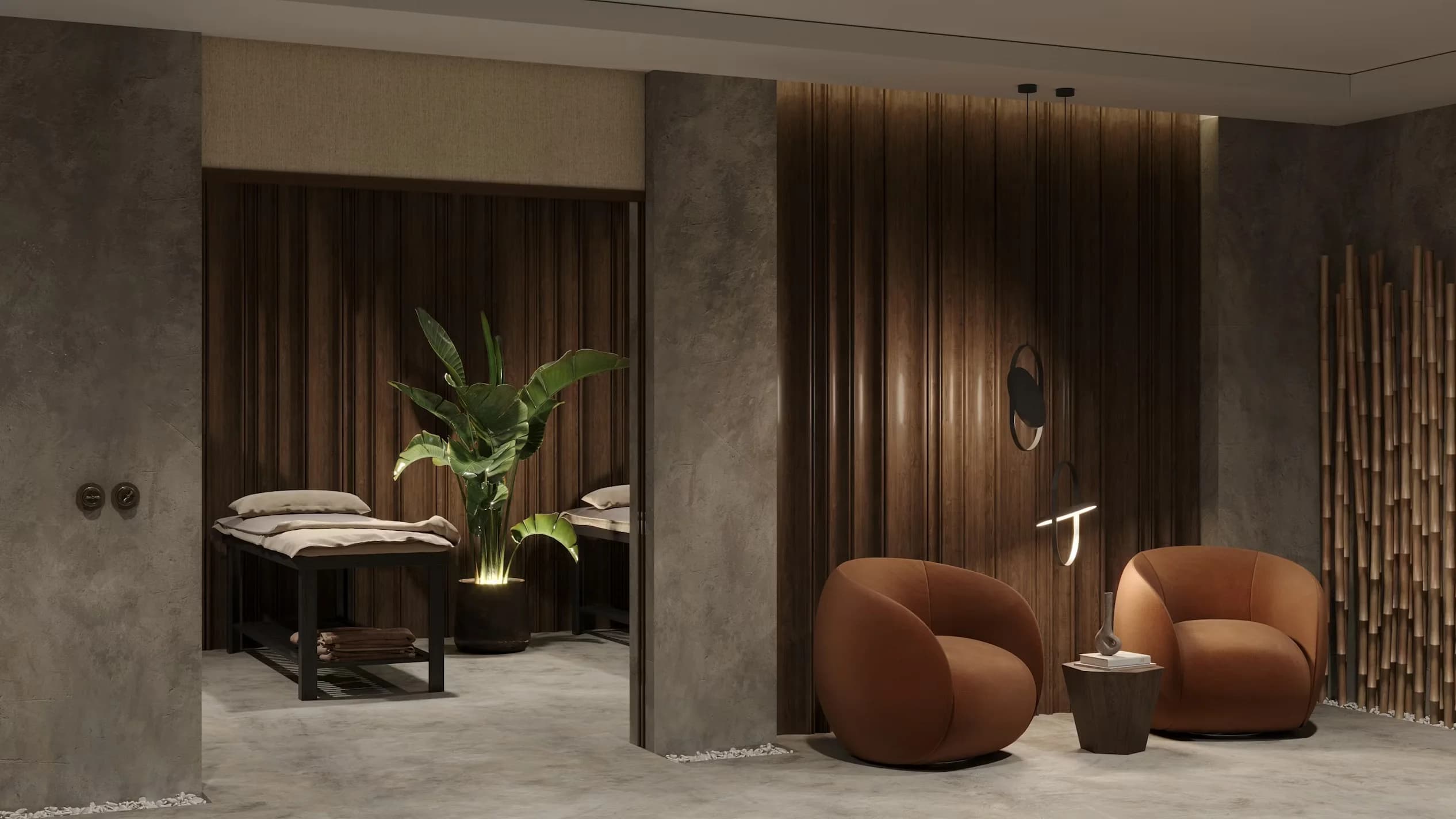
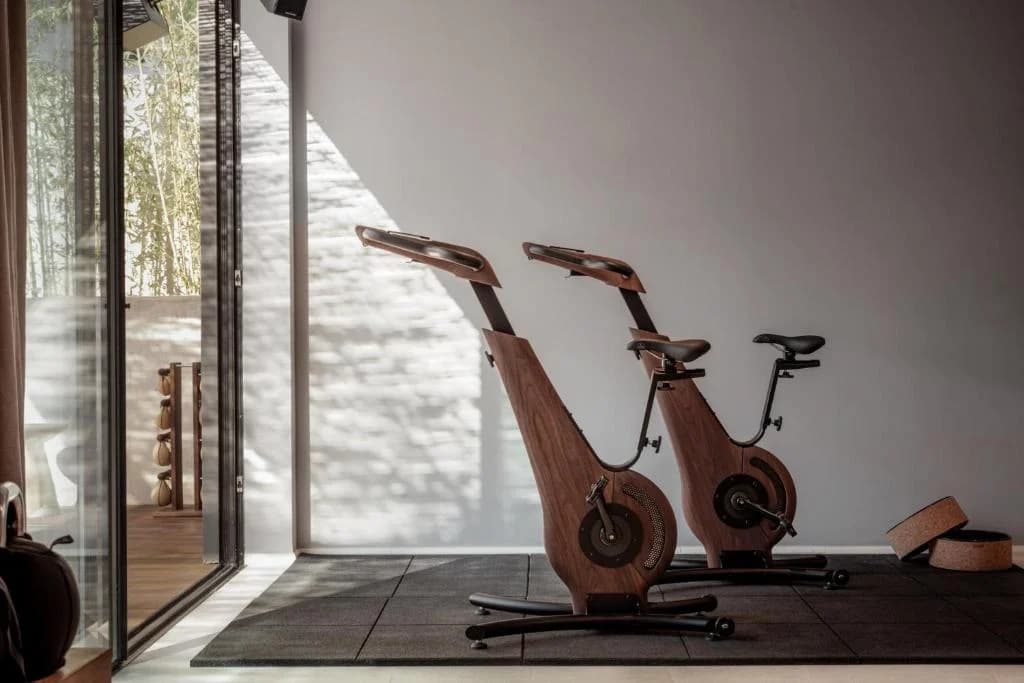
Spa facilities in Andorra's leading hotels frequently reference the thermal tradition of Escaldes-Engordany, and a meaningful proportion of the better suites include private hot tub or plunge pool access, either on a terrace or within the suite itself. This is worth examining directly when selecting a property, as it represents one of the clearest differentiators within the local luxury tier.
How to choose the right luxury suite in Andorra
The most important structural choice in Andorra is between altitude and accessibility. Properties at higher elevations in Ordino or Canillo deliver on landscape and seclusion but require either a vehicle or planned transfers. Properties in Andorra la Vella and Escaldes-Engordany are walkable to the country's principal commercial and thermal infrastructure, which matters more to some travelers than others.
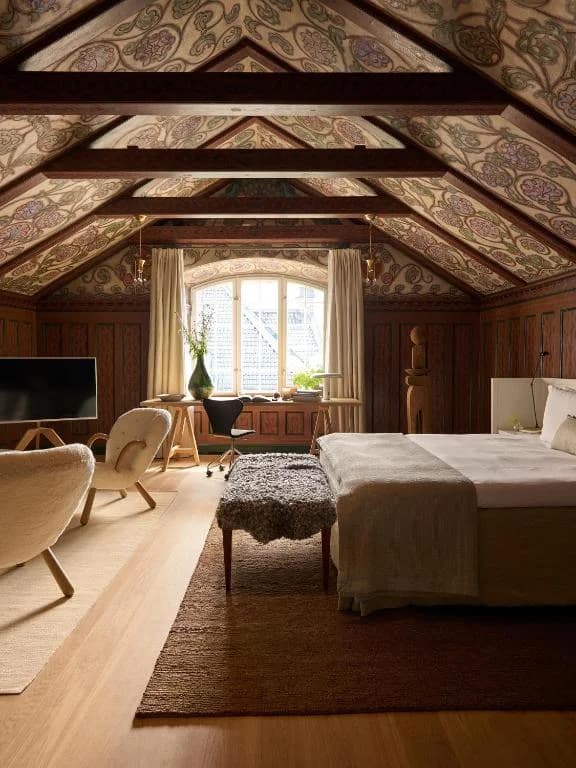
Architecture is the second consideration. Andorra's building stock is a mixture of traditional stone construction, particularly in the older parish villages, and contemporary alpine design, which dominates the capital and the ski resort developments. Travelers with a preference for spatial modernism will find more to work with in the capital and in Grandvalira-adjacent properties. Those drawn to materiality and historical context should look north, toward the parishes of Ordino and La Massana, where the relationship between building and landscape is more explicitly traditional.
Suite size in Andorra ranges from junior suite configurations in the 40 to 50 square metre bracket up to expansive penthouse arrangements exceeding 100 square metres in the leading properties. Given the country's compact geography, traveling between parishes takes under 30 minutes by road in most conditions, which means that locating a preferred suite in one area does not significantly restrict access to another part of the country. This geographic compression is one of Andorra's structural advantages for the high-end traveler: you do not need to compromise on suite quality to maintain itinerary flexibility.
Tax-free shopping remains a material consideration for a portion of Andorra's luxury clientele. The country levies no VAT, applying instead the IGI (Impost General Indirecte) at a rate of 4.5 percent, significantly below both French and Spanish VAT rates. For travelers who combine a suite stay with meaningful retail activity, the fiscal structure of the destination contributes to the overall value calculation in ways that are specific to Andorra and not reproducible in neighbouring countries.
Why curation matters for luxury suites in Andorra
With only seven hotels in the La Suite selection for Andorra, the country represents one of the more compact inventories on the platform. This is not a limitation. It is a reflection of the country's actual size (468 square kilometres) and the relatively narrow tier of properties that meet the spatial, material, and experiential criteria applied consistently across every destination in the La Suite portfolio.
The practical value of curation in a destination like Andorra is that it removes the noise created by a hotel market where official star ratings do not always correlate precisely with suite quality. The seven properties presented here have been assessed on the criteria that matter to the platform's audience: suite square meterage, privacy architecture, service model, spa depth, and the quality of the physical relationship between the property and the Pyrenean landscape it occupies. The curated selection by La Suite is not a ranking. It is a considered edit, designed to support a deliberate decision rather than to accelerate an impulsive one.