







Europe
Hotels with luxury suites in Europe
Europe does not present a single luxury typology. Each region operates according to its own prestige logic, and understanding those distinctions is the first step toward making a considered choice.
Albania
32 hotels

Alps
411 hotels
Andorra
7 hotels
Austria
131 hotels
Belgium
108 hotels
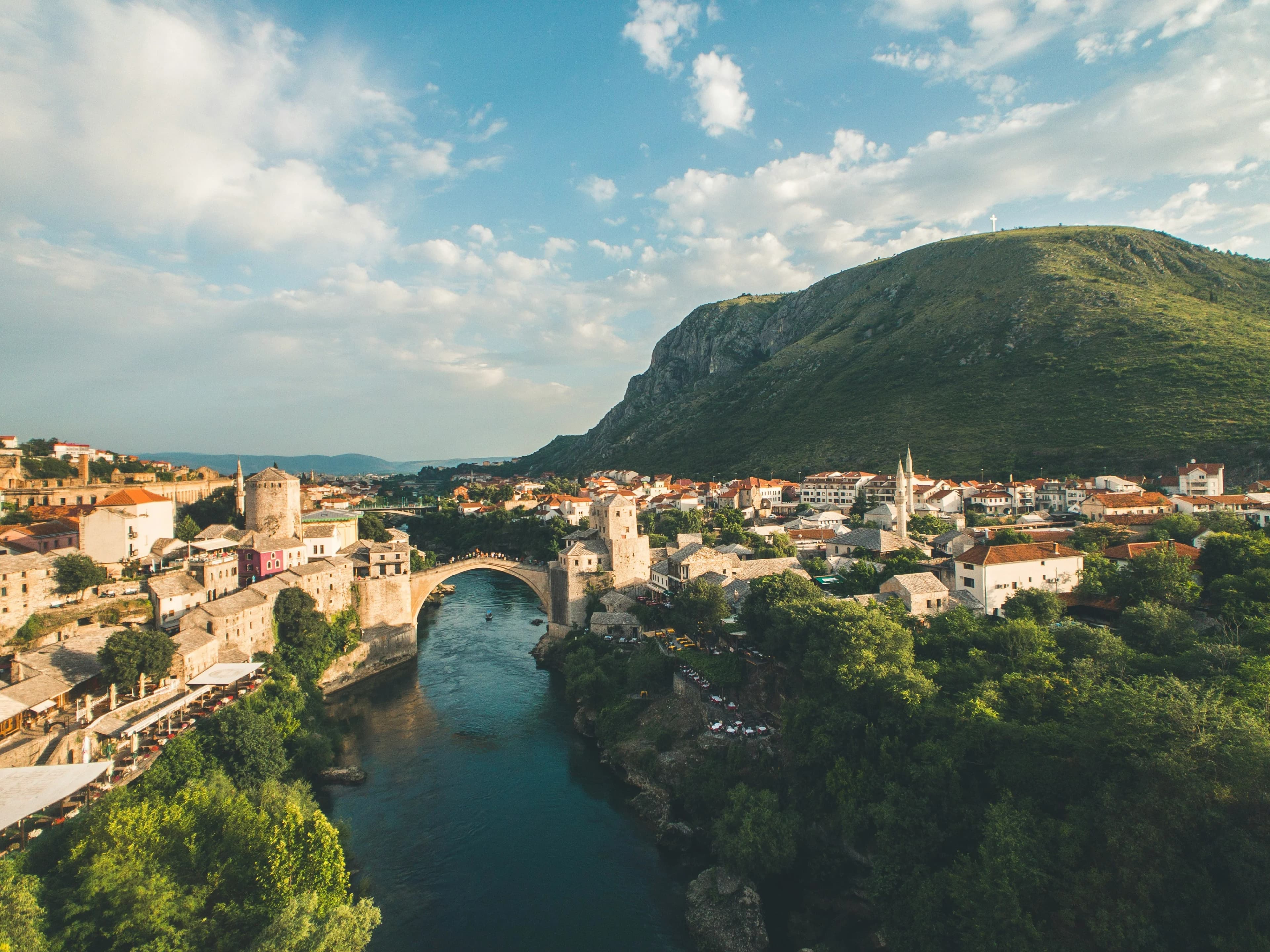
Bosnia and Herzegovina
3 hotels
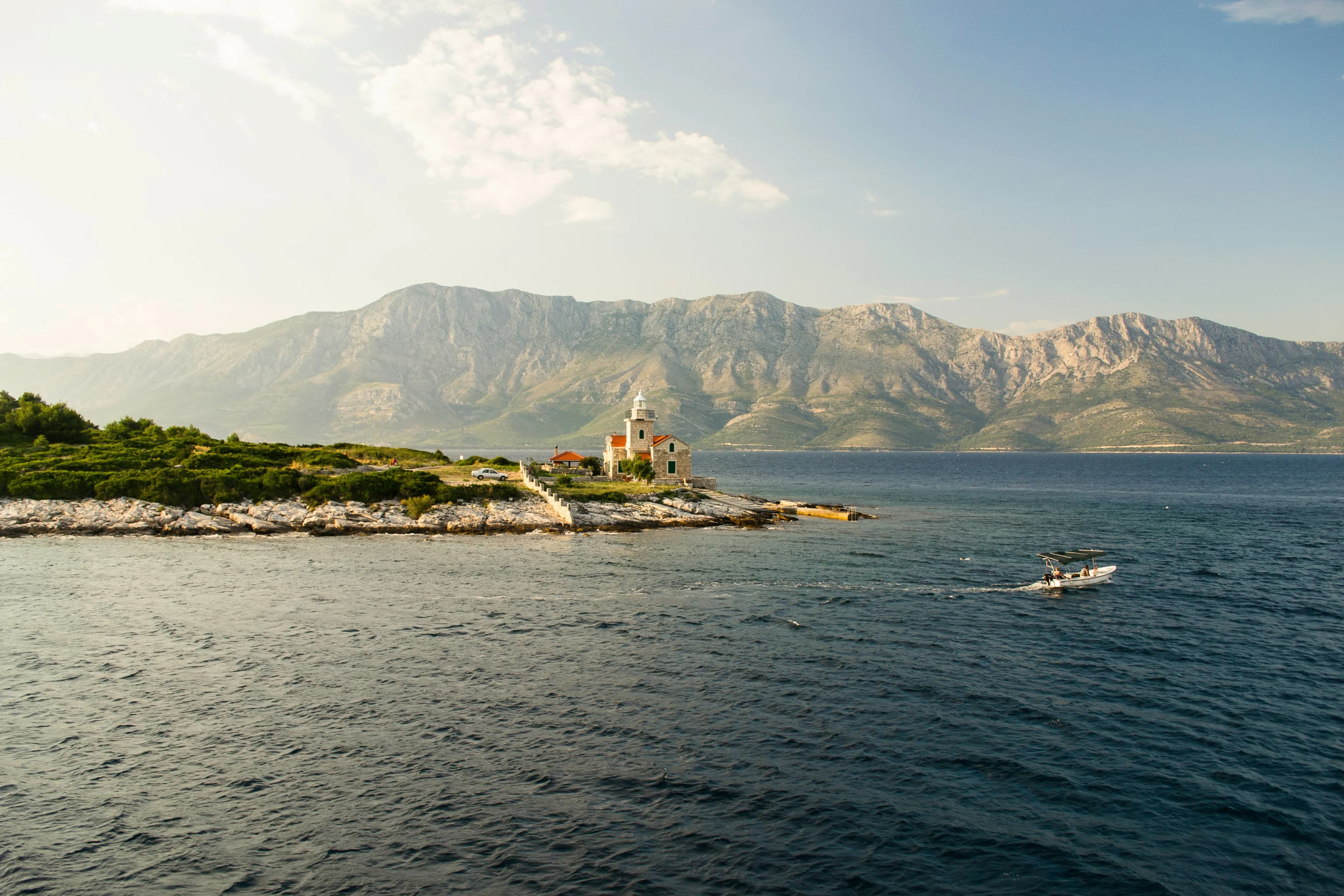
Croatia
94 hotels
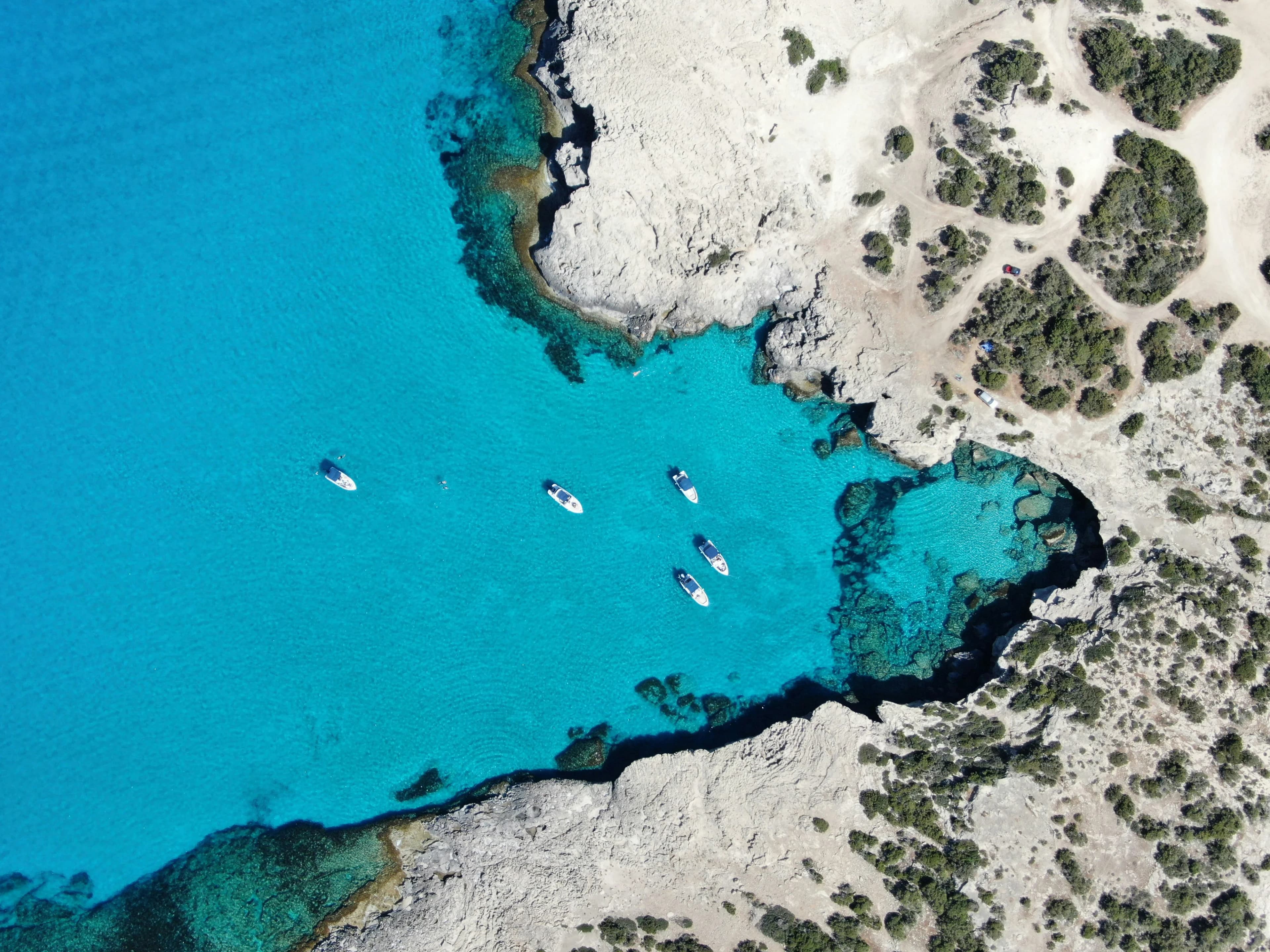
Cyprus
15 hotels
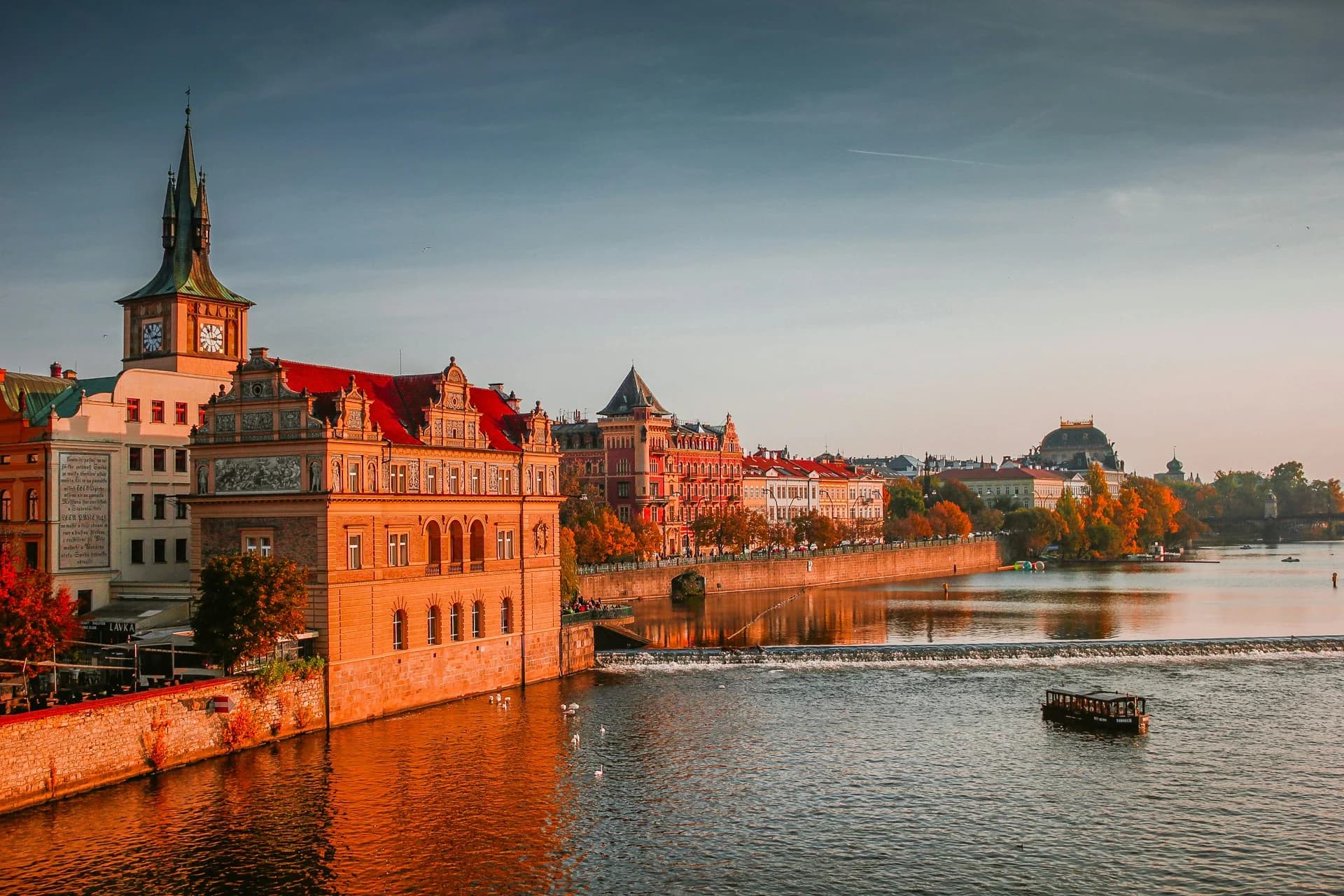
Czechia
46 hotels
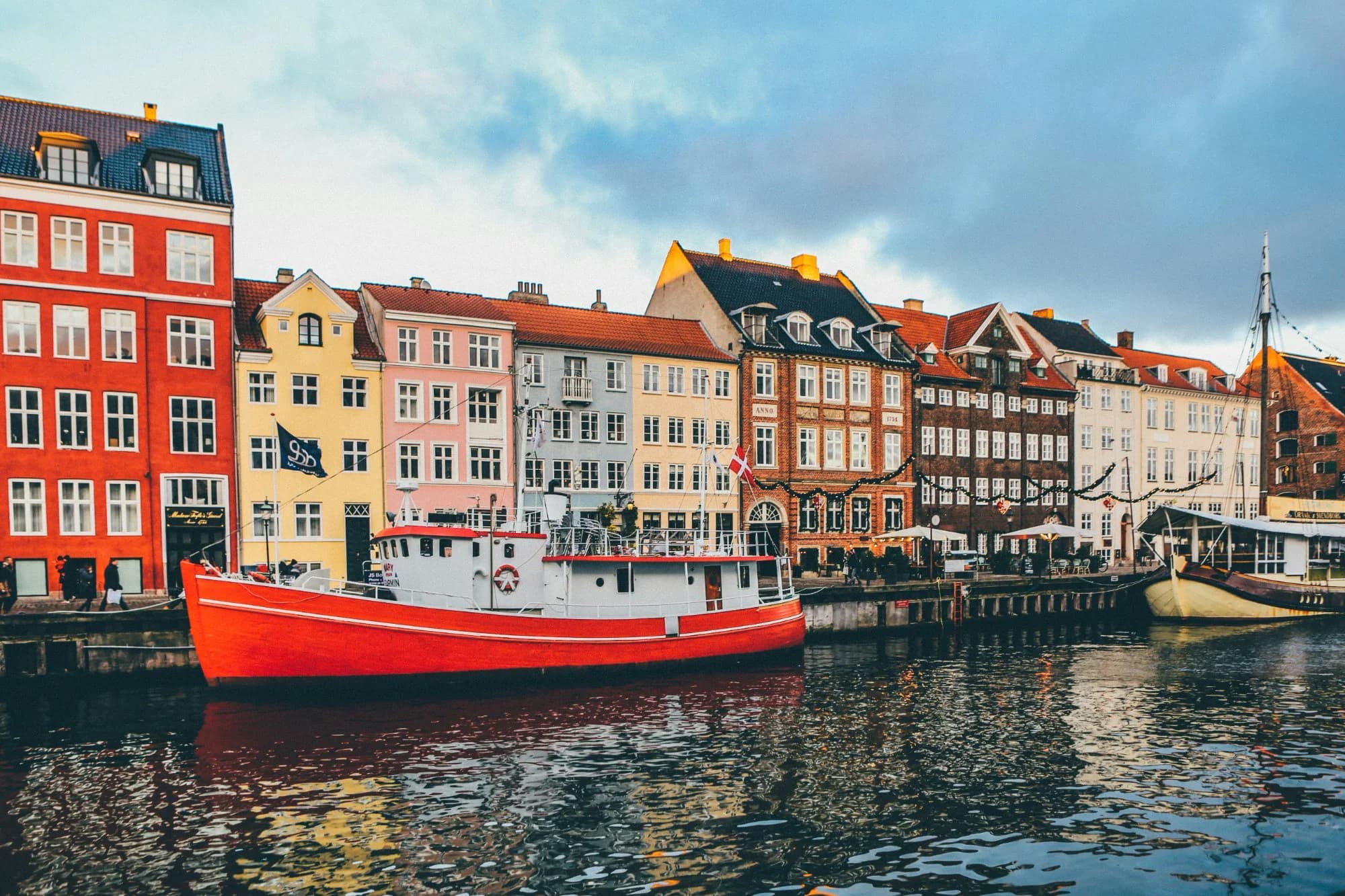
Denmark
18 hotels
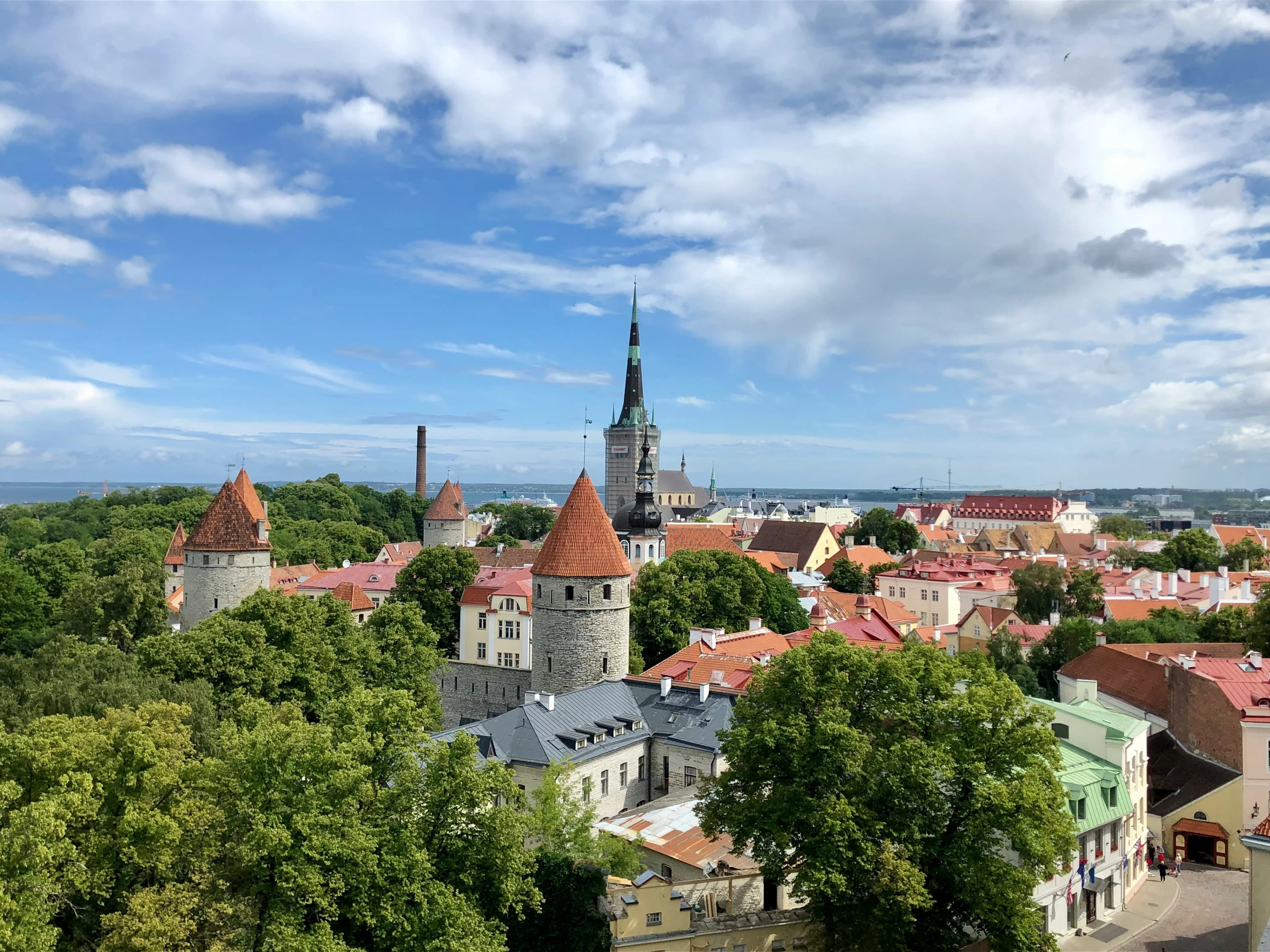
Estonia
20 hotels
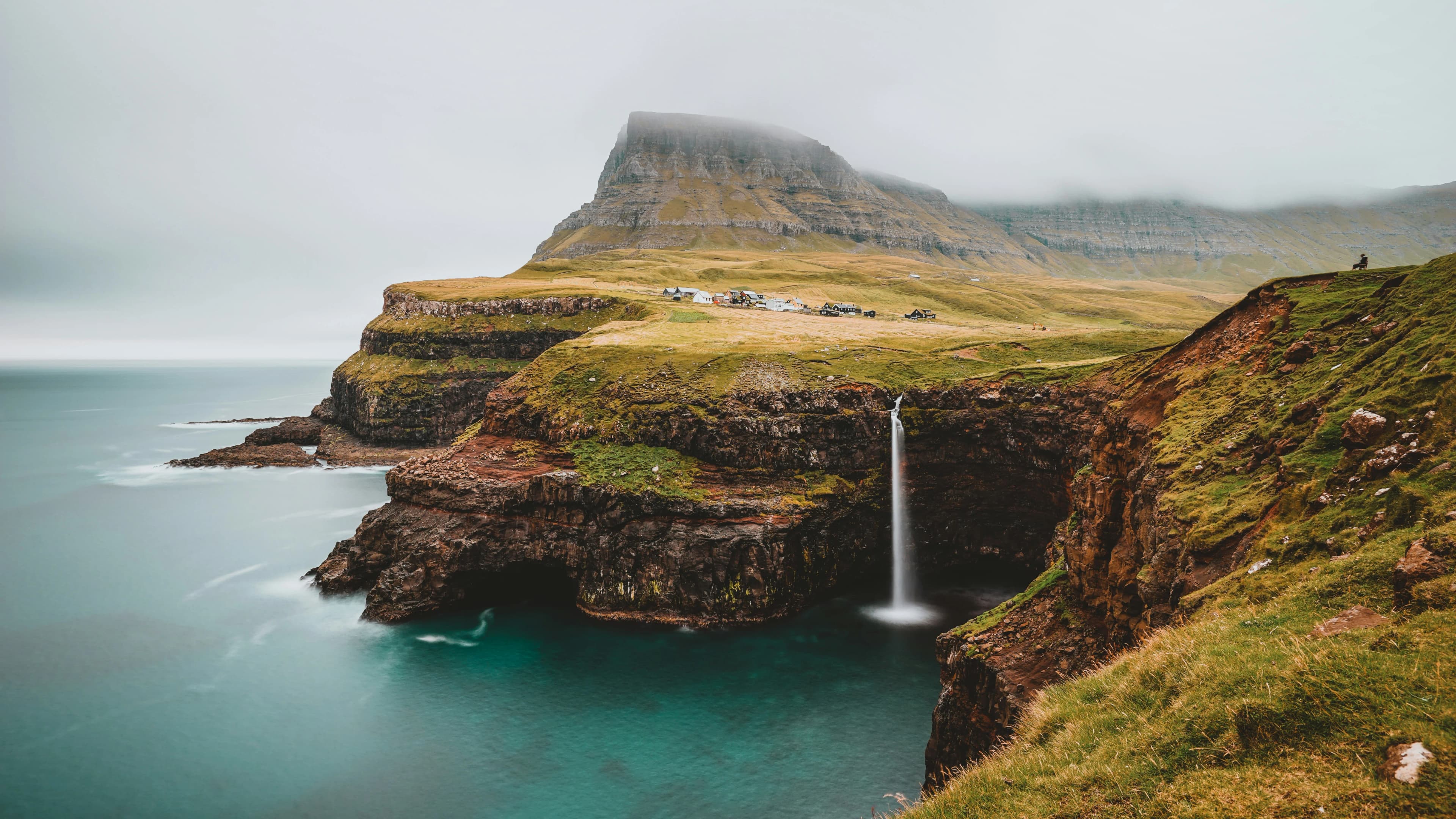
Faroe Islands
3 hotels
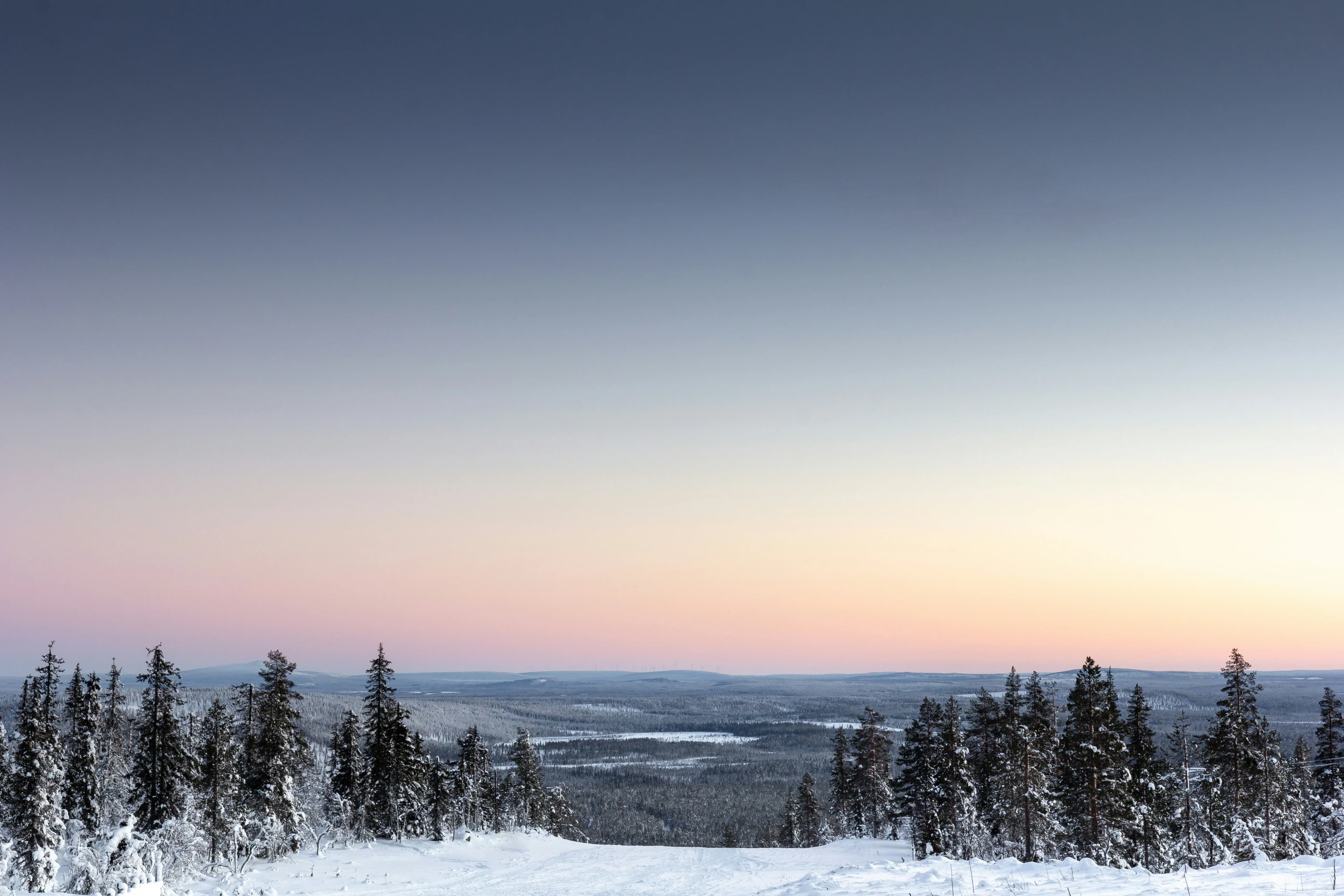
Finland
27 hotels
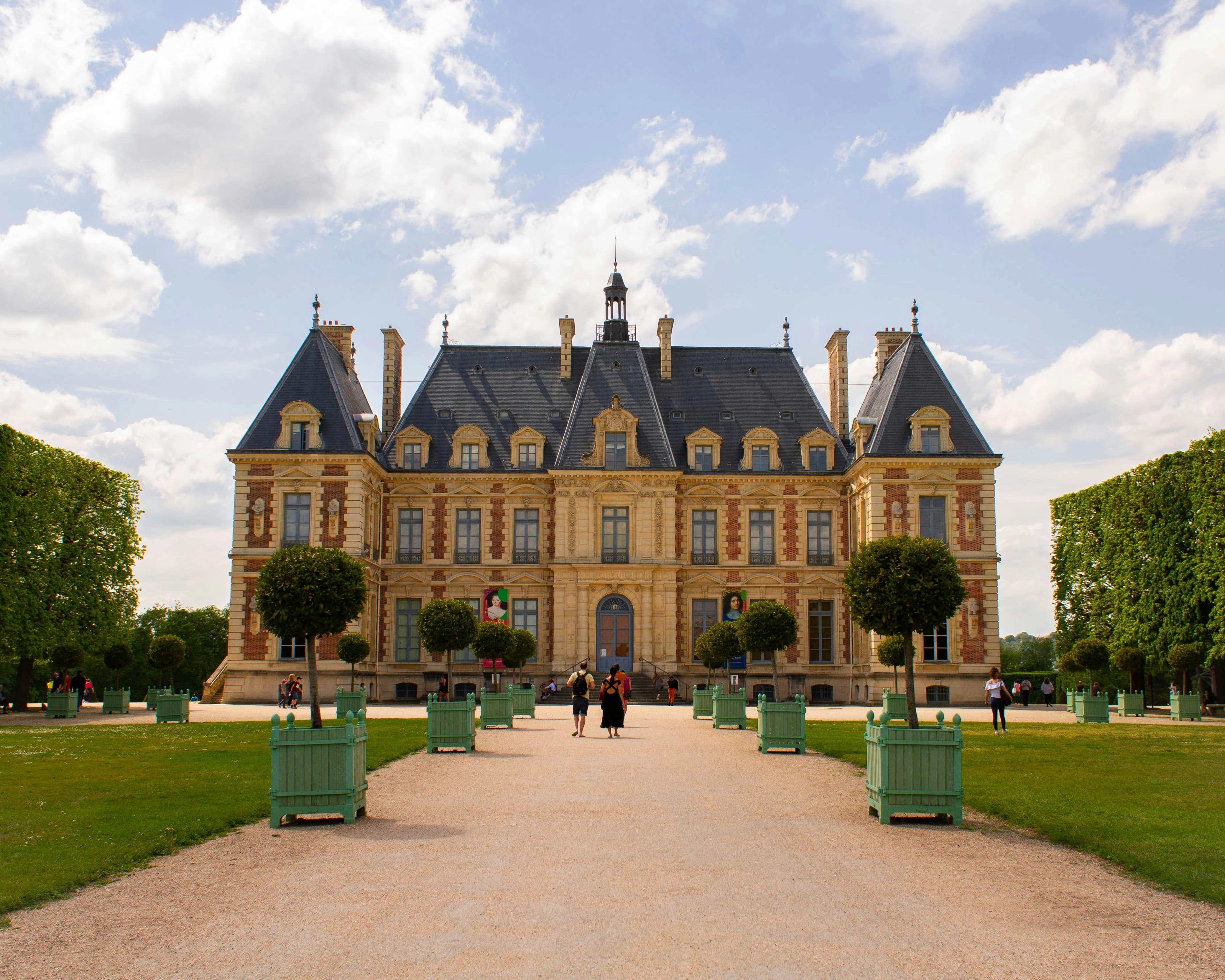
France
37 destinations / 564 hotels
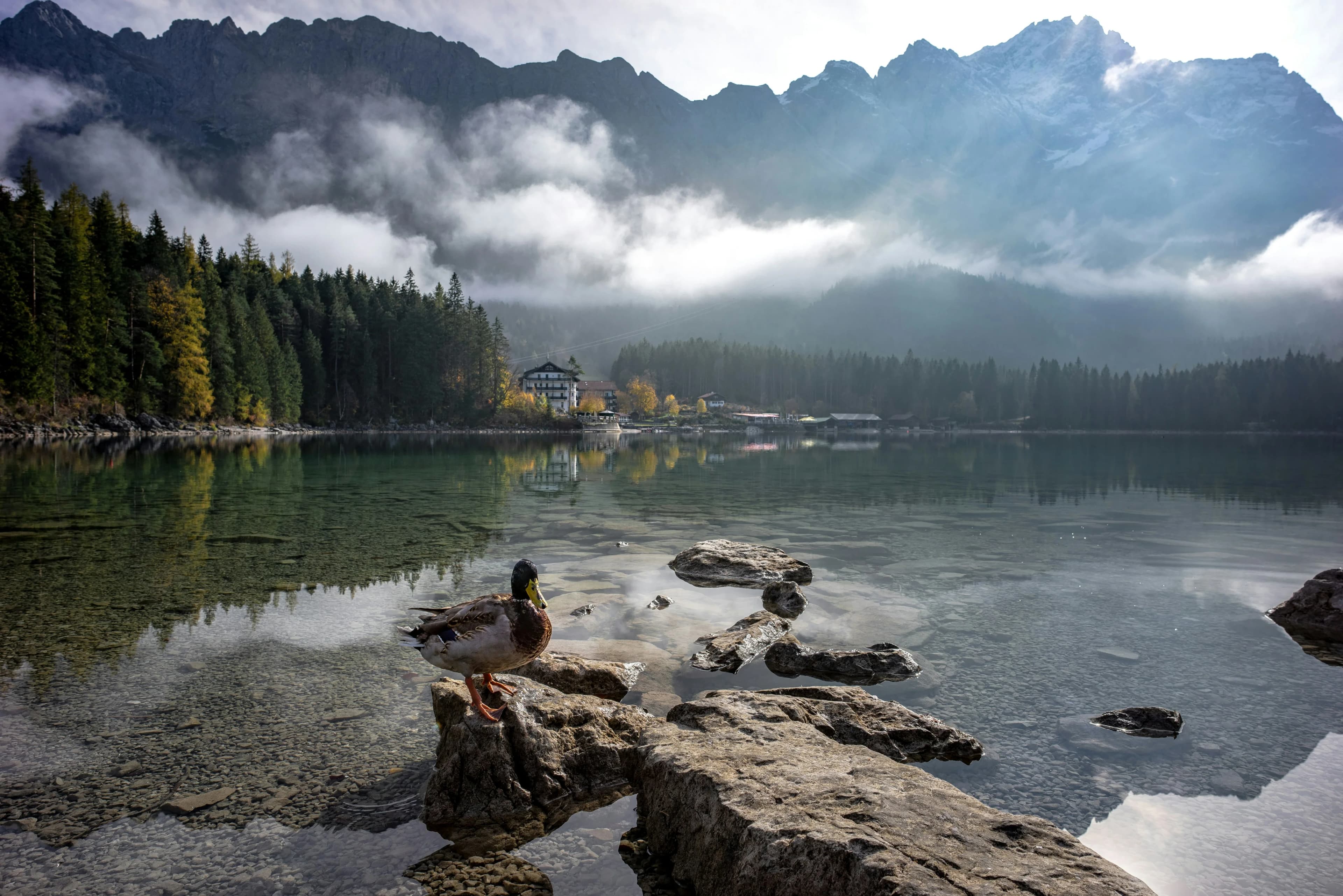
Germany
274 hotels
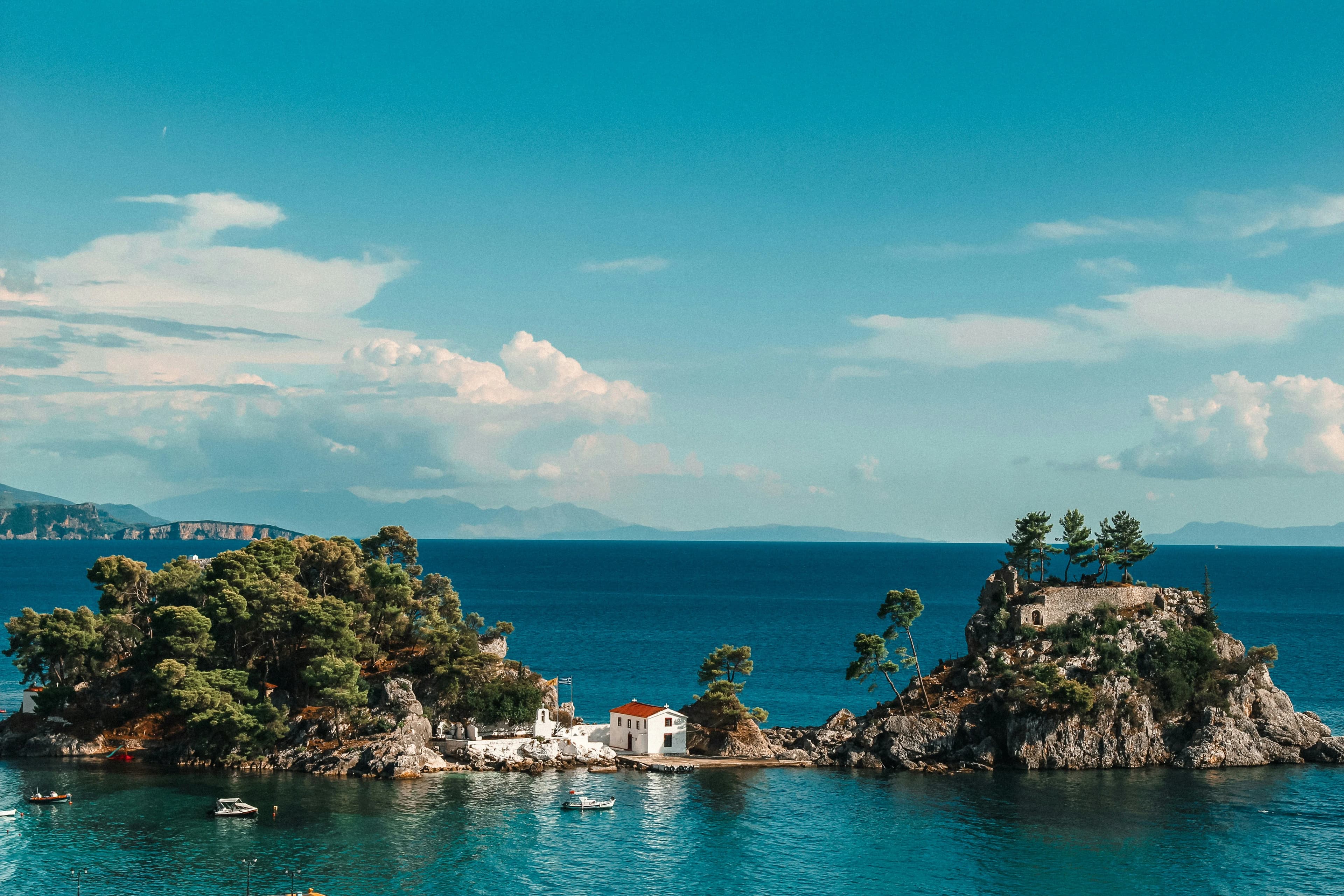
Greece
26 destinations / 197 hotels
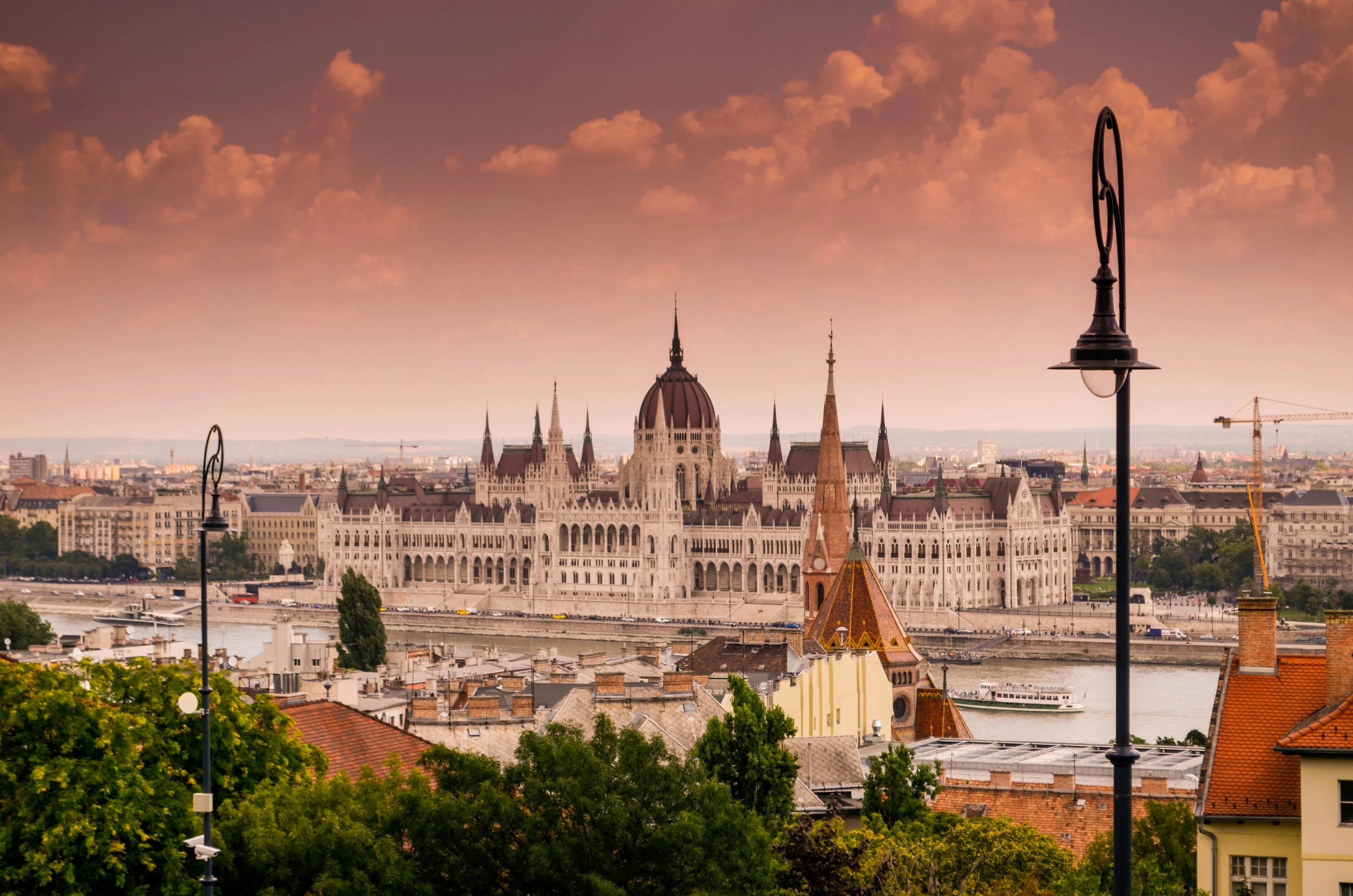
Hungary
36 hotels
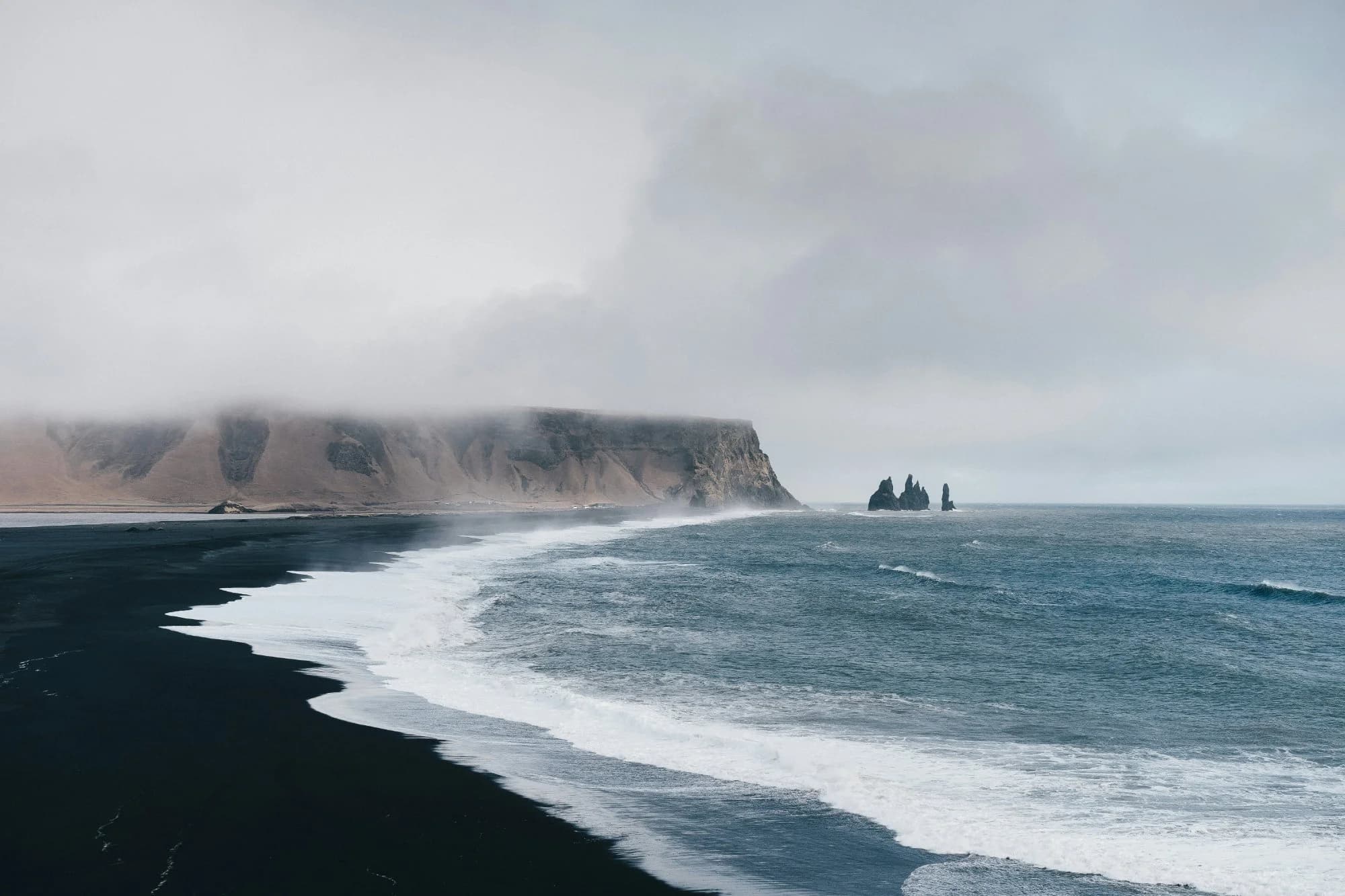
Iceland
10 hotels
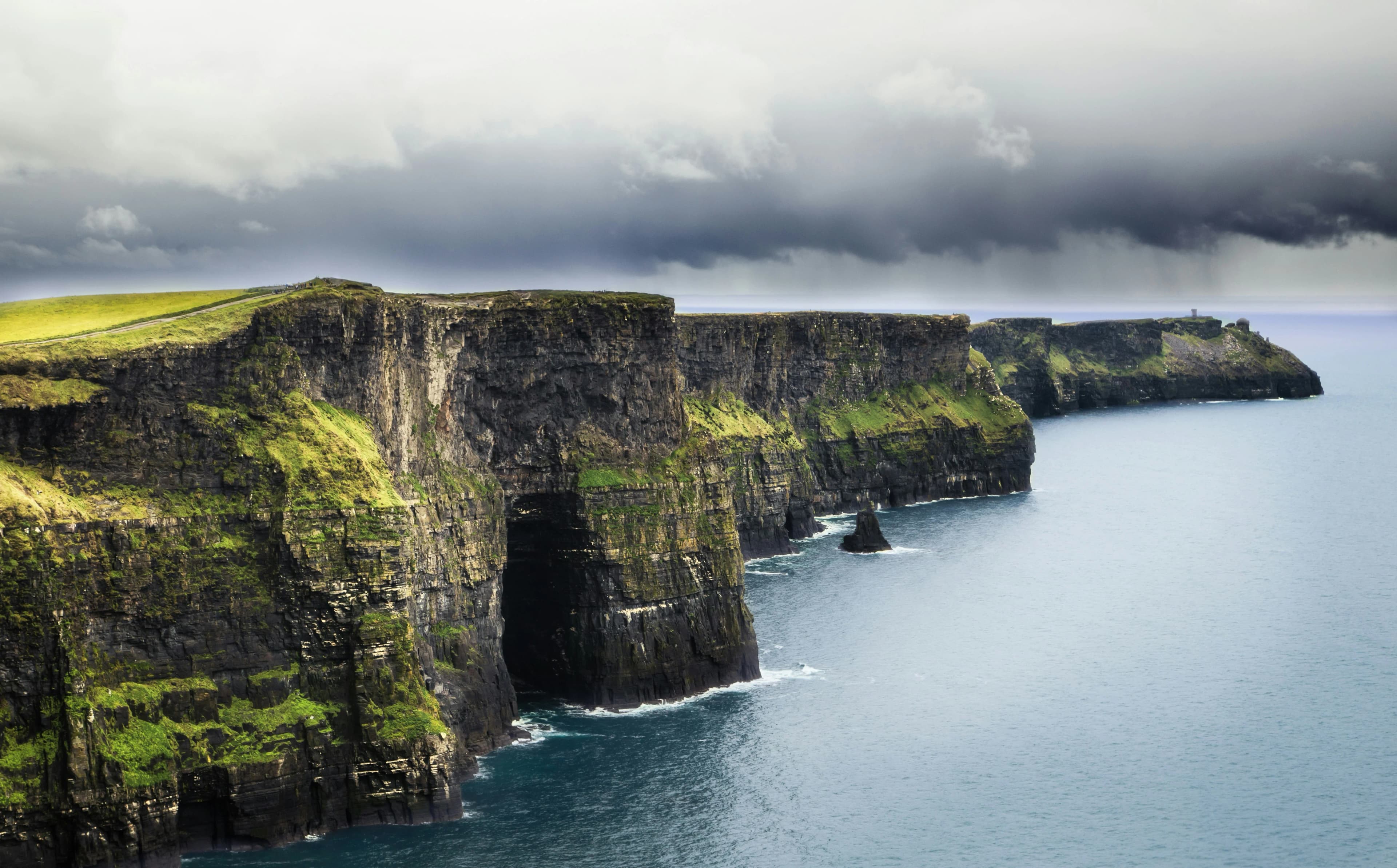
Ireland
16 hotels
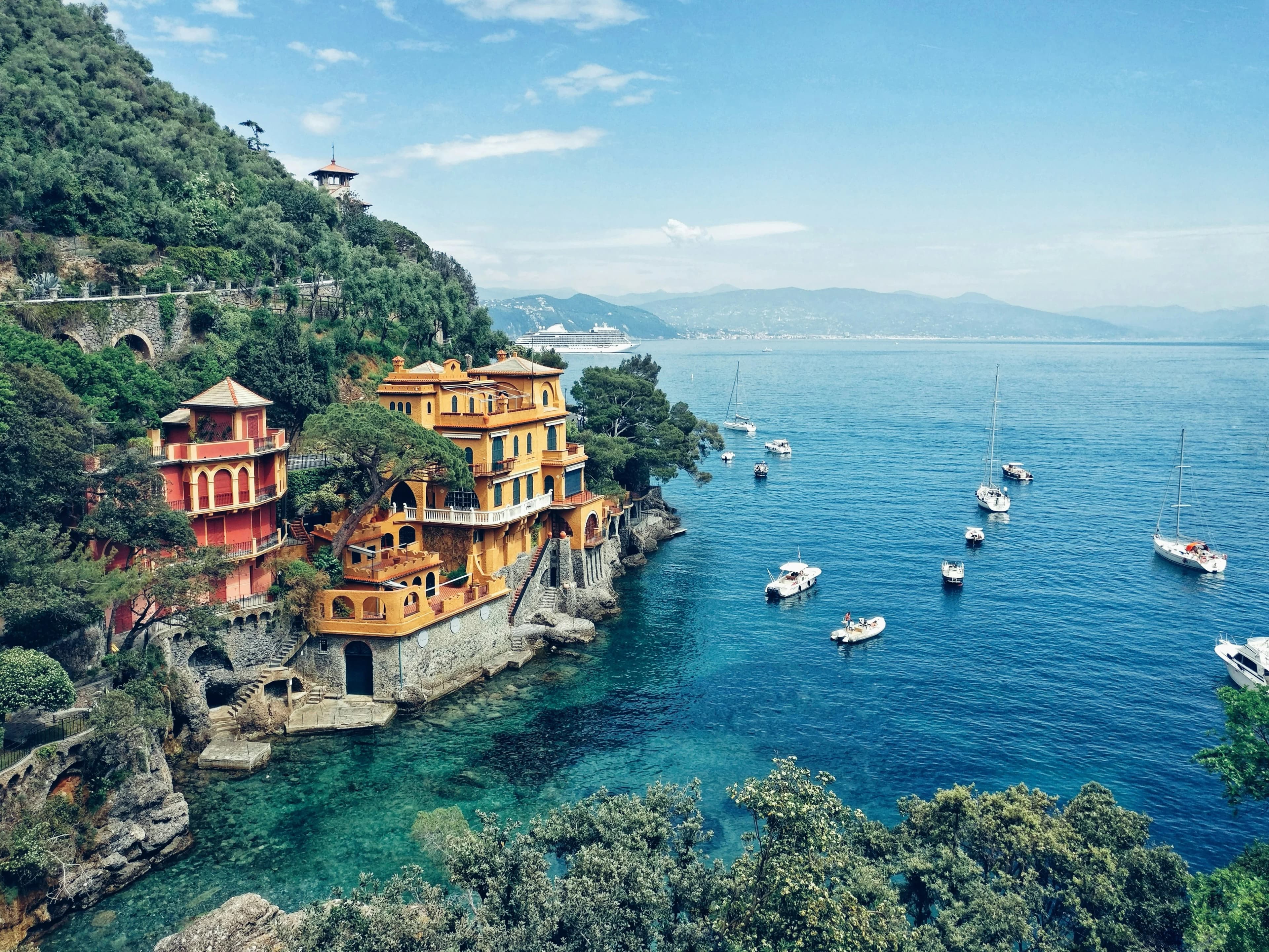
Italy
33 destinations / 604 hotels
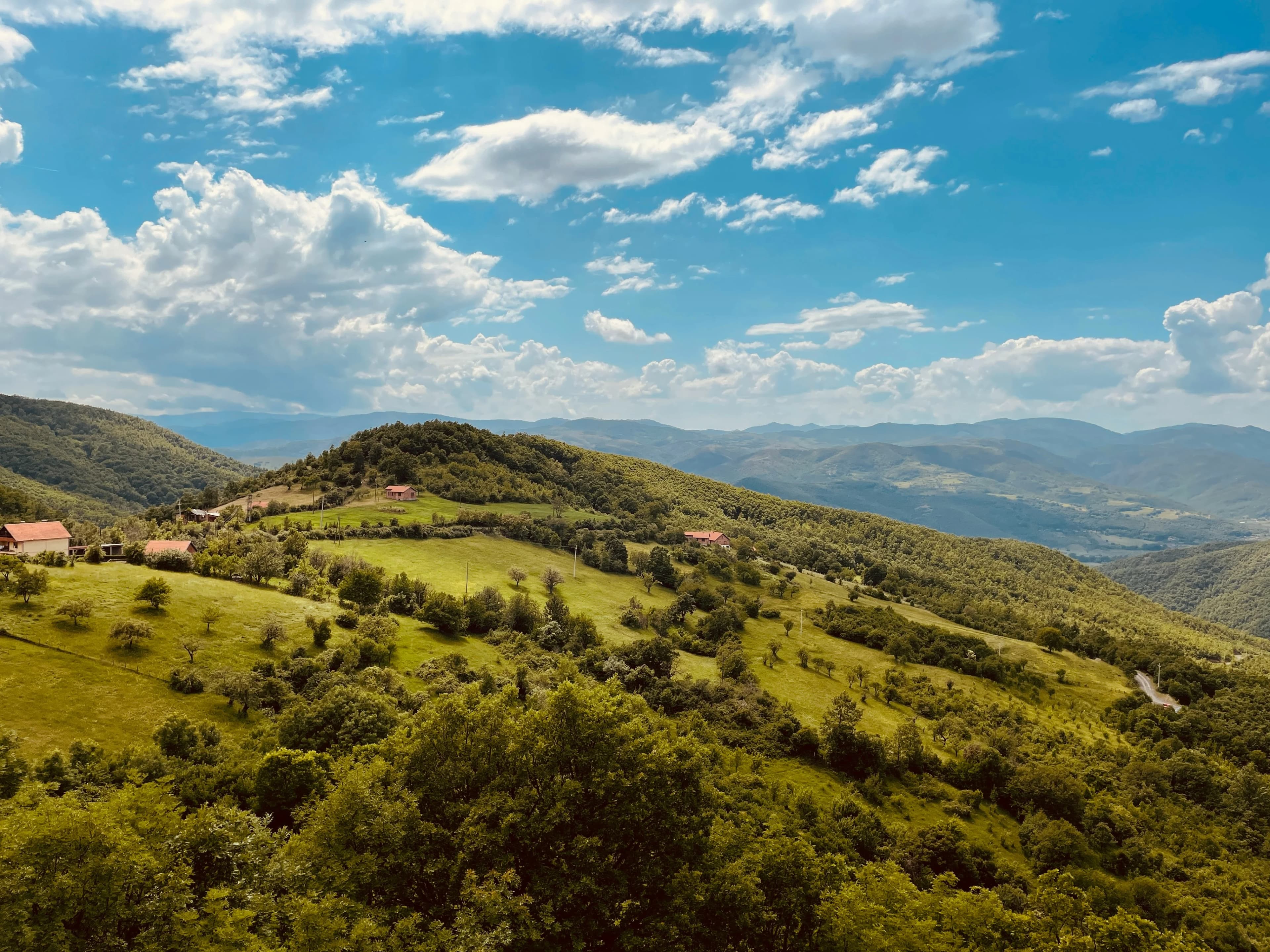
Kosovo
16 hotels
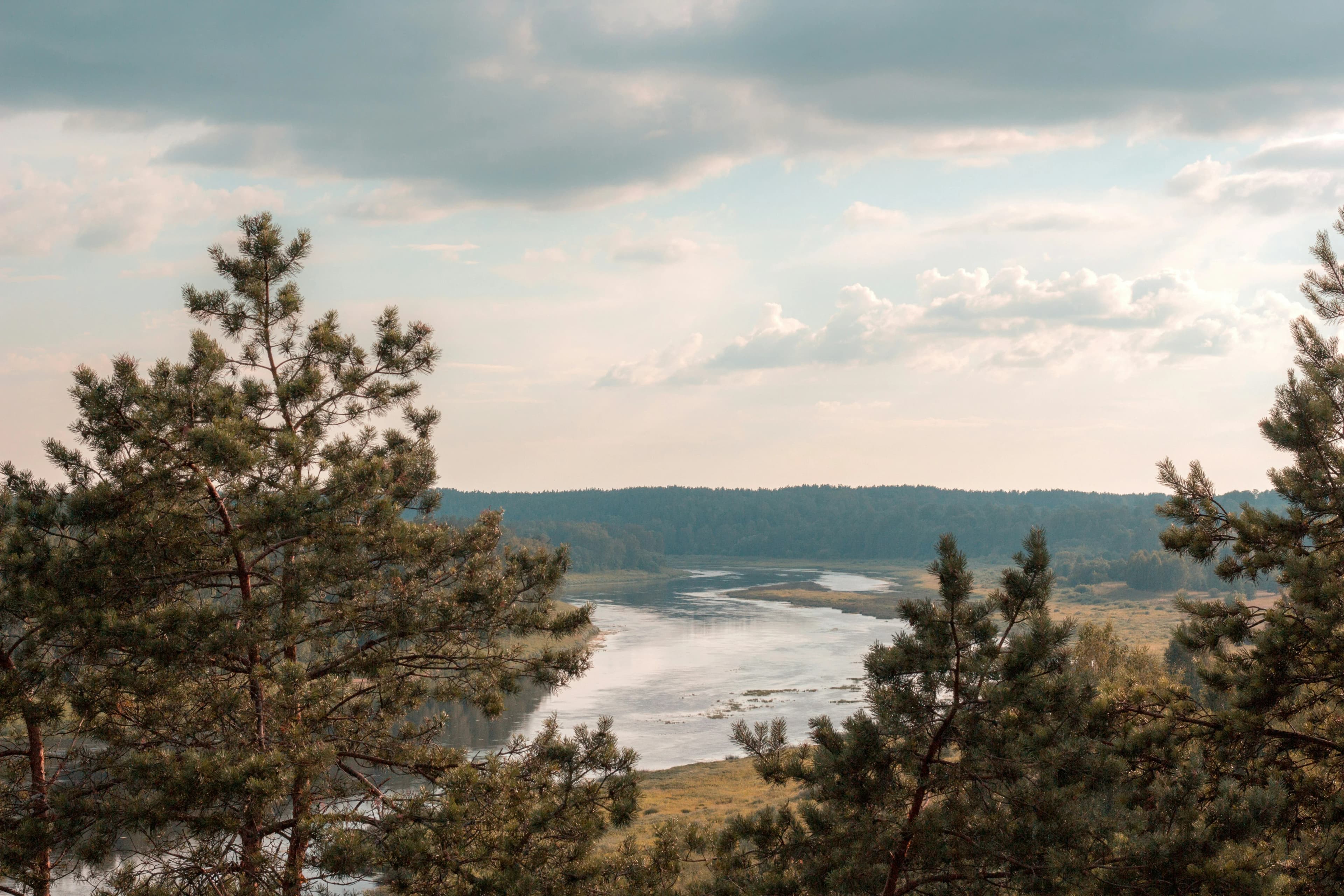
Latvia
10 hotels
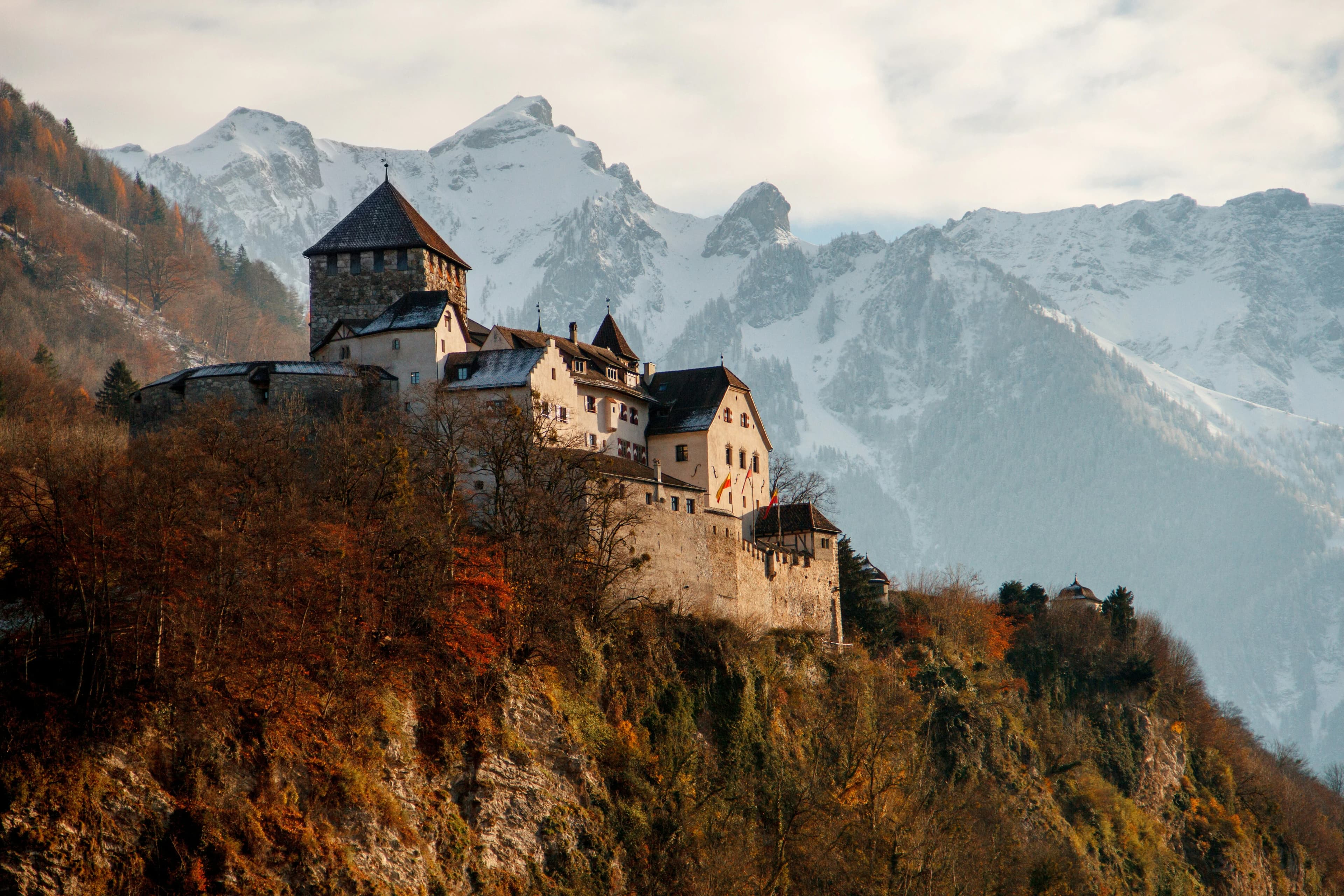
Liechtenstein
4 hotels
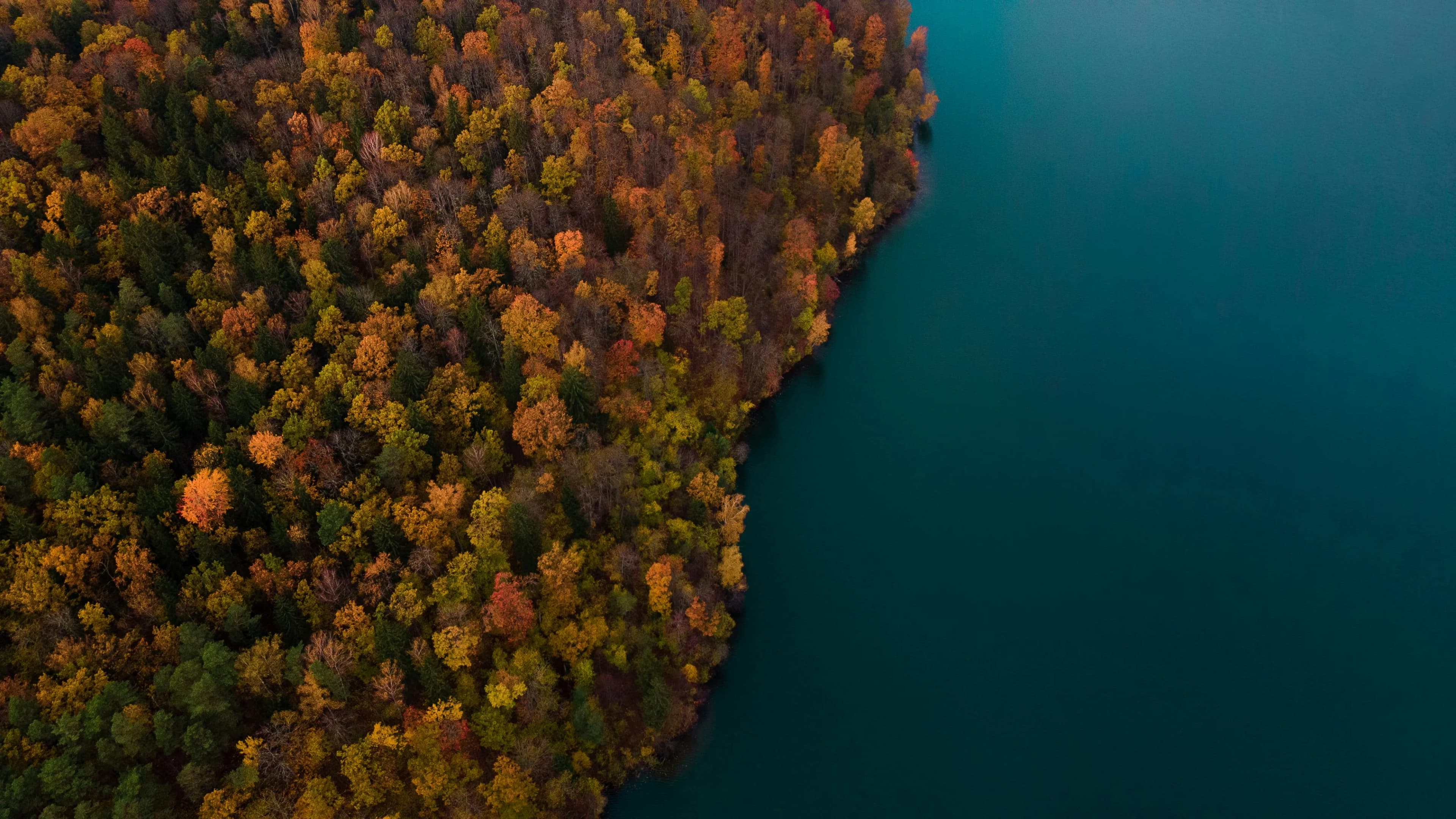
Lithuania
11 hotels
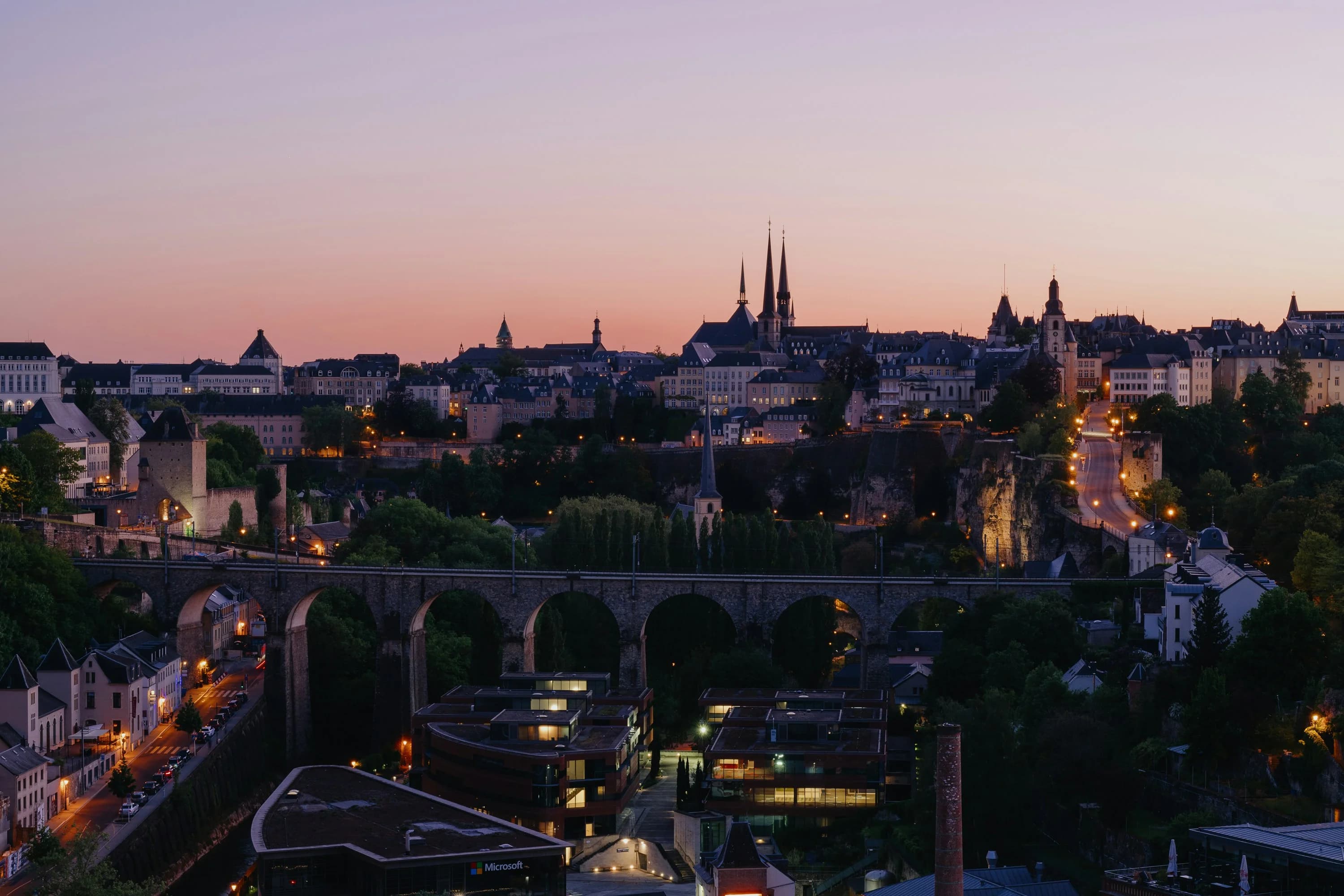
Luxembourg
17 hotels
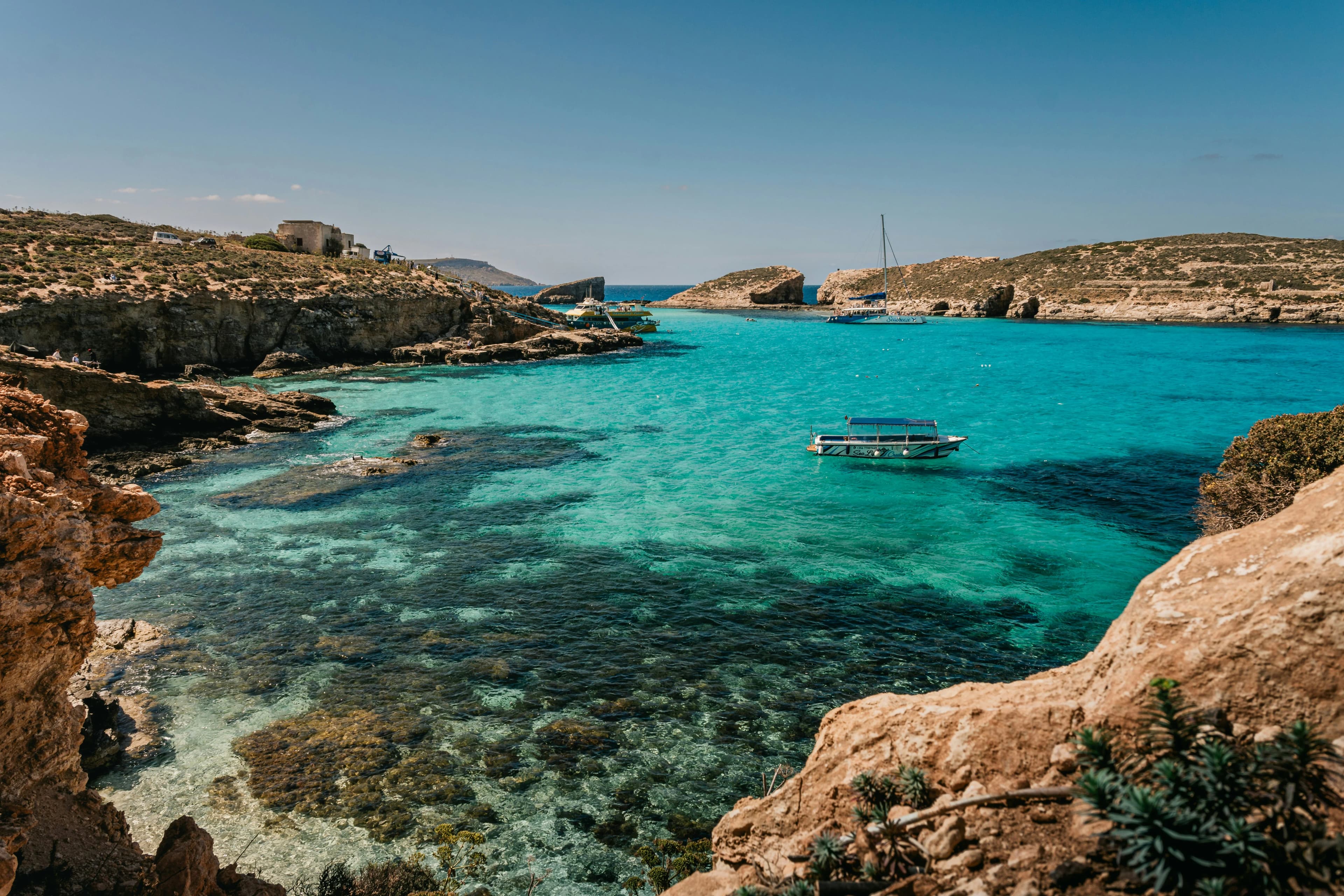
Malta
37 hotels
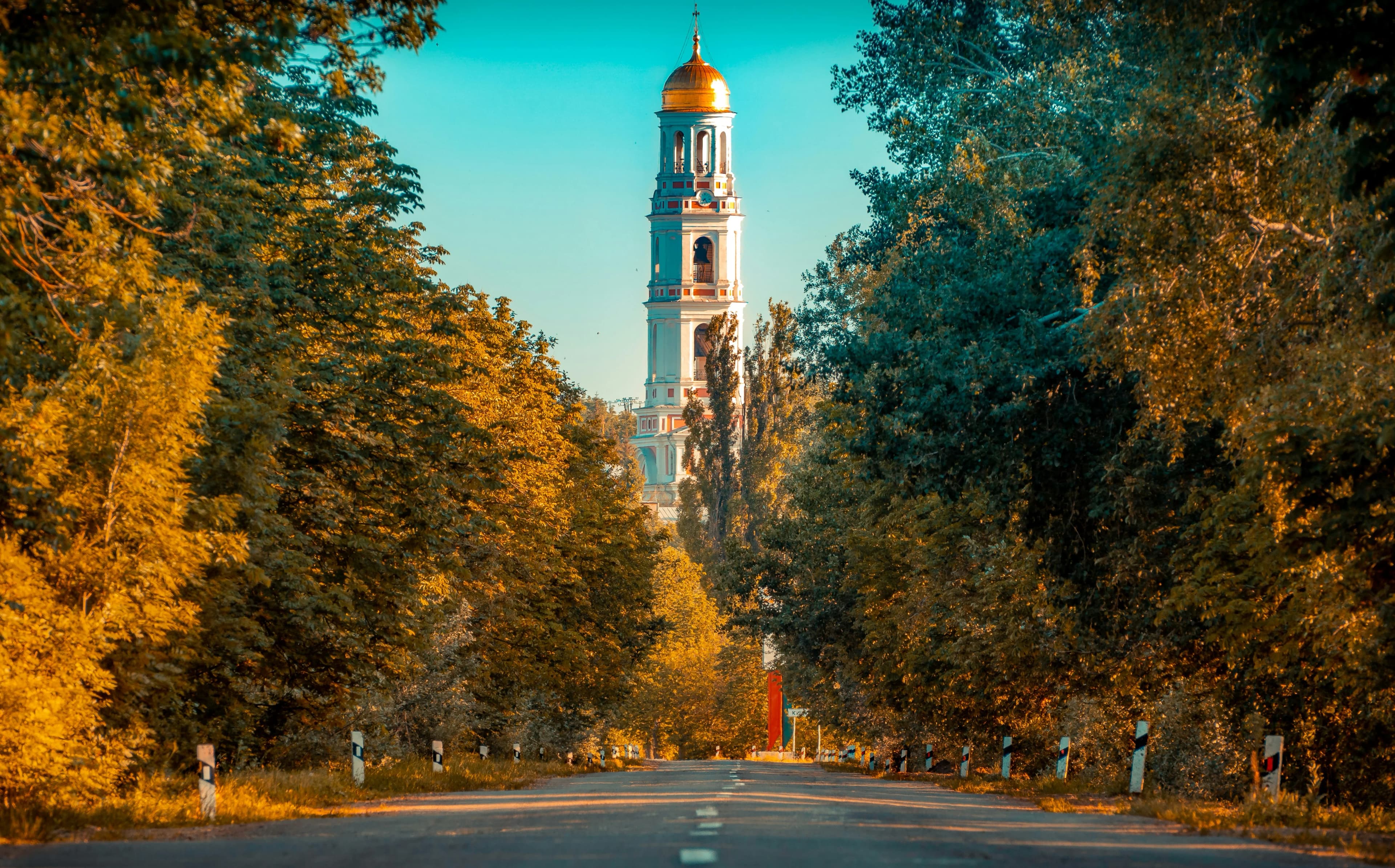
Moldova
4 hotels
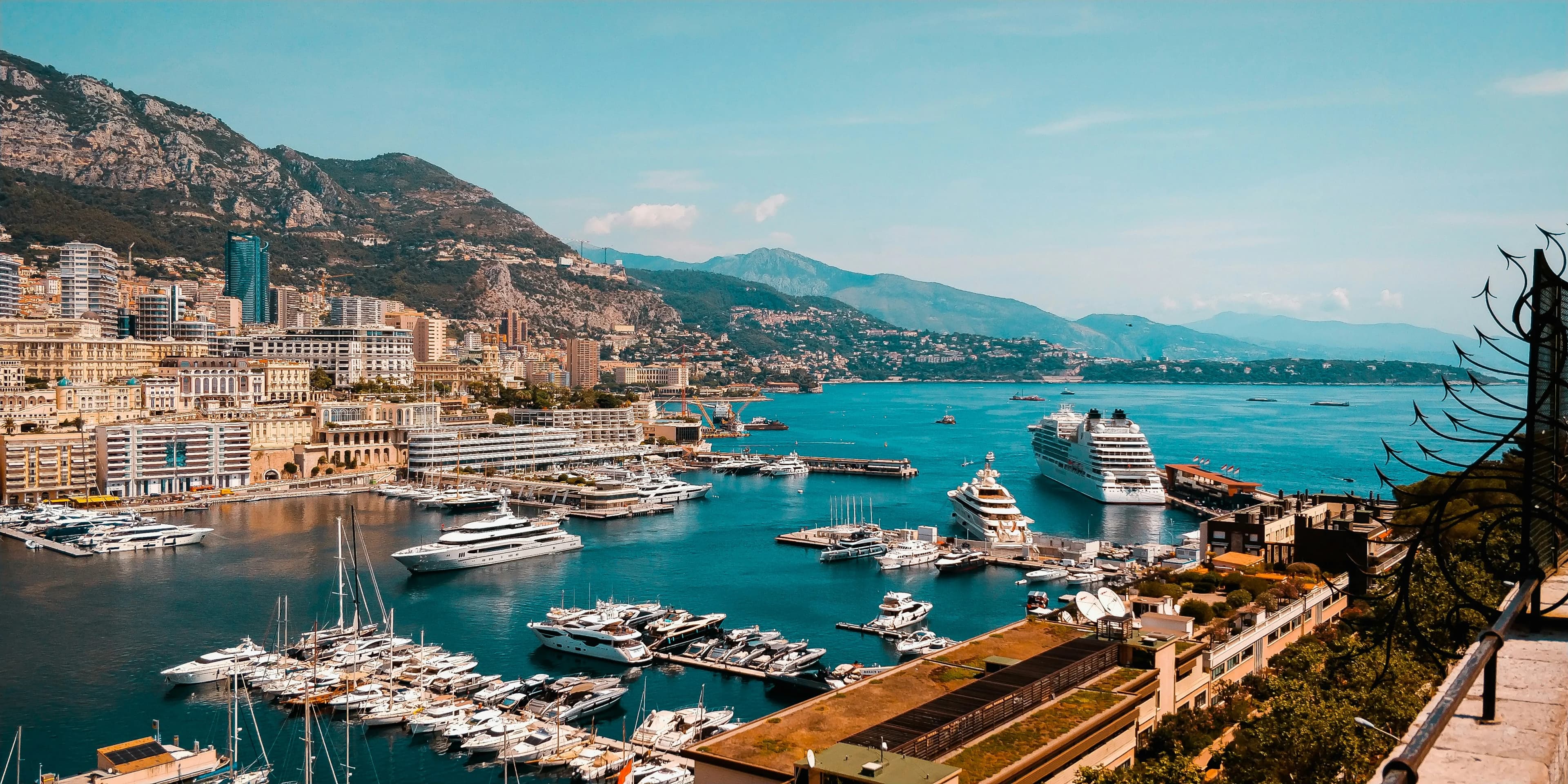
Monaco
5 hotels
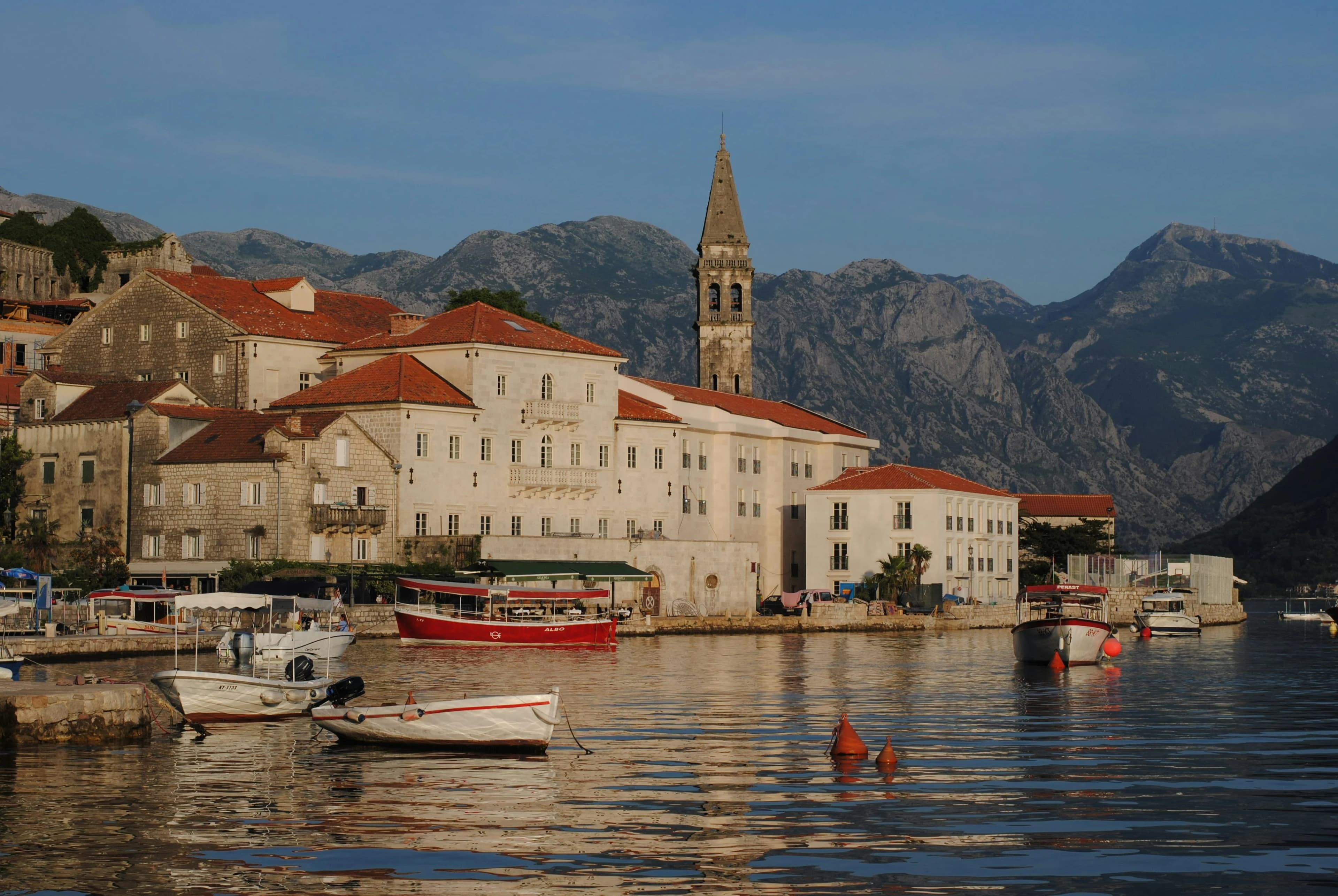
Montenegro
23 hotels
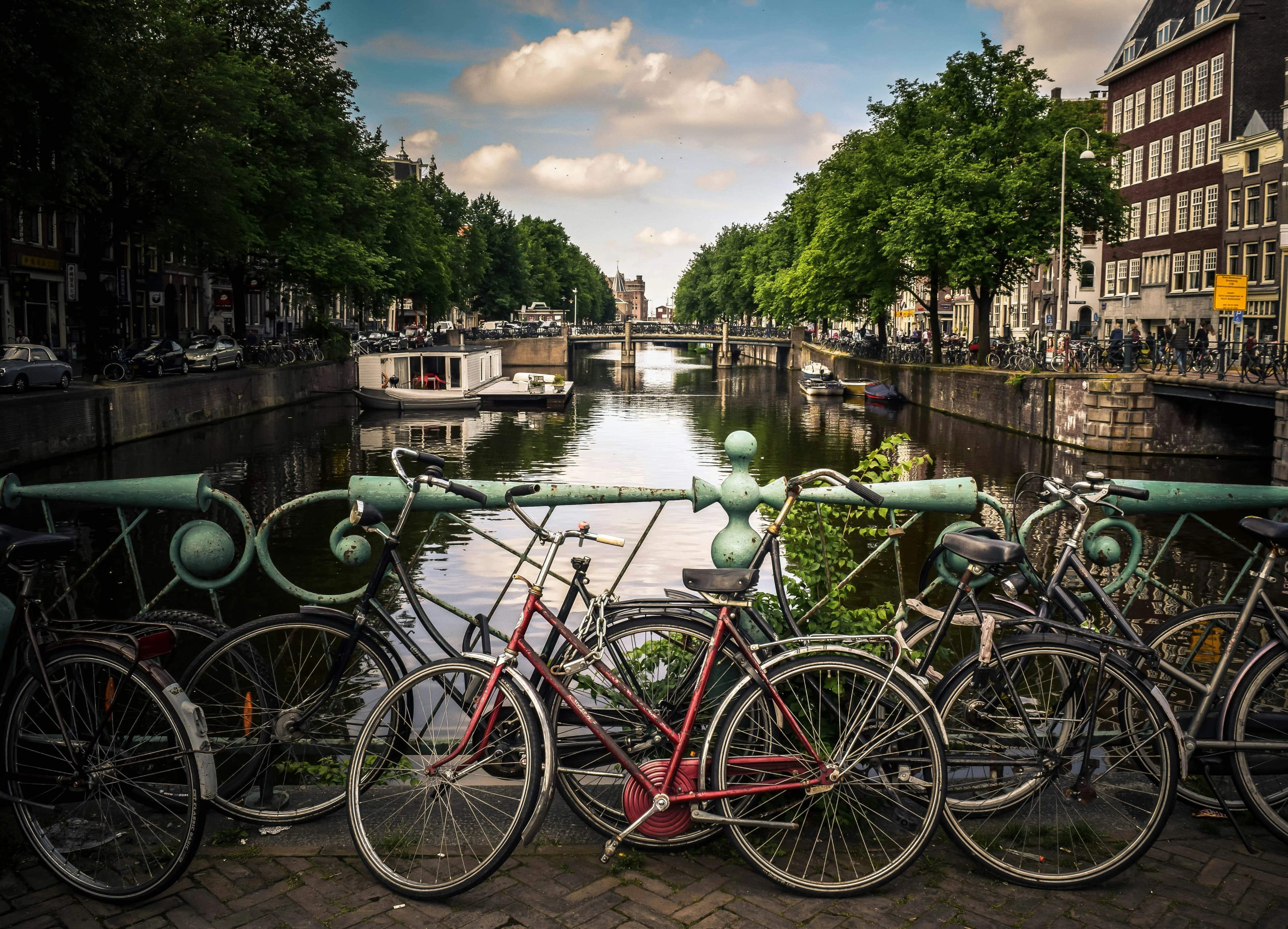
Netherlands
77 hotels
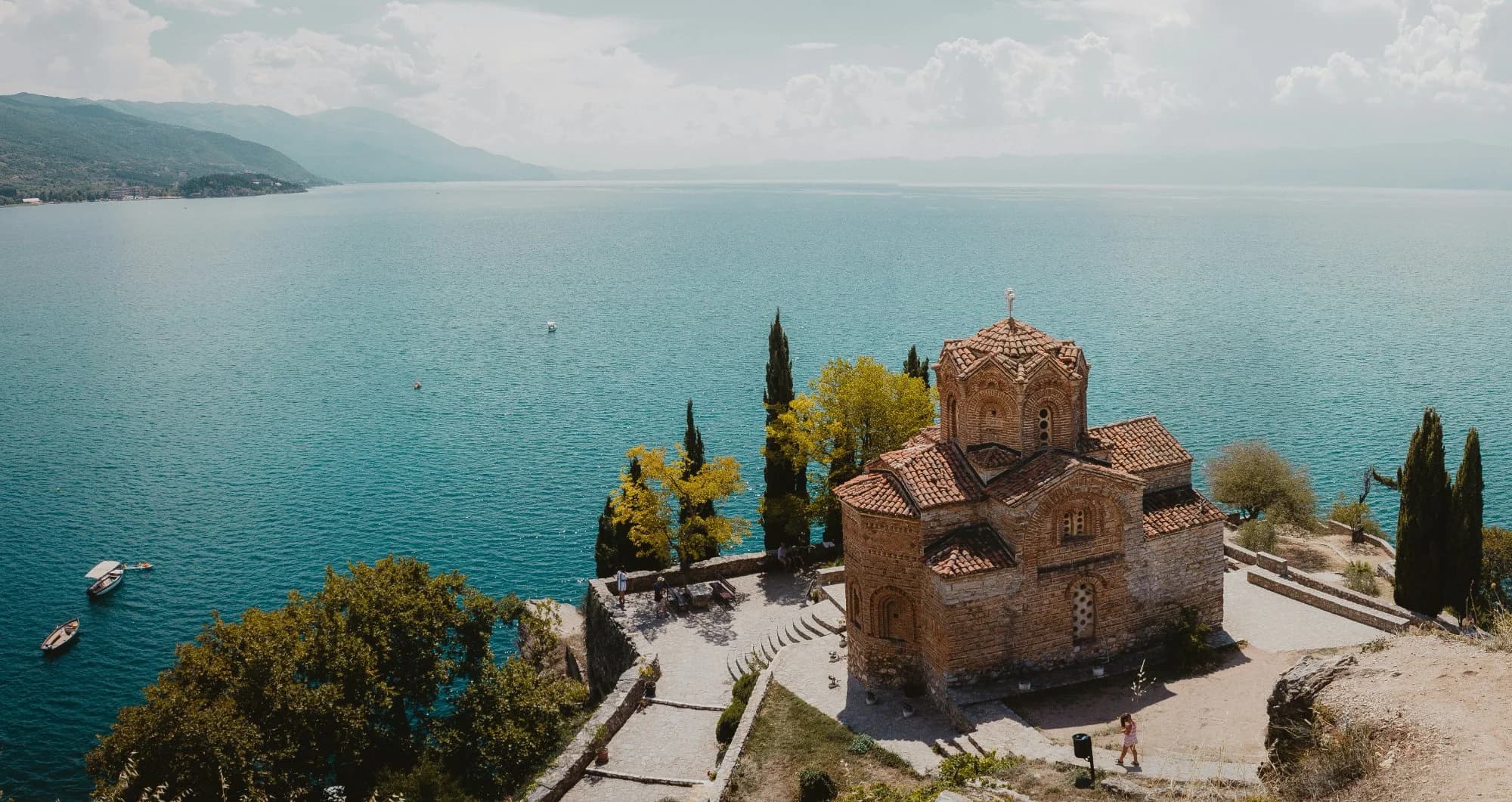
North Macedonia
4 hotels
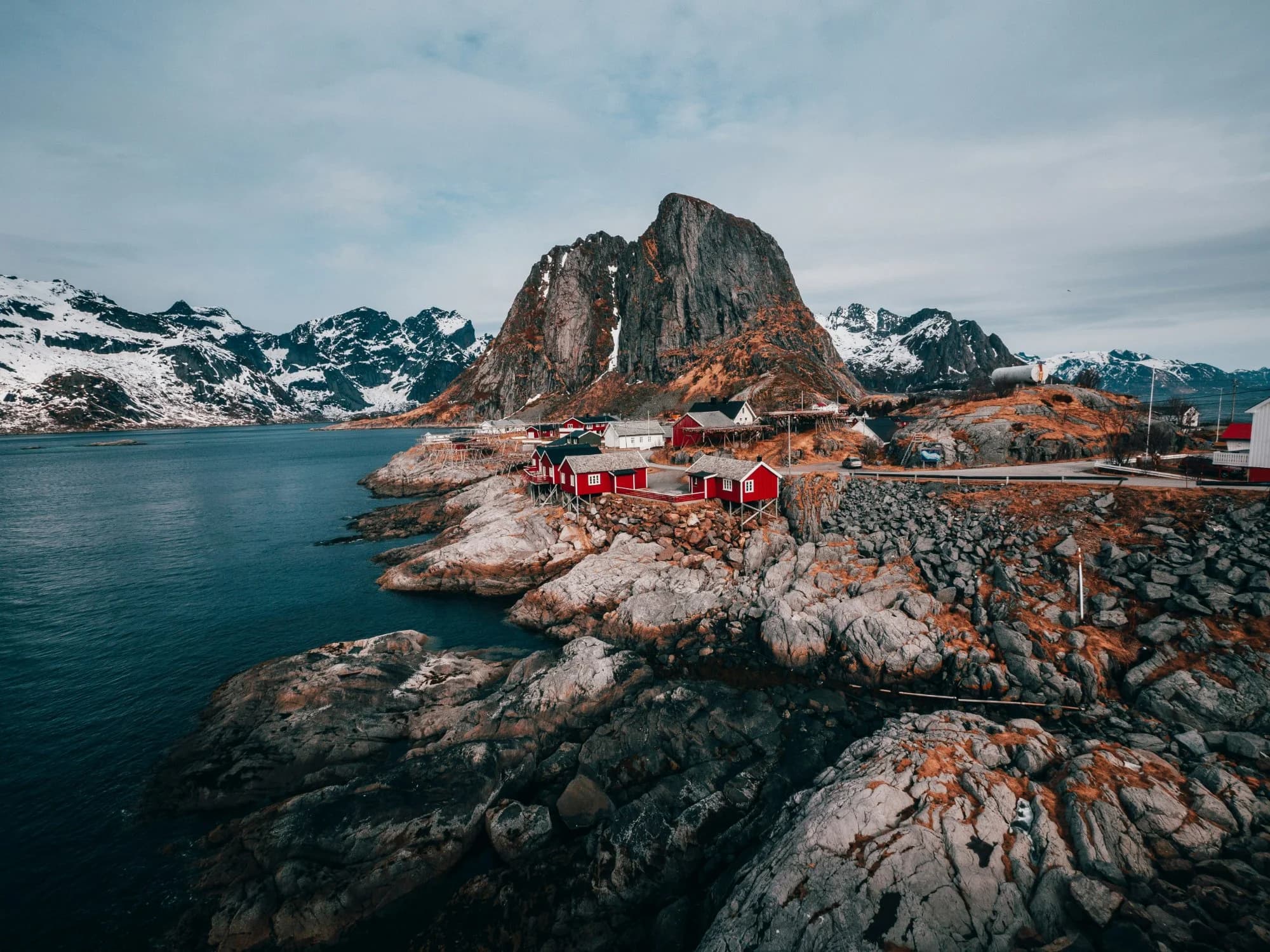
Norway
15 hotels
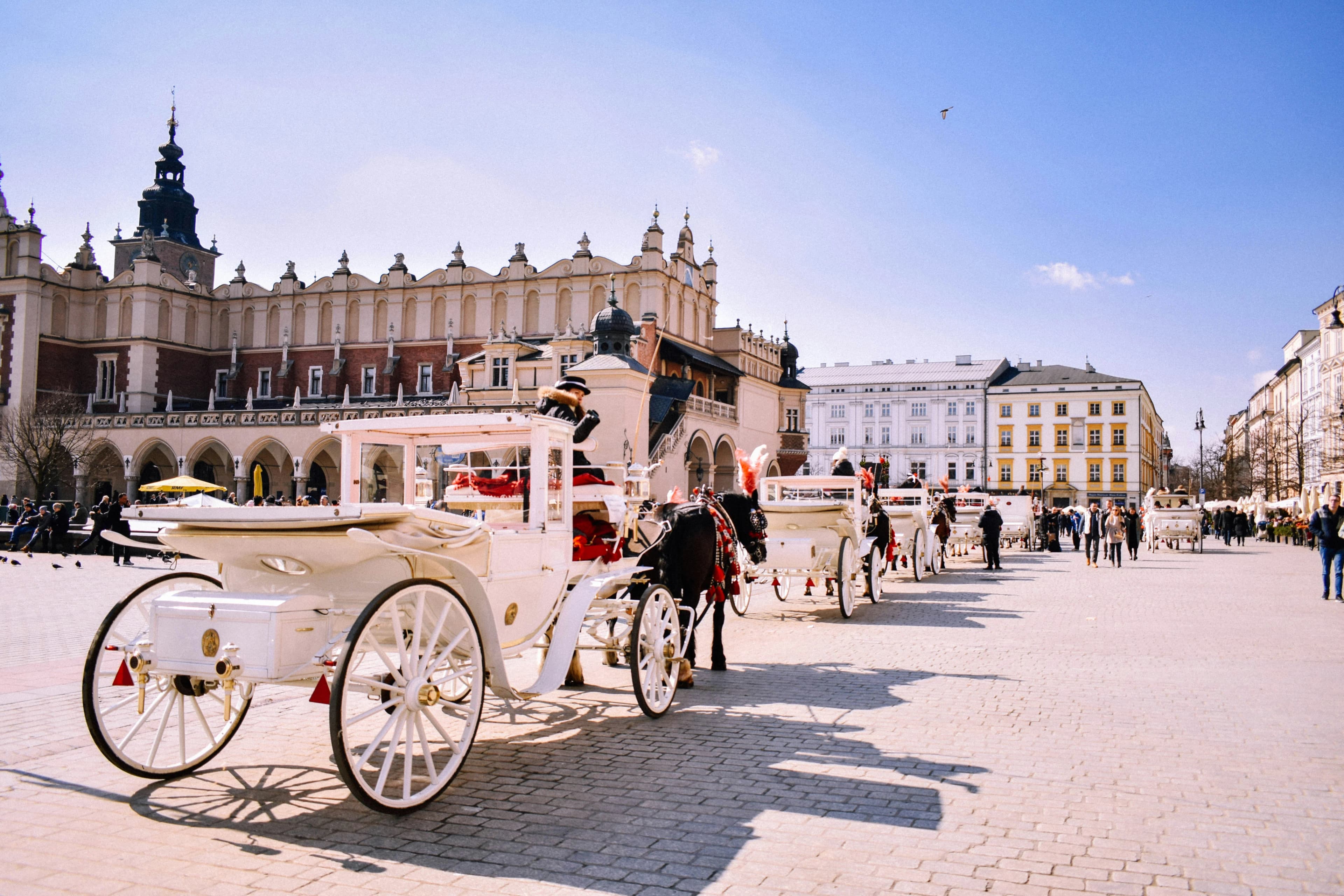
Poland
58 hotels
Portugal
5 destinations / 110 hotels
Romania
12 hotels
Serbia
23 hotels
Slovakia
12 hotels
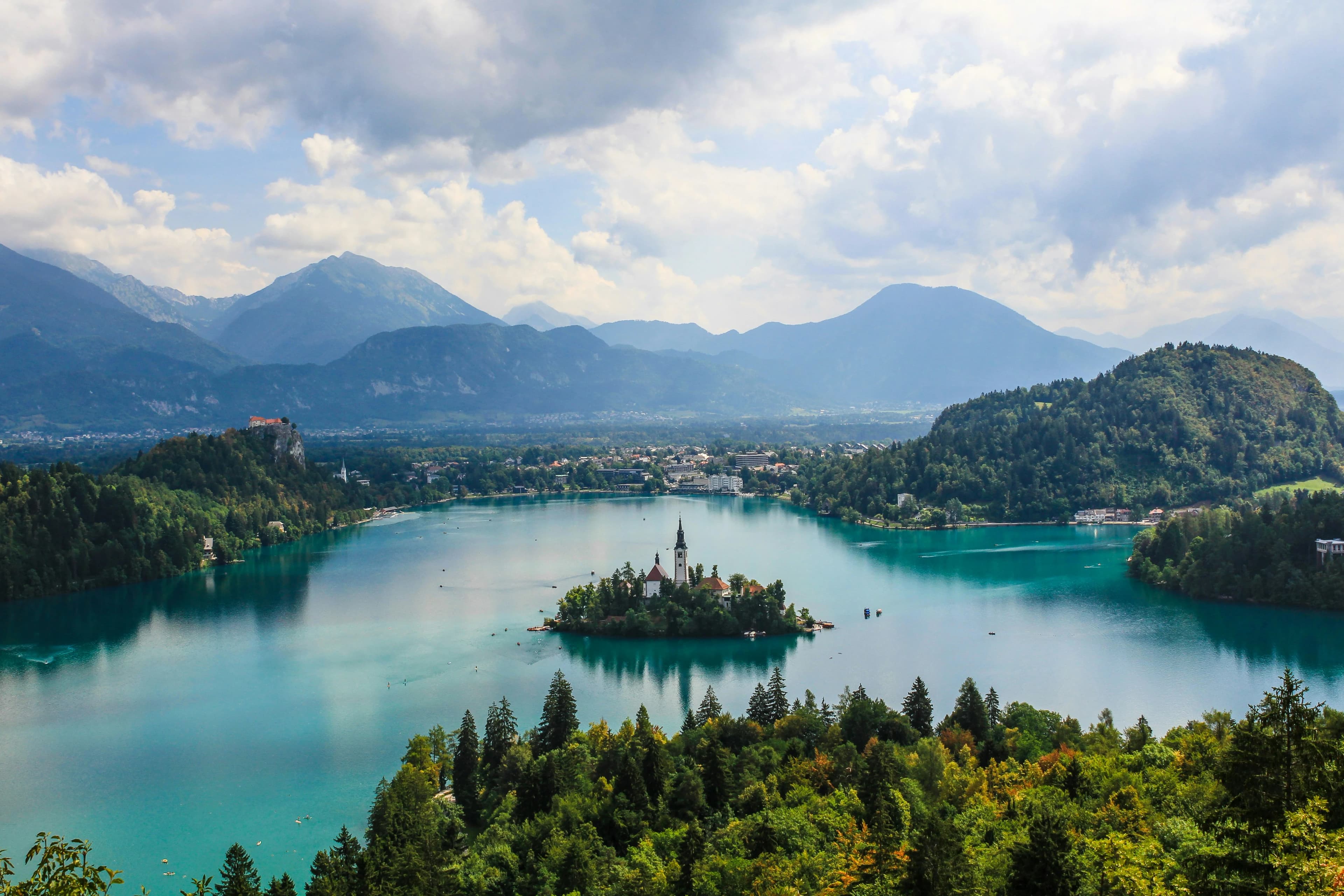
Slovenia
23 hotels
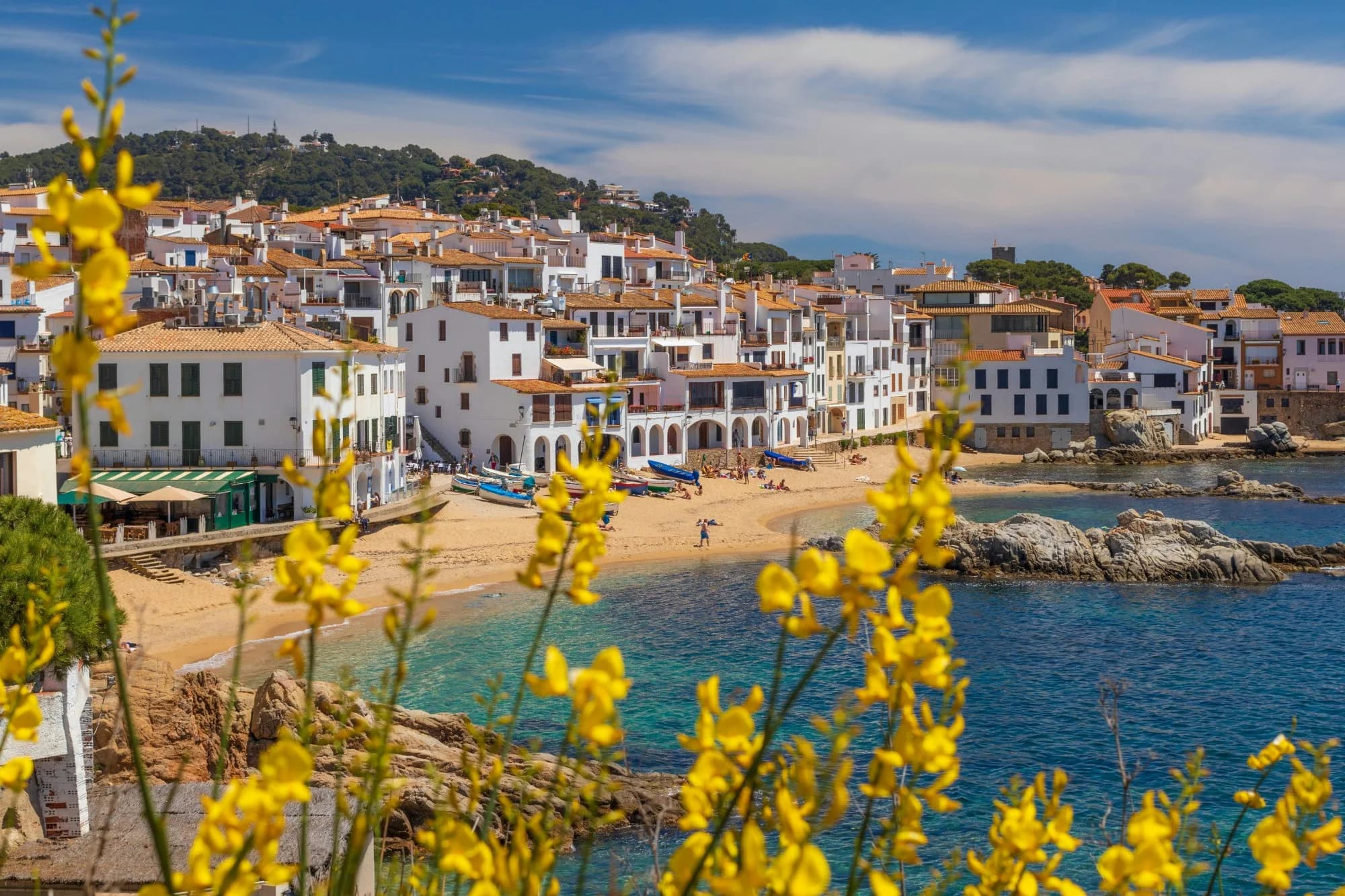
Spain
35 destinations / 344 hotels
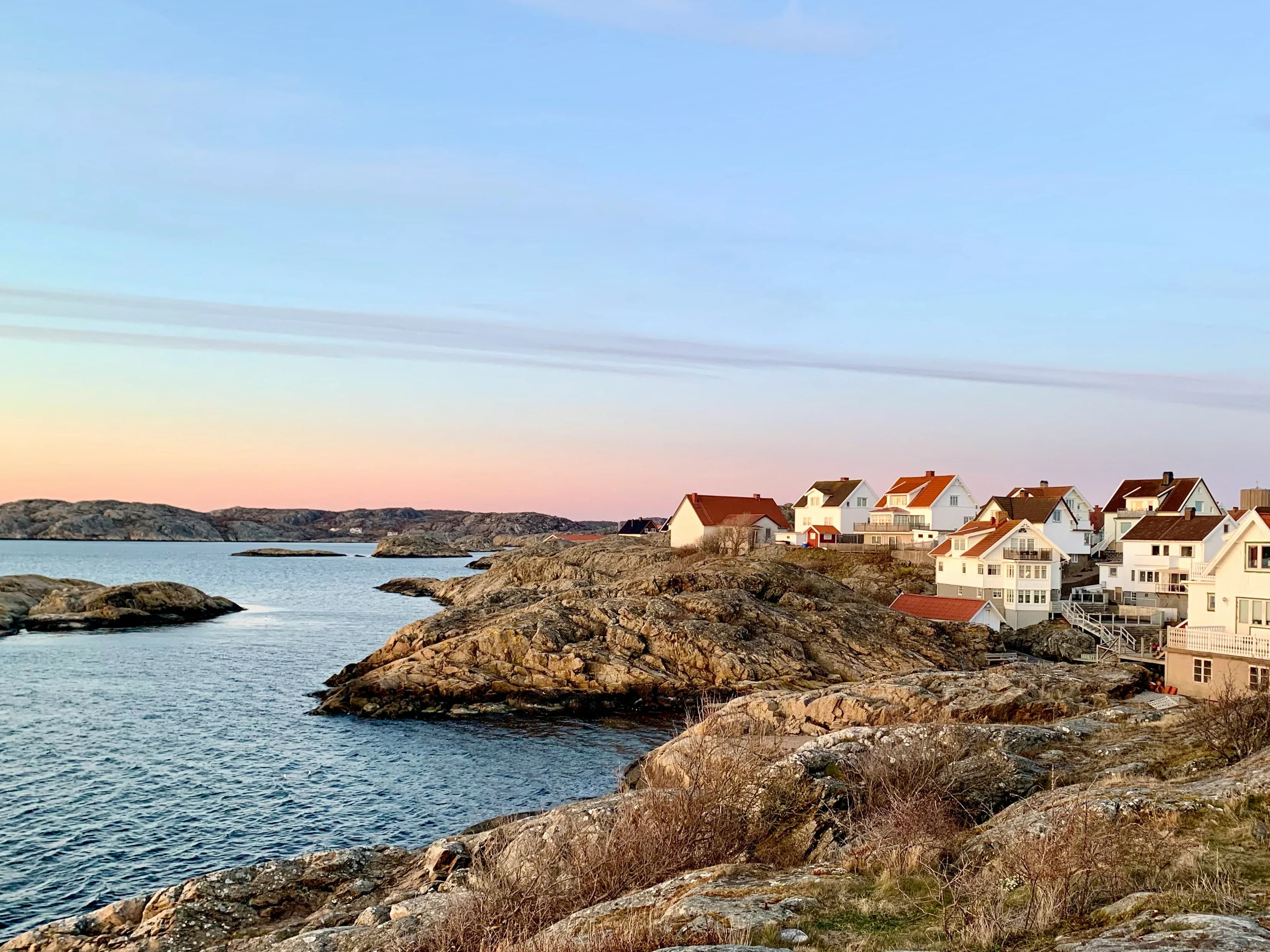
Sweden
18 hotels
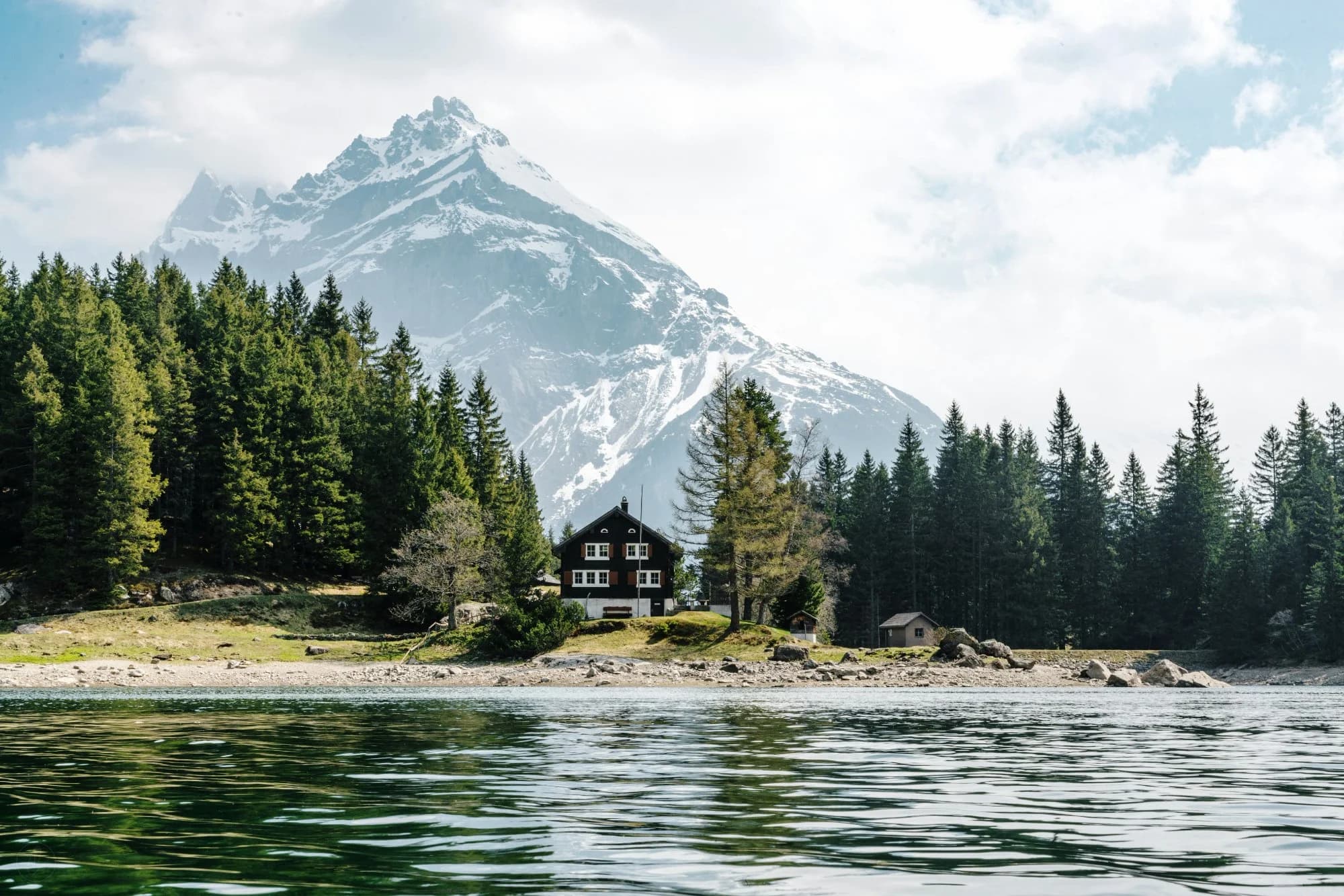
Switzerland
149 hotels
United Kingdom
4 destinations / 589 hotels
Our latest articles about Europe

Rome: Experimental Roma, the opening that redefines discreet luxury in the eternal city
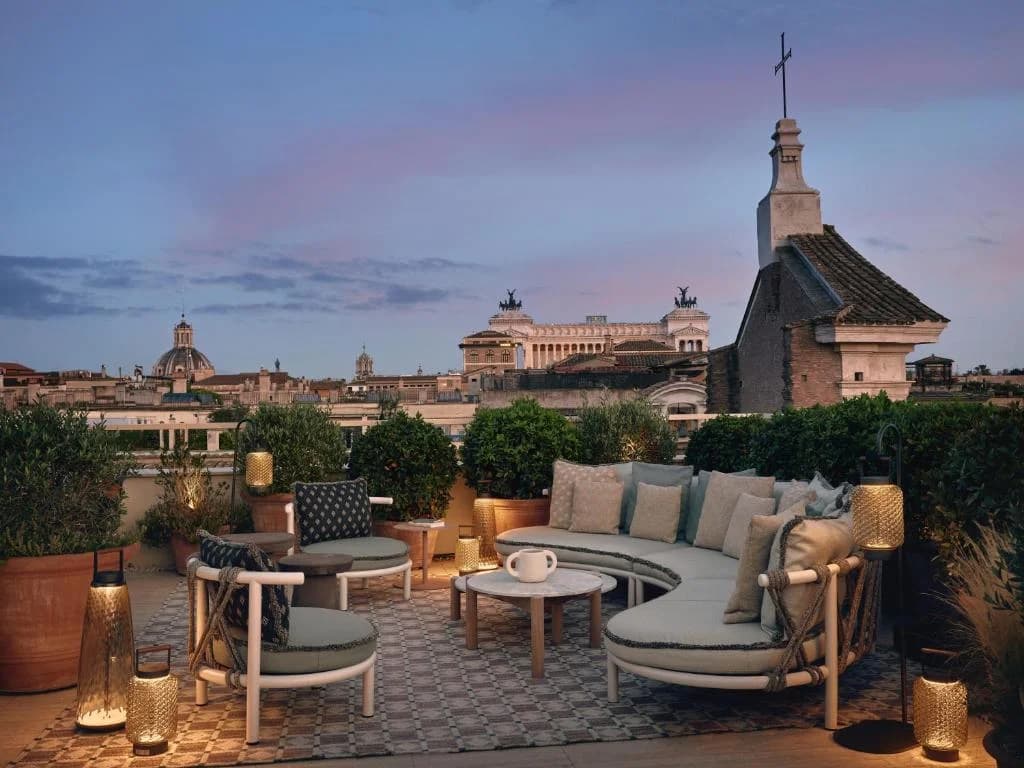
The Experimental Group sets up shop in Rome and immediately imposes a singular grammar in one of Europe's most codified hotel markets. Just steps from Piazza del Popolo and the Quirinal Palace, Experimental Roma does not seek to rival historic palaces: it offers another definition of exceptional stays, one that is more sensorial, more architectural, resolutely contemporary. What changes, and what this means for the discerning traveler.
BY Jules Peulet

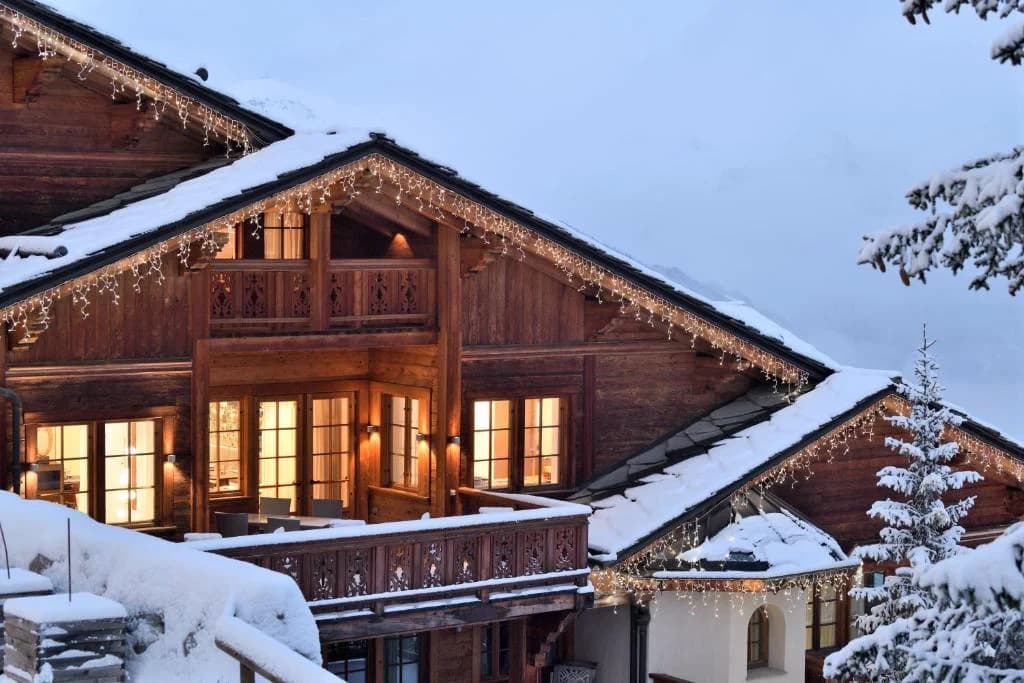
Suites at Fermes de Marie in Megève: The Savoyard Icon between Absolute Luxury and Authenticity
At the heart of Megève, Fermes de Marie embodies a singular vision of the Savoyard chalet: that of artisanal, discreet luxury, built on matter and craft. Patined wood, raw stone, hand-woven textiles: each suite is a setting designed for slowness. An immersive report on interior architecture that has redefined the exceptional Alpine stay.
BY Jules Peulet

Luxury suite with private jacuzzi near Paris: comparative guide for Île-de-France
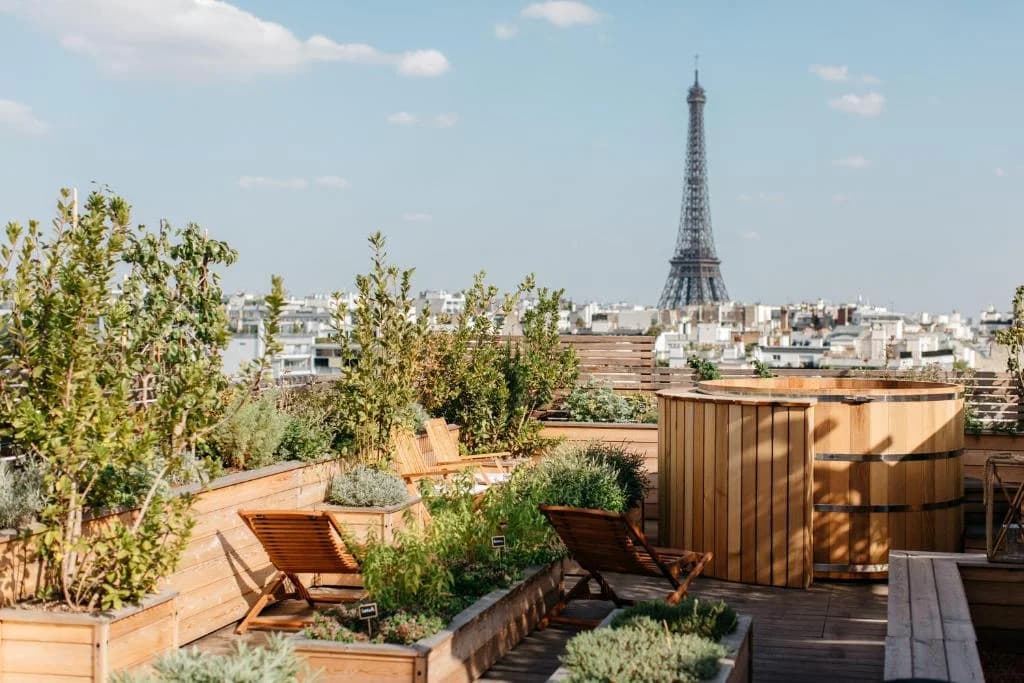
Comparative guide to luxury suites with private jacuzzi in Paris and Île-de-France: objective criteria, neighborhoods to favor, comparative table, stay formats, occasions and budget.
BY Jules Peulet
Best regions in Europe for luxury hotel suites
France and the Riviera
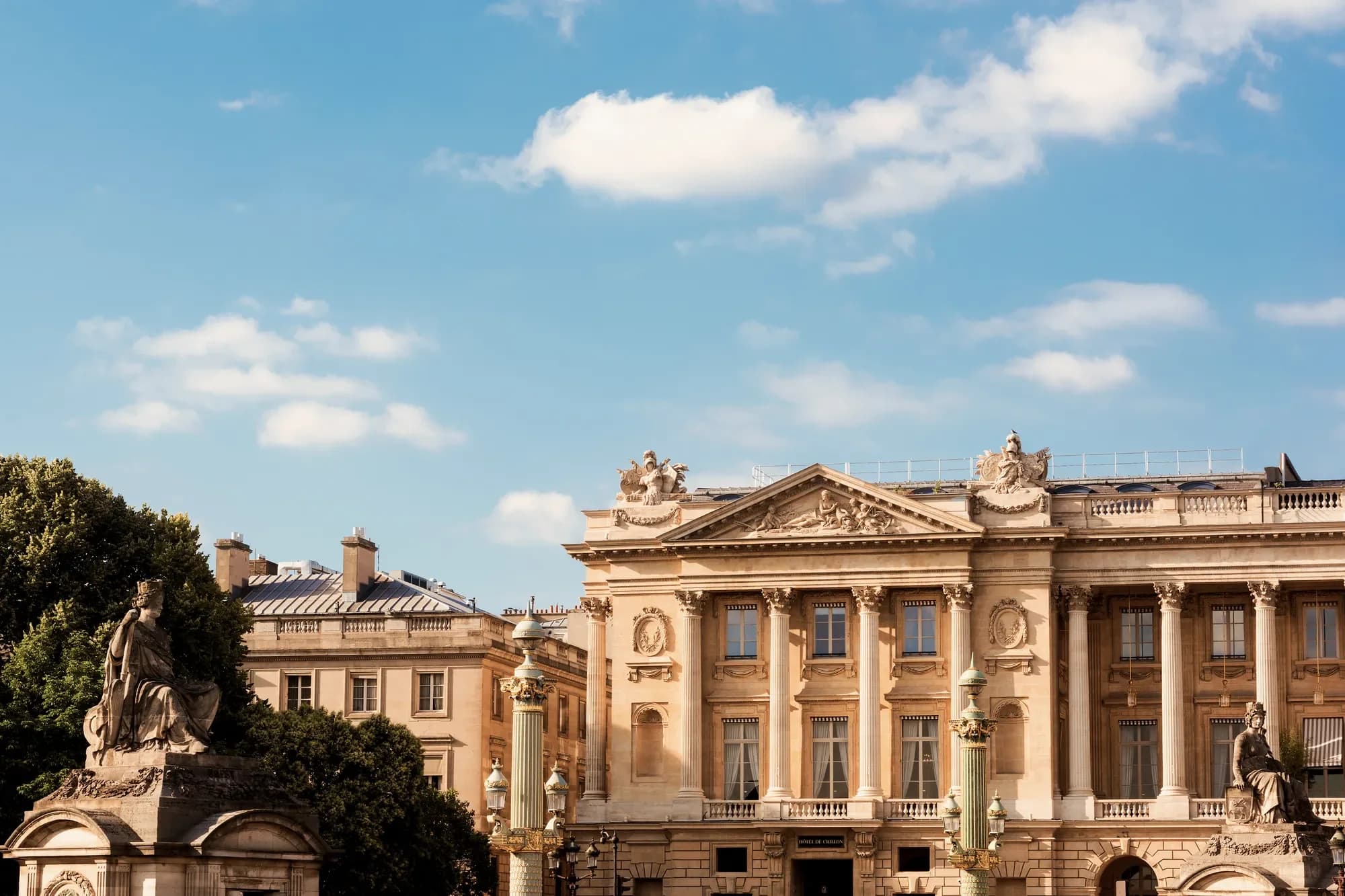
France holds the Palace designation, a formal classification awarded by Atout France to a small number of establishments that exceed the five-star standard in service, architecture, and cultural contribution. This label does not exist in most other European countries, which makes France a reference point for institutional luxury. The Riviera adds a coastal dimension: suites here tend to prioritise terraces, sea orientation, and proximity to both the water and the cultural infrastructure of Cannes, Nice, and Antibes.
Italy: from the lakes to the Mezzogiorno
Italy's luxury accommodation landscape is extraordinarily diverse. The northern lakes, particularly Como and Maggiore, offer grand hotel traditions dating to the nineteenth century, with suites built around garden views and lake-facing loggias. Rome and Florence concentrate historic palazzi conversions, where the architecture itself is the primary amenity. Further south, Puglia and Sicily have developed a distinct category: the masseria and the boutique villa-hotel, smaller in scale, more agricultural in character, and increasingly sophisticated in their design approach.
The United Kingdom and Ireland
British luxury hospitality is shaped by the country house tradition. The finest suites in England and Scotland occupy converted ancestral properties: the rooms are large, the proportions generous, and the surrounding land frequently managed for field sports or private walking. London operates on a different register entirely, with its concentration of historic grand hotels along Piccadilly and Park Lane. Ireland, meanwhile, offers castle conversions with a rawness of landscape that distinguishes them sharply from their English counterparts.
Iberia
Spain and Portugal have both undergone significant repositioning in luxury hospitality over the past fifteen years. Lisbon's historic Pombaline buildings have been converted into small, architecturally precise hotels. The Alentejo and Douro Valley offer rural estates where wine production and accommodation coexist. In Spain, the Paradores network provides a state-managed entry point to historic architecture, while the Balearic Islands and Marbella coastline concentrate contemporary resort-style luxury.
Central Europe and the Alpine arc
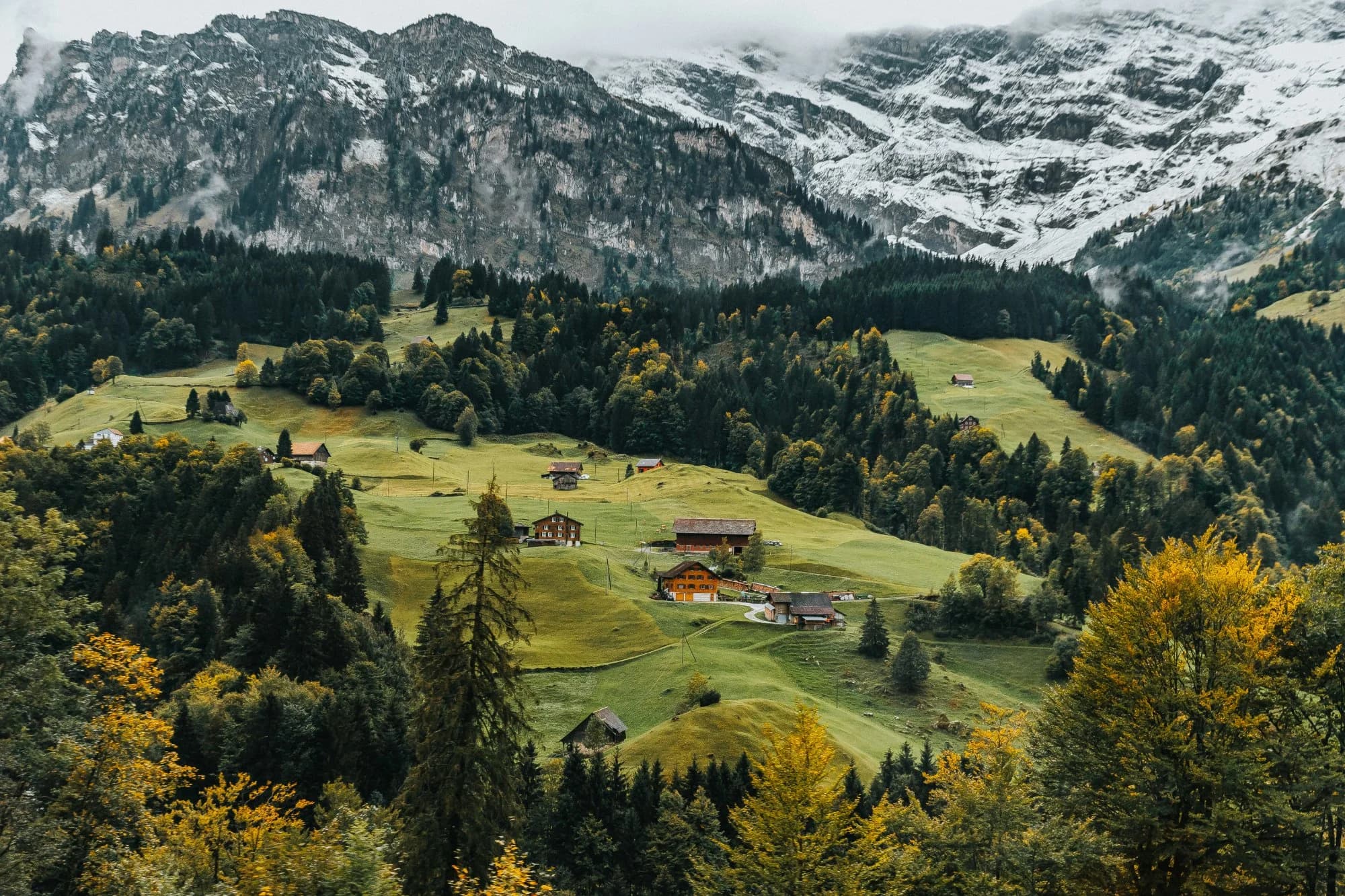
Switzerland anchors the Alpine luxury market with a tradition of grand hotel hospitality that predates modern tourism. Properties in the Engadine, the Bernese Oberland, and the Vaud Riviera combine altitude, precision service, and views of a scale that few other European regions can match. Austria's Salzkammergut and Tyrol add a quieter, more residential character. In Central Europe, cities such as Vienna and Prague contain a number of historic hotels whose suites reflect the architectural ambition of the Habsburg era.
When to visit Europe for a suite experience
The optimal travel window depends entirely on the sub-region and the type of experience sought. The continent does not operate as a single seasonal unit.
The Mediterranean coast, from the Côte d'Azur to the Greek islands, operates at peak capacity from June through August. Suite availability at the most sought-after properties during this period requires advance planning of six months or more. The shoulder months of May and September offer comparable weather with considerably better availability and a quieter atmosphere.
The Alpine corridor, covering Switzerland, Austria, and northern Italy, has two distinct peak seasons: winter (December to March, centred on skiing) and summer (July to August, centred on hiking and lake activities). Spring and autumn represent genuine low seasons with meaningful rate advantages.
For city destinations, Paris, London, Rome, and Lisbon sustain demand year-round. However, September through November and March through May represent periods of relative calm, lower suite rates, and greater access to cultural programming including museum exhibitions, fashion weeks, and film festivals.
Major events that affect suite availability across Europe include the Cannes Film Festival (May), the Venice Biennale (odd years, June to November), Art Basel in Basel (June), and the Monaco Grand Prix (May). Travelers attending these should factor event calendars directly into booking timelines.
Understanding European luxury standards
Europe does not apply a single luxury classification system. Each country uses its own rating framework, and the gap between a five-star property and an exceptional one is often invisible from the outside.
France's Palace designation is the most rigorous formal standard on the continent. To qualify, a hotel must meet criteria covering architecture, cultural contribution, the proportion of multilingual staff, and the breadth of services offered. Fewer than thirty properties in France currently hold this label.
In Italy, the term Relais is frequently used by independent historic properties, often affiliated with the Relais and Châteaux network. The masseria designation, specific to Puglia, refers to a fortified farmhouse conversion: the category implies a certain agricultural aesthetic and a slower pace of hospitality.
In the United Kingdom, the AA Rosette and Red Star systems assess hotels independently of the national star rating. The Leading Hotels of the World and Small Luxury Hotels of the World networks provide additional curatorial frameworks, though membership does not guarantee the spatial or design standards that La Suite applies in its own selection process.
Across the continent, the physical specifications of a luxury suite vary significantly. In grand historic hotels, suites tend to be large, high-ceilinged, and furnished with period or reproduction antiques. In converted rural properties, the scale is often more intimate but the sense of privacy is greater. In urban boutique hotels, the design language tends to be contemporary, with particular attention paid to lighting, materials, and the quality of the bathroom architecture.
How to choose the right luxury suite in Europe
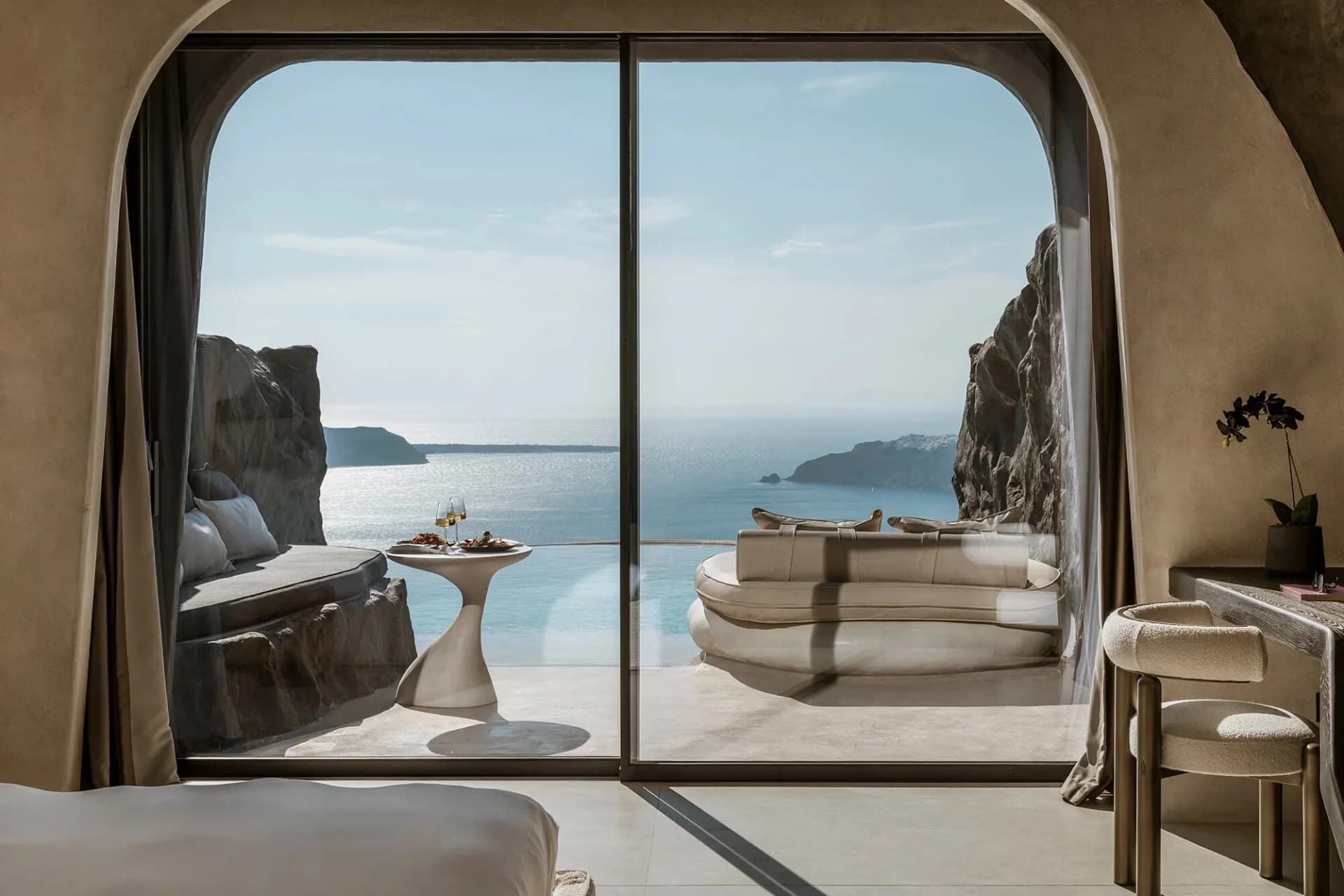
The first question is architectural: does the experience derive primarily from the building itself, or from its surroundings? A suite in a converted Florentine palazzo offers a fundamentally different spatial logic from a clifftop suite in Santorini, even if the price point is comparable.
The second consideration is privacy and scale. Grand hotel suites in Paris or London place the traveler within a large, staffed institution. Rural estate suites in Tuscany or the Scottish Highlands offer a more contained, residential experience with fewer other guests and a greater sense of territorial privacy.
Service expectations also differ by region. France and Switzerland maintain the most formalised service cultures, with defined hierarchies and consistent protocols. The emerging luxury markets of Portugal and southern Italy tend toward a warmer, less structured model of hospitality that some travelers actively prefer.
Practical considerations include connectivity (relevant for remote Alpine or island properties), the availability of private transfer infrastructure, and whether the suite includes access to private outdoor space, a factor that becomes material in warmer months.
Why curation matters across a continent of 115 properties
Europe contains thousands of properties that describe themselves using the language of luxury. The signal-to-noise ratio is low. La Suite approaches selection as an editorial act rather than an aggregation exercise. Each of the 115 properties in this curated selection has been assessed against consistent criteria: spatial quality, design coherence, the calibre of its suite offering, and the integrity of its positioning.
For the traveler navigating this landscape, the value of a curated selection by La Suite is specificity. Rather than filtering through a catalogue of self-described five-star properties, the decision begins with a set of options that have already been held to a defined standard. The work of choosing is not eliminated, but the field is meaningfully narrowed to properties that merit serious consideration.
Frequently asked questions
What are the best countries in Europe for luxury hotel suites?
France, Italy, and the United Kingdom consistently set the standard for suite-level hospitality in Europe, each within a distinct architectural and service tradition. Switzerland and Portugal have also developed strong suite offerings, particularly in the Alpine and Atlantic coastal contexts respectively. The right choice depends on the type of experience sought: institutional grand hotel, rural estate, or converted historic property.
What is the difference between a Palace hotel and a five-star hotel in Europe?
The Palace designation is a formal classification used in France, awarded by Atout France to a very small number of properties that exceed the five-star standard across criteria including architecture, cultural contribution, and service breadth. The five-star rating, by contrast, is applied by national tourism bodies using criteria that vary by country. A Palace hotel in France is held to a higher and more specific standard than a five-star hotel in most other European jurisdictions.
When is the best time to book a luxury suite in Europe?
The optimal booking window depends on the sub-region and the season. For Mediterranean coastal properties, the peak months of June through August require advance planning of at least six months at the most sought-after addresses. City destinations in Paris, London, and Rome sustain demand year-round, though the shoulder seasons of March to May and September to November offer better availability and rate conditions. Alpine properties have two distinct peak seasons aligned with winter skiing and summer outdoor activity.
How far in advance should I book a luxury suite in Europe during peak season?
For the most in-demand properties during high season, six to twelve months of advance planning is a reasonable benchmark. This applies particularly to coastal Mediterranean suites in July and August, and to Alpine properties during the Christmas and New Year period. Properties during major events such as the Cannes Film Festival or the Venice Biennale require even earlier planning, as availability around these dates is absorbed quickly.
What should I look for when choosing a luxury suite in Europe?
The primary considerations are architectural context, the degree of privacy offered, the quality of outdoor space, and the service model of the property. A suite in a converted historic palazzo operates differently from a resort suite with direct sea access or a private villa-style room on a rural estate. The physical specifications of the bathroom, the orientation of the suite relative to key views, and the availability of private terrace space are practical factors that significantly affect the quality of the stay.
Are there luxury suites in Europe suitable for families with children?
Yes, and the category varies considerably. Grand historic hotels in cities such as Paris, Rome, and London frequently offer interconnecting suite arrangements or large family suites with multiple sleeping areas. Rural estate properties in Tuscany, the Algarve, and the Dordogne tend to offer more space, grounds access, and a less formal environment that adapts well to family travel. The key variables are square footage, the availability of separate living areas, and whether the property offers services and programming suited to younger travelers.
What is a masseria and how does it differ from a standard luxury hotel in Europe?
A masseria is a fortified farmhouse, historically used for agricultural production, that has been converted into a hospitality property. The typology is specific to Puglia in southern Italy, and the finest examples combine a distinctly agricultural aesthetic, including olive groves, stone courtyards, and working kitchens, with a high level of design and service quality. The experience differs from a standard luxury hotel primarily in scale, pace, and intimacy: a masseria typically accommodates fewer guests and operates within a more self-contained, estate-like logic.
Which regions in Europe offer the most private luxury suite experiences?
Privacy at suite level is most consistently available in rural and island settings. Properties in the Tuscan countryside, the Scottish Highlands, the Portuguese Alentejo, and the Greek islands offer a degree of territorial separation that urban grand hotels cannot replicate. Within cities, the most private suite experiences tend to be found in smaller boutique properties with a limited number of rooms, or in penthouse and floor-dedicated suites within larger hotels where access is physically restricted.
What cultural events in Europe should luxury travelers plan their suite bookings around?
Several major cultural events have a direct and measurable effect on suite availability and pricing across Europe. The Cannes Film Festival in May, the Monaco Grand Prix in May, the Venice Biennale running across odd years from June to November, and Art Basel in Basel in June are the most significant. London's summer season, including Wimbledon and Glyndebourne, and the major fashion weeks in Paris, Milan, and London also affect urban hotel markets during their respective windows.
How does La Suite select its luxury hotel properties in Europe?
La Suite applies a consistent editorial framework to its selection process, assessing each property against criteria that include spatial quality, design coherence, the specific calibre of the suite offering, and the integrity of the property's positioning within the broader luxury market. The 115 properties currently listed across Europe represent an actively maintained selection rather than a static catalogue. Properties are evaluated on their own terms, not simply on brand affiliation or star rating, with the goal of presenting travelers with options that genuinely merit consideration at the suite level.