1 Hotel Copenhagen, Copenhagen
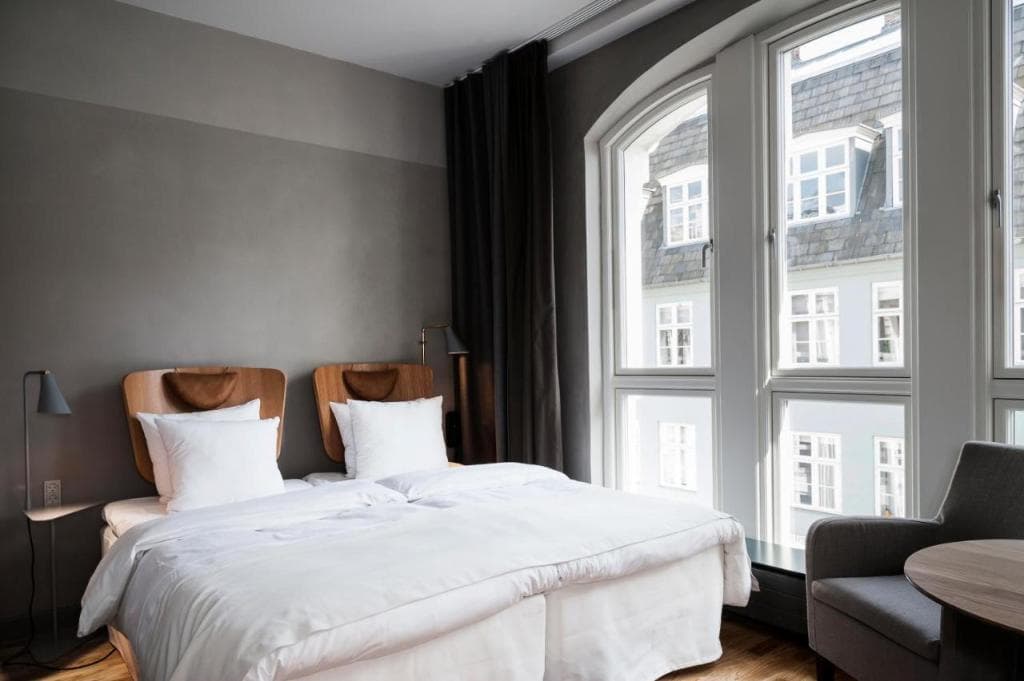
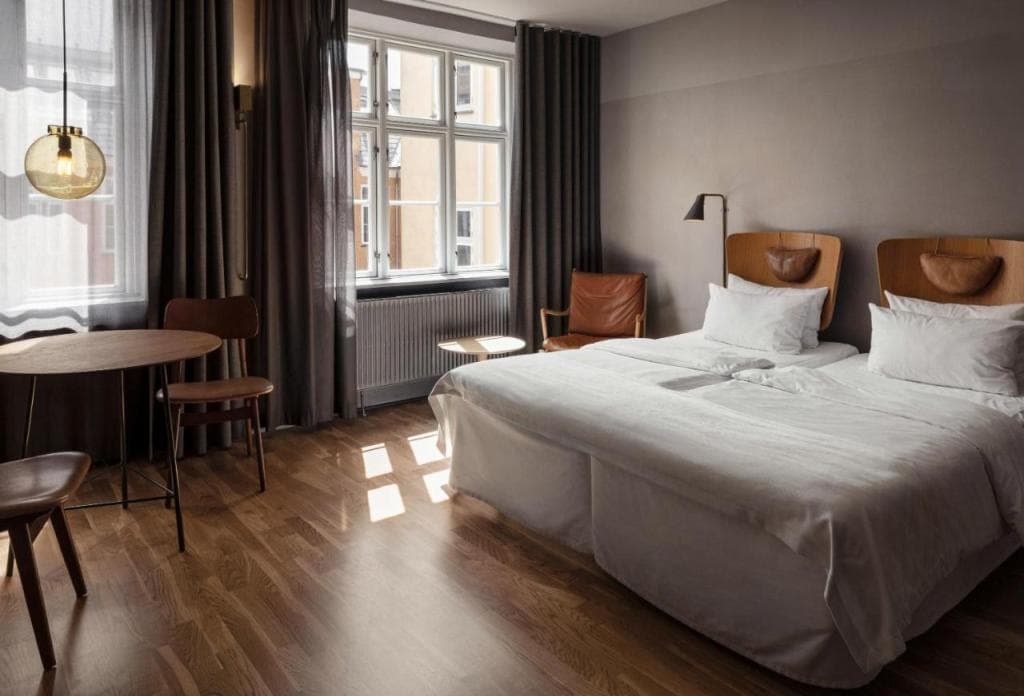
Located in Copenhagen’s old Latin Quarter, this stylish hotel offers free WiFi, and designer rooms. Just 4 minutes’ walk away is the main shopping street, Strøget. Air conditioning, flat-screen TV an

Copenhagen sits at the intersection of Scandinavian restraint and genuine metropolitan ambition. It is a city that produces some of the world's most referenced restaurants, architects, and furniture designers, and that cultural seriousness extends directly into how its finest hotels are conceived and operated. Unlike destinations where luxury is performed loudly, Copenhagen's top-tier properties tend to express their standard through proportion, material selection, and service precision rather than through scale or spectacle.
24 hotels available

Located in Copenhagen’s old Latin Quarter, this stylish hotel offers free WiFi, and designer rooms. Just 4 minutes’ walk away is the main shopping street, Strøget. Air conditioning, flat-screen TV an

Central Location 25hours Hotel Indre By in Copenhagen offers a central base with attractions such as The David Collection (6-minute walk), Rosenborg Castle (less than 0.6 mi), and Tivoli Gardens (

Welcome to Admiral Hotel Copenhagen, an iconic hotel on the waterfront in the heart of Copenhagen. Here you will be greeted by first-class service and an atmosphere that combines historical charm with

Experience the charm of our lovely eco-friendly hotel, ideally located in the heart of Copenhagen's vibrant Vesterbro district. Our property is a favorite among sustainability-minded travelers who app

Elegant Accommodations Boutique Hotel Herman K in Copenhagen offers a 5-star experience with family rooms and modern amenities. Guests enjoy air-conditioning, private bathrooms, and city views. #

Located in the Carlsberg district of Copenhagen, this luxury boutique hotel offers multiple shared lounges, bars and restaurants. Featuring a complimentary wine hour for all guests, Boutique Hotel Ott

Featuring a breakfast buffet of organic food and ingredients, this modern boutique hotel is 984 feet from City Hall Square and Copenhagen’s pedestrian street, Strøget. It features free WiFi, a rooftop

This hotel offers electric bicycle rentals and spacious, designer rooms with flat-screen TVs. Copenhagen city and Tivoli Gardens are a 7-minute train ride away. WiFi is free. Danish design furniture b

Prime City Center Location Eric Vökel Boutique Apartments - Copenhagen Suites is located in Copenhagen city center, offering easy access to key attractions. Tivoli Gardens is an 8-minute walk away

Comfortable Accommodations Henriks Hotel in Copenhagen offers 4-star comfort with air-conditioning, private bathrooms, and modern amenities. Each room includes a work desk, mini-bar, and free WiFi

Located in a historic building just steps away from the City Hall Square, Bella Grande is a timeless yet contemporary hotel where nostalgic charm meets modern sophistication. The hotel welcomes you wi

Located by the city lakes in central Copenhagen, this eco-friendly hotel offers a Nordic-style breakfast buffet featuring organic foods. WiFi is free. The on-site Ni'Mat Spa has a sauna, hot tub and r

This elegant boutique hotel is centrally located in Copenhagen, just 656 feet from Nyhavn. Hotel Sanders features a rooftop conservatory garden and a modern restaurant. WiFi access is free. Sander's

Prime Location Hypernym Hotel & Suites in Copenhagen offers a central location with Tivoli Gardens a 3-minute walk away, Ny Carlsberg Glyptotek 2297 feet nearby, and Copenhagen Central Station a 7

Prime City Center Location Locke Copenhagen is located in Copenhagen city center, offering easy access to key attractions. Copenhagen Central Station is a 9-minute walk away, while Ny Carlsberg Gl

The minimum age to stay at Manon Les Suites Guldsmeden is 15 years. Experience a slice of Bali in the heart of Copenhagen at Manon les Suites. Manon les Suites is a lush oasis featuring the iconic Junglefish Pool, a Bali-inspired heated indoor pool with vibrant jungle vibes,…

Elegant Accommodations NH Collection Copenhagen in Copenhagen offers spacious rooms with city or river views. Each room includes air-conditioning, a private bathroom, and modern amenities. Exc

Located 656 feet from Copenhagen Central Station and the world-famous Tivoli Gardens, it couldn't be more central. NH Copenhagen Grand Joanne has 162 unique rooms and suites spread over 6 floors. Eac

Located in Copenhagen’s famous Tivoli Gardens, this stylish boutique hotel is housed in an impressive Moorish-style building. It offers on-site dining and designer rooms with flat-screen TVs and park

Housed in a historic building from 1903, this elegant hotel is located just a 2-minute walk from Tivoli Gardens in central Copenhagen. Guests enjoy free access to the fitness center and relaxation are
Hotels in the area, but in a neighbouring town.

Located in the middle of the vibrant Nørrebro and elegant Frederiksberg, this brand new luxury boutique hotel offers a perfect location in central Copenhagen. Boutique Hotel Hans is exclusively desig

This comfortable hotel is directly connected to Terminal 3 at Copenhagen Airport. It offers spacious, air-conditioned rooms feature satellite TV and tea/coffee makers. Guest rooms at Clarion Hotel Co

Comfortable Accommodations Comwell Copenhagen Portside Dolce by Wyndham in Copenhagen offers family rooms with air-conditioning, private bathrooms, and modern amenities. Each room includes a work

157 km away
For travellers already familiar with Europe's luxury hotel landscape, Copenhagen offers a specific and increasingly sought-after alternative: a city where the design intelligence embedded in a luxury suite matches, and often exceeds, what you would find in Paris or Milan. The benchmark here is high, and the criteria are different.
The area surrounding the pedestrian axis of Strøget and the Rådhuspladsen offers proximity to the city's institutional core: the National Museum, Tivoli Gardens, and the main commercial arteries. Hotels in this zone tend to occupy historic buildings, with suites that reflect the tension between 19th-century facades and contemporary Scandinavian interiors. The density of cultural programming makes this area particularly suited to travellers whose stay combines business with cultural engagement.
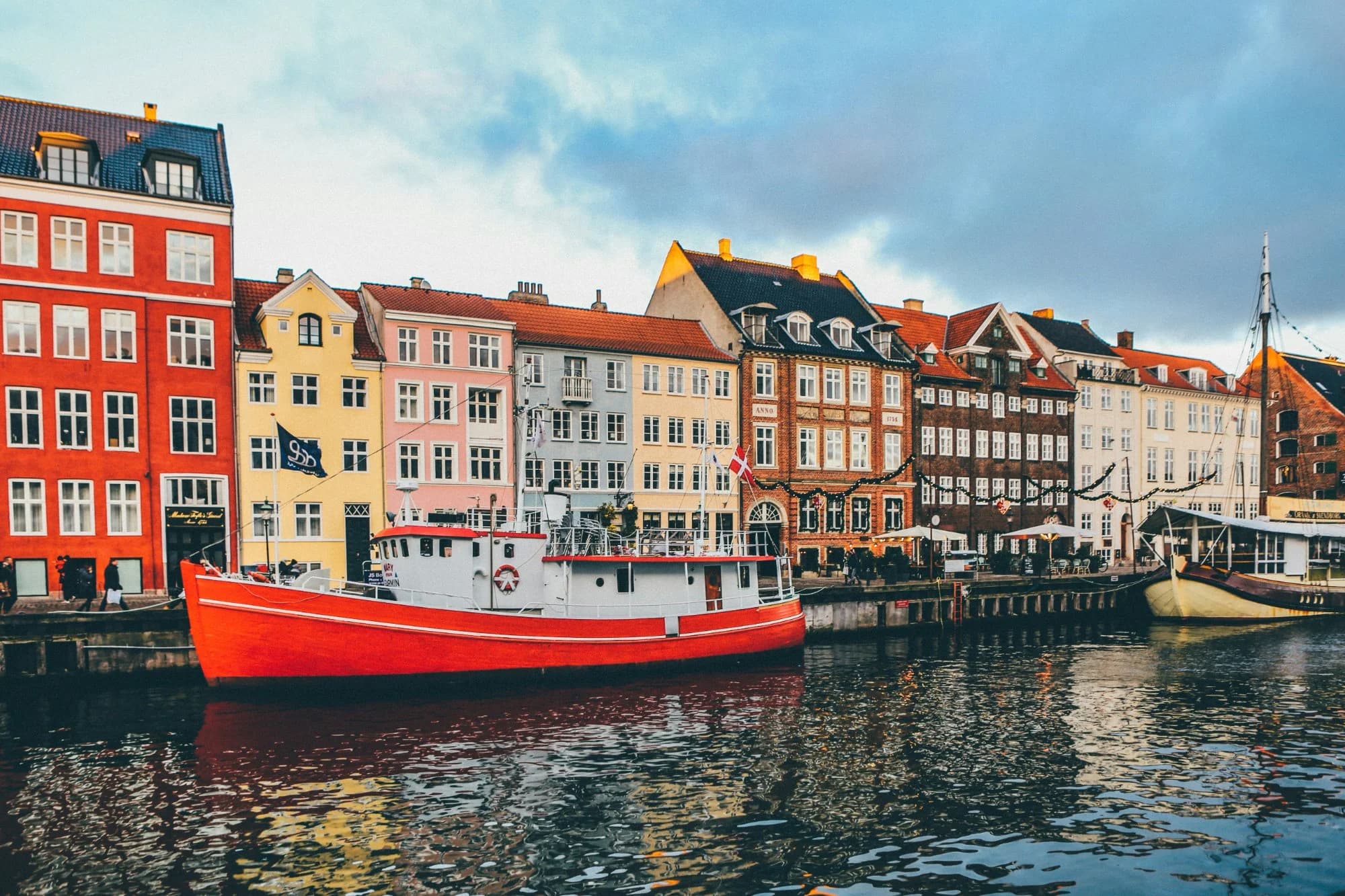
Nyhavn's coloured townhouses are among Copenhagen's most reproduced images, but the area functions as more than a visual backdrop. The inner harbour corridor connects directly to the Opera House and the Royal Playhouse, and suites with direct water views here offer a particular quality of light, especially in summer when the northern sun remains at a low angle well into the evening. This is the most atmospheric zone in the city for a suite stay oriented around the waterfront.
Slightly removed from the tourist concentration of the centre, Frederiksberg offers a quieter residential register. The area around Frederiksberg Have and the avenue corridors has historically attracted Copenhagen's professional class, and the hotel properties here reflect that: fewer rooms, more considered service ratios, and interiors that reference the neighbourhood's bourgeois Danish aesthetic rather than generic international luxury codes.
Copenhagen's former meatpacking district, Kødbyen, has undergone a well-documented transformation into one of Northern Europe's more concentrated areas for food and design culture. Hotels in Vesterbro tend to attract a younger affluent demographic and design-industry travellers. Suites in this zone are typically characterised by industrial architecture adapted with precision craftsmanship, raw concrete alongside handmade ceramics, and a service culture that is informal in tone but technically exact.
Copenhagen's peak season runs from late May through August, when daylight extends beyond 10pm and the city's outdoor culture becomes fully legible. This is also when suite availability tightens most significantly at the city's leading properties, and advance booking of three to six months is a reasonable baseline for preferred room categories.
September and October represent a secondary window of considerable interest. The light changes register dramatically, the city's cultural season resumes after the summer pause, and Copenhagen Fashion Week (held twice yearly, in February and August) draws a design-aware international audience that shifts the character of the city's hotel environment in noticeable ways.
Winter in Copenhagen is functional and, for a specific type of traveller, highly appealing. The reduced daylight is compensated by the quality of interior environments, and the city's restaurant culture, already exceptional, becomes the primary focus of the day. Suite rates in the November to February window are generally more accessible, and the experience of a well-designed suite interior takes on greater significance when the city outside operates in low light.
Denmark does not operate a formal hotel classification equivalent to France's Palace designation or Italy's regional quality marks. The signal of quality in Copenhagen's luxury hotel sector is communicated differently: through design provenance (furniture by Danish masters such as Hans Wegner or Arne Jacobsen, or commissions from current Copenhagen studios), through the sourcing standards applied to in-room materials, and through service models that emphasise competence and discretion over theatrical hospitality.
The finest suites in Copenhagen will typically feature natural material palettes: oak, linen, leather, ceramic, and stone. Lighting design is taken seriously as an architectural element rather than a functional afterthought. Bathroom specifications at the upper end of the market tend toward freestanding baths, walk-in showers with rainfall systems, and branded amenity lines sourced from Scandinavian apothecary or fragrance houses.
Room service culture here is less ceremonial than in Paris or London equivalents, but culinary standards in hotel restaurants attached to Copenhagen's leading properties are genuinely high. Several of the city's most referenced dining rooms operate within hotel contexts, and a suite stay that includes access to these restaurants represents a qualitatively different experience from a room-only booking.
The primary distinction to make when selecting a suite in Copenhagen is architectural register. Historic properties in the centre tend to offer higher ceilings, more ornamental detailing, and a sense of accumulated cultural weight. Converted or purpose-built contemporary properties in Vesterbro or the harbour zone offer spatial efficiency, precise material specification, and a more horizontal relationship between interior and exterior.
A second consideration is orientation. Copenhagen's light is the city's most underrated asset. A suite with northern or western exposure will catch the long evening light in a way that materially affects the quality of the stay. Harbour-facing rooms command a premium that is architecturally justified in summer but less consequential in winter, when the water is more atmospheric than luminous.
For travellers visiting Denmark as part of a broader Nordic itinerary, Copenhagen's suites offer a useful point of calibration: the city sets a standard of design intelligence and material integrity that can be used as a reference against which to assess properties elsewhere in the region.
Copenhagen's luxury hotel market is smaller in volume than comparable European capitals, but the quality variance between properties is significant. A hotel that markets itself at the premium end of the market may deliver an exceptional restaurant and a standard room product that does not justify the rate. Conversely, some of the city's most compelling suite experiences are found in properties that do not operate large marketing budgets and are consequently underrepresented in mainstream booking channels.
La Suite's curated selection for Copenhagen is built on direct assessment of the suite product specifically, not the hotel in aggregate. The criteria applied include spatial quality, material specification, service responsiveness at the suite level, and the relationship between the room and the city it occupies. For a destination where the design standard is genuinely high and the differences between properties are subtle but consequential, this level of editorial specificity is the most useful tool available to a traveller making a considered decision.

Copenhagen's finest suites are distinguished by their design rigour rather than their scale. Where Paris or London suites often emphasise grandeur and decorative richness, Copenhagen properties tend to prioritise material quality, Scandinavian craft references, and a considered relationship between interior space and natural light. The city's design culture, which produced internationally influential furniture and architecture movements, is directly legible in how its top-tier suites are specified and furnished.
The inner harbour corridor, particularly around Nyhavn and the waterfront between the Opera House and the Royal Playhouse, offers the most architecturally significant views from a suite. The quality of Copenhagen's northern light across water, particularly in late spring and summer evenings, is the city's most distinctive sensory asset and justifies the premium typically associated with harbour-facing room categories.
Late May through August offers the fullest expression of Copenhagen's outdoor and cultural life, but suite availability at leading properties is tightest during this period. September and October provide a strong alternative: the cultural season resumes, the light changes register are dramatic, and availability is somewhat easier to secure. Travellers specifically interested in design and fashion should note Copenhagen Fashion Week in February and August as a secondary peak period.
For stays during peak summer months (June through August), a booking horizon of three to six months is advisable for preferred suite categories at leading properties. Copenhagen's top hotels carry a limited number of suites, and the supply at the upper end of the market is genuinely constrained. For shoulder season travel in September, October, or March, a window of four to eight weeks is generally sufficient, though specific view categories may still require earlier commitment.
Copenhagen's premium hotel stock is distributed across several distinct zones rather than concentrated in a single district. The historic centre and Nyhavn waterfront hold the city's most recognisable properties. Vesterbro and the former meatpacking district (Kødbyen) have emerged as an address of choice for design-oriented properties. Frederiksberg offers a quieter, more residential luxury register. Each zone produces a materially different suite experience, and the choice between them should reflect the character of the stay being planned.
Copenhagen's leading suites typically feature natural material palettes: oak, linen, stone, leather, and ceramic, often with furniture pieces traceable to Danish design lineage (Wegner, Jacobsen, or contemporary Copenhagen studios). Lighting is treated as an architectural element. Bathroom specifications at the upper tier include freestanding baths and Scandinavian-sourced amenity lines. The overall aesthetic is one of material honesty rather than decorative accumulation, and the quality of craft in joinery and textiles is generally high.
Several of Copenhagen's leading hotel properties operate restaurant programmes that are significant within the city's dining culture independently of their accommodation offer. Copenhagen has developed one of Europe's most discussed restaurant scenes over the past two decades, and the intersection of that culture with the hotel sector means that a suite booking at certain properties includes access to dining rooms with genuine culinary standing. This dimension of the stay is worth assessing as a specific criterion when selecting a property.
Copenhagen functions well as a primary base for exploring <a href="/en/destination/world/europe/denmark">Denmark</a> more broadly. The city's transport infrastructure connects directly to the Zealand coast, to Helsingør and the Kronborg Castle complex, and via bridge to Malmö in Sweden. For travellers planning a broader Nordic circuit, Copenhagen's suite hotels offer a calibration point: the design standards and service models established here provide a useful reference for assessing properties elsewhere in the region.
Winter in Copenhagen is a considered choice rather than a compromise. The reduced daylight concentrates social and cultural life indoors, which elevates the significance of interior quality. A well-specified suite becomes the primary environment of the stay, and Copenhagen's expertise in interior craft is particularly legible in winter conditions. Suite rates in the November to February window are generally more accessible than peak summer pricing, and the city's restaurant culture, which is the primary evening activity for many visitors, is unaffected by the season.
The primary distinctions to assess are architectural register (historic versus contemporary), orientation and light exposure, and the relationship between the suite product and the hotel's wider offer (restaurant quality, service ratios, design provenance). Copenhagen's luxury hotel market is relatively compact, which means the differences between top properties are subtle but consequential. A curated selection by La Suite, built on direct assessment of the suite product specifically rather than the hotel in aggregate, is the most efficient tool for navigating these distinctions.