Understanding the Alsace Wine Route as a luxury destination
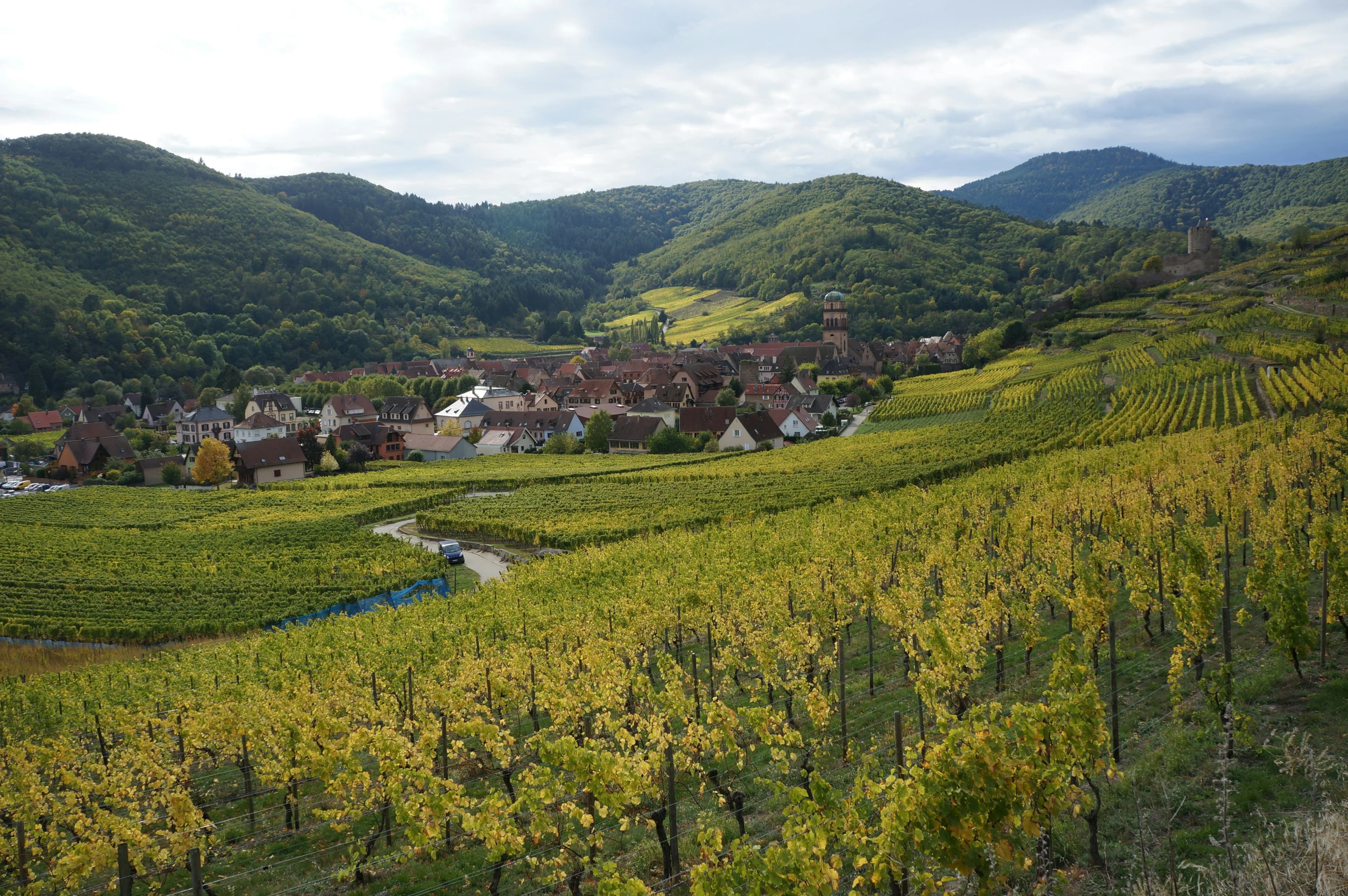
The wine route is not simply a scenic drive. It is a living agricultural and cultural landscape where the proximity of the vineyard to the table, the cellar to the dining room, and the forest to the terrace creates a sensory coherence that few French regions replicate. A well-chosen luxury hotel suite here places you inside that coherence rather than observing it from a distance.
Best areas to stay along the Alsace Wine Route
The central corridor: Colmar to Riquewihr
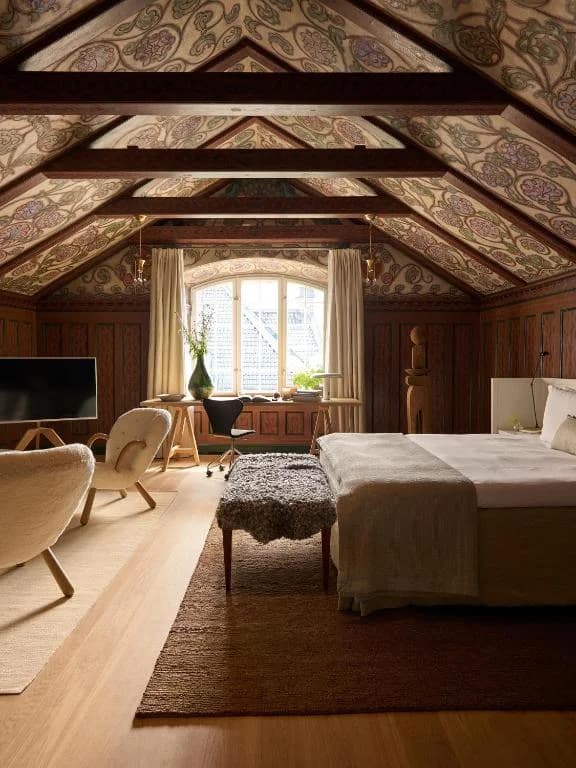
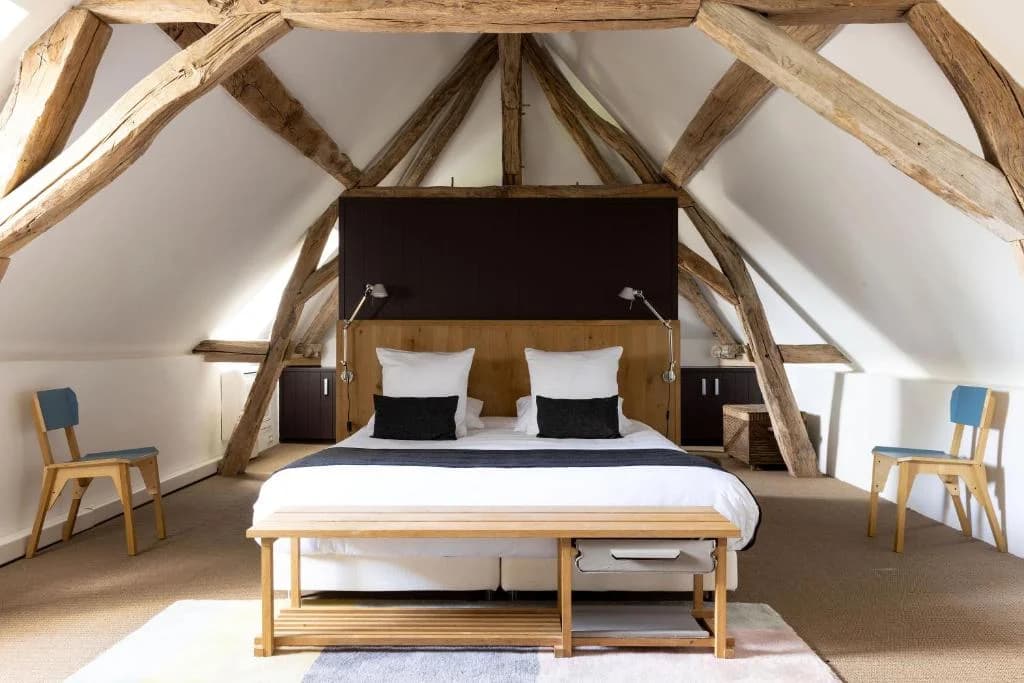
The stretch between Colmar and Riquewihr represents the most concentrated expression of Alsatian identity. The villages here, including Kaysersberg, Ribeauvillé, and Hunawihr, are small, walkable, and surrounded by some of the appellation's most respected Grand Cru plots. Properties in this zone tend to offer immediate access to vineyards on foot, a feature that differentiates a stay here from any urban hotel experience. Suites in historic maisons or converted manor properties in this corridor typically combine exposed timber beams, stone floors, and considered contemporary interiors.
The northern Bas-Rhin: quieter, more architectural
North of Strasbourg's periphery, the wine route becomes less visited and more architecturally consistent. Villages such as Obernai, Barr, and Andlau attract travelers who prefer a slower tempo and less tourist infrastructure. The luxury offering here is more discreet, often housed in properties that prioritize architectural restoration over amenity density. For a traveler seeking privacy and proximity to the Vosges foothills, this section rewards deliberate exploration.
The southern Haut-Rhin: Guebwiller and the Florival
The southern end of the route, toward Guebwiller and Thann, is the least-toured segment and, for that reason, carries a particular appeal for travelers who value solitude. The valley landscapes here are wider, the vineyards more isolated, and the pace of village life more intimate. Luxury stays in this area often occupy converted religious or agricultural buildings, reflecting the region's layered history.
When to visit the Alsace Wine Route
The wine route operates across all four seasons, each with a distinct character. Late spring, from mid-May through June, offers flowering vineyards, moderate temperatures, and manageable visitor numbers. This is a practical window for securing suite availability at properties that fill quickly in peak periods.
Summer, from July through August, brings the highest concentration of visitors, particularly around Colmar and Riquewihr. Advance planning is essential, and suite categories at leading properties are often reserved months ahead. The light in this season is exceptional for those with an interest in photography or architecture.
Autumn, from September through October, coincides with the harvest. The vendanges period is arguably the most compelling time to visit: the vineyards shift from green to amber and copper, winemakers are at work, and the regional calendar fills with small-scale harvest events and open-cellar days. Suite availability tightens in September, particularly at properties with direct vineyard access.
Winter brings the famous Christmas markets, concentrated in Colmar, Strasbourg, and Kaysersberg. The market season runs from late November through late December and draws significant visitor volumes. For travelers who prefer quieter conditions, January and February offer the most unmediated experience of the region, with thin visitor numbers and a landscape reduced to its essential forms.
Local luxury standards and what to expect from top-tier suites
France's official Palace designation, awarded by Atout France to a select number of hotels meeting criteria across service, architecture, and amenity, applies to some properties in the broader Alsace region, though the wine route corridor itself is defined more by boutique-scale excellence than by grand hotel infrastructure. The prestige here is often expressed through architectural integrity, culinary seriousness, and the quality of the wine cellar rather than through scale or amenity volume.
Top-tier suites along the route typically occupy historic structures: half-timbered maisons bourgeoises, former wine merchant residences, or converted priories. The interior language tends toward restrained material richness, local oak, regional ceramics, and textiles referencing Alsatian craft traditions. Contemporary interventions in these spaces, when well-executed, create a productive tension between historical fabric and current design thinking.
Gastronomy is central to the luxury offer here. Alsace holds more Michelin-starred restaurants per capita than almost any other French region, and the best suite properties in the corridor are typically within reach of at least one starred table. The regional cuisine, rooted in charcuterie, freshwater fish, foie gras, and a bread and pastry tradition of exceptional depth, is an active component of the stay rather than a peripheral consideration.
How to choose the best suite along the Alsace Wine Route
The primary decision axis here is architectural: historic conversion versus contemporary construction. The wine route is almost entirely composed of properties in historic buildings, which means that suite geometry is often shaped by existing structure. Travelers who prioritize ceiling height and light should look carefully at floor plans and room orientation before confirming. North-facing rooms in half-timbered buildings can be cool and dim even in summer.
A second consideration is the relationship between the property and the vineyard. Some suites offer direct terrace access to vines; others are positioned within village centers where the vineyard is a short walk away. For travelers whose primary interest is the agricultural landscape, the former configuration is worth seeking specifically.
Transport is a practical factor. The wine route is most fully experienced by car or bicycle. Properties with parking, secure bicycle storage, or direct access to the cycling paths that follow the route provide a meaningful logistical advantage. The regional train network connects major points but does not serve the smaller villages where the most compelling suite properties tend to be located.
Why a curated selection by La Suite matters here
The Alsace Wine Route presents a specific editorial challenge: it contains a large number of properties marketing themselves at the premium tier, but the range in actual suite quality, architectural authenticity, and service standard is wide. A property occupying a historic building does not automatically deliver a considered luxury experience; the execution of the interior, the competence of the service structure, and the coherence between the room and its context all require independent assessment.
La Suite applies a consistent curatorial framework to this corridor, filtering for properties where the suite category represents a genuine spatial and experiential upgrade rather than a marketing designation. The selection is built for travelers who understand the difference and who prefer a shorter, more reliable list to an exhaustive directory. For the Alsace Wine Route, that distinction is particularly relevant.