Best areas to stay in Bordeaux wine country
The Médoc and Saint-Julien corridor
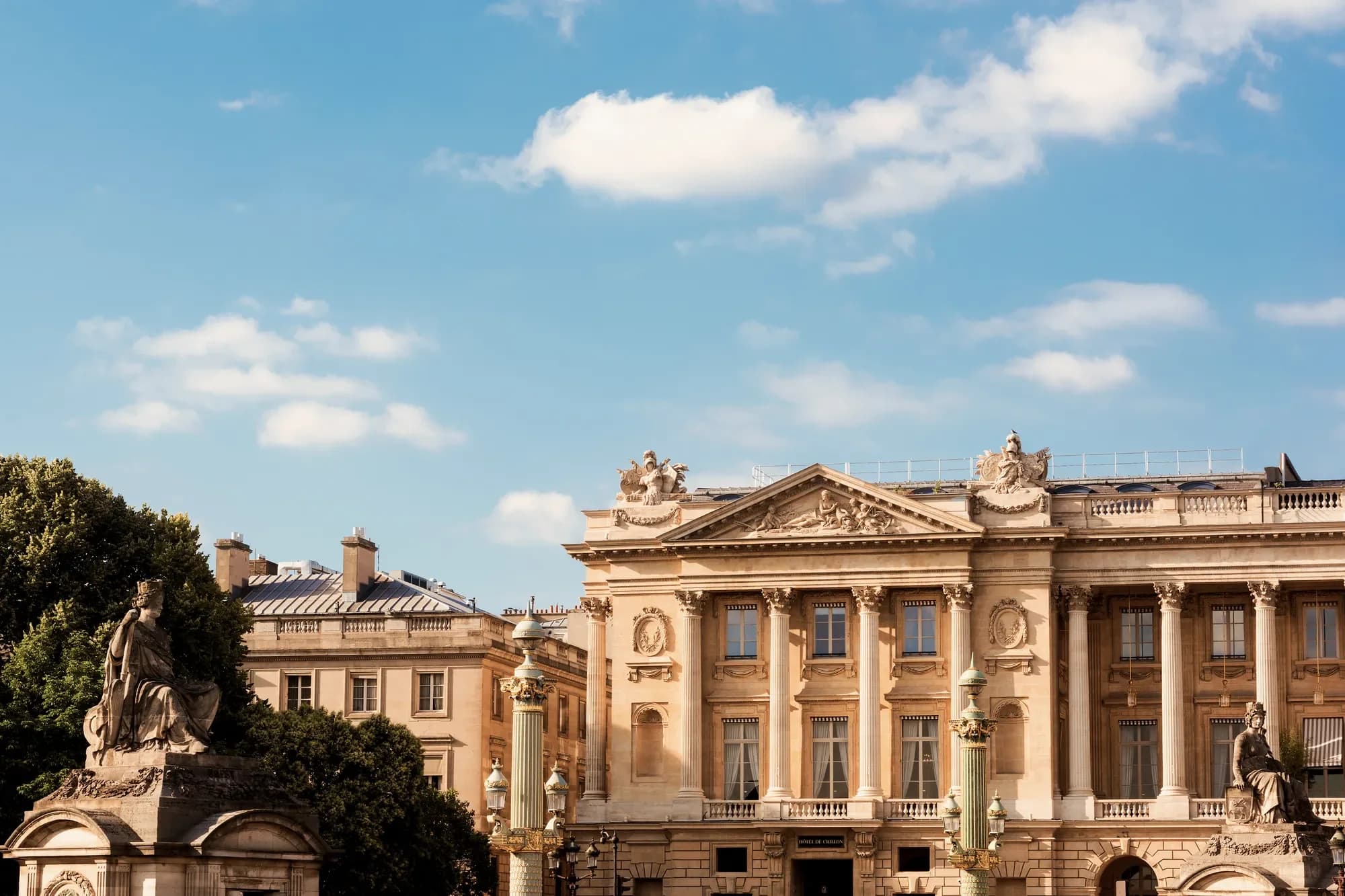
The left bank of the Gironde estuary is the most formally prestigious address in the region. The Médoc peninsula stretches north from the city of Bordeaux through communes whose names, Margaux, Pauillac, Saint-Estèphe, function as international shorthand for precision winemaking. Properties here tend toward the classical French château format: symmetrical stone facades, formal gardens, and an institutional quietness that is entirely deliberate. A luxury hotel suite in this corridor typically occupies a converted estate or a purpose-built wing of a classified growth property. Expect spaces calibrated for privacy rather than amenity density.
Saint-Émilion and the right bank
The right bank, anchored by the medieval hilltop town of Saint-Émilion, offers a more intimate and topographically varied landscape. The plateau and the côtes produce wines of a different character, and the accommodation follows suit. Properties here are often smaller, more architecturally expressive, and in some cases more design-forward. The town itself, a UNESCO World Heritage Site, draws a culturally engaged traveler who combines wine itineraries with visits to the monolithic church carved into the limestone cliff and to the surrounding estates. Luxury suites in this area tend to emphasise natural materials, terroir-adjacent aesthetics, and direct vineyard access.
Sauternes and the southern Graves
The Sauternes appellation, producer of some of the most structurally complex sweet wines in the world, occupies a quieter southern corridor that attracts a more specialist traveler. Properties in this zone are fewer and more discreet. The landscape is softer, the light more diffuse, and the pace noticeably slower. For a traveler seeking total withdrawal from stimulation, this is the most appropriate part of the region to consider.
When to visit Bordeaux wine country
The region has a temperate oceanic climate, which means that seasonal variation is meaningful but rarely extreme. Each season offers a distinct version of the destination.
Spring, from April to June, brings cool mornings, flowering vines, and a relatively uncrowded landscape. Properties are at their most available, and the quality of light for those interested in photography or architecture is at its most precise. Late spring is also when many estates begin private tour programming.
Summer concentrates activity. July and August bring warm, dry days and a higher density of visitors, particularly around Saint-Émilion. Harvest typically begins in September, which is the most operationally significant moment in the wine calendar. Staying on or near a working estate during harvest provides a form of access that no itinerary can manufacture. Suite availability during September requires advance planning, as properties associated with active domaines often restrict capacity during this period.
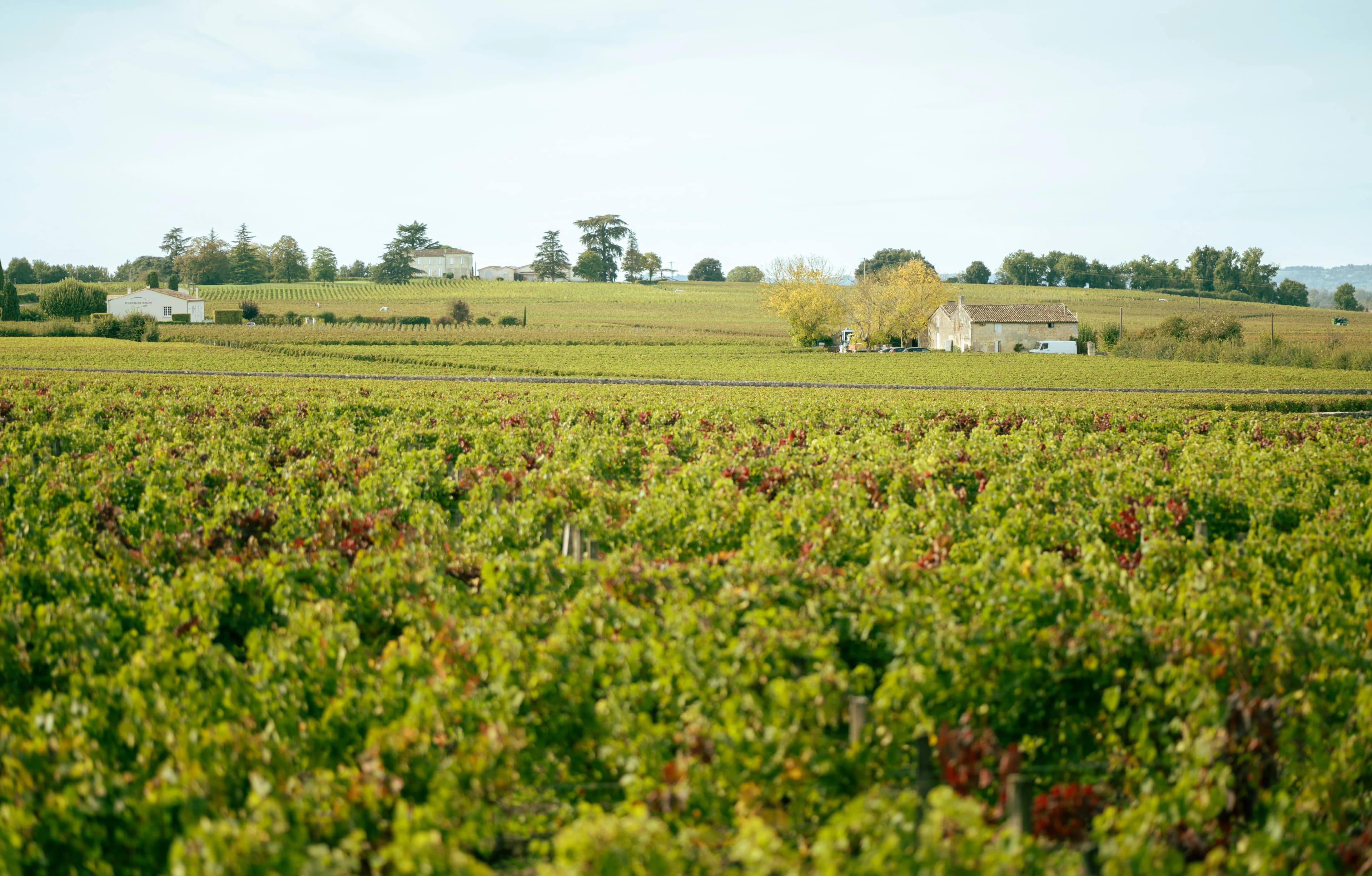
Autumn, from October into November, is arguably the most photogenic season. The vines turn copper and gold across the plateau and the left bank corridors, the crowds recede, and the estates return to their natural register of deliberate quiet. Winter is sparse but not without appeal for the right traveler. Bordeaux wine country in December and January is stripped back to its essential architecture: bare vines, grey limestone, low light. Properties that operate year-round tend to offer their most attentive service levels during this period.
Local luxury standards in Bordeaux wine country
France operates a formal classification system for its most distinguished hotels under the Palace designation, awarded by Atout France, the national tourism development agency. The Palace label requires a property to demonstrate exceptional architecture, service continuity, cultural significance, and an overall standard that exceeds the five-star category. Not all luxury properties in Bordeaux wine country carry this designation, particularly the smaller estate-based hotels, but the standard against which they measure themselves is consistent.
The more relevant local typology is the château hotel: a classified or historic wine estate that has converted part of its residential structure into accommodation. These properties vary considerably in their approach. Some maintain a strictly residential format with a small number of suites and no public dining. Others operate as full-service hotels with restaurants, spas, and structured wine programs. The distinction matters when selecting a property, as the experience of staying in a privately operated château with four rooms is fundamentally different from staying in a larger estate-hotel with a gastronomic restaurant and a cellar team.
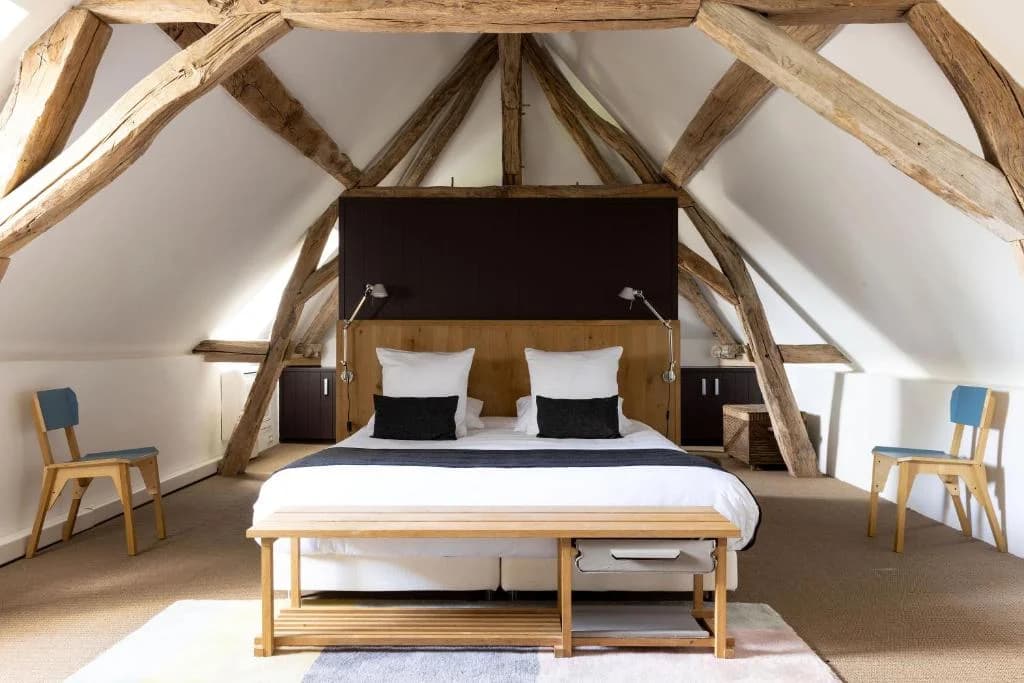
A luxury hotel suite in this region should, at minimum, provide direct views of the vineyard or estate grounds, materials that reflect the local limestone and oak tradition, and access to a private tasting program. The best properties also offer direct contact with the winemaking team and the option to participate in estate activities during relevant seasons.
How to choose the best luxury suite in Bordeaux wine country
The primary decision axis in this region is appellation versus experience type. A traveler whose primary interest is in first-growth wines and the formal prestige of the Médoc classification system will make different choices from a traveler who prioritises design, topographic variety, and access to a medieval town.
A second consideration is scale. Bordeaux wine country contains properties ranging from four-room château conversions to full resort estates with spa facilities, multiple restaurants, and structured excursion programming. Larger properties offer more consistent service infrastructure. Smaller properties offer proximity and a form of intimacy that is architecturally specific to the region.
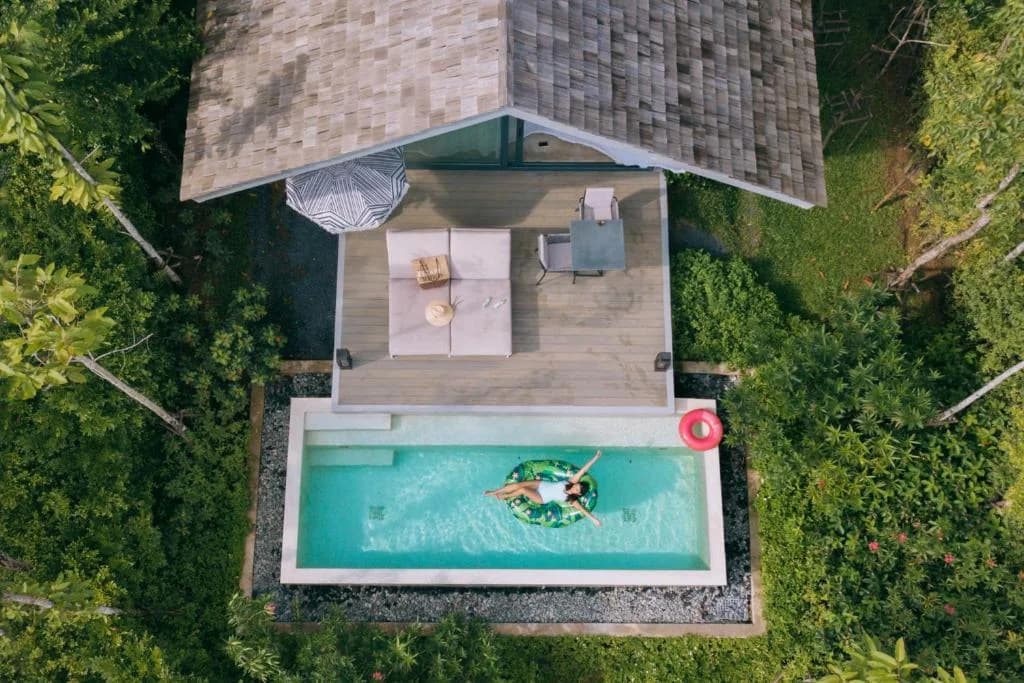
For families or groups, the question of lateral connectivity matters: whether adjacent suites share an internal connection or whether private villa formats are available on the estate. Several properties in the region offer standalone pavilion or villa accommodation within the estate grounds, which provides the privacy of an independent residence with access to hotel services.
Architectural preference is also a relevant filter. The left bank tends toward formal neoclassical or Second Empire châteaux. The right bank and the Dordogne-adjacent zone include more varied typologies: converted farmhouses, modern insertions into historic structures, and properties built entirely within the contemporary design register.
Why curation matters in Bordeaux wine country
The density of estates, domaines, and properties operating under hotel formats in this region is high enough to make unassisted research genuinely difficult. Not all château hotels in Bordeaux wine country operate to the same standard, and the gap between a property that presents itself as a luxury estate hotel and one that functions as one is wider here than in more thoroughly reviewed destinations.
La Suite applies a consistent editorial framework to properties in this region: assessing the physical quality of suite spaces, the coherence between the estate's wine identity and its hospitality offer, the standard of service during off-peak periods, and the integrity of the location within its appellation. The curated selection by La Suite in Bordeaux wine country reflects properties that satisfy these criteria without qualification. For a traveler with limited time and high standards, that filter removes the central friction from the planning process.