Understanding the territory: areas of Cap Corse and where to stay
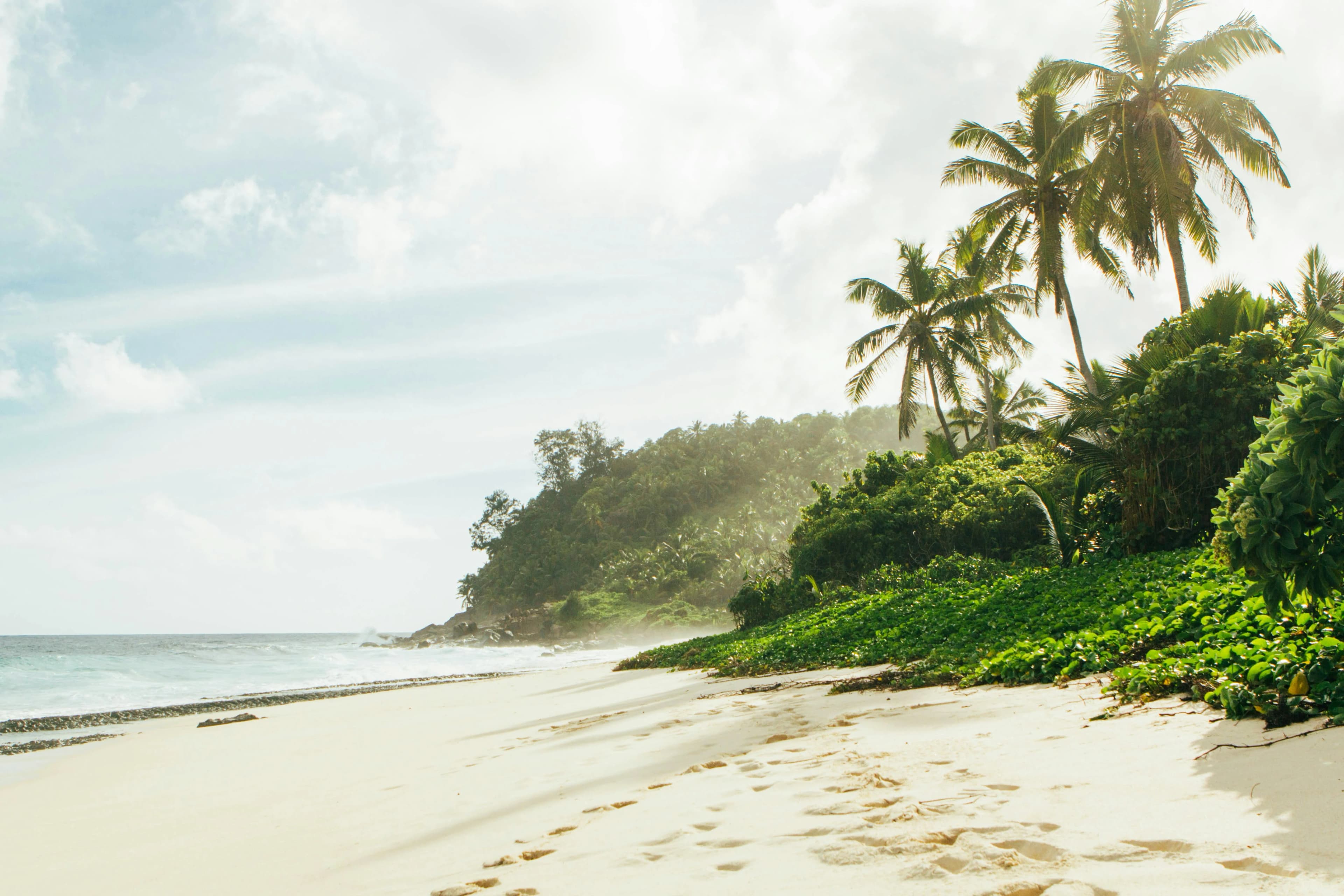
Travelers seeking complete withdrawal tend to gravitate toward the western side, where properties are embedded into hillsides above the sea and access is deliberately difficult. The eastern corridor offers slightly more connectivity while retaining the sense of remove that defines the peninsula as a whole. The village of Nonza, perched on black rock above a grey pebble beach, represents perhaps the most cinematically precise expression of what Cap Corse is architecturally: vertical, spare, and indifferent to spectacle. Further north, the tip of the cape at Barcaggio delivers the sensation of genuine geographic finality, a quality rarely encountered in European luxury travel.
When to visit Cap Corse for a luxury stay
The peninsula functions best as a destination between late April and early June, and again through September and into October. The high summer months of July and August bring increased traffic to the main coastal road, which is a single-lane corniche in many stretches, and the island's infrastructure is not designed to absorb volume without friction. For guests prioritizing privacy, arriving before or after the peak season is not merely preferable but structurally logical.
Spring in Cap Corse brings the maquis into its most expressive state: a dense scrubland of myrtle, rockrose, and immortelle that releases a complex aromatic signature particular to the Corsican interior. Autumn offers cooler temperatures, low humidity, and the harvest period for the peninsula's muscadet-style white wine, Patrimonio, produced in the appellation immediately to the south. Neither season competes with mass tourism and both align well with the pace a luxury suite stay demands.
Local luxury standards in Cap Corse: what to expect from the finest properties
Cap Corse does not operate within the grand hotel tradition of the French Riviera or Paris. The luxury register here is quieter and more materially specific. Properties that define the high end of the market tend to be converted bergeries (stone farmhouses), restored marine houses known as maisons d'armateur, and small manor residences that have been adapted for contemporary hospitality without severing their architectural identity.
The maison d'armateur typology is particularly significant to this territory. These were homes built in the 18th and 19th centuries by Corsican merchants and sea captains who had made fortunes in trade with the Americas, a local phenomenon so distinctive it gave rise to a sociological term: the Américains. Their houses, still visible across the peninsula, carry Italian Baroque and neoclassical influences absorbed during Mediterranean trade routes, and the finest hotel conversions retain the original plasterwork, terracotta flooring, and proportioned rooms that characterize the form.
Guests should expect suites that prioritize spatial quality and material authenticity over the amenities arms race common in international luxury hotel chains. Air conditioning, while present in higher-end properties, is secondary to design. The sea is rarely far. What constitutes excellence here is calibrated differently than in an urban five-star context: it is about placement, quietness, and a form of hospitality that is personal rather than procedural.
How to choose the best luxury suite in Cap Corse
The first question to resolve is access. Cap Corse's road infrastructure is genuinely constrained: the D80 route that rings the peninsula is narrow and requires confident driving, particularly on the western side. Guests arriving by car from Bastia should factor journey time and the nature of the road into their choice of property. A suite located at the northern tip involves a different logistical commitment than one positioned midway along the eastern coast.
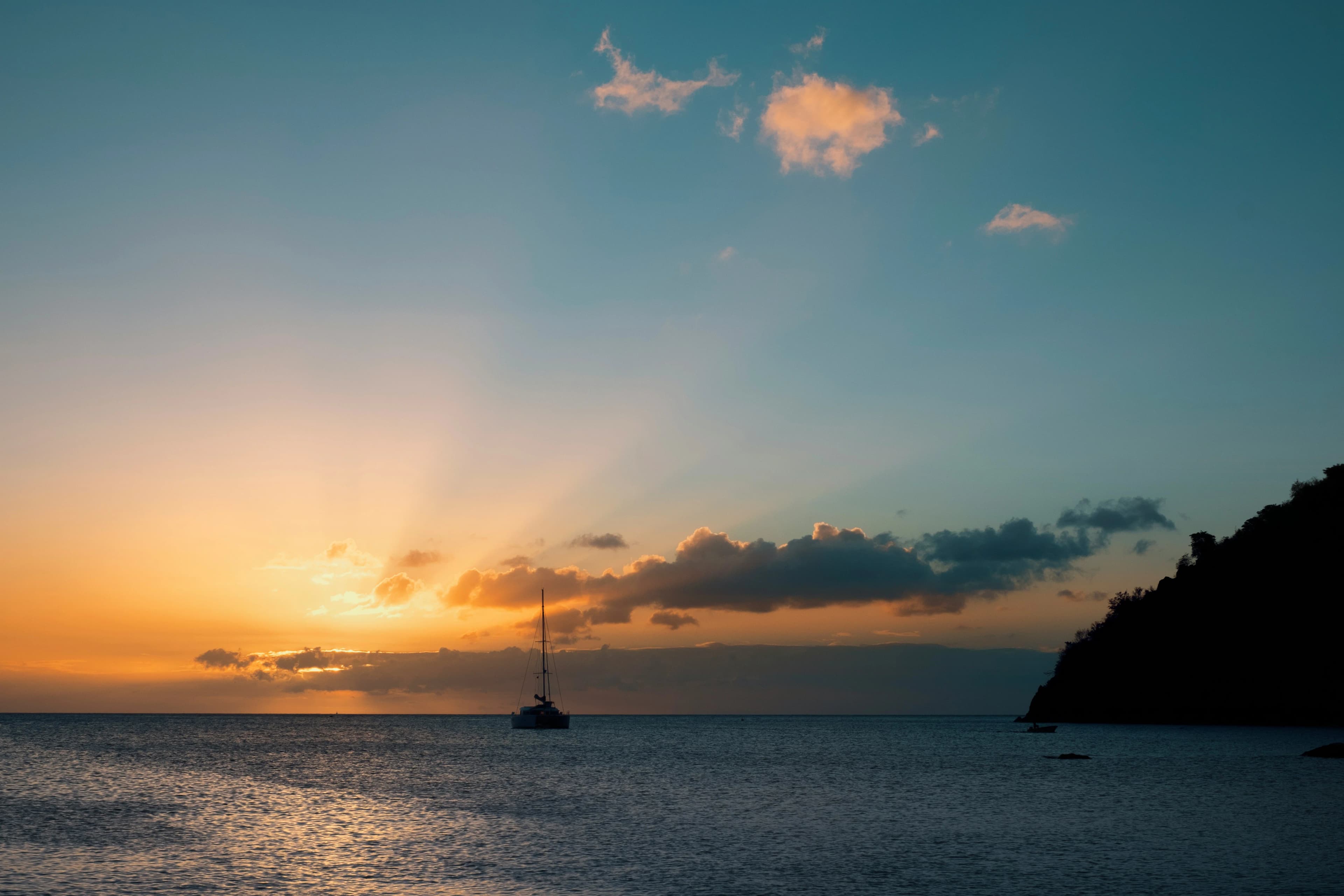
The second consideration is orientation. West-facing suites capture sunset over the Ligurian Sea and often have direct access to the hillside maquis. East-facing properties offer morning light and the prospect of the Italian coast on clear days. Both are valid; the choice is a matter of personal sensory preference rather than hierarchy.
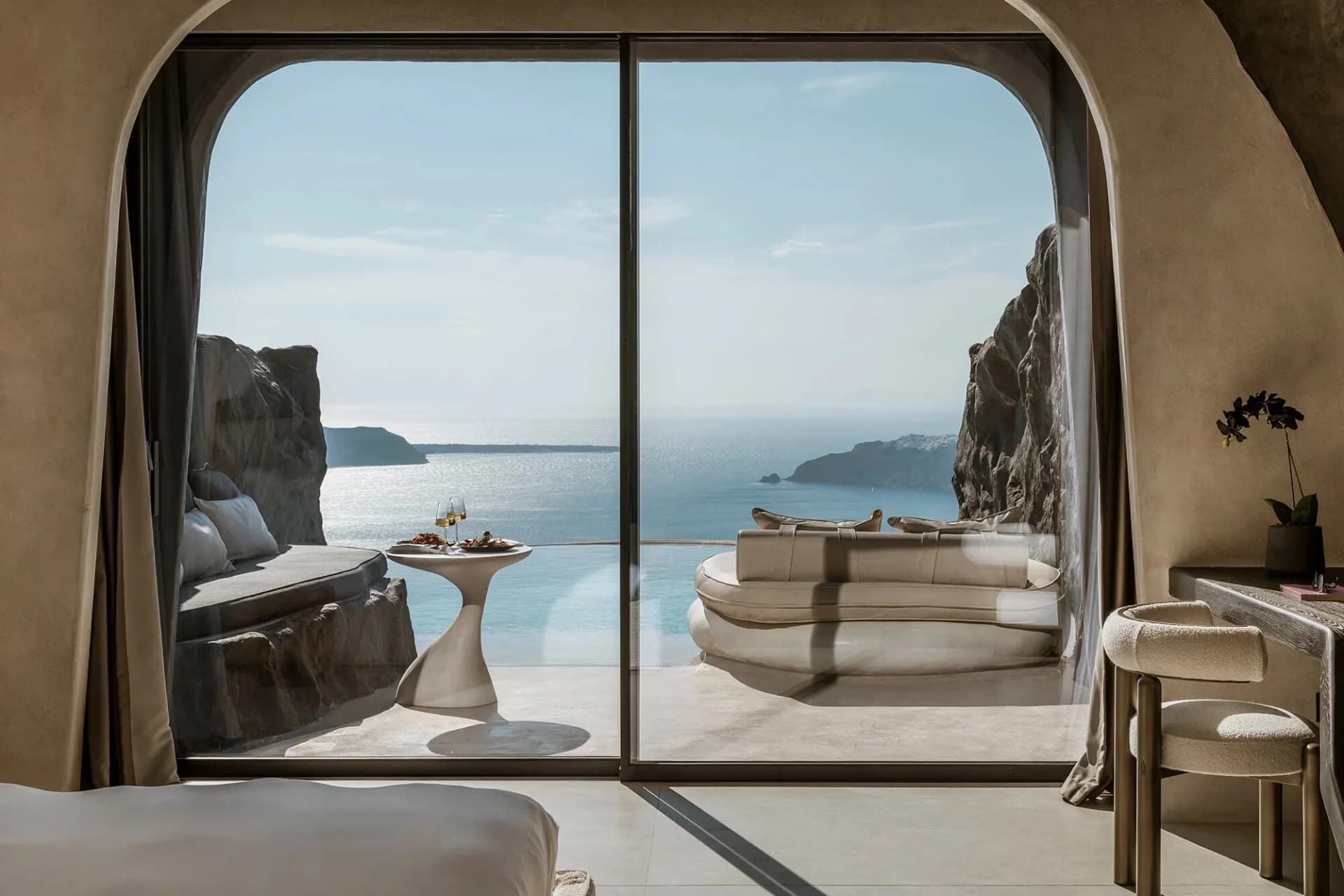
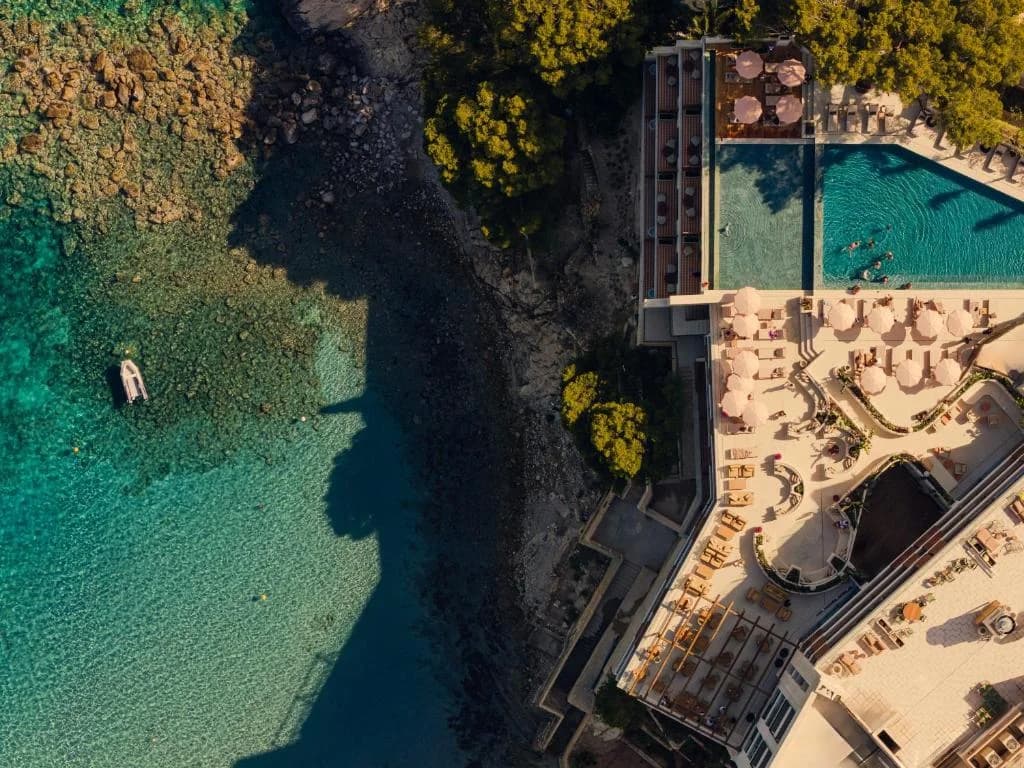
Third, consider the relationship between the property and the water. Some of the most compelling suites in the region sit above the sea at elevation, offering a visual and acoustic relationship with the marine environment without direct beach access. Others are positioned at cove level with direct access to the water. For families or guests with mobility considerations, the latter may be more practical. For those who want to read the landscape from above, the hillside properties are architecturally and experientially distinct.
Finally, assess the level of service the property provides. Cap Corse's finest establishments operate on a model of attentive discretion rather than formal hotel service. Dining is often table d'hôte, seasonal, and tied to local producers. This is not a limitation; it is a defining feature of the territory's luxury offer.
Why curated selection matters in Cap Corse
The number of properties operating at the genuine luxury suite level in Cap Corse is small. The peninsula's remoteness, its protected natural status, and the limits placed on new construction mean that supply is structurally constrained. This has two consequences for the traveler: first, the best properties book at pace once the shoulder seasons attract attention; second, the gap in quality between a carefully chosen property and a generic booking is wider here than in destinations with deep hotel inventory.
La Suite applies consistent editorial criteria to every property in its selection: spatial quality of the suite itself, architectural integrity, experiential coherence with the destination, and a service level appropriate to the price point. In a territory like Cap Corse, where the market is small and the experience highly specific, that curation is not a convenience. It is the difference between a stay that articulates the peninsula and one that simply occupies it.