Where to stay in the Chamonix valley and the Mont-Blanc region
Chamonix centre and Les Praz
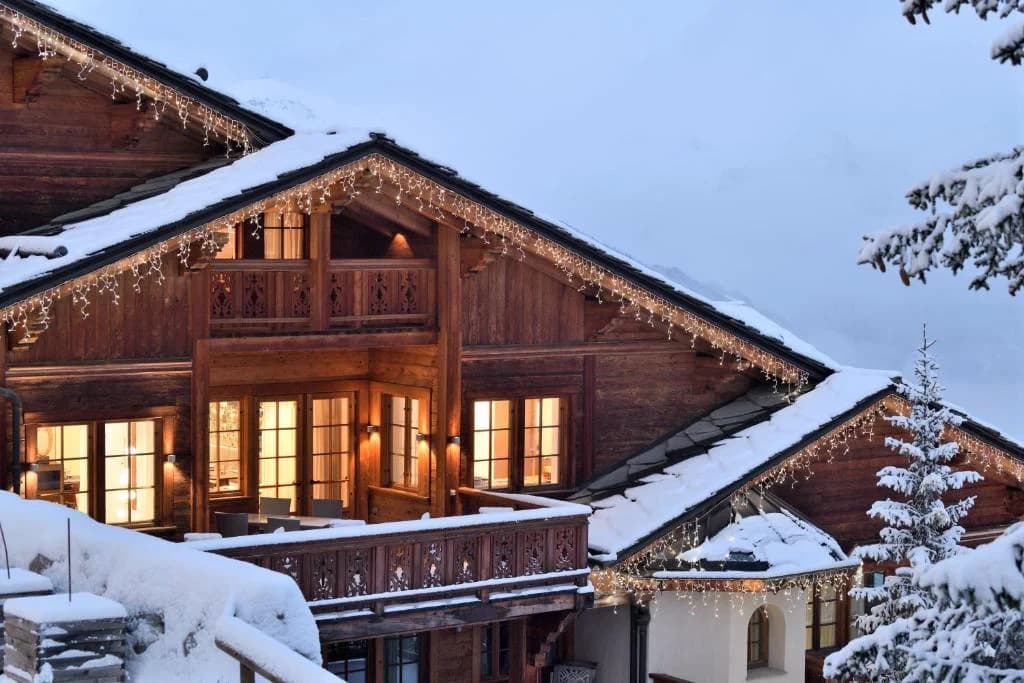
Chamonix town itself is the operational heart of the valley. Properties here place guests within walking distance of the Aiguille du Midi cable car and the Mer de Glace rack railway. The architectural vocabulary is a mix of late 19th-century Belle Époque buildings and contemporary alpine design. Les Praz, a quieter hamlet at the northern end of the valley, offers direct views across to the Aiguille Verte and a more residential pace. Suites in this zone tend to prioritise panoramic exposure and garden access over proximity to the village centre.
Argentière and the upper valley
Argentière sits higher than Chamonix at 1,252 metres and serves as the access point for the Grands Montets ski area. The tone is more austere, more focused on the mountain itself. Properties here attract travellers who come specifically for technical skiing or high-altitude trekking rather than the social infrastructure of the main town. Luxury hotel offerings are fewer but more committed in their positioning.
Les Houches and the valley entrance
At the southern entrance to the valley, Les Houches offers a gentler, lower-altitude environment with direct access to the Bellevue plateau and the start of the Tour du Mont-Blanc trail. This area suits travellers who want the Mont-Blanc context without full immersion in the Chamonix circuit. Some of the region's most architecturally considered properties have chosen this location precisely for the removed perspective it offers.
When to visit Chamonix and Mont-Blanc for a luxury stay
The region operates on two distinct seasons, and the suite market responds to each with different availability dynamics.
Winter season: December to April
The ski season drives peak demand from late December through March. The Chamonix Mont-Blanc ski area accesses over 150 kilometres of marked runs across multiple connected domains, including Grands Montets, Brévent, Flégère, and Les Houches. Christmas and New Year represent the tightest availability window across all luxury hotel categories. February school holidays in France and the UK create a second compression point. Suites with south-facing terraces and unobstructed views of the Mont-Blanc massif carry significant premiums during this period.
Summer season: June to September
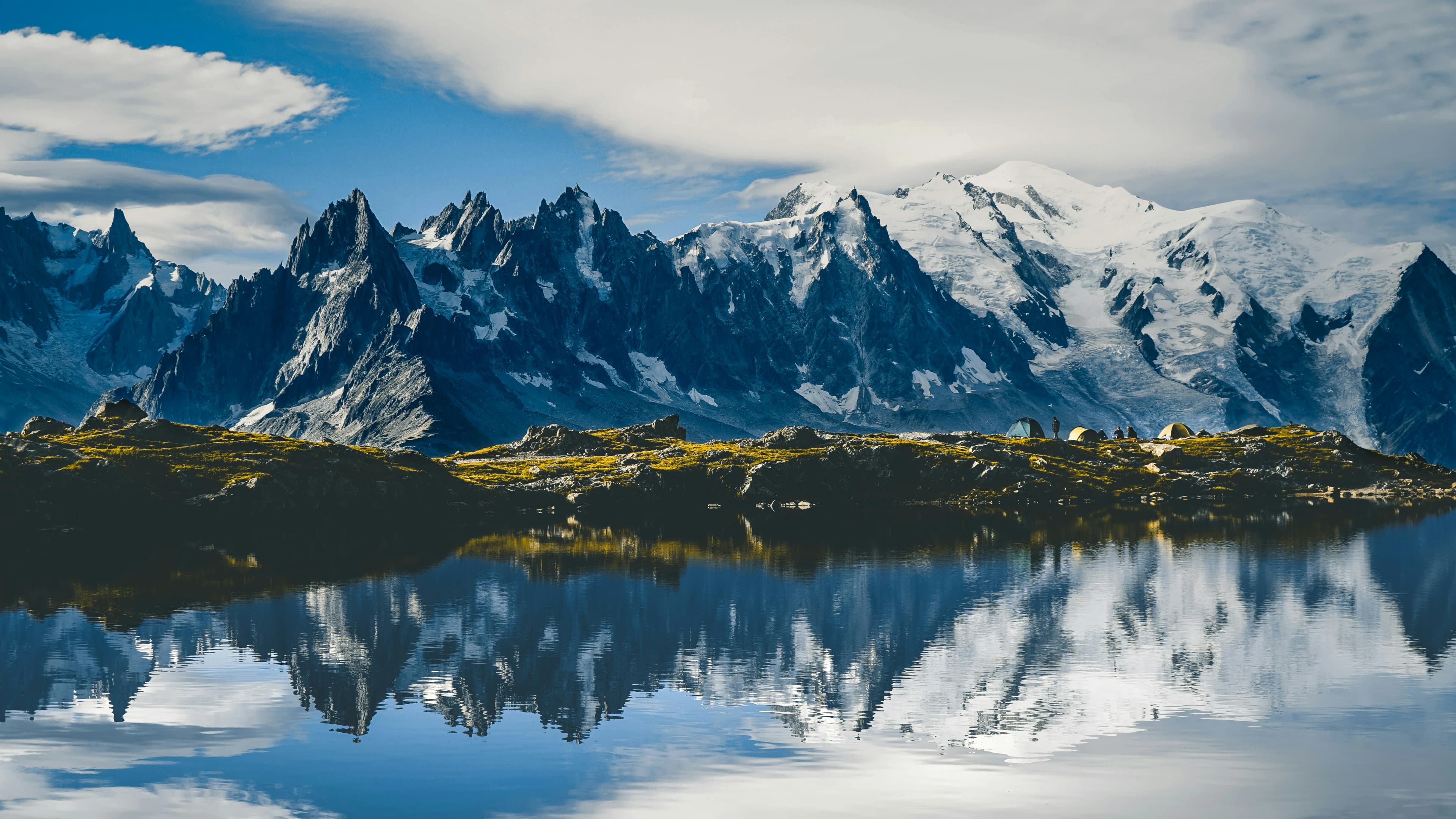
The summer season has grown substantially in profile over the past decade. The Ultra-Trail du Mont-Blanc (UTMB), held each August, draws a global sporting elite and their extended parties to the valley. It is now one of the most significant demand events in the regional calendar. Beyond the race week, summer offers access to the Haute Route, the Tour du Mont-Blanc, and high-altitude trails that are inaccessible in winter. Light at this latitude and altitude in July and August has a specific quality: long evenings, clear air, and the particular silence of a mountain environment without snow cover.
Shoulder seasons
May and November are the transition months when many properties close for maintenance or renovation. The serious traveller who values space, attention, and rate flexibility should consider late June or early September, when conditions are excellent and the competitive pressure on inventory is lower.
Understanding luxury standards in the French Alps
France operates a formal classification system for its highest-performing hotels. The Palace designation, awarded by Atout France, sits above the five-star category and recognises properties that meet a set of criteria covering architecture, service ratios, culinary excellence, and historical or cultural significance. Several properties in the broader Mont-Blanc corridor hold or have applied for this designation.
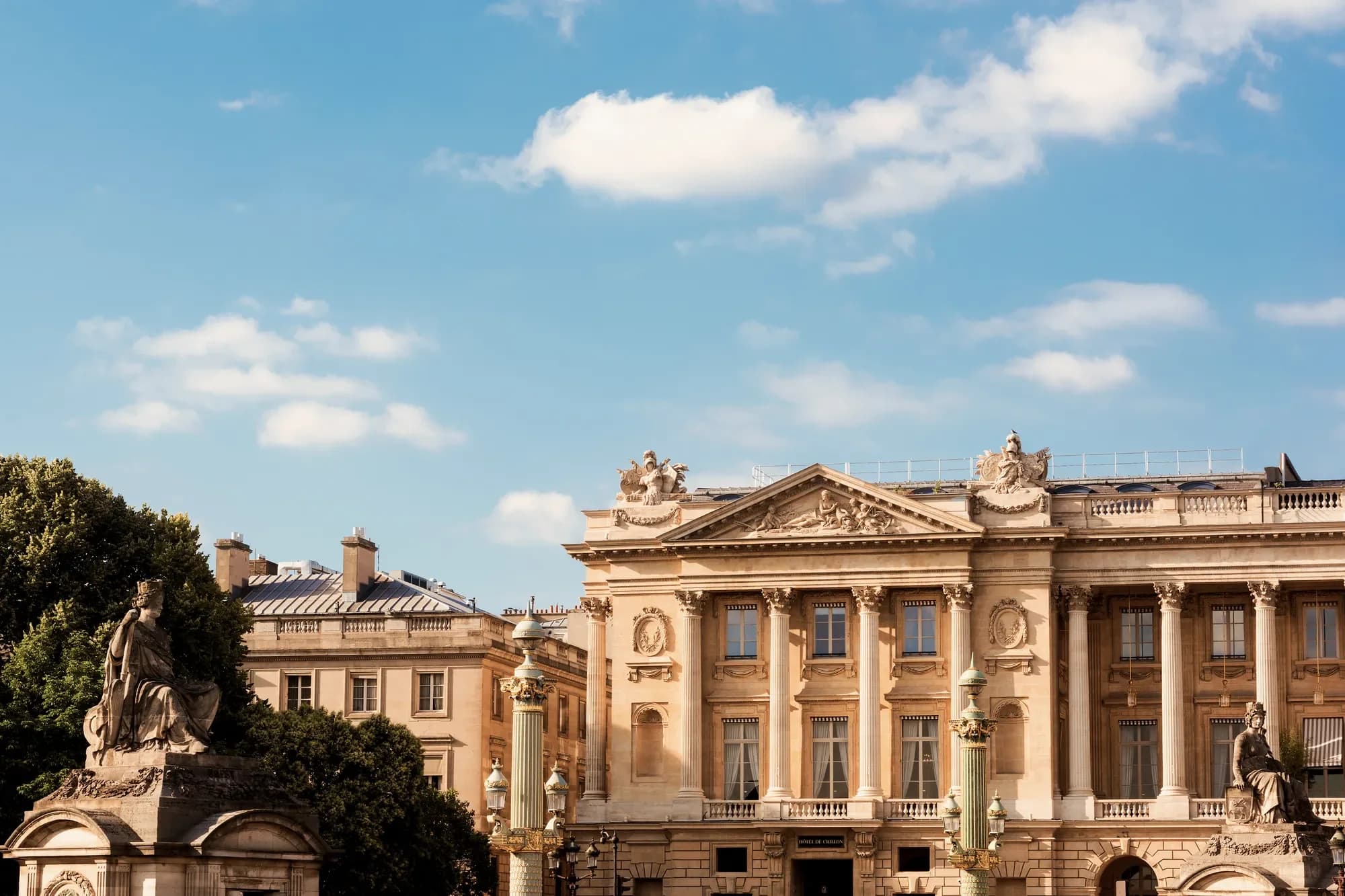
Beyond the Palace label, the French Alps have developed a distinct typology of alpine luxury. The traditional chalet hotel, often family-owned across multiple generations, represents a model where discretion and continuity of service matter more than formal classification. These properties rarely advertise aggressively. Their suites are known through networks rather than campaigns. A luxury suite in this context may occupy the top floor of a converted Belle Époque building, offer a private sauna with glacier views, or include a dedicated butler service calibrated to the skiing schedule of each guest.
The concept of the ski-in, ski-out suite is specific to this environment. In Chamonix, true ski-in access is limited by the topography of the valley. Properties that genuinely deliver this feature command a structural premium. Understanding the distinction between marketing language and operational reality is one of the practical values of a curated selection.
How to choose the right luxury suite in Chamonix and Mont-Blanc
Several variables specific to this destination should inform the selection process.
Orientation and view
The position of a suite within a building determines the quality of its relationship to the landscape. South-facing rooms receive maximum winter sun and look toward the Mont-Blanc massif. East-facing rooms catch the first light on the Aiguille du Midi. The difference is not marginal. At altitude, with glacial reflection, orientation is a primary architectural consideration.
Architecture: historic versus contemporary
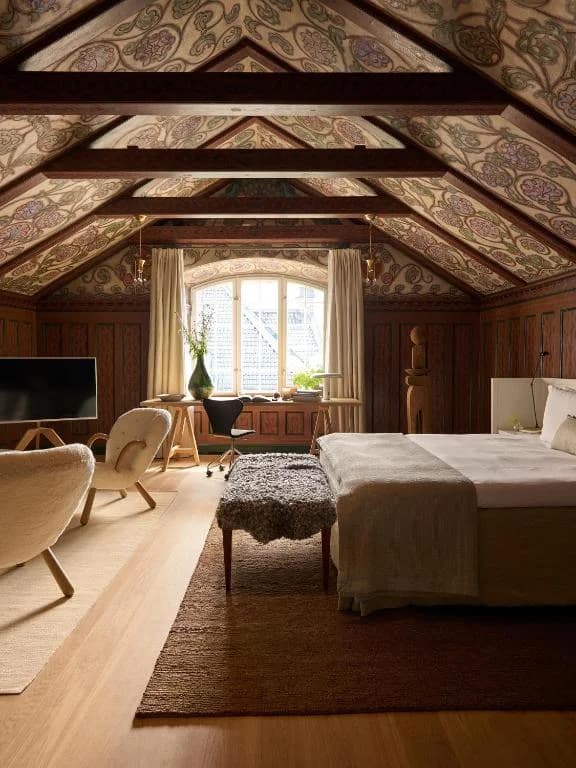
The valley contains both grand 19th-century hotel buildings, many of which hosted early alpinists and aristocratic travellers, and a generation of contemporary properties designed by architects working explicitly with alpine materiality: stone, larch, glass. Neither tradition is superior. The choice depends on whether the guest seeks historical continuity or spatial clarity. The best suites in both categories share a common quality: they do not compete with the landscape but frame it.
Altitude and access
A suite at valley floor level offers convenience and connectivity. A property accessed by gondola or positioned above the treeline offers a different register of experience. For travellers whose primary interest is the mountain environment rather than the social life of the valley, altitude is an asset rather than an inconvenience.
Summer versus winter configuration
Some properties in the region are configured primarily for winter guests, with boot rooms, equipment storage, and après-ski infrastructure as central features. Others have invested equally in summer programming: guiding services, spa facilities calibrated for post-trail recovery, and culinary offerings that engage with the alpine growing season. Understanding which configuration a property prioritises helps align expectations.
Why a curated selection by La Suite matters in this destination
The Chamonix valley is not a large market. The number of properties that genuinely meet the criteria for inclusion in the luxury suite category is finite. What varies is the quality of information available to a traveller making a selection remotely. Marketing materials in this segment are produced to a uniformly high standard. The visual language of exposed stone, panoramic windows, and fire-lit interiors is consistent across properties of very different actual quality.
La Suite applies a consistent editorial framework to this environment. The criteria are architectural, experiential, and operational. A suite earns its place in the selection not through category designation alone but through the specificity of what it delivers: the precision of the view, the quality of the silence, the ratio of glass to stone, the response time of the service team at 6am before a first lift. These are not qualities that appear in a hotel's own description. They are the product of direct knowledge and editorial discipline. For a destination as concentrated and consequential as Chamonix and Mont-Blanc, that discipline is the difference between a good trip and the right one.