Best areas to stay in Dordogne for luxury suite travelers
The Périgord Noir
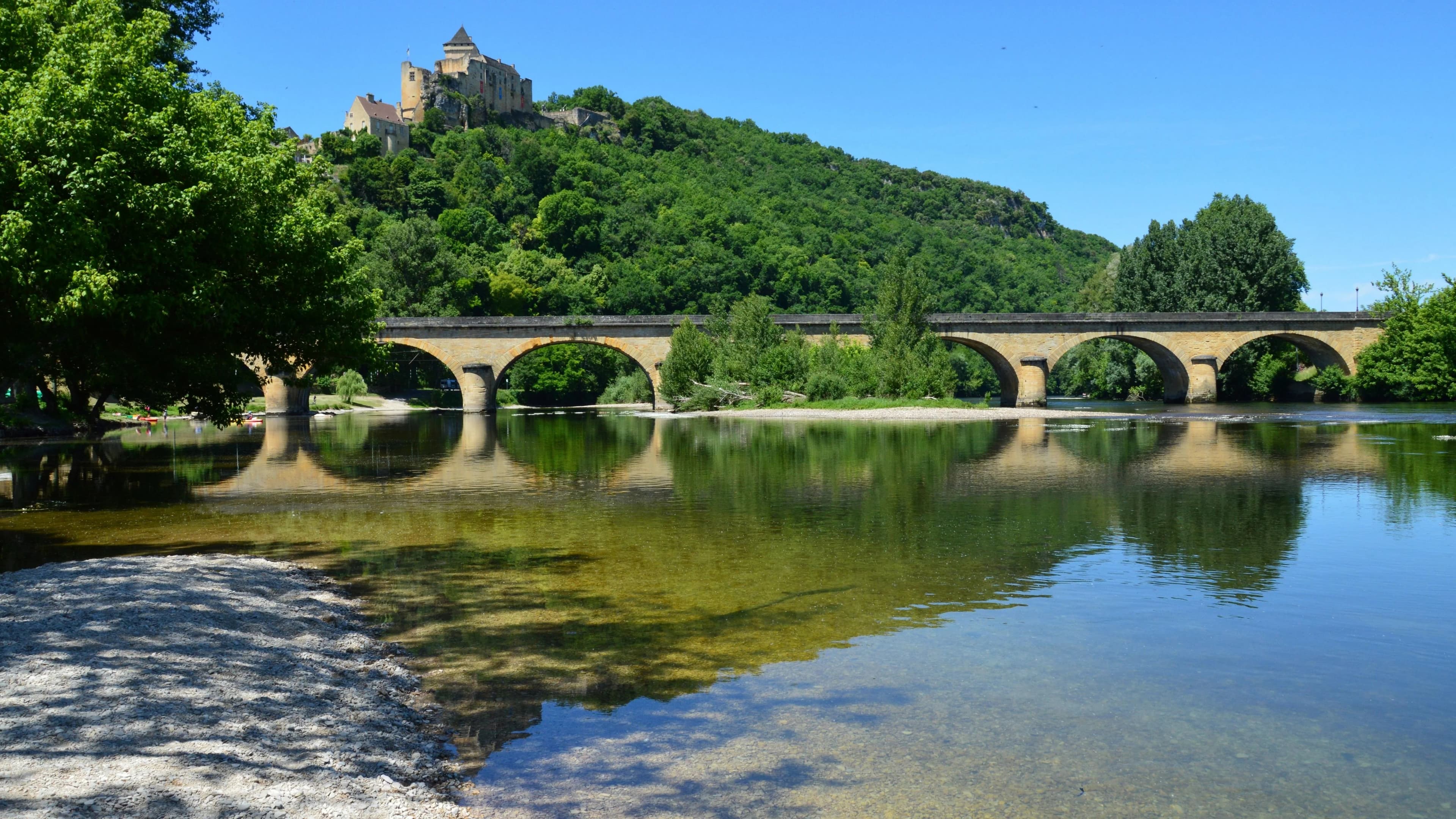
The Périgord Noir, centered around Sarlat-la-Canéda and the Vézère Valley, is the region's most visited and most historically significant zone. Ochre-stone villages, prehistoric cave systems including Lascaux, and the cliff-side settlement of La Roque-Gageac define the landscape. Luxury properties here tend toward converted manors and châteaux, where the materiality of the building itself becomes part of the experience. Expect thick stone walls, irregular floor plans, and a deliberate absence of contemporary minimalism in favor of aged timber and local stone.
The Périgord Blanc
The Périgord Blanc, surrounding Périgueux, the departmental capital, offers a quieter and more architectural proposition. The Roman and medieval layers of Périgueux are complemented by open farmland and a less tourist-dense atmosphere. Properties in this zone appeal to travelers seeking proximity to the city's Cathedral of Saint-Front and its market culture without the summer density of the Dordogne valley itself.
The Périgord Pourpre
The Périgord Pourpre, in the south around Bergerac, is anchored by its wine-producing tradition. The Bergerac and Monbazillac appellations produce wines with a regional identity distinct from Bordeaux, and the landscape of vine-covered hills and river-facing estates creates a sensory context that pairs directly with the suite experience. Properties here are frequently embedded within working wine estates, offering a level of operational authenticity that larger resort properties cannot replicate.
The Périgord Vert
The Périgord Vert, in the north, is the least visited and most rural of the four zones. Its dense forests, rivers, and small market towns attract travelers seeking genuine withdrawal. The luxury proposition here is defined by space, silence, and access to untouched countryside rather than proximity to monuments.
When to visit Dordogne for a luxury suite stay
The question of timing in Dordogne is more consequential than in urban destinations, because the region is significantly seasonal in its character and its availability.
Late spring, specifically May and June, represents the most calibrated window. The light is long, the markets are fully operational, the rivers are navigable, and the tourist density has not yet reached its July and August peak. Truffle season runs from late November through March, making winter a specific draw for gastronomy-focused travelers willing to accept shorter days and cooler temperatures.
July and August are peak season across the Périgord Noir in particular. Suite availability contracts, prices rise, and the village atmospheres in Sarlat and Les Eyzies shift toward high tourist volume. Travelers with schedule flexibility will find September and early October significantly more agreeable: harvests are underway, the light shifts to a lower and warmer register, and the region recalibrates toward its local rhythm.
The Sarlat Film Festival in November and the Périgueux Mime Festival in August represent cultural anchors that influence accommodation demand in their respective zones.
Local luxury standards: what to expect from top-tier suites in Dordogne
Dordogne does not operate within the French Palace hotel system, which is a formal classification reserved for a small number of properties meeting strict criteria set by Atout France and primarily concentrated in Paris and the Côte d'Azur. The luxury proposition here is different in nature: it is architectural, gastronomic, and territorial rather than service-maximalist.
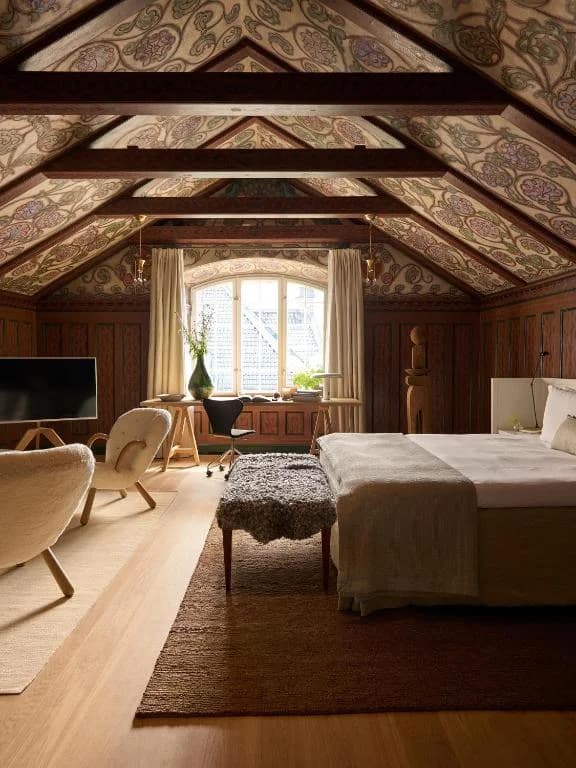
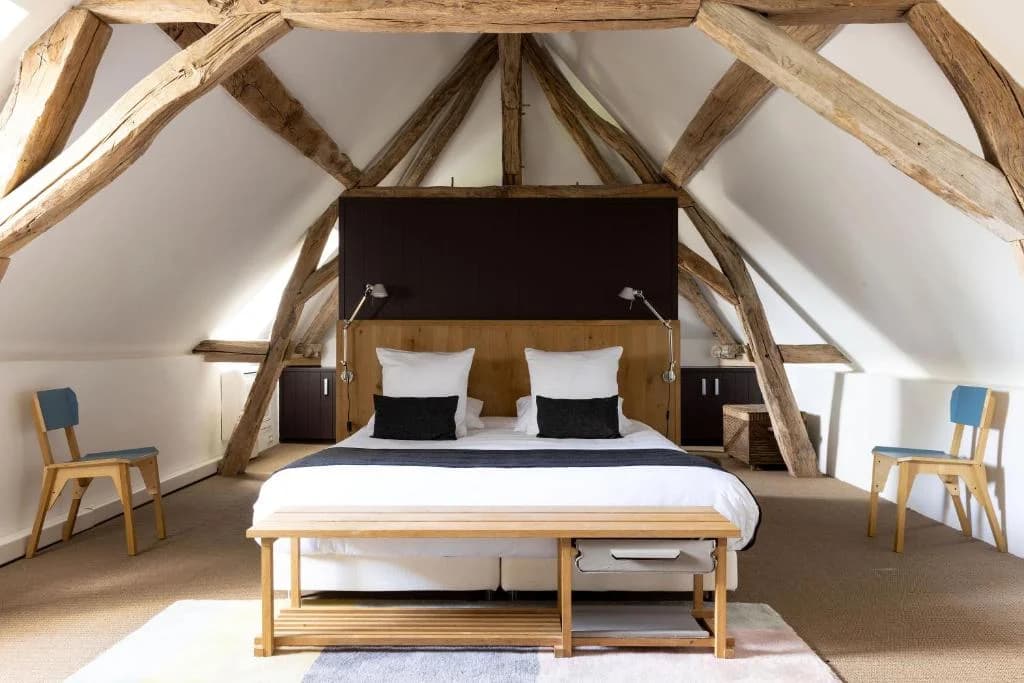
The dominant property typology is the château or manor house converted into a boutique hotel. These buildings carry their own logic: uneven stone floors, canopied beds, fireplaces in the suites, and gardens that have been shaped over centuries rather than designed to a contemporary hospitality brief. The best properties in this category maintain the architectural integrity of the building while integrating plumbing, climate control, and connectivity at a level appropriate to the expectations of an international luxury traveler.
A secondary typology is the mill conversion, where former working flour or paper mills along the Dordogne, Vézère, or Dronne rivers have been transformed into intimate properties with direct water access. Suite rooms in these buildings frequently face the river directly, with a quality of ambient sound and natural light that is specific to the typology.
The gastronomy attached to a Dordogne luxury property is a legitimate evaluation criterion. The region holds a concentrated density of serious kitchens, and the best hotel properties either operate their own restaurant at a high level or maintain direct relationships with the Michelin-recognized tables nearby.
How to choose the best luxury suite in Dordogne
Several practical considerations apply specifically to this destination and should inform the selection process before any booking decision is made.
First, the physical characteristics of historic buildings require attention. Suites within medieval or Renaissance structures will frequently involve stone staircases without lifts, low ceilings in certain configurations, and rooms that are architecturally irregular. Travelers with specific mobility or accessibility requirements should verify floor plans and access conditions before confirming.
Second, the relationship between a property and its landscape is a defining variable. In Dordogne, the view is not decorative: it is geological, agricultural, or riverine, and it changes the entire register of the stay. A suite facing a walnut grove, a limestone cliff, or a bend in the river provides a qualitatively different experience from an interior-facing room in the same property.
Third, transport autonomy matters. Dordogne is not a destination that functions efficiently without a car. Rail connections from Paris reach Périgueux and Sarlat, but the most compelling properties are rural and require independent transport. Suite travelers should factor this into their planning and enquire about airport transfers from Bergerac or Bordeaux airports.
Fourth, the distinction between a property open year-round and one that operates seasonally is practically significant. Several of the region's most interesting château properties close between November and March or April. Confirming operational dates before committing to a travel window is a basic due diligence step.
Why La Suite's curated selection matters in Dordogne
The Dordogne luxury accommodation market is fragmented. It includes properties of genuine distinction alongside a considerable volume of self-described châteaux and manor hotels that do not meet the threshold of a considered suite experience. The architectural vocabulary is shared across both categories, which makes visual differentiation from exterior photography alone unreliable.
La Suite applies consistent editorial criteria to identify the properties that deliver on the promise of the typology: correct suite dimensions, meaningful architectural context, gastronomy that reflects the regional larder, and a level of service calibrated to the expectations of a discerning international traveler. The curated selection by La Suite removes the research friction specific to this region and presents only those properties where the suite experience is the primary offer, not an ancillary one.