Where to stay on the Emerald Coast
Saint-Malo and the intra-muros
The walled city of Saint-Malo is the most architecturally coherent entry point to the region. Rebuilt in near-identical granite after the destruction of 1944, the intra-muros presents a rare urban texture: corsair townhouses, rampart walks, and a sea view that the city has always oriented itself toward. Suites positioned within or immediately adjacent to the walls offer direct access to that rampart promenade, along with proximity to the estuary and the islands of Grand Bé and Petit Bé that emerge from the tide on schedule. The town carries a density that the rest of the coast does not, and for travellers who want cultural mass alongside sea proximity, it remains the reference address.
Dinard and the Belle Époque shore
Directly across the Rance estuary, Dinard operates on a completely different register. It was developed as a resort town by British and American visitors in the late nineteenth century, and that history is still legible in its architecture: neo-Gothic villas, striped beach tents, and a thalassotherapy tradition that predates the modern wellness industry. Suites in Dinard tend to occupy either period buildings with sea-facing façades or purpose-built properties set above the Plage de l'Écluse. The light here is lateral in the morning and turns gold toward evening, a quality that rewards rooms oriented to the west.
Cap Fréhel and the wild interior
Moving west from Saint-Cast-le-Guildo, the coast becomes progressively wilder. Cap Fréhel, a headland of pink porphyry and heath, marks the western boundary of the Emerald Coast proper. Accommodation in this sector is sparser and more deliberately isolated. Those seeking a suite that prioritises silence, coastal walking access, and an absence of urban density will find the area between Sables-d'Or-les-Pins and Cap Fréhel the most compelling choice.
When to visit the Emerald Coast
The Emerald Coast is a year-round destination for those who travel with purpose rather than habit, but each season delivers a materially different experience.
July and August bring the highest visitor density and the warmest sea temperatures, which rarely exceed 20 degrees Celsius even at peak summer. Suite availability in this period is tightest, particularly in Saint-Malo and Dinard, and should be secured well in advance. The annual Festival de la Cité Corsaire in Saint-Malo, held in the summer period, draws significant crowds into the intra-muros, which is both an attraction and a logistical consideration.
May, June, and September represent the strongest combination of light quality, manageable footfall, and full hotel service. The tides are dramatic in spring, with some of the highest coefficients in continental Europe recorded along this coast. Autumn brings low horizontal light and quieter roads, conditions that suit travellers oriented toward landscape and architecture over social activity.
Winter is structurally underrated. Saint-Malo's granite holds its presence regardless of season, and several properties in the region operate year-round with reduced but attentive service. For those who understand that the Emerald Coast's character was always more elemental than recreational, a January stay in a suite above the ramparts is an entirely coherent choice.
Local luxury standards on the Emerald Coast
Brittany operates outside the Parisian luxury hierarchy, and that is precisely the point. The regional prestige codes are different here, rooted in maritime history, local materials, and a sensibility that values durability over ornamentation.
France's official Palace designation, awarded by Atout France to hotels meeting specific criteria across surface area, service, food and beverage, and cultural anchorage, is relevant context even in a regional setting. Not all properties on the Emerald Coast carry this classification, but the criteria inform what serious travellers should expect from any top-tier suite: a minimum surface area, genuine butler or concierge service, a gastronomic offer, and a demonstrable connection to the local territory.
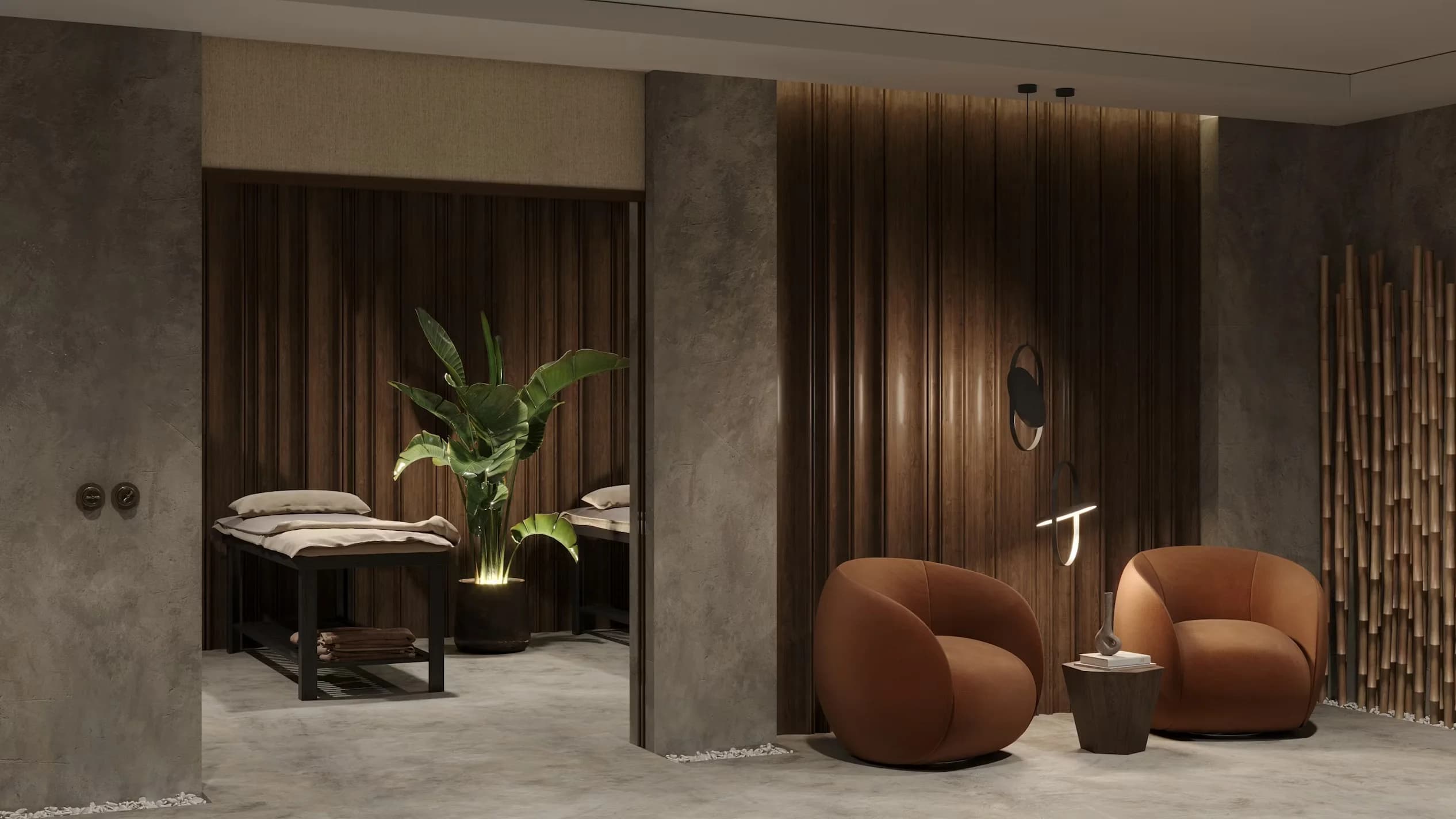
Thalassotherapy is a specific regional luxury format with genuine historical roots here. Several establishments along this coast hold official thalassotherapy centre certification from French health authorities, meaning their seawater-based treatments operate under medical protocols rather than marketing vocabulary. For travellers incorporating wellness into their itinerary, this distinction matters.
The regional food culture anchors the dining component of any high-end stay. Breton cuisine, organised around seafood, buckwheat, salted butter, and cider rather than wine, is among the most geographically honest in France. A suite stay that does not engage with the local food offer misses a primary sensory register of the territory.
How to choose the best suite on the Emerald Coast
Several practical considerations apply specifically to this coastline and should inform any selection process.
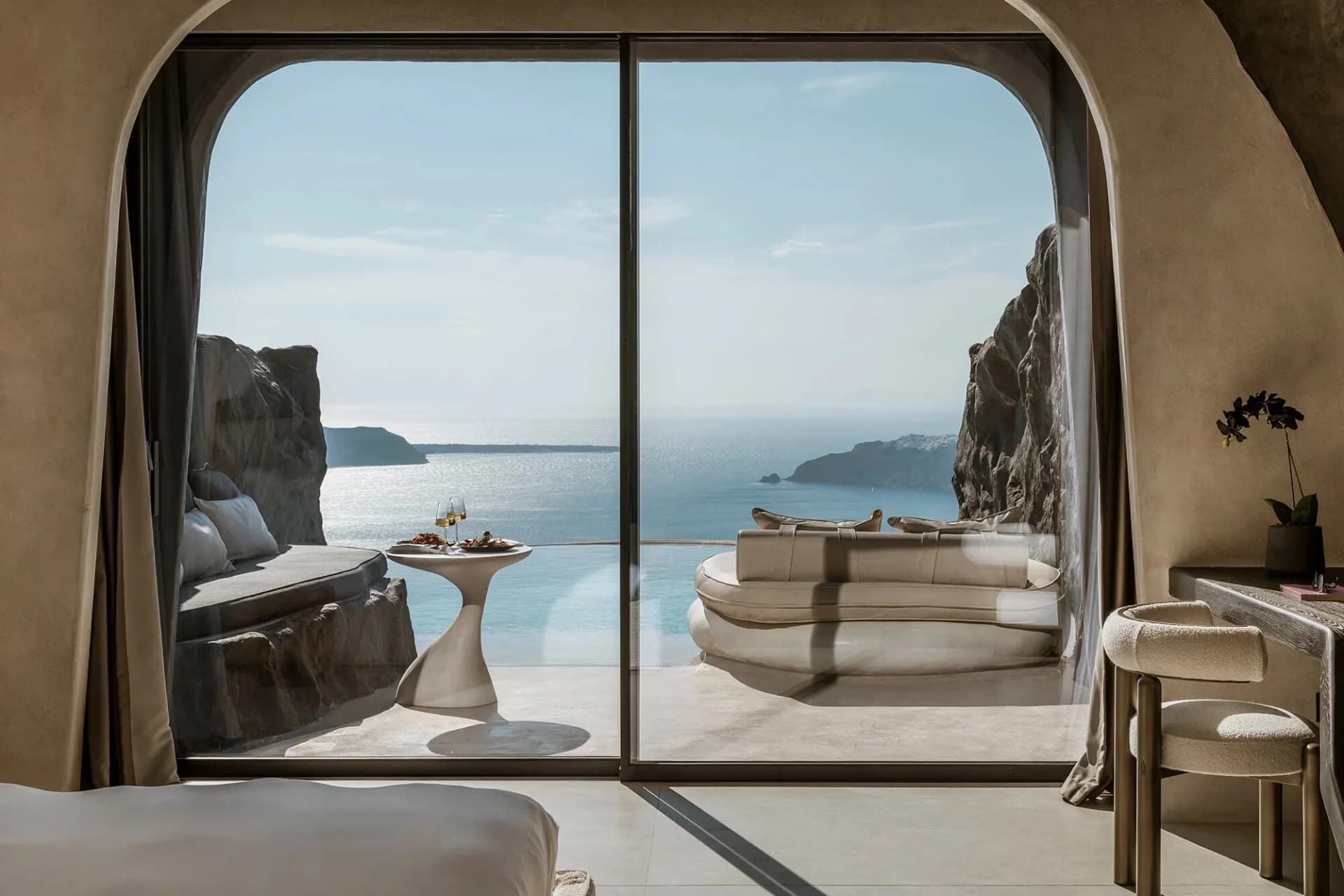
Orientation matters more here than in most destinations. The Atlantic light on the Emerald Coast moves and changes with the tide, the season, and the time of day. A suite with a western or north-western exposure will capture the evening light across open water. A suite facing the estuary in Saint-Malo offers a different relationship with the tidal cycle than one facing the open sea.
Architecture type is a genuine variable. The Emerald Coast offers a range from corsair-era granite townhouses in Saint-Malo to Belle Époque villas in Dinard to contemporary coastal construction further west. Each carries different acoustic properties, ceiling heights, and relationships with its surroundings. The choice between a period building and a modern property is not a question of quality but of what kind of spatial experience the traveller wants.
Tidal awareness is specific to this coast. The tidal range along the Emerald Coast is among the highest in Europe, with differences of up to 13 metres between high and low water at certain points. This affects access to beaches, the appearance of the landscape from a suite window, and the scheduling of certain activities. It is a feature rather than a limitation, but it warrants understanding before arrival.
Service expectations should also be calibrated. The Emerald Coast is not a city destination with the service infrastructure of Paris or the Côte d'Azur. The finest suites in this region deliver attentive, often personally managed service, but the format is more intimate and less formally codified. For those accustomed to large palace hotel operations, this distinction is worth noting in advance.
Why a curated selection by La Suite matters here
The Emerald Coast has no single obvious luxury address, no single hotel that serves as a default choice for the informed traveller. The field is distributed across distinct towns, architectural typologies, and service formats, which makes independent research both time-consuming and prone to error.
La Suite applies a consistent editorial framework to this territory: spatial quality, service depth, local integration, and a demonstrable point of view in the design of each property. Properties are assessed not against a standardised star or review system but against the specific expectations of travellers who choose suites with intention. The result is a selection that removes ambiguity from a complex destination and allows the traveller to begin from a position of confidence rather than research fatigue.