Understanding the French Caribbean as a luxury destination
Key areas and their distinct luxury profiles
Saint-Barthélemy
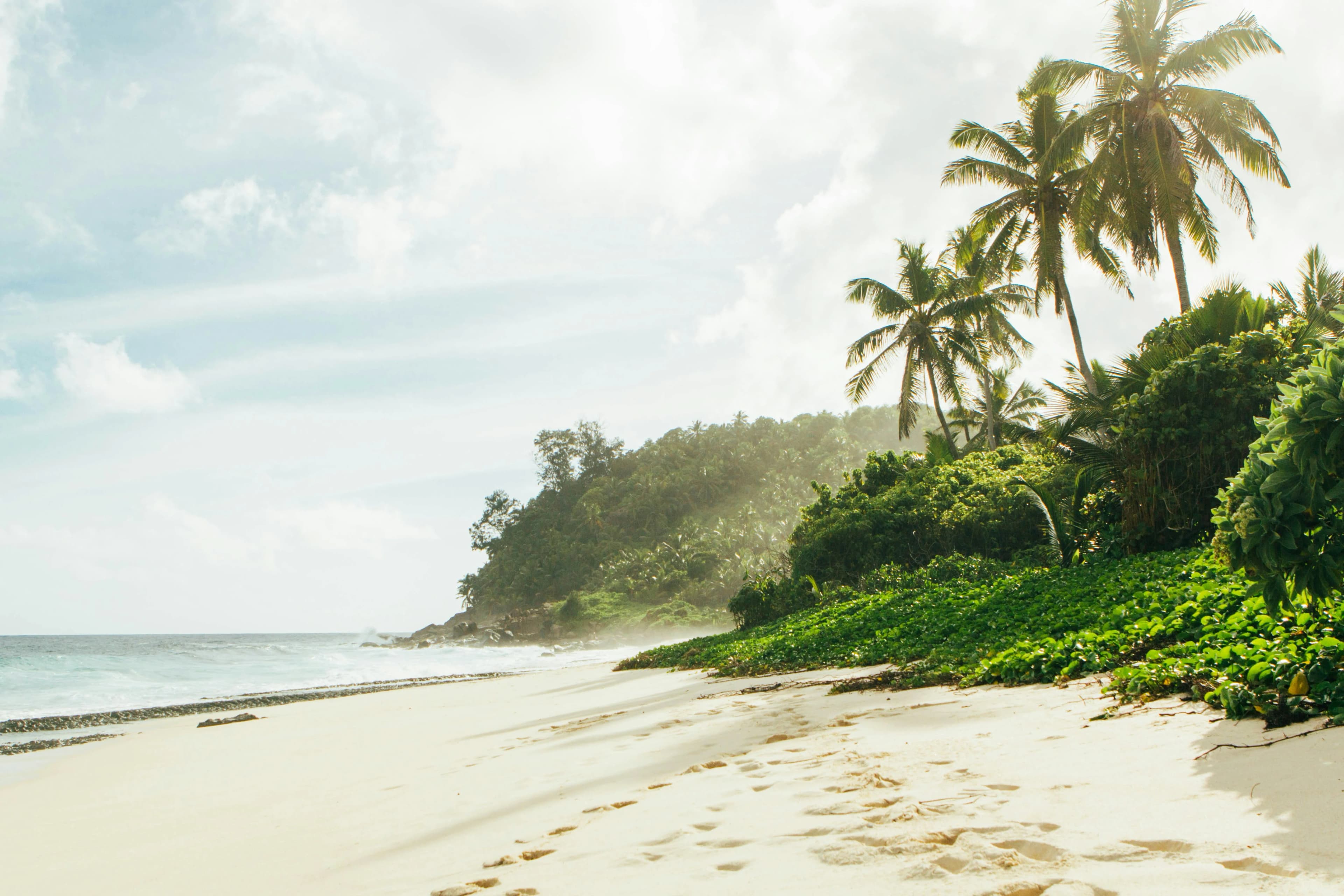
Saint-Barthélemy, commonly referred to as St. Barth, occupies a singular position in the Caribbean luxury market. The island is small (roughly 25 square kilometres), car-dependent, and architecturally low-profile by regulation. Buildings are restricted in height and density, which preserves the landscape and keeps the atmosphere intimate. The hotel inventory is deliberately limited, and the properties that exist tend toward discretion rather than spectacle. Gustavia, the capital, functions as a working port town with a strong retail and dining culture oriented toward a French and international clientele. The northeastern beaches, particularly those around Grand Cul-de-Sac, offer calmer water suitable for families and longer stays.
Martinique
Martinique is the most densely populated and culturally complex of the French Caribbean islands. The north is dominated by the Mount Pelée volcano and dense rainforest; the south by beaches and a more developed hospitality infrastructure. Fort-de-France, the capital, carries a genuine urban weight, with colonial architecture, a functioning market economy, and a literary and musical tradition of international significance (Aimé Césaire was born here). Luxury stays in Martinique tend to favor smaller properties and converted estates in the south, particularly around Les Trois-Îlets and Sainte-Anne, where the coastal topography is more forgiving.
Guadeloupe
Guadeloupe is an archipelago, its main island shaped like a butterfly, with the western half (Basse-Terre) formed by volcanic activity and covered in protected forest, and the eastern half (Grande-Terre) presenting flatter terrain and a more developed tourist corridor. The offshore islands, particularly La Désirade, Marie-Galante, and Les Saintes, attract travelers seeking a quieter register. Luxury in Guadeloupe is less concentrated than in Martinique or St. Barth, but several high-end properties exist along the southern coast of Grande-Terre, offering direct access to the water and proximity to Pointe-à-Pitre's airport.
Saint-Martin
Saint-Martin is divided politically between France (Saint-Martin) and the Netherlands (Sint Maarten), sharing a single island with no border controls. The French side, Orient Bay in particular, has long been associated with a relaxed, cosmopolitan beach culture. The accommodation offering ranges from boutique properties to larger resort formats, with the finest suites tending to cluster along the northeastern coastline. The island experienced significant hurricane damage in 2017 and has since undergone substantial reconstruction, with several properties reopening at a higher specification than before.
When to visit the French Caribbean
The French Caribbean follows a tropical climate pattern, with a dry season (carême) running from approximately December through May, and a wet season (hivernage) from June through November. The dry season aligns with peak demand, particularly from mid-December through early April, when European and North American travelers arrive in volume. For luxury suite travelers, this period offers the best combination of weather reliability and event programming, but also the highest room rates and the lowest availability for preferred properties.
Carnival season, which typically runs from January through Ash Wednesday, is an important cultural event across Martinique and Guadeloupe. It is genuinely participatory and deeply rooted in Creole identity. Travelers who time their stay to coincide with Carnival will encounter a different, more locally inflected version of these islands. The shoulder months of November and late May offer a practical compromise: weather is generally acceptable, crowds are reduced, and rates ease. August, while technically within the wet season, remains popular with French metropolitan visitors during the summer holiday period.
Local luxury standards: what to expect from the finest suites
The French Caribbean does not operate under the French Palace designation system that applies in metropolitan France. Properties here are classified under the standard French hotel star rating system, which caps at five stars. However, several of the most respected properties on St. Barth and Martinique operate effectively above the five-star benchmark in terms of service ratio, architectural quality, and culinary offering.
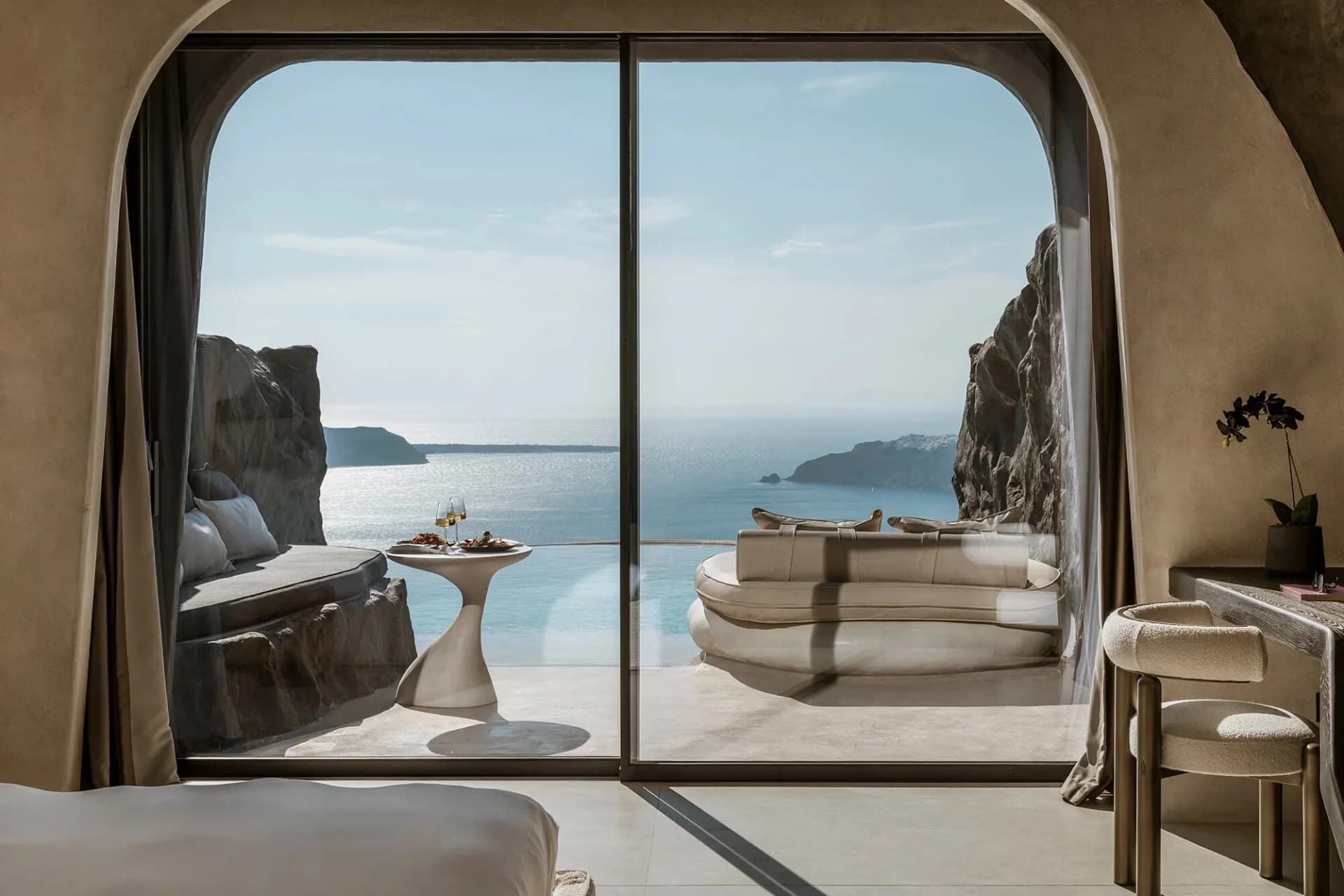
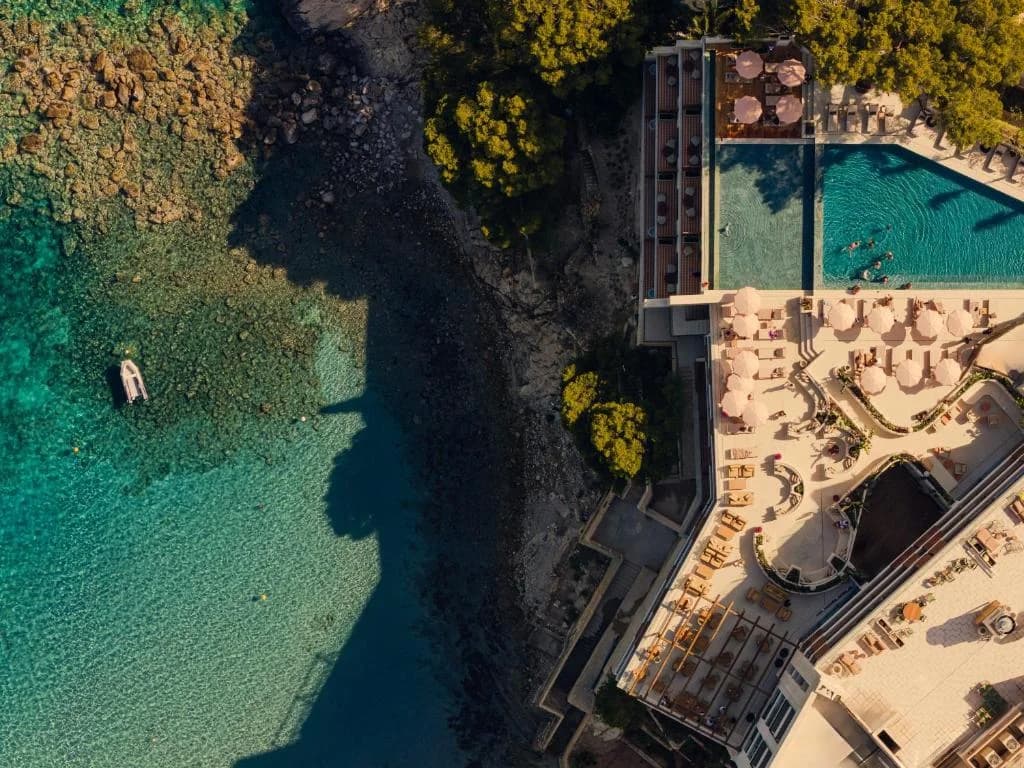
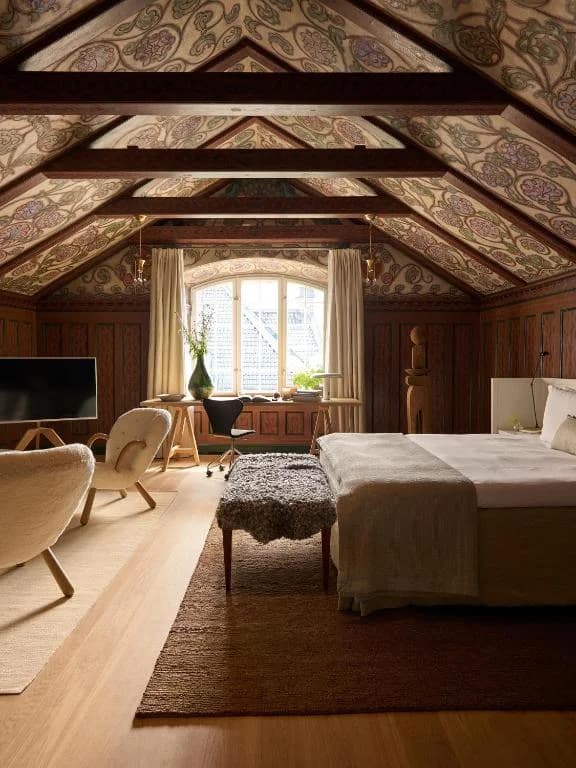
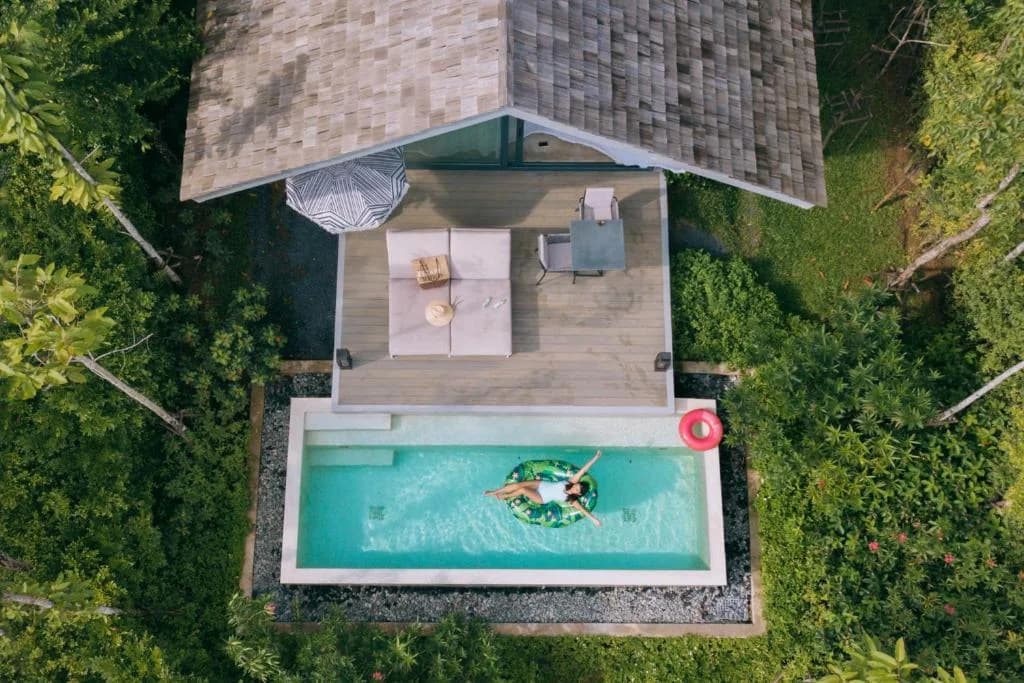
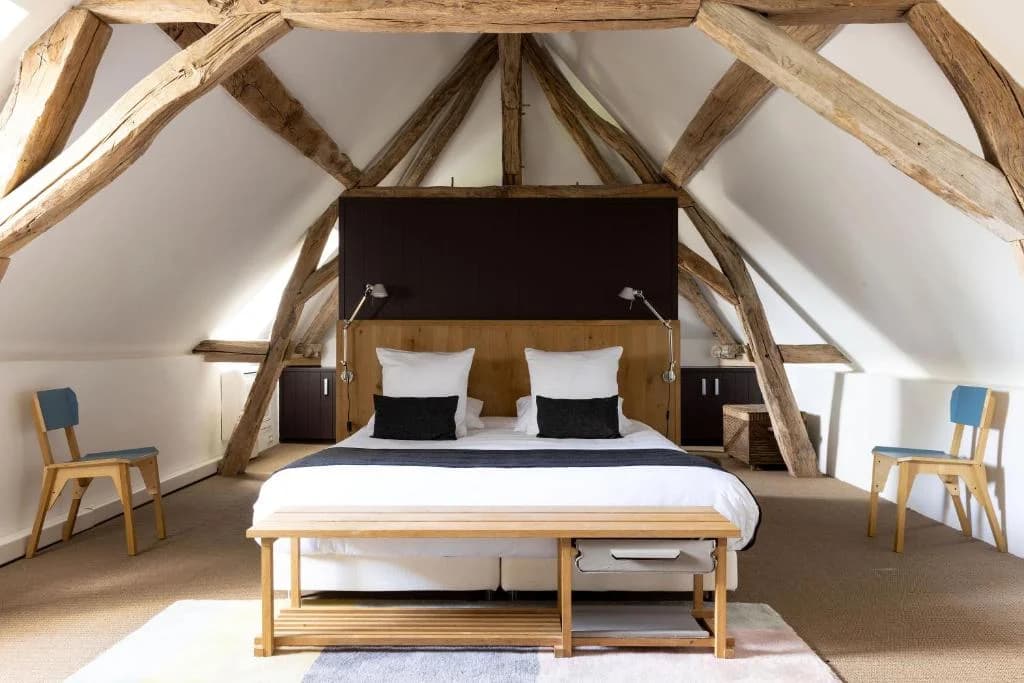
The most prestigious suites in this region tend to share certain characteristics: private plunge pools or direct sea access, outdoor living spaces designed for year-round use, and interiors that acknowledge local craft traditions (linen, wood, ceramic) without resorting to folkloric pastiche. Staff-to-guest ratios at the finest properties are high, and the French service culture, precise and attentive without being performative, distinguishes these hotels from comparable Caribbean properties operating under Anglo-American hospitality frameworks.
On St. Barth specifically, the concept of villa-integrated suites is common. Several properties blur the line between hotel suite and private villa, offering autonomous units within a managed estate. This format suits travelers who prioritize privacy without forgoing access to on-site dining and services.
How to choose the right suite in the French Caribbean
The first practical consideration is island selection. Each island requires a separate flight or ferry connection and serves a different type of traveler. St. Barth is best suited to those seeking concentrated luxury in a small, controlled environment. Martinique rewards travelers with a genuine interest in cultural and culinary engagement. Guadeloupe offers the most geographic variety, including rainforest, coral reef, and offshore island excursions. Saint-Martin appeals to those who want a cosmopolitan beach environment with easy access to a range of dining and nightlife options.
Within each island, the distinction between oceanfront and hillside positioning matters considerably. Hillside suites in Martinique and St. Barth often deliver the most dramatic visual context, with panoramic views over multiple bays, but they require a vehicle and comfort with winding roads. Beachfront suites offer immediacy and convenience, particularly for families or shorter stays.
Architecture is another meaningful variable. The finest older properties have been built with local materials and designed around natural ventilation. More recently constructed properties sometimes favor glass and steel in formats better suited to temperate climates. The traveler who prioritizes sensory coherence, the feeling that a building belongs to its landscape, should look carefully at construction dates and design briefs before committing.
Why curation matters in this region
The French Caribbean is not a destination where search volume and review aggregators perform well as decision tools. The island-by-island fragmentation of the market, the relatively small number of genuinely high-specification properties, and the significant variance in quality between properties sharing the same star rating all create conditions where undifferentiated search results mislead rather than guide.
La Suite approaches this territory with a selection framework built around spatial quality, service architecture, and design coherence rather than brand recognition or review volume. The curated selection by La Suite reflects direct knowledge of what the finest suites in this region actually deliver, and how they compare across islands and price points. For a traveler making a significant investment in a two-week stay, that distinction is not a convenience. It is the difference between a trip that meets its premise and one that does not.