Why the Loire Valley remains a benchmark for château hospitality
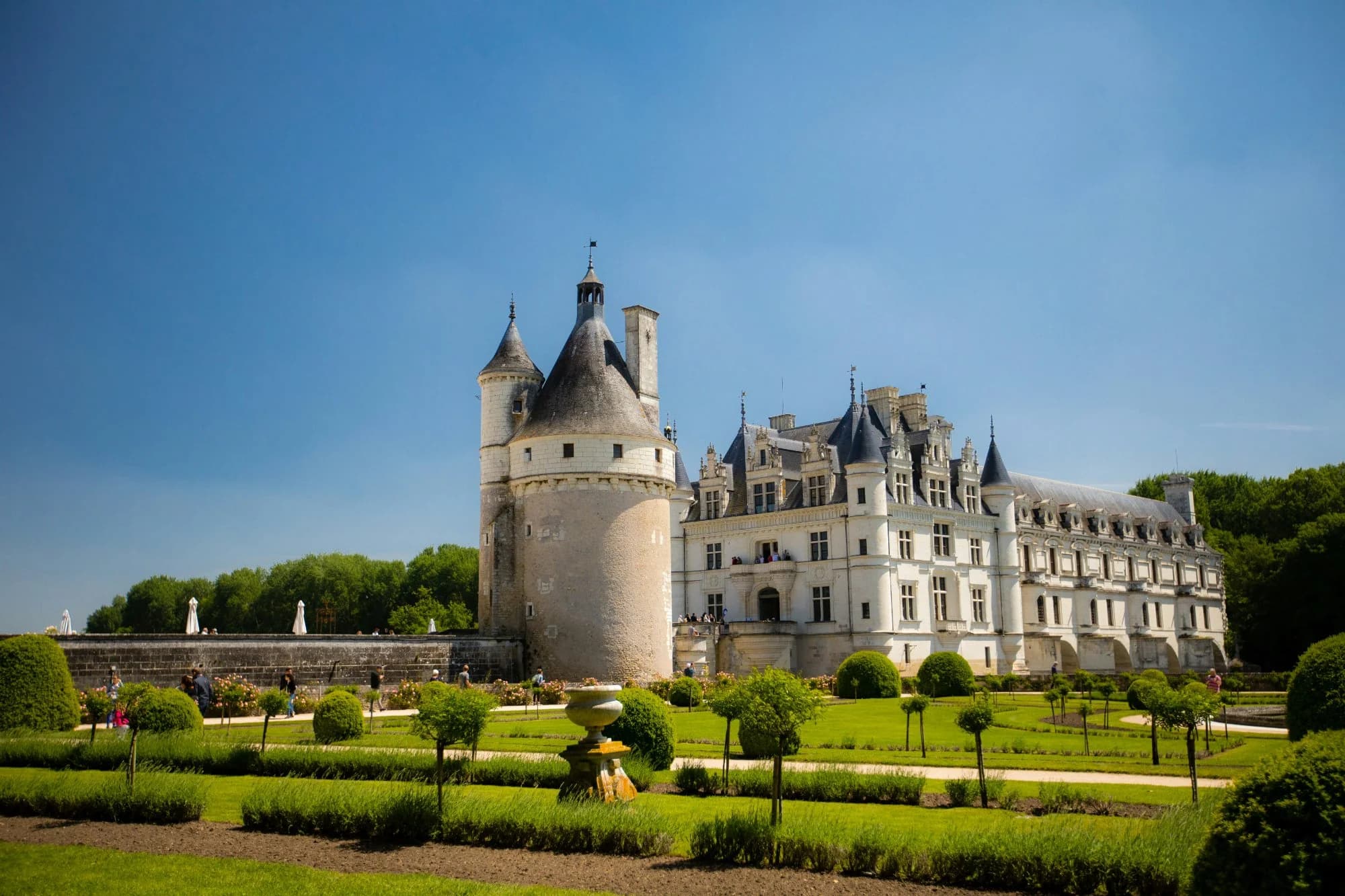
The density of significant châteaux between Sully-sur-Loire and Chalonnes-sur-Loire is unlike anywhere else in France. Chambord, Chenonceau, Azay-le-Rideau, Villandry, Amboise, and Cheverny each represent a distinct architectural moment, a distinct patronage network, and a distinct relationship to the land around them. Choosing where to base a suite stay within this corridor is therefore a meaningful decision, not an arbitrary one.
Best areas to stay in the Loire Valley for a luxury suite
The Touraine: Amboise to Tours
The Touraine is the historical and gastronomic heart of the Loire Valley. The area around Amboise, where Leonardo da Vinci spent his final years at the Château du Clos Lucé, carries a particular cultural density. Properties in this zone tend to occupy former noble residences or wine-producing estates, offering suites that balance architectural seriousness with direct access to the valley's finest appellations: Vouvray, Bourgueil, and Chinon. Tours itself, while a functioning city, is surrounded by troglodyte landscapes and Renaissance townhouses that inform the aesthetics of nearby hotels.
The Sologne and Chambord corridor
East of Blois, the landscape shifts from river terraces to the forested flatlands of the Sologne. This is hunting country, historically reserved for the French aristocracy and later for government retreats. Properties here tend toward the discreet: ivy-covered manors, converted hunting lodges, and estates where the grounds are as considered as the interiors. Suite travellers seeking privacy over proximity to cultural sites will find this zone particularly suited to long, uncrowded stays.
The Anjou: Saumur and the western Loire
The western reaches of the designated heritage zone, around Saumur and Angers, are less trafficked than the Touraine but architecturally no less significant. The tuffeau stone that defines Loire Valley construction here takes on a particular warmth in afternoon light. Wine tourism is structured around the Saumur-Champigny and Savennières appellations, and properties in this area often combine agricultural heritage with considered contemporary interiors.
When to visit the Loire Valley for a suite stay
The Loire Valley operates on a broadly temperate climate, but the experiential quality of a stay shifts considerably by season. Late spring, from mid-April through June, offers the formal gardens at their most architectural: Villandry's parterres, for instance, are best read from an elevated position in early morning light. September and October bring harvest conditions to the vineyards and a reduction in day-visitor traffic, making this the preferred window for travellers who want cultural access without congestion.
July and August are the high season for French domestic tourism. Suite availability at the most sought-after properties compresses significantly during this period, and pricing reflects the demand. The Fêtes de la Loire, held in Tours every two years, and the son-et-lumière productions at Chambord and Azay-le-Rideau run primarily through summer and early autumn, offering a theatrical dimension to an evening in the valley that is worth planning around.
Winter, from November through February, offers the sharpest contrast: empty allées, frost on the tuffeau, and a reduction in rates that can make otherwise inaccessible properties approachable. The cultural programme thins, but for travellers whose priority is architectural immersion and silence, this is arguably the most honest season.
Local luxury standards: what to expect from top-tier suites in the Loire Valley
France's official Palace designation, awarded by Atout France to a small number of properties that exceed the five-star threshold in architecture, service consistency, and cultural significance, applies to a handful of Loire Valley hotels. Beyond this classification, the regional standard is shaped by the châtelain tradition: properties where the owners or operators maintain a direct relationship with the estate, its wine production, its gardens, and its guests.
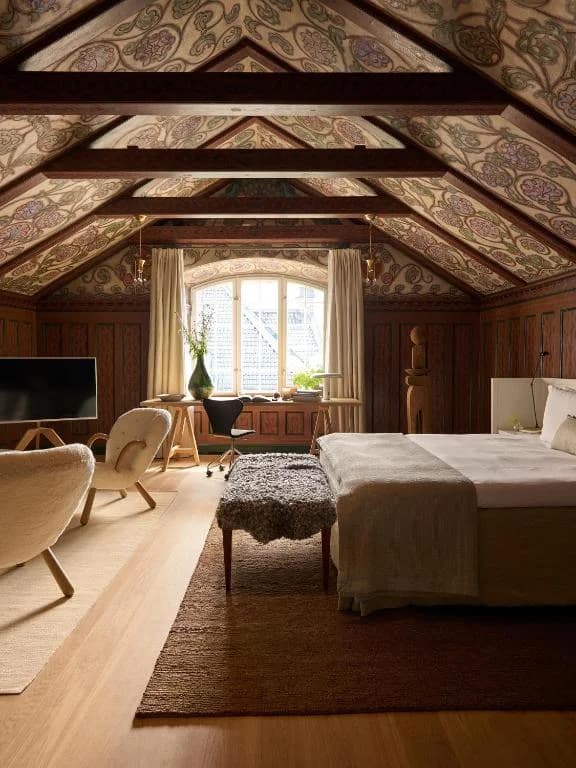
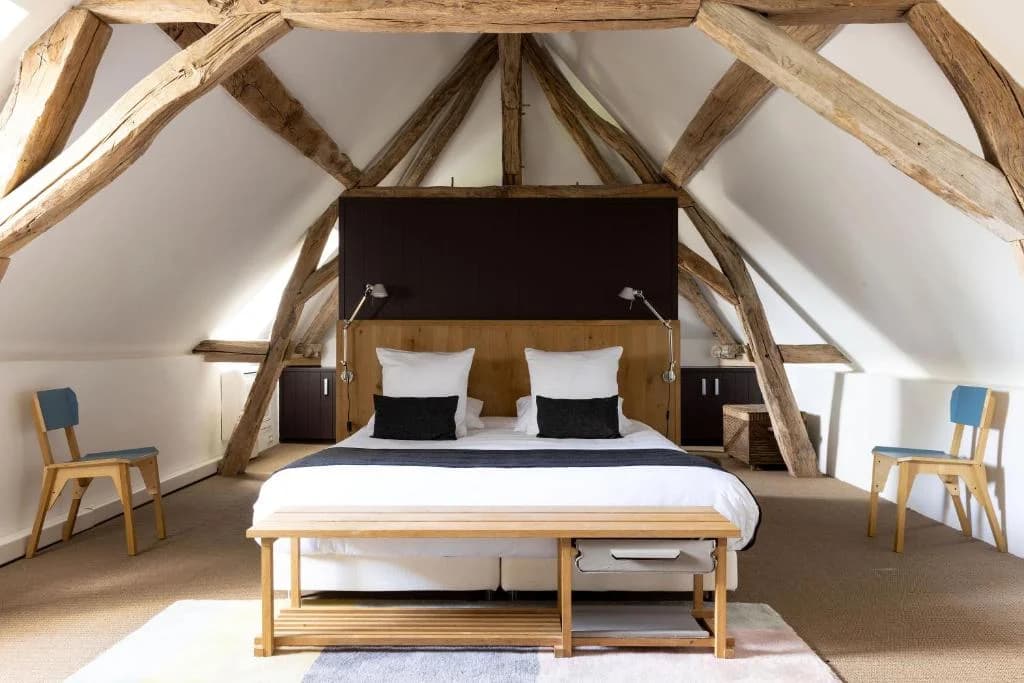
The best suites in the Loire Valley are typically characterised by volume rather than decoration. Stone vaulting, original fireplaces, parquet floors of serious provenance, and windows designed for a pre-electric relationship with natural light are the architectural given. Contemporary operators who understand this context tend to add little: a considered textile programme, lighting that does not compete with the architecture, and bathrooms that take the tuffeau aesthetic seriously. Properties that have overlaid this inheritance with generic luxury hotel conventions are easy to identify and easy to avoid with the right curation.
Service in the Loire Valley's finest properties is formal in structure but rarely stiff in execution. The French hospitality tradition at this level assumes knowledge: of wine, of local producers, of the agricultural calendar. A well-briefed suite guest can expect recommendations that go considerably beyond the standard concierge script.
How to choose the best suite in the Loire Valley
The primary choice is between château conversion and purpose-built or significantly renovated hotel. Château conversions offer architectural integrity, direct estate access, and an experiential logic that connects the suite to the broader property. They also carry the operational constraints of historic buildings: sound transmission through stone, limited climate control in the oldest structures, and room configurations that reflect Renaissance or classical spatial priorities rather than contemporary hospitality norms.
Renovated manor properties, particularly those that have undergone serious architectural intervention in the past two decades, often offer a more resolved balance between heritage fabric and contemporary comfort. The Loire Valley has attracted a number of serious operators and private investors since the early 2000s, and the quality of conversion work varies significantly. Floor position, orientation relative to the garden or river, and proximity to service areas are all considerations that a curated selection should already have filtered.
Travellers combining a suite stay with wine itinerary planning should consider the appellations within reach of a given property as part of the booking decision. The Loire produces more distinct wine styles across a single river valley than almost any other region in France, and access to private cellar visits or harvest participation can be arranged through properties with direct domaine relationships.
The value of curation for Loire Valley suite travel
The Loire Valley has more properties marketing themselves as château hotels than almost any other region in France. The gap between a genuinely exceptional suite experience and a commercially operated castle with standardised furniture is real and not always visible in photography or star ratings. La Suite's curated selection applies a consistent editorial standard to this landscape: architectural coherence, suite-level space and privacy, service that reflects the estate's character, and a demonstrable relationship between the property and its territory. For a destination where the visual vocabulary of luxury is abundant but the substance is unevenly distributed, this filtering function is not a convenience. It is the starting point for a stay that will actually deliver what the Loire Valley, at its finest, is capable of offering.