Boutique Hotel SOCLO, Toulouse
Comfortable Accommodations Boutique Hotel SOCLO in Toulouse offers family rooms with garden views, private bathrooms, and modern amenities. Each room includes air-conditioning, a mini-bar, and fre

Toulouse is not a city that performs for tourists. It has its own economy, its own intellectual life anchored around one of France's oldest universities, and its own culinary identity built on duck confit, cassoulet, and the wines of the Frontonais appellation. For a traveller seeking genuine immersion rather than a curated postcard version of France, that self-sufficiency is precisely the point. A luxury hotel suite here is not just an accommodation choice: it is a base from which to engage with a city that functions on its own terms.
7 hotels available

Comfortable Accommodations Boutique Hotel SOCLO in Toulouse offers family rooms with garden views, private bathrooms, and modern amenities. Each room includes air-conditioning, a mini-bar, and fre

Comfortable Accommodations Rooms feature air-conditioning, private bathrooms, tea and coffee makers, and free WiFi. Additional amenities include soundproofing, work desks, and flat-screen TVs. ##

Old private mansion, Les Capitouls Toulouse Center Handwritten Collection opens its doors to you. Enter a cozy decor with English accents then fall under the charm of our famous pink bricks, then rela

This Mercure hotel is located in central Toulouse, a 10 minute walk from Capitole Square and just 656 feet from the Compans Caffarelli Metro. Toulouse Stadium is 2.5 mi away. The sound-proofed, conte

Villa du Taur is located in the center of Toulouse near Place du Capitole and the Saint-Sernin Basilica. It offers guestrooms with free WiFi internet access. All of the guest rooms at Villa du Taur f

In the heart of the pink city, La Cour Des Consuls Hotel And Spa Toulouse - MGallery Collection is located In the center of old Toulouse in a 18th-century historic hotel, 0.9 mi from Toulouse Expo and

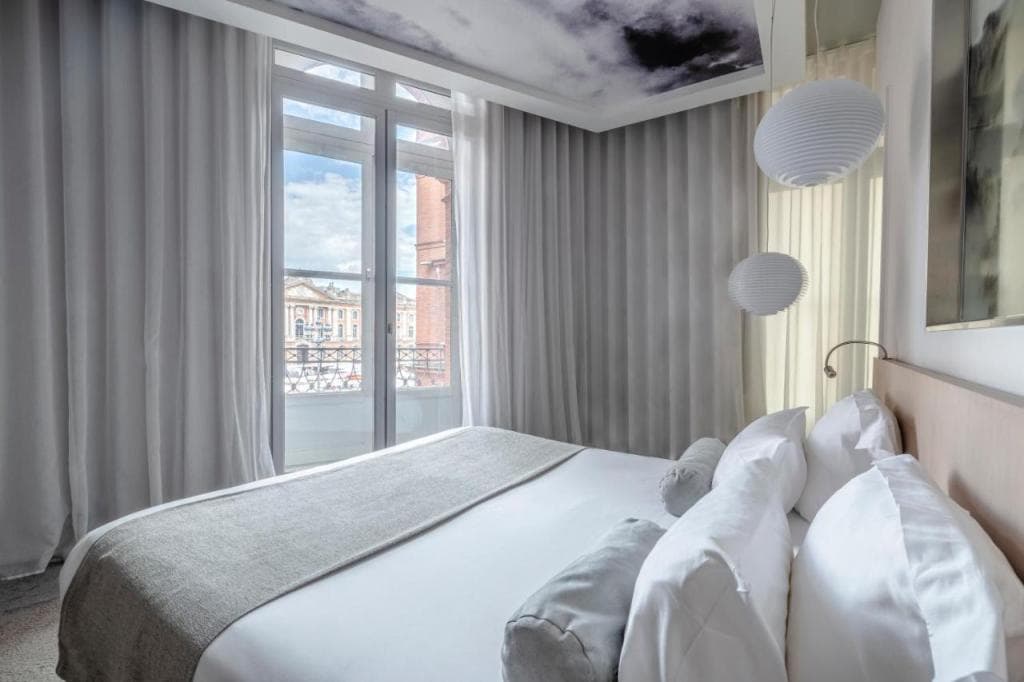
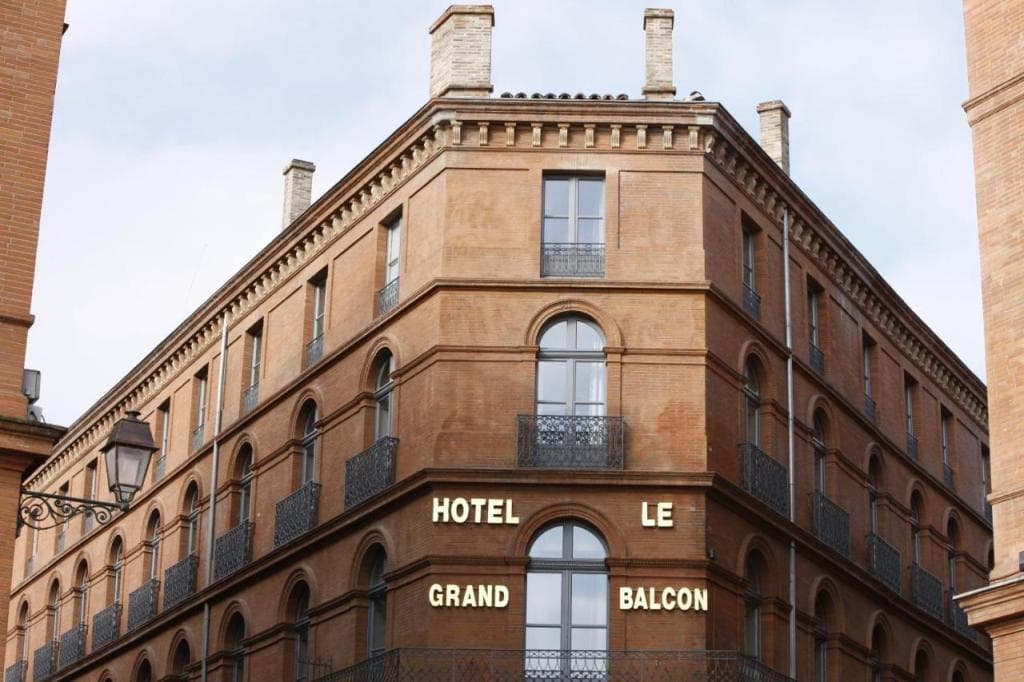
Set in central Toulouse, Grand Balcon Hotel is a 4-star hotel featuring a 1930s décor and a 24-hour reception. The property is 2.5 mi from Toulouse Stadium and offers air-conditioned guest rooms with

116 km away

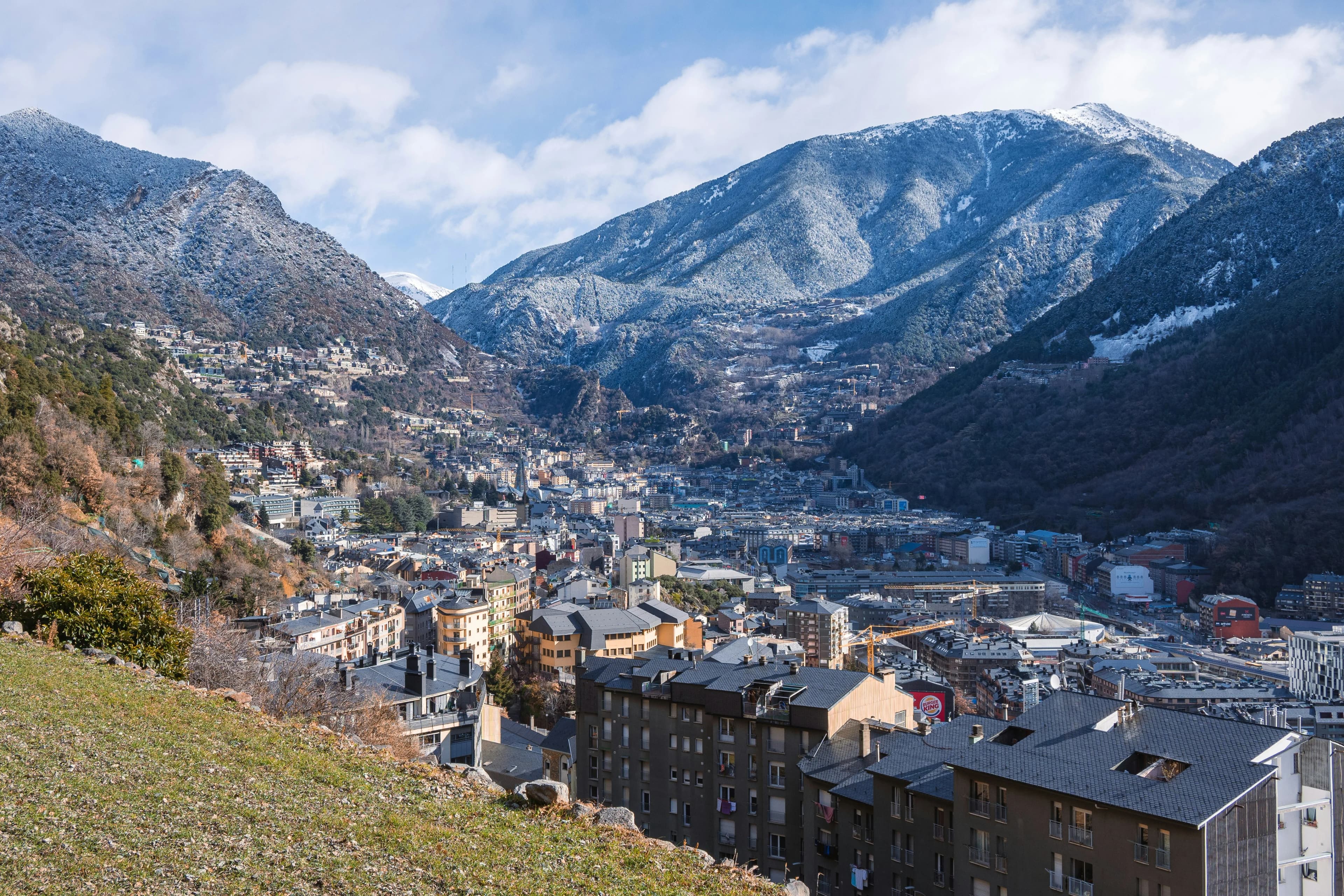
Andorra la Vella is not a city that performs for its visitors. It functions on its own terms: a sovereign microstate of approximately 77,000 residents, governed as a co-principality under the joint authority of the French President and the Bishop of Urgell. This constitutional particularity has preserved a culture of discretion and a commercial environment shaped by zero VAT and low customs duties. For the high-end traveler, this translates into a destination where the absence of pretension is itself a luxury. The city sits within the Valira river valley, surrounded by peaks that exceed 2,900 metres, giving even the most urban moments of the trip a permanent alpine frame.
The pink brick of the old centre, the brique rose that gives Toulouse its nickname La Ville Rose, is not merely decorative. It is a material consequence of the local geology, the abundance of alluvial clay from the Garonne plain. At different hours of the day, the city shifts in register from pale ochre at noon to deep terracotta at dusk. A suite with a considered view of the cityscape captures this chromatic cycle in a way that a standard room simply cannot.
If you are exploring the broader luxury hotel landscape across France or Europe, Toulouse offers a compelling counterpoint to the more heavily trafficked destinations of Paris or the Côte d'Azur.
The area surrounding the Place du Capitole is the architectural and civic heart of Toulouse. The grand neoclassical façade of the Capitole building anchors a square that serves as the city's primary gathering point. Properties in this quarter place guests within walking distance of the Jacobins convent, the Saint-Sernin basilica (a UNESCO-listed Romanesque structure and one of the largest of its kind in Europe), and the network of hôtels particuliers that line the streets of the Renaissance quarter. For a suite traveller, proximity here means access on foot, without logistical complexity.
Across the Garonne, the Saint-Cyprien district carries a different energy: more residential, increasingly design-conscious, home to the Musée des Abattoirs (Toulouse's contemporary art museum) and a growing concentration of independent restaurants and wine bars. Properties near the river offer views of the brick facades reflected in the water, particularly compelling in evening light. This side of the city appeals to travellers who prefer a quieter context without sacrificing proximity to the centre.
The Canal du Midi, inscribed on the UNESCO World Heritage List, begins its journey to the Mediterranean from the Port de l'Embouchure in Toulouse. Properties with access to the canal towpaths offer a different pace: cycling, walking, the particular silence of tree-lined water. For longer stays or for travellers combining Toulouse with the broader Occitanie region, this corridor is a meaningful geographic anchor.
Toulouse has a semi-continental climate moderated by proximity to the Pyrenees and Atlantic influences. Summers are warm and reliably dry, with temperatures regularly reaching 30 degrees Celsius between June and August. This is high season for the city's festival calendar, including the Rio Loco world music festival in June and various cultural events tied to the university calendar in spring and autumn.
September and October are arguably the most refined months for a suite stay. The summer crowds have receded, the light is oblique and warm, the restaurant terraces remain open, and the Frontonais and Gaillac wine harvests are underway within easy driving distance. November through February is quieter, with significantly lower demand on premium properties, which creates conditions where a suite traveller can negotiate access and experience a more local version of the city.
The aerospace industry generates a steady flow of business travel year-round, which means that quality hotel infrastructure in Toulouse is calibrated to professional standards: reliable connectivity, efficient service, and properties that understand the needs of frequent travellers.
France operates a formal hotel classification system that runs to five stars, with an additional designation, the Palace label, awarded by Atout France to properties that exceed the standard five-star benchmark across a rigorous set of criteria including architecture, service ratio, food and beverage standards, and cultural anchorage. While the Palace label is primarily associated with Paris and a small number of regional properties (in Cannes, Biarritz, and Évian, among others), the five-star standard in a city like Toulouse still carries meaningful requirements.
Top-tier suites in Toulouse will typically feature a minimum surface area that allows for genuine separation between sleeping and living spaces, premium French textile and furniture choices, and bathrooms that reflect the quality expected at this price point: freestanding baths, rain showers, and products from established French houses. Many of the city's most considered properties occupy converted hôtels particuliers, the aristocratic private mansions of the Renaissance and classical periods, which bring architectural volume and historical authenticity that purpose-built hotels cannot replicate.
Gastronomy is a serious consideration. Toulouse and its region are deeply embedded in the French culinary landscape, with chefs working a tradition built around duck, pork, foie gras, and the légumineuses (pulses and legumes) that define cassoulet. A suite property with a credible restaurant in Toulouse is not offering a novelty: it is operating within a gastronomic culture that takes food as seriously as any in France.
The first consideration is architecture. Toulouse's historic centre is defined by its Renaissance and classical hôtels particuliers, and a suite within one of these converted structures will deliver a spatial and material experience distinct from a modern property. Coffered ceilings, internal courtyards, original stonework alongside contemporary fittings: this is a specific register of luxury that appeals to travellers with a design sensibility.
The second consideration is scale. Toulouse is a mid-sized French city, compact enough to navigate on foot or by the city's metro system. A central location in a suite property here does not require the trade-offs that a central location in Paris might impose. Proximity to the Capitole or the Garonne is achievable without sacrificing quiet or space.
The third consideration is purpose. Toulouse attracts a diverse mix of travellers: aerospace executives on extended assignments, cultural tourists visiting the Musée des Augustins or the Cité de l'Espace, families with a connection to the university, and travellers using the city as a base for the Pyrenees or the Occitanie wine routes. The right suite is not universal: it depends on the specific logic of the trip.
Toulouse is not a city with an overwhelming number of luxury hotel options, which makes the selection process both simpler and more demanding. With fewer properties operating at the highest level, each choice carries more weight. A suite that does not deliver on its architectural promise or its service standards has no equivalent fallback in the same category.
La Suite applies the same rigorous editorial criteria to Toulouse as to any major international destination: surface area, design coherence, service quality, culinary standard, and the specific ability of a property to function as a genuine base for the city rather than simply a place to sleep. The curated selection by La Suite removes the friction of navigating a market where the gap between marketing language and actual experience can be considerable.

Toulouse's most considered suite options are concentrated in the historic centre, particularly in converted Renaissance and classical <em>hôtels particuliers</em> near the Place du Capitole and the Garonne waterfront. The best suites in the city offer genuine architectural volume, separation of living and sleeping spaces, and access to serious restaurant programmes anchored in Occitan and Gascon culinary traditions.
September and October offer the most balanced conditions for a high-end stay: warm temperatures, lower footfall than summer, and the harvest season for regional wines including Frontonais and Gaillac. Spring (April to June) is also strong, with the full university and cultural calendar active and comfortable temperatures before the summer peak.
Toulouse operates at a different register from Paris. The pace is slower, the architecture more singular (defined by terracotta brick rather than Haussmann stone), and the cultural offer more specialised. Compared to Lyon, Toulouse has a stronger aerospace and academic identity, with a culinary tradition rooted in the South-West rather than the Rhône Valley. For a traveller seeking an authentic French city with less international tourist density, Toulouse is a credible and rewarding alternative.
Toulouse is the administrative and geographic capital of Occitanie, which makes it a logical base for the broader region. The Pyrenees are approximately 90 minutes by road to the south, the Cathar country and the Aude département are accessible within two hours, and the Canal du Midi corridor connects the city to Carcassonne and the Mediterranean coast. A suite in Toulouse with reliable parking and concierge support is a practical anchor for this kind of extended regional itinerary.
The Palace designation is awarded by Atout France, the national tourism agency, to a small number of five-star properties that meet an elevated set of criteria across architecture, service, gastronomy, and cultural identity. As of the current period, the Palace label is concentrated in Paris and a small number of coastal and spa destinations. Toulouse does not currently hold a Palace-designated property, but the city's five-star and upper-four-star hotels operate to standards that are competitive within the French regional luxury market.
The key variables in a converted <em>hôtel particulier</em> are ceiling height, natural light, acoustic insulation, and the quality of the integration between original architectural features and contemporary fittings. Some historic properties in Toulouse retain internal courtyards (the <em>cour intérieure</em>) that provide natural ventilation and a sense of retreat from the street. It is worth verifying whether the suite offers a courtyard-facing orientation, as street-facing rooms in the historic centre can carry ambient noise from the city's active social scene.
Occitan cuisine in the South-West of France is built around duck (confit, foie gras, magret), pork, legumes (particularly the white Tarbais bean central to cassoulet), and the cheeses and charcuterie of the Pyrenean foothills. The best hotel restaurants in Toulouse engage with this tradition directly, working with regional producers and offering wine lists that feature the Frontonais, Gaillac, and Cahors appellations. This is not a decorative gesture: Toulouse chefs take the South-West pantry seriously at every level of the market.
Toulouse-Blagnac airport operates direct connections to most major European hubs, including London Heathrow, London Gatwick, Amsterdam, Frankfurt, and Barcelona. From Paris, the high-speed rail (TGV) connection from Gare Montparnasse covers the journey in approximately four hours and fifteen minutes, with regular daily departures. The airport is located approximately ten kilometres from the city centre, with taxi and shuttle connections that are efficient by French regional standards.
The Musée des Augustins, housed in a former Augustinian convent, holds one of the most important collections of Romanesque and Gothic sculpture in France. The Musée des Abattoirs presents contemporary and modern art in a converted 19th-century slaughterhouse in the Saint-Cyprien district. The Cité de l'Espace, located to the east of the centre, is the primary aerospace and science museum in France. The Jacobins convent contains the relics of Thomas Aquinas and one of the finest examples of southern Gothic architecture in Europe. These four institutions cover the principal registers of the city's cultural offer at the level a design-literate traveller would expect.
La Suite applies editorial criteria that go beyond star ratings and user review aggregation. Each property is assessed on suite-specific variables: surface area, architectural coherence, service quality, culinary standard, and the capacity to function as a genuine base for the destination. In a city like Toulouse, where the number of properties operating at the highest level is limited, this precision matters more than it does in markets with deep inventory. The curated selection by La Suite reflects direct knowledge of the properties and their actual suite offer, not their marketing positioning.