Where to stay in and around Meteora
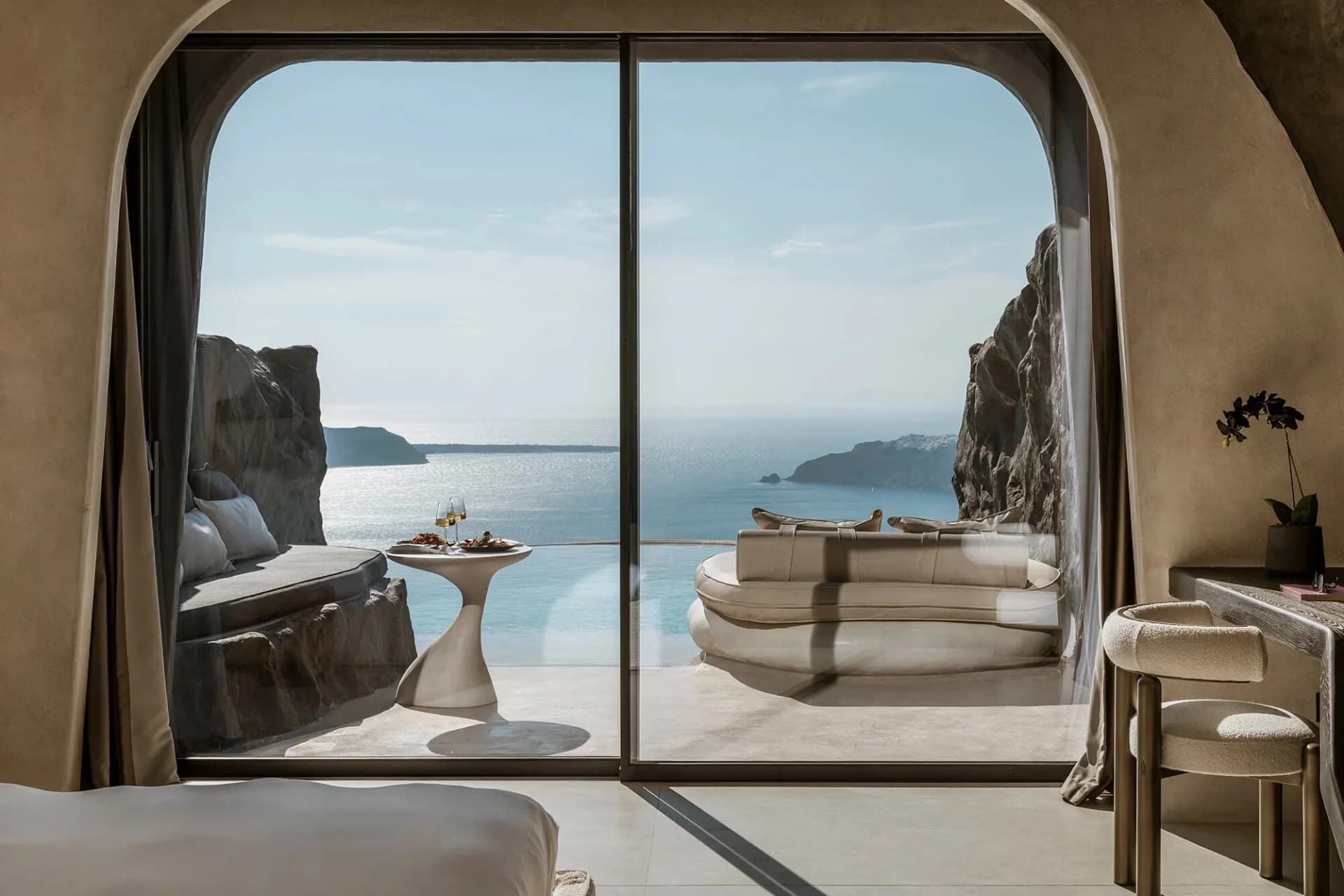
Kalambaka functions as the main service hub, with a broader range of accommodation and direct rail connections to Athens and Thessaloniki. Properties here offer panoramic views of the rock columns from a comfortable distance, allowing the full scale of the formation to register from a terrace or suite window. For travelers who value that framing, a well-positioned suite in Kalambaka delivers a composed, almost cinematic relationship with the landscape.
Kastraki, by contrast, sits immediately beneath the rocks. The village retains a quieter, more insular character. Properties here place guests in physical proximity to the geology itself: the light shifts dramatically across the stone surfaces throughout the day, and at dusk the effect is unlike anywhere else in Greece. A luxury hotel suite in this location functions as a private observatory as much as a place to sleep.
The surrounding Thessaly plain, stretching out beyond the formation, offers an entirely different context for those who prefer a rural estate stay with day access to Meteora. Agrarian landscape, agricultural estates, and occasional restored manor properties exist within a short drive, suited to travelers combining a Meteora visit with a broader exploration of northern and central Greece.
When to visit Meteora
Meteora receives visitors year-round, but the optimal windows for a considered luxury stay fall in spring (April to early June) and autumn (September to October). During these periods, the light is clear and low-angled, temperatures are moderate, and the site experiences significantly lower footfall than in peak summer.
Summer in Meteora, particularly July and August, brings heat and concentrated tourist traffic. The monasteries, which are still active religious sites with strict dress codes and variable opening hours, can become congested. Suites with private outdoor space become especially valuable during this period, offering a retreat from the midday crowds.
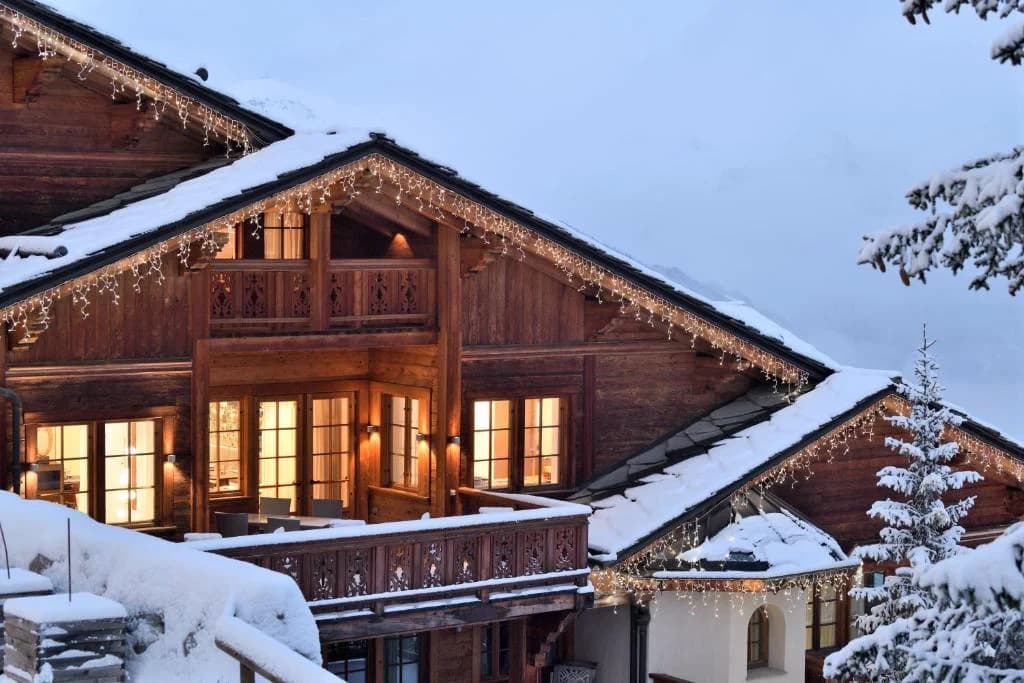
Winter visits carry their own logic. Snowfall, though not guaranteed, occasionally blankets the plateau and the rock formations, creating conditions that are rarely photographed and almost never crowded. For travelers who respond to dramatic, unpeopled landscapes, a winter luxury hotel stay in Meteora can be one of the more distinctive experiences available in Greece outside of the island season.
Easter, which follows the Orthodox Christian calendar and falls between late March and early May, is a significant cultural moment in the region. The monasteries hold their full liturgical weight during this period, and the surrounding towns participate in ceremonies that are largely unaffected by tourism infrastructure. Planning a stay around this period requires advance attention to suite availability.
Understanding the local accommodation standard
Greece does not operate a palace-tier hotel classification in the formal sense used in France, but the country's national tourism organisation (GNTO) applies its own star-rating system. In practice, the luxury tier in Meteora is defined less by official labels and more by architectural positioning, quality of materials, and the degree to which a property engages honestly with its landscape.
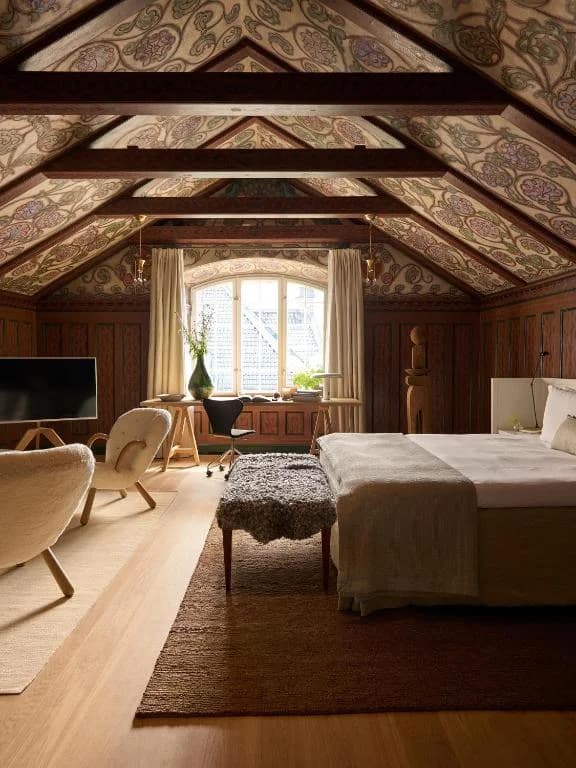
The finest suites in the Meteora area share several characteristics: direct, unobstructed views of the rock formation, private terrace or balcony access, considered interior design that draws on local stone and regional craft traditions, and a level of service calibrated to smaller, more personal properties rather than large resort operations. This is not a destination for grand lobby hotels. The properties that perform best here tend to be boutique in scale, with a strong emphasis on spatial quality and sensory connection to the site.
Breakfast quality is a meaningful indicator in this context. Greek hospitality at the upper end places considerable emphasis on local produce, regional cheeses, honey, and fresh preparation. A suite experience that extends to a well-composed morning meal served on a terrace facing the rocks is a legitimate part of the overall luxury proposition here.
How to choose the right suite in Meteora
The primary consideration when selecting a luxury suite in Meteora is orientation. Not all views are equal: some properties face the main cluster of monastery-topped pillars directly, while others look toward secondary formations or the open plain. Confirming the precise view from the specific suite category you are booking is essential, not a minor detail.
Floor elevation within a property also matters. Ground-level rooms, even in high-quality hotels, can lose the panoramic quality that defines the experience. Upper-floor or elevated suites, including those in properties built directly into sloped terrain, deliver a fundamentally different spatial relationship with the landscape.
Consider also the acoustic environment. Meteora is genuinely quiet by Greek standards, and the best suites preserve that quality. Properties on or near the main road through Kalambaka may sacrifice some of this silence. For travelers whose primary interest is contemplative solitude alongside the scenery, acoustic privacy deserves the same weight as the visual composition.
Finally, access logistics are worth factoring into the suite selection process. The monasteries require visits on foot, climbing stone steps and navigating paths that are uneven in places. A property that allows easy walking access to the base of the formations, or that can arrange private early-morning access arrangements, offers a practical advantage that compounds the quality of the stay.
Why curation matters in Meteora
Meteora's accommodation market is small and uneven. The destination's global profile, raised significantly by its UNESCO World Heritage Site status and by its use as a filming location, has generated a wide range of properties across all price points. The gap between what is marketed as a luxury experience and what actually delivers one is considerable in this context.
La Suite applies consistent, property-level standards to every listing in Meteora. Suite dimensions, view orientation, design quality, and service level are all assessed against criteria developed for a high-end traveler who is making a deliberate choice, not filling an itinerary gap. The curated selection by La Suite in Meteora is intentionally limited: only the properties that meet those standards appear. This restraint is the point.