The Saronic Islands: a framework for choosing where to stay
Hydra
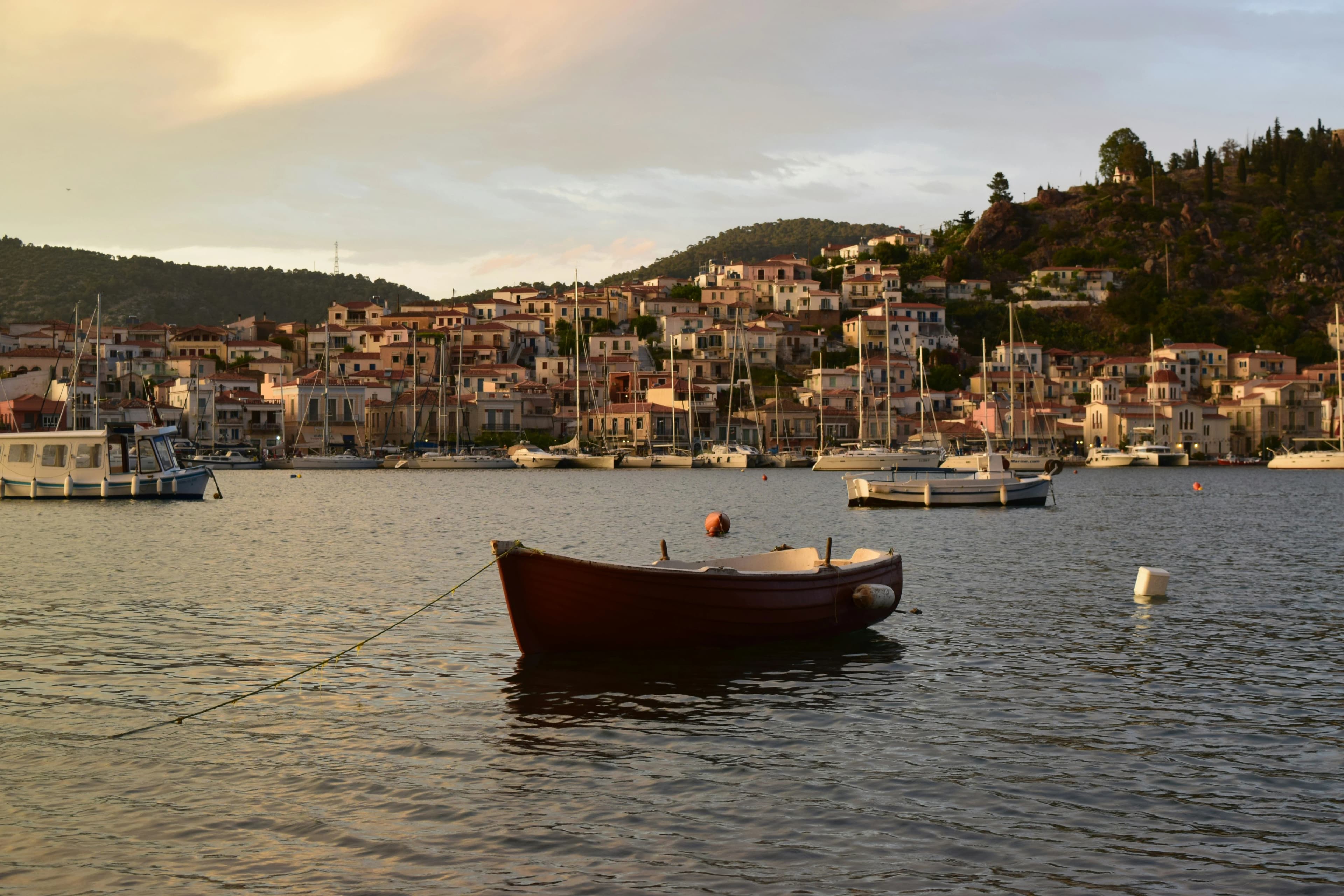
Hydra is the most architecturally coherent of the Saronic Islands. Motorized vehicles are banned entirely. Goods and luggage move by donkey. The harbor front is framed by 18th-century stone mansions built by ship captains, and the island's interior rises steeply through whitewashed lanes and bougainvillea-covered walls. Hydra has long attracted artists, writers, and filmmakers, and that cultural gravity persists. Staying here in a well-appointed suite means engaging with an environment that is genuinely preserved rather than reconstructed. The sensory experience, stone underfoot, salt air, the absence of engine noise, is consistent and immersive.
Spetses
Spetses sits at the southern edge of the Saronic group, closer to the Peloponnese than to Athens. The island is known for its pine forests, which extend to the coastline and lend the air a resinous quality unusual in the Aegean. Horse-drawn carriages operate alongside bicycles in the absence of private cars. The architecture blends neoclassical and vernacular styles, and the island supports a level of hospitality infrastructure that positions it well for travelers seeking refined comfort without the density of Mykonos or Santorini.
Aegina
Aegina is the most accessible of the Saronic Islands from Piraeus, and consequently the most frequented by Athenians on short breaks. Its identity is anchored in its pistachios, its Byzantine and ancient heritage, and its working harbor. The Temple of Aphaia, a well-preserved Doric structure from around 500 BCE, is one of the most significant ancient sites in the wider Attica region. Luxury accommodation on Aegina tends toward boutique properties that draw on the island's agricultural and maritime character rather than generic resort typologies.
Poros
Poros is divided into two land masses: the small volcanic islet on which the main town sits, and the larger forested Kalavria. The channel separating Poros from the Peloponnese is narrow enough that the two coastlines feel in conversation. The island is quieter in ambiance than Hydra or Spetses, and its accommodation options lean toward intimate properties that prioritize sea views and direct water access.
When to visit the Saronic Islands for a luxury suite stay
The Saronic Islands are accessible year-round by ferry from Piraeus, but the experience changes substantially by season. The core luxury travel window runs from late April through October, with the peak months of July and August bringing the highest demand for premium suites. Booking lead times for the best properties on Hydra and Spetses during July and August can extend to several months in advance.
Late spring, specifically May and early June, offers a compelling combination: the Aegean is warm enough for swimming, the island landscapes retain their green, and the social and hospitality infrastructure operates at full capacity without the density of high summer. September is widely regarded by experienced Aegean travelers as the optimal month, with sea temperatures at their annual peak, reduced visitor numbers, and the return of a calmer, more deliberate atmosphere.
The Spetses Classic Yacht Race, held annually in late September or early October, draws a specific international clientele and generates significant demand for premium accommodation on Spetses in that period. For travelers interested in the event, early planning is essential.
Understanding local luxury standards in the Saronic Islands
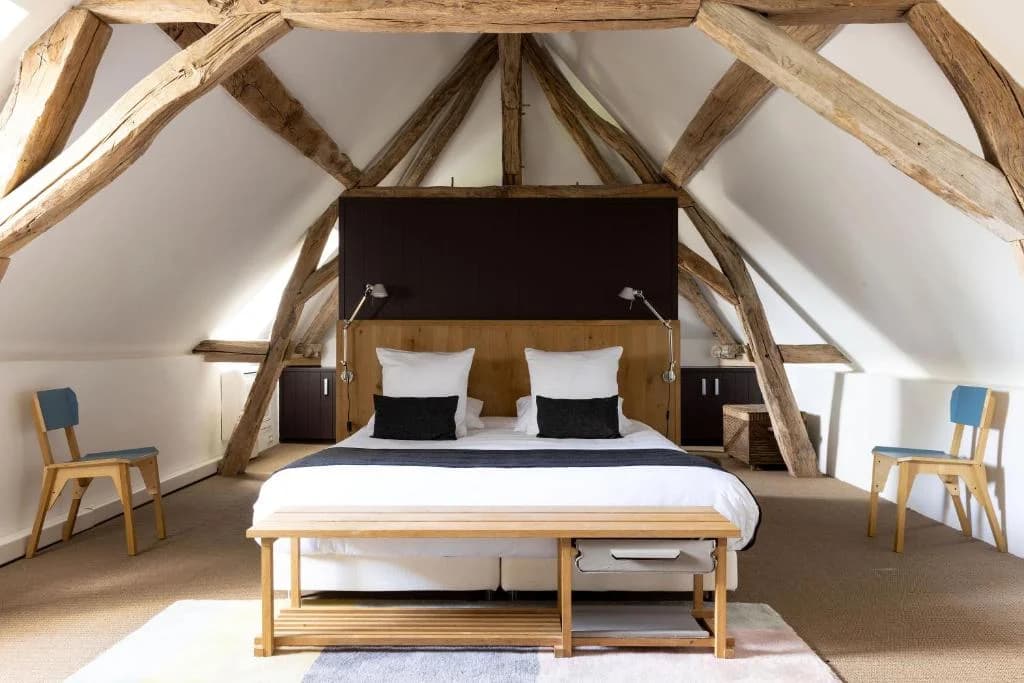
Greece does not operate a Palace hotel classification equivalent to France's system, but the country's official hotel star rating applies, with five-star properties representing the upper tier. In the Saronic context, the most compelling luxury experiences are often found in boutique properties of between ten and forty rooms, frequently housed in restored neoclassical or vernacular buildings. These properties are valued for their architectural integrity, their relationship to the local landscape, and the quality of personal service they can provide at smaller scale.
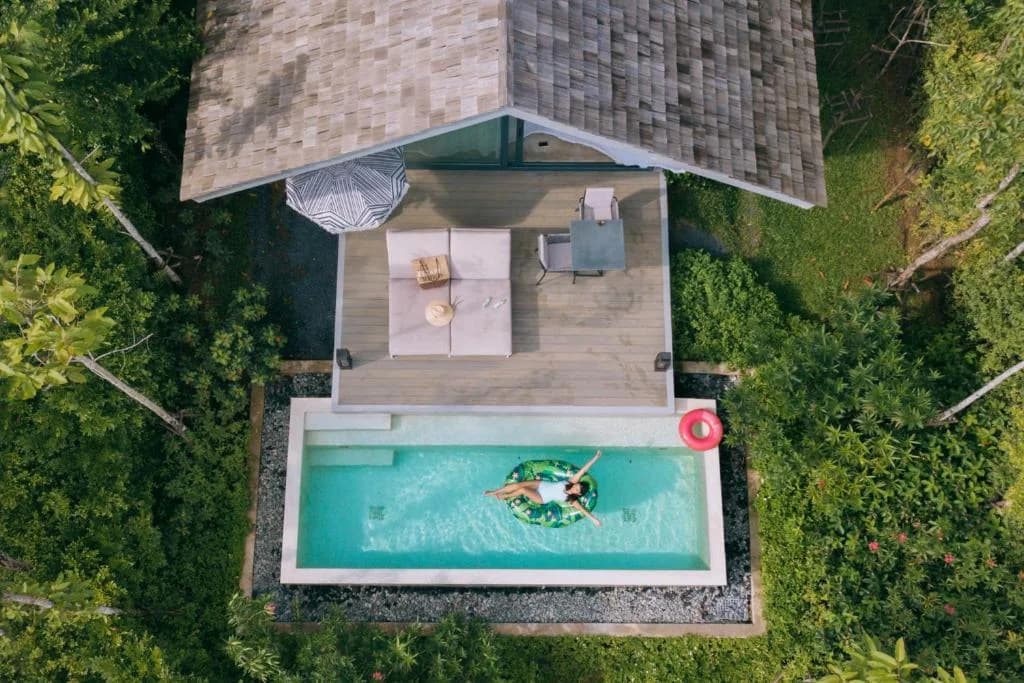
The Greek concept of filoxenia, broadly translatable as generous hospitality toward guests, informs service culture across the islands. At the top end of the market, this translates into a non-transactional approach to guest relations: attention that is responsive rather than scripted. Expect well-curated local food and wine programs, direct sea access or proximity to it, and interior design that references local craft traditions, stone, linen, handmade ceramics, without reverting to folkloric cliche.
On Hydra specifically, the logistical constraints of the island (no vehicles, all deliveries by sea or donkey) mean that operating a high-quality property requires genuine operational capability. Properties that manage this well tend to reflect it in every aspect of the guest experience.
How to choose the best luxury suite in the Saronic Islands
The choice of island is the primary decision. Hydra suits travelers who prioritize architectural atmosphere, cultural density, and the discipline of a car-free environment. Spetses suits those seeking a balance of natural landscape and social infrastructure, with a slightly more conventional resort logic. Aegina and Poros offer proximity to Athens and a more local, less internationally curated experience.
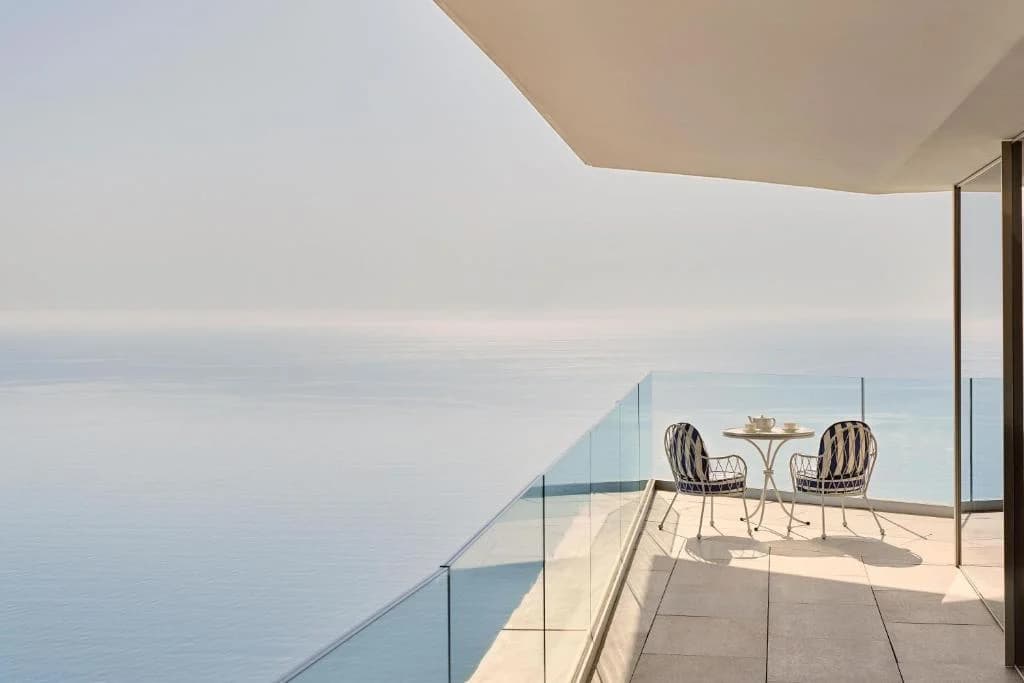
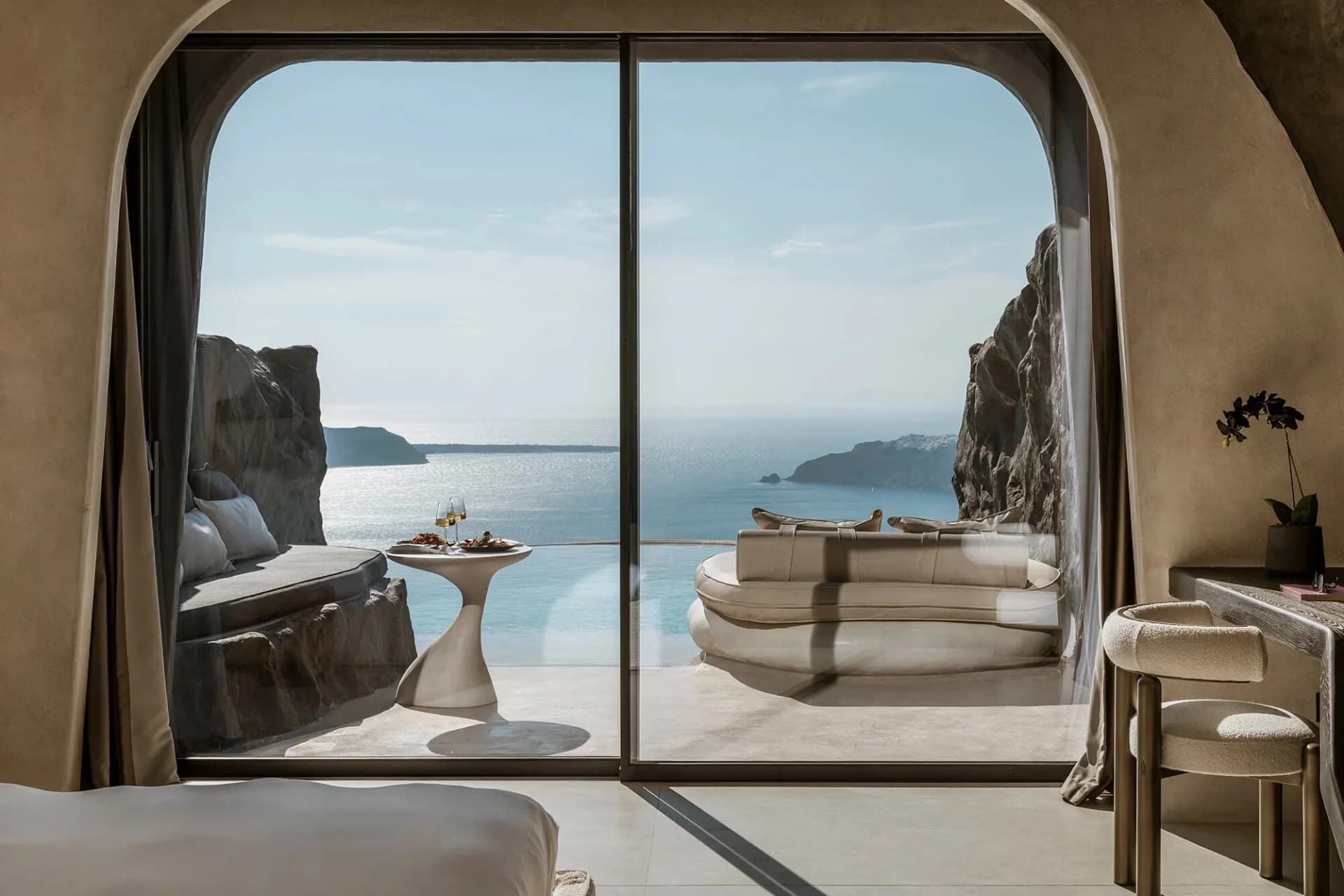
Within each island, suite selection should account for several considerations. Sea-view positioning varies significantly: some properties offer direct visual access to the harbor or open water, while others are positioned in the island interior with an emphasis on garden or courtyard space. Both can be appropriate depending on the traveler's priorities. Terrace scale and privacy are particularly relevant on Hydra, where properties are close together and outdoor space is at a premium.
Access logistics matter more in the Saronic Islands than in most destinations. On Hydra, arrival from the ferry port to the property is on foot or by donkey, with luggage carried separately. Travelers with mobility constraints or very heavy luggage should factor this into their choice. On Spetses and Poros, water taxis supplement ferry connections and can reach certain properties more directly.
Why a curated selection by La Suite matters here
The Saronic Islands present a paradox familiar in high-end travel: the most compelling properties are often the least visible in standard search environments. Boutique hotels on Hydra or Spetses may have limited online distribution, inconsistent photography, or minimal presence on major booking platforms, not because the experience is lacking, but because their scale and clientele do not require mass market exposure.
La Suite's curation function is particularly relevant in this context. The selection process evaluates suite quality on architectural, spatial, and experiential criteria, not simply on star rating or review volume. For a destination where the right property might have twelve rooms and no billboard presence, that process resolves the information asymmetry that independent research rarely overcomes. The result is a shortlist calibrated to the standards of travelers for whom the suite itself is a material part of the trip.