Understanding Bellagio as a luxury destination
Areas and orientations worth knowing
The lakefront promenade
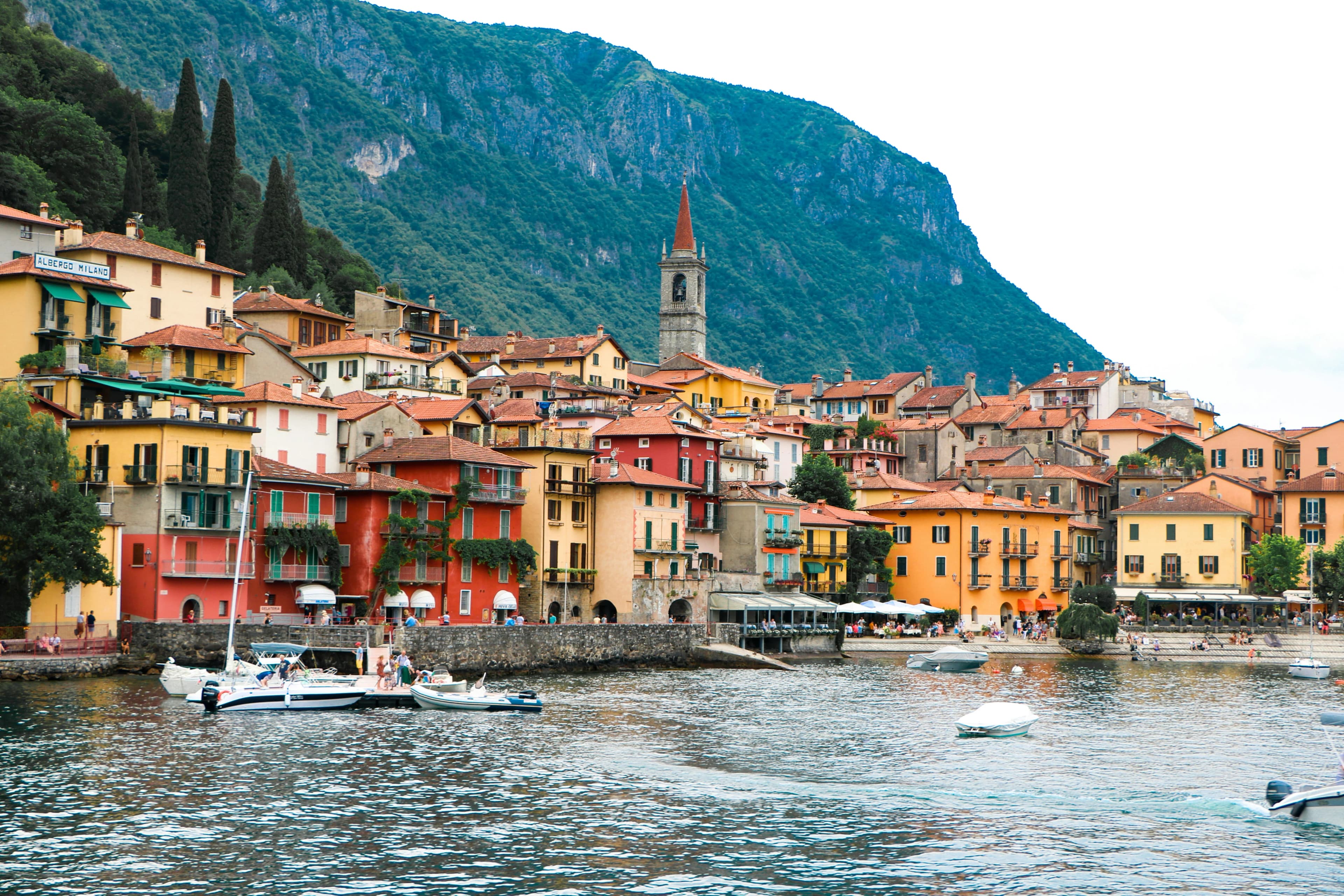
The central waterfront, Lungolago Manzoni, is where the town's most historically significant properties sit. Buildings here date largely from the nineteenth century, constructed when wealthy Milanese and northern European families commissioned villas and hotels in the neoclassical and Lombard vernacular styles. Suites in this zone offer direct lake exposure, ferry terminal proximity, and access to the main commercial and restaurant street. The tradeoff is that high season brings foot traffic that makes privacy a genuine consideration when choosing between a ground-floor terrace suite and an elevated room with a private balcony.
The hillside and garden properties
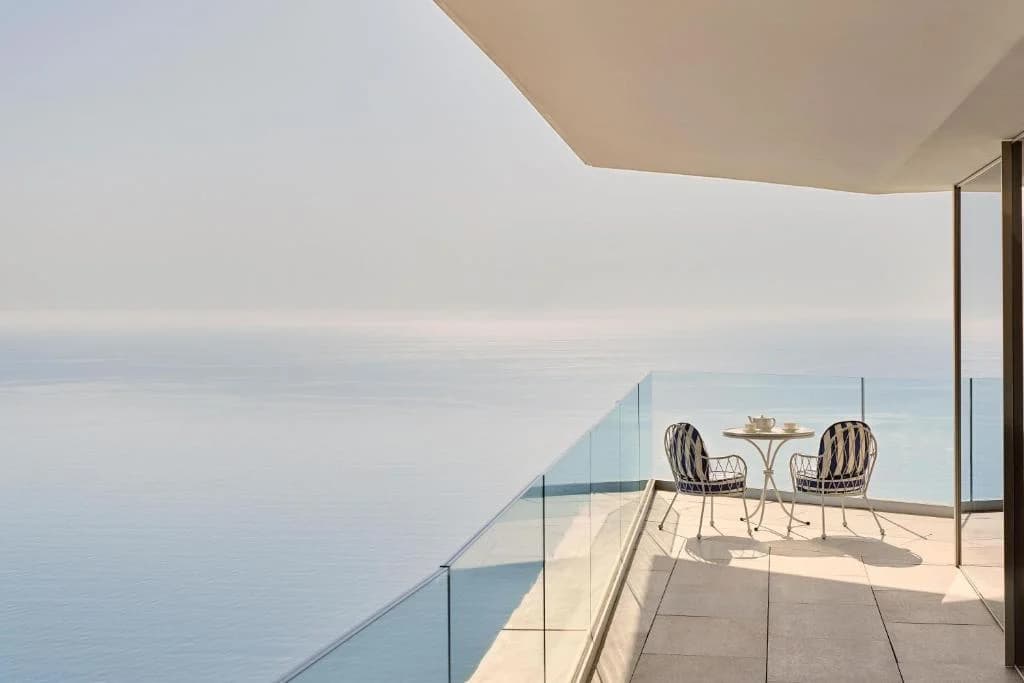
Moving uphill from the waterfront, properties become more villa-like in character, often embedded within mature botanical gardens. The altitude gain is modest but sufficient to change the acoustic environment and increase the sense of seclusion. Several of the most architecturally interesting hotels in Bellagio occupy these positions, with suites designed to frame the lake view rather than simply face it. Terraces here function as outdoor rooms: usable for breakfast, reading, and evening dining when the ferry noise has subsided.
The surrounding villages
Loppia, Pescallo, and San Giovanni are within walking or short boat distance of Bellagio's centre. For travellers who want the lake context without the tourist concentration of the main promenade, suite properties in these villages offer an alternative that is architecturally less formal but experientially more private. Restored stone farmhouses and converted liberty-style villas predominate in this zone.
When to visit Bellagio
The Lake Como season runs from late March through October. April and May offer the most considered conditions for a suite stay: the botanical gardens of Villa Melzi and Villa Serbelloni are in full growth, the lake is navigable without summer congestion, and room rates have not reached their July and August peak. June is a transitional month, warm and clear but increasingly busy. July and August are peak season by every metric: maximum occupancy, highest nightly rates, and the most social atmosphere on the water. September and early October are frequently cited by repeat visitors as the optimal balance between warmth, light quality, and reduced crowd density. The lake takes on a different palette in autumn, the surrounding hills begin to colour, and hotels operate with more attentive ratios of staff to guests. November through March, most lakefront properties close entirely, a structural feature of the Bellagio hotel market that concentrates the offer into a defined window.
Local luxury standards and what to expect from top-tier suites
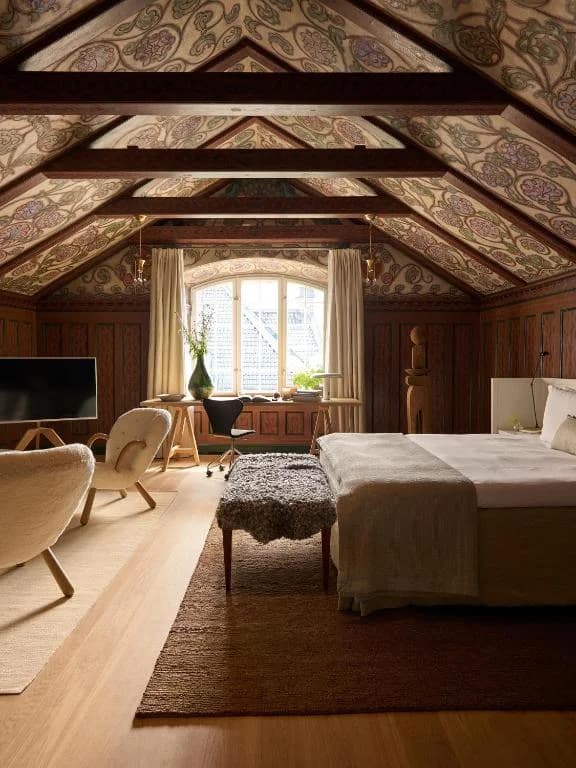
Italy does not operate the French Palace designation system, but the country's own five-star and five-star superior categories apply across the Lake Como market. In Bellagio specifically, the top-tier properties tend to occupy historic buildings, and the suite offer reflects this: rooms are characterised by high ceilings, period architectural detailing, and, in many cases, original nineteenth-century furniture or careful reproduction of it. The sensory register is different from a contemporary resort suite. Marble floors, internal courtyard acoustics, and the particular quality of lakeside humidity combine to create an environment that is cool, formal, and precise.
Service standards at the leading Bellagio properties are consistent with northern Italian hospitality culture: attentive, knowledgeable about the local geography and restaurant scene, and discreet without being cold. Butler service is available at the most elevated suite tiers, and several properties offer private boat transfers as an ancillary to suite bookings. For guests arriving from Milan Malpensa or Linate, coordinated transfer by private car and then by motorboat directly to the hotel dock is a standard offering at the premier addresses.
How to choose the right suite in Bellagio
Historical architecture versus contemporary conversion
The majority of high-end suite inventory in Bellagio is housed within buildings of historical significance. This means that suite layouts are not always regular: some rooms have asymmetrical proportions, lower secondary ceilings in alcove areas, or windows positioned for exterior facade logic rather than interior light optimisation. Travellers who prioritise architectural character over spatial regularity will find this entirely consistent with what makes Bellagio distinctive. Those who require the spatial logic of a purpose-built luxury hotel should weigh this carefully before committing to a specific property.
Lake-facing exposure and privacy
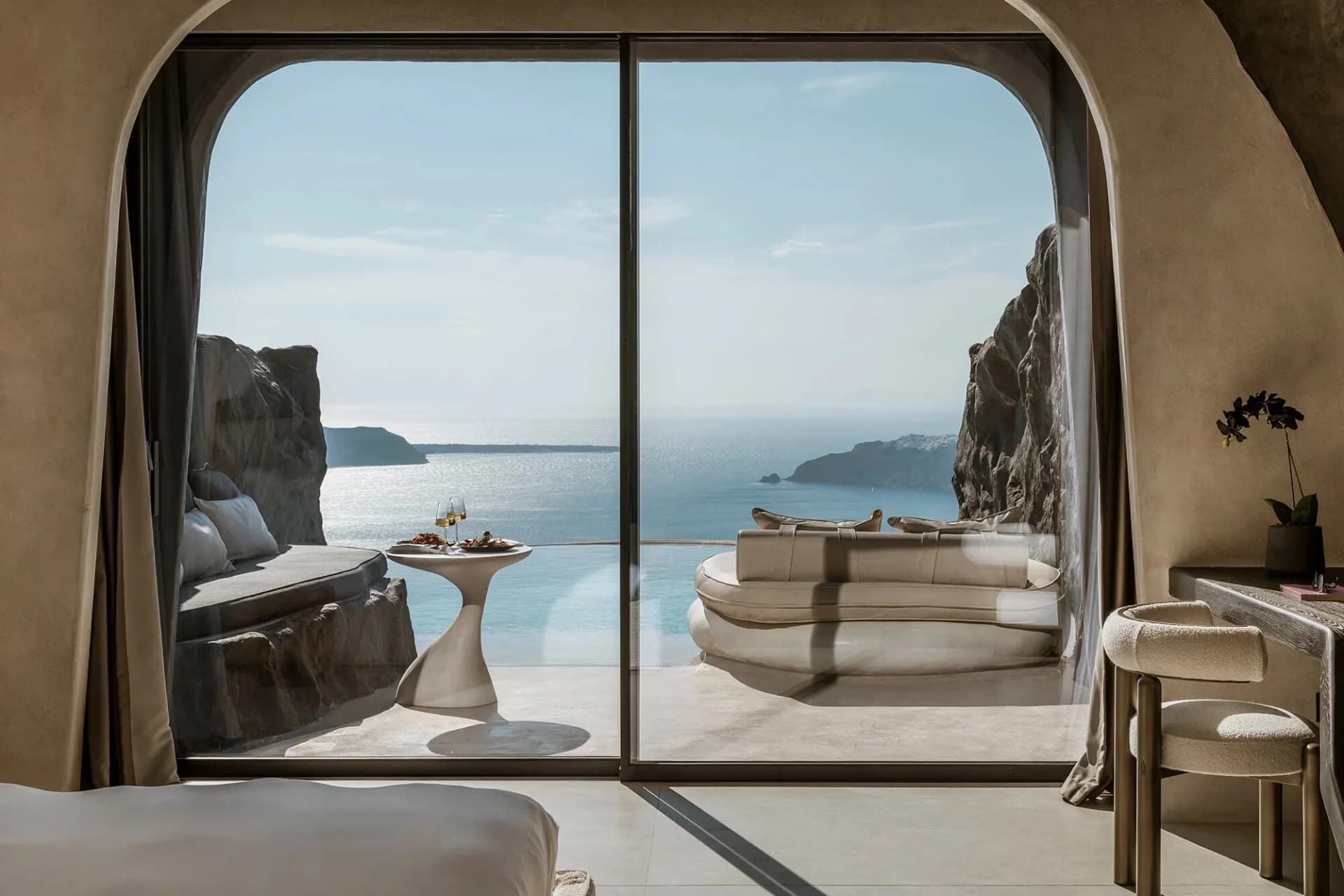
Not every suite described as having a lake view offers the same exposure. In Bellagio's topography, a true frontal lake view requires either a direct waterfront position or sufficient elevation above the adjacent rooflines. Lateral lake views, looking across to Varenna on the Lecco arm or toward Cadenabbia on the Como arm, are equally valid but produce a different visual experience. At La Suite, the curation process distinguishes between these orientations so that the selection reflects the actual geometry of each property.
Seasonality and suite availability
Because the Bellagio season is compressed into roughly seven months, the highest-category suites at the leading properties are typically reserved months in advance for the peak July and August weeks. Shoulder-season flexibility is greater, and some properties offer extended-stay pricing for stays of five nights or more outside peak season. Understanding this market structure helps calibrate when to engage with the booking process.
The value of curation in a concentrated market
Bellagio's hotel market is small by the standards of a major city destination. There are a limited number of properties operating at genuine five-star level, and within those, the suite inventory is further reduced. In this context, curation by La Suite serves a specific function: it removes the noise of aggregator platforms that list every room category equivalently and instead presents only those suites whose physical and service standards are consistent with the expectations of a well-travelled, design-literate guest. The selection is reviewed against architectural quality, view orientation, service infrastructure, and the coherence of the in-suite experience. For a destination where the wrong choice means a room that faces a courtyard wall rather than the lake, this level of filtering is not a convenience but a necessity.